
The Eight Pillars of Nutri-Rice Production: A Comprehensive Guide to Engineering a Staple for Global Health
Introduction: The Imperative of Nutritional Enhancement
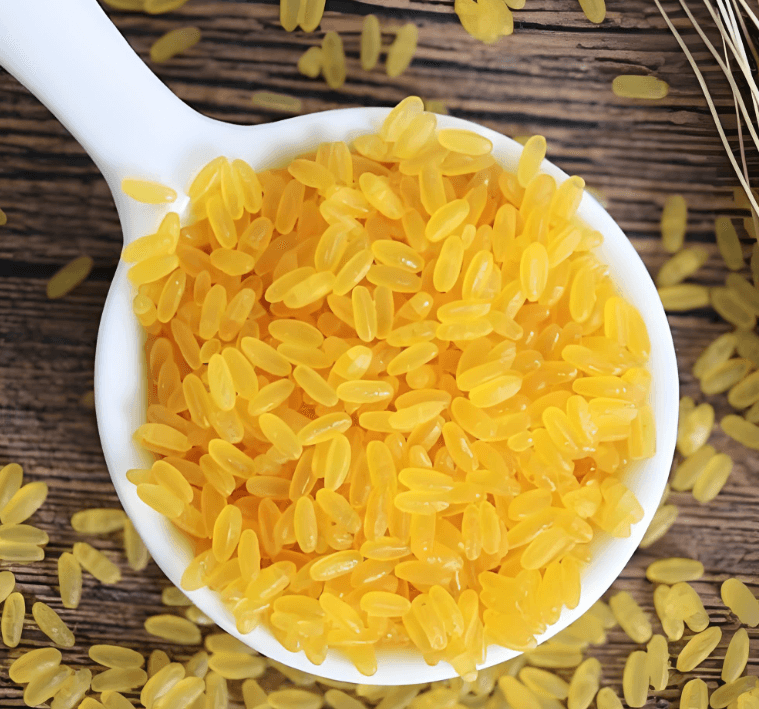
Rice is the caloric cornerstone for over half of the world’s population, a fundamental source of sustenance for billions across Asia, Africa, and Latin America. Yet, this profound reliance on rice harbors a critical paradox: in its most universally consumed form—polished white rice—it is a tragically inadequate source of essential micronutrients. The very milling process that bestows white rice with its extended shelf life and desirable texture strips away the nutrient-rich bran and germ, leaving an endosperm composed primarily of carbohydrates.nutrition rice making machine
This nutritional void contributes significantly to the global scourge of “hidden hunger,” or micronutrient malnutrition. Unlike the overt pangs of caloric deficiency, hidden hunger is a silent, insidious epidemic where individuals may consume sufficient food but lack the vital vitamins and minerals necessary for healthy growth, cognitive development, and robust immune function. The consequences are devastating and intergenerational: impaired learning abilities in children, increased susceptibility to infectious diseases, maternal mortality, and reduced economic productivity. Deficiencies in iron, vitamin A, zinc, and folic acid are particularly prevalent in populations with high rice consumption.

The processing of Nutri-Rice, primarily through fortification, stands as a powerful, evidence-based, and scalable solution to this crisis. The objective is to restore lost nutrients or introduce new ones into white rice, elevating its public health value without altering the sensory qualities that make it a dietary staple. However, this is not a simple task of addition. It is a complex, multi-disciplinary endeavor that sits at the intersection of food science, chemical engineering, nutritional biochemistry, and behavioral economics. A single misstep in the process can render the entire effort ineffective, wasting resources and, more critically, failing to deliver life-changing nutrients to vulnerable populations.
The successful production of high-quality fortified rice hinges on the meticulous execution of eight fundamental elements. This article provides an exhaustive examination of these pillars: 1) A Science-Driven Needs Assessment and Goal Setting; 2) The Strategic Selection of Micronutrients and Compounds; 3) The Choice of Rice Kernel Simulation Technology; 4) Ensuring Micronutrient Stability and Bioavailability; 5) Achieving Perfect Blend Uniformity and Preventing Segregation; 6) Implementing a Rigorous Quality Assurance and Control System; 7) The Critical Role of Protective Packaging and Supply Chain Management; and 8) Fostering Consumer Acceptance and Building a Sustainable Market Ecosystem.
Pillar 1: A Science-Driven Needs Assessment and Goal Setting
The journey of Nutri-Rice begins not on the factory floor, but with a deep, data-driven understanding of the public health landscape. The first and most crucial step is to define the “why” and “for whom” with scientific precision. A one-size-fits-all approach is destined to fail; the nutritional gaps in Southeast Asia may differ significantly from those in Sub-Saharan Africa.
1.1 Conducting a Comprehensive Nutritional Gap Analysis
The selection of which micronutrients to add must be guided by objective, localized data, not assumption. This involves a multi-faceted assessment:
- National Demographic and Health Surveys (DHS): These large-scale surveys are invaluable, providing data on the prevalence of specific deficiencies. For instance, high national rates of anemia, particularly among women and children, point directly to an iron deficiency crisis. Similarly, rates of stunting (low height-for-age) and wasting (low weight-for-height) in children under five are key indicators of chronic malnutrition, often linked to zinc and other micronutrient shortfalls.
- Dietary Consumption Studies: Detailed research on what the target population actually eats is essential. It helps identify specific “dietary gaps.” A population with limited access to animal-source foods will likely be deficient in bioavailable iron and Vitamin B12. Understanding the average per capita consumption of rice is critical for calculating the fortification level required to deliver a significant portion of the Recommended Dietary Allowance (RDA) or Estimated Average Requirement (EAR).
- Clinical and Biochemical Data: Blood serum levels of key nutrients, such as serum ferritin (for iron stores), serum retinol (for Vitamin A), and zinc levels, provide the most direct and incontrovertible evidence of deficiency states, guiding highly targeted interventions.
1.2 Establishing Clear, Measurable Fortification Standards
Based on the gap analysis, clear and actionable standards are established. This process involves:
- Selecting Target Nutrients: Common choices include Iron (for anemia), Folic Acid (to prevent neural tube defects), Vitamin A (for vision and immunity), Zinc (for immune function and growth), and B-Vitamins like Thiamine (to prevent beriberi) and Niacin (to prevent pellagra). The selection is a prioritization exercise based on the severity of the public health need.
- Determining Fortification Levels: This is a delicate balancing act. The level must be high enough to correct the identified dietary gap and have a meaningful physiological impact, yet it must not pose any risk of excessive intake for any segment of the population, even high consumers. This calculation must also consider technological constraints (e.g., how much nutrient can be added without altering the rice’s characteristics) and cost-effectiveness. International bodies like the World Health Organization (WHO) and the Food and Agriculture Organization (FAO) provide detailed guidelines on suggested fortification levels for various regions and populations.
- Defining the Target Population: Is the program aimed at the general population (universal fortification), or is it targeted toward specific vulnerable groups, such as school children, or pregnant and lactating women? This decision influences marketing, distribution channels, and potentially the nutrient blend itself. A universal program requires that the fortified rice is safe and beneficial for consumption by all demographic groups.
This foundational pillar ensures that the entire production process is aligned with a clear, impactful, and measurable public health objective.
Pillar 2: The Strategic Selection of Micronutrients and Compounds
The efficacy of Nutri-Rice is profoundly dependent on the specific chemical forms of the micronutrients used. This is not a simple choice from a catalog; it is a critical technical decision that balances bioavailability, stability, cost, and sensory impact. The wrong choice can lead to a product that is either ineffective or unacceptable to consumers.nutrition rice making machine
2.1 The Central Challenge: Bioavailability vs. Stability
The most significant technical hurdle in food fortification is ensuring that the added nutrients are not only present but also absorbed by the human body. This property is known as bioavailability. The dilemma is perfectly illustrated by the case of iron, often the most important nutrient to add.
- High-Bioavailability, Low-Stability Compounds: Forms like Ferrous Sulfate and Ferrous Fumarate are well-absorbed by the body. However, they are highly reactive. They can catalyze the oxidation of lipids in the rice matrix, leading to rancidity, off-flavors, and unacceptable color changes (e.g., the rice turning gray or yellowish). They can also interact with and degrade other vitamins in the premix.
- Low-Bioavailability, High-Stability Compounds: Forms like Ferric Pyrophosphate and Elemental Iron Powder (Electrolytic) are much more stable. They are sensory-neutral, meaning they do not cause color or flavor changes, making them technologically favorable. However, their bioavailability is significantly lower because they are less soluble in the gastrointestinal tract.
2.2 Advanced Technological Solutions to the Bioavailability-Stability Paradox
To overcome this fundamental challenge, producers must employ advanced strategies:
- Particle Size Reduction (Micronization/Nanotechnology): By processing a compound like Ferric Pyrophosphate into particles smaller than 5 microns, or even down to the nanoscale (0.3 microns), the total surface area of the compound is dramatically increased. This enhanced surface area allows for greater solubility in stomach acid, thereby improving its absorption to levels comparable to Ferrous Sulfate, but without the associated reactivity and sensory problems. This is considered a premier solution for iron fortification in dry, stored products.
- Encapsulation: This technology is essential for protecting the most sensitive nutrients, particularly Vitamins A and some B vitamins. The nutrient is coated with a thin layer of a food-grade material, such as starch, gum, or a hydrogenated vegetable fat. This microscopic “shell” acts as a physical barrier, shielding the nutrient from degradation by oxygen, moisture, and light during storage. The coating is designed to break down in the digestive system, releasing the nutrient for absorption.
- Use of Chelating Agents: Compounds like EDTA (Ethylenediaminetetraacetic acid), when used to create Sodium Iron EDTA, form a stable complex with iron. This complex protects the iron from interacting with inhibitory compounds in the diet, such as phytates found in whole grains and legumes, which normally bind to minerals and prevent their absorption. In some diets, Sodium Iron EDTA can double or triple the absorption of iron.
The selection of nutrient forms is therefore a sophisticated decision, requiring close collaboration with reputable premix suppliers and often involving preliminary stability and bioavailability testing.
Pillar 3: The Choice of Rice Kernel Simulation Technology
The ultimate engineering challenge is to create a delivery vehicle for the nutrients that is virtually indistinguishable from a natural rice grain. This ensures uniform blending and prevents consumers from identifying and separating the fortified kernels—a phenomenon known as “sorting.” Several technologies exist, each with distinct advantages and limitations.
3.1 Hot Extrusion Technology: The Industry Standard for Scale and Durability
This is the most widely used and scalable method for producing high-quality fortified rice kernels.
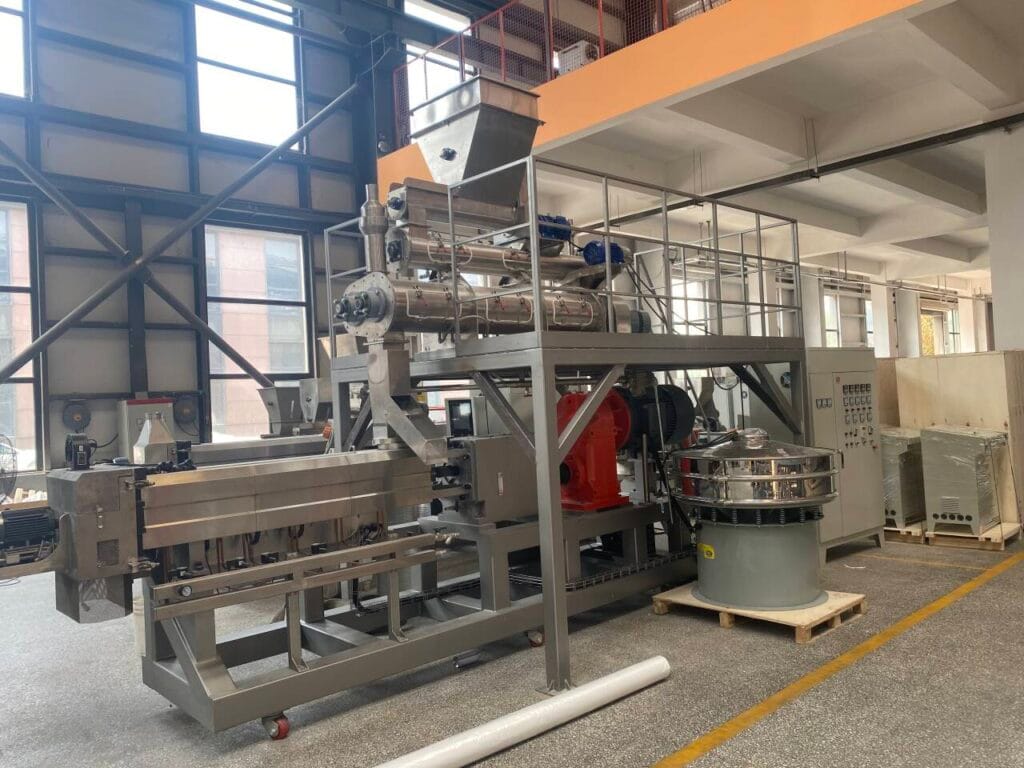
- The Process: A dough is prepared by mixing rice flour (often from cost-effective broken rice), the precise micronutrient premix, water, and a small amount of a binding agent (e.g., guar gum, xanthan gum). This dough is fed into a twin-screw extruder. Inside the barrel, it is subjected to high temperature (typically 120-180°C), immense pressure, and intense mechanical shear. This combination cooks the dough, causing complete starch gelatinization. The resulting hot, plasticized melt is forced through a custom-engineered die plate with holes shaped like the target rice grain. A rotating knife cuts the extruded strands to the desired length. The kernels are then dried in a multi-stage dryer to achieve the required hardness and low moisture content.
- Advantages:
- High Nutrient Loading Capacity: Can incorporate a wide spectrum of vitamins and minerals at the high concentrations needed.
- Superior Physical Durability: The extruded kernels are very hard and robust, resisting breakage during blending, packaging, and transportation.
- Excellent Mimicry: The die can be precisely machined to replicate the exact size, shape, and surface texture of local rice varieties.
- Disadvantages:
- High Capital Investment: Extruders are sophisticated and expensive.
- Thermal Degradation Risk: The high temperatures can degrade heat-labile nutrients like Vitamin A and Vitamin B1, necessitating the use of encapsulated forms or a post-extrusion coating step.
3.2 Cold Extrusion Technology: Preserving Heat-Sensitive Nutrients
- The Process: Similar in principle to hot extrusion but operates at or near ambient temperatures. Gelatinization occurs primarily through mechanical shear rather than external heat.
- Advantages: Ideal for protecting heat-labile nutrients. The resulting kernels can have a texture closer to that of cooked natural rice.
- Disadvantages: Lower production throughput, and the kernels may be less durable, requiring careful handling to prevent breakage and dust formation.
3.3 Powder Coating Technology: A Lower-Tech Alternative
- The Process: Normal rice grains are used as the core. They are tumbled in a coating drum and sprayed with an edible binder (e.g., starch solution). The micronutrient powder is then added, adhering to the sticky surface. A sealing layer (e.g., a food-grade wax) is often applied to prevent dusting.
- Advantages: Lower technology and capital cost barrier.
- Disadvantages:
- High Risk of Nutrient Leaching: The coated nutrients can easily wash off during rinsing before cooking or if the rice is cooked in excess water that is discarded, drastically reducing the nutritional value.
- Limited Nutrient Capacity: There is a physical limit to the amount of powder that can adhere to the grain.
- Dust-Off: Nutrient powder can abrade during handling, leading to loss and uneven distribution.
The choice of technology is a strategic decision based on the target nutrient profile, available capital, production scale, and, crucially, the culinary habits of the end-consumer (e.g., whether rice is typically rinsed before cooking).
Pillar 4: Ensuring Micronutrient Stability and Bioavailability
Adding nutrients to the rice kernel is only the first step; ensuring they survive storage, transportation, and cooking, and are then absorbed by the body, is the ultimate challenge. This pillar focuses on protecting the nutritional payload throughout its journey.
4.1 Protecting Nutrients from Degradation
From production to consumption, nutrients are under constant attack from environmental factors:
- Oxygen: The primary enemy, causing oxidation that destroys Vitamin A, Vitamin C, and some B vitamins, and leads to rancidity.
- Moisture/Humidity: Promotes caking, microbial growth, and destructive chemical reactions. Particularly damaging to water-soluble vitamins.
- Heat: Accelerates all degradation reactions during storage and transportation.
- Light: Exposure to UV and visible light can rapidly destroy Riboflavin (B2) and Vitamin A.
A robust fortification program employs a multi-layered defense strategy:
- Primary Defense: Stable Compound Selection: Choosing inherently stable nutrient forms is the first line of defense.
- Secondary Defense: Encapsulation: As described earlier, this is critical for the most sensitive vitamins.
- Tertiary Defense: Protective Packaging: The final packaging is the last line of defense, which will be discussed in Pillar 7.
4.2 The Imperative of Bioavailability
A stable nutrient is useless if it is not absorbed. Strategies to enhance bioavailability, such as micronization and the use of chelators like EDTA, are integral to this pillar. Furthermore, it is vital to consider the overall dietary context. Promoting the consumption of Vitamin C-rich foods (like tomatoes or citrus) with iron-fortified rice can significantly enhance iron absorption.
4.3 Stability Testing: Proving Shelf-Life
Stability cannot be assumed; it must be proven through rigorous testing. Accelerated stability studies are mandatory. Samples of the finished product are stored under stressed conditions (e.g., 40°C and 75% relative humidity) for set periods. The nutrient levels are tested periodically and compared to baseline. This data is used to model and confirm the product’s shelf-life under normal conditions, ensuring the label claim is valid until the expiration date.
Pillar 5: Achieving Perfect Blend Uniformity and Preventing Segregation
The public health impact of Nutri-Rice hinges on consistent, uniform dosing. If the blending of fortified kernels (typically at a ratio of 1:100 to 1:200) with regular rice is imperfect, some consumers will receive a sub-therapeutic dose of nutrients, while others may receive a potentially excessive amount. Achieving and maintaining homogeneity is a profound engineering challenge.
5.1 The Science of Precision Blending
Simple, off-the-shelf mixers are wholly inadequate for the high dilution ratios required. Sophisticated blending systems are essential.
- Precision Batch Mixing: Large, double-cone or ribbon blenders are used with calibrated feeders that meter the exact quantities of regular rice and fortified kernels into the blender simultaneously. The blender’s design creates a gentle yet highly efficient tumbling action to achieve homogeneity without breaking the fragile kernels.
- Continuous Mixing Systems: For very high-volume production, continuous mixers use twin-screw technology to constantly combine the two streams in a precisely controlled ratio. They offer efficiency but require extremely consistent input and sophisticated control systems.
5.2 The Insidious Challenge of Segregation
The greatest threat to blend uniformity occurs after mixing. Segregation is the natural tendency of particles of different sizes, densities, and shapes to separate during handling (e.g., during conveying, pouring, or transportation).
- Mitigation Strategies:
- Particle Engineering: The most effective solution is to engineer the fortified kernels to have a size, shape, and density as identical as possible to the natural rice. This is a primary objective of the extrusion process.
- Minimizing Handling: The number of transfer points between the blender and the final packaging should be absolutely minimized.
- Pack-Off at Blender Discharge: The ideal scenario is to package the blended rice directly into its retail bags immediately at the discharge point of the blender, drastically reducing the opportunity for segregation.
5.3 In-Line Monitoring of Blend Uniformity
Relying solely on finished product testing is too late. Rapid, in-line monitoring techniques are crucial for real-time quality control.
- Tracer Kernels and Color Sorting: A small number of fortified kernels can be produced with an inert, visible tracer dye. Samples taken from the line can be quickly analyzed by a small color-sorting machine to check the blend ratio.
- X-Ray Fluorescence (XRF): Handheld XRF analyzers can scan a sample and instantly measure the concentration of a specific mineral, such as iron or zinc. This provides a rapid, quantitative measure of blending consistency.
Pillar 6: Implementing a Rigorous Quality Assurance and Control System
Quality cannot be inspected into a product; it must be built into the process through a robust Quality Management System (QMS). This encompasses both Quality Assurance (QA – the systems and procedures) and Quality Control (QC – the testing).
6.1 Incoming Raw Material Control
The quality of the final product is dictated by the quality of its inputs.
- Rice/Base Flour: Tested for moisture content, microbiological safety, and the absence of foreign material.
- Micronutrient Premix: This is the most critical input. Each batch must be accompanied by a Certificate of Analysis (CoA) and subjected to identity and potency testing in an on-site QC lab using techniques like HPLC (for vitamins) and ICP-MS (for minerals).
6.2 In-Process Controls (IPCs)
Critical control points during manufacturing must be continuously monitored.
- Extrusion Parameters: Dough moisture, temperature, pressure.
- Drying Conditions: Temperature, air flow, final kernel moisture.
- Blending Operation: The most critical IPC, verified frequently using rapid methods.
6.3 Finished Product Specifications
Every batch must be tested before release against strict specifications:
- Microbiological Safety: Testing for pathogens like Salmonella and E. coli.
- Nutrient Assay: Laboratory analysis to confirm nutrient levels meet the declared values.
- Sensory Evaluation: Trained panels must confirm the product is indistinguishable from unfortified rice after cooking.
- Cooking Test: The blend must be cooked according to local methods to ensure identical performance.
6.4 Documentation and Traceability
A complete documentation system is required for full traceability from supplier to consumer, a cornerstone of Good Manufacturing Practices (GMP) and HACCP systems.
Pillar 7: The Critical Role of Protective Packaging and Supply Chain Management
The last line of defense for nutrient stability is the packaging. Furthermore, the product must be handled correctly throughout the distribution chain to preserve its quality.
7.1 The Science of Protective Packaging
Packaging must be a high barrier to oxygen, moisture, and light. Multi-layer bags with metalized film or aluminum foil are ideal. Nitrogen Flushing—displacing the air inside the bag with inert nitrogen gas before sealing—is a highly effective technique to prevent oxidative degradation and extend shelf life dramatically.
7.2 Ensuring Supply Chain Integrity
Distributors and retailers must be educated on the importance of storing the product in cool, dry, and dark conditions. Breaks in this cold chain can accelerate nutrient loss and shorten shelf life, undermining all the careful work done in production.
Pillar 8: Fostering Consumer Acceptance and Building a Sustainable Market Ecosystem
The most technologically perfect Nutri-Rice is a failure if it is rejected by the people it is meant to help. The human element is the ultimate determinant of success.
8.1 The Non-Negotiable Sensory Proposition
The product must be:
- Visually Identical: In both raw and cooked forms.
- Neutral in Odor and Flavor: No chemical, metallic, or off-putting tastes.
- Identical in Cooking Performance: Same cooking time, water absorption, and texture.
8.2 Strategic Communication and Education
- Positive Messaging: Focus on benefits: “for your family’s health and energy,” “for children’s growth and learning.”
- Building Trust: Engage healthcare workers, community leaders, and teachers as trusted messengers.
- Transparency: Address concerns (e.g., “it’s not GMO”) proactively.
8.3 Creating a Supportive Ecosystem
- Affordability: The cost increase should be minimal, often requiring government or donor support.
- Supportive Policies: Government standards create a level playing field. Inclusion in social safety net programs (e.g., school meals, food subsidies) ensures reach.
- Market-Driven Demand: Creating consumer pull through education is key to long-term sustainability.
Conclusion: An Interdependent Symphony for Public Health
Producing effective Nutri-Rice is a symphony of interdependent elements. Each of the eight pillars—Science-Driven Goals, Strategic Selection, Simulation Technology, Stability & Bioavailability, Precision Blending, Quality Systems, Packaging & Supply Chain, and Consumer Acceptance—must be strong and harmonize with the others. A weakness in any single area can compromise the entire endeavor. It requires a long-term commitment, collaboration between governments, industry, and civil society, and unwavering attention to scientific detail and human behavior. When executed correctly, Nutri-Rice transcends being a mere commodity; it becomes a potent, sustainable, and cost-effective vehicle for improving public health and unlocking human potential on a global scale.
The Eight Pillars of Nutri-Rice Production: A Comprehensive Guide to Engineering a Staple for Global Health
Introduction: The Imperative of Nutritional Enhancement
Rice is the caloric cornerstone for over half of the world’s population, a fundamental source of sustenance for billions across Asia, Africa, and Latin America. Yet, this profound reliance on rice harbors a critical paradox: in its most universally consumed form—polished white rice—it is a tragically inadequate source of essential micronutrients. The very milling process that bestows white rice with its extended shelf life and desirable texture strips away the nutrient-rich bran and germ, leaving an endosperm composed primarily of carbohydrates.
This nutritional void contributes significantly to the global scourge of “hidden hunger,” or micronutrient malnutrition. Unlike the overt pangs of caloric deficiency, hidden hunger is a silent, insidious epidemic where individuals may consume sufficient food but lack the vital vitamins and minerals necessary for healthy growth, cognitive development, and robust immune function. The consequences are devastating and intergenerational: impaired learning abilities in children, increased susceptibility to infectious diseases, maternal mortality, and reduced economic productivity. Deficiencies in iron, vitamin A, zinc, and folic acid are particularly prevalent in populations with high rice consumption.
The processing of Nutri-Rice, primarily through fortification, stands as a powerful, evidence-based, and scalable solution to this crisis. The objective is to restore lost nutrients or introduce new ones into white rice, elevating its public health value without altering the sensory qualities that make it a dietary staple. However, this is not a simple task of addition. It is a complex, multi-disciplinary endeavor that sits at the intersection of food science, chemical engineering, nutritional biochemistry, and behavioral economics. A single misstep in the process can render the entire effort ineffective, wasting resources and, more critically, failing to deliver life-changing nutrients to vulnerable populations.
The successful production of high-quality fortified rice hinges on the meticulous execution of eight fundamental elements. This article provides an exhaustive examination of these pillars: 1) A Science-Driven Needs Assessment and Goal Setting; 2) The Strategic Selection of Micronutrients and Compounds; 3) The Choice of Rice Kernel Simulation Technology; 4) Ensuring Micronutrient Stability and Bioavailability; 5) Achieving Perfect Blend Uniformity and Preventing Segregation; 6) Implementing a Rigorous Quality Assurance and Control System; 7) The Critical Role of Protective Packaging and Supply Chain Management; and 8) Fostering Consumer Acceptance and Building a Sustainable Market Ecosystem.
Pillar 1: A Science-Driven Needs Assessment and Goal Setting
The journey of Nutri-Rice begins not on the factory floor, but with a deep, data-driven understanding of the public health landscape. The first and most crucial step is to define the “why” and “for whom” with scientific precision. A one-size-fits-all approach is destined to fail; the nutritional gaps in Southeast Asia may differ significantly from those in Sub-Saharan Africa.
1.1 Conducting a Comprehensive Nutritional Gap Analysis
The selection of which micronutrients to add must be guided by objective, localized data, not assumption. This involves a multi-faceted assessment:
- National Demographic and Health Surveys (DHS): These large-scale surveys are invaluable, providing data on the prevalence of specific deficiencies. For instance, high national rates of anemia, particularly among women and children, point directly to an iron deficiency crisis. Similarly, rates of stunting (low height-for-age) and wasting (low weight-for-height) in children under five are key indicators of chronic malnutrition, often linked to zinc and other micronutrient shortfalls.
- Dietary Consumption Studies: Detailed research on what the target population actually eats is essential. It helps identify specific “dietary gaps.” A population with limited access to animal-source foods will likely be deficient in bioavailable iron and Vitamin B12. Understanding the average per capita consumption of rice is critical for calculating the fortification level required to deliver a significant portion of the Recommended Dietary Allowance (RDA) or Estimated Average Requirement (EAR).
- Clinical and Biochemical Data: Blood serum levels of key nutrients, such as serum ferritin (for iron stores), serum retinol (for Vitamin A), and zinc levels, provide the most direct and incontrovertible evidence of deficiency states, guiding highly targeted interventions.
1.2 Establishing Clear, Measurable Fortification Standards
Based on the gap analysis, clear and actionable standards are established. This process involves:
- Selecting Target Nutrients: Common choices include Iron (for anemia), Folic Acid (to prevent neural tube defects), Vitamin A (for vision and immunity), Zinc (for immune function and growth), and B-Vitamins like Thiamine (to prevent beriberi) and Niacin (to prevent pellagra). The selection is a prioritization exercise based on the severity of the public health need.
- Determining Fortification Levels: This is a delicate balancing act. The level must be high enough to correct the identified dietary gap and have a meaningful physiological impact, yet it must not pose any risk of excessive intake for any segment of the population, even high consumers. This calculation must also consider technological constraints (e.g., how much nutrient can be added without altering the rice’s characteristics) and cost-effectiveness. International bodies like the World Health Organization (WHO) and the Food and Agriculture Organization (FAO) provide detailed guidelines on suggested fortification levels for various regions and populations.
- Defining the Target Population: Is the program aimed at the general population (universal fortification), or is it targeted toward specific vulnerable groups, such as school children, or pregnant and lactating women? This decision influences marketing, distribution channels, and potentially the nutrient blend itself. A universal program requires that the fortified rice is safe and beneficial for consumption by all demographic groups.
This foundational pillar ensures that the entire production process is aligned with a clear, impactful, and measurable public health objective.
Pillar 2: The Strategic Selection of Micronutrients and Compounds
The efficacy of Nutri-Rice is profoundly dependent on the specific chemical forms of the micronutrients used. This is not a simple choice from a catalog; it is a critical technical decision that balances bioavailability, stability, cost, and sensory impact. The wrong choice can lead to a product that is either ineffective or unacceptable to consumers.
2.1 The Central Challenge: Bioavailability vs. Stability
The most significant technical hurdle in food fortification is ensuring that the added nutrients are not only present but also absorbed by the human body. This property is known as bioavailability. The dilemma is perfectly illustrated by the case of iron, often the most important nutrient to add.
- High-Bioavailability, Low-Stability Compounds: Forms like Ferrous Sulfate and Ferrous Fumarate are well-absorbed by the body. However, they are highly reactive. They can catalyze the oxidation of lipids in the rice matrix, leading to rancidity, off-flavors, and unacceptable color changes (e.g., the rice turning gray or yellowish). They can also interact with and degrade other vitamins in the premix.
- Low-Bioavailability, High-Stability Compounds: Forms like Ferric Pyrophosphate and Elemental Iron Powder (Electrolytic) are much more stable. They are sensory-neutral, meaning they do not cause color or flavor changes, making them technologically favorable. However, their bioavailability is significantly lower because they are less soluble in the gastrointestinal tract.
2.2 Advanced Technological Solutions to the Bioavailability-Stability Paradox
To overcome this fundamental challenge, producers must employ advanced strategies:
- Particle Size Reduction (Micronization/Nanotechnology): By processing a compound like Ferric Pyrophosphate into particles smaller than 5 microns, or even down to the nanoscale (0.3 microns), the total surface area of the compound is dramatically increased. This enhanced surface area allows for greater solubility in stomach acid, thereby improving its absorption to levels comparable to Ferrous Sulfate, but without the associated reactivity and sensory problems. This is considered a premier solution for iron fortification in dry, stored products.
- Encapsulation: This technology is essential for protecting the most sensitive nutrients, particularly Vitamins A and some B vitamins. The nutrient is coated with a thin layer of a food-grade material, such as starch, gum, or a hydrogenated vegetable fat. This microscopic “shell” acts as a physical barrier, shielding the nutrient from degradation by oxygen, moisture, and light during storage. The coating is designed to break down in the digestive system, releasing the nutrient for absorption.
- Use of Chelating Agents: Compounds like EDTA (Ethylenediaminetetraacetic acid), when used to create Sodium Iron EDTA, form a stable complex with iron. This complex protects the iron from interacting with inhibitory compounds in the diet, such as phytates found in whole grains and legumes, which normally bind to minerals and prevent their absorption. In some diets, Sodium Iron EDTA can double or triple the absorption of iron.
The selection of nutrient forms is therefore a sophisticated decision, requiring close collaboration with reputable premix suppliers and often involving preliminary stability and bioavailability testing.
Pillar 3: The Choice of Rice Kernel Simulation Technology
The ultimate engineering challenge is to create a delivery vehicle for the nutrients that is virtually indistinguishable from a natural rice grain. This ensures uniform blending and prevents consumers from identifying and separating the fortified kernels—a phenomenon known as “sorting.” Several technologies exist, each with distinct advantages and limitations.
3.1 Hot Extrusion Technology: The Industry Standard for Scale and Durability
This is the most widely used and scalable method for producing high-quality fortified rice kernels.
- The Process: A dough is prepared by mixing rice flour (often from cost-effective broken rice), the precise micronutrient premix, water, and a small amount of a binding agent (e.g., guar gum, xanthan gum). This dough is fed into a twin-screw extruder. Inside the barrel, it is subjected to high temperature (typically 120-180°C), immense pressure, and intense mechanical shear. This combination cooks the dough, causing complete starch gelatinization. The resulting hot, plasticized melt is forced through a custom-engineered die plate with holes shaped like the target rice grain. A rotating knife cuts the extruded strands to the desired length. The kernels are then dried in a multi-stage dryer to achieve the required hardness and low moisture content.
- Advantages:
- High Nutrient Loading Capacity: Can incorporate a wide spectrum of vitamins and minerals at the high concentrations needed.
- Superior Physical Durability: The extruded kernels are very hard and robust, resisting breakage during blending, packaging, and transportation.
- Excellent Mimicry: The die can be precisely machined to replicate the exact size, shape, and surface texture of local rice varieties.
- Disadvantages:
- High Capital Investment: Extruders are sophisticated and expensive.
- Thermal Degradation Risk: The high temperatures can degrade heat-labile nutrients like Vitamin A and Vitamin B1, necessitating the use of encapsulated forms or a post-extrusion coating step.
3.2 Cold Extrusion Technology: Preserving Heat-Sensitive Nutrients
- The Process: Similar in principle to hot extrusion but operates at or near ambient temperatures. Gelatinization occurs primarily through mechanical shear rather than external heat.
- Advantages: Ideal for protecting heat-labile nutrients. The resulting kernels can have a texture closer to that of cooked natural rice.
- Disadvantages: Lower production throughput, and the kernels may be less durable, requiring careful handling to prevent breakage and dust formation.
3.3 Powder Coating Technology: A Lower-Tech Alternative
- The Process: Normal rice grains are used as the core. They are tumbled in a coating drum and sprayed with an edible binder (e.g., starch solution). The micronutrient powder is then added, adhering to the sticky surface. A sealing layer (e.g., a food-grade wax) is often applied to prevent dusting.
- Advantages: Lower technology and capital cost barrier.
- Disadvantages:
- High Risk of Nutrient Leaching: The coated nutrients can easily wash off during rinsing before cooking or if the rice is cooked in excess water that is discarded, drastically reducing the nutritional value.
- Limited Nutrient Capacity: There is a physical limit to the amount of powder that can adhere to the grain.
- Dust-Off: Nutrient powder can abrade during handling, leading to loss and uneven distribution.
The choice of technology is a strategic decision based on the target nutrient profile, available capital, production scale, and, crucially, the culinary habits of the end-consumer (e.g., whether rice is typically rinsed before cooking).
Pillar 4: Ensuring Micronutrient Stability and Bioavailability
Adding nutrients to the rice kernel is only the first step; ensuring they survive storage, transportation, and cooking, and are then absorbed by the body, is the ultimate challenge. This pillar focuses on protecting the nutritional payload throughout its journey.
4.1 Protecting Nutrients from Degradation
From production to consumption, nutrients are under constant attack from environmental factors:
- Oxygen: The primary enemy, causing oxidation that destroys Vitamin A, Vitamin C, and some B vitamins, and leads to rancidity.
- Moisture/Humidity: Promotes caking, microbial growth, and destructive chemical reactions. Particularly damaging to water-soluble vitamins.
- Heat: Accelerates all degradation reactions during storage and transportation.
- Light: Exposure to UV and visible light can rapidly destroy Riboflavin (B2) and Vitamin A.
A robust fortification program employs a multi-layered defense strategy:
- Primary Defense: Stable Compound Selection: Choosing inherently stable nutrient forms is the first line of defense.
- Secondary Defense: Encapsulation: As described earlier, this is critical for the most sensitive vitamins.
- Tertiary Defense: Protective Packaging: The final packaging is the last line of defense, which will be discussed in Pillar 7.
4.2 The Imperative of Bioavailability
A stable nutrient is useless if it is not absorbed. Strategies to enhance bioavailability, such as micronization and the use of chelators like EDTA, are integral to this pillar. Furthermore, it is vital to consider the overall dietary context. Promoting the consumption of Vitamin C-rich foods (like tomatoes or citrus) with iron-fortified rice can significantly enhance iron absorption.
4.3 Stability Testing: Proving Shelf-Life
Stability cannot be assumed; it must be proven through rigorous testing. Accelerated stability studies are mandatory. Samples of the finished product are stored under stressed conditions (e.g., 40°C and 75% relative humidity) for set periods. The nutrient levels are tested periodically and compared to baseline. This data is used to model and confirm the product’s shelf-life under normal conditions, ensuring the label claim is valid until the expiration date.
Pillar 5: Achieving Perfect Blend Uniformity and Preventing Segregation
The public health impact of Nutri-Rice hinges on consistent, uniform dosing. If the blending of fortified kernels (typically at a ratio of 1:100 to 1:200) with regular rice is imperfect, some consumers will receive a sub-therapeutic dose of nutrients, while others may receive a potentially excessive amount. Achieving and maintaining homogeneity is a profound engineering challenge.
5.1 The Science of Precision Blending
Simple, off-the-shelf mixers are wholly inadequate for the high dilution ratios required. Sophisticated blending systems are essential.
- Precision Batch Mixing: Large, double-cone or ribbon blenders are used with calibrated feeders that meter the exact quantities of regular rice and fortified kernels into the blender simultaneously. The blender’s design creates a gentle yet highly efficient tumbling action to achieve homogeneity without breaking the fragile kernels.
- Continuous Mixing Systems: For very high-volume production, continuous mixers use twin-screw technology to constantly combine the two streams in a precisely controlled ratio. They offer efficiency but require extremely consistent input and sophisticated control systems.
5.2 The Insidious Challenge of Segregation
The greatest threat to blend uniformity occurs after mixing. Segregation is the natural tendency of particles of different sizes, densities, and shapes to separate during handling (e.g., during conveying, pouring, or transportation).
- Mitigation Strategies:
- Particle Engineering: The most effective solution is to engineer the fortified kernels to have a size, shape, and density as identical as possible to the natural rice. This is a primary objective of the extrusion process.
- Minimizing Handling: The number of transfer points between the blender and the final packaging should be absolutely minimized.
- Pack-Off at Blender Discharge: The ideal scenario is to package the blended rice directly into its retail bags immediately at the discharge point of the blender, drastically reducing the opportunity for segregation.
5.3 In-Line Monitoring of Blend Uniformity
Relying solely on finished product testing is too late. Rapid, in-line monitoring techniques are crucial for real-time quality control.
- Tracer Kernels and Color Sorting: A small number of fortified kernels can be produced with an inert, visible tracer dye. Samples taken from the line can be quickly analyzed by a small color-sorting machine to check the blend ratio.
- X-Ray Fluorescence (XRF): Handheld XRF analyzers can scan a sample and instantly measure the concentration of a specific mineral, such as iron or zinc. This provides a rapid, quantitative measure of blending consistency.
Pillar 6: Implementing a Rigorous Quality Assurance and Control System
Quality cannot be inspected into a product; it must be built into the process through a robust Quality Management System (QMS). This encompasses both Quality Assurance (QA – the systems and procedures) and Quality Control (QC – the testing).
6.1 Incoming Raw Material Control
The quality of the final product is dictated by the quality of its inputs.
- Rice/Base Flour: Tested for moisture content, microbiological safety, and the absence of foreign material.
- Micronutrient Premix: This is the most critical input. Each batch must be accompanied by a Certificate of Analysis (CoA) and subjected to identity and potency testing in an on-site QC lab using techniques like HPLC (for vitamins) and ICP-MS (for minerals).
6.2 In-Process Controls (IPCs)
Critical control points during manufacturing must be continuously monitored.
- Extrusion Parameters: Dough moisture, temperature, pressure.
- Drying Conditions: Temperature, air flow, final kernel moisture.
- Blending Operation: The most critical IPC, verified frequently using rapid methods.
6.3 Finished Product Specifications
Every batch must be tested before release against strict specifications:
- Microbiological Safety: Testing for pathogens like Salmonella and E. coli.
- Nutrient Assay: Laboratory analysis to confirm nutrient levels meet the declared values.
- Sensory Evaluation: Trained panels must confirm the product is indistinguishable from unfortified rice after cooking.
- Cooking Test: The blend must be cooked according to local methods to ensure identical performance.
6.4 Documentation and Traceability
A complete documentation system is required for full traceability from supplier to consumer, a cornerstone of Good Manufacturing Practices (GMP) and HACCP systems.
Pillar 7: The Critical Role of Protective Packaging and Supply Chain Management
The last line of defense for nutrient stability is the packaging. Furthermore, the product must be handled correctly throughout the distribution chain to preserve its quality.
7.1 The Science of Protective Packaging
Packaging must be a high barrier to oxygen, moisture, and light. Multi-layer bags with metalized film or aluminum foil are ideal. Nitrogen Flushing—displacing the air inside the bag with inert nitrogen gas before sealing—is a highly effective technique to prevent oxidative degradation and extend shelf life dramatically.
7.2 Ensuring Supply Chain Integrity
Distributors and retailers must be educated on the importance of storing the product in cool, dry, and dark conditions. Breaks in this cold chain can accelerate nutrient loss and shorten shelf life, undermining all the careful work done in production.
Pillar 8: Fostering Consumer Acceptance and Building a Sustainable Market Ecosystem
The most technologically perfect Nutri-Rice is a failure if it is rejected by the people it is meant to help. The human element is the ultimate determinant of success.
8.1 The Non-Negotiable Sensory Proposition
The product must be:
- Visually Identical: In both raw and cooked forms.
- Neutral in Odor and Flavor: No chemical, metallic, or off-putting tastes.
- Identical in Cooking Performance: Same cooking time, water absorption, and texture.
8.2 Strategic Communication and Education
- Positive Messaging: Focus on benefits: “for your family’s health and energy,” “for children’s growth and learning.”
- Building Trust: Engage healthcare workers, community leaders, and teachers as trusted messengers.
- Transparency: Address concerns (e.g., “it’s not GMO”) proactively.
8.3 Creating a Supportive Ecosystem
- Affordability: The cost increase should be minimal, often requiring government or donor support.
- Supportive Policies: Government standards create a level playing field. Inclusion in social safety net programs (e.g., school meals, food subsidies) ensures reach.
- Market-Driven Demand: Creating consumer pull through education is key to long-term sustainability.
Conclusion: An Interdependent Symphony for Public Health
Producing effective Nutri-Rice is a symphony of interdependent elements. Each of the eight pillars—Science-Driven Goals, Strategic Selection, Simulation Technology, Stability & Bioavailability, Precision Blending, Quality Systems, Packaging & Supply Chain, and Consumer Acceptance—must be strong and harmonize with the others. A weakness in any single area can compromise the entire endeavor. It requires a long-term commitment, collaboration between governments, industry, and civil society, and unwavering attention to scientific detail and human behavior. When executed correctly, Nutri-Rice transcends being a mere commodity; it becomes a potent, sustainable, and cost-effective vehicle for improving public health and unlocking human potential on a global scale.