
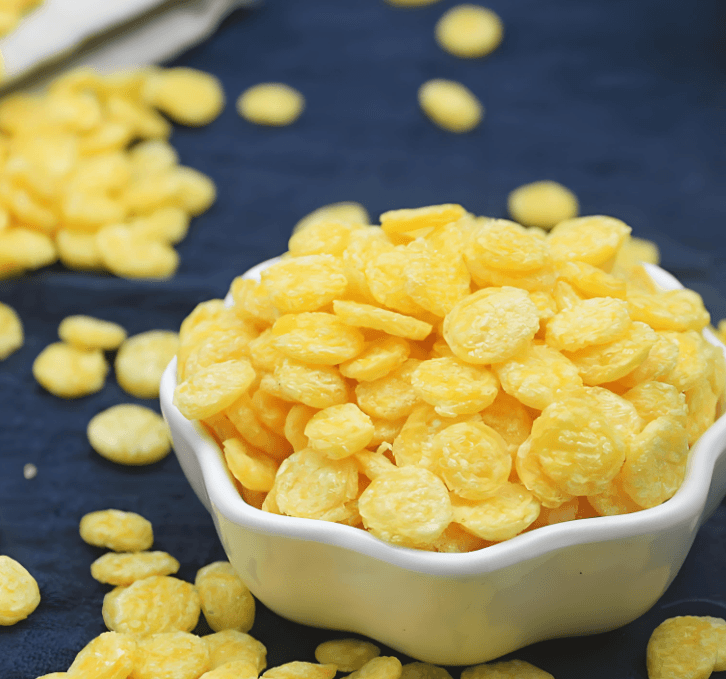
The humble corn flakes , a staple of snack bowls and party platters worldwide, represents a fascinating convergence of ancient food traditions and modern industrial engineering. Its satisfying crunch, bold flavors, and geometric perfection belie a complex manufacturing process that transforms a simple grain into a consistently delicious and shelf-stable product. To the average consumer, it is a simple pleasure. But to the food scientist and process engineer, it is a testament to precise control over chemistry, thermodynamics, and mechanics.corn flakes making machine
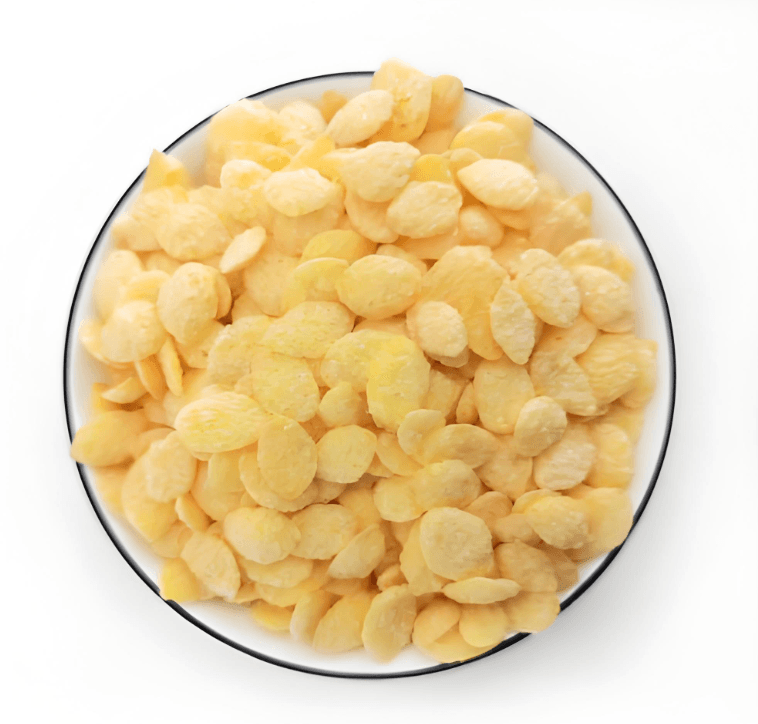
The journey from a kernel of maize to a perfectly formed, seasoned corn chip is a story of transformation. It involves unlocking the grain’s potential, manipulating its structure, and preserving its qualities on a massive scale. This article will pull back the curtain on this intricate process, providing a detailed, step-by-step examination of the industrial production of corn chips. We will move beyond a basic overview and delve into the critical parameters, potential pitfalls, and the ingenious solutions that make mass production possible. The process can be broken down into several key stages: 1) Raw Material Selection: The Foundation of Quality; 2) The Milling Process: Creating the Perfect Meal; 3) The Crucial Step of Nixtamalization; 4) Dough Preparation and Sheeting; 5) Forming and Cutting the Chips; 6) The Frying or Baking Process; 7) Seasoning Application: The Flavor Revolution; and 8) Cooling, Inspection, and Packaging.
Stage 1: Raw Material Selection – The Foundation of Quality
The quality of the final product is inextricably linked to the quality of the raw materials. The primary ingredient, corn, is not a single, monolithic entity. The choice of corn variety has a profound impact on the chip’s flavor, texture, color, and processing behavior.corn flakes making machine
1.1 The Maize of Choice: Dent Corn
While there are thousands of corn varieties, the industrial production of corn chips predominantly relies on dent corn (Zea mays indentata). The name “dent” comes from the characteristic indentation that forms on the top of the kernel as it dries. This happens because the soft, starchy endosperm in the crown of the kernel shrinks more upon drying than the hard, horny endosperm on the sides.
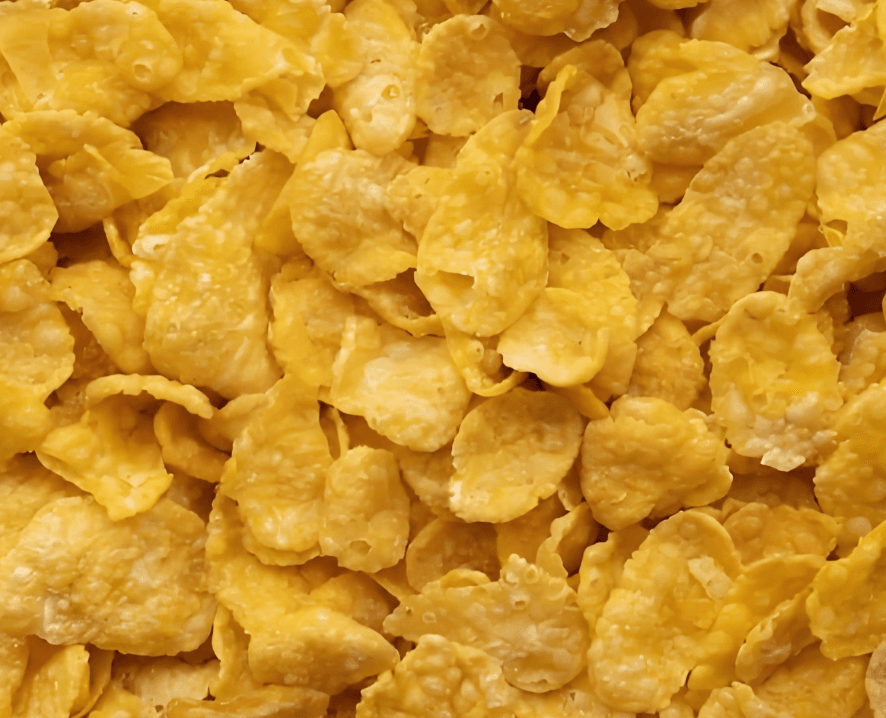
Dent corn is preferred for several reasons:
- High Starch Content: Dent corn has a high proportion of soft, floury endosperm, which is ideal for creating the desired crunchy-yet-tender texture in the final chip.
- Optimal Kernel Hardness: It is hard enough to withstand harvesting and shipping without excessive damage but soft enough to be milled efficiently into the desired granulation.
- Availability and Cost: Dent corn is the most widely grown type of corn in the United States and many other parts of the world, making it economically viable for large-scale production.
Other types, like flint corn (harder, used for polenta) or popcorn (very hard), are less suitable. Sweet corn, eaten as a vegetable, has a high sugar content and is not used for chips.corn flakes making machine
1.2 Critical Quality Parameters of the Grain
Before acceptance, batches of corn are rigorously tested against a set of specifications:
- Moisture Content: This is crucial for storage and milling stability. Ideal moisture content for storage is typically between 12% and 14%. Higher moisture can lead to mold growth and spoilage, while lower moisture can make the kernels too brittle, leading to excessive breakage and fine production during milling.
- Test Weight: This is a measure of the kernel density and plumpness. A high test weight (e.g., 56-60 pounds per bushel) indicates well-filled, mature kernels, which yield more product and less waste.
- Extraneous Matter: The grain is cleaned to remove impurities like other grains, stones, dust, husks, and metal fragments. This is done using a combination of sieves, air aspirators, and magnetic separators.
- Damage and Broken Kernels: Kernels that are cracked, insect-damaged, or moldy are removed as they can impart off-flavors and affect the consistency of the masa (dough).
1.3 The Role of Oil, Salt, and Seasonings
- Frying Oil: The choice of frying medium is critical. Oils with a high smoke point and neutral flavor are preferred. Common choices include:
- Corn Oil: Provides a flavor that complements the corn base.
- Sunflower Oil: Light flavor and high smoke point.
- Canola Oil: Neutral taste and cost-effective.
- Palm Olein: Very stable and widely used, though subject to environmental and ethical concerns.
The oil must be refined, bleached, and deodorized (RBD) to ensure a clean taste and long fry life.
- Salt: A fundamental flavor enhancer. It is used both in the dough and as a surface seasoning. Fine, free-flowing salt is essential for uniform application.
- Seasonings: These can range from simple cheese powder to complex blends for flavors like “Nacho Cheese,” “Cool Ranch,” or “Chili Lime.” These are typically dry powder blends that must have consistent particle size to adhere properly to the chip.
Stage 2: The Milling Process – Creating the Perfect Meal
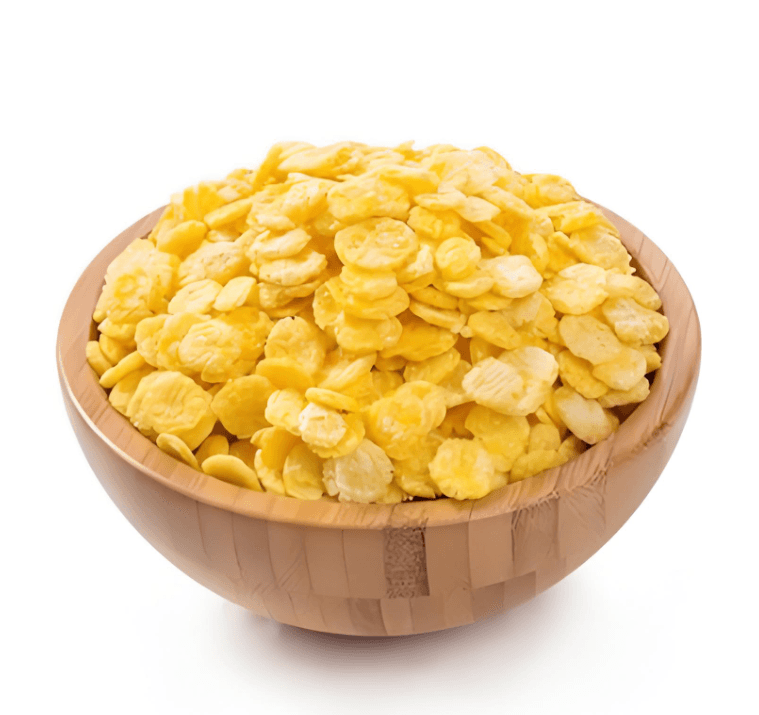
Before the corn can be transformed, it must be reduced to a manageable form. The goal is not just to grind the corn, but to do so in a way that creates the ideal particle size for water absorption and dough formation.corn flakes making machine
2.1 Cleaning and Tempering
The first step in the mill is a thorough cleaning process, more intensive than the initial farm-level cleaning. This involves:
- Screening: Passing the corn over vibrating screens with progressively smaller openings to remove large and small impurities.
- Aspiration: Using streams of air to lift off lighter materials like dust and chaff.
- Destoning: Using density separators to remove stones and other heavy debris.
- Magnetic Separation: Passing the corn under powerful magnets to remove any ferrous metal particles.
After cleaning, the corn may undergo tempering. This involves adding a small amount of water to the kernels and allowing them to rest for a period. This conditioning toughens the bran (outer hull) and softens the endosperm, making the subsequent degermination step more efficient. A tougher bran is more likely to be removed intact, while a softer endosperm is easier to grind.
2.2 Degermination: The Key Step
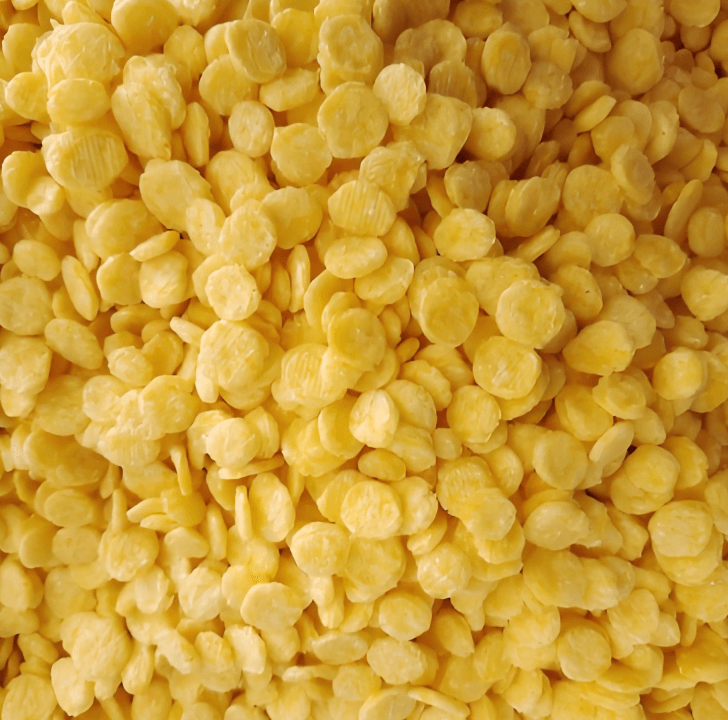
This is the most critical step in dry milling. The objective is to separate the corn kernel into its main components: the germ (the oily embryo), the bran (the fibrous outer shell), and the endosperm (the starchy core).
This is achieved using a degerminator mill, often a Beall-type degerminator. This machine consists of a rotating conical plug inside a stationary conical housing, both equipped with knobs or teeth. As the corn is forced through the narrow gap between the plug and the housing, the kernels are broken apart. The tough germ is scraped away from the endosperm, and the bran is peeled off.
The resulting mixture is then sorted by size and density using sieves and aspirators:
- The Germ: Being oily and dense, it is separated and sent off for corn oil extraction.
- The Bran: The light, flaky hull is removed and typically sold as animal feed.
- The Endosperm: This is the valuable part, which is further graded into large pieces called “hominy grits” and smaller granules.
2.3 Grinding into Meal
The endosperm pieces are then ground through a series of roller mills or impact mills to achieve the desired particle size. For corn chips, a medium-to-coarse grind is often preferred. The target is a granulation that feels slightly gritty to the touch. This particle size distribution is crucial:
- Fine Particles: Hydrate quickly and contribute to dough cohesiveness.
- Coarse Particles: Hydrate more slowly and create the classic gritty texture associated with a traditional corn chip.
The final product of this dry milling process is degerminated cornmeal, which has a longer shelf life than whole cornmeal because the oily germ, which is prone to rancidity, has been removed.
Stage 3: The Crucial Step of Nixtamalization
This is the single most defining step in traditional corn chip production, a process with ancient Mesoamerican roots that fundamentally changes the chemistry and nutritional profile of the corn.
3.1 The Chemical Process
Nixtamalization involves cooking and steeping the corn in an alkaline solution. Traditionally, this was a solution of water and slaked lime (calcium hydroxide, Ca(OH)₂). In modern factories, food-grade lime is used.
- The Cook: The cornmeal or whole kernels are cooked in a solution of 1-2% lime solution at or near boiling temperature (85-100°C or 185-212°F) for anywhere from 15 to 60 minutes. The exact time and temperature are proprietary and critical to the final flavor.
- The Steep: After cooking, the heat is turned off, and the corn is left to steep in the hot lime water for several hours, often overnight (8-16 hours). This prolonged steeping is when the most significant chemical changes occur.
3.2 The Transformative Effects of Nixtamalization
This process is not merely a cooking step; it is a chemical transformation:
- Hull Loosening: The alkaline solution weakens the cell walls and dissolves the hemicellulose that binds the bran (hull) to the endosperm. This allows the hull to be easily washed away.
- Gelatinization and Partial Hydrolysis: The heat and alkali cause the starch granules to swell and gelatinize, making them more digestible. The alkali also partially hydrolyzes the starch and proteins, releasing flavor precursors that contribute to the characteristic “corn tortilla” aroma and taste, which is distinct from raw corn.
- Texture Modification: The softened kernels become malleable and can be ground into a cohesive, plastic dough called masa. The calcium ions from the lime also cross-link with pectin and other components, strengthening the masa’s structure.
- Nutritional Enhancement: This is a crucial benefit. The alkaline environment makes the vitamin niacin (B3), which is naturally present in corn but in a bound, unavailable form, bioavailable. This prevents deficiency diseases like pellagra. It also increases the absorption of calcium and amino acids like lysine and tryptophan.
- Food Safety: The high pH and heat help reduce microbial load, improving the safety and shelf life of the product.
3.3 Washing and Grinding into Masa
After steeping, the resulting product, now called nixtamal, is pumped to a washing system. It is vigorously rinsed with fresh water to remove the excess lime and the loosened hulls. The cleaned nixtamal is then ground using a mill, traditionally a stone mill (molino), though modern plants use precision-engineered plate mills. The grinding process produces the final masa—a soft, moist, cohesive dough ready for forming. The moisture content of the masa at this stage is typically between 50% and 55%.
Modern Variation: Dry Masa Flour
Many large-scale industrial plants skip the whole-kernel nixtamalization process and instead use instant dry masa flour. In this process, the corn is nixtamalized, washed, dried, and then ground into a fine powder. At the chip factory, this flour is simply mixed with water to reconstitute the masa. This offers tremendous advantages in shelf life, consistency, and transportation efficiency, though purists argue it lacks the depth of flavor of freshly made masa.
Stage 4: Dough Preparation and Sheeting
Whether using fresh masa or reconstituted masa flour, the dough must be prepared and shaped before it can become a chip.
4.1 Dough Mixing
The masa is transferred to a mixer, where additional ingredients are incorporated. These typically include:
- Water: To achieve the exact consistency needed for sheeting.
- Salt: For base seasoning.
- Gums and Emulsifiers: Ingredients like guar gum or glycerin monostearate may be added in small quantities to improve dough cohesiveness, reduce sticking, and ensure a more uniform texture in the final chip.
The mixing must be thorough but gentle to avoid incorporating too much air, which could cause uneven bubbling during frying.
4.2 Sheeting the Dough
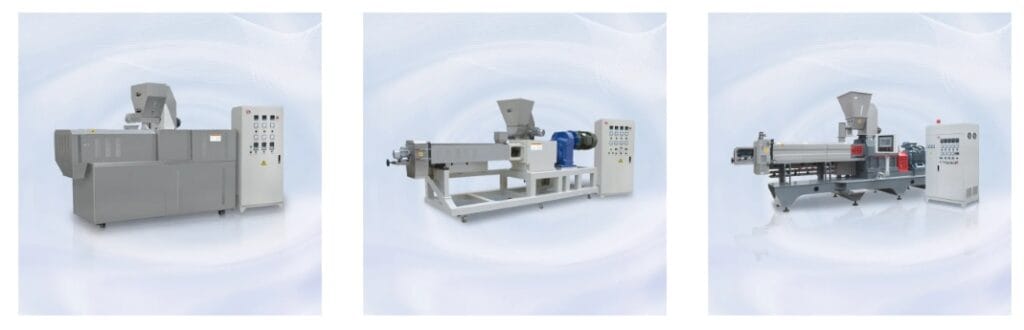
For products like triangular tortilla chips, the masa is formed into a thin sheet using a sheeter or laminator. The masa is fed between two large, counter-rotating rollers. The gap between these rollers determines the thickness of the sheet, which is critical for the final chip’s crispness. A thinner sheet will yield a lighter, crispier chip, while a thicker sheet will be sturdier and harder. The sheet of masa, now only a few millimeters thick, is conveyed forward on a belt for the next step.
Stage 5: Forming and Cutting the Chips
This stage gives the chip its distinctive shape.
5.1 Cutting the Sheet
The continuous sheet of masa passes under a rotary cutter. This is a roller equipped with raised blades in the desired shape—triangles, circles, or rectangles. As the roller turns, it cuts the shapes out of the masa sheet. The scrap masa (the “web” left between the cut pieces) is typically lifted away by a vacuum system, returned to the mixer, and reworked into the dough. This minimizes waste.

5.2 Alternative Forming: Extrusion for “Fritos”-Style Chips
For the iconic, curved corn chips (exemplified by the Fritos brand), a different forming process is used: extrusion. The dry cornmeal is first hydrated and cooked, often in a continuous extruder. The moist, cooked masa is then forced through a die that gives it its characteristic shape. As the extruded rope emerges, a synchronized cutter slices it into individual pieces. This method creates a denser, harder crunch compared to the sheeted-and-fried method.
Stage 6: The Frying or Baking Process
This is the stage where the chip achieves its final texture, color, and much of its flavor.
6.1 The Frying Process
The formed masa pieces are conveyed directly into a long, continuous fryer filled with hot oil maintained at a constant temperature, typically between 165°C and 185°C (330°F – 365°F).
- The Transformation: As the chip enters the hot oil, the water on its surface instantly vaporizes. The heat penetrates the chip, causing the remaining internal water to turn to steam. This steam expansion puffs the chip slightly and cooks the starch, setting its structure. Simultaneously, the Maillard reaction (a chemical reaction between amino acids and reducing sugars) occurs, producing the chip’s golden-brown color and characteristic toasted, savory flavors.
- Oil Uptake: The chip absorbs a significant amount of oil during frying, which contributes to its rich mouthfeel and flavor. The rate and amount of oil absorption are influenced by the frying temperature, time, and the initial moisture content of the masa.
- Final Moisture Content: The frying process reduces the moisture content of the chip from over 50% to a very low level, typically between 1% and 2%. This low moisture is what creates the crisp texture and makes the chip shelf-stable.
6.2 The Baking Alternative
As consumer demand for lower-fat foods has increased, many manufacturers offer baked corn chips. In this process, the formed masa pieces are passed through a multi-zone oven instead of a fryer. Hot air cooks the chips, achieving a similar moisture reduction but with little to no oil added. The texture of a baked chip is different—often harder, less rich, and can have a more pronounced “cereal” note. To enhance flavor, oil is often sprayed onto baked chips after baking before seasoning is applied.
Stage 7: Seasoning Application – The Flavor Revolution
The plain, fried chip is a blank canvas. The application of seasonings is where brand identity and variety are created.
7.1 The Seasoning Drum
The hot chips (just after frying or after an oil spray for baked chips) are transported into a rotating drum, often called a seasoning tumbler.
7.2 The Two-Stage Process
- Oil Spray: A fine, uniform mist of liquid oil is sprayed onto the tumbling chips. This oil acts as a “glue,” providing a sticky surface for the dry seasoning to adhere to.
- Seasoning Delivery: Immediately after the oil spray, the dry seasoning powder is metered into the drum. As the chips tumble, they are evenly coated with the seasoning blend. The residual heat from the frying process helps the seasoning to slightly melt and adhere more firmly to the chip’s surface.
The precision of this process is vital. Too little oil, and the seasoning will fall off (“seasoning loss”). Too much oil, and the chips will become greasy and the seasoning will clump.
Stage 8: Cooling, Inspection, and Packaging
The final steps are crucial to preserving the quality achieved through the complex previous stages.
8.1 Cooling
The seasoned chips are hot and fragile. They are conveyed through a long cooling tunnel where ambient or slightly cooled air is circulated. This brings them down to room temperature, stabilizing their texture and, most importantly, preventing condensation inside the packaging bag. If hot chips were packaged, the escaping moisture would create steam, which would then condense on the inside of the bag, making the chips soggy.
8.2 Automated Inspection
Before packaging, the chips undergo rigorous automated quality checks:
- Metal Detection: Every chip passes through a metal detector to ensure no metal contamination from the machinery is present.
- Checkweighers: These ensure that each bag will contain the correct net weight of product.
- Optical Sorters: High-resolution cameras and sophisticated software can detect and automatically reject chips that are off-color, burnt, broken, or misshapen.
8.3 The Science of Packaging: Nitrogen Flushing
The cooled chips are funneled into the packaging bags, which are typically made from a multi-layer plastic film that provides an excellent barrier against moisture, oxygen, and light. The most critical step is nitrogen flushing. Just before the bag is sealed, a jet of inert nitrogen gas is injected into the bag, displacing the oxygen-rich air.
- Why Nitrogen? Oxygen is the enemy of crispy snacks. It causes:
- Oxidative Rancidity: The oils in the chip react with oxygen, producing off-flavors and unpleasant odors.
- Loss of Crispiness: Over time, oxygen can contribute to the degradation of the chip’s texture.
By replacing oxygen with inert nitrogen, the shelf life of the product is extended from a few days to many months, all while preserving the perfect crunch and fresh flavor. The bags are then immediately heat-sealed.
The production of a corn chip is a remarkable feat of modern food technology, a symphony of agricultural science, chemical engineering, and mechanical precision. What begins as a simple kernel of corn undergoes a dramatic transformation through cleaning, milling, chemical alteration (nixtamalization), forming, intense heat treatment (frying), and precise flavoring. Each step is controlled by a myriad of parameters—time, temperature, moisture, pressure—all of which must be in perfect harmony to produce the consistent, high-quality snack that consumers expect. The next time you enjoy the satisfying crunch of a corn chip, remember the immense technological journey it has undertaken, a process where ancient wisdom and modern innovation combine to create a simple, yet profound, pleasure.
Leave A Comment