
The Global Extrusion Revolution: Navigating Capital Efficiency in the $58 Billion Puffed Snacks Market
The global extruded snacks market is projected to exceed $58.3 billion by 2027, expanding at a CAGR of 5.2% despite volatile commodity pressures. For institutional investors and facility operators, this growth trajectory presents a critical inflection point: the shift from conventional batch processing to continuous extrusion systems has become the primary determinant of manufacturing ROI. With extrusion technology now accounting for over 75% of global puffed snack production capacity, selecting the optimal processing line is no longer merely an operational decision—it is a strategic capital allocation that directly impacts margin resilience and market responsiveness.
Extrusion Technology: The Engineering Imperative
At the core of modern puff snack manufacturing lies twin-screw extrusion technology, which has evolved from simple starch gelatinization to precision-controlled thermomechanical processing. Contemporary systems achieve material utilization rates exceeding 92%, minimizing waste while enabling density variations from 30 kg/m³ (ultra-light corn puffs) to 180 kg/m³ (high-protein crisps) through precise shear rate modulation.
The technical differentiator now rests on segmented screw configurations and automated die-pressure compensation, which allow manufacturers to switch between corn, rice, potato, and emerging alternative protein bases (pea, fava bean, insect flour) with changeover times under 45 minutes. This versatility is critical as 68% of B2B buyers now demand multi-functional lines capable of producing both traditional extruded puffs and fortified nutritional snacks without dedicated secondary equipment.
Production Efficiency Metrics: Beyond Throughput
While nominal capacity (typically 300–1,200 kg/hour for industrial-grade systems) remains a baseline metric, sophisticated investors are prioritizing Overall Equipment Effectiveness (OEE) benchmarks. Leading Chinese manufacturers now deliver processing lines achieving OEE scores of 85%+, compared to the industry average of 60–65%, through integrated solutions that combine:
- Energy-optimized thermal systems: Advanced induction heating and heat-recovery mechanisms reducing energy consumption per ton by 18–25% versus legacy electric systems
- Predictive maintenance algorithms: IoT-enabled extruder barrels with real-time wear monitoring, reducing unplanned downtime by up to 40%
- Hygienic design standards: CIP (Clean-in-Place) capable systems meeting EHEDG guidelines, cutting sanitation cycles from 4 hours to 90 minutes
Labor efficiency has emerged as equally decisive. Fully automated lines with gravimetric feeding systems and vision-based quality control reduce direct labor requirements by 50–60%, addressing critical workforce availability constraints in both developed and emerging markets.
China’s Manufacturing Ecosystem: Quality at Scale
China’s food processing machinery sector has undergone structural maturation, with exports of extrusion equipment growing at 12.4% annually—outpacing German and Italian competitors in volume while closing the gap in precision engineering. The concentration of complete supply chain integration—stainless steel foundries, precision machining centers, and automation component manufacturers within 200km radius clusters—enables Chinese OEMs to offer total cost of ownership (TCO) advantages of 30–35% compared to European equivalents, without compromising on CE, UL, or FDA 21 CFR compliance.
Critically, tier-1 Chinese manufacturers have pivoted from standardization to modular customization, offering extrusion lines with configurable L/D ratios (length-to-diameter), variable frequency drive systems, and Industry 4.0 integration capabilities that match the operational demands of multinational snack conglomerates and private-label co-manufacturers alike.
Evaluation Framework for Capital Deployment
As facility expansion and greenfield investments accelerate across Southeast Asia, the Middle East, and Eastern Europe, the selection of extrusion partners demands rigorous assessment of R&D investment ratios, after-sales service network density, and recipe development support capabilities—factors that distinguish commodity equipment suppliers from strategic technology partners.
The following analysis examines the Top 10 Puff Snacks Processing Line Manufacturers in China, evaluated against quantitative benchmarks including patent portfolios, international installation footprints, energy efficiency certifications, and verified client uptime statistics. These represent the definitive options for investors prioritizing scalable production architecture and operational agility in the competitive extruded snacks sector.
B2B Machinery Sourcing Guide: Puff Snacks Processing Lines from China
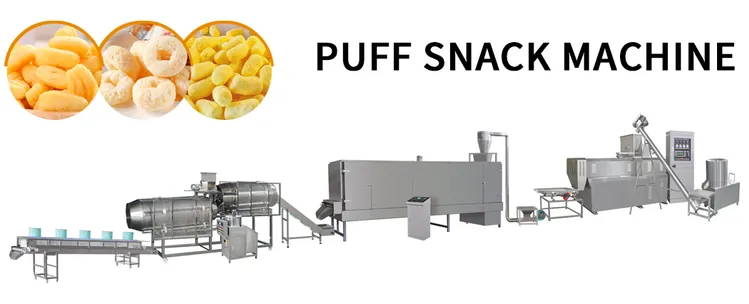
For international food processing investors and facility operators, sourcing extrusion systems from China represents a strategic opportunity to access advanced twin-screw technology at competitive capital expenditure levels. However, the variance in engineering standards across Chinese manufacturers necessitates rigorous technical evaluation beyond quoted pricing. When assessing Puff Snacks Processing Lines—encompassing extruders, drying ovens, flavoring drums, and packaging integration—focus your due diligence on extrusion mechanics, metallurgical specifications, and control architecture.
Below are the three critical technical determinants that separate industrial-grade equipment from commodity machinery.
H3 Screw Configuration and Barrel Modularity
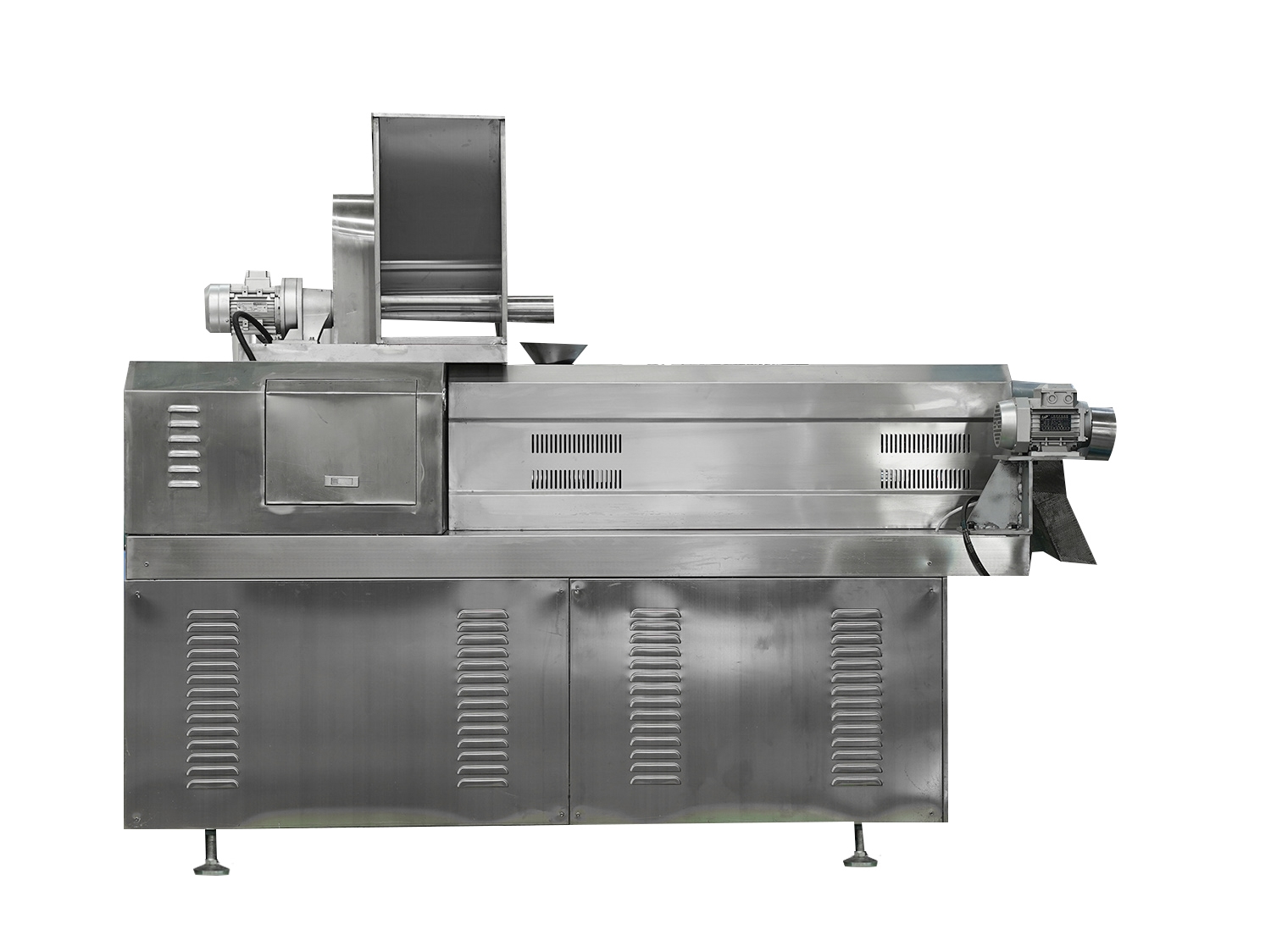
The extrusion screw assembly constitutes the primary processing chamber where thermal-mechanical energy transforms raw materials (corn grits, rice flour, potato starch, or multi-grain blends) into expanded cellular structures. Evaluate these mechanical specifications:
- L/D Ratio and Screw Geometry: Demand extruders with a Length-to-Diameter ratio between 20:1 and 25:1. This provides sufficient residence time for gelatinization while preventing excessive shear degradation. Inquire whether the supplier utilizes co-rotating twin-screw intermeshing designs, which offer superior mixing and self-wiping action compared to single-screw systems.
- Modular Screw Elements: High-quality lines feature segmented screw shafts allowing configuration changes (conveying elements, kneading blocks, reverse-pitch sections) to accommodate diverse product densities—from high-expansion cheese balls to dense, multigrain chips. Verify that the manufacturer provides metallurgical certificates for screw elements (typically 38CrMoAlA nitrided steel or higher-grade powder metallurgy for abrasive formulations).
- Shear Rate Management: Request data on specific mechanical energy (SME) consumption per kilogram of product. Inconsistent shear distribution creates texture variation and “dead zones” leading to carbonization. Premium systems offer variable frequency drives (VFD) on the main drive motor (typically 75kW–132kW for industrial lines) allowing real-time torque adjustment.
H3 Material Durability and Sanitary Engineering
Food safety compliance and equipment longevity depend on metallurgical choices and hygienic design principles, particularly given the acidic nature of flavor precursors and thermal cycling stresses.
- Food-Contact Metallurgy: Insist on 304 or 316L stainless steel construction for all product-contact surfaces, including barrels, dies, and cutting knives. Non-contact frames may utilize carbon steel with epoxy coating, but verify the execution quality. For high-wear applications (e.g., formulations with 20%+ fiber content), demand bimetallic barrel liners with cobalt-based alloys (StarMet or equivalent) to resist abrasion.
- Die Plate Technology: The extrusion die determines final shape and expansion uniformity. Evaluate die plate materials—tool steel H13 is standard, but carbide-insert dies last 5–8x longer for abrasive recipes. Confirm that die orifices are CNC-machined to ±0.02mm tolerance to prevent product deformation.
- IP Ratings and Washdown Compatibility: Processing environments require IP65-rated electrical enclosures and sloped surfaces to prevent water pooling during CIP (Clean-in-Place) protocols. Verify that motor cooling systems are isolated from processing zones to prevent lubricant contamination risks.
H3 Automation Architecture and Energy Efficiency
Modern puff snack lines require precise coordination between feeding systems, extrusion parameters, and downstream drying/flavoring to minimize waste and utility costs.
- Distributed Control Systems (DCS): Specify PLC platforms from Tier-1 suppliers (Siemens S7-1200/1500, Schneider Modicon, or Mitsubishi FX series). The system should offer 10–12 independent temperature control zones (barrel heating and cooling) with PID algorithms maintaining ±1°C stability. Demand a 10-inch+ HMI interface with recipe storage capacity (minimum 100 recipes) and Ethernet connectivity for Industry 4.0 integration.
- Power Consumption Metrics: Request specific energy consumption data measured in kWh per ton of finished product. Efficient twin-screw lines typically operate at 0.35–0.45 kWh/kg for direct-expanded products. Compare drive motor efficiency ratings (IE3 or IE4 premium efficiency motors) and verify that heating systems utilize ceramic band heaters or induction heating for faster response times and 15–20% energy savings over conventional mica bands.
- Safety and Compliance Certifications: For EU/NAFTA markets, verify CE marking compliance with Machinery Directive 2006/42/EC and Low Voltage Directive 2014/35/EU. UL-listed electrical components are essential for North American installations. Request documentation of food-contact material compliance with FDA 21 CFR and EU 10/2011 regulations.
Strategic Sourcing Recommendations
When engaging Chinese manufacturers (concentrated in Jinan, Shandong Province, and Jiangsu Province), conduct virtual or physical factory audits focusing on CNC machining capabilities (5-axis machining centers for die fabrication), in-house metallurgical testing, and assembly protocols. Request reference installations operating continuously for 18+ months in markets with equivalent sanitary standards to your own.
Evaluate the supplier’s spare parts logistics—critical wear parts (screw segments, dies, knives) should be deliverable within 72 hours via international courier, or maintain local inventory partnerships in your region. Finally, negotiate training protocols: insist on 2–3 weeks of on-site commissioning with process engineers experienced in your specific raw material matrix (corn vs. potato vs. pulse-based proteins).
Conclusion
A puff snacks processing line represents a 10–15 year capital investment. While Chinese manufacturing offers compelling ROI potential, technical sophistication varies significantly. Prioritizing screw engineering precision, metallurgical integrity, and control system sophistication over initial price points ensures operational reliability, food safety compliance, and product quality consistency demanded by global retail markets.
Why Experience is Non-Negotiable in Puff Snacks Processing
Selecting an experienced factory for your Puff Snacks Processing Line is not merely a procurement preference—it is a strategic operational imperative. Extrusion technology demands precise control over thermal dynamics, pressure gradients, and moisture content; even minor deviations can compromise product texture, expansion ratios, and shelf stability. Veteran manufacturers bring decades of iterative refinement to screw configurations, barrel heating zones, and die designs—ensuring consistent output and minimal waste. Furthermore, established factories provide critical post-installation value: proven recipe development support, rapid spare parts availability, and troubleshooting expertise that minimizes costly downtime. In an industry where equipment reliability directly impacts margin sustainability, partnering with a seasoned extrusion specialist mitigates technical risks and accelerates your path to profitable production.
Your Strategic Partner: Jinan Dayi Extrusion Machinery Co., Ltd.
This is where Jinan Dayi Extrusion Machinery Co., Ltd. transforms your production goals from concept to commercial reality. Established in 1996, we have spent over two decades perfecting advanced, high-efficiency extrusion systems that power food manufacturers across the globe.
The DAYI Advantage:
As a professional manufacturer backed by a dedicated expert team, we don’t just build machines—we engineer complete production ecosystems. Our high-efficiency extrusion technology optimizes energy consumption while maximizing throughput, delivering the precision your recipes demand. Unlike equipment vendors who stop at delivery, DAYI provides full turnkey solutions, seamlessly integrating raw material handling, extrusion processing, drying, flavoring, and final packaging into a streamlined operation.
Comprehensive Capabilities:
While our Puffed Snack Food Production Lines remain a flagship specialty, our expertise spans the entire extrusion landscape—from Corn Flakes and 3D Pellet Snacks to Fortified Rice, Pet Food, Tortilla Chips, Baby Food, Bread Crumbs, Nutrition Powders, and Soya Chunk systems. This diverse portfolio reflects our deep understanding of extrusion physics, ensuring that your puff snack line benefits from cross-application innovations and robust engineering.
Ready to Optimize Your Production?
Don’t compromise on experience when scaling your snack operations. Contact Jinan Dayi Extrusion Machinery Co., Ltd. today to discuss your specific requirements. Our engineers will configure a custom solution tailored to your capacity targets, product specifications, and facility parameters—backed by a competitive quote that reflects true long-term value.
Reach out to DAYI now and leverage 20+ years of extrusion excellence for your next production line.