
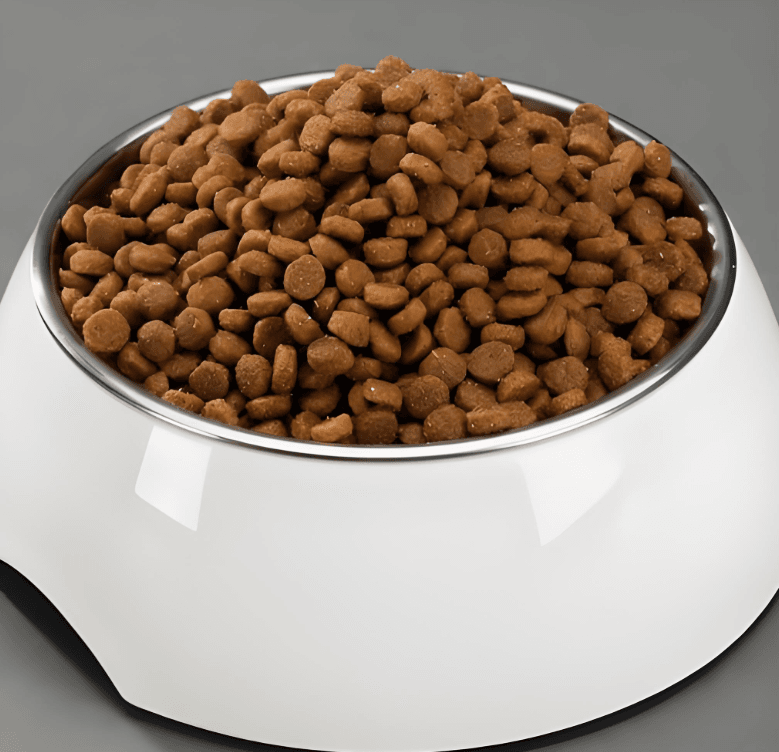
The Eight Pillars of Premium Pet Food Production: A Comprehensive Guide to Formulation, Safety, and Palatability
Introduction: Beyond Basic Sustenance – The Evolution of Pet Nutrition
The landscape of pet ownership has undergone a profound transformation. Dogs and cats have moved from their traditional roles as utilitarian workers or barnyard residents to become cherished family members. This shift in the human-animal bond has catalyzed an equally profound evolution in the pet food industry. No longer is the goal simply to provide calories for survival; the modern mandate is to promote longevity, vitality, and overall well-being through optimal nutrition. Pet parents are increasingly discerning, seeking out products that are not only palatable but also safe, nutritious, and tailored to their companion’s specific life stage, breed, and health status.
This heightened expectation places a significant responsibility on pet food manufacturers. The process of creating a high-quality pet food is a complex, multidisciplinary endeavor, blending animal nutrition science, food chemistry, chemical engineering, quality control, and rigorous safety protocols. It is a field where a single misstep in formulation or production can have serious consequences for animal health and a company’s reputation.
Therefore, achieving excellence in pet food production is not accidental; it is the result of a meticulous, principled approach built upon several foundational pillars. This article provides an exhaustive examination of the eight critical elements that underpin the creation of superior pet food: 1) Mastering Species-Appropriate Nutritional Formulation; 2) The Critical Importance of Ingredient Sourcing and Integrity; 3) Selecting the Optimal Processing Method; 4) Implementing a Rigorous Quality Assurance and Control System; 5) Ensuring Palatability and Digestibility; 6) Upholding Food Safety and Hazard Analysis; 7) Embracing Sustainability and Transparency; and 8) Conducting Ethical Feeding Trials and Product Validation.
Pillar 1: Mastering Species-Appropriate Nutritional Formulation
The foundation of any excellent pet food is a scientifically sound formula. This goes far beyond simply meeting the minimum nutrient levels published by organizations like the Association of American Feed Control Officials (AAFCO). It involves a deep understanding of the unique physiological needs of dogs and cats as carnivorous species.
1.1 Understanding Canine and Feline Physiology
- Cats: Obligate Carnivores: Felines have a biological requirement for nutrients found primarily in animal tissue. Their metabolism is uniquely adapted to a high-protein, high-fat diet. Key nutritional imperatives for cats include:
- Taurine: An essential amino acid that cats cannot synthesize in sufficient quantities. Deficiency leads to severe health issues, including dilated cardiomyopathy (heart disease) and retinal degeneration, causing blindness. Unlike dogs, cats must receive pre-formed Taurine from their diet.
- Arachidonic Acid: An essential fatty acid found only in animal fats, vital for skin, coat, and reproductive health.
- Pre-formed Vitamin A: Cats cannot effectively convert beta-carotene from plants into Vitamin A and must consume it directly from animal sources like liver.
- High Protein Requirement: Cats utilize protein for energy even when other sources are available. Diets insufficient in high-quality, animal-based protein can lead to muscle wasting and other health problems.
- Dogs: Facultative Carnivores (or Omnivorous Carnivores): While dogs have evolved a greater capacity to digest carbohydrates than cats, their digestive anatomy and physiology are still fundamentally that of a carnivore. They thrive on a diet rich in animal protein. Formulating for dogs requires attention to:
- Amino Acid Profile: The protein source must provide a complete amino acid profile. While Taurine is not traditionally considered essential for all dogs, certain breeds and diets (e.g., grain-free, legume-rich) have been associated with Taurine-deficient dilated cardiomyopathy, making its inclusion and monitoring prudent.
- Energy Balance: Formulas must provide the right balance of energy from protein, fats, and digestible carbohydrates based on the dog’s size, age, and activity level.
1.2 Life Stage Nutrition: From Kitten/Puppy to Senior
A “one-size-fits-all” formula is inadequate. Nutritional needs vary dramatically throughout an animal’s life.
- Growth (Puppy/Kitten): Requires higher levels of protein, fat, calcium, and phosphorus to support rapid development of bones, muscles, and organs. The calcium-to-phosphorus ratio is critically important for proper skeletal formation.
- Maintenance (Adult): Designed to maintain ideal body condition and support daily metabolic functions. Energy density is calibrated to prevent obesity.
- Senior/Geriatric: Often lower in calories to accommodate a slower metabolism but may be higher in specific nutrients like joint-supporting glucosamine and chondroitin, omega-3 fatty acids for cognitive function, and adjusted phosphorus levels to support renal health.
- All Life Stages: Some foods are formulated to meet the requirements for all life stages, but these must be carefully balanced to avoid providing excessive nutrients to adults or seniors.
1.3 Specialized Diets and Functional Ingredients
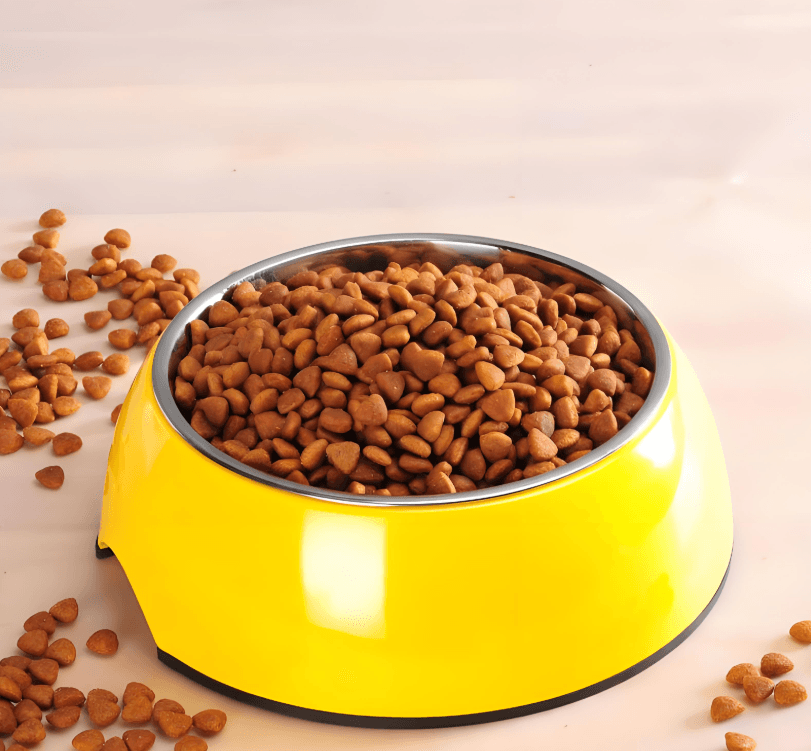
Premium pet food often includes ingredients aimed at supporting specific health functions.
- Skin and Coat Health: Omega-3 (from fish oil) and Omega-6 fatty acids.
- Joint Health: Glucosamine, chondroitin sulfate, and Green-Lipped Mussel extract.
- Digestive Health: Prebiotics (e.g., Fructooligosaccharides or FOS) to feed beneficial gut bacteria and probiotics (direct-fed microorganisms) to support a healthy microbiome. Highly digestible fiber sources like beet pulp can also aid digestive regularity.
- Immune Support: Antioxidants such as Vitamin E, Vitamin C, and selenium.
1.4 The Importance of AAFCO Protocols
A formula is only as good as its demonstrated nutritional adequacy. Manufacturers should validate their products by following AAFCO’s feeding trial protocols, which are the gold standard. This involves feeding the diet exclusively to a group of animals over a specified period and monitoring their health through veterinary examinations and blood work. The alternative, formulating to meet AAFCO nutrient profiles through laboratory analysis alone, is a less robust method that does not prove the food’s biological effectiveness.
Pillar 2: The Critical Importance of Ingredient Sourcing and Integrity
The nutritional blueprint of a formula is entirely dependent on the quality of the ingredients used to execute it. Superior ingredients are the bedrock of a superior product.
2.1 Human-Grade vs. Feed-Grade: A Critical Distinction
- Feed-Grade: This is the standard for the vast majority of pet food. Ingredients are deemed suitable for animal consumption but may not have been handled, processed, or stored under the same strict sanitary conditions as human food. This does not automatically mean they are low quality, but the regulatory and safety thresholds are different.
- Human-Grade: This term, when used correctly, means that every ingredient and the finished product itself are stored, handled, processed, and transported in a manner consistent with current Good Manufacturing Practices (cGMPs) for human food. This represents the highest possible standard for ingredient quality and safety.
2.2 Ingredient Traceability and Supplier Verification
Manufacturers must know their supply chain in detail. This involves:
- Auditing Suppliers: Conducting regular audits of ingredient suppliers to verify their safety practices, quality controls, and ethical standards.
- Certificate of Analysis (COA): Requiring a COA for every batch of incoming ingredients, which verifies its composition, purity, and confirms the absence of specific contaminants.
- Country of Origin: Understanding the origin of ingredients, as regulatory standards can vary significantly between countries. For instance, the 2007 melamine contamination scandal, which originated from ingredients sourced from China, underscores the critical need for rigorous supplier verification and testing.
2.3 The “Named Protein” Philosophy
Transparency in ingredient listing is a hallmark of quality. Rather than using vague terms like “meat by-products” or “poultry meal,” premium manufacturers specify the source:
- Preferred: “Deboned Chicken,” “Chicken Meal,” “Lamb Liver.”
- Less Desirable: “Meat Meal,” “Animal Fat,” “Poultry By-Product Meal.”
Specificity allows the consumer to make informed choices, especially for pets with food sensitivities or allergies. “Meal” is a concentrated protein source created by rendering (cooking and drying) and is a valuable ingredient, but its source should be named.
2.4 Freshness and Preservation
Ingredients, particularly fats, are susceptible to rancidity (oxidation). Premium manufacturers use natural preservatives like mixed tocopherols (a source of Vitamin E) and rosemary extract to maintain freshness, as opposed to synthetic preservatives like BHA, BHT, and ethoxyquin, which some consumers wish to avoid.
Pillar 3: Selecting the Optimal Processing Method
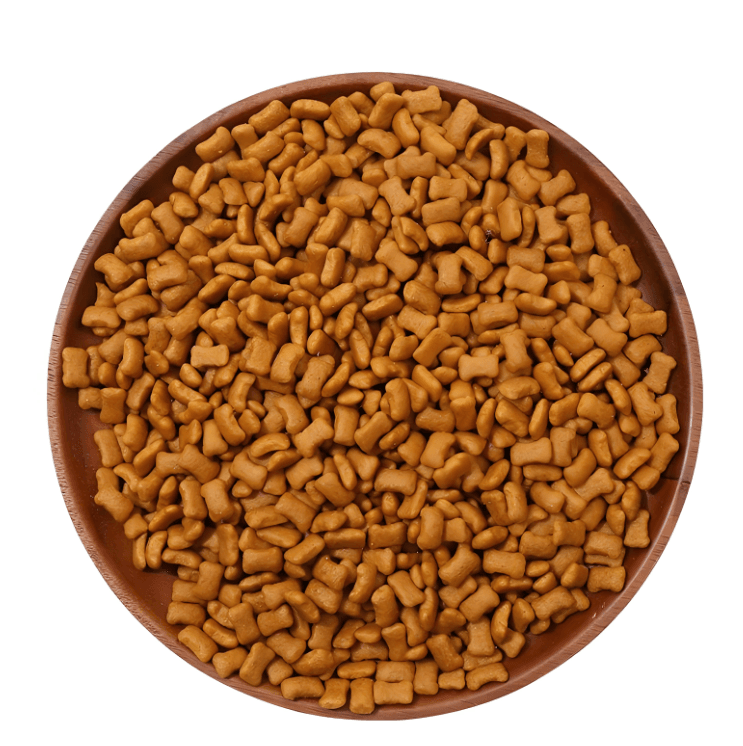
The method used to transform raw ingredients into a shelf-stable, safe, and palatable kibble or can is a critical determinant of the final product’s quality. The two primary methods are thermal processing (canning) and extrusion (for kibble).
3.1 The Extrusion Process for Dry Food (Kibble)
Extrusion is a high-temperature, short-time cooking process that is highly efficient for producing dry pet food.
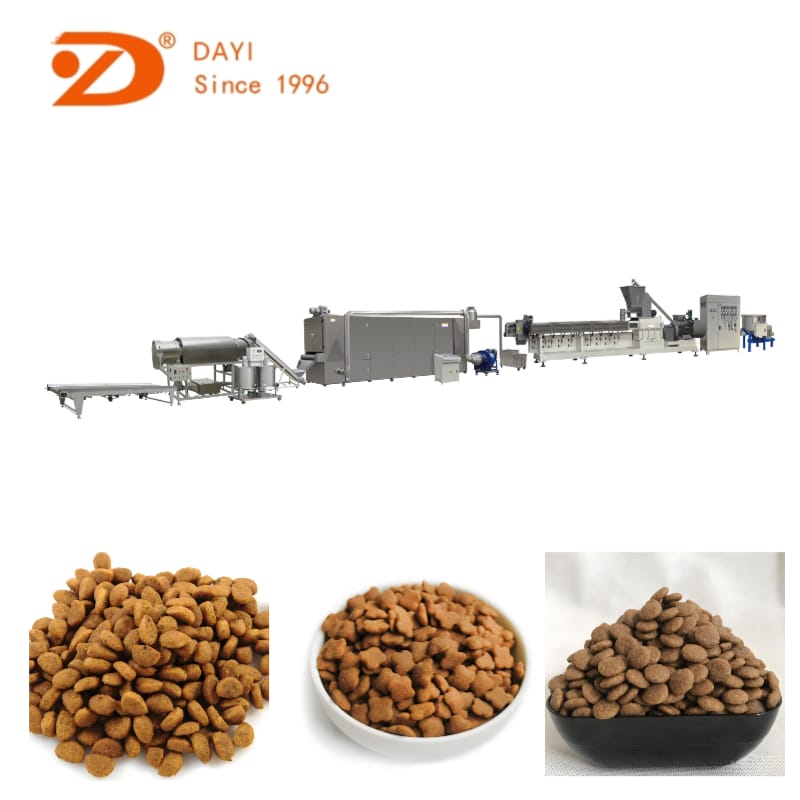
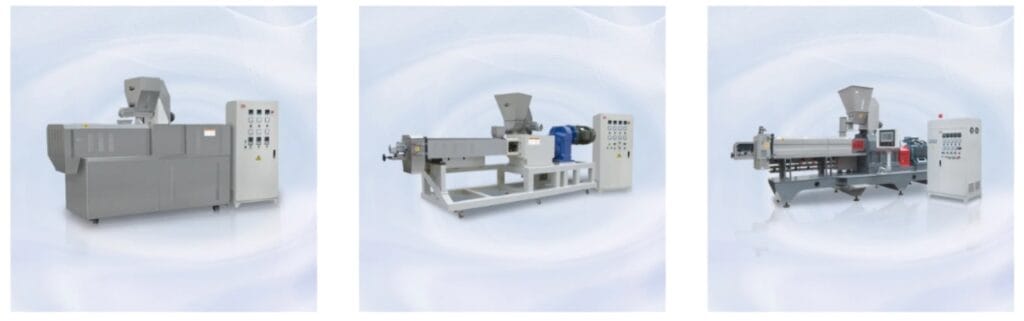
- The Process: A mixture of ingredients (meals, grains, vitamins, etc.) is ground into a fine meal and mixed with water, steam, and sometimes hot broth or fat to form a dough. This dough is fed into an extruder—a long barrel with a rotating screw. As the material is conveyed under high pressure, it is cooked. At the end of the barrel, it is forced through a die plate that shapes the kibble. As the pressurized kibble exits the die into the ambient atmosphere, it rapidly expands or “puffs.” The kibble is then dried in an oven to reduce moisture content and coated with a palatability enhancer, which is often a digest or fat.
- Impact on Nutrients: The high heat can degrade heat-sensitive nutrients. Therefore, vitamins and probiotics are often added after extrusion via a coating process (post-extrusion topical application) to ensure their potency.
- Advantages: High efficiency, excellent shelf stability, convenience for owners, and helps with dental health by reducing tartar.
3.2 The Thermal Processing (Retorting) Process for Wet Food
Canned or pouched wet food undergoes a different process.
- The Process: Pre-mixed ingredients are sealed in a can or pouch. The sealed container is then placed in a retort—a large pressure cooker—where it is subjected to high temperatures for a specific time to achieve commercial sterility. This destroys pathogens and spoilage microorganisms.
- Impact on Nutrients: The process is harsh and can affect texture and degrade some nutrients, but because the food is sealed before cooking, nutrient loss is contained within the can. The formula is designed to account for this.
- Advantages: High palatability, high moisture content (beneficial for hydration), and often higher in meat protein. It is typically highly digestible.
3.3 Alternative Methods: Baking, Dehydration, and Freeze-Drying
- Baking: Produces a dense, biscuit-like kibble at lower temperatures than extrusion, potentially preserving more nutrients.
- Dehydration: Gently removes moisture at low temperatures over a long period, preserving the raw ingredients’ nutritional integrity and enzymes. The result is a shelf-stable product that is rehydrated before feeding.
- Freeze-Drying: A premium process where raw or cooked food is frozen, and then placed in a vacuum where the ice sublimates (turns directly from solid to gas). This preserves the food’s structure, nutrients, and flavor exceptionally well. It is very expensive but results in a high-quality, lightweight, shelf-stable product.
The choice of processing method involves a trade-off between nutrient preservation, cost, shelf life, and palatability.
Pillar 4: Implementing a Rigorous Quality Assurance and Control System
Quality must be engineered into every step of the process, from receiving raw materials to shipping the finished product. A robust Quality Management System (QMS) is the guardian of product safety and consistency.
4.1 Incoming Ingredient Inspection
Every shipment of raw materials must be inspected and tested before being accepted. This includes:
- Visual Inspection: Checking for foreign material, signs of pest infestation, or damage.
- Laboratory Testing: Analyzing samples for:
- Protein and Fat Content: To ensure they meet specifications.
- Microbiological Contaminants: Such as Salmonella, E. coli, and mold counts (aflatoxins).
- Chemical Contaminants: Such as heavy metals (lead, arsenic, cadmium) and pesticides.
4.2 In-Process Controls (IPCs)
During production, critical control points are continuously monitored.
- Extrusion/Wet Production: Monitoring and controlling temperatures, pressures, moisture content, and cook times.
- Metal Detection: The product stream passes through a metal detector to remove any ferrous or non-ferrous metal fragments.
- Checkweighers: Ensuring each bag or can contains the correct amount of product.
4.3 Finished Product Testing
Before release, finished products are tested to ensure they meet all specifications for:
- Nutritional Adequacy: Verifying that protein, fat, fiber, and moisture levels match the guaranteed analysis.
- Microbiological Safety: Confirming the absence of pathogenic bacteria.
- Shelf-Life Stability: Conducting tests to ensure the product remains safe and palatable throughout its stated shelf life.
4.4 Documentation and Traceability
A complete and meticulous documentation system is required. This includes batch records for all raw materials and finished products, allowing for full traceability from the supplier to the consumer in the event of a recall. This is a cornerstone of a HACCP plan.
Pillar 5: Ensuring Palatability and Digestibility
A nutritionally perfect food is useless if the pet refuses to eat it or cannot absorb the nutrients. Palatability and digestibility are two sides of the same coin.
5.1 The Science of Palatability
Palatability is influenced by a pet’s senses of smell and taste.
- Aroma: This is the most important factor, especially for cats. The volatile compounds released from fats and proteins during processing create the aroma that attracts the animal. Palatability enhancers like animal digests (enzymatically broken-down proteins) are highly effective.
- Taste: Pets have taste receptors for umami (savory), which is associated with meaty flavors, as well as for fats. They have far fewer sweet receptors than humans.
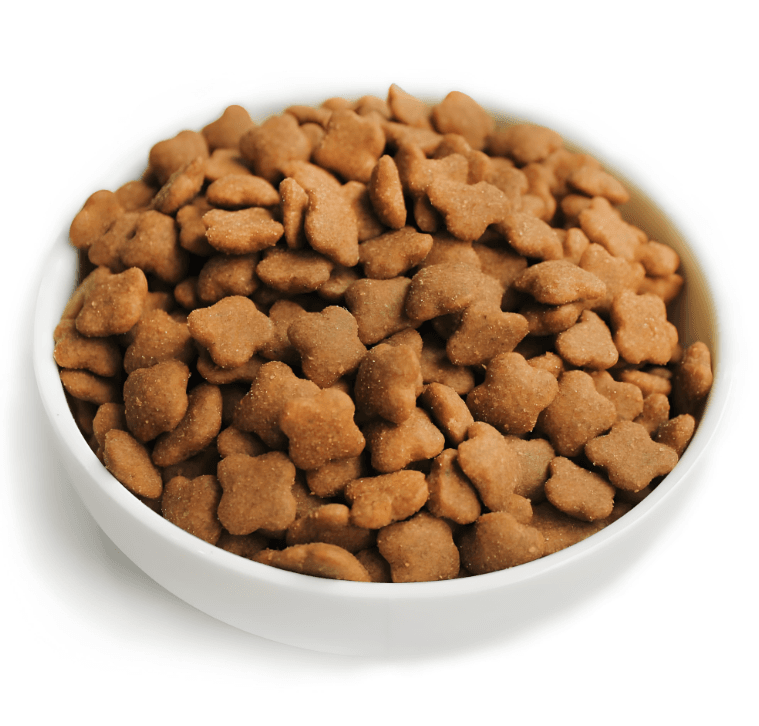
- Texture and Size: The size, shape, and hardness of kibble must be appropriate for the target animal. A Yorkshire Terrier has different needs than a Great Dane.
5.2 The Imperative of Digestibility
Digestibility measures the proportion of a nutrient that is absorbed from the digestive tract. High digestibility means less waste (smaller, firmer stools) and more nutrition available to the animal.
- Factors Affecting Digestibility: The quality of the protein source (high-quality animal proteins are more digestible than plant-based proteins or low-quality by-products), the type and processing of carbohydrates, and the overall formula balance.
- Measuring Digestibility: This is typically determined through controlled feeding trials where all food intake and waste output are measured and analyzed.
Pillar 6: Upholding Food Safety and Hazard Analysis
Pet food safety is non-negotiable. A systematic, preventive approach is required to identify and control potential hazards.
6.1 Implementing a HACCP Plan
Hazard Analysis Critical Control Point (HACCP) is a systematic, preventive framework. It involves:
- Conducting a Hazard Analysis: Identifying potential biological, chemical, and physical hazards at each step of the production process.
- Determining Critical Control Points (CCPs): Identifying the points in the process where control can be applied to prevent or eliminate a hazard. For example, the cooking step (extrusion or retorting) is a CCP for eliminating biological hazards like Salmonella.
- Establishing Critical Limits: Setting measurable criteria for each CCP (e.g., the kibble must reach an internal temperature of 165°F for a minimum of 5 seconds to destroy Salmonella).
- Monitoring, Corrective Actions, Verification, and Recordkeeping: The ongoing system to ensure the HACCP plan is working effectively.
6.2 Mitigating Specific Hazards
- Pathogenic Bacteria: Rigorous cleaning and sanitation protocols (C&S), pest control, and thermal processing are key.
- Mycotoxins: Sourced from mold on grains. Controlled through rigorous ingredient testing and proper grain storage.
- Melamine and Adulterants: Prevented through strict supplier verification and testing.
Pillar 7: Embracing Sustainability and Transparency
Modern consumers expect companies to be environmentally and socially responsible.

7.1 Sustainable Sourcing
This includes using responsibly caught fish (certified by organizations like the Marine Stewardship Council), using free-range or cage-free poultry, and minimizing the environmental footprint of ingredient production.
7.2 Operational Sustainability
Reducing energy and water consumption in manufacturing facilities, minimizing waste through packaging recycling programs, and using recyclable or biodegradable packaging materials.
7.3 Radical Transparency
Being open about ingredient sources, manufacturing processes, and nutritional philosophy. This builds trust with increasingly knowledgeable consumers.
Pillar 8: Conducting Ethical Feeding Trials and Product Validation
The ultimate test of a pet food’s quality is its performance in real-world conditions.
8.1 AAFCO Feeding Trials
As mentioned, these are the gold standard. They provide concrete evidence that the food not only looks good on paper but also supports the health and well-being of animals over time.
8.2 Ethical Considerations
All feeding trials must be conducted under the supervision of a veterinarian and in accordance with strict animal welfare guidelines. The pets involved should be housed in comfortable, enriching environments and receive the highest standard of care.
Conclusion: A Holistic Commitment to Excellence
Producing exceptional pet food is a symphony of science, ethics, and engineering. It requires a holistic commitment that intertwines these eight pillars. From the initial formulation based on sound biological principles to the final validation through ethical feeding trials, every step must be guided by a unwavering dedication to quality and safety. The reward is not merely commercial success, but the profound satisfaction of contributing to the health, happiness, and longevity of the companions that enrich human lives beyond measure. In the end, premium pet food is a tangible expression of the love and responsibility we hold for our animal family members.
The Eight Pillars of Premium Pet Food Production: A Comprehensive Guide to Formulation, Safety, and Palatability
Introduction: Beyond Basic Sustenance – The Evolution of Pet Nutrition
The landscape of pet ownership has undergone a profound transformation. Dogs and cats have moved from their traditional roles as utilitarian workers or barnyard residents to become cherished family members. This shift in the human-animal bond has catalyzed an equally profound evolution in the pet food industry. No longer is the goal simply to provide calories for survival; the modern mandate is to promote longevity, vitality, and overall well-being through optimal nutrition. Pet parents are increasingly discerning, seeking out products that are not only palatable but also safe, nutritious, and tailored to their companion’s specific life stage, breed, and health status.
This heightened expectation places a significant responsibility on pet food manufacturers. The process of creating a high-quality pet food is a complex, multidisciplinary endeavor, blending animal nutrition science, food chemistry, chemical engineering, quality control, and rigorous safety protocols. It is a field where a single misstep in formulation or production can have serious consequences for animal health and a company’s reputation.
Therefore, achieving excellence in pet food production is not accidental; it is the result of a meticulous, principled approach built upon several foundational pillars. This article provides an exhaustive examination of the eight critical elements that underpin the creation of superior pet food: 1) Mastering Species-Appropriate Nutritional Formulation; 2) The Critical Importance of Ingredient Sourcing and Integrity; 3) Selecting the Optimal Processing Method; 4) Implementing a Rigorous Quality Assurance and Control System; 5) Ensuring Palatability and Digestibility; 6) Upholding Food Safety and Hazard Analysis; 7) Embracing Sustainability and Transparency; and 8) Conducting Ethical Feeding Trials and Product Validation.
Pillar 1: Mastering Species-Appropriate Nutritional Formulation
The foundation of any excellent pet food is a scientifically sound formula. This goes far beyond simply meeting the minimum nutrient levels published by organizations like the Association of American Feed Control Officials (AAFCO). It involves a deep understanding of the unique physiological needs of dogs and cats as carnivorous species.
1.1 Understanding Canine and Feline Physiology
- Cats: Obligate Carnivores: Felines have a biological requirement for nutrients found primarily in animal tissue. Their metabolism is uniquely adapted to a high-protein, high-fat diet. Key nutritional imperatives for cats include:
- Taurine: An essential amino acid that cats cannot synthesize in sufficient quantities. Deficiency leads to severe health issues, including dilated cardiomyopathy (heart disease) and retinal degeneration, causing blindness. Unlike dogs, cats must receive pre-formed Taurine from their diet.
- Arachidonic Acid: An essential fatty acid found only in animal fats, vital for skin, coat, and reproductive health.
- Pre-formed Vitamin A: Cats cannot effectively convert beta-carotene from plants into Vitamin A and must consume it directly from animal sources like liver.
- High Protein Requirement: Cats utilize protein for energy even when other sources are available. Diets insufficient in high-quality, animal-based protein can lead to muscle wasting and other health problems.
- Dogs: Facultative Carnivores (or Omnivorous Carnivores): While dogs have evolved a greater capacity to digest carbohydrates than cats, their digestive anatomy and physiology are still fundamentally that of a carnivore. They thrive on a diet rich in animal protein. Formulating for dogs requires attention to:
- Amino Acid Profile: The protein source must provide a complete amino acid profile. While Taurine is not traditionally considered essential for all dogs, certain breeds and diets (e.g., grain-free, legume-rich) have been associated with Taurine-deficient dilated cardiomyopathy, making its inclusion and monitoring prudent.
- Energy Balance: Formulas must provide the right balance of energy from protein, fats, and digestible carbohydrates based on the dog’s size, age, and activity level.
1.2 Life Stage Nutrition: From Kitten/Puppy to Senior
A “one-size-fits-all” formula is inadequate. Nutritional needs vary dramatically throughout an animal’s life.
- Growth (Puppy/Kitten): Requires higher levels of protein, fat, calcium, and phosphorus to support rapid development of bones, muscles, and organs. The calcium-to-phosphorus ratio is critically important for proper skeletal formation.
- Maintenance (Adult): Designed to maintain ideal body condition and support daily metabolic functions. Energy density is calibrated to prevent obesity.
- Senior/Geriatric: Often lower in calories to accommodate a slower metabolism but may be higher in specific nutrients like joint-supporting glucosamine and chondroitin, omega-3 fatty acids for cognitive function, and adjusted phosphorus levels to support renal health.
- All Life Stages: Some foods are formulated to meet the requirements for all life stages, but these must be carefully balanced to avoid providing excessive nutrients to adults or seniors.
1.3 Specialized Diets and Functional Ingredients
Premium pet food often includes ingredients aimed at supporting specific health functions.
- Skin and Coat Health: Omega-3 (from fish oil) and Omega-6 fatty acids.
- Joint Health: Glucosamine, chondroitin sulfate, and Green-Lipped Mussel extract.
- Digestive Health: Prebiotics (e.g., Fructooligosaccharides or FOS) to feed beneficial gut bacteria and probiotics (direct-fed microorganisms) to support a healthy microbiome. Highly digestible fiber sources like beet pulp can also aid digestive regularity.
- Immune Support: Antioxidants such as Vitamin E, Vitamin C, and selenium.
1.4 The Importance of AAFCO Protocols
A formula is only as good as its demonstrated nutritional adequacy. Manufacturers should validate their products by following AAFCO’s feeding trial protocols, which are the gold standard. This involves feeding the diet exclusively to a group of animals over a specified period and monitoring their health through veterinary examinations and blood work. The alternative, formulating to meet AAFCO nutrient profiles through laboratory analysis alone, is a less robust method that does not prove the food’s biological effectiveness.
Pillar 2: The Critical Importance of Ingredient Sourcing and Integrity
The nutritional blueprint of a formula is entirely dependent on the quality of the ingredients used to execute it. Superior ingredients are the bedrock of a superior product.
2.1 Human-Grade vs. Feed-Grade: A Critical Distinction
- Feed-Grade: This is the standard for the vast majority of pet food. Ingredients are deemed suitable for animal consumption but may not have been handled, processed, or stored under the same strict sanitary conditions as human food. This does not automatically mean they are low quality, but the regulatory and safety thresholds are different.
- Human-Grade: This term, when used correctly, means that every ingredient and the finished product itself are stored, handled, processed, and transported in a manner consistent with current Good Manufacturing Practices (cGMPs) for human food. This represents the highest possible standard for ingredient quality and safety.
2.2 Ingredient Traceability and Supplier Verification
Manufacturers must know their supply chain in detail. This involves:
- Auditing Suppliers: Conducting regular audits of ingredient suppliers to verify their safety practices, quality controls, and ethical standards.
- Certificate of Analysis (COA): Requiring a COA for every batch of incoming ingredients, which verifies its composition, purity, and confirms the absence of specific contaminants.
- Country of Origin: Understanding the origin of ingredients, as regulatory standards can vary significantly between countries. For instance, the 2007 melamine contamination scandal, which originated from ingredients sourced from China, underscores the critical need for rigorous supplier verification and testing.
2.3 The “Named Protein” Philosophy
Transparency in ingredient listing is a hallmark of quality. Rather than using vague terms like “meat by-products” or “poultry meal,” premium manufacturers specify the source:
- Preferred: “Deboned Chicken,” “Chicken Meal,” “Lamb Liver.”
- Less Desirable: “Meat Meal,” “Animal Fat,” “Poultry By-Product Meal.”
Specificity allows the consumer to make informed choices, especially for pets with food sensitivities or allergies. “Meal” is a concentrated protein source created by rendering (cooking and drying) and is a valuable ingredient, but its source should be named.
2.4 Freshness and Preservation
Ingredients, particularly fats, are susceptible to rancidity (oxidation). Premium manufacturers use natural preservatives like mixed tocopherols (a source of Vitamin E) and rosemary extract to maintain freshness, as opposed to synthetic preservatives like BHA, BHT, and ethoxyquin, which some consumers wish to avoid.
Pillar 3: Selecting the Optimal Processing Method
The method used to transform raw ingredients into a shelf-stable, safe, and palatable kibble or can is a critical determinant of the final product’s quality. The two primary methods are thermal processing (canning) and extrusion (for kibble).
3.1 The Extrusion Process for Dry Food (Kibble)
Extrusion is a high-temperature, short-time cooking process that is highly efficient for producing dry pet food.
- The Process: A mixture of ingredients (meals, grains, vitamins, etc.) is ground into a fine meal and mixed with water, steam, and sometimes hot broth or fat to form a dough. This dough is fed into an extruder—a long barrel with a rotating screw. As the material is conveyed under high pressure, it is cooked. At the end of the barrel, it is forced through a die plate that shapes the kibble. As the pressurized kibble exits the die into the ambient atmosphere, it rapidly expands or “puffs.” The kibble is then dried in an oven to reduce moisture content and coated with a palatability enhancer, which is often a digest or fat.
- Impact on Nutrients: The high heat can degrade heat-sensitive nutrients. Therefore, vitamins and probiotics are often added after extrusion via a coating process (post-extrusion topical application) to ensure their potency.
- Advantages: High efficiency, excellent shelf stability, convenience for owners, and helps with dental health by reducing tartar.
3.2 The Thermal Processing (Retorting) Process for Wet Food
Canned or pouched wet food undergoes a different process.
- The Process: Pre-mixed ingredients are sealed in a can or pouch. The sealed container is then placed in a retort—a large pressure cooker—where it is subjected to high temperatures for a specific time to achieve commercial sterility. This destroys pathogens and spoilage microorganisms.
- Impact on Nutrients: The process is harsh and can affect texture and degrade some nutrients, but because the food is sealed before cooking, nutrient loss is contained within the can. The formula is designed to account for this.
- Advantages: High palatability, high moisture content (beneficial for hydration), and often higher in meat protein. It is typically highly digestible.
3.3 Alternative Methods: Baking, Dehydration, and Freeze-Drying
- Baking: Produces a dense, biscuit-like kibble at lower temperatures than extrusion, potentially preserving more nutrients.
- Dehydration: Gently removes moisture at low temperatures over a long period, preserving the raw ingredients’ nutritional integrity and enzymes. The result is a shelf-stable product that is rehydrated before feeding.
- Freeze-Drying: A premium process where raw or cooked food is frozen, and then placed in a vacuum where the ice sublimates (turns directly from solid to gas). This preserves the food’s structure, nutrients, and flavor exceptionally well. It is very expensive but results in a high-quality, lightweight, shelf-stable product.
The choice of processing method involves a trade-off between nutrient preservation, cost, shelf life, and palatability.
Pillar 4: Implementing a Rigorous Quality Assurance and Control System
Quality must be engineered into every step of the process, from receiving raw materials to shipping the finished product. A robust Quality Management System (QMS) is the guardian of product safety and consistency.
4.1 Incoming Ingredient Inspection
Every shipment of raw materials must be inspected and tested before being accepted. This includes:
- Visual Inspection: Checking for foreign material, signs of pest infestation, or damage.
- Laboratory Testing: Analyzing samples for:
- Protein and Fat Content: To ensure they meet specifications.
- Microbiological Contaminants: Such as Salmonella, E. coli, and mold counts (aflatoxins).
- Chemical Contaminants: Such as heavy metals (lead, arsenic, cadmium) and pesticides.
4.2 In-Process Controls (IPCs)
During production, critical control points are continuously monitored.
- Extrusion/Wet Production: Monitoring and controlling temperatures, pressures, moisture content, and cook times.
- Metal Detection: The product stream passes through a metal detector to remove any ferrous or non-ferrous metal fragments.
- Checkweighers: Ensuring each bag or can contains the correct amount of product.
4.3 Finished Product Testing
Before release, finished products are tested to ensure they meet all specifications for:
- Nutritional Adequacy: Verifying that protein, fat, fiber, and moisture levels match the guaranteed analysis.
- Microbiological Safety: Confirming the absence of pathogenic bacteria.
- Shelf-Life Stability: Conducting tests to ensure the product remains safe and palatable throughout its stated shelf life.
4.4 Documentation and Traceability
A complete and meticulous documentation system is required. This includes batch records for all raw materials and finished products, allowing for full traceability from the supplier to the consumer in the event of a recall. This is a cornerstone of a HACCP plan.
Pillar 5: Ensuring Palatability and Digestibility
A nutritionally perfect food is useless if the pet refuses to eat it or cannot absorb the nutrients. Palatability and digestibility are two sides of the same coin.
5.1 The Science of Palatability
Palatability is influenced by a pet’s senses of smell and taste.
- Aroma: This is the most important factor, especially for cats. The volatile compounds released from fats and proteins during processing create the aroma that attracts the animal. Palatability enhancers like animal digests (enzymatically broken-down proteins) are highly effective.
- Taste: Pets have taste receptors for umami (savory), which is associated with meaty flavors, as well as for fats. They have far fewer sweet receptors than humans.
- Texture and Size: The size, shape, and hardness of kibble must be appropriate for the target animal. A Yorkshire Terrier has different needs than a Great Dane.
5.2 The Imperative of Digestibility
Digestibility measures the proportion of a nutrient that is absorbed from the digestive tract. High digestibility means less waste (smaller, firmer stools) and more nutrition available to the animal.
- Factors Affecting Digestibility: The quality of the protein source (high-quality animal proteins are more digestible than plant-based proteins or low-quality by-products), the type and processing of carbohydrates, and the overall formula balance.
- Measuring Digestibility: This is typically determined through controlled feeding trials where all food intake and waste output are measured and analyzed.
Pillar 6: Upholding Food Safety and Hazard Analysis
Pet food safety is non-negotiable. A systematic, preventive approach is required to identify and control potential hazards.
6.1 Implementing a HACCP Plan
Hazard Analysis Critical Control Point (HACCP) is a systematic, preventive framework. It involves:
- Conducting a Hazard Analysis: Identifying potential biological, chemical, and physical hazards at each step of the production process.
- Determining Critical Control Points (CCPs): Identifying the points in the process where control can be applied to prevent or eliminate a hazard. For example, the cooking step (extrusion or retorting) is a CCP for eliminating biological hazards like Salmonella.
- Establishing Critical Limits: Setting measurable criteria for each CCP (e.g., the kibble must reach an internal temperature of 165°F for a minimum of 5 seconds to destroy Salmonella).
- Monitoring, Corrective Actions, Verification, and Recordkeeping: The ongoing system to ensure the HACCP plan is working effectively.
6.2 Mitigating Specific Hazards
- Pathogenic Bacteria: Rigorous cleaning and sanitation protocols (C&S), pest control, and thermal processing are key.
- Mycotoxins: Sourced from mold on grains. Controlled through rigorous ingredient testing and proper grain storage.
- Melamine and Adulterants: Prevented through strict supplier verification and testing.
Pillar 7: Embracing Sustainability and Transparency
Modern consumers expect companies to be environmentally and socially responsible.
7.1 Sustainable Sourcing
This includes using responsibly caught fish (certified by organizations like the Marine Stewardship Council), using free-range or cage-free poultry, and minimizing the environmental footprint of ingredient production.
7.2 Operational Sustainability
Reducing energy and water consumption in manufacturing facilities, minimizing waste through packaging recycling programs, and using recyclable or biodegradable packaging materials.
7.3 Radical Transparency
Being open about ingredient sources, manufacturing processes, and nutritional philosophy. This builds trust with increasingly knowledgeable consumers.
Pillar 8: Conducting Ethical Feeding Trials and Product Validation
The ultimate test of a pet food’s quality is its performance in real-world conditions.
8.1 AAFCO Feeding Trials
As mentioned, these are the gold standard. They provide concrete evidence that the food not only looks good on paper but also supports the health and well-being of animals over time.
8.2 Ethical Considerations
All feeding trials must be conducted under the supervision of a veterinarian and in accordance with strict animal welfare guidelines. The pets involved should be housed in comfortable, enriching environments and receive the highest standard of care.
Producing exceptional pet food is a symphony of science, ethics, and engineering. It requires a holistic commitment that intertwines these eight pillars. From the initial formulation based on sound biological principles to the final validation through ethical feeding trials, every step must be guided by a unwavering dedication to quality and safety. The reward is not merely commercial success, but the profound satisfaction of contributing to the health, happiness, and longevity of the companions that enrich human lives beyond measure. In the end, premium pet food is a tangible expression of the love and responsibility we hold for our animal family members.
Leave A Comment