
Rice is the staple food for more than half of the world’s population, providing the bulk of daily caloric intake for billions, particularly across Asia, Latin America, and Africa. However, while an excellent source of energy, conventional milled white rice is inherently deficient in several essential micronutrients. The milling and polishing process, which removes the bran and germ to improve shelf life and palatability, strips away a significant portion of vital vitamins and minerals such as iron, zinc, vitamin A, and B-vitamins like thiamine, niacin, and folic acid. This nutritional shortfall has profound public health consequences, contributing to widespread “hidden hunger” or micronutrient deficiencies, which are associated with impaired cognitive development, weakened immune systems, maternal mortality, and reduced work capacity.Fortified Rice making machine
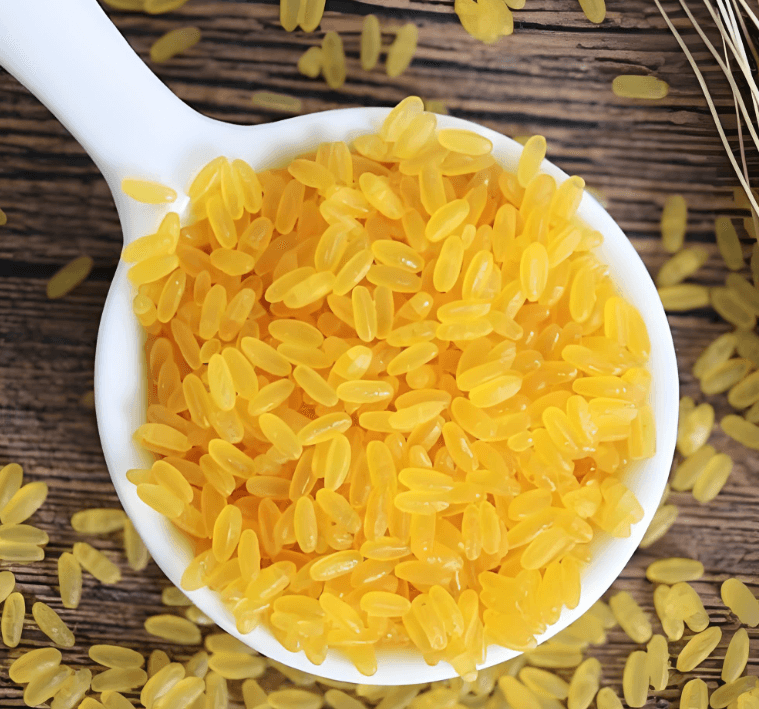
To combat this silent epidemic, food scientists and public health experts have developed a powerful intervention: rice fortification. Fortified rice is designed to look, taste, and cook like conventional rice, but it contains added essential micronutrients. The process involves producing fortified rice kernels (often called “premix” or “simulated kernels”) that are then blended with regular rice at a specific ratio, typically ranging from 1:100 to 1:200. This ensures that when consumed, the fortified kernels deliver a significant portion of the recommended daily allowance of key nutrients.Fortified Rice making machine
The production of fortified rice is a sophisticated technological endeavor that goes far beyond simply mixing powders with grains. It is a precise science where chemistry, engineering, and nutrition converge. A single misstep at any stage can render the entire effort ineffective, wasting resources and, more importantly, failing to deliver the intended health benefits to vulnerable populations. This article aims to provide an exhaustive, behind-the-scenes examination of the fortified rice production process, unveiling the six most critical elements that demand unwavering attention to ensure success, efficacy, and safety. These elements are: 1) The Selection of Micronutrients and Their Bioavailability; 2) The Choice of Rice Kernel Simulation Technology; 3) The Stability and Protection of Micronutrients; 4) The Precision of the Blending Process; 5) Quality Control and Assurance Systems; and 6) Consumer Acceptance and Market Dynamics.
Element 1: The Scientific Foundation – Selection of Micronutrients and the Paramount Importance of Bioavailability
The first and most fundamental decision in fortified rice production is selecting which nutrients to add and, crucially, in what form. This is not a simple task of choosing vitamins and minerals from a catalog. It requires a deep understanding of nutritional epidemiology, biochemistry, and the physiological needs of the target population.Fortified Rice making machine

1.1 Identifying Target Nutrients Based on Public Health Data
The selection is primarily guided by the specific micronutrient deficiencies prevalent in the region where the rice will be consumed. This decision is based on robust national dietary surveys and biochemical data. Common choices include:
- Iron: To combat iron-deficiency anemia, a condition affecting billions, particularly women and children, leading to fatigue, reduced cognitive function, and complications in pregnancy.
- Folic Acid (Vitamin B9): Critical for preventing neural tube defects in newborns and supporting red blood cell formation.
- Vitamin A: Essential for vision, immune function, and cell growth. Deficiency is a leading cause of childhood blindness.
- Zinc: Vital for immune function, wound healing, and growth. Zinc deficiency is linked to stunting and increased susceptibility to infections.
- B-Vitamins (Thiamine, Niacin, Vitamin B12): Thiamine (B1) prevents beriberi, niacin (B3) prevents pellagra, and B12 is essential for nerve function and is often deficient in vegetarian populations.
1.2 The Critical Challenge of Bioavailability
Bioavailability refers to the proportion of a nutrient that is absorbed from the digestive tract and becomes available for use or storage in the body. A highly bioavailable form of a nutrient is far more effective than a poorly absorbed one, even if the latter is added in a larger quantity. This is a major technical hurdle, especially for minerals like iron.
- The Iron Dilemma: Iron compounds can be broadly categorized into two groups:
- High-Bioavailability Forms: Such as Ferrous Sulfate and Ferrous Fumarate. These are water-soluble and well-absorbed. However, they are highly reactive. They can cause unacceptable organoleptic changes in the rice—leading to discoloration (graying or yellowing), rancidity by catalyzing fat oxidation, and off-flavors. They can also interact with other nutrients in the premix or food matrix.
- Low-Reactivity Forms: Such as Ferric Pyrophosphate and Electrolytic Iron Powder. These are more stable, causing minimal color and flavor changes, making them preferable for food fortification. However, their bioavailability is significantly lower because they are less soluble in the gut.
1.3 Advanced Solutions: Enhancing Bioavailability
To overcome the bioavailability-stability paradox, producers must employ advanced strategies:
- Particle Size Reduction (Nanotechnology): By reducing the particle size of a compound like Ferric Pyrophosphate to the nanometer scale (e.g., 0.3 microns), its surface area increases dramatically. This enhanced surface area improves its solubility in gastric acid, thereby increasing its absorption to levels comparable to Ferrous Sulfate, but without the reactivity issues.
- Encapsulation: Nutrients can be encapsulated within a protective coating, often a lipid or food-grade polymer. This shell protects the nutrient from interactions during storage and cooking, but is designed to break down in the digestive system, releasing the nutrient for absorption. This is particularly useful for sensitive nutrients like Vitamin A.
- Use of Absorption Promoters: Certain compounds, like EDTA (Ethylenediaminetetraacetic acid) when used as Sodium Iron EDTA, can chelate iron, protecting it from inhibitory factors in the diet (like phytates in whole grains) and facilitating its absorption through a different pathway in the gut. This can double or triple the absorption of iron.
The choice of nutrient forms is therefore a delicate balancing act, requiring extensive testing to ensure stability without compromising nutritional efficacy.Fortified Rice making machine
Element 2: The Engineering Core – Rice Kernel Simulation Technology
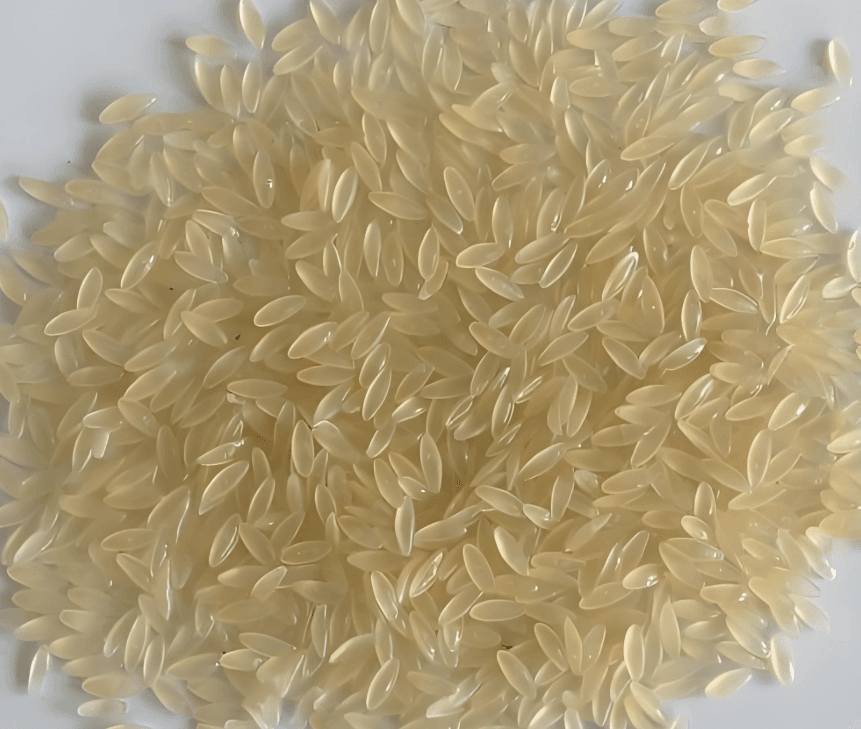
The ultimate goal is to create a fortified kernel that is virtually indistinguishable from natural rice grains. This ensures uniform blending and prevents consumers from segregating the fortified kernels, a phenomenon known as “sorting.” Several technologies are employed, each with distinct advantages and challenges.Fortified Rice making machine
2.1 Hot Extrusion Technology
This is the most common and scalable method for producing high-quality fortified rice kernels.
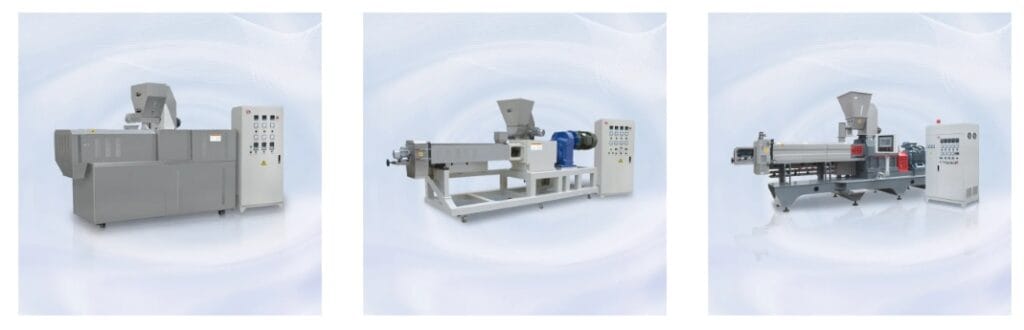
- Process: A dough is first prepared by mixing rice flour (often from broken rice kernels, making the process cost-effective), a nutrient premix, water, and a binding agent (e.g., gums like guar or xanthan gum). This dough is fed into an extruder—a machine with a screw conveyor inside a barrel. The screw kneads and pushes the dough under high pressure and temperature (causing starch gelatinization). The molten, plasticized dough is then forced through a die plate with rice-grain-shaped holes. As the strands emerge, a rotating knife cuts them to the length of a rice grain. The kernels are then dried.
- Advantages:
- High Nutrient Load: Can incorporate a wide range of vitamins and minerals at high concentrations.
- Excellent Durability: The extruded kernels are very hard and resistant to breakage during blending, packaging, and transportation.
- Customizable Shape and Size: The die can be engineered to mimic the exact shape and size of the local rice variety.
- Challenges:
- Capital Intensive: Extruders are expensive pieces of machinery.
- Heat-Sensitive Nutrients: The high temperatures during extrusion can degrade heat-labile nutrients like Vitamin A and Vitamin C. This necessitates post-extrusion surface coating or the use of heat-stable forms.
2.2 Cold Extrusion Technology
- Process: Similar to hot extrusion, but it operates at near-ambient temperatures. The dough is forced through the die without the starch undergoing significant gelatinization from heat (though some gelatinization may occur due to mechanical shear).
- Advantages:
- Ideal for Heat-Sensitive Nutrients: Preserves the potency of vitamins like A and C.
- Softer Texture: The resulting kernels can have a texture closer to that of natural rice.
- Challenges:
- Lower Throughput: Generally a slower process than hot extrusion.
- Less Durability: The kernels may be softer and more prone to damage during handling.
- Drying Requirements: Requires longer or more careful drying to achieve the necessary hardness and shelf stability.
2.3 Powder Coating Technology
- Process: This is a simpler, lower-cost approach. Regular rice grains are used as the core. They are first coated with an edible binder (e.g., a starch or gum solution) in a rotating drum or fluidized bed coater. Then, the micronutrient powder is added, adhering to the sticky surface. Multiple layers may be applied, often followed by a sealing layer (like a wax or cellulose derivative) to protect the nutrients and prevent dusting off.
- Advantages:
- Lower Cost and Tech Barrier: Requires less sophisticated equipment.
- Natural Rice Core: The kernel is a real grain of rice, which can perfectly mimic the cooking properties of the surrounding rice.
- Challenges:
- Nutrient Leaching: The greatest risk is that the coated nutrients will wash off during rinsing or cooking in excess water, drastically reducing the nutritional value of the final cooked product.
- Lower Nutrient Capacity: There is a physical limit to how much powder can adhere to the grain’s surface without clumping or altering appearance.
- Dusting: Nutrient powder can rub off during transportation and handling, leading to uneven distribution and nutrient loss.
The selection of the appropriate technology is a strategic decision based on the target nutrient profile, available budget, scale of production, and the cooking habits of the consumers (e.g., whether rice is typically rinsed before cooking).
Element 3: The Shield of Efficacy – Stability and Protection of Micronutrients
From the moment of production to the point of consumption, fortified rice kernels are exposed to a hostile environment: oxygen, light, moisture, and heat. Ensuring the nutrients remain stable and potent throughout the shelf life is a monumental challenge.
3.1 Understanding the Enemies of Stability
- Oxidation: This is the primary destroyer of many vitamins and minerals. Oxygen in the air can degrade Vitamin A, some B vitamins, and can oxidize iron, leading to rancidity and discoloration.
- Moisture (Humidity): Water can accelerate chemical degradation, cause clumping of the premix, and promote microbial growth. It can also dissolve and separate water-soluble nutrients.
- Heat: High temperatures during storage, transportation, or cooking can rapidly degrade heat-labile vitamins.
- Light: Ultraviolet and even visible light can destroy sensitive molecules like Riboflavin (B2) and Vitamin A.
- pH Interactions: The acidity or alkalinity of the rice matrix and the cooking water can affect nutrient stability.
3.2 Multi-Layered Protection Strategies
A robust fortification program employs a defense-in-depth strategy:
- Nutrient Forms: As discussed in Element 1, selecting inherently stable compounds is the first line of defense (e.g., Ferric Pyrophosphate over Ferrous Sulfate).
- Encapsulation: This is the gold standard for protecting sensitive ingredients. For instance, Vitamin A palmitate is almost always encapsulated in a starch or gum-based matrix, which acts as a physical barrier against oxygen and moisture until it is released in the gut.
- Protective Packaging: The final packaged rice must be stored in airtight, moisture-proof bags. Multilayer packaging with aluminum foil or metallized film provides an excellent barrier against oxygen, light, and moisture. Nitrogen flushing—replacing the air inside the bag with inert nitrogen gas—before sealing is a highly effective technique to prevent oxidation.
- Storage Conditions: The supply chain must be managed to keep the fortified rice in cool, dry, and dark conditions whenever possible.
Stability testing is non-negotiable. Samples of the fortified rice must be stored under accelerated conditions (e.g., high temperature and humidity) and tested periodically to predict the shelf life and ensure the nutrients will still be at their declared levels at the end of it.Fortified Rice making machine
Element 4: The Crucial Integration – Precision of the Blending Process
The effectiveness of fortified rice hinges on the principle of uniform distribution. If the blending of fortified kernels with regular rice is uneven, some consumers will receive too few nutrients, while others may receive a potentially excessive amount. Achieving perfect homogeneity is an engineering challenge.
4.1 The Blending Equipment
Simple drum mixers are insufficient for achieving the required precision, especially at high dilution ratios like 1:200. Sophisticated continuous blending systems are used.
- Twin-Screw Mixers: These provide a highly efficient and gentle mixing action, ensuring a homogeneous blend without breaking the fragile fortified kernels.
- Batch Mixers with Precision Feeders: The regular rice and the fortified kernels are fed into the mixer via calibrated feeders that maintain the exact ratio throughout the batch. The mixer itself is designed with baffles and paddles to create a turbulent, yet non-destructive, mixing environment.
4.2 The Challenge of Segregation
After blending, the different particle sizes and densities of the regular rice and fortified kernels can cause them to separate again during subsequent handling, such as during pneumatic conveying, pouring into bags, or during transportation. This is known as segregation.
- Mitigation Strategies:
- Density and Size Matching: The ideal fortified kernel should have a size, shape, and density as close as possible to the natural rice it is being blended with. This is a key goal of the extrusion process.
- Minimizing Handling: The number of transfer points after blending should be minimized.
- Packing Directly from the Blender: The most effective method is to package the blended rice directly into consumer bags immediately after mixing, reducing the opportunity for segregation.
Regular testing of the final blended product is essential. Samples taken from different parts of the production line (beginning, middle, end) must be analyzed to verify that the ratio of fortified to regular rice is consistent and within the specified tolerance.
Element 5: The Guardian of Quality – Comprehensive Quality Control and Assurance Systems
A single lapse in quality can undermine a entire fortification program. A rigorous QC/QA system must be integrated into every single step of the process, from raw material intake to the finished product.
5.1 Incoming Raw Material Inspection
- Rice Flour/Base Rice: Check for moisture content, microbial load (e.g., total plate count, yeast, mold), and extraneous matter.
- Micronutrient Premix: This is perhaps the most critical checkpoint. The premix must be tested for:
- Potency: Verifying that the levels of each vitamin and mineral meet the certificate of analysis (CoA) specifications using analytical techniques like HPLC (High-Performance Liquid Chromatography) for vitamins and AAS (Atomic Absorption Spectrophotometry) or ICP-MS (Inductively Coupled Plasma Mass Spectrometry) for minerals.
- Physical Properties: Particle size, flowability, and absence of contaminants.
5.2 In-Process Controls
- Dough/Dough Preparation: Monitor moisture content and uniformity.
- Extrusion: Control and monitor temperature, pressure, and throughput rates.
- Drying: Monitor temperature, air flow, and final moisture content of the kernels.
- Blending: The most critical in-process check. Use rapid test methods, such as:
- Color Sorting Simulation: If the fortified kernels are dyed a specific color for identification (e.g., light red or yellow), a small sample of the blend can be passed through a color sorter to separate and count the kernels, providing a quick check of the blend ratio.
- X-ray Fluorescence (XRF): This is a non-destructive, rapid technique that can detect specific minerals like iron or zinc. By scanning multiple samples from a batch, it can provide an immediate indication of blending uniformity.
5.3 Finished Product Testing
- Microbiological Safety: Testing for pathogens like Salmonella and E. coli is mandatory.
- Nutrient Analysis: Periodic, full-scale laboratory analysis to confirm that the nutrient levels in the final packaged product meet the national standards or product specifications.
- Sensory Evaluation: Cooked rice must be evaluated by a trained panel to ensure there are no detectable differences in color, aroma, flavor, or texture compared to unfortified rice.
5.4 Documentation and Traceability
Every batch of raw material and finished product must be meticulously documented. This allows for full traceability in case of a recall and provides data for continuous process improvement.
Element 6: The Human Factor – Consumer Acceptance and Market Dynamics
The most technologically perfect fortified rice is a failure if it is rejected by the people it is meant to help. Consumer acceptance is the final, and arguably most important, critical element.Fortified Rice making machine
6.1 The “Must-Have” Sensory Properties
The fortified rice must be:
- Indistinguishable in Appearance: The color of the blended rice must be identical to regular rice. Any noticeable difference will raise suspicion and lead to rejection.
- Identical in Cooking Behavior: It must take the same amount of time to cook, absorb water similarly, and have the same texture (stickiness, fluffiness) after cooking.
- Neutral in Flavor and Aroma: It cannot have any chemical, metallic, or off-putting odors or tastes.
6.2 The Role of Marketing and Communication
- Transparent and Positive Messaging: Consumers need to understand what fortified rice is, why it is beneficial, and that it is safe. Messages should focus on positive health outcomes (e.g., “stronger children,” “more energy”).
- Addressing Myths and Concerns: Proactively addressing potential concerns (e.g., “Is this genetically modified?” “Will it change the taste of my food?”) is crucial.
- Building Trust: Involvement of trusted community leaders, healthcare workers, and government institutions is key to building credibility.
6.3 Economic and Policy Considerations
- Cost-Effectiveness: The incremental cost of fortification must be minimized to ensure the product remains affordable. This often requires government support through subsidies or tax incentives.
- Policy and Legislation: Mandatory fortification standards, when appropriately implemented, create a level playing field and ensure wide population coverage. Voluntary fortification can also be successful if market drivers are strong.
- Supply Chain Integration: Fortified rice must be seamlessly integrated into existing distribution channels, whether through public distribution systems (PDS) for government-subsidized food or commercial retail markets.
The production of fortified rice is not a mere mechanical process; it is a complex symphony where each section must play in perfect harmony. The six elements detailed here—Nutrient Selection, Simulation Technology, Nutrient Stability, Precision Blending, Quality Control, and Consumer Acceptance—are interdependent. A weakness in any one area can compromise the entire initiative. From the molecular-level choice of a bioavailable iron compound to the macro-level strategies of public policy and communication, success demands a holistic, multidisciplinary approach. When executed with scientific rigor and cultural sensitivity, fortified rice stands as one of the most powerful and cost-effective tools in the global fight against hidden hunger, delivering not just sustenance, but the promise of healthier and more productive lives for millions.