
Rice is the fundamental staple for over half of the global population, serving as the primary source of caloric intake for billions, particularly throughout Asia, Africa, and Latin America. However, this profound dependence on rice comes with a significant nutritional caveat. The milling and polishing process that converts brown rice into the visually appealing and shelf-stable white rice that consumers prefer removes the nutrient-dense bran and germ layers. This refining process strips away a substantial portion of essential micronutrients, including B-vitamins (thiamine, niacin, folate), iron, zinc, and vitamin E. The result is a calorie-dense but nutrient-poor food source.
This nutritional inadequacy contributes directly to the pervasive issue of “hidden hunger” or micronutrient malnutrition. Unlike the overt hunger of caloric deficiency, hidden hunger is a silent epidemic where individuals may consume sufficient calories but lack vital vitamins and minerals necessary for healthy growth, development, and metabolic function. The consequences are severe and far-reaching: impaired cognitive development in children, increased susceptibility to infectious diseases due to compromised immune systems, maternal mortality, and reduced work productivity in adults. Deficiencies in iron, vitamin A, zinc, and folate are among the leading public health challenges in many rice-consuming countries.
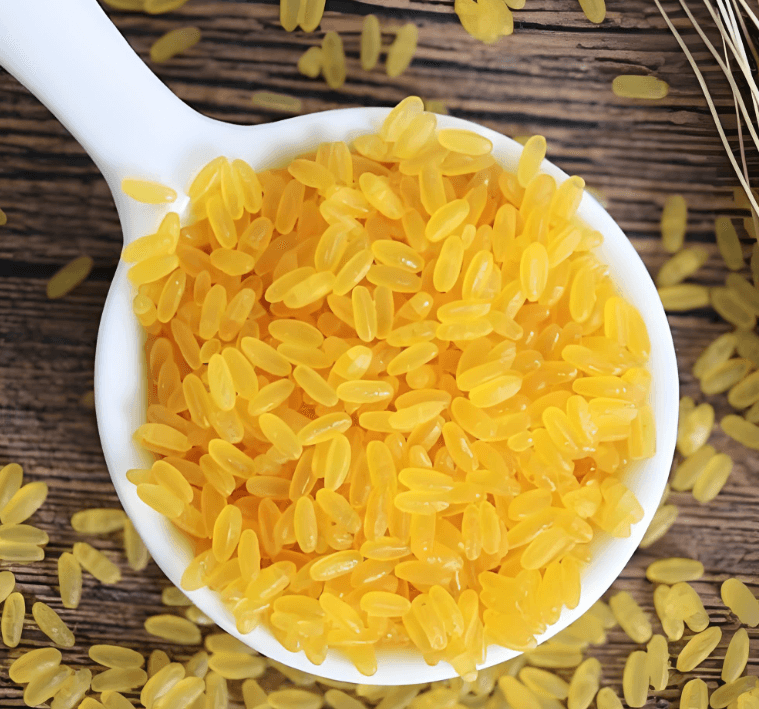
Nutrition Rice, commonly achieved through fortification, represents a powerful, evidence-based, and scalable solution to this crisis. The core objective is to restore the lost nutrients or add new ones to white rice, thereby enhancing its nutritional value without compromising its sensory qualities. The technological and operational challenge, however, is immense. The process must create a product that is indistinguishable from conventional rice in appearance, taste, aroma, texture, and cooking behavior. Any detectable difference can lead to consumer rejection, nullifying the public health benefits.

Therefore, the successful production of nutrition rice is a complex, multi-disciplinary endeavor that integrates food science, engineering, nutritional biochemistry, quality management, and consumer marketing. This extensive guide delineates the eight indispensable pillars that underpin a successful nutrition rice program: 1) Scientific Definition of Nutritional Goals and Target Populations; 2) Strategic Selection of Raw Materials and Micronutrient Forms; 3) Advanced Kernel Production Technology; 4) Ensuring Micronutrient Stability and Bioavailability; 5) Precision Blending and Homogeneity Assurance; 6) Implementation of a Rigorous Quality Assurance and Control System; 7) Effective Packaging and Stable Supply Chain Management; and 8) Fostering Consumer Acceptance and Building a Sustainable Market Ecosystem.
Pillar 1: Scientific Definition of Nutritional Goals and Target Populations
The foundation of any successful nutrition rice initiative is a clear, data-driven understanding of why the rice is being fortified and for whom. This initial strategic step moves the project from a generic “good idea” to a targeted, effective intervention.
1.1 Conducting a Comprehensive Needs Assessment
The selection of which nutrients to add must be guided by objective public health data, not assumption. Key sources of information include:
- National Demographic and Health Surveys (DHS): These large-scale surveys provide invaluable data on the prevalence of specific micronutrient deficiencies within a population. For example, high rates of anemia indicate an urgent need for iron fortification. Stunting (low height-for-age) in children under five is a key indicator of long-term malnutrition, often linked to zinc and other micronutrient deficiencies.
- Dietary Consumption Surveys: Detailed studies on what people actually eat help identify “dietary gaps.” If the typical diet is low in animal-source foods, it is likely deficient in bioavailable iron and vitamin B12. Understanding the per capita consumption of rice is critical for calculating the appropriate level of fortification to deliver a significant portion of the Recommended Dietary Allowance (RDA).
- Clinical and Biochemical Data: Data from blood tests measuring serum ferritin (iron status), serum retinol (vitamin A), and zinc levels provide direct evidence of deficiency states.
1.2 Establishing Clear Fortification Standards
Based on the needs assessment, clear and measurable standards must be established. This involves:
- Selecting Target Nutrients: Common choices are Iron, Folic Acid, Vitamin A, Zinc, and B-vitamins like Thiamine and Niacin. The selection should address the most pressing public health concerns.
- Determining Fortification Levels: This is a delicate calculation. The level must be high enough to correct the dietary gap and have a meaningful health impact, but not so high as to pose any risk of excessive intake for segments of the population. It must also consider technological constraints (e.g., how much nutrient can be added without altering the product’s characteristics) and cost. Organizations like the World Health Organization (WHO) and the Food and Agriculture Organization (FAO) provide guidelines on suggested fortification levels.
- Considering Bioavailability: The standard must account for the bioavailability of the chosen nutrient forms (addressed in Pillar 4). Adding 10 mg of a poorly absorbed iron compound is far less effective than adding 5 mg of a highly bioavailable one.
1.3 Defining the Target Population
The program must be tailored to its intended beneficiaries. Is it aimed at the general population, making the rice a universal fortification? Or is it targeted to specific vulnerable groups, such as children, pregnant and lactating women, or school feeding programs? This decision influences marketing, distribution channels, and potentially the nutrient blend. A universal program requires that the fortified rice is safe for consumption by all age and gender groups.
Pillar 2: Strategic Selection of Raw Materials and Micronutrient Forms
The quality of the final product is inextricably linked to the quality of its inputs. This pillar focuses on the critical choices regarding the base rice and the specific chemical forms of the micronutrients.
2.1 Selection of the Base Rice
The regular rice used for blending must be of appropriate quality.
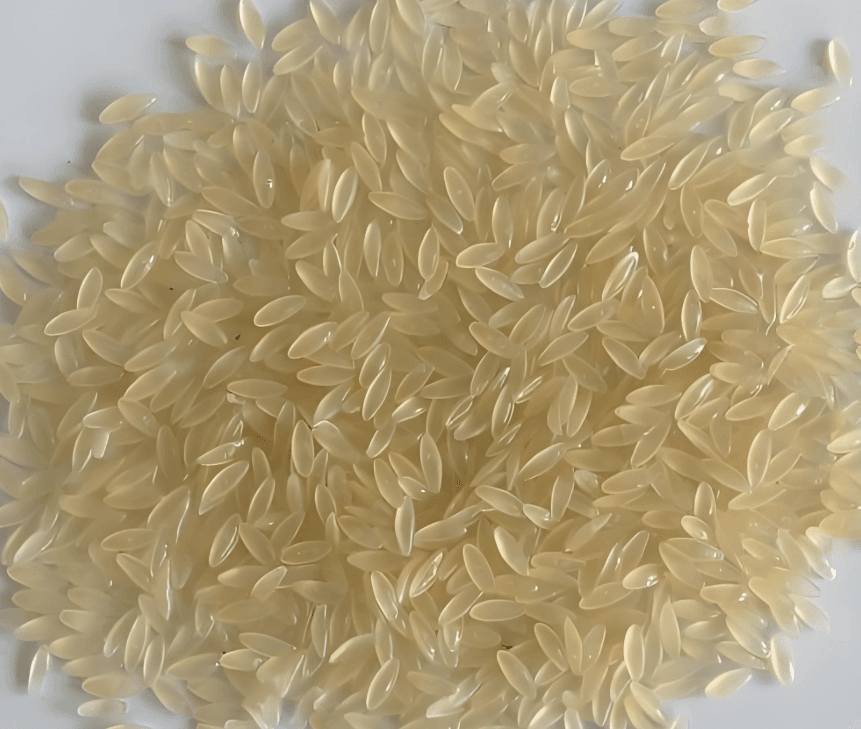
- Type and Variety: The chosen variety should be the one most commonly consumed in the target market. The fortified kernels must be engineered to match its size, shape, and density. Using a long-grain variety like Basmati as a base requires a different simulated kernel than using a short-grain variety like Japonica.
- Quality Parameters: The base rice should have a low percentage of broken kernels, be free from foreign materials, and have low moisture content (typically below 14%) to ensure stability and prevent mold growth. It should also be checked for microbial contamination.
2.2 The Critical Choice of Micronutrient Compounds
This is one of the most technically complex decisions. Each nutrient can be added in various chemical forms, each with distinct advantages and drawbacks related to stability, bioavailability, and cost. The “Iron Dilemma” perfectly illustrates this challenge:
- High-Bioavailability, Low-Stability Compounds: Ferrous sulfate and ferrous fumarate are well-absorbed by the body. However, they are highly reactive. They can catalyze the oxidation of lipids, leading to rancidity, off-flavors, and undesirable color changes (e.g., the rice turning gray or yellow). They can also interact with other vitamins in the premix.
- Low-Bioavailability, High-Stability Compounds: Ferric pyrophosphate and elemental iron (electrolytic) are much more stable. They do not cause sensory problems. However, their bioavailability is significantly lower because they are less soluble in the human digestive tract.
- Advanced Solutions: To overcome this paradox, advanced options are used:
- Micronized/Encapsulated Ferric Pyrophosphate: Reducing the particle size to the micron or nano scale dramatically increases its surface area, improving solubility and absorption to levels near those of ferrous sulfate, but without the reactivity.
- Sodium Iron EDTA: This compound chelates iron, protecting it from dietary inhibitors and enhancing its absorption. It is a highly effective but more expensive option.
Similar considerations apply to other nutrients. For example, Vitamin A is highly sensitive to heat and oxygen and is almost always used in an encapsulated form to protect it during processing and storage.
2.3 Sourcing from Reputable Suppliers
Procuring the micronutrient premix from reliable, certified suppliers is non-negotiable. Suppliers must provide Certificates of Analysis (CoA) for each batch, guaranteeing the identity, potency, and purity of the nutrients. They are also valuable partners in formulating the optimal nutrient blend.
Pillar 3: Advanced Kernel Production Technology
The heart of the nutrition rice process is the creation of simulated rice kernels that carry the micronutrients. These kernels must be nearly identical to natural rice grains to prevent consumer sorting and ensure uniform nutrient distribution. Several technologies are employed, with hot extrusion being the most common.
3.1 Hot Extrusion Technology: The Industry Standard
This is a continuous, high-temperature, short-time process that is highly scalable.
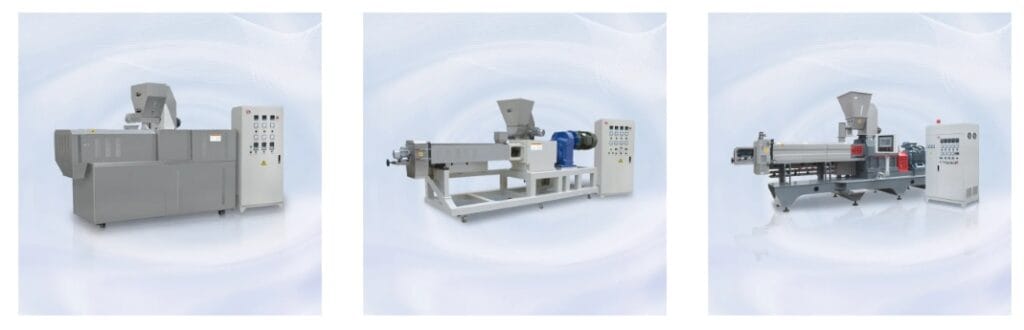
- Process Description: A powder blend of rice flour (often from broken rice, making it cost-effective), the micronutrient premix, and a small amount of binder (e.g., gums) is mixed with water to form a dough. This dough is fed into a twin-screw extruder. Inside the barrel, it is subjected to high temperature (120-180°C), pressure, and intense mechanical shear. This combination cooks the dough, causing starch gelatinization—where the starch granules swell, rupture, and form a continuous, viscous melt. This hot, plasticized mass is then forced through a die plate with holes meticulously crafted to mimic the shape of the target rice grain. As the strands emerge, a rotating knife cuts them to the desired length. The kernels are then dried in a multi-stage dryer to achieve the required hardness and low moisture content.
- Advantages:
- High Nutrient Load: Capable of incorporating a wide range of vitamins and minerals at high concentrations.
- Excellent Durability: The resulting kernels are very hard and resistant to breakage during blending and transport.
- Superior Mimicry: The die can be engineered to replicate the exact size, shape, and surface texture of local rice varieties.
- Disadvantages:
- High Capital Cost: Extruders are significant investments.
- Heat-Sensitive Nutrients: The high temperatures can degrade nutrients like Vitamin A and Vitamin B1, necessitating the use of protected forms or post-extrusion coating.
3.2 Cold Extrusion Technology
- Process Description: Similar to hot extrusion but operates at or near ambient temperatures. Gelatinization occurs primarily through mechanical shear rather than heat.
- Advantages: Ideal for protecting heat-labile nutrients. The kernels can have a texture closer to that of cooked natural rice.
- Disadvantages: Lower production capacity, and the kernels may be less durable, requiring careful handling.
3.3 Powder Coating Technology
- Process Description: Normal rice grains are tumbled in a drum and coated with a layer of binder (e.g., starch solution) followed by the micronutrient powder. A sealing layer (e.g., wax) is often applied to prevent dusting.
- Advantages: Lower technology and cost barrier.
- Disadvantages: High potential for nutrient loss due to leaching during rinsing or cooking, and limited capacity for nutrient loading. This method is generally less preferred for ensuring nutrient delivery.
The choice of technology is a strategic decision based on the nutrient profile, scale, budget, and consumer cooking practices.
Pillar 4: Ensuring Micronutrient Stability and Bioavailability
Adding nutrients is only half the battle; ensuring they survive storage and cooking and are then absorbed by the body is the other critical half.
4.1 Protecting Nutrients from Degradation
From production to consumption, nutrients face threats from oxygen, light, moisture, and heat.
- Stability Strategies:
- Compound Selection: Choosing inherently stable forms is the first line of defense (e.g., ferric pyrophosphate over ferrous sulfate).
- Encapsulation: Sensitive nutrients like Vitamin A are encapsulated within a starch or lipid-based coating, shielding them from oxygen and light during storage. The coating is designed to break down in the gut.
- Protective Packaging: Using oxygen-barrier packaging (e.g., with metalized film) and nitrogen flushing (replacing air in the bag with inert nitrogen) are highly effective methods for preventing oxidation and extending shelf life.
4.2 Maximizing Nutrient Bioavailability
Bioavailability is the proportion of a nutrient that is absorbed and utilized. A poorly bioavailable nutrient is ineffective.
- Enhancement Strategies:
- Particle Size Reduction: As mentioned, creating micronized minerals increases their surface area and solubility, enhancing absorption.
- Use of Chelators: Compounds like EDTA (in Sodium Iron EDTA) protect iron from dietary inhibitors (phytates) and facilitate its absorption via a different pathway.
- Considering the Food Matrix: The overall composition of the meal can affect absorption. Promoting the consumption of vitamin C-rich foods (like tomatoes or citrus) with iron-fortified rice can significantly enhance iron absorption.
Stability testing under accelerated conditions (high heat and humidity) is essential to predict and verify the shelf life of the product.
Pillar 5: Precision Blending and Homogeneity Assurance
The public health efficacy of nutrition rice depends on consistent dosing. Every serving must contain a uniform amount of fortified kernels. Imperfect blending leads to some consumers receiving insufficient nutrients and others potentially receiving too much.
5.1 Advanced Blending Equipment
Achieving a homogeneous blend at typical ratios of 1:100 or 1:200 requires sophisticated technology. Simple drum mixers are inadequate. Precision batch mixers (e.g., double-cone or ribbon blenders) with calibrated feeders are used to ensure the exact ratio of regular rice to fortified kernels is maintained.
5.2 Mitigating Segregation
After blending, particles of different sizes and densities have a tendency to separate during handling (e.g., during conveying or packaging). This is called segregation.
- Prevention Strategies:
- Particle Matching: Engineering the fortified kernels to have a size, shape, and density as close as possible to the natural rice is the most effective solution.
- Minimizing Handling: Reducing the number of transfer points between the blender and the packaging machine is crucial.
- Pack-off at Source: Packaging the blended rice directly at the blender outlet minimizes opportunities for segregation.
5.3 In-line Quality Monitoring
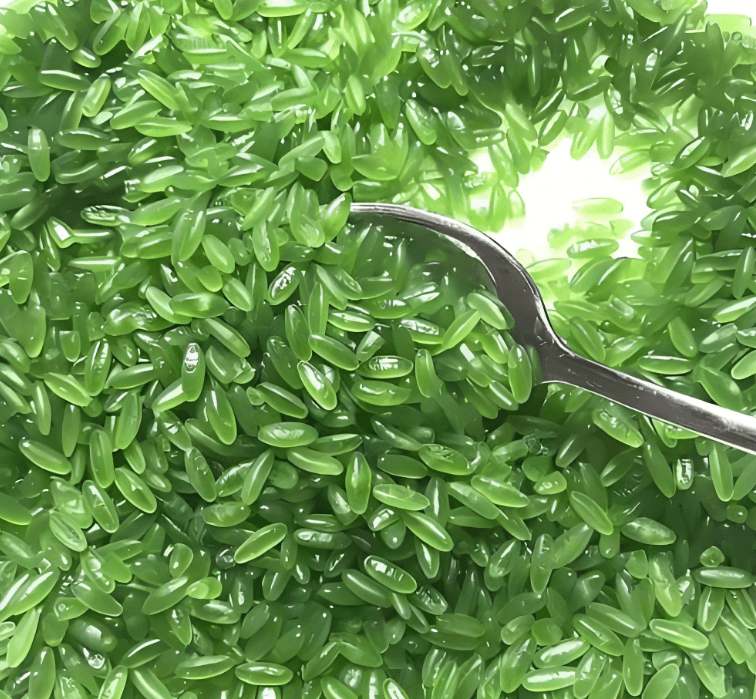
Regular monitoring of blend uniformity is essential. Rapid techniques like using tracer kernels (dyed for identification) or X-ray Fluorescence (XRF) guns to measure iron content in samples provide immediate feedback on blending effectiveness, allowing for process adjustments in real-time.
Pillar 6: Implementation of a Rigorous Quality Assurance and Control System
Quality must be built into every step of the process, from raw material intake to finished product dispatch. A robust Quality Management System (QMS) is the guardian of product safety and efficacy.
6.1 Incoming Raw Material Inspection
All inputs, especially the base rice and micronutrient premix, must be tested against strict specifications for identity, purity, and potency.
6.2 In-Process Controls (IPCs)
Critical control points in the process must be continuously monitored. This includes parameters like extruder temperature and pressure, dryer conditions, and, most importantly, blend uniformity.
6.3 Finished Product Testing
Every batch of finished nutrition rice must be tested before release. Tests include:
- Microbiological Safety: Screening for pathogens like Salmonella and E. coli.
- Nutrient Assay: Laboratory analysis to verify that nutrient levels meet the declared specifications.
- Sensory Evaluation: Trained panels must confirm that the cooked rice is indistinguishable from unfortified rice in color, aroma, flavor, and texture.
- Cooking Tests: The rice must be cooked according to local methods to ensure performance is identical.
6.4 Documentation and Traceability
Complete batch records must be maintained, enabling full traceability from supplier to consumer in the event of a recall. This is a cornerstone of Good Manufacturing Practices (GMP).
Pillar 7: Effective Packaging and Stable Supply Chain Management
The last line of defense for nutrient stability is the packaging. Furthermore, the product must be handled correctly throughout the distribution chain.
7.1 Protective Packaging
Packaging must be an high barrier to oxygen, moisture, and light. Multi-layer bags with metalized film or aluminum foil are ideal. Nitrogen flushing inside the bags before sealing is a highly effective technique to prevent oxidative degradation of nutrients.
7.2 Supply Chain Integrity
Distributors and retailers must be educated on the importance of storing the product in cool, dry, and dark conditions. Breaks in this cold chain can accelerate nutrient loss and shorten shelf life.
Pillar 8: Fostering Consumer Acceptance and Building a Sustainable Market Ecosystem
The most technologically perfect product will fail if it is not accepted by consumers. The human element is the ultimate determinant of success.
8.1 Ensuring Sensory Neutrality
The nutrition rice must be visually identical to regular rice when raw and cooked. It must have no off-odors or off-flavors. Its cooking behavior (time, water absorption, texture) must be identical. Any deviation will lead to rejection.
8.2 Strategic Communication and Education
- Positive Messaging: Focus on benefits: “for your family’s health and energy,” “for children’s growth and learning.”
- Building Trust: Engage healthcare workers, community leaders, and teachers as trusted messengers to explain the benefits and safety of the product.
- Transparency: Be open about what fortification is and why it is done. Address concerns (e.g., “it’s not GMO”) proactively.
8.3 Creating a Supportive Ecosystem
- Affordability: The cost increase should be minimal. Government subsidies or support from development partners may be necessary to ensure access for the poorest.
- Supportive Policies: Government standards for fortification create a level playing field. Including nutrition rice in social safety net programs (e.g., school meals, food subsidies) ensures it reaches vulnerable populations.
- Market-Driven Demand: Ultimately, creating consumer demand through effective marketing and education is key to long-term sustainability without permanent subsidies.
Producing successful nutrition rice is a symphony of interdependent elements. Each of the eight pillars—Scientific Definition, Strategic Selection, Advanced Technology, Stability & Bioavailability, Precision Blending, Quality Systems, Packaging & Supply Chain, and Consumer Acceptance—must be strong and harmonize with the others. A weakness in any single area can compromise the entire endeavor. It requires a long-term commitment, collaboration between governments, industry, and civil society, and unwavering attention to scientific detail and human behavior. When executed correctly, nutrition rice transcends being a mere commodity; it becomes a potent, sustainable, and cost-effective vehicle for improving public health and unlocking human potential on a global scale.