
The global ready-to-eat (RTE) breakfast cereal market, valued at $46.8 billion in 2023 and projected to reach $62.1 billion by 2028 (CAGR 5.8%), is driving unprecedented demand for precision extrusion technology. For investors and facility operators, the cornflake production line represents more than capital equipment—it is the primary determinant of Overall Equipment Effectiveness (OEE) and margin retention in a sector where raw material costs fluctuate by up to 12% annually.
Extrusion Technology: The Critical Value Driver
Modern cornflake manufacturing hinges on twin-screw extrusion systems capable of delivering Specific Mechanical Energy (SME) between 0.15–0.25 kWh/kg with precise thermal profiling (120°C–180°C). Unlike conventional batch processing, continuous extrusion reduces gelatinization variance to <2% deviation, directly impacting product expansion ratios (critical density 0.08–0.12 g/cm³) and shelf stability. Advanced systems now integrate HTST (High Temperature Short Time) cooking with real-time moisture control (±0.5% accuracy), reducing energy consumption by 18–24% compared to legacy single-screw configurations while increasing throughput to 800–2,000 kg/h per line.
Production Efficiency as Competitive Advantage
In an industry where downtime costs average $1,200–$2,500 per hour, Chinese manufacturers have evolved from OEM suppliers to technology innovators. Leading equipment providers now offer modular lines featuring Industry 4.0 integration—automated CIP (Clean-in-Place) systems reducing sanitation cycles by 40%, and AI-driven extruder controls that predict screw wear 150 operating hours in advance. These advancements translate to yield rates exceeding 96% and waste reduction below 3.5%, metrics that determine ROI within 24–36 months for high-volume operations.
The China Sourcing Advantage
China’s food machinery sector now accounts for 34% of global extrusion equipment exports, with top-tier manufacturers achieving CE, FDA, and BRC compliance standards while maintaining 20–30% cost efficiency over European counterparts. The convergence of advanced metallurgy (bimetallic screw barrels with 50,000+ hour lifespans), localized automation integration, and comprehensive after-sales networks has positioned Chinese suppliers as strategic partners for multinational expansion.
Methodology for This Ranking
Our evaluation of the Top 10 Cornflake Machine Manufacturers in China analyzes quantitative performance indicators: R&D expenditure as percentage of revenue (benchmark: >4.5%), export certification portfolios, installed base longevity data, and energy efficiency ratings. We prioritize suppliers demonstrating proven track records in cornflake-specific applications—not general extrusion—evaluating their expertise in flake formation precision, toasting uniformity, and coating system integration.
For facility owners evaluating capital expenditure against Total Cost of Ownership (TCO), the following manufacturers represent the optimal intersection of extrusion engineering excellence, production scalability, and post-installation technical support.
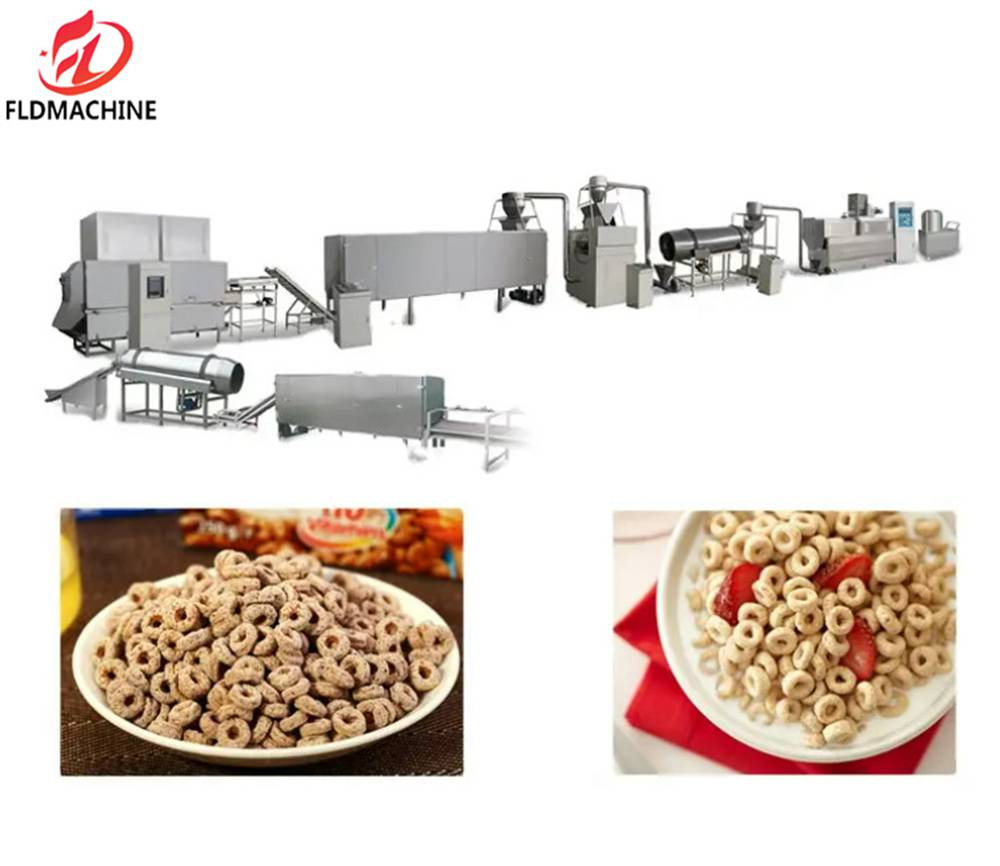
Best Cornflake Machine Suppliers & Factory List
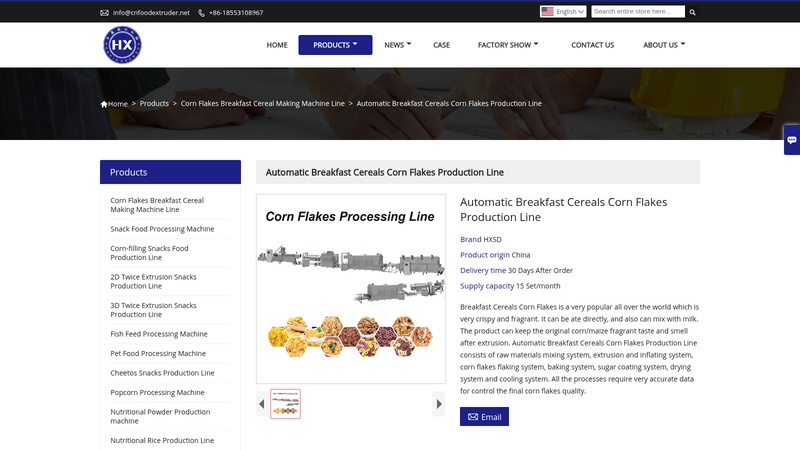
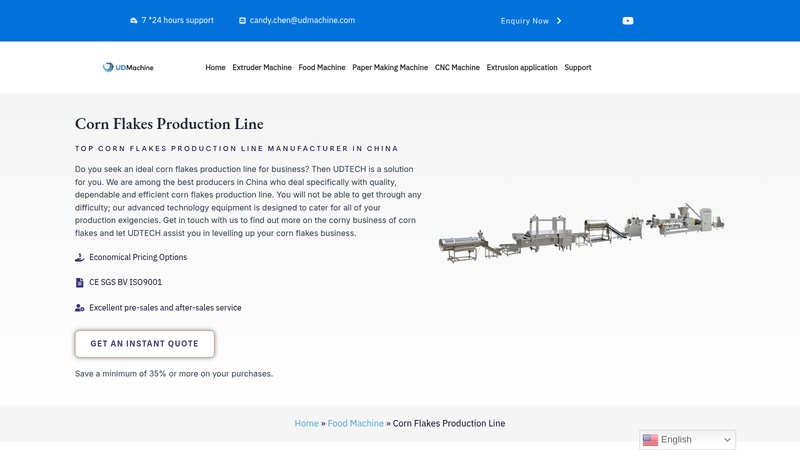


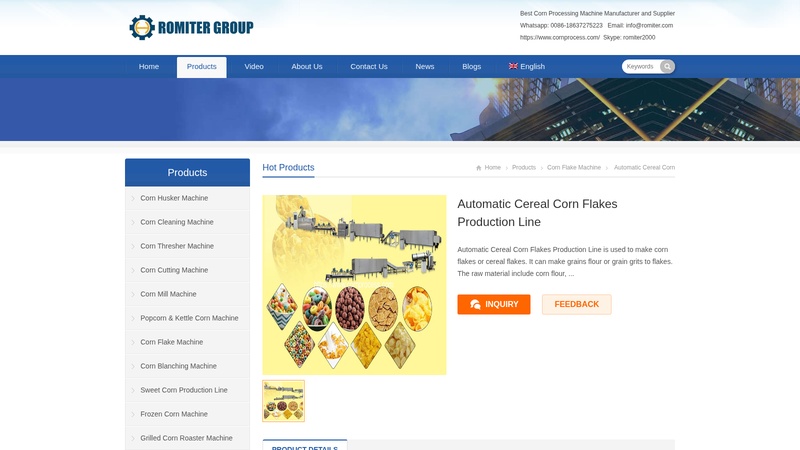
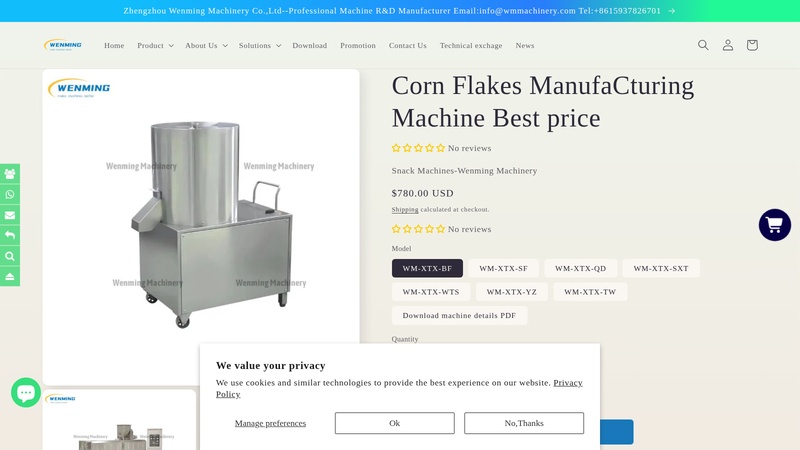
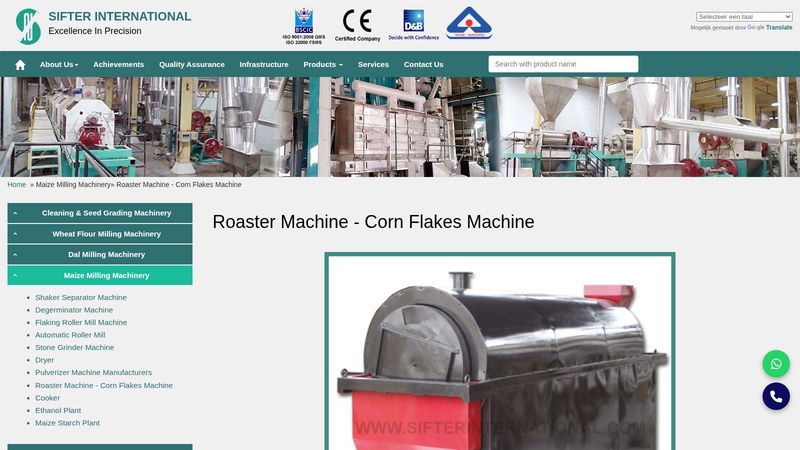
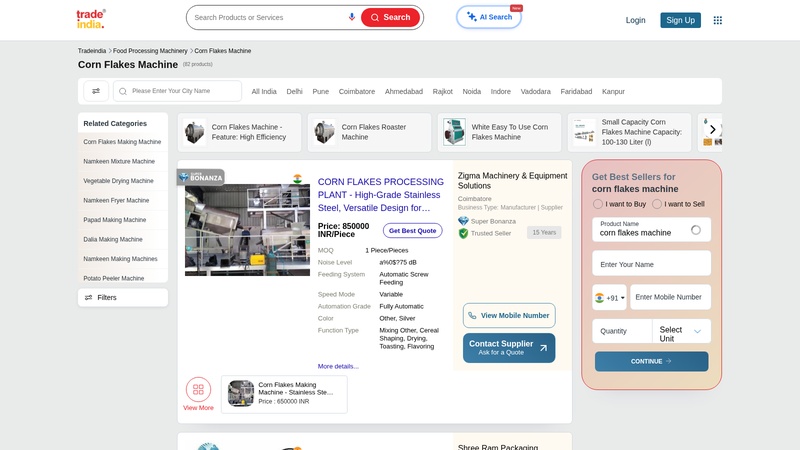
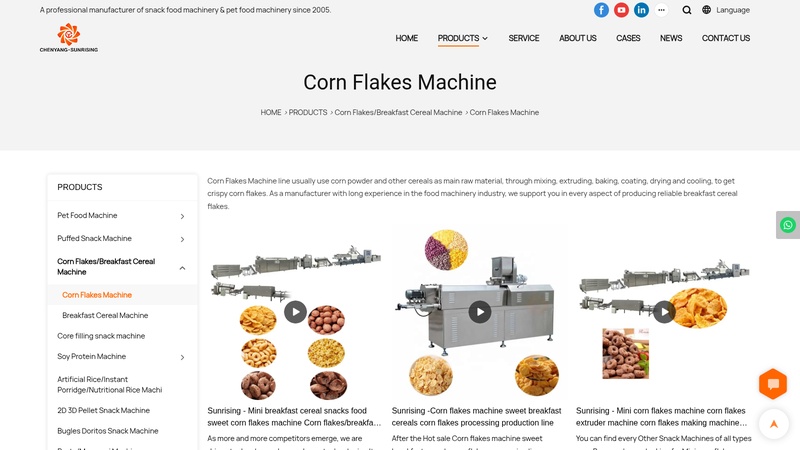
Sourcing Guide: Key Factors for Cornflake Machine
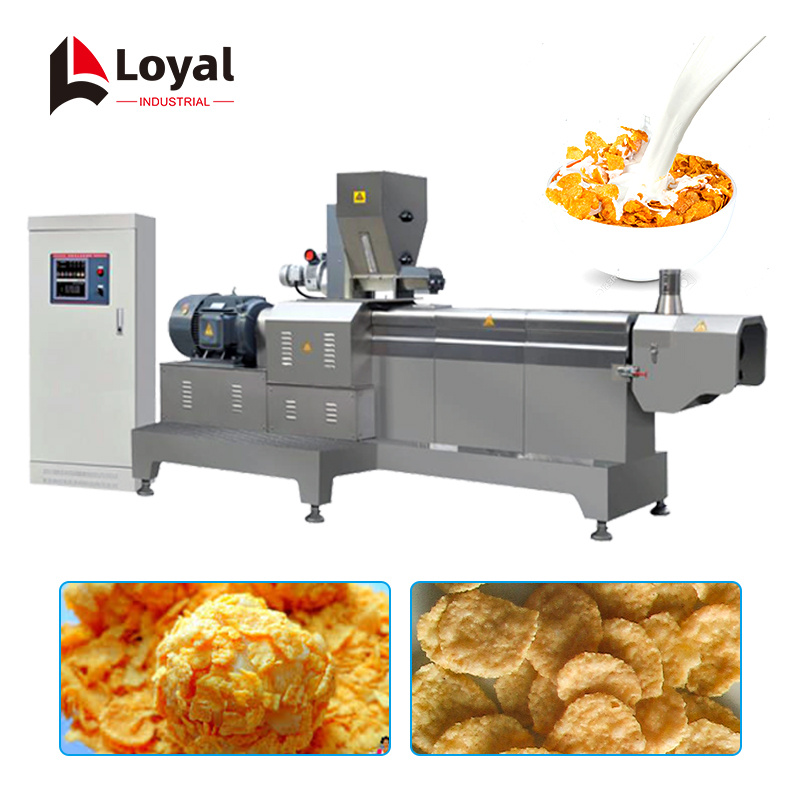
B2B Machinery Sourcing Guide: Cornflake Production Lines from China
For international investors and facility operators entering the breakfast cereal market, sourcing a cornflake production line from China represents a strategic capital expenditure requiring rigorous technical evaluation. Unlike standard food processing equipment, cornflake manufacturing demands precise starch gelatinization, controlled flaking, and high-temperature toasting—processes where equipment specification directly determines product texture, shelf stability, and OEE (Overall Equipment Effectiveness).
When evaluating Chinese manufacturers, prioritize suppliers with ISO 9001 and CE-certified facilities who offer modular line configurations (typically 200kg/h to 2,000kg/h capacity). Below are the three critical technical factors that determine operational reliability and ROI in high-volume cereal production environments.
H3: Extrusion System Configuration and Gelatinization Precision
The extruder constitutes the heart of your cornflake line, where raw corn grits undergo thermomechanical processing to achieve the specific starch gelatinization (90–95%) required for subsequent flaking. When assessing Chinese equipment, scrutinize the screw configuration rather than focusing solely on motor horsepower.
Twin-Screw vs. Single-Screw Architecture: Demand twin-screw extrusion systems for cornflake applications. Intermeshing co-rotating twin-screws provide superior mixing uniformity and self-cleaning capabilities compared to single-screw alternatives, ensuring consistent moisture distribution (22–24%) critical for flake integrity. Verify that the supplier utilizes modular screw elements (segmented rather than monolithic screws) allowing you to adjust shear rates for recipe variations—essential when switching between standard cornflakes and fortified formulations with added bran or protein isolates.
L/D Ratio and Barrel Cooling: Insist on a Length-to-Diameter ratio of 20:1 to 25:1. This extended processing chamber ensures complete starch modification while preventing thermal degradation. Confirm that the barrel features independent temperature control zones (typically 4–6 zones) with both electric heating and water-cooling circuits. Chinese manufacturers often cut costs by omitting precision cooling systems, leading to uncontrolled starch dextrinization and off-flavors in the final product.
Die Plate Engineering: The extrusion die determines flake pre-form geometry. Look for tool-steel die plates with CNC-machined orifices (not cast dies) featuring adjustable cutting knives with pneumatic tensioning systems. This ensures clean pellet cutting without deformation, directly impacting the uniformity of your flaking roller downstream operations.
H3: Material Durability and Sanitary Design Standards
Food safety compliance and equipment longevity in 24/7 continuous production environments depend on material specifications that exceed basic 304 stainless steel. Chinese suppliers vary dramatically in metallurgical quality—critical for preventing metal fatigue in high-pressure extrusion barrels and flaking rollers.
Contact Surface Specifications: Require 316L stainless steel (low-carbon variant) for all product-contact surfaces, including extruder barrels, screw elements, pneumatic conveyance piping, and drying oven interiors. 316L offers superior resistance to chlorides from cleaning agents and acidic food residues. Verify surface finish requirements: Ra ≤0.8μm (mirror polish) on extruder interiors and Ra ≤1.6μm on structural frames. Request material certificates (Mill Test Certificates) to confirm alloy composition, as some Chinese vendors substitute 201-grade stainless steel, which risks corrosion and contamination within 18 months of operation.
Welding and Cleanability Standards: Examine weld quality through supplier facility audits or detailed photographs. All internal welds must be continuous and ground smooth (no pitting or crevices) to prevent bacterial harborage. The entire line should support CIP (Clean-in-Place) protocols, with extruder barrels featuring quick-release clamps for inspection access. Electrical enclosures must carry IP65 ratings minimum, protecting control systems from high-pressure washdowns mandatory in breakfast cereal facilities.
Regulatory Compliance Verification: Beyond CE marking (mandatory for EU import), confirm FDA 21 CFR Part 177 compliance for all polymer components (gaskets, seals, conveyor belts) and EU 1935/2004 food contact material certifications. Reputable Chinese manufacturers will provide Declaration of Conformity documentation with traceable certificate numbers—absence of these documents indicates reliance on subcomponent suppliers lacking export-grade quality systems.
H3: Process Control Architecture and Industry 4.0 Integration
Modern cornflake production requires precise synchronization between extrusion, cooling, flaking, drying, and toasting stages. Inadequate control systems from budget Chinese suppliers result in product waste rates exceeding 8% during startup and recipe transitions.
PLC and HMI Specifications: Insist on Tier-1 automation brands—Siemens S7-1200/1500 series, Schneider Electric Modicon, or Mitsubishi FX5U systems. Avoid equipment utilizing generic Chinese PLCs (Xinje, Delta low-end series) which lack global support networks and often suffer from EMI interference in high-temperature production environments. The HMI (Human-Machine Interface) must support multilingual programming (English, Spanish, Arabic minimum) with role-based access controls for operators, maintenance, and management levels.
Recipe Management and Data Acquisition: Demand systems with capacity for storing 100+ product recipes with parameter sets for temperature, screw speed, and cutter frequency. Advanced systems should include SCADA compatibility or MQTT protocols for Industry 4.0 integration, allowing real-time monitoring of specific mechanical energy (SME) input, moisture content, and production throughput via cloud dashboards. This capability proves essential when scaling from single-line operations to multi-site manufacturing networks.
Power Optimization and Safety Interlocks: Verify that the control system includes VFDs (Variable Frequency Drives) on all major motors (main drive, feeder, cutter), reducing power consumption by 15–25% compared to direct-start systems. Confirm comprehensive safety interlocks: extruder barrel pressure sensors with automatic shutdown triggers (preventing dangerous over-pressurization), and torque-limiting couplings on the flaking rollers to prevent catastrophic damage from foreign object intrusion.
Due Diligence Recommendation: Before finalizing contracts, request reference installations operating for minimum 24 months in markets with stringent food safety regulations (EU, North America, or Japan). Conduct virtual or in-person Factory Acceptance Tests (FAT) where the supplier demonstrates continuous 4-hour production runs at your target capacity, verifying temperature stability (±2°C) and weight consistency (±1.5%) across the output stream.
By rigorously evaluating these three technical pillars—extrusion mechanics, material integrity, and control sophistication—you mitigate the operational risks commonly associated with Chinese machinery procurement while securing production assets capable of 15+ year operational lifespans in high-demand breakfast cereal manufacturing environments.
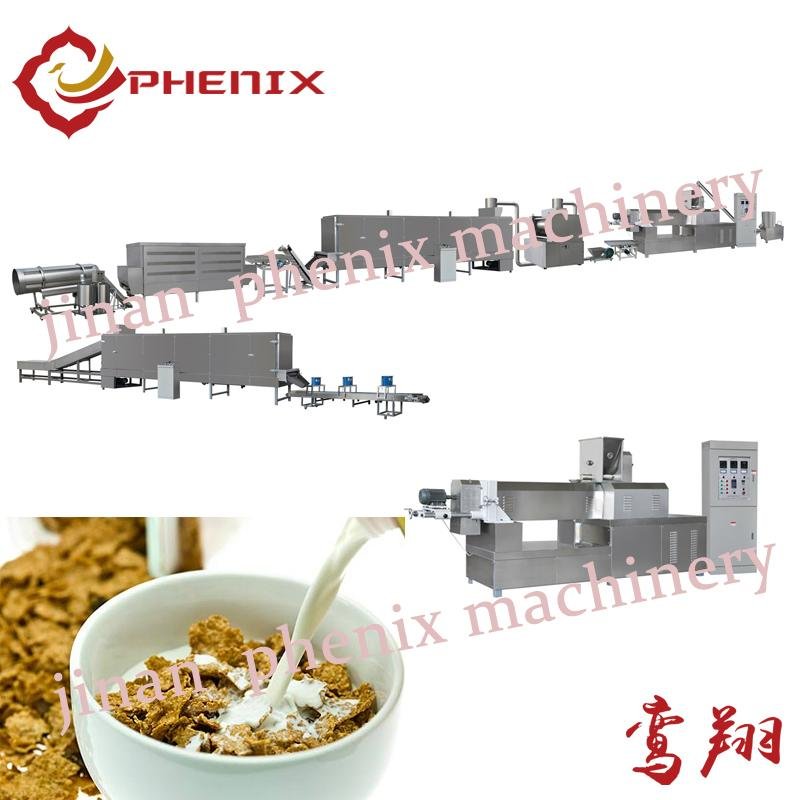
Why Experience is Non-Negotiable in Cornflake Machine Manufacturing
Selecting an experienced factory for your Cornflake Production Line is not merely a preference—it is a critical risk-mitigation strategy. Breakfast cereal extrusion demands precise control over thermal profiles, moisture content, and flaking dynamics; even minor deviations in die configuration or drying parameters can result in inconsistent texture, breakage, or shortened shelf-life. An established manufacturer brings decades of process knowledge that eliminates costly trial-and-error during commissioning, ensures compliance with stringent food safety standards (HACCP, ISO, CE), and provides robust after-sales infrastructure for spare parts and recipe optimization. Furthermore, experienced suppliers possess the metallurgical expertise to engineer wear-resistant screws and barrels capable of handling high-pressure extrusion of corn grits over long production cycles, directly impacting your Overall Equipment Effectiveness (OEE) and total cost of ownership.
The DAYI Advantage: Your Turnkey Partner Since 1996
This is precisely why global food processors trust Jinan Dayi Extrusion Machinery Co., Ltd.—a pioneer in extrusion technology established in 1996 with over 20 years of dedicated expertise in high-efficiency food machinery.
As a professional manufacturer, DAYI distinguishes itself through three core pillars:
1. Dedicated Expert Team: Our engineers specialize exclusively in extrusion dynamics, ensuring your line is optimized for your specific corn variety and product specification.
2. High-Efficiency Extrusion Technology: We deliver precision thermal and mechanical energy control to maximize yield while minimizing waste.
3. Full Turnkey Solutions: From raw material preprocessing and extrusion cooking to flaking, drying, sugar coating, and final packaging integration, we manage the entire process flow.
While our Corn Flakes Production Line remains a flagship solution, our capabilities span the entire extruded food spectrum—including Puffed Snack, Pet Food, Fortified Rice, Baby Food, Bread Crumbs, 3D Pellet Snacks, Nutrition Powder, Soya Chunks, and Tortilla Chips systems—demonstrating the versatility and scalability of our technology platforms.
Ready to optimize your breakfast cereal operation? Contact Jinan Dayi Extrusion Machinery Co., Ltd. today. Our team is prepared to engineer a custom solution tailored to your capacity targets and recipe requirements, backed by comprehensive technical support and competitive quoting. Let our two decades of extrusion mastery become your production advantage.
Contact DAYI now for your personalized consultation and detailed quotation.