
Introduction: Navigating the Global Market for mini corn flakes making machine
Sourcing a mini corn flakes making machine that balances production efficiency with capital constraints represents a critical inflection point for emerging food manufacturers across global markets. Whether you are launching a startup in Lagos, expanding capacity in São Paulo, or diversifying your snack portfolio in Riyadh or Berlin, navigating the fragmented landscape of equipment suppliers requires more than catalog browsing—it demands strategic procurement intelligence. The complexity intensifies when evaluating technical specifications, after-sales support networks, and compliance standards across disparate regulatory environments.
What challenges do international buyers face when sourcing mini corn flakes making machines?
Cross-border equipment procurement presents unique hurdles: verifying manufacturer credibility without site visits, reconciling quoted prices with total cost of ownership, and ensuring extrusion technology compatibility with local raw material profiles. Buyers frequently encounter gaps between promised production capacities and actual throughput, alongside uncertainties regarding spare parts availability and technical training in their native languages.
How can this guide streamline your equipment procurement strategy?
This comprehensive resource dismantles these barriers by examining twin-screw extrusion technologies, output capacities ranging from laboratory-scale to industrial pilot plants, and application versatility across cereal, snack, and instant food production. We dissect supplier vetting protocols specific to Asian manufacturing hubs, analyze investment thresholds across African, Middle Eastern, European, and South American markets, and outline critical after-sales service frameworks. By synthesizing technical specifications with regional market intelligence, this guide equips procurement teams to evaluate mini corn flakes making machines not merely as capital expenditures, but as scalable infrastructure investments driving long-term profitability.
Understanding mini corn flakes making machine Types and Variations
| Type Name | Key Distinguishing Features | Primary B2B Applications | Brief Pros & Cons for Buyers |
|---|---|---|---|
| Twin-Screw Extrusion Mini Lines | Automated continuous processing, self-cleaning screws, 50-150kg/h capacity, PLC-controlled interfaces, integrated flaking rollers | Dedicated corn flakes manufacturers, breakfast cereal startups, contract packaging facilities in urban centers | Pros: Consistent product quality, high automation, scalable output. Cons: Higher initial capital investment, requires technical expertise for maintenance and die changes. |
| Semi-Automatic Batch Flaking Systems | Manual feeding intervals, separate cooking and flaking stages, lower throughput (20-50kg/h), minimal footprint, lower energy consumption | Micro-enterprises, pilot production facilities, specialty organic producers, rural cooperatives with abundant labor | Pros: Lower entry cost, simpler operation, easy recipe modification. Cons: Labor-intensive, inconsistent batch quality, limited scalability for high-demand markets. |
| Multi-Function Cereal Extruders | Interchangeable dies and screws, handles rice, corn, wheat and mixed grains, quick product changeover capabilities, versatile shaping options | Diversified snack producers, food innovation labs, export-oriented businesses testing multiple regional markets | Pros: Production flexibility, reduced equipment redundancy, broader market reach. Cons: Complex calibration requirements, potential cross-contamination risks, steeper operator learning curve. |
| Integrated Compact Turnkey Units | Pre-wired modular design, includes mixing, extrusion, drying, and cooling in single line, plug-and-play installation, unified control systems | Rapid market entry operations, hotel chains with private label ambitions, importers seeking immediate deployment in space-constrained facilities | Pros: Minimal installation time, optimized space utilization, single-source warranty. Cons: Limited customization options, dependency on single supplier for proprietary parts, higher shipping costs for complete units. |
What are the operational advantages of twin-screw extrusion mini lines for emerging markets?
These systems represent the industry standard for small-scale commercial production, utilizing intermeshing screws to cook corn grits under high pressure before mechanical flaking. Characterized by self-cleaning mechanisms and PLC-controlled interfaces, they achieve outputs of 50-150kg/h with minimal manual intervention. For B2B buyers in Africa and the Middle East, these machines balance automation with compact footprint, though purchasing considerations must include spare parts availability, local technical service networks, and voltage compatibility to ensure sustained operational uptime.
When should B2B buyers consider semi-automatic batch systems over fully automated lines?
Ideal for entry-level ventures with constrained capital expenditure, these units separate cooking, extruding, and flaking into distinct stages requiring manual feeding and monitoring. While demanding higher labor input and potentially yielding less consistent batch quality compared to continuous systems, they offer significant advantages in recipe experimentation and lower energy consumption. Buyers in regions with abundant affordable labor, such as parts of South America and Southeast Asia, should evaluate total cost of ownership carefully, as these systems particularly suit niche organic markets where small-batch traceability outweighs throughput efficiency.
How do multi-function cereal extruders support business diversification strategies?
Engineered for operational versatility, these machines accommodate diverse grain inputs—including corn, rice, wheat, and mixed cereals—through interchangeable dies and specialized screw configurations. This adaptability proves invaluable for exporters targeting European markets with varied dietary preferences or Middle Eastern distributors requiring halal-certified production flexibility across multiple cereal categories. However, procurement teams must rigorously assess cleaning protocol complexity, potential allergen cross-contamination risks during product changeovers, and the availability of technical training for die replacement procedures.
What are the key considerations when investing in integrated compact turnkey units?
These pre-engineered modular systems consolidate mixing, extrusion, drying, and cooling into a unified production line optimized for rapid deployment in space-constrained environments. Attractive to hotel chains or importers in Saudi Arabia and Brazil seeking immediate market entry, they minimize installation timelines and civil engineering requirements. Critical purchasing considerations include verifying electrical compatibility, ensuring comprehensive recipe documentation and operator training are included, and evaluating the supplier’s remote technical support capacity, as these factors determine speed to profitable production and long-term operational autonomy.
Key Industrial Applications of mini corn flakes making machine
| Industry/Sector | Specific Application of mini corn flakes making machine | Value/Benefit for the Business | Key Sourcing Considerations for this Application |
|---|---|---|---|
| Small-to-Medium Breakfast Cereal Manufacturing | Pilot production lines and niche market entry for toasted corn flakes, multigrain cereals, and fortified breakfast products | Low CAPEX entry into breakfast cereal market; rapid recipe prototyping without industrial-scale commitment; ability to test regional flavor variants (e.g., honey-glazed, chocolate-infused) | CE/ISO certification for European compliance; modular design for future capacity expansion; comprehensive recipe documentation and technical training support |
| Snack Food & Confectionery Diversification | Production of puffed cereal bases for energy bars, chocolate-coated snacks, and savory extruded products (rice/corn sticks) | Vertical integration reducing import dependency; ability to switch between sweet cereals and savory puffed snacks using local grains (sorghum, millet) | Twin-screw extruder versatility; quick-change die systems for product variation; stainless steel 304/316 food-grade construction for hygiene compliance |
| Hospitality & Institutional Catering | On-site production of private-label breakfast cereals for hotel chains, hospitals, and educational institutions | Brand differentiation through fresh, house-made cereals; reduced supply chain dependency; customizable fortification for dietary requirements (gluten-free, low-sugar) | Compact footprint for commercial kitchen integration; low-noise operation; user-friendly PLC controls requiring minimal technical expertise |
| Agricultural Cooperatives & Agro-Processing SMEs | Value-added processing of locally sourced maize into shelf-stable breakfast products for regional distribution and school feeding programs | Post-harvest loss reduction; increased farmer income through finished goods; import substitution in developing markets; supply of affordable nutrition to local communities | Robust construction for tropical climates and variable grain moisture; established spare parts availability in region; extensive operator training and after-sales support packages |
How Can Small-Scale Breakfast Cereal Manufacturers Optimize Production with Mini Corn Flakes Machines?
For emerging breakfast cereal brands in Germany and Saudi Arabia, mini corn flakes making machines serve as cost-effective pilot production units. These compact extrusion systems allow manufacturers to test market-specific recipes—such as honey-glazed or chocolate-infused variants—without committing to industrial-scale capital expenditure. The twin-screw technology ensures precise gelatinization of corn grits, solving the consistency challenges that plague small-batch production while maintaining the crispy texture demanded by European and Gulf consumers. Buyers should prioritize equipment offering recipe documentation support and modular expansion capabilities to scale from 50kg/hour pilot runs to commercial volumes as demand grows across retail channels.
What Role Do Mini Corn Flakes Machines Play in Snack Food Diversification Strategies?
South American and African confectionery producers utilize mini corn flakes extruders to vertically integrate puffed cereal production for energy bars and coated snacks. These machines solve supply chain vulnerabilities by enabling in-house manufacturing of cereal bases that previously required importation, significantly reducing input costs. The ability to process alternative grains—such as sorghum, millet, or rice—addresses regional raw material availability while meeting local taste preferences in markets like Nigeria and Brazil. When sourcing, snack manufacturers must verify quick-change die systems and twin-screw versatility to seamlessly switch between sweet breakfast flakes and savory puffed sticks, ensuring equipment adapts to seasonal product rotations and diverse snack portfolios.
Why Are Hospitality Groups Investing in On-Site Cereal Production Equipment?
Luxury hotel chains and healthcare institutions across the Middle East and Europe are adopting mini corn flakes units for private-label breakfast programs and patient dietary services. These self-contained production lines solve the problem of stale, imported cereals by enabling daily fresh production within commercial kitchen footprints. The machines allow culinary teams to fortify products with regional ingredients—such as dates in Saudi Arabia or hazelnuts in Germany—creating differentiated guest experiences and meeting specific nutritional requirements. Sourcing priorities include compact stainless-steel designs that fit existing food prep areas and intuitive PLC controls requiring minimal technical training, critical for hospitality staff with limited engineering support.
How Do Agricultural Cooperatives Benefit from Localized Corn Flake Processing?
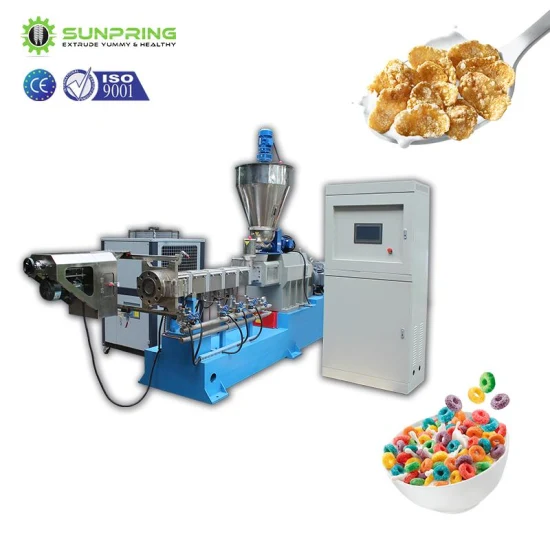
In Africa and South America, agricultural cooperatives deploy mini corn flakes systems to combat post-harvest losses and capture value-added margins within rural economies. By converting surplus maize harvests into shelf-stable breakfast cereals, farmer groups reduce dependency on volatile commodity price fluctuations while supplying regional school feeding programs and local retailers with affordable nutrition. These applications require robust extruders capable of handling variable grain moisture content common in tropical storage conditions. Buyers must emphasize comprehensive after-sales technical training and spare parts logistics networks, ensuring sustainable operation in regions like Kenya or rural Brazil where specialized maintenance services remain limited but critical for equipment uptime.
A stock image related to mini corn flakes making machine.
3 Common User Pain Points for ‘mini corn flakes making machine’ & Their Solutions
Scenario 1: Inconsistent Flake Quality with Variable Local Grain Inputs
The Problem:
B2B buyers sourcing corn and alternative grains locally across Africa, South America, and the Middle East frequently encounter production inconsistencies due to varying moisture content and starch profiles. Standard mini extruders calibrated for specific North American or Chinese corn varieties often produce uneven puffing, excessive breakage, or soggy textures when processing high-moisture local maize or mixed cereals like sorghum and millet. This variability results in high rejection rates, inability to meet the stringent quality standards of supermarkets in discerning markets like Germany or Saudi Arabia, and significant raw material waste that erodes already thin profit margins. The inability to achieve the golden, uniform crispness consumers expect also damages brand reputation and complicates retail shelf placement.
The Solution:
Specify a twin-screw extrusion system featuring independent temperature control zones and variable screw speed configurations that accommodate diverse grain inputs without mechanical modification. Demand comprehensive recipe documentation and hands-on technical training from your equipment supplier, specifically tailored to regional grain varieties and tropical storage conditions. Prioritize machines equipped with inline humidity sensors and automated moisture adjustment feeders that compensate for batch-to-batch variations in real-time. Always conduct pre-purchase trials using your actual local grain supply—testing moisture levels between 12-18%—to validate the machine’s adaptability before finalizing capital expenditure.
Scenario 2: Space Constraints and Infrastructure Limitations in Urban Facilities
The Problem:
Small and medium enterprises operating in dense urban centers—from Lagos to São Paulo to European industrial zones—face prohibitively high real estate costs and severely limited factory footprints. Additionally, regions with unstable power grids require machinery that operates efficiently on lower amperage or remains compatible with backup generators. Traditional corn flakes lines requiring 50+ square meters and high-power three-phase connections prove impractical for rented warehouse spaces or facilities with shared utility infrastructure. This spatial and infrastructural limitation frequently prevents promising food entrepreneurs from entering the breakfast cereal market or forces them into suboptimal manual production methods that cannot scale.
The Solution:
Select modular, vertical-layout mini production lines that consolidate mixing, extrusion, drying, and cooling into a compact 20-30 square meter footprint. Specify energy-efficient servo motors operating at 15-22 kW to minimize peak power draw and ensure compatibility with generator backup systems common in developing markets. Request L-shaped or stacked configuration drawings from manufacturers to maximize vertical space utilization. For electrical instability, specify soft-start technology and voltage stabilization features to prevent motor burnout during fluctuations, ensuring continuous production despite infrastructure challenges while maintaining compliance with European energy efficiency standards.
Scenario 3: Hidden Operational Costs and Technical Skill Gaps
The Problem:
While upfront capital costs for mini machines appear attractive in initial quotations, hidden operational expenses often devastate ROI projections within the first year of operation. Manual feeding systems demand constant labor supervision, inflating wage costs in markets with rising minimum wages. Complex cleaning procedures between flavor changeovers cause excessive downtime in multi-product
Strategic Material Selection Guide for mini corn flakes making machine
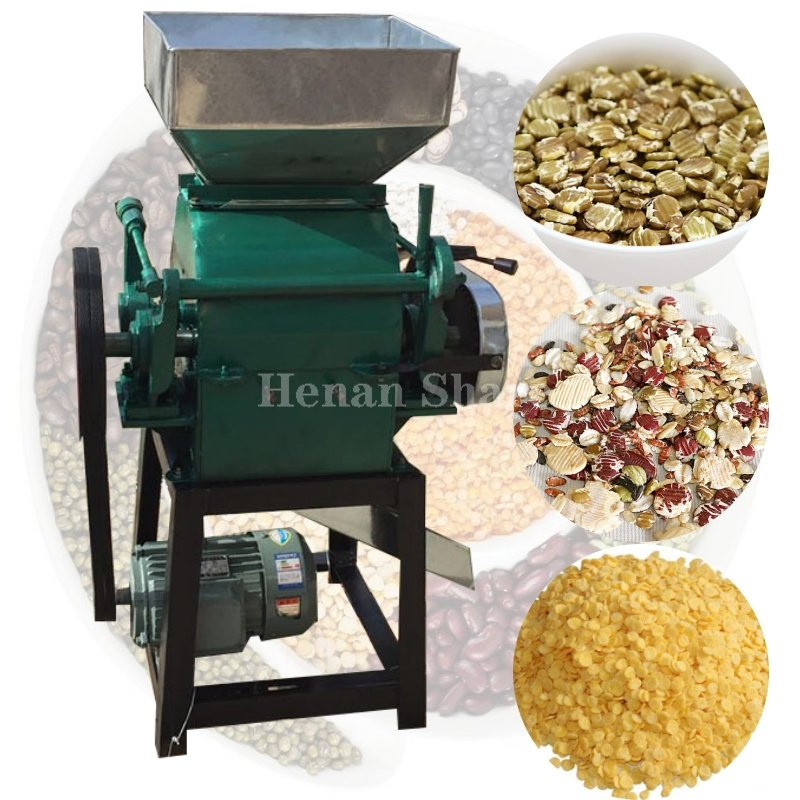
Material selection in mini corn flakes extrusion systems represents a critical decision point that balances regulatory compliance, operational longevity, and capital expenditure. For international B2B buyers operating across diverse climatic conditions—from the humid coastlines of West Africa to the arid environments of the Middle East—understanding metallurgical specifications ensures equipment resilience against corrosion, thermal stress, and abrasive wear from corn grit processing.
A stock image related to mini corn flakes making machine.
In-depth Look: Manufacturing Processes and Quality Assurance for mini corn flakes making machine
Understanding the manufacturing DNA and quality assurance frameworks behind mini corn flakes making machines is essential for B2B procurement teams evaluating capital equipment investments. For buyers operating in diverse regulatory environments—from Germany’s stringent EU standards to Saudi Arabia’s Halal requirements and the high-humidity production floors of Brazil or Nigeria—equipment reliability directly correlates with manufacturing precision and vendor quality protocols.
How Is a Mini Corn Flakes Making Machine Engineered for Precision?
The manufacturing process begins with the extrusion chamber, typically fabricated from 304 or 316L food-grade stainless steel to ensure corrosion resistance and compliance with international hygiene standards. CNC machining centers shape the twin-screw extrusion mechanism to micron-level tolerances, ensuring consistent shear rates and thermal distribution during starch gelatinization. The flaking rollers—usually chrome-plated alloy steel with hardness ratings above HRC 60—are precision-ground to maintain uniform gap settings between 0.3mm and 0.8mm, determining final flake thickness and texture. Modular heating jackets utilizing ceramic band heaters or thermal oil systems allow precise temperature profiling, critical when processing high-oil corn varieties common in African and South American markets. For regions with unstable power grids, manufacturers often integrate voltage stabilization components and heavy-duty transformers during the assembly phase, protecting sensitive PLCs from electrical fluctuations that could compromise production consistency.
What Quality Control Protocols Ensure Equipment Reliability?
Reputable manufacturers implement Factory Acceptance Testing (FAT) protocols where extrusion systems undergo dry-run diagnostics followed by loaded production trials using standardized corn formulations. Weld integrity in food-contact zones undergoes dye-penetrant or X-ray inspection to eliminate contamination risks, while surface roughness testing ensures Ra values below 0.8μm to prevent bacterial adhesion—a non-negotiable standard for buyers supplying retail chains in Europe or the Middle East. Hydraulic pressure testing of steam jackets at 1.5 times operating pressure verifies thermal system integrity. Electrical assemblies featuring Siemens or Schneider components must carry CE, UL, or IEC certifications, ensuring safety compliance across diverse voltage environments. Material traceability certificates (3.1 mill certificates) accompany stainless steel components, verifying alloy composition and resistance to acidic environments created during corn processing.
How Does Automation Technology Guarantee Consistent Output?
Programmable Logic Controllers (PLCs) with Human-Machine Interface (HMI) touchscreens standardize extrusion parameters, removing human error from critical control points. These systems store recipe profiles optimized for different maize varieties—whether white maize prevalent in West Africa or yellow dent corn common in Argentina—ensuring consistent expansion ratios despite raw material variability. PID feedback loops maintain thermal stability within ±1°C during gelatinization, while pressure transducers monitor die resistance to prevent blockages that could disrupt continuous production. For B2B buyers, this automation translates to waste rates below 3% and predictable throughput metrics essential for ROI calculations. IoT-enabled diagnostic capabilities allow manufacturers to provide remote troubleshooting, a vital quality assurance layer for buyers in remote locations where technical infrastructure is limited.
What Certifications Should International Buyers Verify?
Equipment destined for the European Economic Area requires CE marking and compliance with Machinery Directive 2006/42/EC, while ISO 22000 certification demonstrates adherence to food safety management systems throughout the manufacturing process. For Middle Eastern markets including Saudi Arabia, Halal certification of lubricants and food-contact materials is mandatory, alongside SASO (Saudi Standards, Metrology and Quality Organization) conformity. FDA registration becomes critical for North American export ambitions, whereas INMETRO certification facilitates importation into Brazil. Buyers should verify IP65-rated electrical enclosures for facilities employing high-pressure washdown protocols, and ensure motors meet IE3 or IE4 energy efficiency standards to reduce operational costs in markets with high electricity tariffs.
Why Is After-Sales Engineering Support Critical for Quality Maintenance?
Sustainable quality assurance extends beyond factory delivery through comprehensive after-sales support. Installation supervision by mechanical engineers ensures proper calibration of die orifices and screw configurations to local raw material specifications—crucial when processing alternative grains like sorghum or cassava blends common in African markets. Preventive maintenance training programs, particularly for wear parts like extrusion screws and cutter blades, extend equipment lifespan beyond the typical 10-year depreciation cycle. Suppliers maintaining spare parts inventories in regional hubs—such as Dubai for Middle Eastern coverage or São Paulo for South American operations—minimize production downtime. Recipe development support further transfers quality assurance from equipment manufacturer to processor, helping buyers optimize formulations for local palates while maintaining the crisp texture and uniform golden coloration that define premium corn flakes. This holistic manufacturing and support ecosystem ensures that compact production lines deliver industrial-grade consistency, enabling B2B buyers to compete effectively in their respective breakfast cereal markets.
Practical Sourcing Guide: A Step-by-Step Checklist for ‘mini corn flakes making machine’
Procuring a mini corn flakes making machine requires systematic evaluation beyond superficial price comparisons. For international buyers entering the breakfast cereal market, understanding technical specifications, supplier capabilities, and hidden operational costs prevents costly procurement errors and production delays. This checklist provides actionable steps to secure equipment that aligns with your capacity goals, local regulatory environment, and long-term maintenance capabilities.
What Production Capacity and Space Requirements Should You Define First?
Before contacting suppliers, calculate your target daily output—mini units typically range from 50kg/h to 200kg/h—and verify available floor space including vertical clearance for mixing hoppers. Request CAD layout drawings to ensure the extruder, cooling conveyor, and packaging modules fit your facility while maintaining adequate maintenance corridors. Confirm electrical specifications, as three-phase industrial connections are standard, and verify compatibility with your local voltage and frequency standards to avoid costly transformer installations.
How Do You Evaluate Extrusion Technology and Build Quality?
Examine whether the machine utilizes single-screw or twin-screw extrusion technology; twin-screw systems provide superior temperature control and ingredient versatility for processing corn, rice, or mixed grain formulations. Inspect material specifications to ensure food-grade stainless steel 304 construction for all product contact surfaces, preventing metallic contamination and ensuring hygiene compliance. Request video evidence of the self-cleaning mechanism in operation, as extensive manual cleaning requirements significantly reduce operational efficiency in small-batch production environments.
What Documentation and Recipe Support Should Suppliers Provide?
Reputable manufacturers should provide comprehensive process flow diagrams, standard operating procedures, and formulated recipes specifically adapted to local corn varieties and humidity conditions. Verify that technical documentation includes electrical schematics, pressure settings, and temperature curves in English or your preferred operational language. This documentation proves invaluable when training local operators and troubleshooting production inconsistencies, particularly when sourcing from manufacturers who specialize in extrusion technology with extensive industry experience.
How Do You Verify Supplier Export Experience and After-Sales Capability?
Investigate the supplier’s export track record within your specific region—successful installations in Saudi Arabia, Germany, or Brazil indicate familiarity with local voltage standards, import documentation, and regulatory requirements. Request contactable references from recent buyers in Nigeria, Pakistan, or similar markets to assess equipment reliability and supplier responsiveness. Confirm whether the manufacturer maintains regional service partnerships or offers remote diagnostic capabilities through IoT-enabled control systems, ensuring minimal production downtime during mechanical adjustments or emergency repairs.
What Training and Commissioning Support Is Included?
Clarify whether the quoted price includes on-site installation supervision, commissioning, and comprehensive operator training, or if these services incur additional daily technical fees. Effective training programs should cover raw material preprocessing standards, extruder parameter optimization, flavor coating techniques, and preventive maintenance scheduling. For buyers operating in remote locations or emerging markets, negotiate extended technical support periods or access to detailed video training libraries to ensure your team achieves independent operational capability before external technicians depart.
How Do You Calculate Total Cost of Ownership and Payment Security?
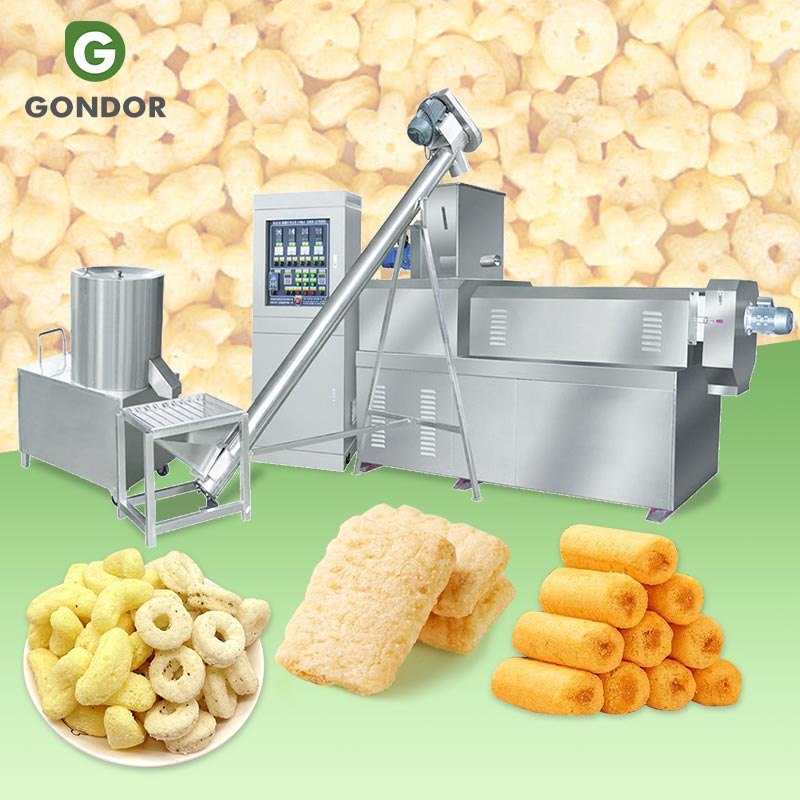
Beyond the base machine price—which typically ranges from $6,000 to $22,000 for mini-scale units depending on automation levels—calculate total landed costs including ocean freight, customs duties, inland transportation, and installation materials. Utilize secure payment structures such as Trade Assurance or irrevocable letters of credit to protect your deposit against non-delivery risks. Negotiate comprehensive warranty terms covering mechanical components, electronic control systems, and extruder screws for at least twelve months, while securing guaranteed availability of critical spare parts for a minimum five-year operational lifespan.
A stock image related to mini corn flakes making machine.
Comprehensive Cost and Pricing Analysis for mini corn flakes making machine Sourcing
When sourcing mini corn flakes making equipment, understanding the complete cost architecture prevents budget overruns and ensures viable return on investment. Entry-level extrusion systems typically range from $6,500 to $22,000 depending on configuration, while comprehensive turnkey solutions with integrated packaging and flavoring stations may extend beyond $35,000 for higher-capacity models.
What factors determine the price variance in small-scale corn flakes machinery?
The primary cost drivers extend beyond basic throughput capacity. Equipment fabricated with 304 food-grade stainless steel commands premium pricing compared to carbon steel alternatives, particularly critical for buyers in humid climates like West Africa or Southeast Asia where corrosion resistance affects equipment longevity. Twin-screw extrusion technology, essential for consistent gelatinization and texture control, typically adds 15-25% to base costs versus single-screw configurations but delivers superior product uniformity required for European retail standards.
Automation gradients significantly impact quotations. Semi-automatic lines requiring manual feeding and temperature monitoring suit startup operations with limited capital, whereas PLC-controlled systems with HMI interfaces and automated moisture control justify higher upfront investments through reduced labor costs—a crucial consideration for German manufacturers facing high wage structures or Saudi Arabian facilities optimizing workforce allocation.
How should buyers calculate total cost of ownership beyond equipment pricing?
Initial quotations rarely reflect the complete financial commitment. Import duties vary dramatically by region, with Middle Eastern buyers often facing 5-12% tariffs on food processing machinery, while certain African trade agreements may offer duty exemptions for agricultural processing equipment. Shipping configurations matter substantially: FOB terms suit experienced importers with freight forwarding relationships, whereas CIF arrangements provide cost certainty but require careful examination of insurance coverage for sensitive electronic components.
Installation and commissioning represent hidden cost centers frequently underestimated. Budget approximately 8-12% of equipment value for technician travel, accommodation, and training days—particularly relevant when sourcing from Chinese manufacturers to South American facilities requiring extended technical support. Additionally, maintaining a strategic spare parts inventory (extruder screws, heating elements, die plates) prevents costly production halts, with annual parts budgets typically running 3-5% of original equipment cost.
Which pricing models offer optimal risk mitigation for international buyers?
Escrow payment structures through platforms like Alibaba Trade Assurance protect buyers in emerging markets against manufacturing defects or shipping discrepancies, though they typically incur 1-2% service fees. For direct manufacturer relationships, staggered payment terms—30% deposit, 60% pre-shipment after inspection, and 10% post-installation—balance supplier cash flow needs with buyer protection.
Regional pricing strategies vary by manufacturing origin. Indian suppliers often compete aggressively on base pricing but may charge premiums for CE certification required for European entry. Conversely, established Chinese manufacturers like those in Shandong province increasingly offer competitive total packages including CE marking and ISO compliance, essential for Saudi Arabian food authority approvals. Buyers should request itemized quotations separating essential components from optional accessories (sugar coating drums, nitrogen flushing packaging units) to enable phased investment approaches suitable for limited startup capital scenarios.
Alternatives Analysis: Comparing mini corn flakes making machine With Other Solutions
When evaluating entry into the breakfast cereal market, procurement teams must weigh the mini corn flakes making machine against distinct operational models. While compact extrusion systems offer autonomy and controlled scaling, alternatives such as industrial-scale automated lines and third-party contract manufacturing present different risk-reward profiles. Each approach varies significantly in capital allocation, technical barriers, and market responsiveness—factors critical for businesses in emerging markets like Nigeria, Brazil, or Saudi Arabia where infrastructure and labor costs fluctuate.
| Comparison Aspect | Mini Corn Flakes Making Machine | Industrial-Scale Extrusion Line | Contract Manufacturing Partnership |
|---|---|---|---|
| Initial Capital Investment | $15,000–$50,000 | $200,000–$800,000+ | Minimal (Service-based fees) |
| Production Capacity | 50–150 kg/hour | 500–2,000+ kg/hour | Variable (Client-dependent) |
| Technical Expertise Required | Moderate (Staff training needed) | High (Specialized engineers) | Low (Managed by provider) |
| Operational Control | Full in-house control | Full in-house control | Limited (dependent on partner) |
| Time to Market | 2–4 weeks | 3–6 months | Immediate |
| Scalability | Gradual (modular upgrades) | High (requires volume commitment) | High (flexible capacity) |
| Recipe Confidentiality | High (IP protection) | High (IP protection) | Moderate (shared risk) |
| Labor Requirements | 2–4 operators | 8–15 technical staff | None (direct labor) |
How Does Mini Corn Flakes Equipment Compare to Industrial Production Lines?
Industrial-scale extrusion lines represent the high-capacity alternative typically deployed by established multinational brands and large regional processors. These systems integrate continuous twin-screw extruders, automated flaking rollers, and precision drying tunnels to achieve outputs exceeding 1,000 kg per hour with minimal labor intervention. However, the capital barrier—often surpassing $500,000 including facility infrastructure and commissioning—creates significant entry barriers for SMEs. Furthermore, these systems demand specialized engineering teams for operation and maintenance, generating fixed costs that strain cash flow during market penetration phases. For buyers in high-wage markets like Germany or Saudi Arabia, this model only achieves economic viability above specific volume thresholds, typically requiring confirmed distribution contracts with major retailers before commissioning.
Is Contract Manufacturing a Viable Alternative to In-House Mini Machines?
Contract manufacturing eliminates capital expenditure entirely by leveraging existing cereal production facilities, making it attractive for brands testing market viability or managing seasonal demand fluctuations. Established co-packers maintain food safety certifications (ISO 22000, HACCP) and quality infrastructure, transferring technical risk from the buyer to the service provider. However, B2B buyers sacrifice margin control and recipe confidentiality—critical concerns in competitive markets like Brazil or South Africa where product differentiation drives consumer loyalty. Minimum order quantities often start at 5–10 metric tons per production run, creating inventory pressure for nascent distribution networks. Additionally, reliance on external scheduling limits agility; reformulating recipes or adjusting packaging specifications requires negotiation rather than immediate implementation, potentially delaying responses to shifting consumer preferences in dynamic Middle Eastern markets.
Essential Technical Properties and Trade Terminology for mini corn flakes making machine
When evaluating compact cereal production systems for emerging markets or pilot-scale operations, understanding precise engineering specifications and commercial nomenclature prevents costly procurement errors. Mini corn flakes making machines—typically defined as extrusion-based systems with outputs between 50–150 kg/h—require distinct technical benchmarks to ensure consistent flake integrity and operational longevity across diverse regulatory environments from Germany to Saudi Arabia.
What extruder screw configuration ensures optimal flake expansion?
Twin-screw co-rotating extruders represent the industry standard for mini corn flakes production. The screw geometry—specifically the compression ratio (typically 3:1 to 4:1) and L/D ratio (length-to-diameter, ideally 15:1 to 20:1)—determines gelatinization efficiency and final product density. Self-cleaning screw profiles minimize material waste between batch changes, crucial for facilities producing multiple cereal variants or operating under strict Middle Eastern hygiene standards.
What capacity range defines a mini-scale corn flakes line?
Mini systems typically process 50 kg/h to 150 kg/h of raw corn grits, distinguishing them from industrial giants exceeding 500 kg/h. This throughput suits startup manufacturers, hotel chains, or regional distributors in markets like Nigeria or Peru. Buyers should verify whether stated capacities refer to raw material input or finished flake output, as moisture loss during toasting creates significant weight differentials that impact packaging calculations.
How does precision heating technology impact production consistency?
Advanced mini extruders utilize segmented barrel heating with PID temperature controllers maintaining ±1°C accuracy across zones. Corn starch gelatinization requires precise thermal profiles (typically 120°C–140°C in the cooking zone), while the die-head temperature affects expansion ratios. Electric heating elements offer cleaner operation for European facilities facing strict emissions standards, though hybrid gas/electric systems provide cost flexibility for South American operations.
What motor power specifications balance efficiency and performance?
Main drive motors ranging from 15 kW to 30 kW provide sufficient torque for high-viscosity corn masa without excessive energy consumption. Variable Frequency Drive (VFD) compatibility allows operators to adjust screw RPM (typically 200–400 RPM) based on recipe viscosity, preventing mechanical stress during startup sequences and accommodating power fluctuations common in African manufacturing zones.
What constitutes a “Turnkey Solution” in mini corn flakes procurement?
This term denotes complete plant delivery including extrusion units, cooling conveyors, flavoring drums, and packaging interfaces, accompanied by recipe documentation and operator training. Reputable suppliers provide process flow diagrams (PFDs) and material balance calculations, enabling buyers to secure local health certifications prior to installation without additional engineering consultancy fees.
How is “After-Sales Technical Training” structured in B2B contracts?
Beyond standard warranty periods, comprehensive agreements include on-site commissioning support and recipe formulation assistance. This encompasses starch hydration protocols, die-pressure calibration, and moisture-content optimization—critical for markets adapting to variable local corn quality. Training typically covers maintenance of wear parts like extruder screws and heating bands to minimize long-term logistics costs.
What does “MOQ” signify for small-scale equipment sourcing?
Minimum Order Quantity (MOQ) for mini systems typically starts at one complete production line, though component-only purchases may require higher volumes. Strategic buyers negotiate initial spare parts bundles—particularly die plates and cutter blades—within MOQ discussions to ensure continuous operation during international shipping delays.
What is “Pre-Conditioning” in corn flake manufacturing?
This refers to the hydrothermal treatment of corn grits before extrusion, involving steam injection or water addition to achieve 18–22% moisture content. Proper pre-conditioning ensures uniform starch gelatinization, reducing die-blockage incidents and extending screw-element lifespan by 30–40%, thereby lowering total cost of ownership for small-scale producers.
Navigating Market Dynamics and Sourcing Trends in the mini corn flakes making machine Sector
The mini corn flakes making machine market is undergoing a strategic shift as emerging economies across Africa, South America, and the Middle East accelerate food processing modernization. B2B buyers increasingly prioritize compact, automated solutions that balance production capacity with capital constraints, particularly in regions where SME-led manufacturing dominates. Understanding these nuanced dynamics enables procurement teams to identify suppliers capable of delivering both technological sophistication and localized operational support, while navigating varying import regulations and tariff structures that significantly impact total cost of ownership calculations.
What Are the Current Regional Demand Patterns Driving Mini Corn Flakes Equipment Adoption?
Emerging markets demonstrate robust appetite for small-scale production lines, with particular momentum in Saudi Arabia, Nigeria, Brazil, and Germany—each representing distinct procurement philosophies. Middle Eastern and African buyers typically prioritize cost-effective extrusion systems with modular upgrade paths, allowing businesses to scale from 100-500kg/hour capacities without complete infrastructure overhauls. Conversely, European markets emphasize Industry 4.0 integration, demanding twin-screw extrusion technology with IoT-enabled monitoring and self-cleaning functionalities that minimize labor costs and unplanned downtime.
Price positioning remains critical across all regions, with quality mini production lines ranging between $6,000-$22,000 depending on automation levels and extrusion specifications. The sector is witnessing a definitive move away from manual batch processing toward continuous automated systems capable of handling diverse cereal formulations beyond standard corn, including rice-based and multigrain alternatives. Furthermore, the integration of pre-forming technologies and stable extrusion processes allows manufacturers to experiment with fortified cereals and flavored coatings, responding to health-conscious consumer trends in urban centers from Lagos to São Paulo. Suppliers now frequently provide comprehensive business planning support, recipe development, and operator training as value-added services, recognizing that technical literacy gaps in emerging markets can impede equipment utilization rates and extend return on investment timelines beyond projected periods.
How Can B2B Buyers Ensure Sustainable and Ethical Sourcing in Machinery Procurement?
Sustainability considerations in mini corn flakes making machine sourcing extend beyond energy consumption to encompass equipment longevity and supply chain transparency. Forward-thinking buyers evaluate manufacturers based on extrusion efficiency metrics, specifically seeking twin-screw systems that reduce thermal energy waste while maintaining consistent product quality across extended production runs. The shift toward durable stainless steel construction over carbon steel alternatives, despite higher initial capital outlay, reflects growing awareness of lifecycle sustainability and hygiene compliance standards required for export-oriented production to European and Gulf Cooperation Council markets. Water recycling capabilities in modern extrusion systems also warrant evaluation, as drought-prone regions in the Middle East and Africa increasingly prioritize closed-loop processing that minimizes freshwater consumption during corn grits hydration and cooking phases.
Ethical sourcing necessitates rigorous supplier verification, particularly when procuring from distant manufacturing hubs. Buyers should prioritize suppliers offering Trade Assurance protections and demonstrable compliance with international safety standards (CE, ISO). Additionally, assessing a manufacturer’s spare parts localization strategy proves crucial—suppliers maintaining regional distribution centers in Africa, South America, or Europe significantly reduce the carbon footprint associated with air-freighted maintenance components while ensuring operational continuity. The most sustainable procurement decisions increasingly favor long-term partnerships where technical training, recipe
Frequently Asked Questions (FAQs) for B2B Buyers of mini corn flakes making machine
1. What is the typical investment range for a mini corn flakes making machine suitable for commercial production?
Entry-level extrusion systems suitable for emerging markets typically range from $6,000 to $12,000 for basic configurations, while semi-automated lines with integrated drying and cooling systems range from $15,000 to $35,000. Total landed costs must account for sea freight (typically 20-40ft container), import duties varying by region (5-15% in Saudi Arabia, 19% VAT in Germany), and installation supervision fees. Request detailed quotations specifying Incoterms (FOB, CIF, or DDP) to accurately calculate working capital requirements for your specific market.
2. What hourly production capacity can I expect from a small-scale corn flakes making machine?
Standard mini extruders deliver 50-150 kg/hour for single-screw configurations and 150-300 kg/hour for twin-screw systems, depending on bulk density and moisture content of your raw material blend. Actual sustainable output typically runs at 80% of theoretical maximum to account for cleaning cycles and recipe changeovers. When planning for markets like Nigeria or Brazil, calculate daily output based on 8-16 hour operational shifts, ensuring the machine’s throughput aligns with your cold storage capacity and distribution logistics.
3. What types of grains and cereals can be processed in a mini corn flakes production machine beyond standard maize?
Modern twin-screw extruders accommodate diverse starch sources including rice, wheat, barley, oats, sorghum, and millet, allowing you to leverage locally sourced grains to reduce raw material costs. Processing parameters require adjustment based on amylose content—sorghum and millet demand lower barrel temperatures (120-140°C) compared to corn (160-180°C) to prevent excessive expansion. Verify that your supplier provides recipe documentation and screw configurations optimized for regional grains common in African or Middle Eastern markets, ensuring consistent flake texture and shelf stability.
4. How much floor space is required to install a mini corn flakes manufacturing unit with proper workflow?
Compact production lines require minimum 60-100 square meters of covered industrial space, allocated across raw material storage (20%), extrusion and flaking (30%), drying/cooling (25%), and packaging/storage (25%). Ceiling height must accommodate 3.5-4 meters for ventilation ducting and maintenance access to the extruder barrel. For European or Gulf Cooperation Council (GCC) facilities, ensure compliance with local safety regulations regarding equipment spacing—typically 1.5-meter walkways between machines—and plan for utility trenches for 380V three-phase power and compressed air lines.
5. How do I ensure electrical compatibility and safety certifications when importing cereal production equipment to different regional markets?
Specify voltage requirements (220V/380V) and frequency (50Hz/60Hz) during procurement, as manufacturers can customize motor specifications and provide step-up transformers for regions like Saudi Arabia (220V) or Brazil (220V/380V mixed). Demand CE marking for European Union entry, SASO certification for Saudi Arabia, and SONCAP for Nigeria to prevent customs detention. Include PLC control panels with English/Arabic/Portuguese language interfaces and ensure emergency stop circuits comply with local electrical codes (IEC 60204-1 for international markets).
6. What installation support and operator training should I expect when commissioning a mini corn flakes line overseas?
Reputable suppliers provide 10-15 days of on-site commissioning including mechanical installation, electrical wiring verification, and trial production runs using your specified raw materials. Training should cover extruder temperature profiling, die plate maintenance, and quality control protocols for moisture content (typically 3-5% final product). Ensure the contract includes remote technical support via video conferencing for troubleshooting and access to digital recipe libraries with parameters for sugar-coated, frosted, or fortified cereal variants suitable for your target demographic.
7. What preventive maintenance protocols and spare parts logistics are essential for maintaining production uptime in remote locations?
Critical wear components include extruder screws, barrel liners, and rotary cutting blades requiring replacement every 6-12 months under continuous operation. Negotiate a spare parts kit including one-year supply of gaskets, heating elements, and pneumatic valves to be shipped with the main equipment to avoid air freight delays. Request maintenance schedules tailored to tropical climates (high humidity) or dusty environments, including weekly lubrication charts for bearings and monthly calibration procedures for temperature controllers to prevent unplanned downtime.
8. Can mini corn flakes production lines accommodate value-added processes like sugar coating, vitamin fortification, or chocolate enrobing?
Yes, modular designs allow downstream integration of coating drums, syrup spray systems, and micronutrient dosing units for producing fortified breakfast cereals compliant with local nutritional standards. Specify whether you require hot-air puffing or extrusion cooking, as this
Important Disclaimer & Terms of Use
⚠️ Important Disclaimer
The information provided in this guide, including content regarding manufacturers, technical specifications, and market analysis, is for informational and educational purposes only. It does not constitute professional procurement advice, financial advice, or legal advice.
B2B buyers must conduct their own independent and thorough due diligence before making any purchasing decisions. The risk of relying on any information in this guide is borne solely by the reader.
Top 1 Mini Corn Flakes Making Machine Manufacturers & Suppliers List
1. CornProcess – Processing Equipment
Strategic Sourcing Conclusion and Outlook for mini corn flakes making machine
The mini corn flakes making machine sector stands at a pivotal intersection of technological refinement and market democratization. As twin-screw extrusion technology becomes standard even in compact configurations, manufacturers across Africa, the Middle East, and South America are increasingly capable of producing international-quality breakfast cereals without industrial-scale capital expenditure. This shift represents not merely equipment acquisition, but entry into a high-margin food processing vertical with substantial regional and export potential.
What Strategic Factors Should Buyers Evaluate Beyond Initial Equipment Costs?
Sophisticated sourcing decisions now hinge on comprehensive supplier capabilities rather than unit pricing alone. Prospective investors must prioritize partners offering proprietary recipe documentation, hands-on operator training, and localized after-sales networks—particularly critical for maintaining production continuity in regions with limited technical infrastructure. The differentiation between commodity suppliers and strategic partners often manifests in uptime guarantees, formulation flexibility, and access to continuous process optimization support.
How Is Automation Reshaping Small-Scale Cereal Production Futures?
Looking ahead, the sector anticipates convergence between compact footprints and Industry 4.0 integration. Energy-efficient extrusion systems and IoT-enabled process monitoring are transitioning from premium features to baseline expectations, enabling producers in Germany, Saudi Arabia, and emerging markets to achieve consistent quality while minimizing operational overhead. Organizations that secure equipment with modular upgrade paths today will maintain competitive agility as consumer preferences for fortified, flavored, and alternative-grain variants continue diversifying.