
Introduction: Navigating the Global Market for maize flakes making machine
Sourcing industrial maize flakes making machines for international markets presents a complex challenge that extends far beyond simple equipment procurement. As breakfast cereal demand surges across emerging economies in Africa, South America, and the Middle East, manufacturers face critical decisions regarding production capacity, food safety compliance, and long-term operational efficiency. Whether you are establishing a new facility in Brazil or upgrading existing infrastructure in Germany, navigating the global supplier landscape requires strategic insight to avoid costly procurement missteps and production bottlenecks.
Why Do Regional Standards Impact Your Equipment Selection?
Different markets demand distinct technical specifications that directly influence machine performance and regulatory approval. European operations typically prioritize energy efficiency and strict CE certification standards, while facilities across Africa and South America often emphasize robust durability, high-volume output capabilities, and adaptability to varying raw material qualities. Understanding these regional nuances prevents compliance delays and ensures your production line meets local food safety regulations from initial commissioning.
How Can This Guide Optimize Your Procurement Strategy?
This comprehensive resource examines essential equipment configurations—from extrusion-based systems to traditional flaking roller setups—while analyzing critical material specifications such as food-grade stainless steel construction. We provide actionable frameworks for vetting international suppliers, evaluating total cost of ownership including shipping logistics and installation support, and assessing after-sales service networks vital for remote operations.
By synthesizing technical specifications with regional market intelligence, this guide empowers you to make data-driven purchasing decisions that align capacity requirements with budget constraints, ensuring your investment delivers sustainable competitive advantage across diverse international markets.
Understanding maize flakes making machine Types and Variations
| Type Name | Key Distinguishing Features | Primary B2B Applications | Indicative Price Range (e.g., $, $$, $$$) | Brief Pros & Cons for Buyers |
|---|---|---|---|---|
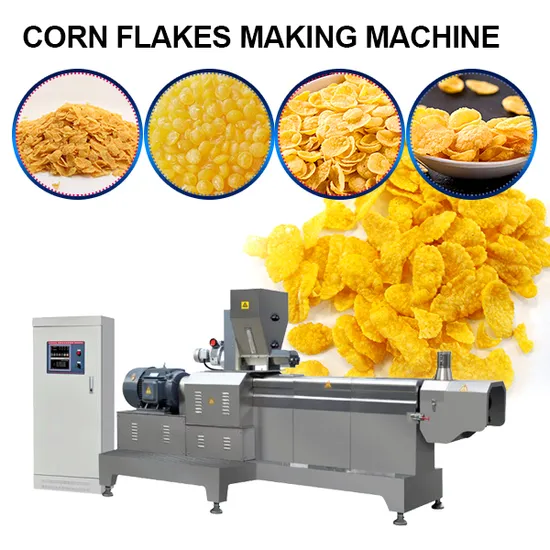
| Twin-Screw Extrusion-Based Flake Lines | High-shear cooking via intermeshing screws; integrated die-face cutting; moisture control <12%; rapid gelatinization | Breakfast cereal manufacturers, snack food companies, contract manufacturers in high-growth markets | $$ to $$$ | Pros: Rapid processing, high throughput, versatile for co-extrusion and fortification. Cons: Higher energy consumption, requires technical expertise for die configuration and screw profile optimization. |
| Traditional Steam Cooking & Flaking Systems | Rotary steam cookers (30-120 min cycles); heavy-duty flaking rollers; separate drying/toasting stages; authentic texture development | Premium cereal brands, organic producers, traditional European and African markets seeking classic taste profiles | $$ to $$$ | Pros: Superior flavor authenticity, better digestibility, established consumer preference in mature markets. Cons: Longer processing time, larger facility footprint, higher labor costs per unit output. |
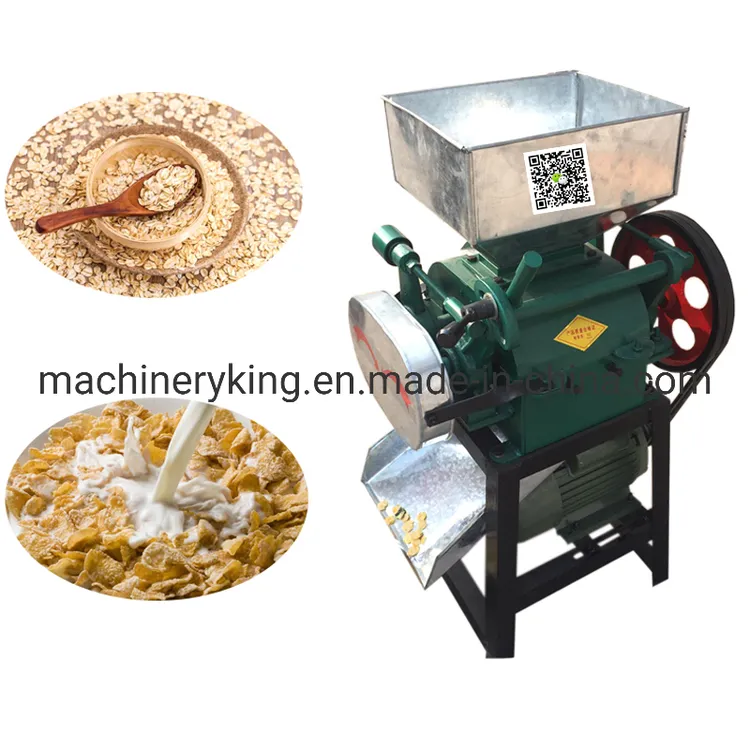
| Semi-Automatic Batch Processing Units | Intermittent operation; manual feeding systems; smaller flaking mills (100-250kg/h); basic PLC control; quick changeover capabilities | Startups, pilot plants, specialty/niche producers, regional distributors testing market viability | $ to $$ | Pros: Lower capital investment, flexible batch sizes, easier maintenance without specialized technicians. Cons: Labor-intensive operations, potential inconsistency between batches, limited scalability for export demands. |
| Continuous High-Volume Production Lines | Fully automated from grain cleaning to packaging; 500kg/h+ capacity; integrated CIP systems; centralized HMI control | Multinational food corporations, industrial-scale co-packers, export-oriented facilities in Brazil and the Middle East | $$$ | Pros: Maximum efficiency, consistent quality, low per-unit cost, comprehensive traceability. Cons: High initial investment, complex installation requirements, demands dedicated technical team for operation and maintenance. |
What are the advantages of twin-screw extrusion systems for maize flake production?
Twin-screw extrusion lines represent the modern standard for high-efficiency maize flake manufacturing, utilizing intermeshing screws to cook maize grits through mechanical shear and thermal energy within a sealed barrel. These systems excel in producing uniform flakes with precise density control, making them ideal for manufacturers targeting diverse markets across Africa and South America where texture consistency is crucial for brand recognition. B2B buyers should prioritize machines with modular barrel configurations and wear-resistant screw elements, as these features directly impact operational longevity when processing abrasive local maize varieties. The technology supports rapid recipe changes, enabling producers to switch between standard flakes and fortified variants with minimal downtime, though it requires skilled technicians for die configuration and process optimization.
How do traditional steam cooking and flaking systems compare to modern extrusion methods?
Traditional steam cooking systems maintain relevance among premium cereal producers seeking authentic flavor profiles and specific textural characteristics associated with classic European-style breakfast cereals. These systems employ rotary batch cookers followed by heavy-duty flaking rollers that compress pre-gelatinized maize grits into thin flakes, subsequently passing through precision drying and toasting stages. For B2B buyers in European and Middle Eastern markets where traditional taste preferences dominate purchasing decisions, this technology offers superior product differentiation despite requiring larger facility footprints and extended processing cycles. Key purchasing considerations include steam pressure consistency mechanisms, roller gap precision controls, and heat recovery systems to mitigate higher operational costs associated with batch processing.
Which maize flakes making machine configuration suits small to medium enterprise requirements?
Semi-automatic batch units serve emerging food entrepreneurs and regional distributors requiring production flexibility without substantial capital commitment or complex infrastructure demands. These systems typically operate at 100-250kg/h capacities, featuring manual grain loading, simplified flaking mechanisms, and basic temperature controls that allow for artisanal product variations and small-batch specialty runs. B2B buyers should evaluate the availability of local technical support networks and spare parts supply chains, particularly critical for operations in remote African or South American regions where maintenance logistics pose significant challenges. While these machines demand higher labor input per kilogram produced and may exhibit batch-to-batch variability, they offer invaluable advantages for market testing, organic certification trials, and specialized product development before committing to full automation.
What should large-scale manufacturers evaluate when selecting continuous production lines?
Continuous high-volume lines integrate grain cleaning, extrusion or cooking, flaking, drying, coating, and packaging into seamless automated workflows capable of exceeding 500kg/h output with minimal human intervention. These systems are essential for multinational corporations and export-focused facilities serving mass markets in Brazil, Germany, and the Middle East where supply chain reliability and food safety traceability are paramount competitive factors. B2B procurement teams must assess the sophistication of PLC control systems, hygienic design standards (3A or EHEDG compliance), and energy efficiency ratings, as these factors determine long-term operational sustainability and regulatory approval in stringent jurisdictions. The substantial initial investment requires careful ROI calculations based on projected market penetration, local utility infrastructure capabilities, and the availability of skilled automation technicians for ongoing system maintenance.
Key Industrial Applications of maize flakes making machine
| Industry/Sector | Specific Application of maize flakes making machine | Value/Benefit for the Business | Key Sourcing Considerations for this Application |
|---|---|---|---|
| Breakfast Cereal & Convenience Foods | Production of ready-to-eat (RTE) fortified corn flakes and muesli bases | High-volume continuous output with uniform flake geometry; enables micronutrient fortification for health-conscious markets | Seek extrusion-cooking integration, energy-efficient thermal dryers, and FDA/EFSA/HACCP compliance for export markets |
| Savory Snack Manufacturing | Processing of seasoned maize flakes for direct consumption and snack mixes | Rapid product changeover between sweet/savory profiles; automated seasoning integration reduces labor costs by 40-60% | Prioritize quick-change die systems, 304/316 stainless steel construction for humid climates, and modular seasoning drum compatibility |
| Animal Nutrition & Aquafeed | Gelatinized maize flake production for livestock, poultry, and fish feed | Enhanced starch digestibility through pre-cooking; high-density extrusion suitable for bulk feed mill operations | Specify heavy-duty flaking rollers (high-pressure rated), industrial-grade hygiene standards, and compatibility with feed-specific drying temperatures |
| Brewing & Beverage | Manufacturing of brewer’s flakes as malt adjuncts for beer production | Consistent enzymatic conversion rates via controlled gelatinization; scalable from craft to industrial brewery volumes | Ensure precise moisture control sensors (<±1% variance), brewing-industry sanitation protocols, and heat recovery systems for energy efficiency |
How Can Breakfast Cereal Manufacturers Optimize Large-Scale Production?
For breakfast cereal producers targeting European markets like Germany or rapidly emerging African consumer bases, maize flake making machines serve as the central production hub for ready-to-eat (RTE) portfolios. These integrated systems solve the critical challenge of achieving uniform flake thickness and precise moisture content across continuous 24/7 operations in high-humidity climates. Buyers should prioritize equipment featuring twin-screw extrusion pre-cooking and precision flaking rollers that maintain consistent gap settings under thermal expansion. This ensures the final product meets strict texture standards while allowing for iron, folic acid, and vitamin fortification—essential for compliance with nutritional fortification mandates common in African and Middle Eastern import regulations.
What Enables Snack Food Producers to Diversify into Savory Maize Categories?
In South American and Middle Eastern markets where savory snacking dominates consumption patterns, maize flake making machines facilitate rapid pivoting from traditional sweet cereals to spicy, umami-flavored flake products. The technology addresses inconsistent batch quality and labor-intensive manual seasoning by integrating automated coating drums immediately downstream of the flaking process. Procurement teams must evaluate machines with quick-release die configurations that accommodate varying starch gelatinization levels required for different mouthfeel textures—from crispy light bites to dense, crunchy formats suitable for yogurt toppings and trail mixes popular in Brazilian and GCC retail channels.
Why Are Animal Feed Operations Adopting Food-Grade Flaking Technology?
Livestock and aquaculture feed producers across Brazil and Sub-Saharan Africa increasingly deploy maize flake making machines to improve feed conversion ratios through superior starch pre-gelatinization. Unlike standard grinding methods, flaking creates porous structures that significantly enhance enzymatic digestibility in both ruminants and monogastric animals, directly impacting weight gain metrics for commercial farming operations. When sourcing for feed applications, buyers should specify industrial-grade models with reinforced roller bearings capable of processing high-moisture grain without slippage, while accepting slightly reduced sanitary polish levels compared to food-grade specifications to optimize capital expenditure without compromising structural integrity.
How Do Brewing Operations Ensure Consistent Adjunct Quality with Flaking Equipment?
Craft and industrial breweries throughout Europe and Latin America utilize specialized maize flake making machines to produce brewing adjuncts that standardize enzymatic conversion during the mashing process. The equipment solves variability issues inherent in traditional grits by delivering precisely gelatinized flakes that ensure predictable fermentable sugar extraction, critical for maintaining alcohol content consistency in large-scale beer production. European brewers particularly require machines with advanced moisture profiling and heat recovery systems that reduce energy consumption per hectoliter, alongside sanitary designs that prevent microbial contamination during the cooling phase—essential for maintaining the sensory stability of premium light lagers and pilsners.
A stock image related to maize flakes making machine.
3 Common User Pain Points for ‘maize flakes making machine’ & Their Solutions
Scenario 1: How to Avoid Production Capacity Mismatches When Scaling Maize Flake Operations?
The Problem: Buyers frequently miscalculate the optimal production capacity when entering new breakfast cereal markets, resulting in either capital-intensive idle capacity or insufficient output to meet retail contract minimums. This challenge intensifies in emerging economies like Kenya or Colombia, where demand forecasting remains unpredictable due to shifting consumer preferences between traditional porridges and ready-to-eat cereals. Over-capacity ties up working capital in depreciating assets, while under-capacity forces manufacturers to reject lucrative private-label opportunities from supermarket chains that require consistent supply volumes.
The Solution: Implement phased capacity strategies utilizing modular extrusion lines that scale from 150 kg/h to 800 kg/h through add-on components rather than complete system replacement. Specify twin-screw extruders with variable frequency drives enabling real-time throughput adjustments between 40-100% of rated capacity without compromising gelatinization quality. Prioritize equipment suppliers offering lease-to-own arrangements or pilot production agreements that allow 6-month market testing before full-scale commitment. Additionally, configure production layouts with space reserved for secondary flaking units, enabling parallel processing during peak seasons without disrupting core operations.
Scenario 2: Why Do Maize Flakes Machines Struggle with Regional Corn Varieties?
The Problem: Processing equipment designed for standardized North American No. 2 yellow dent corn frequently fails when handling the harder flint varieties common in East Africa or the high-oil maize prevalent in South American markets. These regional variations—ranging from 9% to 28% moisture content and divergent endosperm textures—cause inconsistent flake formation, excessive breakage during conveying, and uneven toasting that compromises shelf stability. Manufacturers often discover these incompatibilities only after installation, facing 20-30% yield losses that erode profit margins and damage retailer relationships through inconsistent product quality.
The Solution: Source extrusion systems featuring programmable logic controllers (PLCs) with multiple grain profiles pre-programmed for different regional maize characteristics. Specify preconditioning units with precise steam injection and moisture addition capabilities that normalize raw material variability before extrusion. Require factory acceptance testing using your specific regional maize samples, witnessed via video documentation if travel is restricted. Ensure the flaking mill incorporates hydraulic roller gap adjustment and differential speed controls to handle varying grain hardness without mechanical intervention. Additionally, verify that drying sections utilize variable temperature zones to accommodate different starch gelatinization requirements across maize varieties.
Scenario 3: What Is the Real Cost of Ownership for Industrial Maize Flakes Equipment?
The Problem: Procurement decisions driven solely by initial capital expenditure frequently overlook the operational realities of running imported equipment in regions with limited technical infrastructure. Buyers in remote locations face extended downtime when proprietary components fail, with spare parts requiring 6-8 week shipping periods from Asian manufacturing hubs. Furthermore, energy-inefficient designs impose prohibitive operating costs in markets like Germany or Brazil where electricity rates vary significantly, while inadequate sanitation specifications create compliance risks under strict EU hygiene regulations or Halal certification requirements in Middle Eastern markets.
The Solution: Adopt a Total Cost of Ownership (TCO) framework evaluating 10-year operational expenses alongside purchase price. Prioritize equipment utilizing standardized, locally available components (bearings, heating elements) rather than proprietary parts, and verify that manufacturers maintain regional service depots within your continent—specifically checking for certified technicians in Dubai, Lagos, or São Paulo. Specify IE3 or IE4 energy-efficient motors to reduce power consumption by 15-30%, and ensure stainless steel 304 or 316 construction meets both EHEDG hygiene standards and local regulatory requirements. Negotiate preventive maintenance contracts that include quarterly technical visits and critical spare parts consignment stock held locally, ensuring maximum equipment availability.
Strategic Material Selection Guide for maize flakes making machine
Selecting optimal construction materials for maize flakes making equipment represents a critical capital expenditure decision that directly impacts equipment longevity, food safety compliance, and total cost of ownership across diverse operational environments. B2B procurement teams operating in humid tropical climates, arid Middle Eastern regions, or coastal European facilities must balance initial investment against corrosion resistance, abrasive wear, and local regulatory standards. Material specification errors can result in premature equipment failure, contamination risks, or non-compliance with FDA, EU 1935/2004, or local food safety authorities. The following analysis examines four primary material configurations commonly employed in modern flake manufacturing systems, providing actionable technical insights for international buyers evaluating equipment durability and hygienic design standards.
Which stainless steel grade offers optimal corrosion resistance for maize processing in humid climates?
AISI 304 stainless steel serves as the industry standard for product contact surfaces including steam cookers, drying chambers, and pneumatic conveying lines, offering excellent resistance to organic acids naturally present in maize grits while maintaining the smooth surface finish (Ra ≤ 0.8 μm) mandated by global food safety regulations. However, procurement teams in coastal Brazilian facilities or high-humidity African processing plants should specify AISI 316 stainless steel, which incorporates 2-3% molybdenum content to prevent chloride-induced pitting corrosion common in tropical environments. While 316-grade construction increases initial capital expenditure by approximately 15-20%, it eliminates the risk of metallic contamination from corroded surfaces and extends equipment service life by 8-12 years in aggressive atmospheric conditions.
How does carbon steel construction impact long-term operational costs in maize flakes manufacturing?
Carbon steel with food-safe epoxy powder coating provides a cost-effective solution for structural frameworks, motor housings, and support bases, reducing overall equipment weight and capital costs by 30-40% compared to full stainless steel fabrication. This configuration proves particularly advantageous for startup operations in emerging South American or African markets where initial capital constraints limit procurement options. Nevertheless, facility managers must implement rigorous preventive maintenance protocols, as coating compromises in high-temperature drying sections or humid storage environments can initiate rapid substrate corrosion. Once moisture penetrates the epoxy barrier, structural integrity deteriorates within 24-36 months, potentially requiring complete frame replacement and production downtime that negates initial savings.
What specialized alloys withstand extreme mechanical stress in high-capacity flaking operations?
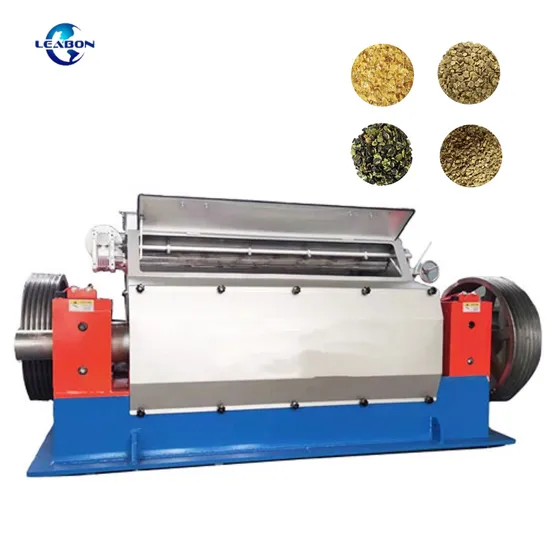
The flaking rollers constitute the most mechanically critical components, requiring materials capable of withstanding 200-400 bar pressure while maintaining precise gap tolerances of ±0.05mm across operating temperatures exceeding 150°C. Hardened alloy tool steel (typically AISI D2 or H13) with hard chrome plating (50-100 μm thickness) delivers the necessary surface hardness (60-65 HRC) and abrasive resistance for continuous 24/7 operations processing 1,000-2,000 kg hourly throughput. European and Middle Eastern high-volume facilities increasingly specify tungsten carbide thermal spray coatings for rollers exceeding 500mm diameter, though these require specialized resurfacing services and precision grinding equipment not readily available in all regional markets, potentially complicating long-term maintenance strategies.
Are aluminum alloys suitable for heat transfer components in maize flakes drying systems?
Aluminum alloys (6061-T6 or 7075) occasionally appear in air handling units, heat exchanger housings, and external climate control ducting, leveraging thermal conductivity coefficients 15 times superior to stainless steel for improved energy efficiency in drying sections. However, the abrasive nature of maize grits and steam condensation create erosion risks that can expose aluminum oxide particles to the product stream, violating food safety standards and creating metallic contamination hazards. Consequently, established manufacturers restrict aluminum usage to non-contact auxiliary systems, while insisting on stainless steel or carbon steel with specialized coatings for all product-contact drying components to ensure compliance with BRC and IFS certification requirements.
| Material | Typical Use Case for maize flakes making machine | Key Advantage | Key Disadvantation/Limitation | Relative Cost |
|---|---|---|---|---|
| AISI |
A stock image related to maize flakes making machine.
In-depth Look: Manufacturing Processes and Quality Assurance for maize flakes making machine
When investing in capital-intensive food processing infrastructure, understanding the fabrication methodologies and quality validation protocols behind maize flakes making machines enables procurement teams to assess long-term value beyond initial price points. Industrial-scale equipment destined for markets across Africa, South America, the Middle East, and Europe must withstand diverse operational environments—from high-humidity tropical climates to stringent EU hygiene regulations—while maintaining consistent throughput and flake integrity.
How Are Industrial Maize Flakes Machines Engineered for High-Volume Production?
Leading manufacturers employ Computer Numerical Control (CNC) machining centers to fabricate critical components such as flaking rollers and extrusion barrels, achieving tolerances within ±0.01mm to ensure uniform pressure distribution during the gelatinization process. The production workflow typically begins with plasma cutting of 304 or 316L stainless steel plates, followed by TIG welding performed by certified technicians to eliminate contamination risks in food-contact zones. For high-capacity lines exceeding 500kg/hour, finite element analysis (FEA) stress testing validates structural integrity under continuous thermal cycling, preventing metal fatigue that could compromise operational safety in 24/7 production environments common in emerging markets.
What Material Specifications Ensure Food Safety Compliance in Maize Flakes Equipment?
Food-grade stainless steel construction represents merely the baseline; sophisticated buyers should verify surface finish treatments that reduce bacterial adhesion risks. Electropolishing of contact surfaces achieves Ra ≤ 0.8μm roughness levels, exceeding FDA and EU 1935/2004 standards while facilitating Clean-in-Place (CIP) protocols essential for BRCGS-certified facilities. Non-metallic components—including gaskets, seals, and conveyor belts—must demonstrate migration testing compliance for plastic materials in contact with food. For operations in Brazil or German markets specifically, equipment should incorporate ATEX-certified electrical components if processing flammable corn dust atmospheres, alongside IP65-rated enclosures that withstand aggressive washdown procedures.
Which Quality Assurance Protocols Validate Machine Performance Before Delivery?
Reputable suppliers implement multi-stage inspection regimes beginning with incoming raw material certification and dimensional verification using coordinate measuring machines (CMM). During assembly, pressure testing of steam jackets and pneumatic systems occurs at 1.5 times operational capacity to identify potential leakage points before shipment. Factory Acceptance Testing (FAT) protocols should demonstrate actual production runs using the buyer’s specified maize varieties, verifying that moisture content, flake thickness (typically 0.3–0.8mm), and bulk density meet contractual specifications. For African and Middle Eastern markets where voltage fluctuations are common, manufacturers should simulate ±10% electrical variance testing to validate motor and PLC stability under unstable grid conditions.
How Does Precision Manufacturing Impact Flake Consistency and Yield Rates?
The interrelationship between roller gap calibration and thermal uniformity determines product quality variance. Precision-ground flaking rollers manufactured with concentricity within 0.02mm prevent thickness inconsistencies that lead to burning or undercooking during toasting. Advanced manufacturing facilities utilize laser alignment systems during final assembly to ensure parallel roller positioning across the entire 800–1200mm working width, critical for achieving the 95%+ first-pass yield rates demanded by European efficiency standards. Heat exchanger coils undergo hydrostatic testing and thermal imaging verification to eliminate cold spots that could cause uneven starch gelatinization, directly impacting the expansion ratio and crunch texture essential for consumer acceptance in competitive South American markets.
What Certifications Should International Buyers Demand From Maize Flakes Machine Manufacturers?
Beyond standard ISO 9001 quality management systems, procurement teams should prioritize suppliers holding ISO 22000 for food safety management and CE marking for European Economic Area compliance. For Middle Eastern operations, Halal certification of lubricants and construction materials facilitates market access, while GOST-R certification remains essential for certain regional export requirements. Documentation packages must include material traceability certificates (3.1 mill certificates for stainless steel), welding procedure specifications (WPS), and non-destructive testing (NDT) reports for pressure vessels. Comprehensive spare parts availability guarantees—supported by localized service networks in target regions—often indicate manufacturing maturity more reliably than equipment specifications alone, ensuring minimal downtime when wear components require replacement in remote production facilities.
By scrutinizing these manufacturing and quality assurance dimensions, B2B buyers transform equipment procurement from a transactional purchase into a strategic partnership that safeguards operational continuity across diverse geographical and regulatory landscapes.
Practical Sourcing Guide: A Step-by-Step Checklist for ‘maize flakes making machine’
Procuring industrial maize flakes making machinery requires strategic evaluation beyond basic specifications. International buyers must navigate technical standards, cross-border logistics, and long-term operational support to secure equipment that aligns with production goals and regional compliance requirements. This checklist provides actionable steps to mitigate procurement risks, optimize supply chain efficiency, and ensure your investment delivers consistent ROI from commissioning through full-scale operation.
1. How to Determine Optimal Production Capacity and Line Configuration?
Analyze your target market demand and raw material availability to define daily output requirements, whether you require 100kg/hour pilot-scale equipment or industrial lines exceeding 500kg/hour. Consider whether you need a complete integrated line—from cleaning and steam cooking to flaking and drying—or modular additions to existing infrastructure. Request detailed technical drawings showing spatial requirements and utility specifications (steam, electricity, water) to ensure facility compatibility before finalizing specifications.
2. What Material Standards Guarantee Food Safety and Equipment Longevity?
Prioritize 304 or 316 stainless steel construction for all product-contact surfaces to prevent corrosion and ensure compliance with FDA, CE, or local hygiene regulations. Verify that flaking rollers and drying chambers feature food-grade finishes and easy-clean designs. For humid climates common in Brazil or parts of Africa, confirm that electrical components carry appropriate IP ratings and rust-resistant coatings to withstand environmental stressors.
3. Which Automation Features Maximize Operational Efficiency?
Evaluate PLC-controlled systems with HMI interfaces that allow precise adjustment of flake thickness, moisture content, and toasting parameters. Look for automated feeding systems and temperature controls that reduce manual intervention while maintaining consistency. Ensure the control panel supports multiple languages—including Portuguese for Brazilian operators or Arabic for Middle Eastern facilities—and includes diagnostic capabilities to minimize downtime during troubleshooting.
4. How to Vet International Suppliers for Reliability and Support?
Request references from existing installations in your target region, particularly from African or South American operations, to verify performance in similar climatic conditions. Confirm the supplier provides comprehensive documentation including operation manuals, maintenance schedules, and spare parts catalogs in your preferred language. Validate their capability to dispatch technicians for installation supervision and operator training, and clarify response time commitments for remote technical support.
5. What Comprehensive Costs Beyond FOB Pricing Should You Calculate?
Factor in import duties, customs clearance fees, and inland transportation to your facility. Budget for foundation work, utility connections, and potential facility modifications required for heavy equipment installation. Include ongoing costs for spare parts inventory, specialized tooling, and potential visa expenses for overseas technical support during commissioning to establish accurate total cost of ownership.
6. How to Ensure Regulatory Compliance and Seamless Customs Clearance?
Verify that equipment carries necessary certifications—CE marking for European markets, SASO for the Middle East, or INMETRO for Brazil. Request material composition certificates and electrical safety test reports to expedite customs inspections. Confirm that voltage specifications and plug configurations match local standards, or negotiate inclusion of necessary transformers and adapters in the supply contract to avoid installation delays.
A stock image related to maize flakes making machine.
Comprehensive Cost and Pricing Analysis for maize flakes making machine Sourcing
What Factors Determine the Total Cost of Ownership for Maize Flakes Equipment?
When evaluating maize flakes making machines, purchase price represents only 40-60% of your total investment. Entry-level semi-automatic lines suitable for emerging markets typically range from $8,000 to $25,000, while fully automated industrial systems exceeding 500kg/h capacity can command $50,000 to $200,000 or more. Material specifications significantly impact baseline costs—304 food-grade stainless steel construction adds 15-25% premium over carbon steel alternatives but ensures compliance with EU and GCC hygiene standards while reducing long-term corrosion risks in humid climates common in Brazil or West Africa.
How Do Production Capacities Influence Machine Pricing Tiers?
Capacity segmentation follows distinct economic brackets that align with operational scale. Small-scale operations (100-150kg/h) suit startup ventures in Nigeria or Peru, requiring minimal electrical infrastructure and compact 20-foot container shipping footprints. Mid-range systems (200-350kg/h) targeting supermarket supply chains in Germany or the UAE demand precision flaking rollers and automated drying tunnels, typically priced between $35,000-$80,000. High-capacity continuous lines (500kg/h+) integrate extrusion technology rather than traditional steam cooking, offering superior energy efficiency but requiring substantial upfront capital and specialized technical personnel.
What Are the Hidden Operational Costs Beyond Initial Purchase?
B2B buyers frequently underestimate auxiliary expenses that can add 30-40% to equipment costs. Import duties vary dramatically by region—Brazilian buyers face 18-25% industrial machinery tariffs, while Middle Eastern markets often offer duty exemptions for food processing equipment. Installation and commissioning services, essential for complex extrusion systems, typically cost $3,000-$8,000 excluding technician travel. Additionally, budget 2-5% annually of your equipment value for wear parts replacement; flaking rollers and extruder screws require replacement every 8,000-12,000 operating hours under heavy maize processing conditions.
How Should Regional Buyers Budget for Import and Installation Expenses?
Logistics considerations differ significantly across target markets. African buyers should verify 380V/50Hz three-phase compatibility—voltage transformers add $1,500-$3,000 if local infrastructure differs. European purchasers must ensure CE marking and EU machinery directive compliance to avoid costly retrofitting. For Middle Eastern operations, factor climate-controlled storage during shipping to prevent electronic component damage from extreme heat. Always negotiate Incoterms carefully: FOB pricing from Chinese manufacturers saves 10-15% versus CIF but requires experienced freight forwarders familiar with food machinery customs classifications in São Paulo or Lagos ports.
ROI Considerations: Most mid-scale operations achieve break-even within 14-18 months when operating at 70% capacity, assuming local maize sourcing costs remain below $0.40/kg. Prioritize suppliers offering modular upgrade paths—starting with basic flaking units and expanding to automated packaging integration prevents over-capitalization while allowing production scaling aligned with market demand.
Alternatives Analysis: Comparing maize flakes making machine With Other Solutions
When evaluating capital equipment for breakfast cereal manufacturing, procurement teams must weigh the dedicated maize flakes making machine against alternative processing methodologies that may better align with specific production scales, facility constraints, or capital limitations. While integrated production lines offer continuous automation and standardized output, traditional batch systems and extrusion technologies present distinct operational paradigms—each carrying unique implications for labor requirements, product authenticity, and long-term scalability across diverse markets from Brazil to Germany.
| Comparison Aspect | Maize Flakes Making Machine (Integrated Line) | Traditional Batch Cooking & Flaking | Direct Extrusion (Twin-Screw) System |
|---|---|---|---|
| Performance (Capacity/Consistency) | 100–2000 kg/h continuous; uniform flake quality | 50–300 kg/h batch-dependent; variable texture | 300–3000 kg/h; highly consistent expanded output |
| Cost (Initial Investment) | $150,000–$800,000 | $30,000–$120,000 | $80,000–$400,000 |
| Operational Expenditure | Moderate utilities; minimal labor | High labor costs; elevated steam/water waste | Low labor; high energy density processing |
| Ease of Implementation | Complex 8–12 week setup; requires technical training | Simple 2–4 week deployment; minimal expertise | Moderate 4–6 weeks; PLC-controlled automation |
| Product Characteristics | Authentic toasted, crunchy flake structure | Artisanal texture; customizable thickness | Uniform expanded cells; lighter mouthfeel |
| Raw Material Flexibility | Requires specific maize grits size | Flexible (various grains/grits) | High (flours, starches, multigrain blends) |
| Scalability | Linear expansion via modular sections | Limited by batch kettle capacity | Easy throughput adjustment via screw speed |
Is Traditional Batch Processing Cost-Effective for Emerging Markets?
This conventional approach utilizes standalone steam cookers coupled with manual or semi-automatic flaking rollers, requiring significant operator intervention throughout gelatinization and drying phases. While the initial capital outlay remains substantially lower than automated lines—making it attractive for specialty producers in Africa and South America—labor costs escalate with volume, and batch-to-batch consistency presents ongoing quality control challenges. Facilities choosing this method typically serve niche markets where artisanal texture variations command premium pricing, though scaling beyond 500 kg/day often becomes economically inefficient compared to continuous systems. Additionally, these configurations demand substantial floor space for drying tunnels, while utility consumption per kilogram of finished product runs 40–60% higher than modern integrated lines due to heat loss in open cooking vessels.
Can Extrusion Technology Replace Traditional Flaking in Cereal Manufacturing?
Twin-screw extrusion systems offer an alternative pathway that bypasses traditional flaking altogether, instead using high-pressure thermal processing to create expanded cereal shapes directly from maize flour or grits. This technology dramatically reduces processing steps—eliminating separate cooking, drying, and flaking stages—while delivering superior throughput per square meter of factory space. However, the resulting product possesses a distinctly different mouthfeel and density compared to authentic rolled flakes, positioning it as a cost-competitive alternative for snack markets and budget cereal segments rather than premium breakfast categories. European and Middle Eastern manufacturers increasingly adopt hybrid approaches, utilizing extrusion for high-volume base production while reserving traditional flaking equipment for premium product lines. The technology particularly suits regions with limited steam infrastructure but reliable electrical supply, as extruders rely primarily on thermal barrel heating rather than industrial boiler systems.
Essential Technical Properties and Trade Terminology for maize flakes making machine
When evaluating maize flakes manufacturing equipment for international procurement, understanding precise technical specifications and industry nomenclature ensures accurate supplier communication and equipment compatibility with local operational standards. Below are the critical technical properties and trade terms essential for B2B decision-making across diverse markets.
What Extrusion Configuration Delivers Optimal Maize Gelatinization?
The extrusion system represents the core processing unit, with twin-screw extruders generally preferred over single-screw variants for maize flakes due to superior mixing capability and higher shear rates. Critical specifications include the L/D ratio (length-to-diameter ratio), typically ranging from 15:1 to 25:1, which determines residence time and cooking intensity. Buyers should verify screw configuration options—modular screw elements allow customization for different maize grits sizes and desired expansion ratios. The die head pressure capacity (measured in bar or MPa) directly influences flake density and texture consistency.
Which Material Standards Ensure Food Safety Compliance?
Food-grade stainless steel 304 or 316L construction is non-negotiable for all product-contact surfaces, with 316L offering superior corrosion resistance for high-humidity environments common in tropical African or South American facilities. Verify surface finish ratings (typically Ra ≤ 0.8μm) to prevent microbial adhesion and ensure easy cleaning. Non-contact frames may utilize carbon steel with epoxy coating, but internal augers, barrels, and cutting mechanisms must maintain metallurgical certifications traceable to international food safety standards.
How Do Thermal Control Zones Affect Flake Quality?
Modern systems feature multi-zone temperature control with independent PID controllers for pre-conditioning, extrusion, and post-extrusion cooling. Look for steam injection capabilities (direct or indirect) achieving 120°C–180°C for proper starch gelatinization. Cooling conveyor specifications—including belt speed variability and ambient air exchange rates—prevent case-hardening and ensure uniform moisture content before flaking.
What Production Capacity Metrics Matter for Scale-Up Planning?
Manufacturers typically rate equipment by hourly throughput (kg/hour) or daily output (tons/day), distinguishing between nominal capacity and actual sustained production rates. Clarify whether specifications reflect raw maize input or finished flake output, as moisture loss during processing creates significant variance. Continuous processing capability versus batch-mode operation impacts labor costs and consistency for large-scale Middle Eastern or European operations.
Why Does “Flaking Roll Gap Calibration” Determine Product Uniformity?
This critical trade term refers to the precise distance between counter-rotating flaking rollers, typically adjustable between 0.3mm–1.2mm. Hydraulic roll gap control systems maintain consistent pressure regardless of thermal expansion during operation. Improper calibration creates “fines” (dust particles) or oversized clusters, directly impacting packaging efficiency and retail presentation.
How Do “Tempering” and “Conditioning” Influence Shelf Stability?
Tempering describes the controlled moisture equilibration period (2–4 hours) where extruded maize grits rest in insulated bins to allow uniform water distribution. Conditioning refers to the gentle heating (40°C–60°C) and humidification process preceding flaking. These steps prevent brittle flakes and ensure proper gelatinization rates (typically 85%–95% starch conversion), which directly correlate with digestibility and bowl-life in milk.
What Do Incoterms and “Commissioning Support” Mean for Total Cost?
Beyond equipment specifications, B2B buyers must clarify FOB (Free On Board) versus CIF (Cost, Insurance, Freight) shipping terms, determining where risk transfers from seller to buyer. Commissioning refers to the supplier’s technical installation and trial production support, while spare parts kits (wear parts like die inserts and cutter blades) should be negotiated within initial procurement to avoid extended downtime in remote locations.
Navigating Market Dynamics and Sourcing Trends in the maize flakes making machine Sector
The maize flakes manufacturing sector is experiencing significant transformation as global demand for convenient breakfast cereals and snack ingredients accelerates across emerging and established markets. For B2B procurement teams evaluating capital investments, understanding regional market dynamics and evolving equipment specifications is critical to securing machinery that balances operational efficiency with long-term scalability
Frequently Asked Questions (FAQs) for B2B Buyers of maize flakes making machine
1. What is the typical price range for an industrial maize flakes making machine, and what factors influence the total investment?
Industrial maize flakes production lines typically range from $25,000 for entry-level models to over $300,000 for high-capacity, fully automated systems. The final investment depends on hourly output requirements, automation level (semi-automatic versus PLC-controlled), and construction materials, with food-grade 304 or 316L stainless steel commanding premium pricing over carbon steel alternatives.
Additional cost considerations include shipping and customs clearance for international procurement, installation and commissioning services, and operator training programs. Buyers should also budget for spare parts inventory and potential facility modifications, such as steam boiler installations or electrical upgrades, which are essential for operational readiness but often excluded from base equipment quotes.
2. How do I determine the optimal production capacity for my maize flakes manufacturing operation?
Production capacity requirements should align with your target market size, distribution radius, and raw material supply stability. Small-scale operations targeting local markets typically require 100-200 kg/hour systems, while regional distributors need 300-500 kg/hour lines, and large-scale exporters often invest in 800-2000 kg/hour continuous production systems.
Consider your expansion timeline when selecting capacity, as modular systems allow gradual scaling without complete replacement. Analyze your daily production targets against the machine’s actual runtime—factor in cleaning cycles, changeovers between recipes, and preventive maintenance windows, which typically reduce effective daily operating hours by 15-20%.
3. What are the key technical differences between maize flakes and corn flakes production equipment?
While maize and corn refer to the same grain species, regional processing traditions create distinct equipment requirements. Maize flakes production for African and Latin American markets often utilizes grits-based processes with shorter cooking cycles and higher-pressure flaking rollers, whereas traditional corn flakes manufacturing employs whole grain cooking and extended toasting for the characteristic sweet, crispy breakfast cereal texture.
Equipment versatility varies by manufacturer; some systems accommodate both profiles through adjustable steam injection parameters and variable flaking roller gaps. If producing both savory snack flakes (maize) and sweet breakfast cereals (corn), verify that the extrusion system supports rapid recipe changeovers and that the drying section offers sufficient temperature range flexibility for different moisture content targets.
4. Which criteria should I use to evaluate and select a reliable industrial maize flakes making machine manufacturer?
Prioritize manufacturers with demonstrated experience in your target export regions, particularly those with reference installations in Brazil, Nigeria, Germany, or the Middle East that you can visit or contact. Verify international certifications such as CE marking for European compliance, ISO 22000 for food safety management, and NSF certification where applicable, ensuring the equipment meets your destination country’s import regulations.
Assess the supplier’s technical support infrastructure, including the availability of English, Portuguese, or Arabic-speaking engineers, and their spare parts logistics network. Leading manufacturers typically provide comprehensive documentation, remote diagnostic capabilities, and partnerships with local service agents in key markets to minimize downtime during critical production periods.
5. What material specifications and hygiene standards should I prioritize when sourcing maize flakes processing equipment?
Insist on food-contact surfaces constructed from 304 or 316L stainless steel, which resist corrosion from acidic ingredients and withstand aggressive cleaning protocols. The 316L grade offers superior chloride resistance for humid tropical environments common in African and South American operations, while 304 remains sufficient for standard dry processing conditions.
Ensure the design incorporates sanitary features such as sloped surfaces for drainage, minimal threaded connections in product zones, and Clean-In-Place (CIP) compatibility for automated sanitation. Request compliance documentation regarding FDA, EU 1935/2004, or local food contact material regulations, and verify that electrical components carry IP
Important Disclaimer & Terms of Use
⚠️ Important Disclaimer
The information provided in this guide, including content regarding manufacturers, technical specifications, and market analysis, is for informational and educational purposes only. It does not constitute professional procurement advice, financial advice, or legal advice.
B2B buyers must conduct their own independent and thorough due diligence before making any purchasing decisions. The risk of relying on any information in this guide is borne solely by the reader.
Top 2 Maize Flakes Making Machine Manufacturers & Suppliers List
1. CornProcess – Corn Processing
2. WM Machinery – Corn Flakes Manufacturing Machine

Domain: wmmachinery.com
Registered: 2022 (4 years)
Introduction: Product Name: Corn Flakes Manufacturing Machine (also referred to as Corn Flake Making Machine, Maize Flakes Making Machine, Puff Corn Making Machine). Manufacturer: Zhengzhou Wenming Machinery Co.,Ltd. Key Components and Specifications: 1) Mixer (Model WM-XTX-BF): 4kW power, dimensions 1m×0.6m×0.8m, weight 180kg, function: mixing raw materials; 2) Screw Feeder (Model WM-XTX-SL): 0.75kW power, dim…
Strategic Sourcing Conclusion and Outlook for maize flakes making machine
The global breakfast cereal market continues to evolve, demanding equipment that balances operational efficiency with adaptability to regional raw material variations. For procurement teams across emerging and established markets, the final selection of maize flakes making machinery represents more than a capital expenditure—it is a strategic commitment to production scalability and brand consistency.
How Can Buyers Future-Proof Their Equipment Investments?
Investing in modular, stainless steel configurations with IoT-enabled monitoring systems ensures your production line evolves alongside consumer trends toward fortified and gluten-free variants. Prioritize suppliers offering comprehensive technical documentation and localized spare parts networks, particularly when operating in regions with complex import regulations like Brazil or Nigeria.
What Sourcing Strategies Ensure Long-Term ROI?
Strategic partnerships with manufacturers providing turnkey installation and operator training minimize downtime risks while accelerating time-to-market. Evaluate total cost of ownership beyond initial pricing, considering energy efficiency ratings and automation capabilities that reduce labor dependencies in high-cost European markets or skills-scarce African regions.
Why Does Regional Supply Chain Resilience Matter?
Establishing relationships with equipment providers maintaining regional service hubs—whether in the Middle East or South America—safeguards against production interruptions. This geographic diversification of technical support, combined with flexible financing options, positions your facility to capitalize on growing regional demand while mitigating currency fluctuation risks.