
The Global Breakfast Revolution: Strategic Sourcing of Corn Flakes Extrusion Systems from China
With the global breakfast cereal market projected to exceed \$62 billion by 2027, growing at a CAGR of 4.2%, the demand for high-capacity, precision-engineered corn flakes production lines has reached unprecedented levels. For international investors and facility operators, the selection of extrusion technology partners has become a critical determinant of both operational profitability and market competitiveness. China’s food processing machinery sector—currently supplying approximately 35% of global extrusion equipment exports—has evolved from cost-advantage manufacturing to technology-driven precision engineering, offering sophisticated solutions that rival European counterparts at significantly optimized CAPEX levels.
Extrusion Technology: The Critical Production Differentiator
Modern corn flakes manufacturing hinges on advanced twin-screw extrusion systems capable of achieving material utilization rates exceeding 95% while maintaining precise gelatinization control (typically 85-95% starch conversion). Unlike conventional flaking mills, contemporary extrusion-cooking systems enable continuous production workflows, reducing raw material waste by 20-30% compared to batch processing methods. The integration of PLC-controlled temperature zones (±1°C accuracy), variable screw configurations (L/D ratios of 15:1 to 25:1), and real-time moisture monitoring systems has transformed breakfast cereal production from artisanal-scale operations to industrial-grade manufacturing with throughput capacities ranging from 200kg/h to 2,000kg/h per line.
Production Efficiency Metrics Driving Investment Decisions
In an industry where energy costs represent 15-18% of total operational expenditure, modern Chinese-manufactured extrusion lines now deliver specific energy consumption rates below 0.35 kWh/kg—representing a 40% improvement over legacy systems. Automation integration, including CIP (Clean-in-Place) systems reducing sanitation downtime by 60% and AI-driven quality control with defect detection rates of 99.7%, has elevated Overall Equipment Effectiveness (OEE) benchmarks to 85%+ in optimally configured facilities. These efficiency gains translate directly to ROI acceleration, with well-specified lines achieving payback periods of 18-24 months in high-volume operations.
China’s Manufacturing Ecosystem Advantage
The convergence of complete stainless steel supply chains, ISO 22000-certified component manufacturing, and modular design architectures has positioned Chinese manufacturers as strategic partners for scalable breakfast cereal operations. Current export data indicates that Chinese extrusion systems now command 28% of the European retrofit market and 45% of emerging economy greenfield investments, driven by competitive pricing without compromise on sanitary design standards (3A, EHEDG, and FDA compliance).
The following comprehensive analysis evaluates the top 10 corn flakes making machine manufacturers in China, assessed through rigorous criteria including extrusion technology innovation, production efficiency specifications, international certification portfolios, and post-installation technical support infrastructure. This data-driven ranking provides facility investors and operations directors with actionable intelligence to identify manufacturing partners capable of delivering consistent product quality, maximum uptime, and sustainable production economics in the competitive global breakfast foods sector.
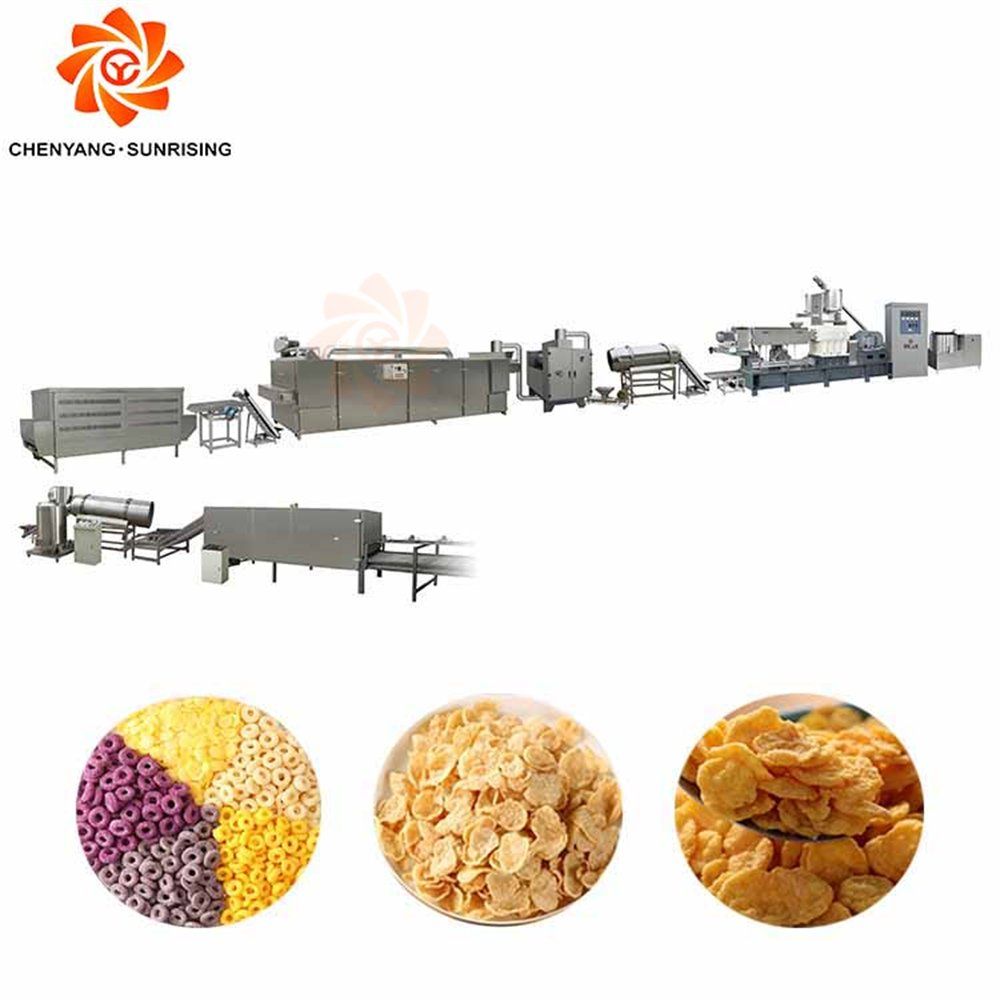
Best Corn Flakes Making Machine Manufacturers Suppliers & Factory List
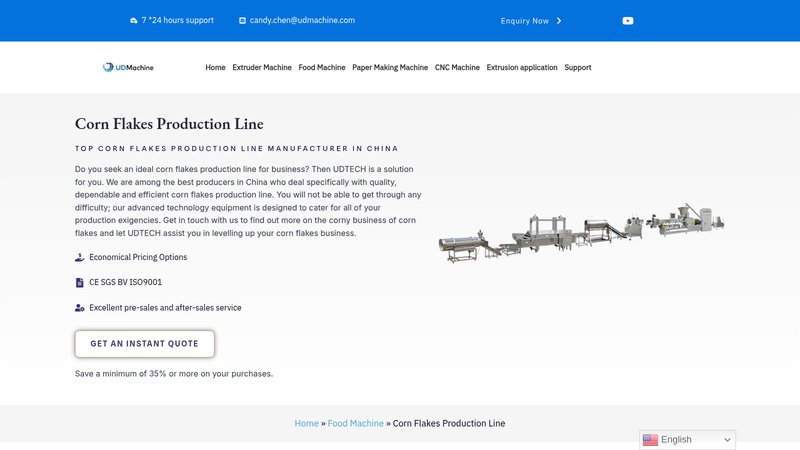


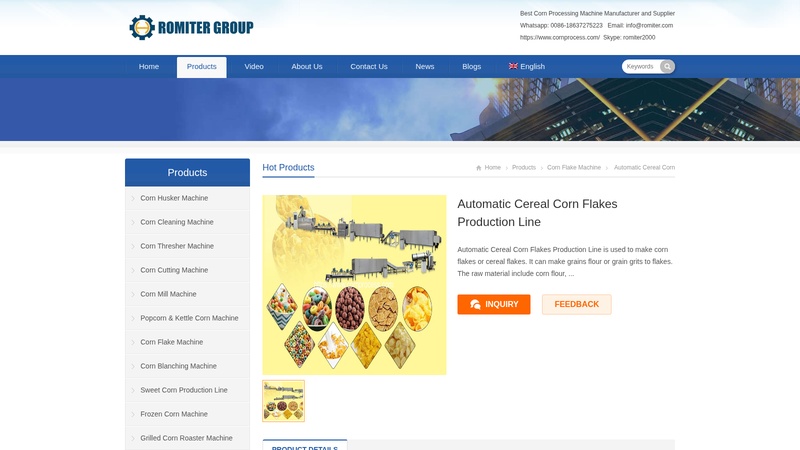

Sourcing Guide: Key Factors for Corn Flakes Making Machine Manufacturers
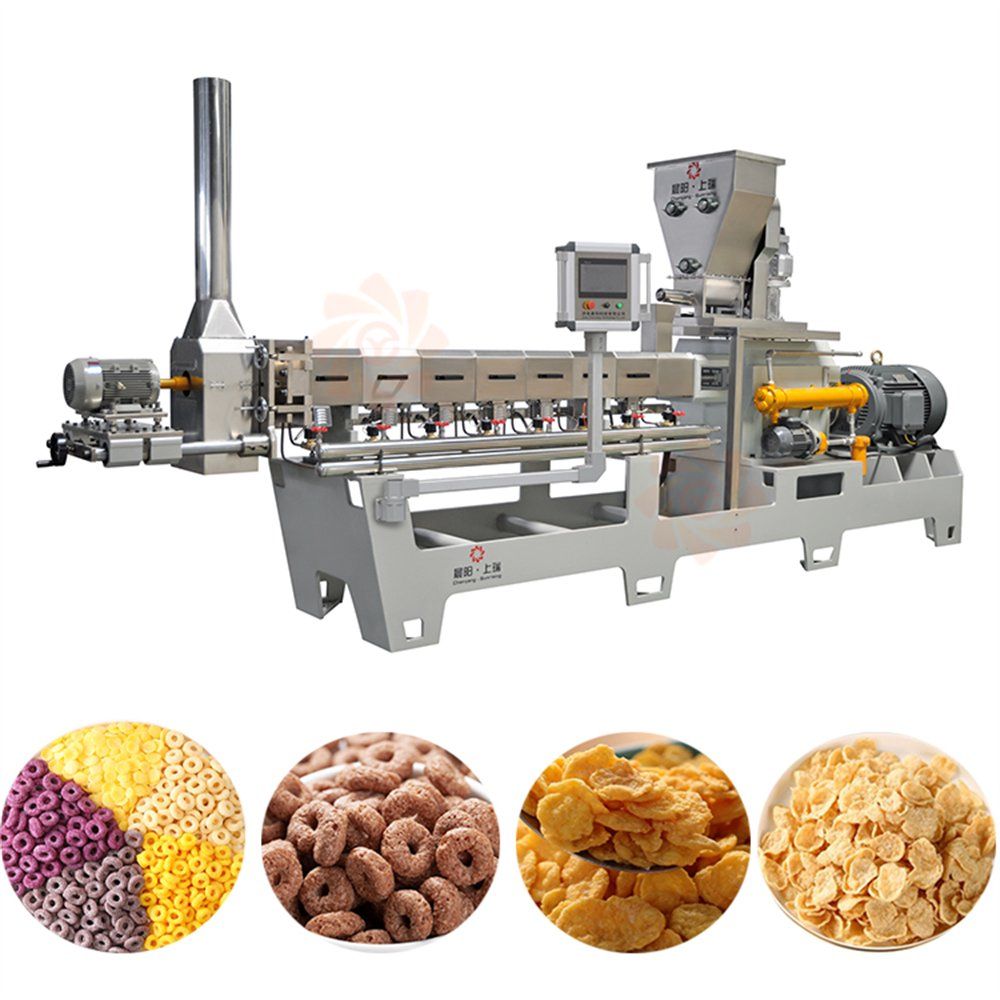
B2B Machinery Sourcing Guide: Evaluating Corn Flakes Making Machine Manufacturers from China
For international food processing investors and facility operators, sourcing extrusion-based breakfast cereal equipment from China represents a strategic opportunity to optimize capital expenditure without compromising production capabilities. However, the variance in engineering standards among Chinese manufacturers necessitates a rigorous technical evaluation framework. This guide provides institutional buyers with the critical assessment criteria to identify Tier-1 suppliers capable of delivering CE-compliant, high-throughput corn flakes production lines suitable for export-oriented markets.
When auditing potential manufacturing partners, prioritize these three technical pillars that directly impact operational efficiency, product consistency, and long-term asset depreciation:
Extrusion Screw Configuration and Barrel Design
The extrusion system constitutes the thermal and mechanical heart of corn flakes production. Demand detailed specifications on the Length-to-Diameter (L/D) ratio; for precooked corn flakes, insist on ratios between 15:1 and 20:1 to ensure adequate gelatinization of corn grits before flaking.
Evaluate the modular screw design—premium manufacturers utilize segmented screws with varying pitch configurations (compression, mixing, and metering sections) that allow process engineers to adjust shear rates based on corn moisture content (typically 18-22%) and desired expansion indices. Inquire about the barrel heating/cooling zones; sophisticated systems feature independent PID-controlled thermal zones (usually 5-7 zones) with ceramic band heaters and internal cooling channels to prevent thermal degradation of maize proteins.
Critical validation point: Request computational fluid dynamics (CFD) simulation data or reference installations demonstrating specific mechanical energy (SME) consumption below 0.15 kWh/kg for standard corn formulations, indicating efficient energy transfer and reduced operational costs.
Food-Grade Material Durability and Sanitary Construction
Material specification separates industrial-grade equipment from commodity machinery. Insist on AISI 304 or 316L stainless steel construction for all product-contact surfaces, with surface roughness (Ra) values not exceeding 0.8 μm to prevent microbial adhesion and facilitate CIP (Clean-in-Place) protocols.
Examine the die and cutter assemblies—these high-wear components should utilize hardened tool steel (H13 or D2 grade) with nitriding surface treatments achieving 60-65 HRC hardness to withstand abrasive corn particle erosion over 8,000+ operational hours.
Verify IP ratings for electrical enclosures; IP65 minimum is non-negotiable for food processing environments involving steam and washdown procedures. Additionally, confirm compliance with EC 1935/2004 and FDA 21 CFR materials regulations, requiring complete certification documentation—not just component declarations—from the manufacturer.
Automated Control Systems and Industry 4.0 Integration
Modern corn flakes lines require precision control across extrusion parameters, flaking roller gaps, and toasting oven profiles. Specify Siemens S7-1200/1500 or Allen-Bradley CompactLogix/ControlLogix PLC architectures with 10-inch+ industrial HMI touchscreens featuring multilingual interfaces (English, Spanish, Arabic, etc.).
Essential software capabilities include:
– Recipe management systems storing 50+ product formulations with automatic parameter adjustment for screw speed, barrel temperature, and roller pressure
– SCADA integration readiness with Modbus TCP/IP or Profinet protocols for centralized factory monitoring
– Automated alarm logging with HACCP-compliant data retention (minimum 12 months) for traceability requirements
Advanced manufacturers now offer IoT-enabled predictive maintenance modules utilizing vibration sensors on critical bearings and screw drives, transmitting real-time data to cloud-based dashboards. This functionality reduces unplanned downtime by 15-25%—a crucial ROI factor for high-volume operations running 24/7 schedules.
Additional Due Diligence Protocols
Beyond these technical factors, institutional buyers should:
-
Verify CE Marking Authenticity: Request the Declaration of Conformity and NB (Notified Body) certificates for the Machinery Directive 2006/42/EC and Low Voltage Directive 2014/35/EU. Cross-reference certificate numbers with EU databases to eliminate documentation fraud.
-
Assess Spare Parts Logistics: Evaluate the manufacturer’s inventory of critical wear parts (screw elements, die inserts, cutter blades) in overseas warehouses. Tier-1 suppliers maintain 48-hour emergency shipment capabilities to minimize production interruptions.
-
Conduct Virtual Factory Acceptance Testing (FAT): Before final payment, witness live trials using your specific corn variety and moisture specifications via video conference, verifying throughput rates (typically 200-2000 kg/h for standard lines) and flake thickness consistency (±0.1mm tolerance).
Conclusion
Selecting a Chinese corn flakes machinery manufacturer requires moving beyond price-centric procurement toward technical capability assessment. By rigorously evaluating screw engineering precision, sanitary material specifications, and control system sophistication, investors secure production assets capable of meeting global food safety standards while delivering the operational efficiency necessary for competitive breakfast cereal manufacturing.
Engage manufacturers who demonstrate willingness to customize extrusion parameters for your specific corn hybrid and who provide comprehensive commissioning support including operator training and process optimization services. This partnership approach transforms machinery procurement from a transactional purchase into a long-term production capability investment.
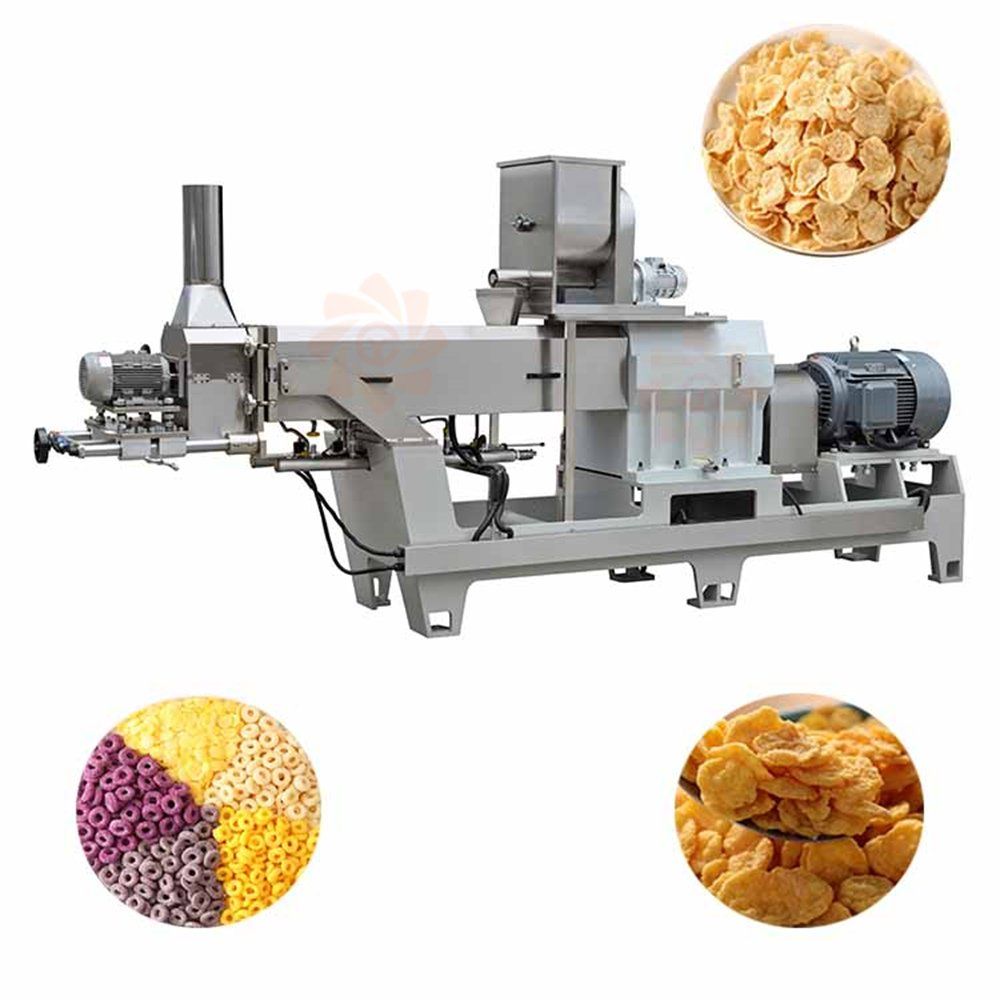
Why Experience Matters in Corn Flakes Machinery Selection
Selecting an experienced manufacturer for corn flakes production equipment is not merely a procurement decision—it is a strategic investment in operational reliability and product integrity. Seasoned manufacturers bring critical competencies that directly impact your bottom line:
1. Technical Precision & Process Mastery
Corn flakes production demands exacting control over extrusion parameters, thermal profiles, and flaking compression. Veteran factories possess the process knowledge to engineer equipment that delivers consistent bulk density, moisture content, and expansion ratios—factors that determine crunch texture, bowl life, and ultimately, market acceptance.
2. Regulatory Compliance & Hygienic Design
Established manufacturers understand global food safety standards (FDA, CE, BRC, GMP) and construct machinery using food-grade stainless steel with CIP (Clean-in-Place) capabilities, mitigating contamination risks and compliance liabilities.
3. Operational Efficiency & OEE Optimization
Experienced suppliers engineer for high Overall Equipment Effectiveness—minimizing energy consumption, reducing raw material waste, and ensuring your line maintains commercial-scale throughput without costly downtime.
4. Lifecycle Support & Recipe Optimization
Beyond installation, seasoned partners provide robust after-sales networks, spare parts availability, and technical consultation for recipe refinement—essential for long-term production stability and product innovation.
Your Strategic Partner in Extrusion Excellence: Jinan Dayi Extrusion Machinery Co., Ltd
When your operation demands proven extrusion expertise backed by decades of real-world production data, Jinan Dayi Extrusion Machinery Co., Ltd stands as your global manufacturing partner.
Engineering Breakfast Cereal Solutions Since 1996
With over 20 years of specialization in advanced food extrusion technology, Dayi has established itself as a leader in high-efficiency extrusion machinery. Since our founding in 1996, we have engineered production solutions for food manufacturers across six continents, transforming raw material potential into market-leading consumer products.
The Dayi Advantage:
• Dedicated Expert Team
Our engineering collective combines precision mechanical design with deep food science expertise, ensuring every extruder system is optimized for your specific recipe parameters, production targets, and facility constraints.
• High-Efficiency Extrusion Technology
Dayi’s proprietary extrusion systems deliver precise temperature control, shear management, and pressure consistency—critical for producing premium corn flakes with uniform thickness, optimal toast points, and extended shelf stability.
• Complete Turnkey Solutions
We engineer integrated production ecosystems encompassing raw material preprocessing, extrusion cooking, flaking, drying/toasting, coating, sugar spraying, and packaging—delivering seamless workflow from silo to shelf.
Comprehensive Production Portfolio
While our Corn Flakes Production Line represents a flagship solution utilizing advanced twin-screw extrusion technology, our manufacturing capabilities span the entire extruded food spectrum:
- Puffed snack food production lines
- Pet food production systems
- Tortilla chips and corn chip processing lines
- Fortified nutritional rice extrusion systems
- Infant nutrition and baby food production lines
- Bread crumb manufacturing lines
- 3D pellet snack technology
- Nutritional powder processing systems
- Soya chunk/textured vegetable protein lines
Ready to Optimize Your Production?
Whether scaling existing breakfast cereal operations or entering the market with innovative flake formulations, Jinan Dayi provides customized extrusion architectures tailored to your capacity requirements, utility specifications, and product differentiation goals.
Contact our technical sales team today to discuss your corn flakes production challenges. Let Dayi deliver a turnkey solution engineered on 20+ years of extrusion excellence—ensuring your investment generates superior ROI from day one.
Jinan Dayi Extrusion Machinery Co., Ltd: Where Experience Meets Innovation