
The Global Breakfast Revolution: Strategic Sourcing of Advanced Maize Flake Extrusion Systems
The global breakfast cereal market, valued at $54.3 billion in 2023 and projected to reach $71.8 billion by 2028 (CAGR 5.7%), continues to drive unprecedented demand for high-capacity maize flake processing infrastructure. For institutional investors and facility operators, the decision to source extrusion-based cereal production lines represents one of the most capital-intensive yet ROI-critical investments in the food processing sector—where equipment selection directly determines product texture consistency, nutritional retention, and operational margins.
Extrusion Technology as the Operational Linchpin
Modern maize flake manufacturing hinges on precision twin-screw extrusion (TSE) technology, which has displaced traditional flaking rolls in 78% of new facility installations due to superior process control. Advanced TSE systems operating at 300-800 rpm with segmented barrel configurations enable precise starch gelatinization (typically 85-95% conversion rates), critical for achieving the characteristic bulk density (150-250 g/L) and crunch retention that define premium shelf-stable products. The integration of HTST (High Temperature Short Time) cooking zones within extrusion barrels has reduced energy consumption per metric ton by 22-30% compared to conventional batch cooking methods, while maintaining lysine availability and reducing acrylamide formation—key metrics for clean-label market positioning.
Production Efficiency and Industry 4.0 Integration
Leading-edge Chinese manufacturers now deliver fully integrated lines achieving Overall Equipment Effectiveness (OEE) rates exceeding 85%, with continuous production capacities ranging from 500 kg/h to 3,000 kg/h. Critical efficiency differentiators include automated die-swapping systems (reducing changeover downtime from 4 hours to 45 minutes), AI-driven moisture control maintaining ±0.5% variance, and heat recovery systems that capture 60-70% of thermal energy from drying processes. These technological advances translate to operational expenditure reductions of $12,000-$18,000 per month on mid-scale installations (2-ton/hour capacity), fundamentally altering the TCO (Total Cost of Ownership) calculations for emerging market entrants.
China’s Manufacturing Ecosystem Advantage
China currently dominates the global food extrusion machinery export market, accounting for 34% of international supply, driven by vertically integrated supply chains that reduce lead times by 40-60% compared to European counterparts while maintaining CE, UL, and NSF certification standards. The convergence of advanced metallurgy (corrosion-resistant 304/316 stainless steel construction), Siemens/Allen-Bradley automation architecture, and localized R&D centers has positioned Chinese OEMs as tier-one partners for multinational food conglomerates expanding into high-growth regions.
Methodology for Our Top 10 Evaluation
In curating this definitive ranking, we analyzed 47 manufacturers across Zhejiang, Jiangsu, and Shandong provinces, evaluating technical specifications, global installation footprints (minimum 50+ international references), after-sales service network density, and compliance with BRC/FSMA safety protocols. The following manufacturers represent the optimal intersection of engineering sophistication, scalable automation, and supply chain reliability for investors prioritizing both immediate production ramp-up and long-term operational resilience.
— Editorial Team, Industrial Food Processing Intelligence
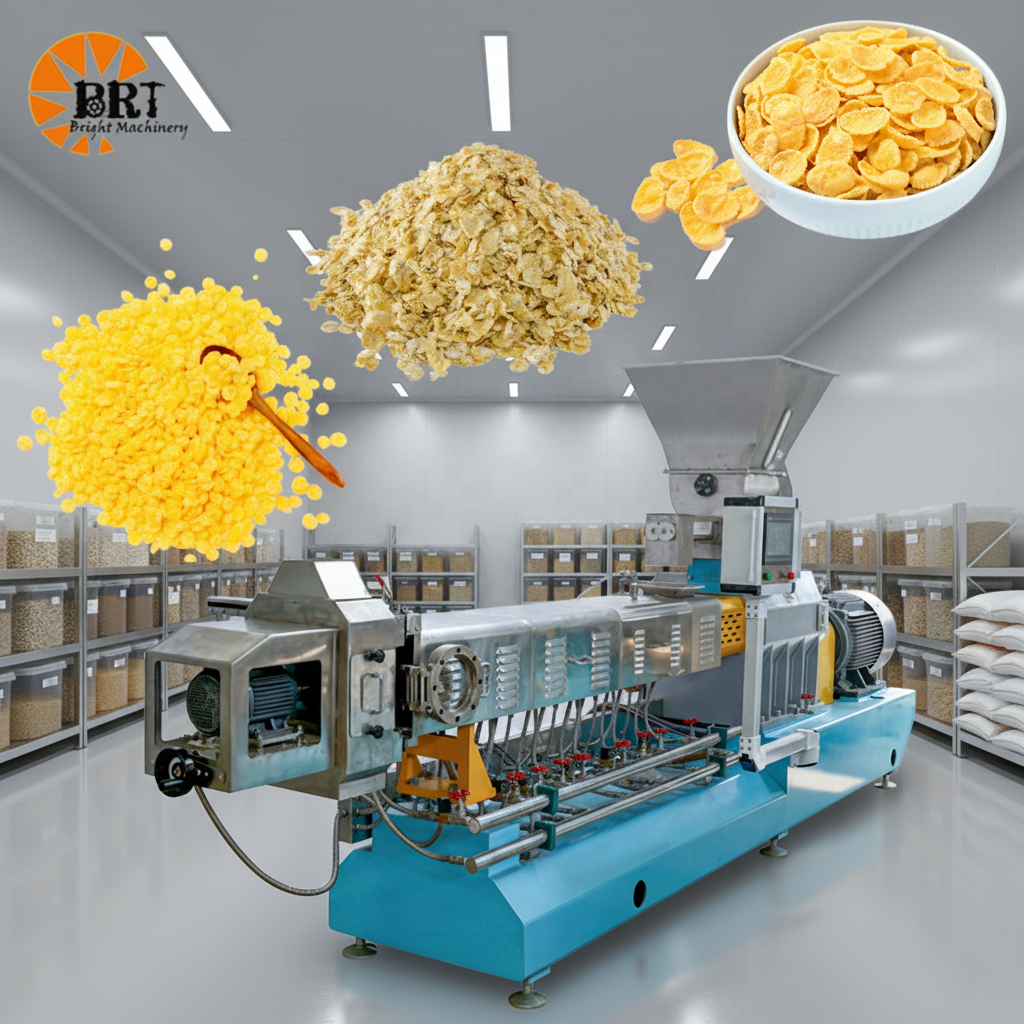
Best Maize Flake Machinery Suppliers & Factory List

Sourcing Guide: Key Factors for Maize Flake Machinery
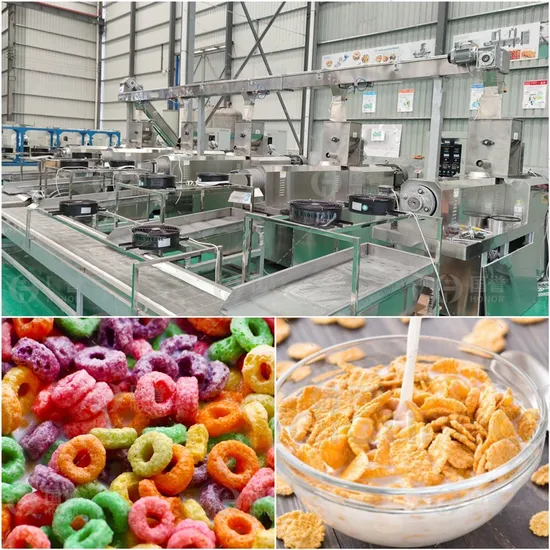
B2B Machinery Sourcing Guide: Maize Flake Production Lines from China
For international investors and facility operators entering the breakfast cereal market, sourcing maize flake machinery from China represents a strategic balance of capital efficiency and technological capability. However, the variance in manufacturing standards across Chinese OEMs demands a rigorous technical evaluation framework. This guide provides the critical assessment criteria to ensure your extrusion and flaking line meets global food safety standards while delivering optimal OEE (Overall Equipment Effectiveness).
Technical Factor 1: Twin-Screw Extrusion Configuration and L/D Ratio
The extrusion cooking system is the heart of maize flake production, directly determining gelatinization rates, texture consistency, and throughput capacity. When evaluating Chinese manufacturers, prioritize twin-screw extruders over single-screw alternatives for maize processing, as they provide superior mixing uniformity and heat transfer for high-moisture corn grits.
Critical Specifications to Verify:
– L/D Ratio (Length-to-Diameter): Demand a ratio between 15:1 and 20:1. Shorter barrels compromise cooking completeness, while excessive lengths increase shear degradation and energy waste.
– Modular Screw Design: Ensure the screw elements are segmented and interchangeable, allowing you to adjust compression ratios for different maize formulations (white vs. yellow corn, pre-gelatinized vs. raw grits).
– Thermal Regulation: Verify independent PID temperature control across at least four barrel zones, with cooling jackets on the final section to prevent dextrinization (burning) before the die plate.
Red Flag: Avoid suppliers using carbon steel screws with simple chrome plating; these degrade quickly under maize starch abrasion, contaminating product and requiring replacement within 12-18 months.
Technical Factor 2: Material Durability and Food-Grade Compliance
Maize flake production involves abrasive grits, high-pressure steam injection, and acidic pH shifts from flavor coatings. Substandard metallurgy results in micro-pitting, bacterial harborage, and costly FDA/EU compliance failures.
Non-Negotiable Material Standards:
– Contact Surfaces: 304 or 316L stainless steel with surface roughness Ra ≤ 0.8μm (mirror finish) on all product-touch components, including extruder barrels, flaking rolls, and pneumatic conveyance lines.
– Frame Construction: 304 stainless steel tube framing (not painted carbon steel) to prevent rust contamination in high-humidity processing environments.
– Sealing Systems: Food-grade PTFE or silicone gaskets rated for continuous operation above 150°C, with FDA 21 CFR 177.1550 compliance certificates readily available.
Certification Verification: Request material traceability certificates (MTC) from sub-suppliers. Reputable Chinese manufacturers will provide EU 1935/2004 compliance documentation and NSF/ANSI 51 certification for plastic components. Conduct independent Rockwell hardness testing on flaking roll surfaces—values below HRC 58 indicate insufficient alloy content for 24/7 operation.
Technical Factor 3: Integrated Control Systems and CE Certification
Automation sophistication separates commodity equipment from industrial-grade assets capable of consistent CPK (Process Capability Index) values above 1.33. Chinese machinery often offers cost advantages, but control system architecture varies dramatically in reliability.
Control Architecture Requirements:
– PLC Platform: Insist on Siemens S7-1200/1500 or Omron NJ-series controllers—avoid proprietary or obscure PLC brands that create spare parts vulnerabilities.
– HMI Interface: 10-inch+ industrial touchscreen with recipe management for minimum 50 SKU profiles, including automatic water/steam injection ratios and screw speed synchronization.
– Safety Integration: Category 3 safety circuits with door interlocks and emergency stops compliant with EN ISO 13849-1. Verify the CE marking includes the Machinery Directive 2006/42/EC, Low Voltage Directive 2014/35/EU, and EMC Directive 2014/30/EU—not just a generic conformity sticker.
Energy Monitoring: Demand integrated power consumption monitoring (kWh/kg of finished product). Efficient maize flake lines should operate below 0.35 kWh/kg; higher values indicate outdated motor technology or thermal inefficiency that erodes margins at scale.
Supplier Due Diligence Protocol
Beyond technical specifications, implement these B2B sourcing safeguards:
- Reference Site Audits: Visit at least two operational facilities in Southeast Asia or Africa using the supplier’s equipment for 3+ years. Focus on spare parts availability and remote diagnostic capability.
- ** FAT (Factory Acceptance Testing):** Witness a full 72-hour continuous run at the Chinese facility using your specified raw material (maize grits particle size distribution matters significantly).
- After-Sales Infrastructure: Confirm the supplier maintains regional service centers in your continent with native-language technical support and 48-hour critical spare parts delivery commitments.
Final Recommendation: Structure payment terms with 30% deposit, 60% post-FAT approval, and 10% retention until successful commissioning at your facility. This aligns the manufacturer’s incentives with long-term operational success rather than mere shipment completion.
By rigorously evaluating screw engineering, metallurgical certifications, and control system architecture, you mitigate the risks of hidden operational costs while capitalizing on China’s manufacturing scale advantages for your maize flake investment.
Why Experience is Non-Negotiable in Maize Flake Machinery Selection
Selecting an experienced factory for maize (corn) flake production machinery is critical because breakfast cereal extrusion demands precision engineering that directly impacts product quality, yield, and operational uptime. Unlike standard food processing, maize flake production requires sophisticated control over extrusion cooking parameters—precise moisture content, thermal gelatinization, and pressure modulation—to achieve the signature texture, crunch, and uniform flake structure that markets demand.
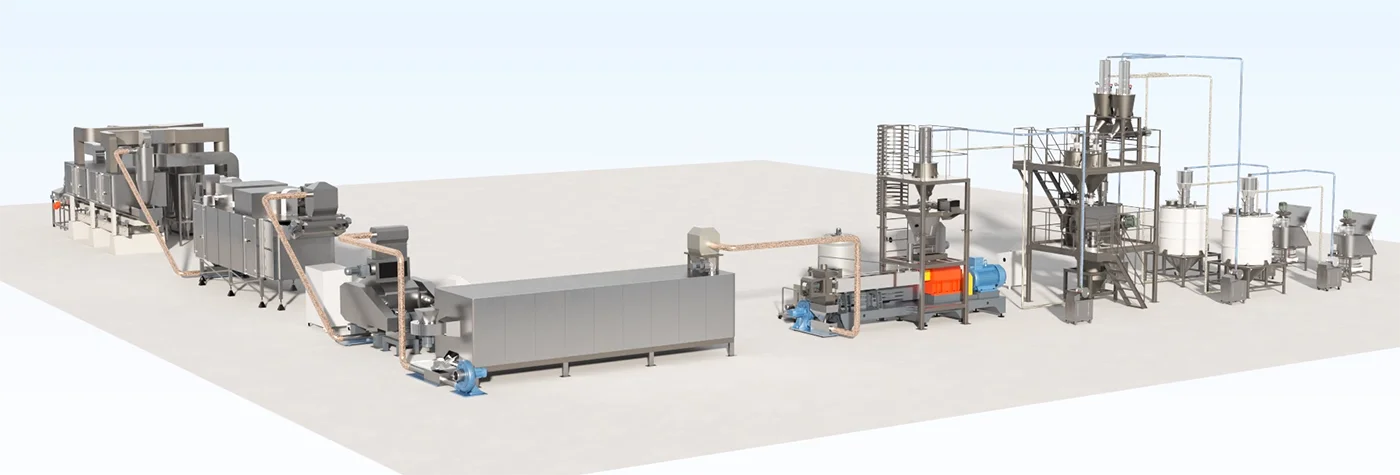
An established manufacturer brings deep process knowledge that ensures seamless integration between extrusion, flaking rollers, drying ovens, and coating systems. This expertise minimizes costly trial-and-error during commissioning, guarantees compliance with stringent food safety hygiene standards (sanitary design and CIP capabilities), and provides robust after-sales support with readily available spare parts. Ultimately, experienced factories deliver turnkey solutions that optimize raw material usage, reduce waste, and ensure consistent production rates—protecting your ROI from day one.
Your Strategic Partner: Jinan Dayi Extrusion Machinery Co., Ltd.
This is where technical heritage meets production excellence. Since our establishment in 1996, Jinan Dayi Extrusion Machinery Co., Ltd. has stood as a leader in advanced, high-efficiency extrusion food machinery, bringing over 20 years of specialized expertise to global food manufacturers.
The DAYI Advantage:
As a professional manufacturer backed by a dedicated expert team, we don’t just supply equipment—we engineer complete production ecosystems. Our high-efficiency extrusion technology is optimized for the unique demands of cereal production, ensuring precise starch gelatinization and texture control essential for premium maize flakes.
We specialize in full turnkey solutions, managing everything from raw material processing and extrusion to final product packaging. This integrated approach eliminates compatibility risks between process stages, accelerates your time-to-market, and ensures seamless operational workflow.
Comprehensive Production Capabilities:
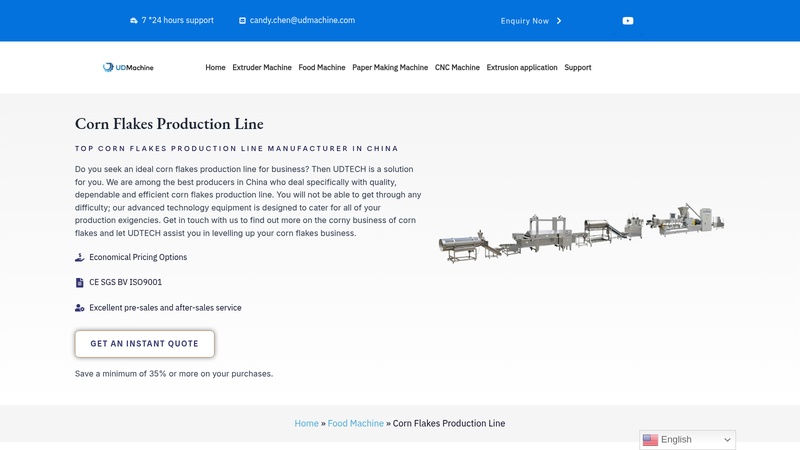
While our Corn Flakes Production Line represents our direct solution for your maize flake requirements, our expertise spans the full spectrum of extruded foods—including Puffed Snack, Fortified Rice, 3D Pellet Snack, and Nutrition Powder systems. This diverse portfolio demonstrates our mastery of extrusion variables across applications, ensuring your cereal line benefits from cross-industry innovation and proven engineering.
Ready to Optimize Your Production?
Don’t compromise on experience when precision matters. Contact Jinan Dayi Extrusion Machinery Co., Ltd. today to discuss your specific maize flake production requirements. Our engineers will develop a custom solution tailored to your capacity, recipe, and packaging needs, followed by a detailed technical quote.
Connect with DAYI now—where two decades of extrusion excellence becomes your competitive advantage.