
The Global Breakfast Revolution: Why Extrusion Technology Defines ROI in Compact Cereal Production
The global breakfast cereal market, valued at over \$62.7 billion in 2023 and projected to exceed \$90 billion by 2030, is undergoing a structural transformation driven by localized production and private-label proliferation. For investors and facility operators targeting the high-margin RTE (Ready-to-Eat) cereal segment, the Mini Corn Flakes Making Machine has emerged as a critical capital expenditure—offering entry-level scalability without compromising industrial-grade output. As Chinese manufacturing transitions from cost-competitive sourcing to precision-engineering leadership, selecting the right equipment partner requires rigorous evaluation of extrusion capabilities and operational efficiency metrics.
Extrusion Technology: The Thermal-Mechanical Advantage
At the core of modern corn flake production lies twin-screw extrusion technology—a continuous processing method that achieves precise starch gelatinization (typically 85-95%) while maintaining product density uniformity within ±2% variance. Unlike traditional flaking mills requiring separate cooking and drying stages, advanced extrusion systems integrate high-shear cooking, forming, and texturization in a single pass, reducing thermal degradation of heat-sensitive nutrients by up to 30%. For mini-scale operations (100-500 kg/h capacity), this translates to 40% lower energy consumption per kilogram compared to batch processing systems, directly impacting OEE (Overall Equipment Effectiveness) targets.
Production Efficiency as Competitive Imperative
Current food industry benchmarks demand mini processing lines achieve ≥92% uptime availability with changeover times under 45 minutes between recipe formulations. Leading Chinese manufacturers now integrate Industry 4.0 protocols—real-time screw speed modulation (0-600 RPM precision), automated moisture control (±0.5% accuracy), and predictive maintenance algorithms—enabling single-operator supervision ratios of 1:3 machines. This automation density addresses critical labor cost inflation in developed markets while ensuring compliance with FDA 21 CFR Part 117 and EU 1935/2004 food safety standards.
The China Sourcing Calculus
China’s food machinery sector now commands 34% of global extrusion equipment exports, with Shandong and Jiangsu provinces hosting concentrated clusters of CE-certified manufacturers capable of delivering TTM (Time-to-Market) cycles 20-30% shorter than European counterparts. However, variance in metallurgical standards (particularly 304 vs. 316L stainless steel utilization) and extruder barrel wear resistance (measured in Mohs hardness) creates significant divergence in TCO (Total Cost of Ownership) across suppliers.
The following comprehensive analysis evaluates the Top 10 Mini Corn Flakes Making Machine Manufacturers in China based on extrusion engineering sophistication, verified production throughput data, international certification portfolios, and aftermarket service infrastructure. For investors evaluating CapEx allocations between \$50,000-\$250,000, these rankings provide the technical due diligence required to mitigate operational risk while maximizing yield consistency in compact footprint installations.
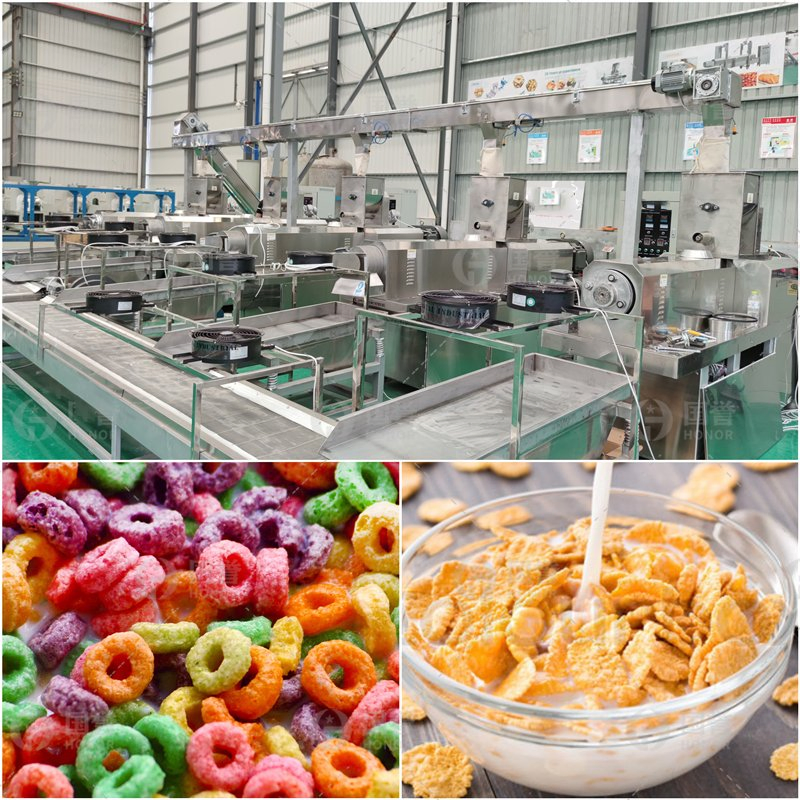
Best Mini Corn Flakes Making Machine Suppliers & Factory List
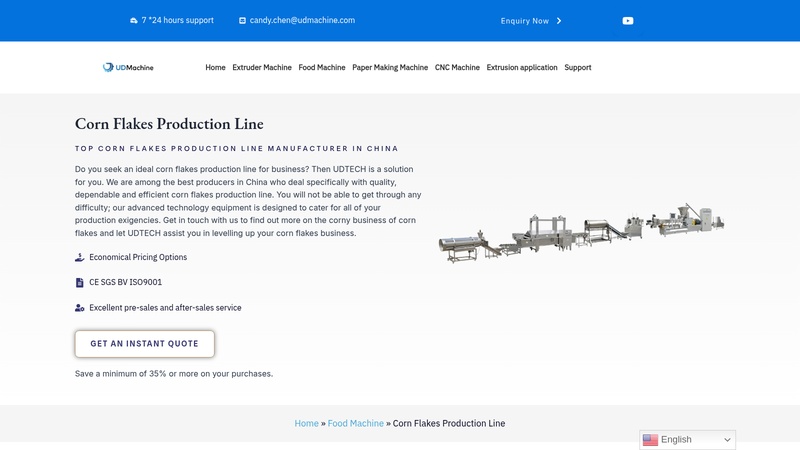





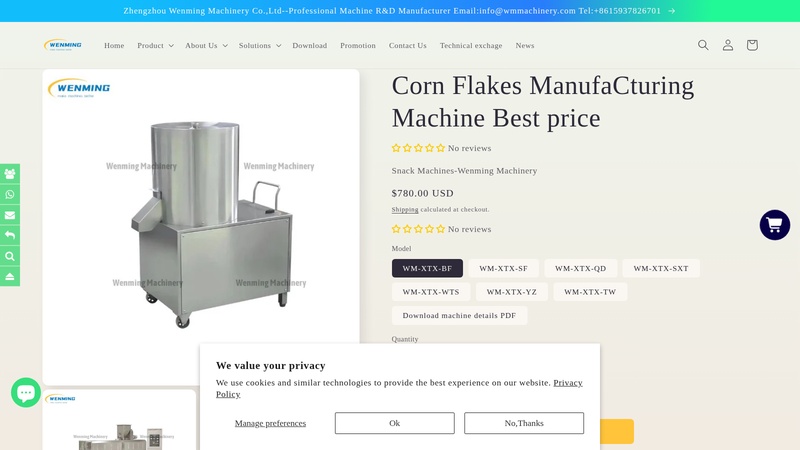



Sourcing Guide: Key Factors for Mini Corn Flakes Making Machine
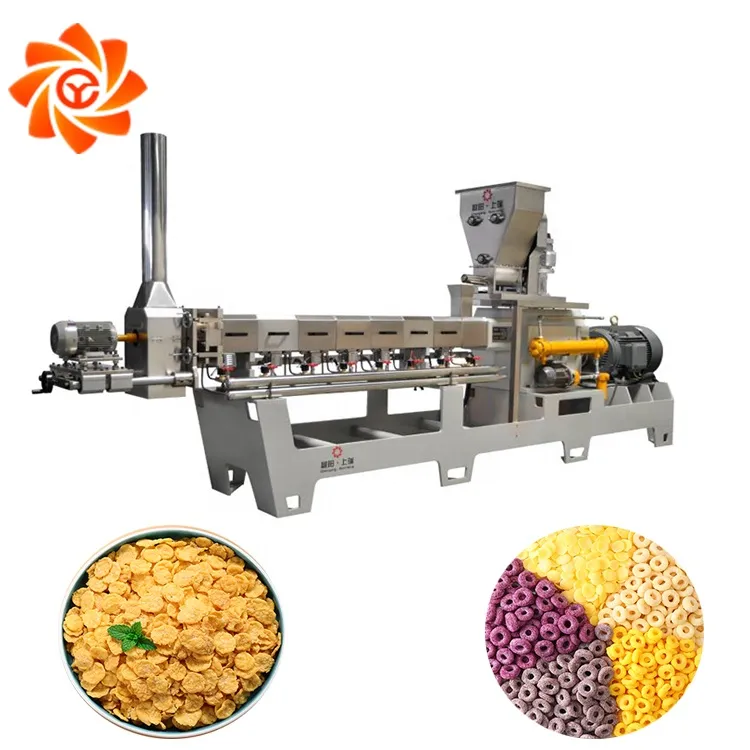
B2B Machinery Sourcing Guide: Mini Corn Flakes Making Machine
Strategic Procurement for Compact Breakfast Cereal Production Lines
For international investors and factory owners entering the breakfast cereal market or expanding artisanal production capabilities, sourcing a Mini Corn Flakes Making Machine from China represents a capital-efficient entry point. Unlike industrial-scale lines requiring 500kg/h+ output and massive facility footprints, these compact extrusion systems (typically 50-150kg/h capacity) offer lower MOQs, faster ROI, and flexibility for private-label manufacturing or niche market testing.
However, the “mini” designation should not imply compromised engineering standards. When evaluating Chinese manufacturers, focus on industrial-grade specifications scaled for precision rather than simply downsized hobbyist equipment. Below are the three critical technical determinants that separate viable production assets from costly procurement mistakes.
H3 Extrusion Screw Configuration & L/D Ratio Optimization
The screw assembly is the heart of corn flake extrusion, directly impacting gelatinization rates, texture consistency, and energy efficiency. For mini machines, twin-screw extrusion technology is non-negotiable—single-screw systems lack the mixing uniformity required for corn grits hydration and pre-gelatinization at smaller throughputs.
Critical Specifications to Verify:
– L/D Ratio (Length-to-Diameter): Demand a minimum 15:1 ratio, preferably 20:1. Higher ratios ensure sufficient residence time for starch modification at lower screw speeds (80-120 RPM), preventing shear damage to the corn matrix while maintaining 25-35% moisture content stability.
– Modular Screw Design: Insist on segmented screws with interchangeable conveying, kneading, and compression elements. This allows recipe adaptation (high-fructose vs. traditional formulations) without complete screw replacement.
– Screw Material: Look for 38CrMoAlA nitrided steel with surface hardness ≥HRC 60. Avoid standard carbon steel screws that corrode within 6 months under acidic corn processing conditions.
Red Flag: Manufacturers offering “universal” screws for both snack and cereal production typically compromise on flake-specific shear rates, resulting in inconsistent blistering during subsequent flaking and toasting operations.
H3 Food-Grade Material Durability & Sanitary Design
Mini machines often suffer from inadequate material specifications as suppliers cut costs on stainless steel grades. Given corn flakes’ hygroscopic nature and the high-temperature extrusion process (120-140°C), material integrity directly correlates with food safety compliance and equipment lifespan.
Non-Negotiable Material Standards:
– Contact Surfaces: 304 or 316L stainless steel construction for barrels, dies, and cutting assemblies. 201-grade stainless steel (common in budget machines) risks nickel leaching and pitting corrosion from corn’s natural acids.
– Die Plate Engineering: Multi-hole die plates (typically 2.5-4.0mm diameter) must feature tungsten carbide inserts or nitrided treatment to withstand abrasive corn grits. Standard steel dies erode within 3 months, altering extrudate density and causing irregular flake formation downstream.
– Sanitary Welding: Verify TIG welding with Ra ≤0.8μm surface finish on internal seams. Poor weld quality creates bacterial harborage points that violate HACCP protocols during 8+ hour production runs.
Durability Testing: Request material certificates (MTC) and salt spray test reports (ASTM B117) demonstrating 500+ hours corrosion resistance. Reputable suppliers provide 5-year warranties on barrels and screws when proper 304SS materials are used.
H3 PLC Control Systems & Industry 4.0 Integration
While mini machines occupy smaller footprints, they must deliver precision comparable to industrial lines. Manual temperature and speed controls introduce unacceptable variance in expansion ratios—a 2°C barrel temperature fluctuation can alter flake density by 15%, affecting packaging yields and bowl-life stability.
Control System Requirements:
– Multi-Zone PID Temperature Control: Independent heating zones (feed, compression, metering, die) with ±1°C accuracy using ceramic band heaters and thermocouple feedback loops. Avoid machines with single-zone heating that creates thermal gradients.
– HMI Touchscreen Interface: 7-inch or larger color touchscreen with recipe memory storage (minimum 20 profiles) for quick changeovers between corn flakes, frosted variants, and mixed-grain formulations.
– Remote Monitoring Capability: Ethernet or Wi-Fi enabled PLCs (Siemens S7-1200 or Mitsubishi FX5U series) allowing real-time monitoring of motor load, barrel pressure (critical for die life), and specific mechanical energy (SME) values from mobile devices.
Safety Integration: Ensure the control panel carries CE certification (EN 60204-1 for electrical safety) and includes emergency stop circuits with Category 3 safety relays. For North American markets, verify UL508A compliance on control enclosures.
Secondary Evaluation Criteria
While the above three factors determine operational viability, evaluate these supporting elements during factory audits:
Power Consumption Efficiency: Mini lines should operate at 25-35kW total installed power (extruder + dryer + flaker). Request actual vs. rated power consumption data; inefficient motors indicate poor gearbox alignment or bearing quality.
After-Sales Technical Architecture: Confirm the supplier provides 3D installation diagrams, English-language electrical schematics, and video-based SOP training. The absence of detailed technical documentation often indicates OEM trading companies rather than actual manufacturers.
Scalability Pathway: Verify that the mini extruder can integrate with auxiliary equipment (rotary flakers, fluidized bed dryers, coating drums) from the same manufacturer to prevent compatibility issues during future capacity expansion.
Procurement Decision Matrix
When comparing quotations from Jinan, Zhangjiagang, or Guangzhou manufacturing hubs, weight your evaluation as follows:
– Technical Specification Compliance: 40%
– Material Certifications & Welding Quality: 30%
– Control System Sophistication: 20%
– Price Competitiveness: 10%
Avoid selecting based on unit price alone—a $8,000 machine requiring screw replacement every 6 months generates higher TCO (Total Cost of Ownership) than a $15,000 unit with nitrided components and a 3-year screw warranty.
Final Recommendation: Prioritize suppliers offering on-site commissioning support and operator training at your facility. Mini corn flakes production requires precise calibration of flaking roller gaps (0.3-0.5mm) and toasting profiles; remote-only support typically results in 2-3 weeks of suboptimal production during startup phases.
By rigorously applying these technical criteria, investors secure production assets capable of delivering consistent flake quality (thickness 0.8-1.2mm, moisture 3-5%) that meets retail packaging standards while maintaining the operational flexibility that makes mini lines attractive for market entry strategies.
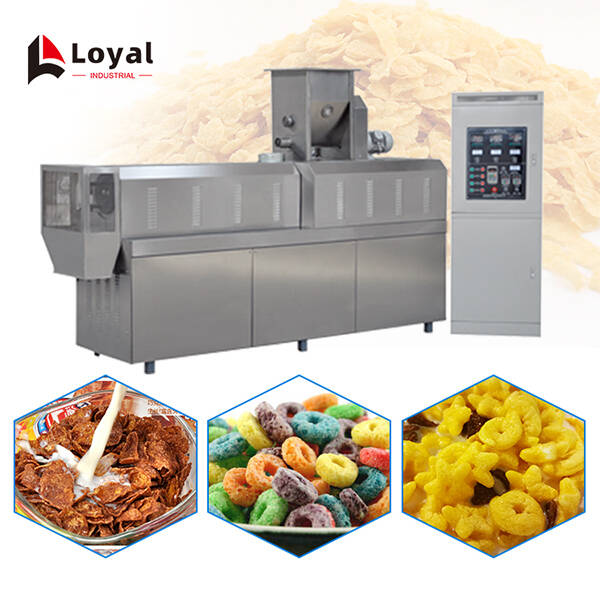
Why Experience is Non-Negotiable for Mini Corn Flakes Production
Selecting an experienced factory for your Mini Corn Flakes Making Machine is not merely a preference—it is a critical business decision that directly impacts product quality, operational efficiency, and long-term profitability. Unlike standard fabrication, breakfast cereal extrusion demands precise control over gelatinization, moisture content, and expansion ratios. An established manufacturer brings:
- Technical Precision & Recipe Mastery: Corn flakes require specific extrusion parameters to achieve the correct texture, crunch, and shelf stability. Veteran factories possess deep formulation expertise to optimize your recipe for consistent output, minimizing costly trial-and-error.
- Industrial-Grade Reliability: “Mini” does not mean simple. Experienced builders engineer compact systems with the same robust screw configurations, barrel heating zones, and die-cutting precision as industrial lines—ensuring 24/7 operational durability rather than laboratory-scale fragility.
- Regulatory Compliance & Safety: Seasoned suppliers understand global food safety standards (HACCP, CE, FDA-compliant materials) and sanitary design principles, ensuring your line meets export requirements from day one.
- Lifecycle Support: From installation commissioning to spare parts logistics and process troubleshooting, a factory with decades in the field provides the after-sales infrastructure that prevents costly downtime.
Your Strategic Partner: Jinan Dayi Extrusion Machinery Co., Ltd.
This is precisely why leading food manufacturers choose Jinan Dayi Extrusion Machinery Co., Ltd. Since our establishment in 1996, we have spent over 20 years perfecting advanced, high-efficiency extrusion technology. We are not just equipment suppliers; we are extrusion process architects.
Our Core Advantages:
- Dedicated Expert Team: As a professional manufacturer, we employ specialized engineers who understand the nuances of cereal expansion mechanics, ensuring your Mini Corn Flakes line is optimized for your specific raw material profile.
- High-Efficiency Extrusion Technology: Our systems maximize thermal energy transfer and screw shear efficiency, delivering superior product texture with lower energy consumption per kilogram.
- True Turnkey Solutions: We manage the entire process ecosystem—from raw material preprocessing and extrusion cooking to drying, sugar coating (if required), cooling, and final packaging integration—providing a seamless production workflow.
Comprehensive Production Portfolio:
While we specialize in your specific need for Corn Flakes Production Lines, our expertise extends across the entire extrusion food spectrum, including: Puffed Snack Food, Pet Food, Tortilla Chips, Fortified Rice, Baby Food, Bread Crumbs, 3D Pellet Snacks, Nutrition Powder, and Soya Chunk production lines. This breadth of experience means we cross-pollinate innovations across categories, bringing best-practice engineering to your cereal project.
Ready to Extrude Success?
Whether you are launching a new breakfast cereal venture or upgrading your existing capacity, contact Jinan Dayi today for a custom-engineered solution and detailed quotation. Let our 20+ years of extrusion mastery transform your raw materials into high-quality, market-ready corn flakes with precision and efficiency.
Jinan Dayi Extrusion Machinery Co., Ltd.—Where Decades of Expertise Meet Your Production Goals.