
The global breakfast cereal market, valued at $54.8 billion in 2023 and projected to reach $78.9 billion by 2030 (CAGR 5.3%), is driving unprecedented demand for precision-engineered maize flakes production infrastructure. For international investors and plant operators, the shift from traditional batch processing to continuous twin-screw extrusion systems represents not merely an operational upgrade, but a fundamental restructuring of production economics—reducing energy consumption by 18–25% while increasing throughput capacity to 500–2,000 kg/hour per line.
Extrusion Technology as the Critical Differentiator
Modern maize flakes manufacturing hinges on high-shear, low-temperature extrusion precision. Advanced systems now achieve 95–98% gelatinization rates at moisture levels of 22–26%, directly impacting flake integrity and bowl-life stability—a metric that determines premium market positioning. The integration of Industry 4.0 PLC controls with real-time bulk density monitoring has reduced product waste from industry-standard 6–8% to <1.5%, translating to annual raw material savings exceeding $180,000 for mid-scale operations (1,000 MT/month capacity).
Production Efficiency Imperatives
In the current high-inflation raw material environment, Overall Equipment Effectiveness (OEE) has become the primary valuation metric for machinery procurement. Leading Chinese manufacturers now deliver extrusion lines featuring 24-hour continuous operation capabilities, automated CIP (Clean-in-Place) systems reducing sanitation downtime by 40%, and modular die designs enabling product changeovers in <45 minutes. These specifications align with the $4.2 billion Chinese food processing machinery export sector’s evolution from cost-competitive OEM production to ODM innovation hubs compliant with CE, FDA 21 CFR, and ISO 22000 standards.
Strategic Sourcing Considerations
For factory owners evaluating CAPEX deployment, the distinction between commodity extruders and intelligent processing ecosystems—featuring predictive maintenance algorithms and energy-recovery drying systems—determines payback periods. The following analysis evaluates China’s top 10 maize flakes machinery manufacturers based on extrusion engineering sophistication, automation integration depth, global after-sales infrastructure, and compliance portfolio breadth—essential criteria for de-risking international food processing investments in 2024–2025.
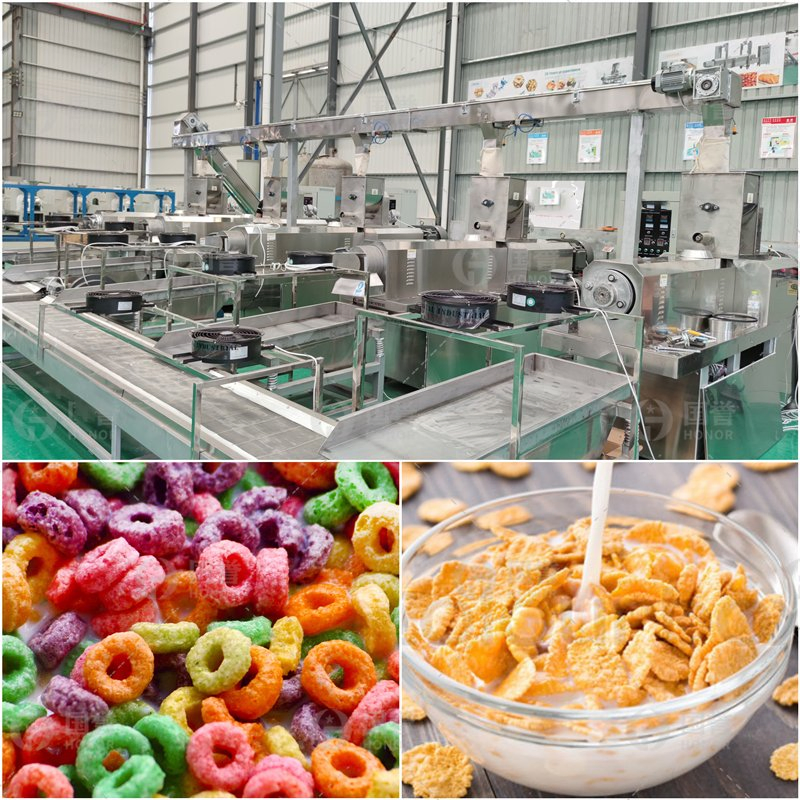
Best Maize Flakes Making Machine Suppliers & Factory List
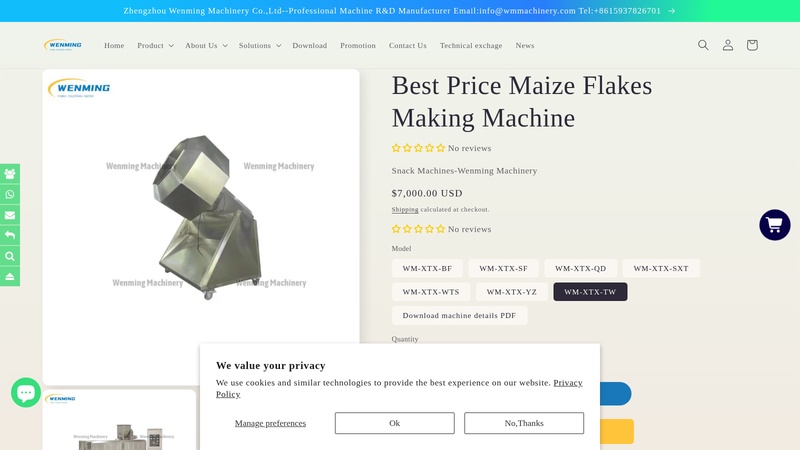
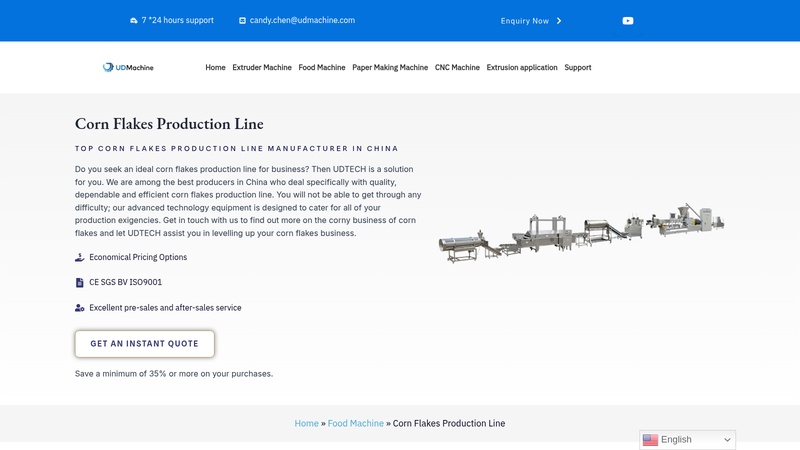


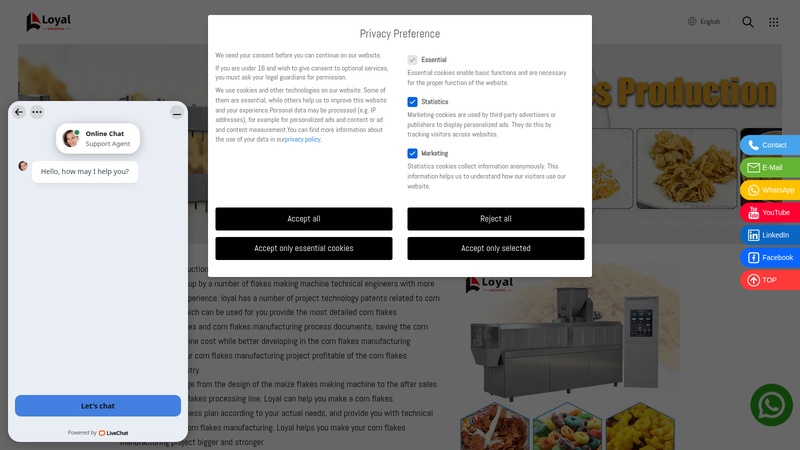
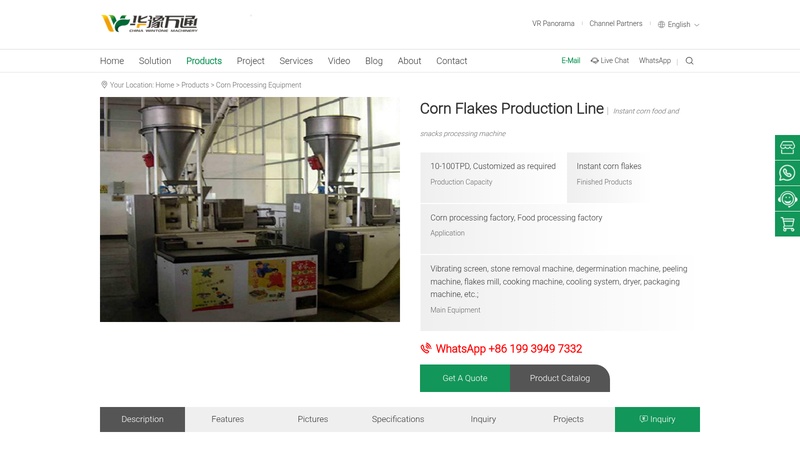

Sourcing Guide: Key Factors for Maize Flakes Making Machine
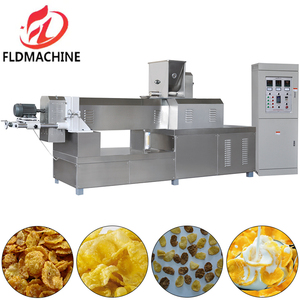
B2B Machinery Sourcing Guide: Maize Flakes Making Machines from China
For international investors and facility operators entering the breakfast cereal market, sourcing a Maize Flakes Making Machine (extrusion-based corn flakes production line) from Chinese manufacturers represents a strategic balance of capital efficiency and production scalability. However, the variance in engineering standards across suppliers necessitates a rigorous technical evaluation framework.
This guide outlines the three non-negotiable technical parameters that determine equipment longevity, product consistency, and regulatory compliance in high-volume maize flake production.
H3 Screw Configuration and Extrusion Engineering
The extrusion system constitutes the thermal-mechanical heart of your production line. When evaluating Chinese equipment, prioritize twin-screw extruder configurations over single-screw alternatives for maize flake production.
Critical Specifications:
– Screw Geometry: Look for modular screw designs with segmented elements (conveying, kneading, and mixing sections) allowing customization for different maize grit formulations (moisture content 12-14%). Self-wiping screw profiles prevent material stagnation and carbonization.
– L/D Ratio (Length-to-Diameter): Optimal ratios between 15:1 and 20:1 ensure sufficient residence time for gelatinization while preventing thermal degradation of corn starches.
– Compression Ratio: Variable pitch designs (typically 3:1 to 4:1) that generate 15-25 bar pressure during extrusion cooking (temperature zones 80°C–140°C) are essential for proper starch gelatinization and flake structure formation.
Red Flag: Avoid suppliers offering single-screw extruders for flake production—these generate excessive shear heat, resulting in inconsistent expansion and higher scrap rates (>8%).
H3 Material Durability and Food-Grade Compliance
In 24/7 production environments, material specification directly correlates with Total Cost of Ownership (TCO) and food safety audit outcomes.
Non-Negotiable Standards:
– Contact Surfaces: Demand 304 or 316L stainless steel (AISI standard) for all product-contact components—barrel sections, screws, dies, and cutting assemblies. 316L is mandatory for high-moisture processing zones to prevent chloride-induced pitting corrosion.
– Surface Finish: Ra ≤0.8μm (mirror polish) on extrusion barrels and pneumatic conveying lines to prevent bacterial adhesion and facilitate CIP (Clean-in-Place) protocols.
– Wear Resistance: Screws and barrels should feature nitriding treatment (HV 900–1100 hardness) or bimetallic liners (alloy powder metallurgy) to withstand abrasive corn grits. Standard untreated stainless steel degrades within 6–8 months under high-shear conditions.
Certification Verification: Insist on material certificates (Mill Test Certificates) proving compliance with FDA 21 CFR 175.105 and EU 1935/2004 food contact regulations, not just surface-level CE marking on electrical components.
H3 Automation Control Systems and Energy Efficiency
Modern maize flake lines require precision process control to maintain flake thickness uniformity (±0.1mm) and moisture content stability (3–4% final product).
Technical Requirements:
– PLC Architecture: Siemens S7-1200/1500 or Allen-Bradley CompactLogix systems with 10-inch HMI (Human-Machine Interface) touchscreens. The system must offer recipe management (minimum 50 stored profiles) for different flake geometries and coating applications.
– Temperature Control: PID (Proportional-Integral-Derivative) control with ±1°C accuracy across 4–6 heating zones, utilizing ceramic band heaters with cast aluminum covers for thermal efficiency.
– Power Optimization: For lines producing 300–500kg/h, specific energy consumption should not exceed 0.35–0.45 kWh/kg. Request variable frequency drives (VFDs) on main motors (30–75kW range) and forced-feeding systems to reduce starting current loads by 40%.
Integration Capability: Ensure the control system supports Industry 4.0 protocols (OPC UA or MQTT) for remote diagnostics and integration with MES (Manufacturing Execution Systems) for production traceability.
Supplier Vetting Protocol for Chinese Markets
Beyond technical specifications, implement these due diligence measures:
- Reference Site Audits: Request video documentation of operating lines with similar capacity requirements (verify actual running speeds, not catalog ratings).
- Spare Parts Strategy: Confirm local service centers in your region and 10-year availability guarantees for screws, barrels, and die inserts.
- Pre-Shipment Inspection: Engage third-party inspectors (SGS, Bureau Veritas) to witness FAT (Factory Acceptance Testing) including 72-hour continuous run trials with your specified raw materials.
Investment Benchmark: High-quality Chinese maize flake lines (complete extrusion-to-packing systems) typically range $150,000–$450,000 depending on automation levels—significantly below European equivalents ($800,000+) while meeting identical food safety standards when properly specified.
By enforcing these three technical pillars—precision extrusion engineering, pharmaceutical-grade material specifications, and intelligent control architectures—you mitigate operational risk while capitalizing on China’s manufacturing cost advantages in food processing technology.
Why Experience is Non-Negotiable in Maize Flakes Manufacturing
Selecting an experienced factory for your Maize (Corn) Flakes Making Machine is not merely a procurement preference—it is a strategic operational imperative. Breakfast cereal production involves complex extrusion, precise cooking gelatinization, controlled flaking, and delicate toasting processes where temperature variances of mere degrees can compromise product texture, shelf stability, and nutritional integrity. An established manufacturer brings critical institutional knowledge in screw configuration design, die pressure optimization, and heat-transfer efficiency—factors that directly determine yield rates, energy consumption, and compliance with stringent food safety standards (HACCP, ISO, CE). Furthermore, veteran suppliers provide indispensable post-installation support: recipe formulation assistance, rapid spare parts fulfillment, and troubleshooting protocols that minimize costly downtime. In an industry where consistency is currency, partnering with a novice supplier risks batch failures, regulatory non-compliance, and equipment obsolescence.
Your Strategic Partner: Jinan Dayi Extrusion Machinery Co., Ltd.
This is where Jinan Dayi Extrusion Machinery Co., Ltd. transforms your production goals from concept to commercial reality.
Since our establishment in 1996, we have spent over two decades—nearly 28 years—perfecting advanced, high-efficiency extrusion technology. As pioneers in the food extrusion industry, we understand that maize flakes production demands more than standard equipment; it requires precision-engineered solutions that balance expansion ratios, moisture content, and flake integrity.
Why Dayi Delivers Superior Value:
- Proven Extrusion Mastery: Our dedicated expert team specializes in high-efficiency extrusion systems that optimize thermal energy transfer and mechanical shear—critical for achieving the perfect gelatinization required for premium corn flakes and breakfast cereals.
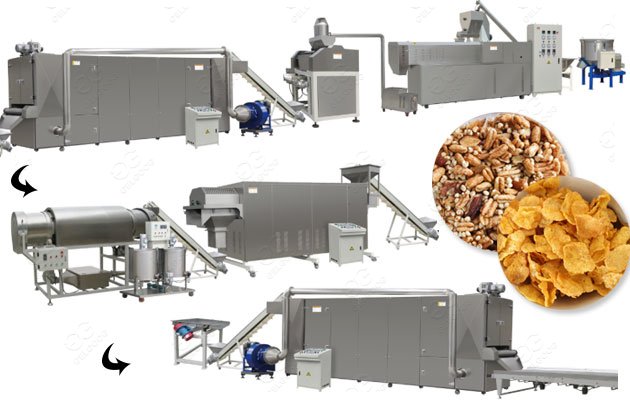
- True Turnkey Integration: We engineer complete production ecosystems, from raw maize cleaning and milling, through extrusion, flaking, drying, and final packaging automation. This eliminates integration risks and ensures seamless workflow synchronization.
- Dedicated Corn Flakes Expertise: Our Corn Flakes Production Line represents the convergence of our extrusion heritage and cereal-specific innovation, delivering consistent flake thickness, optimal toast color, and extended crunch stability.
Comprehensive Portfolio: Beyond breakfast cereals, our capabilities span puffed snacks, fortified rice, pet food, 3D pellets, and nutrition powders—demonstrating the versatility and robust engineering that underpin our maize flake systems.
Secure Your Competitive Advantage
Don’t compromise on equipment that defines your product quality. Contact Jinan Dayi Extrusion Machinery Co., Ltd. today to discuss your specific capacity requirements, recipe parameters, and facility layout. Our engineers are ready to design your custom maize flakes solution and provide a detailed quotation that aligns with your ROI targets.
Reach out now—let’s extrude your success.