
The Global Breakfast Renaissance: Strategic Sourcing of Compact Extrusion Systems
The global breakfast cereal market, valued at $54.8 billion in 2023 and projected to reach $78.9 billion by 2030 (CAGR 5.3%), is undergoing a structural transformation. As consumer demand shifts toward functional, clean-label, and regionalized cereal formulations, the industry is witnessing a parallel surge in demand for small-scale corn flakes production lines—equipment capable of 50–300 kg/h throughput that bridges the gap between pilot-scale R&D and commercial viability.
For international investors and facility operators, the procurement decision for small corn flakes making machinery has evolved beyond simple capacity metrics. At the core of this equipment category lies extrusion technology—the thermomechanical process that dictates product texture, gelatinization rates, and nutritional retention. Modern twin-screw extruders, even in compact configurations, now achieve specific mechanical energy (SME) inputs of 0.15–0.25 kWh/kg, enabling precise starch modification while reducing thermal degradation of heat-sensitive fortificants. This technical sophistication directly correlates with market differentiation: extrusion efficiency determines whether your corn flakes achieve the target bulk density (120–180 g/L) and bowl-life stability required by premium retail channels.
Production efficiency in the current food industry context extends far beyond line speed. With operational expenditures consuming 60–70% of total lifecycle costs in cereal manufacturing, the focus has shifted to Overall Equipment Effectiveness (OEE) and energy-normalized throughput. Advanced small-scale systems from Chinese manufacturers now integrate servo-driven feeding mechanisms and IoT-enabled thermal profiling, reducing changeover times by 40% and energy consumption per output unit by 22–28% compared to legacy equipment. These metrics are critical for investors calculating ROI in competitive markets where margin compression is acute.
China’s food machinery sector has matured significantly, with the small extrusion equipment segment representing approximately $2.1 billion in annual exports. Leading manufacturers now offer CE-certified, FDA-compliant systems that rival European engineering standards at 30–45% lower capital expenditure, while providing critical advantages in customization flexibility and spare parts logistics.
The following Top 10 Manufacturers list evaluates Chinese suppliers based on extrusion engineering sophistication, energy efficiency certifications, after-sales technical support networks, and proven track records with international food processing investors. Each entry represents a vetted partner capable of delivering the precision extrusion and operational efficiency required to capitalize on the breakfast cereal sector’s continued expansion.
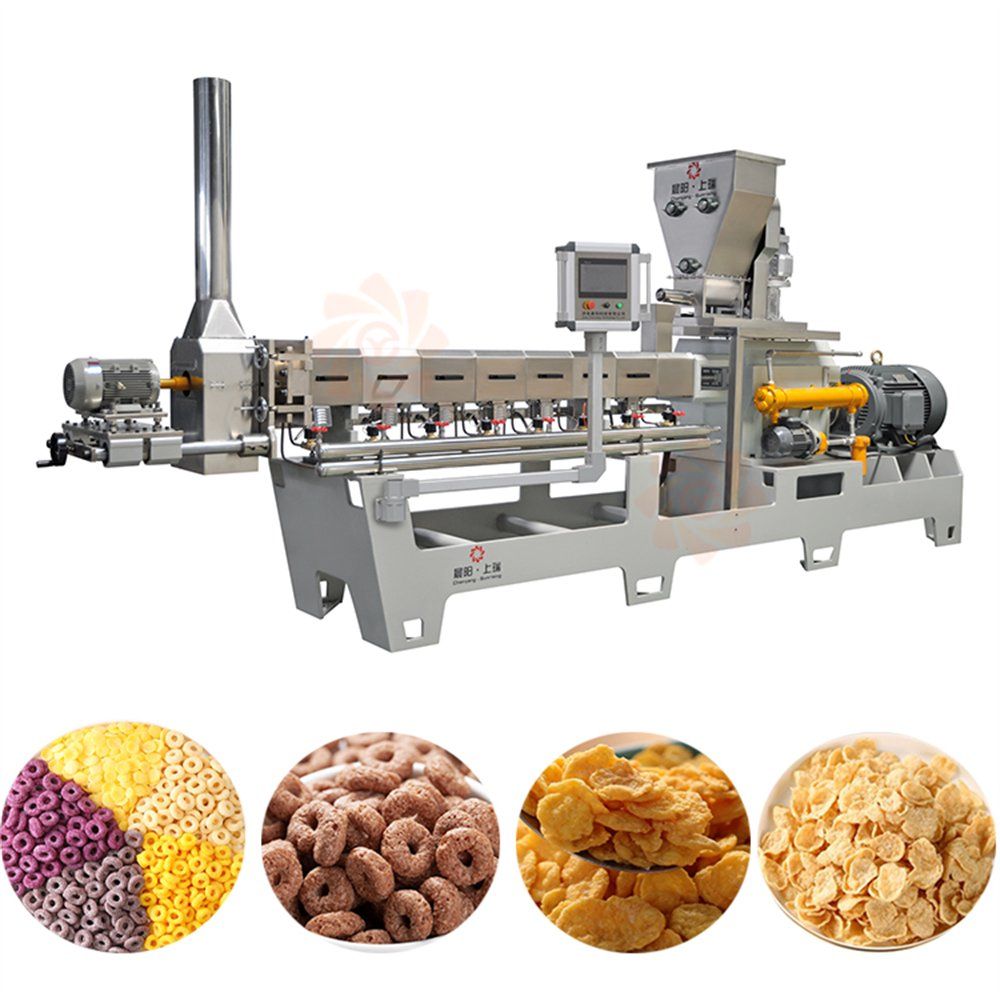
Best Small Corn Flakes Making Machine Suppliers & Factory List

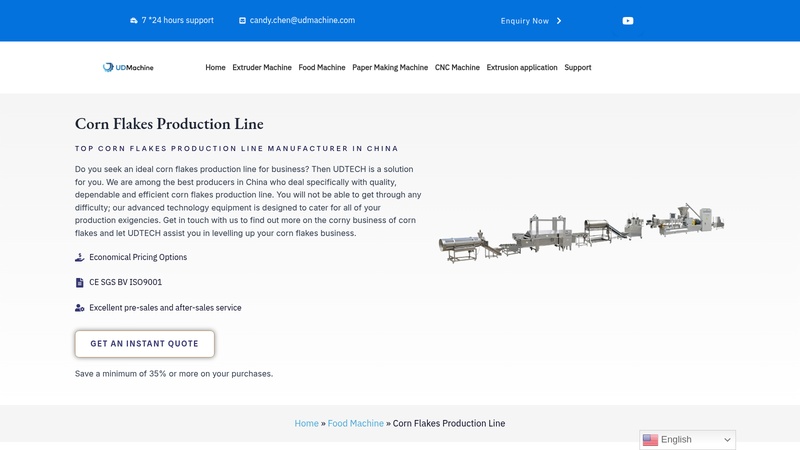


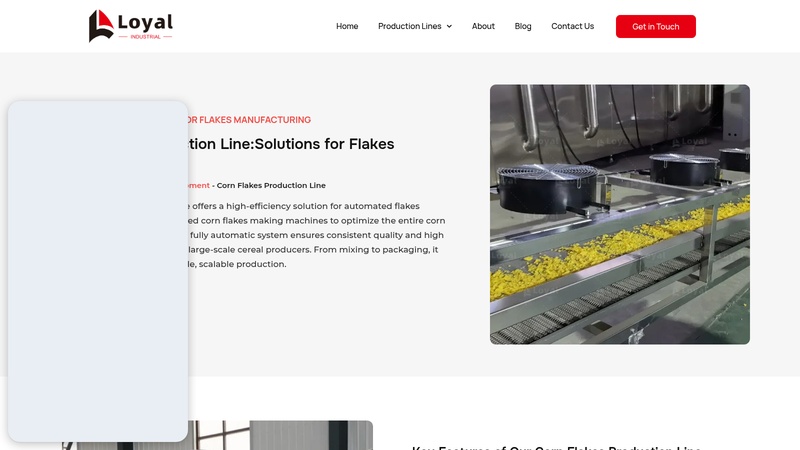


Sourcing Guide: Key Factors for Small Corn Flakes Making Machine
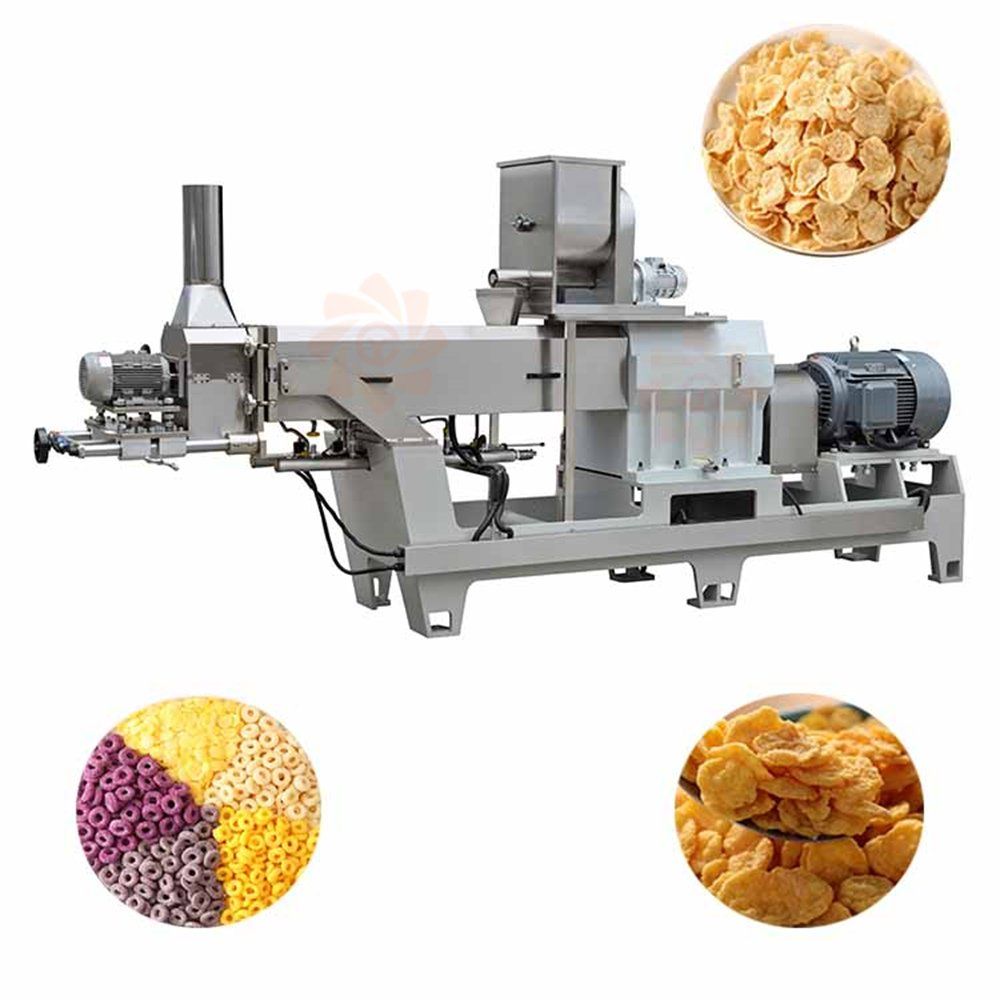
B2B Machinery Sourcing Guide: Small Corn Flakes Making Machine
Strategic Procurement for Breakfast Cereal Production Lines
For international investors and facility managers entering the breakfast cereal market, sourcing a small-scale corn flakes production line from China represents a capital-efficient entry point. However, the extrusion technology sector suffers from significant quality variance. This guide addresses the critical technical differentiators that separate industrial-grade equipment from commodity-level machinery unsuitable for export-quality food production.
When evaluating compact extrusion systems (typically 100–500 kg/h capacity), focus your technical due diligence on these three engineering pillars:
Screw Configuration and Extrusion Mechanics
The screw assembly constitutes the heart of your corn flakes extrusion system. For small-scale production requiring precise gelatinization and texture control, prioritize twin-screw extruders over single-screw alternatives. Twin-screw configurations provide superior mixing uniformity and heat distribution—critical for achieving the specific bulk density (0.12–0.18 g/cm³) required for premium corn flakes.
Technical Specifications to Verify:
– L/D Ratio: Demand a length-to-diameter ratio between 15:1 and 20:1. Ratios below 15:1 result in insufficient cooking time; ratios exceeding 20:1 create excessive shear that degrades cereal texture.
– Modular Screw Design: Insist on segmented screws with interchangeable kneading blocks and conveying elements. This allows process parameter adjustment for varying corn grits moisture content (typically 18–24%) without hardware replacement.
– Screw RPM Range: Variable speed drives (VSD) offering 300–600 RPM provide the operational flexibility necessary for both flaking grits and direct-expanded cereals.
Red Flag: Avoid fixed-screw configurations or welded assemblies—these prevent maintenance access and limit your product portfolio flexibility.
Material Durability and Food-Grade Compliance
Small-scale operations often run multiple batches daily, creating significant thermal cycling stress. Your equipment must withstand continuous steam injection (up to 120°C) and abrasive corn particulates without compromising food safety.
Material Standards:
– Contact Surfaces: 304 or 316L stainless steel construction is non-negotiable. 316L offers superior chloride resistance if your process includes salt addition or caustic CIP (Clean-in-Place) protocols.
– Barrel Lining: Bi-metallic barrels with nitrided inner surfaces (HRC 58–62 hardness) resist abrasive wear from corn grits. Standard carbon steel barrels exhibit measurable wear within 6 months of operation, contaminating product with metallic particulates.
– Die Plates: Tool steel dies with carbide inserts maintain orifice precision longer than standard steel, ensuring consistent flake thickness (0.8–1.2mm) critical for toasting uniformity.
Certification Requirements: Verify CE marking for machinery safety (2006/42/EC), food contact material compliance (EC 1935/2004), and electrical safety (EN 60204-1). For North American markets, confirm NSF/ANSI 169 certification for food equipment.
Automation Control Systems and HMI Interface
While “small” in capacity, your production line requires precision control over extrusion parameters to maintain product consistency across batches. Manual valve systems acceptable in developing markets fail international quality standards.
Control Architecture Essentials:
– PLC-Based Integration: Siemens S7-1200 or equivalent programmable logic controllers with PID loops for temperature zones (typically 4–6 heating/cooling zones). Temperature variance must remain within ±2°C to prevent starch degradation or ungelatinized centers.
– HMI Touchscreen Interface: 7-inch or larger color displays with recipe management capability (minimum 20 stored recipes). This enables rapid changeover between corn flakes, frosted flakes, and mixed-grain cereals without manual recalibration.
– Data Logging: Ethernet/IP or Modbus TCP connectivity for SCADA integration. Essential for HACCP documentation and traceability requirements in export markets.
Power Efficiency: Demand variable frequency drives (VFD) on main motors. Small extrusion systems should operate at 0.15–0.25 kWh/kg output. Request actual power consumption data from reference installations, not theoretical specifications.
Additional Sourcing Considerations
Supplier Verification Protocol:
Request video documentation of the specific unit undergoing trial runs with corn grits (not just empty operation). Reputable manufacturers provide extrusion trial reports showing specific mechanical energy (SME) values and starch gelatinization percentages (target: >85%).
After-Sales Infrastructure:
Confirm the availability of English-speaking technical support and critical spare parts inventory within your region. Screw elements, barrel segments, and die plates should be available with <14-day lead times.
Installation Requirements:
Small corn flakes lines require 380V/3-phase/50Hz power (or 220V/60Hz variants for specific markets) and compressed air at 0.6–0.8 MPa. Verify your facility’s steam boiler capacity (minimum 200 kg/h for 150 kg/h extrusion output) supports the preconditioning system.
Conclusion
Investing in a small corn flakes production line from China offers compelling ROI when technical specifications meet international food safety and engineering standards. Prioritize twin-screw extrusion technology with modular configurations, 316L stainless steel construction with bi-metallic barrels, and PLC-controlled automation with data logging capabilities.
Machinery meeting these criteria typically commands 15–25% higher initial investment than basic alternatives but delivers superior yield rates (92–95% vs. 80–85%), reduced contamination risk, and compliance with FDA/EFSA import requirements—factors that determine long-term profitability in competitive breakfast cereal markets.
Recommended Documentation Package: Request material certificates (3.1 mill certificates for steel), CE conformity declarations, electrical component datasheets (Schneider, Siemens, or ABB), and reference installations in your target export market before contract execution.
Why Experience is Non-Negotiable in Small Corn Flakes Manufacturing
Selecting an experienced factory for your Small Corn Flakes Making Machine is a critical business decision that directly impacts product consistency, operational efficiency, and long-term ROI. Corn flakes production demands precise control over extrusion parameters, gelatinization temperatures, and flaking compression—processes where even minor deviations result in inconsistent texture, breakage, or inadequate shelf stability. An established manufacturer brings refined screw configurations, optimized thermal profiles, and proven flaking roller geometries developed through years of R&D, ensuring your small-scale operation achieves industrial-grade uniformity. Furthermore, experienced suppliers provide crucial turnkey integration, from raw material handling to coating and packaging, eliminating costly compatibility issues. They offer validated food safety compliance, immediate spare parts availability, and expert process support that inexperienced vendors simply cannot match—safeguarding your production against costly downtime and quality failures.
Your Proven Partner: Jinan Dayi Extrusion Machinery Co., Ltd.
This is where Jinan Dayi Extrusion Machinery Co., Ltd distinguishes itself as your strategic manufacturing partner. Established in 1996, we bring over 20 years of specialized expertise in advanced, high-efficiency extrusion technology, positioning us as industry leaders in precision food machinery.
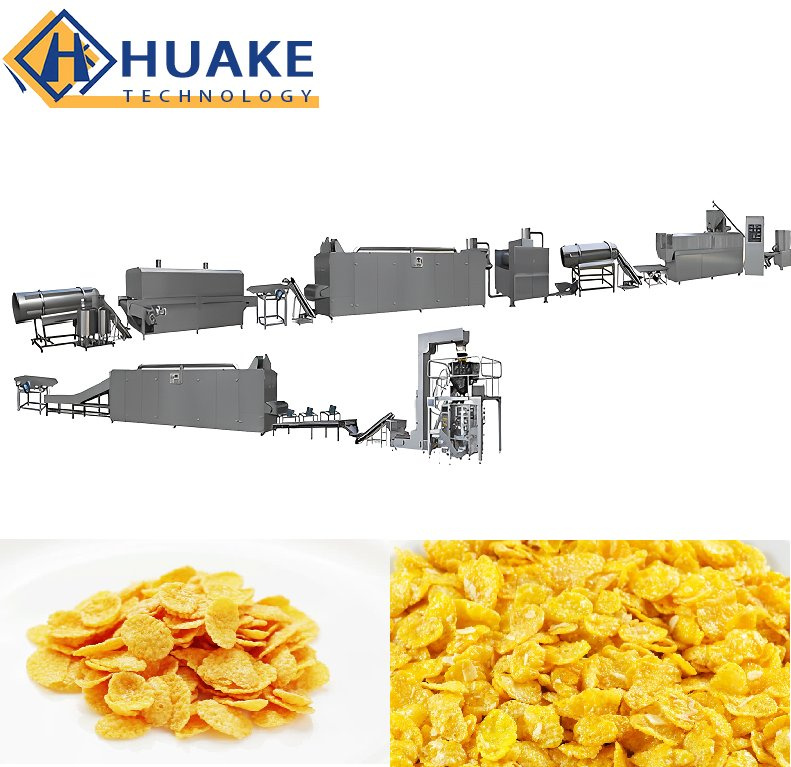
Our Corn Flakes Production Line exemplifies our engineering excellence, delivering the exact consistency and crunch profile your market demands. As a professional manufacturer backed by a dedicated expert team, we don’t just sell equipment—we deliver full turnkey solutions encompassing raw material processing, extrusion, flaking, drying, sugar coating, and final packaging integration. Our high-efficiency extrusion technology ensures optimal starch gelatinization and energy utilization, maximizing your yield per kilowatt hour.
Beyond breakfast cereals, our comprehensive portfolio—including Fortified Rice, Pet Food, and 3D Pellet Snack Production Lines—demonstrates our versatility in extrusion applications, ensuring cross-industry innovation benefits your specific corn flakes operation.
Ready to optimize your production?
Contact Jinan Dayi Extrusion Machinery Co., Ltd today for a customized solution and detailed quotation. Let our 20+ years of extrusion expertise engineer your competitive advantage.
Get Your Custom Quote Now