
The Global Breakfast Revolution: Strategic Sourcing of Corn Flakes Extrusion Systems
The global breakfast cereal market, valued at USD 45.8 billion in 2023 and projected to reach USD 62.4 billion by 2028 (CAGR 6.4%), continues to drive demand for high-capacity, precision-engineered production infrastructure. Within this sector, corn flakes manufacturing remains the dominant segment, accounting for approximately 28% of total cereal production volume—making extrusion technology selection a critical determinant of operational ROI and market competitiveness.
Extrusion Technology as the Production Nexus
Modern corn flakes manufacturing hinges on twin-screw extrusion systems capable of achieving precise gelatinization rates (92-96%) while maintaining thermal uniformity ±1.5°C throughout the cooking zone. Unlike traditional flaking mills, advanced extrusion lines integrate high-shear cooking with immediate forming, reducing raw material waste by 15-20% and enabling real-time texture modification through automated die-pressure adjustments. For investors, this translates to production flexibility—switching between traditional flakes, frosted variants, and fortified formulations within 45-minute changeover windows.
Efficiency Metrics Defining Competitive Advantage
Current industry benchmarks demand throughput consistency of 300–2,000 kg/hour with Overall Equipment Effectiveness (OEE) rates exceeding 85%. Leading systems now achieve specific energy consumption below 0.35 kWh/kg—representing a 25-30% efficiency improvement over legacy equipment—while integrating IoT-enabled predictive maintenance protocols that reduce unplanned downtime by up to 40%. Automation levels have evolved beyond basic PLC control to encompass AI-driven moisture profiling and vision-based quality sorting, directly impacting labor cost structures in high-wage markets.
The China Manufacturing Advantage
Chinese equipment manufacturers have systematically closed the technology gap with European counterparts (Bühler, Clextral) while maintaining 30-45% cost advantages. Tier-1 Chinese suppliers now deliver CE-certified, FDA-compliant systems featuring servo-driven extrusion screws, induction heating zones, and stainless steel 304/316L construction standards equivalent to Western specifications—backed by modular designs that reduce installation timelines by 50%.
The following ranking evaluates ten Chinese manufacturers based on R&D patent portfolios, international project references, after-sales service network density, and extrusion system innovation indices—providing data-driven guidance for capital allocation decisions in an increasingly automated food processing landscape.
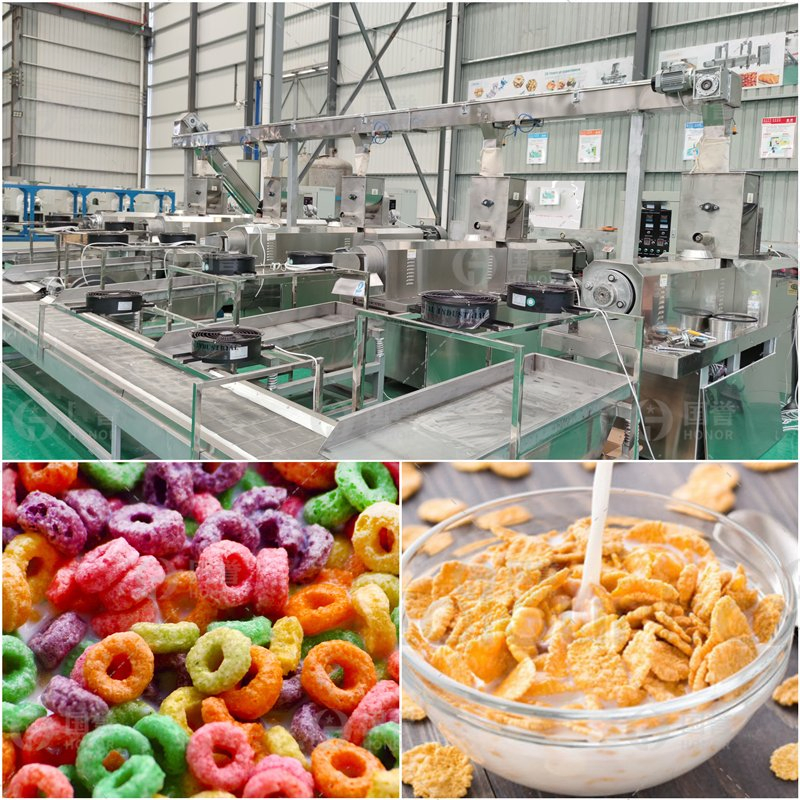
Best Corn Flakes Manufacturing Machine Suppliers & Factory List
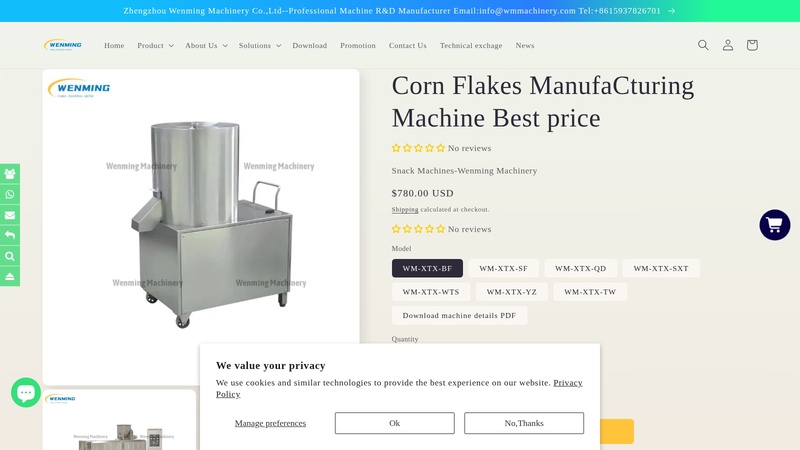
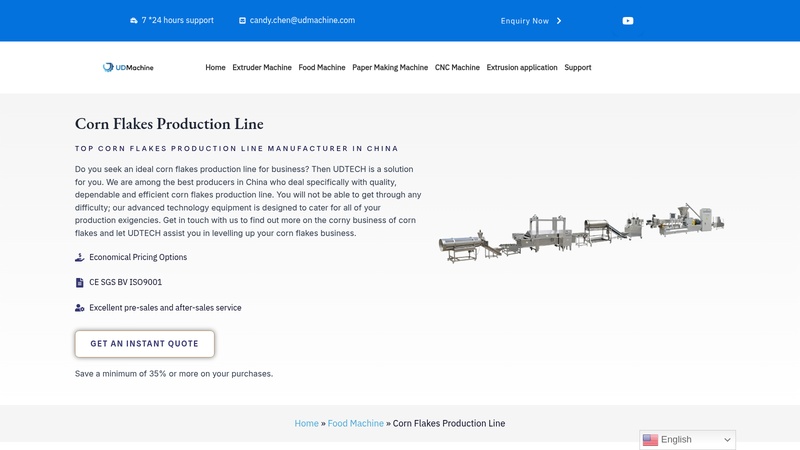



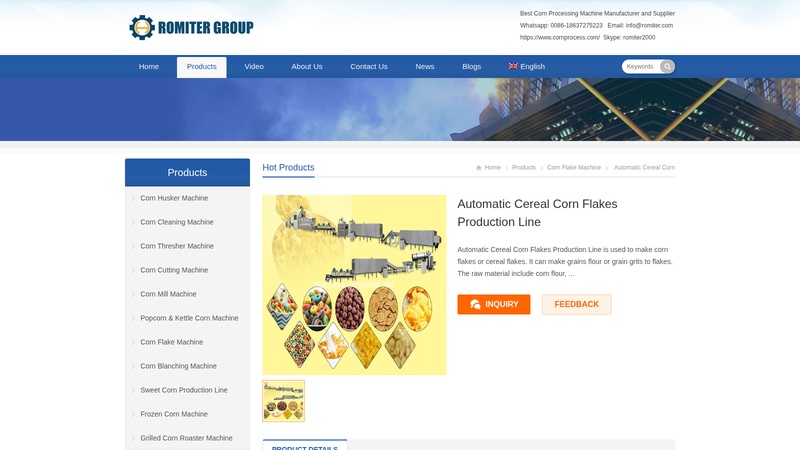
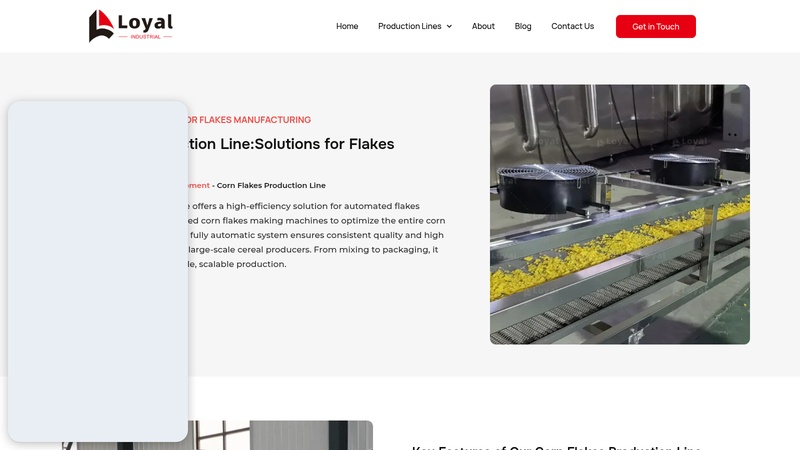
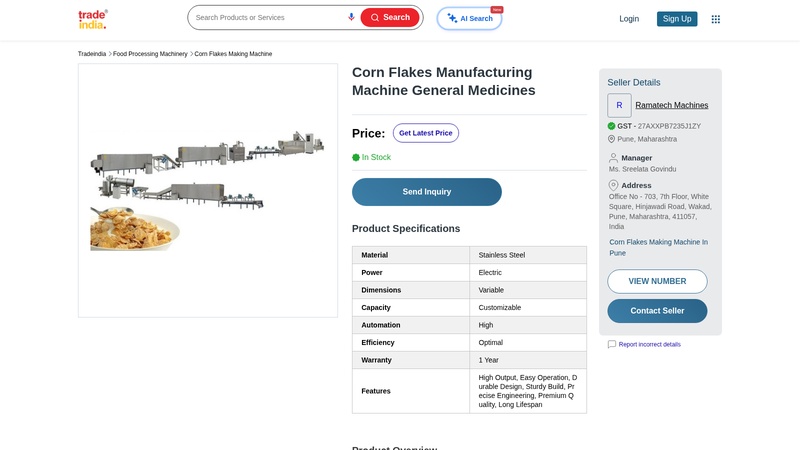

Sourcing Guide: Key Factors for Corn Flakes Manufacturing Machine
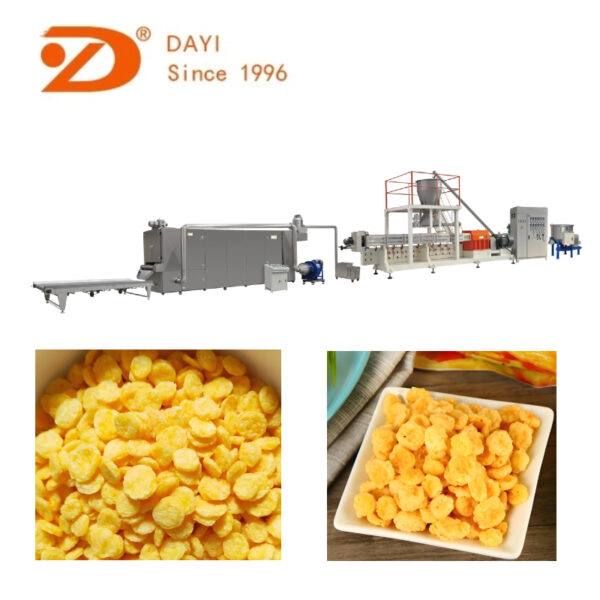
B2B Machinery Sourcing Guide: Corn Flakes Manufacturing Machines from China
For international investors and food processing plant operators entering the breakfast cereal sector, sourcing extrusion-based corn flakes manufacturing equipment from China represents a strategic opportunity to balance capital expenditure with production scalability. However, the variance in engineering standards among Chinese manufacturers necessitates a rigorous technical evaluation framework. This guide provides the critical technical benchmarks required to assess high-capacity corn flakes extrusion systems, ensuring your investment delivers consistent product quality, regulatory compliance, and operational longevity.
### Extrusion Screw Configuration and Barrel Engineering
The extrusion cooking system constitutes the technological heart of any corn flakes manufacturing line. When evaluating Chinese equipment, prioritize twin-screw extrusion technology over single-screw alternatives, as the intermeshing screw design provides superior mixing, heat transfer, and shear control—essential for proper corn grits gelatinization and subsequent flaking integrity.
Critical Specifications to Verify:
– L/D Ratio (Length-to-Diameter): Demand a ratio between 15:1 and 20:1. This extended barrel configuration ensures sufficient residence time for complete starch gelatinization at moisture levels of 18-24%, directly impacting flake crispness and bowl-life stability.
– Modular Screw Design: Insist on segmented screw elements (conveying, kneading, and mixing sections) that allow process customization. High-quality manufacturers utilize nitrided alloy steel screws (HRC hardness ≥58) with individual element replacement capability, reducing long-term maintenance costs.
– Shear Rate Management: Inquire about specific screw geometries designed for low-shear cooking (300-600 rpm range) to prevent excessive starch damage while achieving the 160-180°C barrel temperatures necessary for proper expansion prior to flaking.
Red Flag: Avoid manufacturers offering fixed, non-modular screw configurations, as these limit your ability to process varying corn grits specifications or expand into multi-grain cereal production later.
### Material Durability and Food-Grade Compliance Standards
Corn flakes production involves abrasive corn grits, high-pressure steam injection, and caustic cleaning protocols (CIP/SIP systems). Substandard material specifications result in metallic contamination risks, corrosion-induced downtime, and regulatory rejection.
Non-Negotiable Material Standards:
– Contact Surface Specifications: All food-touch surfaces must utilize AISI 304 or 316L stainless steel (316L preferred for high-salinity environments or regions with aggressive water treatment). Verify mill test certificates (MTC) confirming chromium content ≥18% and nickel ≥8% for 304 grade.
– Surface Finish Requirements: Demand Ra (Roughness Average) values ≤0.8μm on extrusion barrels and die surfaces. Mirror-polished finishes (Ra ≤0.4μm) on flaking rolls prevent product adhesion and bacterial harboring—critical for BRC or SQF certification audits.
– Die and Cutter Materials: Extrusion dies should utilize tool steel (H13 or D2 grade) with vacuum heat treatment to 60-62 HRC, ensuring 5,000+ operational hours before reconditioning. Flaking rolls require chilled cast iron or alloy steel with chrome plating (0.1-0.15mm thickness, hardness 800-900 HV).
Certification Verification: Beyond CE marking, confirm compliance with FDA 21 CFR Part 177 (for polymer seals and gaskets) and EU Regulation 1935/2004 for materials in contact with food. Request material composition reports from third-party labs (SGS, Bureau Veritas) rather than accepting factory self-certification.
### Intelligent Control Systems and Energy Optimization
Modern corn flakes manufacturing demands precise process repeatability and real-time monitoring to maintain product density specifications (typically 100-150 g/L for finished flakes) across 24/7 operations. Chinese machinery varies significantly in automation sophistication.
Essential Control Architecture:
– PLC and HMI Standards: Specify Siemens S7-1200/1500 series or Schneider Electric Modicon PLCs with 10-inch+ industrial touchscreen HMIs featuring multilingual support (English, Spanish, Arabic, etc.). Avoid proprietary or obscure PLC brands that complicate future spare parts sourcing.
– Recipe Management: Demand systems capable of storing 50+ product recipes with automated parameter adjustment for screw speed, barrel temperature zones (typically 5-6 independent heating/cooling zones), and feed rate. This functionality enables rapid changeover between corn flakes, frosted variants, and co-extruded cereals.
– Energy Monitoring Integration: Advanced systems include power consumption tracking per production batch. For extrusion lines rated 200-500 kg/hour, target specific energy consumption (SEC) below 0.18-0.22 kWh/kg of finished product. Verify inclusion of variable frequency drives (VFDs) on main motors and energy-efficient induction heating systems (30-40% more efficient than traditional resistance heating).
Industry 4.0 Readiness: Evaluate IoT connectivity options for remote diagnostics via Ethernet or 4G modules, enabling Chinese engineers to troubleshoot PLC parameters without international travel—crucial for minimizing downtime in overseas installations.
Additional Sourcing Due Diligence
Beyond these three technical pillars, conduct factory acceptance testing (FAT) witnessing the actual extrusion of corn grits to your specified bulk density. Verify that the Chinese manufacturer provides:
– Comprehensive spare parts kits (including 2-year critical wear parts inventory)
– On-site installation supervision by engineers with breakfast cereal-specific experience (not general food machinery technicians)
– Training documentation aligned with Global Food Safety Initiative (GFSI) standards
Final Recommendation: Prioritize manufacturers with demonstrated export experience to your target market region (EU, North America, MENA, or Southeast Asia), as regional voltage standards (380V/50Hz vs. 480V/60Hz) and safety regulations vary significantly. Request reference installations operational for 3+ years to validate long-term durability claims.
By applying these technical criteria to your vendor evaluation process, you mitigate the risks associated with offshore machinery procurement while capitalizing on China’s advanced extrusion manufacturing capabilities and competitive pricing structures.
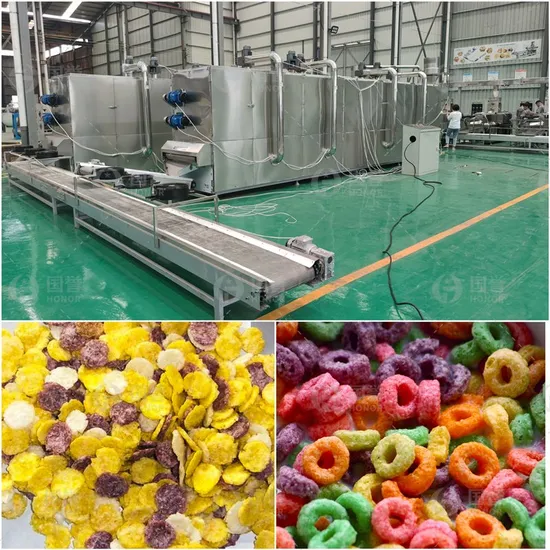
Why Experience is Non-Negotiable in Corn Flakes Manufacturing
Selecting an experienced factory for your Corn Flakes Manufacturing Machine is not merely a procurement preference—it is a strategic operational imperative. Breakfast cereal production demands precise control over extrusion parameters, moisture content, toasting profiles, and coating consistency. An established manufacturer brings decades of process know-how that eliminates costly trial-and-error, ensuring your line achieves commercial viability from day one. Experienced providers deliver proven thermal management systems, robust 24/7 industrial-grade construction, and critical post-installation support including recipe optimization, operator training, and guaranteed spare parts availability. In an industry where product texture and shelf stability define market success, partnering with a veteran extrusion specialist mitigates integration risks and ensures compliance with stringent global food safety standards.
Your Turnkey Solution Partner: Jinan Dayi Extrusion Machinery Co., Ltd.
When precision extrusion technology matters, industry leaders turn to Jinan Dayi Extrusion Machinery Co., Ltd. Established in 1996, we bring over 20 years of specialized expertise as pioneers in advanced, high-efficiency extrusion food machinery.
The DAYI Advantage:
✓ Professional Manufacturing Excellence – Our dedicated expert team combines mechanical engineering mastery with deep food science knowledge to deliver equipment that meets the highest industrial standards.
✓ High-Efficiency Extrusion Technology – We engineer solutions for diverse food applications, ensuring optimal energy utilization, consistent product quality, and maximum throughput.
✓ Complete Turnkey Solutions – From raw material processing and extrusion to final product packaging, we provide integrated systems that streamline your production workflow and accelerate time-to-market.
Comprehensive Production Line Portfolio:
- Puffed snack food production line
- Pet food production line
- Tortilla chips production line
- Fortified rice production line
- Corn flakes production line
- Baby food production line
- Bread crumbs production line
- 3D pellet snack food production line
- Nutrition powder production line
- Soya chunk production line
Ready to Optimize Your Production?
Whether you are launching a new corn flakes operation or upgrading existing capacity, DAYI delivers the technical sophistication and proven reliability your project demands. Our engineers are ready to design a custom solution tailored to your specific capacity requirements, facility constraints, and product specifications.
Contact Jinan Dayi Extrusion Machinery Co., Ltd today for a detailed consultation and competitive quotation. Let our 20+ years of extrusion expertise become your production advantage.
Jinan Dayi – Engineering Your Success in Food Extrusion.