
Introduction: From Obligate Carnivore to Commercial Kibble
The domestic cat, Felis catus, is an obligate carnivore. Its evolutionary design is predicated on a diet of animal tissue, requiring specific nutrients found primarily in meat to survive and thrive. Yet, in the modern world, the primary sustenance for millions of these creatures comes not from fresh prey, but from uniform, dry, shelf-stable morsels known as kibble, or from moist, canned patées. The transformation of raw agricultural materials into nutritionally complete, safe, and palatable cat food is a remarkable feat of food science and industrial engineering. It is a process shrouded in mystery for most pet owners, who see only the final, brightly colored bag or can.Cat food making machine
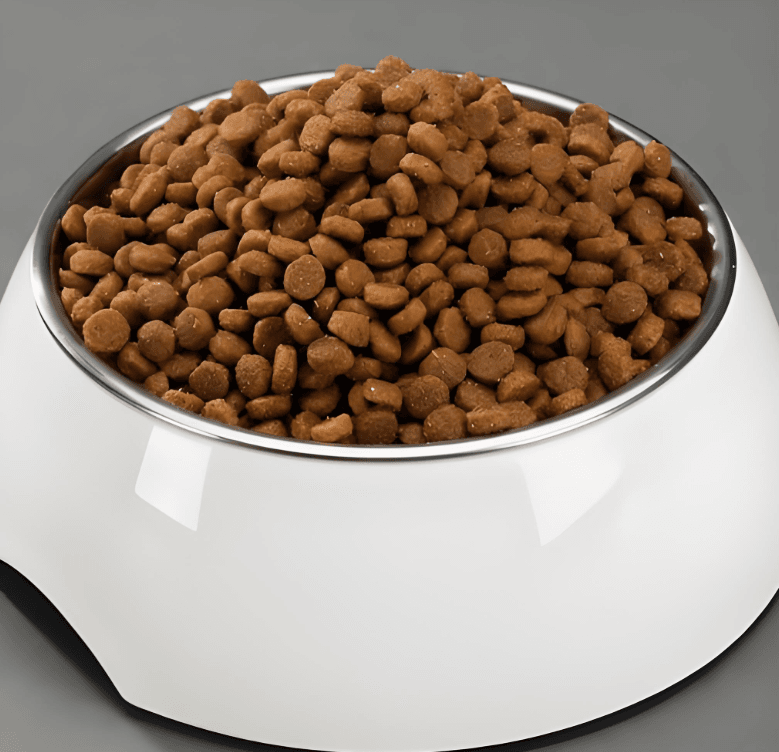
This article aims to pull back the curtain on this complex, multi-billion dollar industry. We will embark on a detailed journey through the factory, exploring the intricate steps and critical decisions that define the production of commercial cat food. The process is far more than simply grinding meat and baking it; it is a precise ballet of chemistry, thermodynamics, and mechanical engineering, all governed by the immutable nutritional needs of the feline species. We will dissect this process into eight fundamental pillars: 1) The Foundation: Species-Appropriate Nutritional Formulation; 2) Ingredient Sourcing and Quality Control: The Raw Material Reality; 3) Grinding and Weighing: The Pursuit of Homogeneity; 4) The Mixing Phase: Creating a Uniform Blend; 5) The Heart of the Process: Extrusion and Cooking for Kibble; 6) The Alternative: Thermal Processing for Wet Food; 7) Drying, Coating, and Cooling: The Finishing Touches for Kibble; and 8) Packaging, Preservation, and Quality Assurance.
Pillar 1: The Foundation: Species-Appropriate Nutritional Formulation
Before a single ingredient is sourced or a machine is activated, the process begins with a formula. This is the nutritional blueprint, a precise recipe developed by animal nutritionists to meet the specific biological requirements of cats. This step is the most critical, as all subsequent processing is in service of delivering this nutritional profile effectively.Cat food making machine
1.1 The Obligate Carnivore’s Unique Needs
Unlike dogs, which are more omnivorous, cats have a metabolism that is strictly adapted to a meat-based diet. Their bodies have lost the ability to synthesize certain essential nutrients and must obtain them pre-formed from their food. Key non-negotiable components of a feline formula include:
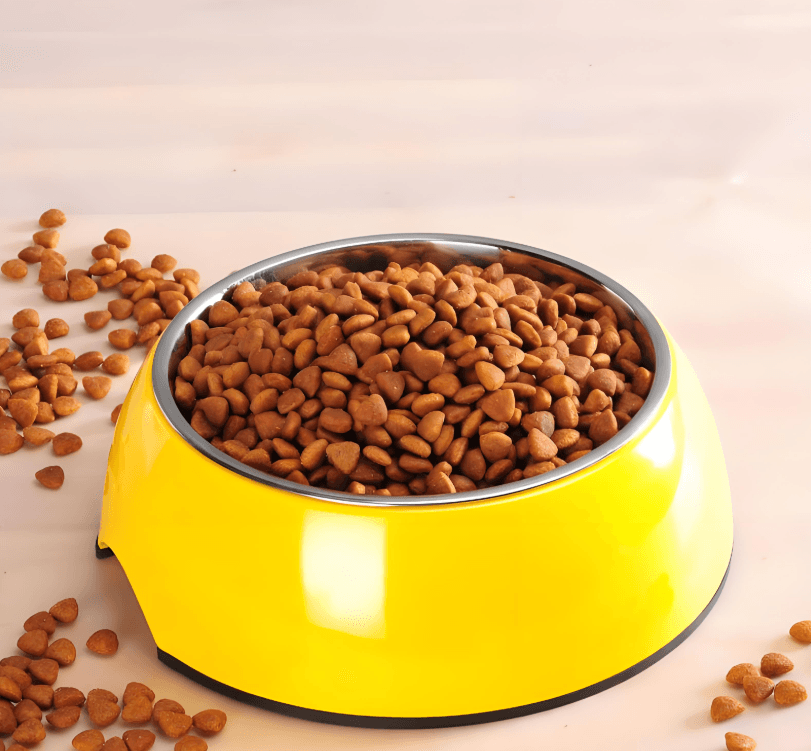
- High Levels of Animal Protein: Protein is paramount. It provides essential amino acids for tissue repair, enzyme production, and energy. Cats have a particularly high requirement for protein compared to many other mammals.
- Taurine: This is the most critical amino acid for cats. A deficiency can lead to severe health issues, including dilated cardiomyopathy (a fatal heart condition), retinal degeneration leading to blindness, and reproductive problems. Unlike some animals, cats cannot synthesize sufficient taurine and must consume it directly from animal tissue. Its levels are meticulously calculated and monitored.
- Arachidonic Acid: An essential fatty acid found only in animal fats, vital for skin health, coat quality, and renal function.
- Pre-formed Vitamin A: Cats lack the enzyme to efficiently convert beta-carotene (from plants) into active Vitamin A. Therefore, they require a direct source, typically from liver or other organ meats.
- Nicotinic Acid (Vitamin B3): Cats cannot synthesize this vitamin from the amino acid tryptophan as efficiently as other species and need a direct dietary source.
1.2 Life Stage and Lifestyle Nutrition
A single formula is not sufficient for all cats. Nutritional needs vary significantly across life stages and health statuses.Cat food making machine
- Kitten Formulas: Designed for rapid growth and development, these are higher in protein, fat, calories, calcium, and phosphorus.
- Adult Maintenance Formulas: Balanced to maintain an ideal body condition and support daily metabolic functions.
- Senior Formulas: Often designed to be highly digestible, with controlled phosphorus levels to support aging kidneys, and may include joint-supporting supplements like glucosamine.
- Specialized Veterinary Diets: Formulated to manage specific health conditions such as urinary tract health, weight management, food allergies, or renal disease. These are often developed with veterinary input and are available through clinics.
1.3 The Role of Carbohydrates
This is a point of contention. While cats have no strict dietary requirement for carbohydrates, they are a common ingredient in dry food, particularly kibble. They serve several functional purposes:
- Binding Agent: Starches, when cooked, gelatinize and help bind the kibble together.
- Energy Source: They provide a cost-effective source of calories.
- Extrusion Aid: The starch is essential for the extrusion process (detailed later), giving the kibble its structure and expansion.
However, high carbohydrate levels are not ideal for an obligate carnivore and may contribute to obesity and diabetes. Premium brands often focus on lower-carb, higher-protein recipes.
Pillar 2: Ingredient Sourcing and Quality Control: The Raw Material Reality
The nutritional formula is only as good as the ingredients used to execute it. The sourcing and quality control of raw materials are paramount to the safety and quality of the final product.
2.1 Types of Ingredients
Cat food ingredients can be broadly categorized:
- Animal Protein Sources: These can include muscle meat, organ meats (high in vitamins), and meat meals. Meat meal (e.g., “chicken meal”) is a concentrated protein powder created by rendering (cooking and drying) animal tissues to remove fat and water. It is a highly efficient way to pack protein into kibble. The quality can vary significantly, with “named” meals (like “chicken meal”) being preferable to generic “meat meal” or “by-product meal.”
- Carbohydrate Sources: Grains like corn, wheat, and rice, or grain-free alternatives like potatoes, peas, lentils, and tapioca.
- Fats and Oils: Essential for energy, palatability, and skin/coat health. Animal fats (chicken fat) and plant oils (sunflower oil) are common.
- Vitamins and Minerals: Added as pre-mixed blends to ensure the food is complete and balanced.
- Flavor Enhancers and Palatability Agents: Substances like “animal digest” (a partially broken-down protein slurry) are often sprayed onto the food to make it irresistible to cats.
2.2 The “Feed Grade” vs. “Human Grade” Distinction
It is crucial to understand that the vast majority of pet food is produced from feed-grade ingredients. This means the ingredients are deemed suitable for animal consumption but are not necessarily handled, processed, or stored under the same strict sanitary protocols required for human-grade food. This does not automatically mean they are low quality, but the regulatory standards are different. Some premium brands now market “human-grade” recipes, implying a higher standard of ingredient sourcing and handling.Cat food making machine
2.3 Rigorous Quality Control at Intake
Every shipment of raw materials is subjected to rigorous inspection and testing before being accepted into the facility. This includes:
- Visual Inspection: Checking for foreign materials, signs of mold, or pest infestation.
- Laboratory Analysis: Testing for:
- Protein and Fat Content: To ensure they meet specifications.
- Microbiological Contamination: Screening for pathogens like Salmonella and E. coli.
- Mycotoxins: Toxic compounds produced by molds that can grow on grains.
- Heavy Metals and Pesticides: Ensuring levels are within safe limits.
Pillar 3: Grinding and Weighing: The Pursuit of Homogeneity
To create a uniform product, the raw materials must first be reduced to a consistent size. Large pieces of meat meal or whole grains cannot be mixed evenly.
3.1 The Grinding Process
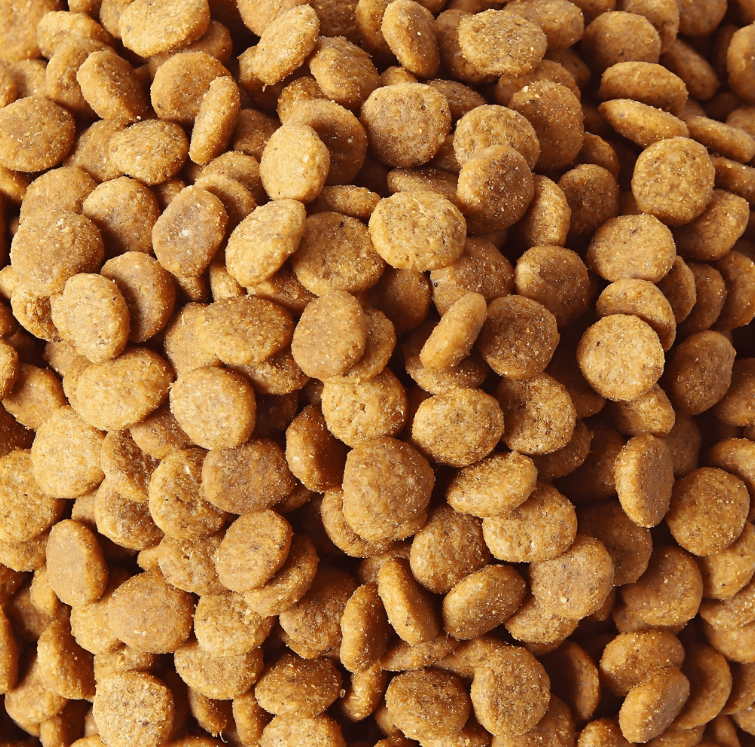
Ingredients like grains and meat meals are passed through a hammer mill. This machine uses rotating hammers to pulverize the materials against a screen, which determines the final particle size. A fine, consistent grind is critical for several reasons:
- Uniform Mixing: It ensures that tiny but critical ingredients, like vitamin and mineral premixes, can be evenly distributed throughout the batch. A vitamin premix might constitute less than 1% of the total formula; without a fine grind, it would be impossible to mix it homogeneously.
- Improved Water Absorption: A finer particle size creates more surface area, allowing for more efficient and uniform hydration during the subsequent conditioning and cooking phases. This is essential for proper starch gelatinization.
- Extruder Performance: A consistent grind prevents clogging in the extruder and ensures a smooth, steady flow of material, which is vital for producing kibble of uniform size and density.
3.2 Precision Weighing
According to the formula, each ingredient is precisely weighed using automated scales. Micro-ingredients (vitamins, minerals, amino acids like taurine) are often pre-mixed with a “carrier” substance (like rice hulls) to create a larger, more manageable volume before being added to the main batch. This prevents them from being lost or forming concentrated “hot spots.”
Pillar 4: The Mixing Phase: Creating a Uniform Blend
The ground and weighed ingredients are now transferred to a large, industrial mixer, typically a ribbon blender or a paddle mixer. The goal is to achieve a perfectly homogeneous dry blend. The dry ingredients (meals, grains) are mixed first. Then, liquid ingredients (fats, oils, water, meat slurries) are added gradually while the mixer continues to run.Cat food making machine
The mixing time is carefully controlled. Under-mixing results in nutrient inconsistencies, meaning one cup of food might have a different nutritional profile than the next. Over-mixing can cause the ingredients to begin to separate by density. Quality control technicians take samples to verify homogeneity before the batch is released for cooking.Cat food making machine
Pillar 5: The Heart of the Process: Extrusion and Cooking for Kibble
This is the most complex and transformative stage in dry food production. Extrusion is a high-temperature, short-time cooking process that uses heat, pressure, and mechanical shear to transform the dry blend into kibble.
5.1 The Extruder: A Precision Cooking Machine
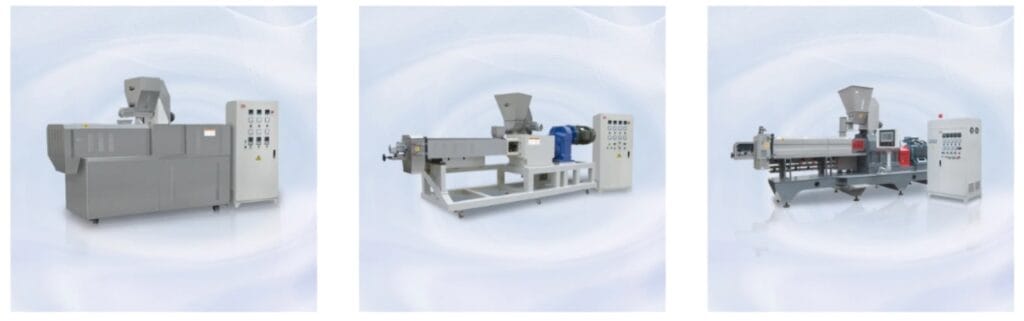
The mixed powder is fed into an extruder—a long barrel with a screw(s) rotating inside.
- Conditioning: Before entering the extruder, the dry mix often passes through a “pre-conditioner,” where it is mixed with hot water and steam. This begins the hydration and cooking process.
- The Cooking Barrel: Inside the extruder barrel, the material is subjected to intense friction and pressure from the rotating screw, combined with external heating. Temperatures can reach between 120°C and 150°C (250°F – 300°F).
- Starch Gelatinization: The combination of heat, moisture, and pressure causes the starch granules in the recipe to swell, rupture, and lose their crystalline structure. They absorb water and form a gelatinized, plasticized dough. This process is crucial as it makes the starch digestible and gives the dough its expansive properties.
5.2 The Die and the “Die Bite”: Forming the Kibble
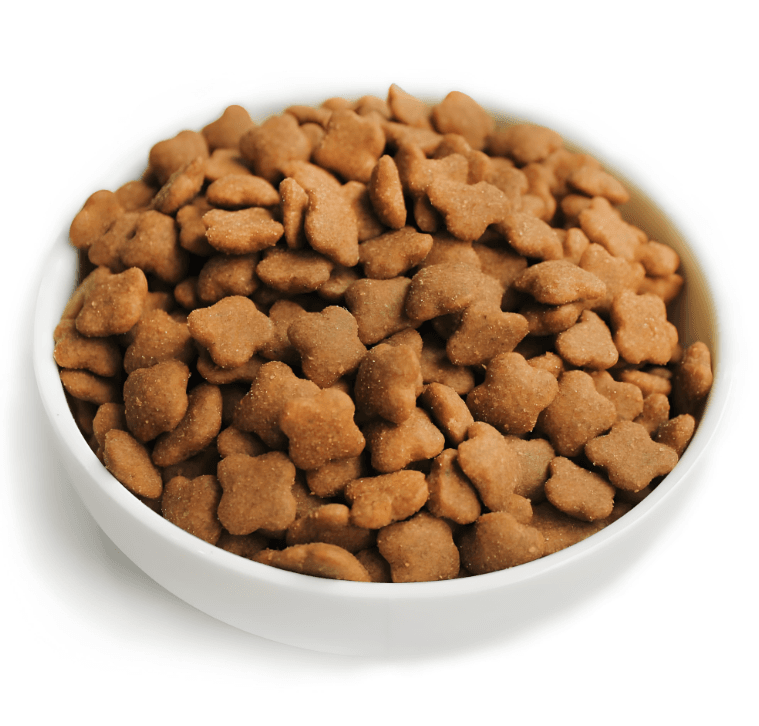
At the end of the extruder barrel is a metal die plate with precisely shaped holes. The cooked, pressurized dough is forced through these holes. As it exits the die into the ambient pressure of the room, the superheated water within the dough instantly flashes into steam. This rapid expansion “puffs” the dough, creating the kibble’s characteristic airy, porous texture. Immediately outside the die, a rotating knife slices the extruding strands into individual pieces of the desired length. The shape of the die holes determines the shape of the kibble (e.g., fish, stars, ovals).
Pillar 6: The Alternative: Thermal Processing for Wet Food
Wet food (cans, pouches, trays) follows a different production path, centered on thermal processing to achieve sterility.
6.1 Ingredient Preparation and Mixing
Meat and other animal derivatives are ground and mixed with water, gravy, vitamins, minerals, and gelling agents (like carrageenan or agar-agar) to create a slurry or a coarse blend.
6.2 Filling and Sealing
The mixture is filled into cans, pouches, or trays. The container is then hermetically sealed.
6.3 Retorting: The Key to Safety
The sealed containers are placed into a large pressure cooker called a retort. They are heated to a very high temperature (often above 121°C or 250°F) under pressure for a specific time. This process destroys all pathogenic microorganisms and spoilage bacteria, making the product commercially sterile and shelf-stable for years. The high heat also fully cooks the ingredients within the package. Because the food is sealed before cooking, nutrient loss is contained within the can, and the formula is designed to account for this.Cat food making machine
Pillar 7: Drying, Coating, and Cooling: The Finishing Touches for Kibble
The kibble exiting the extruder is cooked but soft, moist, and fragile. It must undergo several finishing steps.

7.1 Drying
The expanded, moist kibble is conveyed through a multi-pass dryer, which functions like a large, low-temperature oven. Hot, dry air circulates over the kibble, reducing its moisture content from around 25% to between 6% and 10%. This low moisture level is critical for shelf stability, preventing mold growth and ensuring a crisp texture.
7.2 Fat and Flavor Coating
After drying, the kibble is porous and somewhat bland. To dramatically increase palatability and energy density, it is passed through a coating drum.
- The Process: A fine mist of hot, liquid fat (e.g., chicken fat, fish oil) is sprayed onto the tumbling kibble. This fat coating is often infused with “palatability enhancers” like powdered animal digest or other flavor compounds.
- Importance: This surface coating is what makes the food highly appealing to cats, as they are primarily driven by smell. Heat-sensitive ingredients, such as probiotics, are also added at this stage to avoid being destroyed during the high-heat extrusion and drying.
7.3 Cooling
The kibble is now hot from the drying and coating processes. It must be cooled to near ambient temperature using a cooler with ambient air flow. Cooling is essential to prevent condensation from forming inside the packaging bags, which would lead to spoilage.
Pillar 8: Packaging, Preservation, and Quality Assurance
The final steps are crucial to preserving the quality and safety of the product.
8.1 Automated Packaging
The finished kibble or wet food containers are transported to automated packaging lines. For kibble, the product is fed into bags made from multi-layer plastic films that provide a barrier against moisture, oxygen, and light.
8.2 Preservation: The Role of Nitrogen Flushing
For dry food, the most critical packaging step is nitrogen flushing. Before the bag is sealed, a jet of inert nitrogen gas is injected into the bag, displacing the oxygen-rich air.
- Why Nitrogen? Oxygen causes the fats in the food to oxidize and become rancid, leading to off-flavors and the destruction of fat-soluble vitamins. By replacing oxygen with inert nitrogen, the shelf life of the product is extended significantly, and freshness is preserved.
8.3 Quality Assurance: A System-Wide Approach
Quality control is integrated into every stage of production.
- In-Process Checks: Monitoring critical control points like extrusion temperature and moisture content.
- Metal Detection: The kibble stream passes through a metal detector to remove any metal fragments from the machinery.
- Finished Product Testing: Every batch is tested for:
- Nutritional Adequacy: Verifying it meets the guaranteed analysis for protein, fat, etc.
- Microbiological Safety: Ensuring the absence of pathogens.
- Physical Quality: Checking kibble size, durability, and water activity (a measure of shelf stability).
- HACCP (Hazard Analysis Critical Control Point): Modern facilities operate under HACCP plans—a systematic, preventive approach to food safety that identifies and controls potential biological, chemical, and physical hazards.
The production of commercial cat food is a testament to modern food technology. It is a sophisticated, multi-stage process that transforms raw agricultural materials into a consistent, safe, and nutritionally complete product designed to meet the specific biological needs of an obligate carnivore. From the initial formulation by animal nutritionists to the final nitrogen-flushed seal, each step is governed by scientific principles and rigorous quality control. While debates about ingredient quality and carbohydrate content will continue, understanding the engineering and science behind the process allows pet owners to make more informed choices for their feline companions. The ultimate goal of this complex industrial symphony is to support the health, vitality, and longevity of the cats that share our homes.