
Introduction: Navigating the Global Market for corn flakes maker machine
Sourcing corn flakes maker machines for scalable breakfast cereal production presents a complex maze of technical specifications, supplier reliability concerns, and cross-border logistics that can overwhelm even experienced procurement teams. As global demand for convenient, nutritious breakfast options accelerates across emerging and established markets alike, food manufacturers from Lagos to São Paulo and Dubai to Berlin face mounting pressure to secure high-capacity extrusion and flaking equipment that delivers consistent quality without compromising operational efficiency. The stakes are particularly high when navigating the fragmented international marketplace, where equipment standards, after-sales support, and total cost of ownership vary dramatically between regions.
What Critical Factors Should You Evaluate When Importing Corn Flakes Manufacturing Equipment?
This guide dismantles the complexity of global procurement by providing a comprehensive roadmap through the corn flakes production machinery landscape. We examine the full spectrum of equipment types—from twin-screw extruders and hydraulic flaking mills to integrated drying and coating systems—while analyzing capacity configurations ranging from 120kg/hour entry-level lines to industrial-scale 500kg/hour operations. Beyond technical specifications, we delve into application-specific requirements for producing light, sweet, and savory corn flake variants, alongside critical supplier vetting protocols that protect your investment against quality inconsistencies and service gaps.
How Does This Guide Address Regional Procurement Challenges Across Diverse Markets?
Recognizing the distinct operational contexts facing buyers in Africa, South America, the Middle East, and Europe, this resource tailors strategic insights to regional regulatory frameworks, infrastructure constraints, and consumer preference patterns. Whether you are establishing a new production facility in Germany requiring CE-certified precision engineering or expanding capacity in Brazil navigating import tariff structures, this guide equips you with actionable intelligence to compare total ownership costs, validate supplier credentials, and negotiate warranty terms that ensure sustainable production uptime. By synthesizing technical expertise with market-specific commercial acumen, we empower you to transform procurement risk into competitive advantage.
Understanding corn flakes maker machine Types and Variations
| Type Name | Key Distinguishing Features | Primary B2B Applications | Indicative Price Range (e.g., $, $$, $$$) | Brief Pros & Cons for Buyers |
|---|---|---|---|---|
| Entry-Level Extruder Systems | Single-screw extrusion, ~120kg/h capacity, manual sugar spraying, basic vibrating conveyors, compact footprint | Startups, pilot plants, small regional distributors in emerging markets | $ | Pros: Low capital barrier, minimal space requirements, straightforward operation. Cons: Labor-intensive, limited automation, restricted to standard corn formulations. |
| Mid-Capacity Integrated Lines | Enhanced extrusion (single or twin-screw), ~200kg/h output, semi-automated coating systems, pre-dryer integration | Growing manufacturers, private-label producers, mid-sized exporters | $$ | Pros: Balanced throughput-to-investment ratio, moderate automation, scalable for regional distribution. Cons: Requires skilled technicians, higher utility consumption, climate-sensitive components. |
| High-Volume Industrial Systems | Heavy-duty twin-screw extruders, 500kg/h+ output, full PLC control, continuous multi-stage drying/baking, precision flaking rollers | Large-scale factories, multinational brands, export-oriented bulk producers | $$$ | Pros: Maximum OEE (Overall Equipment Effectiveness), consistent high-quality output, 24/7 operation capability. Cons: Significant upfront capital, complex maintenance protocols, large physical footprint. |
| Multi-Grain Flexible Production Lines | Interchangeable extruder screws, adjustable flaking pressure, compatible with wheat bran/oats/rice, modular cleaning systems | Diversified cereal companies, health-food manufacturers, contract co-packers | $$-$$$ | Pros: Product portfolio diversification, seasonal production flexibility, access to premium health markets. Cons: Extended changeover cleaning times, complex allergen management, premium component costs. |
What specifications define entry-level corn flakes extruder systems for emerging markets?
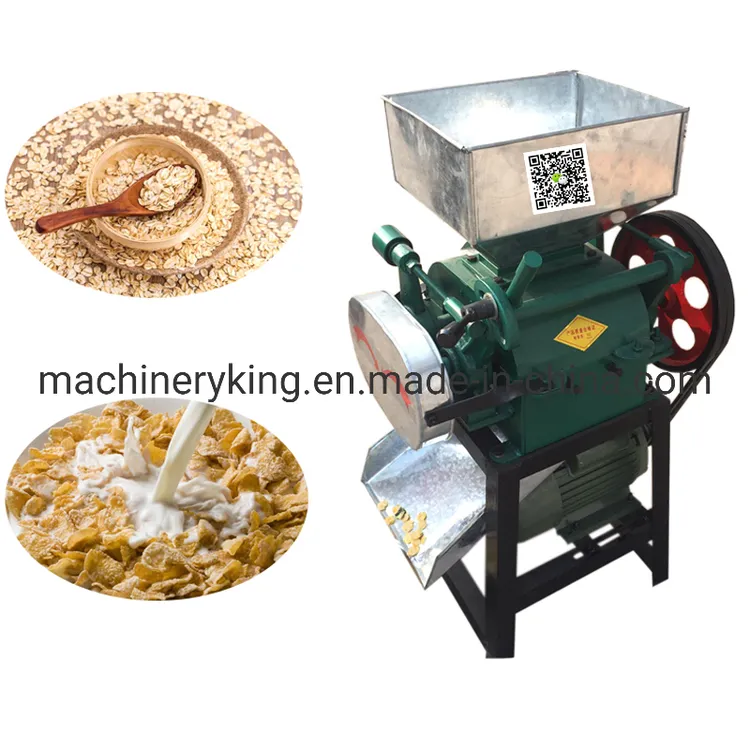
Characteristics: These compact systems utilize single-screw extrusion technology with standard outputs of approximately 120kg per hour, featuring manual seasoning application, basic vibrating conveyors, and simplified drying tunnels. Suitability: Ideal for market entry, pilot production facilities, and small-scale distributors in emerging economies where capital constraints exist. Key B2B Considerations: Prospective buyers should rigorously verify motor durability ratings, local spare parts availability, and after-sales technical support networks, as these machines prioritize affordability over advanced automation, consequently requiring significant manual labor intervention to maintain consistent product quality and throughput.
How do mid-capacity corn
Key Industrial Applications of corn flakes maker machine
| Industry/Sector | Specific Application of corn flakes maker machine | Value/Benefit for the Business | Key Sourcing Considerations for this Application |
|---|---|---|---|
| Commercial Breakfast Cereal Manufacturing | Automated production of retail-ready corn flakes, frosted variants, and multigrain cereals for supermarket distribution | High-volume continuous output (120–500kg/h); consistent product uniformity for brand reliability; automated vitamin/sugar coating for fortified health products | CE/ISO certification for European compliance; energy-efficient motors for high-cost electricity regions (e.g., Brazil); availability of spare parts and technical documentation in English/Portuguese/Arabic |
| Contract Manufacturing & Private Label Services | Flexible production lines enabling rapid changeover between light, sweet, salty, and bran-flake recipes for multiple client brands | Production agility to serve diverse portfolios without cross-contamination; ability to process oat and wheat bran on shared equipment; reduced downtime between batches | Modular screw and barrel designs for quick recipe switching; easy-clean sanitary construction for allergen management; small-batch capability (120kg/h models) for niche brand testing |
| Institutional Food Service (HORECA & Public Sector) | Bulk manufacturing of bagged cereals for hotels, hospitals, school feeding programs, and military catering facilities | Cost-effective bulk packaging integration; extended shelf-life production reducing waste; consistent portion control for large-scale catering tenders | Heavy-duty mechanical construction for 24/7 operation; simplified mechanical systems enabling local maintenance in African and South American markets; compatibility with bulk bagging equipment |
| Diversified Snack & Nutritional Processing | Dual-use extrusion for cereal flakes and puffed snack bases (loops, balls) used in cereal bars, healthy snacks, and fortified baby foods | Capital efficiency through equipment versatility; entry into high-margin functional food markets; utilization of indigenous grains (sorghum, millet) for localized production | Interchangeable die molds for snack diversification; recipe development support for local starch profiles and humidity conditions; extruder versatility for alternative grains common in Middle Eastern and African markets |
How Can Large-Scale Manufacturers Optimize Retail Cereal Production?
Industrial corn flakes lines automate the entire process from corn grits extrusion to precision flaking, drying, and sugar coating. For buyers in Germany and Brazil, this solves the critical challenge of meeting strict HACCP and ISO food safety standards while achieving economies of scale with 120–500kg/h capacities. The twin-screw extrusion technology ensures uniform starch gelatinization essential for shelf-stable products, while automated coating systems enable precise vitamin fortification required by health-conscious European consumers and price-sensitive South American markets seeking affordable nutrition.
What Should Contract Manufacturers Prioritize for Multi-Brand Flexibility?
Co-manufacturers serving multiple private labels require machines with rapid recipe changeover capabilities to switch between light, sweet, and multigrain flakes without extended downtime. This addresses the specific pain point of production efficiency in competitive African and Middle Eastern markets where manufacturers juggle diverse client requirements. Look for modular extrusion systems capable of processing wheat bran and oat variations on the same line, featuring easy-clean designs essential for allergen management when alternating between gluten-free and conventional formulations to serve health-conscious demographics.
How Does Institutional Catering Benefit from Automated Flake Production?
Hospitality and public sector applications demand robust machines capable of 24/7 operation, producing bulk-packaged flakes for hotels, hospitals, and school feeding programs. For emerging markets across Africa and South America, this equipment solves critical supply chain vulnerabilities by enabling localized production of fortified breakfast options rather than relying on costly imports. Prioritize heavy-duty construction with mechanical simplicity that local technicians can maintain, and verify compatibility with bulk packaging systems to significantly reduce per-unit costs for institutional procurement tenders and government feeding initiatives.
Why Are Snack Producers Investing in Dual-Purpose Extrusion Lines?
Beyond traditional breakfast cereals, these machines produce puffed bases for cereal bars, functional snacks, and fortified baby foods—segments experiencing rapid growth in the Middle East and health-focused European markets. This operational versatility solves capital constraints for small-to-medium enterprises by maximizing equipment ROI through diversified product lines. Buyers should specifically verify the extruder’s capability to process indigenous grains like sorghum or millet prevalent in African markets, and ensure suppliers provide comprehensive recipe development support to adapt formulations for local starch profiles and humidity conditions affecting product texture.
A stock image related to corn flakes maker machine.
3 Common User Pain Points for ‘corn flakes maker machine’ & Their Solutions
How Do I Choose the Right Production Capacity Without Overinvesting?
The Problem: B2B buyers frequently miscalibrate capacity needs, selecting 500kg/h industrial lines that strain working capital when 120kg/h would suffice, or choosing entry-level systems that cannot scale with rapidly growing breakfast cereal markets in Africa and South America. This mismatch creates either unnecessary overhead or lost revenue opportunities during peak demand periods, particularly problematic for distributors entering competitive European retail channels.
The Solution: Evaluate modular extrusion systems offering tiered outputs (120kg/h, 200kg/h, 500kg/h) with upgradeable screw configurations and barrel extensions. Conduct local market analysis to determine realistic offtake volumes, then select lines featuring standardized components that allow capacity expansion without complete infrastructure overhaul. Prioritize suppliers offering flexible commissioning schedules aligned with production ramp-up phases.
Why Are My Corn Flakes Lacking Texture and Visual Appeal?
The Problem: Manufacturers using locally sourced corn varieties often encounter poor flake transparency, irregular shapes, and inconsistent crunch due to low horny endosperm content and high germ interference during starch gelatinization. This quality inconsistency damages brand reputation in quality-sensitive markets like Germany and the Middle East, where product appearance and texture directly influence B2B purchasing decisions and shelf placement.
The Solution: Implement integrated degerming and peeling pre-processing stages to remove germ content that disrupts gelatinization. Specify extruders with precision temperature control zones rather than traditional cooking methods to achieve optimal starch modification regardless of raw material variations. Calibrate flaking press rollers to maintain consistent thickness specifications, ensuring uniform baking and proper texture development across diverse corn inputs.
How Can I Maintain Complex Extrusion Equipment Without Local Technical Expertise?
The Problem: The shift from simple flaking mills to multi-stage automated lines—incorporating twin-screw extruders, vibratory conveyors, and multi-layer drying ovens—creates maintenance bottlenecks in regions lacking specialized technicians. Equipment downtime from improper calibration or wear part replacement can halt production for weeks, devastating profitability for emerging manufacturers in Brazil or Southeast Asia who lack immediate access to European engineering support.
The Solution: Select manufacturers providing comprehensive commissioning packages including international on-site installation, operator certification programs, and remote diagnostic capabilities. Prioritize machines with PLC-controlled automation and self-diagnostic features that minimize human error. Establish spare parts partnerships with regional distributors to ensure rapid replacement of critical components like extruder screws and die plates, reducing potential downtime from weeks to days.
Strategic Material Selection Guide for corn flakes maker machine
When evaluating capital equipment for breakfast cereal production, material specification determines not only regulatory compliance with GFSI and HACCP standards but also operational continuity across diverse climatic conditions—from humid tropical environments in Brazil and Nigeria to the controlled atmospheres of German processing facilities. The selection of construction materials for extrusion barrels, flaking rollers, and drying chambers directly influences sanitation protocols, energy efficiency, and total cost of ownership over a 10-15 year equipment lifecycle.
Is Food-Grade Stainless Steel 304 the Optimal Balance for Corn Flakes Extrusion Components?
AISI 304 stainless steel remains the predominant specification for food-contact surfaces in corn flakes manufacturing lines, particularly for extruder barrels, mixing chambers, and conveyor systems handling degermed corn grits. This austenitic grade offers sufficient chromium content (18%) to resist oxidation from steam and moisture during the starch gelatinization process, while maintaining cost efficiency for large-scale production runs common in emerging markets. For B2B buyers operating in moderate climates with standardized CIP (Clean-in-Place) protocols, 304-grade construction provides adequate durability against abrasive corn particle contact without the premium associated with higher alloys. However, procurement teams should note that prolonged exposure to chloride-based sanitizers, high-salt recipe formulations, or coastal atmospheric conditions may initiate pitting corrosion, necessitating more frequent inspection schedules and potential early replacement in facilities located in coastal
A stock image related to corn flakes maker machine.
In-depth Look: Manufacturing Processes and Quality Assurance for corn flakes maker machine
Modern corn flakes production lines represent a sophisticated integration of thermal processing, mechanical forming, and precision coating technologies. For B2B buyers evaluating capital equipment investments—whether for emerging markets in Africa and South America or established European operations like Germany—understanding the granular details of manufacturing processes and quality assurance (QA) protocols is essential for maximizing operational uptime and product consistency.
How Does Raw Material Preparation Impact Production Efficiency?
The manufacturing sequence begins with rigorous raw material specification. Hard dent corn varieties are preferred due to their high horny endosperm content, which yields superior starch gelatinization transparency and structural integrity during flaking. However, whole corn kernels require degerming prior to processing; the high lipid content in corn germ can compromise starch binding and create off-flavors during high-temperature toasting. Consequently, premium corn flakes maker machines are designed to process degermed corn grits with particle sizes calibrated between 3-5mm and initial moisture levels of 18-22%. Pre-conditioning mixers equipped with variable-speed agitators and steam injection ports ensure uniform hydration, a critical factor for buyers sourcing from diverse agricultural supply chains in Brazil or the Middle East where ambient humidity fluctuations can affect raw material stability.
What Role Does Twin-Screw Extrusion Play in Gelatinization?
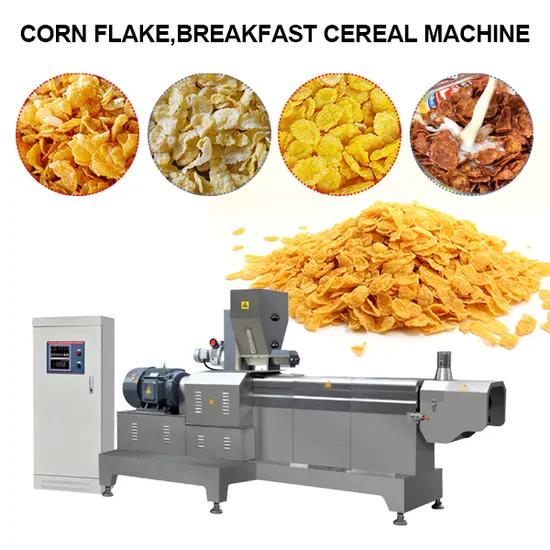
The core transformation occurs within the twin-screw extruder, where thermomechanical energy converts hydrated grits into a plasticized dough mass. High-shear screws generate temperatures between 120°C-140°C while maintaining specific mechanical energy (SME) levels sufficient for complete starch gelatinization without dextrinization. This extrusion phase determines the final flake’s digestibility and bowl-life stability. Following extrusion, the dough passes through a specialized flaking press featuring counter-rotating rollers with precision gap adjustments (typically 0.3-0.8mm). Hydraulic pressure systems maintain consistent roller spacing despite thermal expansion, ensuring uniform flake thickness—a critical quality parameter that affects toasting uniformity and packaging density. Vibration conveyors immediately separate agglomerates before thermal processing, preventing downstream contamination.
How Is Moisture Controlled During Drying and Toasting?
Post-flaking, the product undergoes a two-stage moisture reduction process. Initial pre-drying in multi-layer convection ovens reduces moisture from 25-30% to 10-12%, utilizing counter-current airflow designs that optimize thermal efficiency for high-capacity operations (120kg/h to 500kg/h). Subsequent high-temperature toasting (180°C-220°C) in radiant or forced-convection baking ovens accomplishes three objectives: final moisture reduction to 2-4%, development of Maillard reaction flavors, and creation of the characteristic golden-brown coloration. For European markets requiring specific acrylamide management, advanced lines incorporate rapid moisture sensors with feedback loops that automatically adjust zone temperatures. Cooling conveyors with ambient or chilled air circulation then stabilize the product before coating, preventing condensation that could compromise coating adhesion.
What Quality Assurance Protocols Govern Coating Operations?
Flavor application systems represent a critical contamination risk point requiring stringent QA. Rotary drum coaters or curtain coaters apply sugar, malt, or salt slurries with precision spray nozzles (atomization pressure 2-4 bar) followed by secondary drying to prevent caking. Stainless steel 304 or 316L construction throughout contact surfaces ensures compliance with EU Regulation (EC) No 1935/2004 for food contact materials. Magnetic separators and metal detectors positioned post-coating provide inline contaminant detection, while automated CIP (Clean-in-Place) systems with caustic/acid cycles minimize microbial biofilm risks. For buyers in tropical climates, moisture barrier packaging integration points should be specified to prevent post-processing moisture regain.
Which Manufacturing Standards Validate Equipment Construction?
B2B procurement teams should verify that corn flakes maker machines adhere to international fabrication standards. TIG welding with passivation treatments prevents crevice corrosion in screw elements and dryer housings. Electrical components must carry CE marking for European installations or equivalent NRTL certifications for other regions. Drive systems utilizing SEW or Siemens motors with IP55/65 enclosures ensure reliability in dusty milling environments common in African and South American processing facilities. Furthermore, sanitary design principles—including sloped surfaces for drainage, quick-release couplings, and tool-less disassembly for extruder barrels—reduce sanitation downtime by up to 40% compared to industrial-grade (non-food-specific) extrusion equipment.
How Does Factory Acceptance Testing Ensure Operational Readiness?
Prior to shipment, comprehensive Factory Acceptance Testing (FAT) protocols validate system integration. This includes 72-hour continuous run trials using specified raw materials, calibration verification of all temperature and pressure sensors against NIST-traceable standards, and dimensional inspection of flaking roller parallelism (tolerance ±0.05mm). Vendors should provide material certificates for all alloy components, welding logs, and electrical schematic documentation in English, Spanish, or Portuguese to facilitate local maintenance in target markets. Installation commissioning includes training on formulation adjustment protocols—critical for producers adapting recipes to local corn varieties with varying amylose content—and preventive maintenance scheduling to maximize the typical 12-month warranty period.
By scrutinizing these manufacturing and QA parameters, international buyers can ensure their corn flakes production infrastructure delivers consistent product quality while maintaining compliance with both local food safety regulations and export market standards.
Practical Sourcing Guide: A Step-by-Step Checklist for ‘corn flakes maker machine’
Procuring a corn flakes manufacturing line represents a significant capital investment requiring strategic evaluation beyond superficial price comparisons. This comprehensive checklist guides international B2B buyers through six critical decision points—from capacity alignment to regulatory compliance—ensuring your equipment selection meets production goals, raw material specifications, and post-installation support requirements across diverse markets including Africa, South America, and Europe.
How Do You Determine the Right Production Capacity for Your Market?
Analyze your daily output requirements against regional breakfast cereal consumption patterns before selecting between entry-level systems (120 kg/h) and industrial-scale solutions (500 kg/h). Factor in seasonal demand fluctuations and plan for minimum 20% capacity buffer to accommodate market growth without immediate equipment upgrades. Request detailed energy consumption metrics per kilogram of finished product to calculate accurate long-term operational costs and ROI projections.
What Technical Specifications Should You Verify Before Signing a Contract?
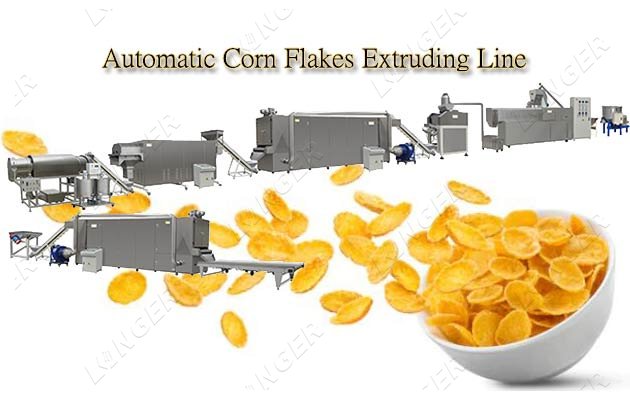
Verify that the twin-screw extruder system processes hard dent corn efficiently, as high horny endosperm content ensures proper starch gelatinization and desirable flake transparency. Confirm the complete production line includes all critical components: mixing, conveying, extrusion, vibrating distribution, flaking, pre-drying, high-temperature baking, sugar coating (if applicable), final drying, and cooling systems. Insist on food-grade stainless steel construction (304 or 316) for all product contact surfaces to prevent metallic contamination and ensure decades of hygienic operation.
How Can You Ensure Your Supplier Provides Comprehensive Installation Support?
Demand written contractual confirmation of on-site technician deployment for equipment commissioning and comprehensive operator training, rather than relying solely on remote video guidance. Clarify precise timeline responsibilities—typically 7-10 days for stocked standard equipment versus 20-25 days for customized configurations. Verify the supplier offers professional factory layout design services based on your specific facility dimensions, ensuring optimal workflow from raw material intake through packaging while maintaining food safety zones.
What Raw Material Preparation Systems Must Be Included in Your Purchase?
Determine whether your operation requires integrated corn degerming and grits preparation equipment, as corn germ negatively impacts flake formation and starch gelatinization quality. If sourcing pre-processed grits locally, ensure the extruder accommodates your specific particle size distribution and moisture content specifications. Verify automated moisture control systems throughout the production process, as consistent hydration levels determine final product texture, breakage rates, and shelf stability in tropical climates.
How Do You Evaluate After-Sales Service and Spare Parts Availability?
Secure minimum 12-month warranty coverage with explicit definitions of included components, labor costs, and guaranteed response timeframes for critical failures. Establish multilingual communication protocols through accessible channels (WhatsApp, Skype, WeChat) for urgent troubleshooting across time zones. Assess spare parts inventory logistics—suppliers maintaining regional warehouses in Europe, Africa, or South America significantly reduce equipment downtime compared to exclusively Asia-based shipping, particularly for wear parts like screws and barrels.
What Compliance Certifications Are Required for Your Target Export Markets?
Verify mandatory CE marking compliance for European Union markets and relevant food safety certifications (ISO 22000, HACCP, GMP) applicable to your specific destination countries. Confirm electrical and mechanical specifications align with local standards—voltage requirements (220V/380V), frequency (50Hz/60Hz), and safety regulations—to avoid costly retrofitting or import rejection. Request complete documentation packages including material safety data sheets, origin certificates, and hygiene compliance proofs before releasing final payment.
A stock image related to corn flakes maker machine.
Comprehensive Cost and Pricing Analysis for corn flakes maker machine Sourcing
When sourcing industrial corn flakes manufacturing equipment, understanding the complete cost architecture beyond the sticker price ensures procurement decisions align with long-term operational budgets and regional market demands. For buyers across Africa, South America, the Middle East, and Europe, pricing variability reflects not only technical specifications but also logistical complexities and after-sales support infrastructures.
What Factors Determine the Price Range of Industrial Corn Flakes Equipment?
Entry-level extrusion systems typically start around USD 9,000, while high-capacity automated lines can reach USD 25,000 or higher, depending on hourly output requirements. Machines processing 120kg/hour serve emerging markets or pilot facilities, whereas 500kg/hour systems suit established operations in Germany or Brazil demanding continuous production. Critical cost drivers include the degree of automation—semi-automatic flaking presses reduce upfront investment but increase labor costs—stainless steel grade compliance with EU hygiene standards, and the inclusion of auxiliary equipment such as sugar sprayers and multi-layer drying ovens.
How Much Should B2B Buyers Budget for a Complete Corn Flakes Production Line?
Beyond the base equipment cost, comprehensive budgeting must account for international shipping and customs clearance, which can add 15-25% to the total landed cost depending on the destination port. Installation and commissioning services, often requiring technician deployment for 1-2 weeks, represent additional investments typically ranging between USD 1,500-3,000. For African and South American markets, consider currency fluctuation buffers and import duty structures, while European buyers should factor in CE certification compliance costs and energy efficiency ratings that impact long-term operational expenses.
What Hidden Costs Impact the Total Cost of Ownership for Breakfast Cereal Machinery?
The true economic footprint extends through the equipment lifecycle. Spare parts availability becomes critical—machines utilizing proprietary screws and heating elements may create dependency on single-source suppliers, inflating maintenance budgets. Power consumption varies significantly between conventional and energy-efficient baking systems, directly affecting utility costs in regions with high electricity tariffs. Additionally, access to proprietary formulation support and recipe development, often bundled in premium packages, eliminates costly R&D trial-and-error for new market entrants.
How Can Buyers Optimize Procurement Costs When Sourcing from International Suppliers?
Strategic timing significantly impacts cash flow. Standard lead times of 7-10 days for stocked items versus 20-25 days for custom configurations allow buyers to align purchases with seasonal demand cycles. Consolidating orders to achieve full container loads (FCL) rather than LCL (Less than Container Load) shipments reduces per-unit freight costs by 30-40%. Negotiating warranty terms—seeking 12-month post-installation coverage with included remote technical support—mitigates risk without immediate insurance premiums. Finally, verifying that suppliers offer multilingual documentation and region-specific voltage configurations (220V/380V/415V) prevents costly retrofitting upon arrival.
Alternatives Analysis: Comparing corn flakes maker machine With Other Solutions
When evaluating entry into the breakfast cereal market, B2B buyers must weigh automated extrusion technology against both legacy manufacturing approaches and non-production business models. While integrated corn flakes maker machines offer continuous processing capabilities, alternative pathways—ranging from traditional roller flaking to import-based distribution models—present distinct risk-reward profiles depending on regional infrastructure, capital availability, and target market positioning.
How Does Automated Extrusion Compare to Traditional Roller Flaking and Import Models?
| Comparison Aspect | Corn Flakes Maker Machine (Extrusion) | Traditional Steam Cooking & Roller Flaking | Import & Repackaging Model |
|---|---|---|---|
| Initial Capital Investment | $9,000–$25,000 per set (120–500 kg/h capacity) | $40,000–$120,000+ (requires steam boilers, tempering bins, heavy rollers) | $3,000–$15,000 (packaging equipment only) |
| Production Capacity | 120–500 kg/hour continuous | 100–300 kg/hour (batch-dependent, tempering delays) | Unlimited (constrained by supplier MOQs) |
| Product Texture & Quality | Expanded, uniform, crispy; consistent gelatinization | Traditional dense flakes; variable thickness; premium “heritage” mouthfeel | Dependent on source supplier; limited customization |
| Energy & Infrastructure | Electric-driven; moderate energy efficiency; compact footprint | High steam/electric consumption; requires boiler systems; large factory space | Minimal energy use; dependent on cold chain logistics |
| Ease of Implementation | Moderate (7–25 days delivery; requires technician installation/training) | Complex (multi-stage setup; steam safety compliance; longer commissioning) | Simple (logistics and regulatory compliance focus) |
| Operational Flexibility | High (can produce puffed snacks, other cereals via die changes) | Low (dedicated to flake production; recipe changes require process adjustments) | None (fixed product specifications) |
| Supply Chain Control | Full raw material control; local sourcing of corn grits | Full control; requires local agricultural partnerships | Vulnerable to currency fluctuations; import tariffs; supplier dependency |
What Are the Operational Implications of Traditional Roller Flaking Systems?
Traditional roller flaking represents the pre-extrusion heritage technology still favored in certain European and Middle Eastern markets for producing “authentic” dense corn flakes. This method requires cooking corn grits in steam vessels to achieve starch gelatinization, followed by drying, tempering, and compression between heavy cast-iron rollers. While the resulting flakes offer the classic texture associated with legacy brands, the infrastructure demands—including steam boilers, large tempering bins, and substantial factory space—create higher barriers to entry. For B2B buyers in regions with unreliable electrical grids but access to biomass-fueled steam systems (common in parts of Africa and South America), this method provides operational continuity despite requiring 40% more labor and longer processing cycles than extrusion. However, the batch nature of cooking and the mechanical complexity of roller calibration often result in higher maintenance costs and lower overall equipment effectiveness (OEE) compared to continuous extrusion lines.
Is Import and Repackaging a Viable Alternative to Manufacturing?
The import-and-repackage model eliminates manufacturing complexity entirely, allowing businesses to source bulk corn flakes from established producers in China, India, or the EU and distribute them under local branding. This approach requires minimal capital outlay—typically limited to packaging machinery and warehousing—enabling rapid market entry for traders in the Middle East or capital-constrained entrants in South America. While this strategy avoids technical training requirements and production regulatory hurdles, it exposes businesses to significant supply chain vulnerabilities including currency exchange risks, import tariff fluctuations, and shipping delays. Margins typically run 20–35% lower than in-house manufacturing, and companies sacrifice product differentiation capabilities, as they remain dependent on suppliers’ formulations and quality standards. This model functions best as a market-testing strategy or complementary distribution channel rather than a long-term manufacturing replacement, particularly in regions where local production incentives or import substitution policies may disrupt trading advantages.
Essential Technical Properties and Trade Terminology for corn flakes maker machine
When evaluating industrial corn flakes production lines, understanding precise technical specifications and industry-specific terminology ensures accurate equipment comparison and compliance with regional food safety standards.
What Are the Critical Technical Specifications for High-Volume Production?
Primary throughput capacities typically range from 120 kg/hour for entry-level models to 500 kg/hour for industrial-scale systems, with scalability options to match market demand projections. Extruder motor power, measured in kilowatts, directly correlates with gelatinization efficiency and must align with your facility’s electrical infrastructure. The drying system configuration, particularly the number of heating zones and temperature precision (±2°C), determines final moisture content and shelf stability. Additionally, evaluate the flaking roller’s hydraulic pressure capacity and gap adjustment precision, as these dictate flake thickness uniformity and breakage resistance.
Which Material and Compliance Standards Ensure Global Market Access?
Equipment destined for European, Middle Eastern, or South American markets must utilize food-grade 304 or 316 stainless steel for all product-contact surfaces to prevent corrosion and bacterial contamination. Verify CE marking for regulatory compliance, alongside specific voltage adaptations (e.g., 380V/50Hz or 220V/60Hz) for target regions. Hygiene standards should include IP65-rated electrical components and seamless welding protocols that facilitate effective CIP (Clean-in-Place) procedures.
How Do Flaking and Baking Parameters Affect Product Integrity?
The transition to finished flakes requires precise control of roller gap settings (typically 0.3-0.8 mm) and synchronized belt speeds through the flaking press. Subsequent baking phases demand multi-zone temperature control, ranging from 120°C to 200°C, to achieve the Maillard reaction responsible for golden color and crunch without burning. Pre-drying moisture levels must reach 10-12% before flaking to prevent sticking and ensure proper starch glass transition.
Essential Trade Terminology for Corn Flakes Manufacturing
Extrusion Cooking: A high-pressure, thermo-mechanical process where corn grits are cooked via viscous dissipation, forcing starch molecules to gelatinize and expand upon exiting the die.
Gelatinization Degree: The percentage of starch granules converted to an amorphous state during extrusion, typically targeting 85-95% for optimal texture; insufficient gelatinization results in hard, unpalatable flakes.
Flaking Mill (Flake Press): The compression unit featuring counter-rotating rollers that flatten extruded pellets into thin flakes; critical specifications include roller diameter, gap adjustment precision, and cooling jacket integration.
Horny Endosperm: The hard, vitreous portion of dent corn kernels containing tightly packed starch granules; high content ensures proper flake integrity, transparency, and resistance to breakage.
Conditioning: The pre-extrusion treatment involving controlled moisture addition and tempering time (15-30 minutes) to achieve uniform hydration, ensuring consistent extrusion and preventing equipment wear.
Toasting Profile: The time-temperature curve applied during final baking, typically involving rapid high-heat exposure (180-220°C) for 2-4 minutes to reduce moisture to 3-5% and develop the characteristic toasted flavor.
Navigating Market Dynamics and Sourcing Trends in the corn flakes maker machine Sector
Which Regional Markets Are Driving Demand for Corn Flakes Maker Machines in 2024?
The global breakfast cereal market is experiencing divergent growth patterns that directly impact machinery procurement strategies. Emerging economies across Africa and South America are witnessing rapid urbanization and shifting dietary preferences, creating surging demand for entry-level to mid-capacity production lines ranging from 120kg/h to 200kg/h. Conversely, Middle Eastern markets are prioritizing equipment that supports food security initiatives and import substitution strategies, favoring robust 500kg/h industrial systems capable of continuous operation. European buyers, particularly in Germany, are increasingly focused on retrofitting existing facilities with automated flake pressure machines and advanced baking systems to enhance energy efficiency rather than greenfield investments. This regional fragmentation necessitates that procurement teams evaluate not only initial capacity requirements but also scalability potential, as markets like Brazil and Nigeria demonstrate rapid evolution from small-scale operations to integrated manufacturing hubs within 24-36 month cycles.
How Are Technological Advancements Transforming Production Capacities and Efficiency?
Modern corn flakes manufacturing has evolved beyond simple extrusion to encompass integrated processing ecosystems. Contemporary lines now feature precision-engineered twin-screw extruders coupled with automated flake pressure machines that ensure uniform thickness critical for consistent toasting and shelf stability. While hard dent corn remains the industry standard for optimal starch gelatinization and product transparency, advanced model series now accommodate diverse regional corn varieties with varying endosperm compositions, reducing raw material dependency for international operators. Smart conveyor systems with vibrate technology minimize breakage during transfer between mixing, drying, and sugar spraying stages. Furthermore, modular dryer configurations allow manufacturers to adjust thermal profiles based on ambient humidity levels—a critical consideration for facilities operating in tropical African or South American climates where moisture control challenges differ significantly from European standards.
Why Is Energy Efficiency and Waste Reduction Becoming Critical in Equipment Selection?
Sustainability in corn flakes production now extends beyond ingredient sourcing to encompass machinery operational footprints. The drying and baking stages typically consume 60-70% of total production energy, prompting leading manufacturers to develop multi-layer dryer ovens with heat recovery systems and variable frequency drives. Buyers should prioritize equipment featuring optimized thermal insulation and precision temperature controls that reduce gas or electricity consumption by 15-25% compared to legacy models. Water usage represents another sustainability metric, particularly in corn grits preparation and washing phases; closed-loop water recycling systems integrated into modern lines significantly reduce wastewater volumes. Additionally, advanced extrusion technology minimizes raw material waste through precise gelatinization control, ensuring that corn germ separation processes maximize yield while maintaining the structural integrity required for high-quality flake formation. These efficiencies translate directly to reduced per-unit production costs and enhanced compliance with increasingly stringent environmental regulations in European and Middle Eastern markets.
What Constitutes Ethical Sourcing and Reliable Partnerships in the Corn Flakes Machinery Sector?
Ethical procurement in this sector transcends price negotiation to encompass manufacturer accountability and long-term operational support. Due diligence should verify proven export capabilities to diverse regulatory environments—evidenced by successful installations across Italy, Germany, Russia, Turkey, and emerging markets like Indonesia and India. Reliable suppliers provide comprehensive documentation including CE certification, material traceability for food-contact components, and transparent warranty structures typically spanning 12 months post-commissioning with extended support options. Critical evaluation criteria include the availability of on-site technical assistance for installation and operator training, particularly for buyers in regions with limited local technical infrastructure. Ethical manufacturers demonstrate commitment through provision of fundamental production formulations and process methodologies, ensuring knowledge transfer rather than mere equipment delivery. Furthermore, responsive after-sales networks accessible via multiple channels—including WhatsApp, Skype, and WeChat—indicate supplier readiness to resolve production anomalies rapidly, minimizing costly downtime for operations in remote locations across Africa or South America.
Frequently Asked Questions (FAQs) for B2B Buyers of corn flakes maker machine
What is the typical investment range for industrial corn flakes manufacturing equipment?
How much does an industrial corn flakes maker machine cost?
Industrial corn flakes production lines typically range from $9,000 to $25,000 USD per complete set, depending on hourly output capacity and automation levels. Entry-level systems producing 120kg/hour suit emerging markets and small-scale operations, while high-capacity 500kg/hour configurations with advanced extrusion technology command premium pricing. Beyond equipment costs, B2B buyers should budget for international shipping, customs clearance, on-site installation, and initial raw material inventory. Requesting detailed quotations that specify voltage customization, spare parts packages, and training inclusions ensures transparent total cost of ownership calculations for facilities in Africa, South America, or the Middle East.
How do I select the appropriate production capacity for my corn flakes line?
What is the production capacity of a commercial corn flakes manufacturing line?
Standard industrial configurations offer scalable outputs of 120kg/hour, 200kg/hour, and 500kg/hour, with modular designs allowing future expansion. When selecting capacity, calculate your target market’s daily consumption patterns, factoring in 16-20 hour production shifts and planned maintenance downtime. For emerging markets in Africa or South America, mid-range 200kg/hour systems often provide optimal balance between capital expenditure and market demand coverage. European buyers typically prioritize 500kg/hour automated lines with integrated packaging systems to minimize labor costs and maximize throughput efficiency.
Which raw materials are required for high-quality corn flakes production?
What raw materials are required for corn flakes production?
Hard dent corn varieties with high horny endosperm content deliver superior gelatinization transparency and flake integrity compared to standard field corn. Most industrial processes require degermed corn grits rather than whole kernels, as corn germ contains oils that compromise starch binding and shelf stability during high-temperature extrusion. While hard dent corn remains the global standard, modern extrusion systems can process alternative grains including wheat bran, rice, or multigrain blends to create differentiated product lines. Ensure your supplier provides formulation guidance for regional taste preferences, whether producing light tan unsweetened flakes for
Important Disclaimer & Terms of Use
⚠️ Important Disclaimer
The information provided in this guide, including content regarding manufacturers, technical specifications, and market analysis, is for informational and educational purposes only. It does not constitute professional procurement advice, financial advice, or legal advice.
B2B buyers must conduct their own independent and thorough due diligence before making any purchasing decisions. The risk of relying on any information in this guide is borne solely by the reader.
Top 3 Corn Flakes Maker Machine Manufacturers & Suppliers List
1. CornProcess – Corn Processing Equipment
2. Loyal – Corn Flakes Making Machine
Domain: m.loyalfoodmachine.com
Registered: 2020 (6 years)
Introduction: Corn flakes making machines feature automated mixing, cooking, precision-cutting, and packaging systems with computer-controlled processes ensuring consistent flake thickness and texture. They offer customizable settings for temperature, mixing duration, and ingredient dispensing to handle various recipes including flavored, fruit, and nut-infused variants. Available in capacities ranging from sma…
3. Kellogg’s – Corn Flakes

Domain: discovery.patsnap.com
Registered: 2006 (20 years)
Introduction: Corn flakes (cornflakes) are a breakfast cereal made by toasting flakes of corn (maize). Created by John Harvey Kellogg in 1894 as a health food for patients at the Battle Creek Sanitarium in Michigan. Commercialized by the Kellogg Company (Kellogg’s), founded by Will Kellogg to produce the cereal for the wider public. A patent for the production process was granted in 1896.
Strategic Sourcing Conclusion and Outlook for corn flakes maker machine
How Can Buyers Future-Proof Their Corn Flakes Manufacturing Investment?
Investing in extrusion-based cereal production requires balancing immediate capacity requirements with long-term scalability. Rather than selecting equipment based solely on hourly throughput, forward-thinking procurement teams should prioritize modular architectures that accommodate recipe diversification—from light corn flakes to frosted variants—without requiring complete line overhauls. Hard dent corn compatibility and integrated degerming capabilities remain non-negotiable specifications for ensuring consistent starch gelatinization and product transparency across varying regional raw material qualities.
What Should International Buyers Prioritize Beyond Initial Equipment Costs?
Total Cost of Ownership (TCO) calculations must extend beyond the $9,000–$25,000 price range to encompass shipping logistics, installation complexity, and localized technical support availability. Suppliers offering comprehensive commissioning services, on-site operator training, and remote troubleshooting infrastructure demonstrate critical commitment to minimizing downtime in regions with limited technical resources. Additionally, verifying warranty terms that cover both mechanical components and process optimization support ensures sustainable production quality and operational continuity.
Strategic Outlook for Breakfast Cereal Production
The global shift toward convenient, shelf-stable nutrition positions corn flakes manufacturing as a resilient growth sector across emerging and established markets. By selecting equipment with scalable capacity tiers (120kg/h to 500kg/h) and robust after-sales networks spanning Africa, South America, and Europe, processors can establish agile operations capable of adapting to evolving consumer preferences while maintaining stringent quality standards and maximizing ROI.