
Introduction: Navigating the Global Market for snacks production machines
Sourcing snacks production machines for international market expansion presents a complex challenge for manufacturers navigating disparate regulatory landscapes, voltage standardization requirements, and evolving consumer preferences. As global demand for packaged snacks accelerates across emerging and established markets alike, procurement teams from Lagos to Leipzig face critical decisions that determine operational efficiency, product consistency, and long-term profitability. The worldwide marketplace offers unprecedented access to advanced automation technologies, yet without strategic guidance, buyers risk costly mismatches between equipment capabilities and regional production realities.
What critical factors should global buyers evaluate when selecting snack manufacturing equipment?
Procuring automated snack production lines extends far beyond technical specifications. This guide provides comprehensive frameworks for assessing extrusion systems, frying lines, and packaging integration technologies tailored to diverse product portfolios. We examine critical vetting criteria including CE certification verification, spare parts availability, and remote technical support capabilities essential for maintaining operations across Africa, South America, and the Middle East. Detailed cost analyses encompass not only initial capital expenditure but also logistics complexities, import duties, and long-term maintenance protocols.
How can regional market insights optimize equipment investments?
Whether expanding capacity in Vietnam’s growing snack sector or upgrading facilities in Germany’s precision-engineered food industry, understanding localized regulatory requirements and infrastructure constraints ensures sustainable equipment performance. This guide empowers decision-makers with actionable intelligence on supplier qualification, automation scalability, and compliance strategies specific to European standards and emerging market conditions. By bridging the gap between global manufacturing capabilities and localized operational realities, we enable informed purchasing decisions that drive competitive advantage across diverse geographical contexts.
Understanding snacks production machines Types and Variations
| Type Name | Key Distinguishing Features | Primary B2B Applications | Brief Pros & Cons for Buyers |
|---|---|---|---|
| Twin-Screw Extrusion Systems | Co-rotating intermeshing screws, high-pressure thermal cooking, modular barrel configurations, quick-change die heads | Directly expanded corn puffs, 3D pellets, textured protein snacks, multigrain chips | Pros: Exceptional versatility in shapes/textures, continuous high-throughput operation, handles diverse starch profiles. Cons: High capital investment, requires skilled technical operators for parameter optimization |
| Continuous Frying Lines | Automated conveyor submersion, precise oil temperature zoning, continuous filtration systems, integrated de-oiling conveyors | Potato chips, plantain chips, extruded fried snacks, nuts, savory crackers | Pros: Consistent moisture content and coloration, large batch capacity, automated oil quality management. Cons: Significant energy consumption, strict safety compliance requirements for hot oil handling |
| Rotary Molding and Baking Systems | Rotary die cutting mechanisms, zoned tunnel ovens with independent temperature controls, wire-cut or rotary deposit options | Hard/soft biscuits, crackers, cookies, baked savory snacks, gluten-free formulations | Pros: Mature technology with lower operational complexity, excellent for dough-based products, consistent weight control. Cons: Limited to specific dough rheologies, requires substantial production floor space |
| Cereal Bar Slab Forming Lines | Continuous slab rollers, extended cooling tunnels, guillotine/rotary cutters, multi-layer depositing capabilities | Granola bars, protein bars, muesli clusters, energy bars, fruit-nut clusters | Pros: Gentle handling of fragile inclusions, flexible bar dimensions, processes sticky/high-viscosity mixtures. Cons: Lower speeds than extrusion, frequent cleaning required between recipe changeovers |
What Are Twin-Screw Extrusion Systems and When Should Manufacturers Invest?
These systems employ co-rotating screws to cook starch-based formulations through mechanical shear and thermal energy, producing directly expanded snacks without pre-cooking. Characterized by modular barrel configurations and precision die heads, they enable diverse textures from cheese puffs to complex 3D pellets. For B2B buyers in emerging markets, these offer exceptional versatility but demand technical expertise. Prioritize equipment featuring automated feeding systems, CIP (Clean-in-Place) capabilities, and quick-change die mechanisms to minimize changeover times between product runs, essential for facilities handling multiple SKUs or contract manufacturing arrangements.
How Do Continuous Frying Lines Impact Production Efficiency and Product Quality?
Designed for high-capacity submersion frying, these automated lines integrate conveyor systems with precise temperature controls and continuous oil filtration to maintain consistent product quality. Particularly dominant in African and South American markets where fried plantain chips and extruded snacks drive consumption. The technology excels at achieving uniform moisture content and golden coloration while managing oil degradation. B2B purchasers should evaluate heat recovery systems and automated oil topping mechanisms, as these directly impact operational costs. Additionally, verify compliance with EU safety standards for hot oil handling and acrylamide reduction protocols.
Which Baked
Key Industrial Applications of snacks production machines
| Industry/Sector | Specific Application of snacks production machines | Value/Benefit for the Business | Key Sourcing Considerations for this Application |
|---|---|---|---|
| Mass-Market Snack Manufacturing | Continuous twin-screw extrusion and automated frying lines for corn puffs, potato chips, and savory crackers | High-throughput production with consistent product texture, reduced labor dependency, and optimized oil/energy consumption | Energy-efficient thermal systems compliant with CE/FDA standards; modular designs for future expansion; compatibility with 220V/380V power grids for emerging markets |
| Health-Focused & Functional Foods | Precision depositing and cooling tunnel systems for cereal bars, protein snacks, and baked alternatives | Clean-label production capabilities, precise portion control, and rapid allergen isolation for diverse dietary requirements | Hygienic stainless steel construction resistant to humid climates; automated CIP (Clean-in-Place) systems; quick-changeover mechanisms for recipe flexibility |
| Pet Food & Treat Manufacturing | High-moisture extrusion and controlled drying systems for veterinary-grade palatable treats | Ability to produce species-specific nutritional profiles with consistent density and extended shelf-life | Abrasion-resistant components for bone meal/fibrous ingredients; precise temperature control for protein retention; compliance with regional pet food safety regulations |
| Contract Manufacturing & Private Label | Multi-purpose PLC-controlled lines capable of switching between extruded, puffed, and coated snack categories | Maximized equipment utilization across diverse client portfolios with minimal changeover downtime | Recipe memory functions and compact footprints; established spare parts networks in Africa, Middle East, and South America; multilingual technical support availability |
| Emerging Market Regional Snacks | Semi-automated to fully automated processing for plantain chips, rice crackers, and indigenous extruded varieties | Scalable transition from manual to continuous processing while preserving traditional taste profiles and quality | Tropical climate-resistant electrical enclosures; voltage stabilization features; localized training programs and raw material-specific technical expertise |
How can mass-market snack manufacturers optimize extrusion and frying output?
In high-volume snack operations, twin-screw extruders and continuous frying systems enable the production of uniform corn puffs, potato chips, and savory crackers at industrial scales. These integrated lines solve consistency challenges by automating moisture control and oil management, ensuring each batch meets exact texture specifications. For buyers in Germany and other European markets, equipment must comply with strict CE safety standards and energy efficiency directives, while African and South American operators prioritize robust motors capable of handling variable power grids and high-temperature environments without compromising throughput.
What automation solutions support healthy and functional snack production?
Modern cereal bar and baked snack lines utilize precision depositing and cooling tunnels to manufacture protein-rich bars, granola clusters, and low-fat alternatives with minimal manual intervention. This technology addresses the growing demand for clean-label products by enabling rapid recipe changeovers and allergen isolation protocols. International buyers, particularly in Vietnam and the Middle East, should seek machines with stainless steel contact surfaces that resist corrosion in humid climates, alongside automated cleaning systems (CIP) that reduce downtime between production runs of gluten-free or organic variants.
How do pet food manufacturers leverage snack extrusion for premium treats?
Specialized pet food extruders process meat slurries, grains, and functional additives into textured treats with specific palatability targets for dogs and cats. These systems solve the challenge of creating veterinary-grade products with consistent density and moisture content through precise temperature control and die-cutting flexibility. Sourcing considerations for this sector include abrasion-resistant screws for handling bone meal and fibrous ingredients, as well as drying technologies that preserve nutritional integrity—critical factors for Middle Eastern and European markets with stringent pet food safety regulations.
What should contract manufacturers prioritize when sourcing versatile snack equipment?
Co-manufacturing facilities require modular production lines capable of pivoting between extruded snacks, puffed cereals, and coated products with minimal changeover time. Programmable Logic Controller (PLC) systems with recipe memory functions allow operators to switch between private-label clients efficiently, maximizing equipment utilization rates. For buyers in emerging markets like Brazil or Nigeria, sourcing strategies should emphasize supplier networks offering localized spare parts depots and multilingual technical training, ensuring minimal disruption to operations when scaling from pilot to full commercial production.
How can regional snack producers in emerging markets scale traditional recipes?
Automated lines designed for plantain chips, rice crackers, and regional extruded snacks help traditional producers transition from manual frying to continuous processing while preserving authentic flavors. These machines solve scalability challenges by maintaining precise oil temperature control and slice thickness consistency that manual methods cannot achieve. Buyers in Africa and Southeast Asia must verify voltage compatibility (220V/380V), humidity-resistant electrical enclosures, and the availability of localized service technicians who understand indigenous raw material characteristics and processing requirements.
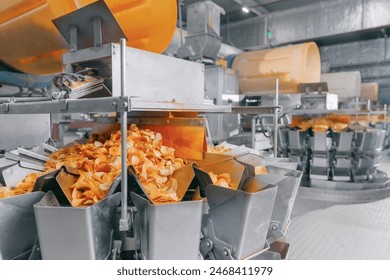
A stock image related to snacks production machines.
3 Common User Pain Points for ‘snacks production machines’ & Their Solutions
Scenario 1: How to Avoid Integration Issues When Configuring Complete Production Lines?
The Problem: B2B buyers frequently encounter operational bottlenecks when sourcing machinery from multiple vendors, resulting in incompatible interfaces and fragmented workflows. This piecemeal approach creates integration challenges between mixing, extrusion, frying, and packaging stages, leading to synchronization failures and extended commissioning periods. Without unified control architecture, manufacturers struggle to achieve seamless data flow between machines, complicating troubleshooting while increasing downtime risks and maintenance costs.
The Solution: Implementing turnkey snack production lines from single-source suppliers ensures mechanical and electrical compatibility across all stages from raw material handling to final packaging. Look for modular systems featuring standardized PLC controls and Ethernet connectivity, enabling centralized monitoring and recipe management. Comprehensive line integration services should include installation supervision, operator training, and unified warranty coverage, eliminating ambiguity about equipment requirements while establishing clear accountability for overall equipment effectiveness (OEE).
Scenario 2: Which Snack Production Machines Offer the Best Scalability for Growing Manufacturers?
The Problem: Emerging manufacturers in high-growth markets often face the dilemma of choosing between small-scale entry-level equipment and high-capacity industrial lines, risking either production constraints or excessive capital expenditure. Many buyers underestimate total cost of ownership by focusing solely on purchase price while overlooking energy consumption, spare parts logistics, and manual changeover costs. This leads to capacity mismatches where equipment cannot scale with demand fluctuations or accommodate diverse product portfolios common in regional markets across Africa, Southeast Asia, or the Middle East.
The Solution: Opt for modular snack production machines designed with scalable architecture that allows capacity expansion through additional extrusion dies, wider frying belts, or supplementary packaging lanes without complete line replacement. Conduct thorough ROI analyses factoring in local utility costs, labor rates, and raw material yield rates specific to your target regions. Leading suppliers now offer flexible financing arrangements and phased implementation plans, enabling businesses to start with core processing modules and incrementally add automated feeding systems or advanced packaging technologies as market penetration grows.
Scenario 3: How Can You Maintain Consistent Output Quality in High-Volume Snack Production?
The Problem: Maintaining uniform product characteristics—texture, moisture content, and dimensional accuracy—becomes increasingly difficult when scaling from batch processing to continuous production or when switching between diverse snack formulations. Manual adjustments and operator-dependent variations result in high rejection rates, material waste, and difficulty meeting stringent export standards required by European and Middle Eastern importers. Without precise process control, manufacturers experience significant yield losses during product changeovers and struggle to replicate successful recipes consistently across different production shifts.
The Solution: Deploy automated snack production lines equipped with IoT-enabled sensors and closed
Strategic Material Selection Guide for snacks production machines
Material selection represents a critical determinant of operational longevity, food safety compliance, and total cost of ownership in snack manufacturing operations. For international facilities operating across diverse climatic conditions—from the humid processing environments of Vietnam to the high-salinity atmospheres of Middle Eastern coastal zones—strategic material choices directly impact maintenance schedules, contamination risks, and equipment lifespan. Understanding the trade-offs between corrosion resistance, thermal conductivity, and capital expenditure enables procurement teams to align material specifications with actual production demands rather than defaulting to universal stainless steel configurations that may exceed requirements or fail prematurely in aggressive environments.
How Do 304 and 316 Stainless Steel Grades Compare for Hygiene-Critical Snack Equipment?
Austenitic stainless steels remain the gold standard for product-contact surfaces in snack production, though grade selection requires careful analysis of operational parameters. Type 304 stainless steel offers excellent corrosion resistance for standard dry snack applications such as puffed corn and baked goods, while Type 316—with its molybdenum addition—becomes essential for high-acidity environments, salted fried snacks, or aggressive cleaning protocols involving chlorinated sanitizers. Both grades require proper passivation and crevice-free welding to prevent bacterial harborage points, particularly in extruder barrels and mixing chambers where dough residues accumulate. The initial premium for 316-grade material typically yields ROI within 18-24 months in high-moisture operations through reduced pitting corrosion and extended service intervals.
What Are the Optimal Food-Grade Engineering Plastics for High-Wear Machine Components?
Ultra-high molecular weight polyethylene (UHMWPE) and food-grade nylons provide strategic alternatives for wear-prone, non-heated components such as conveyor guides, scraper blades, and gear bushings. These materials offer inherent self-lubricating properties that reduce friction against delicate snack products while eliminating metal-to-metal contact points that generate particulate contamination. However, temperature limitations—typically below 90°C for UHMWPE—restrict their use in frying zones or baking sections, requiring careful placement in cooling and packaging transfer areas where their abrasion resistance and noise-dampening qualities maximize value. Their chemical inertness also proves advantageous when processing acidic fruit-based snacks or vinegar-flavored products that might attack metal components.
When Should Manufacturers Select Aluminum Alloys for Structural Frameworks?
Anodized aluminum alloys, particularly 6061-T6, present viable solutions for structural frameworks, equipment guarding, and support brackets where weight reduction facilitates maintenance access and reduces motor load requirements. While unsuitable for direct food contact in most regulatory frameworks, properly anodized and sealed aluminum offers adequate corrosion resistance for dry processing environments. Facilities in tropical climates must evaluate chloride exposure risks carefully, as coastal humidity can penetrate compromised anodized layers, necessitating more frequent inspections than stainless alternatives. The material’s thermal conductivity can also create condensation issues in temperature-transition zones, requiring thermal breaks in framework design.
Is Powder-Coated Carbon Steel Viable for Budget-Conscious Snack Production Infrastructure?
For non-contact structural elements in budget-sensitive operations, food-safe powder-coated carbon steel provides initial cost advantages for base frames and motor mounting plates. This approach demands rigorous coating integrity protocols, as micro-abrasions from vibration or cleaning impacts expose ferrous substrates to rapid oxidation, particularly in high-humidity African or Southeast Asian facilities. While suitable for controlled-environment bakeries, this material requires accelerated replacement timelines compared to stainless alternatives, impacting long-term capital expenditure calculations. German engineering standards typically discourage carbon steel in food production areas, whereas emerging market operations may accept the trade-off with rigorous preventive maintenance schedules.
| Material | Typical Use Case for snacks production machines | Key Advantage | Key Disadvantage/Limitation | Relative Cost |
|---|---|---|---|---|
| Stainless Steel (304/316) | Extruder barrels, mixing chambers, fryer tanks, product contact surfaces | Superior corrosion resistance, FDA/EU compliant, withstands aggressive CIP protocols | High capital investment, significant weight increases transport/installation costs | High |
| Food-Grade Engineering Plastics (UHMWPE/Nylon) | Conveyor guides, scraper blades, bushings, wear strips | Self-lubricating, reduces product damage/sticking, noise dampening | Temperature limitations (<90°C), potential for plastic deformation under load | Medium |
| Anodized Aluminum Alloys | Structural frames, equipment guarding, support brackets | Excellent strength-to-weight ratio, corrosion resistant when sealed | Susceptible to chloride corrosion in coastal/humid environments, coating vulnerability | Medium-Low |
| Coated Carbon Steel | Base frames, motor mounts, non-contact enclosures in dry zones | Cost-effective, high structural rigidity | Rust risk if coating breaches, not suitable for food contact, requires frequent inspection | Low |
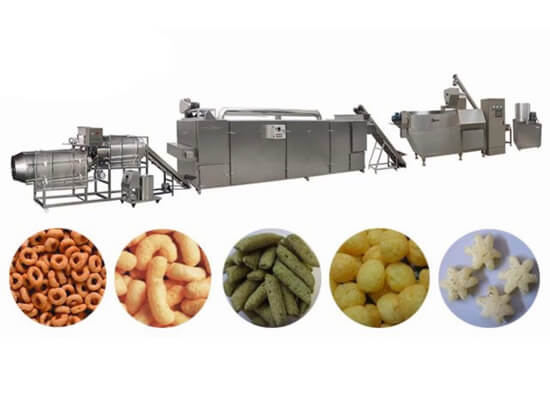
A stock image related to snacks production machines.
In-depth Look: Manufacturing Processes and Quality Assurance for snacks production machines
When investing in snack production machinery, understanding the manufacturing rigor behind the equipment is as critical as evaluating output capacity. For international buyers operating across diverse regulatory environments—from Germany’s stringent hygiene standards to emerging markets in Vietnam or Nigeria—manufacturing quality directly correlates with operational uptime, product consistency, and long-term ROI. This section examines the industrial processes and quality frameworks that distinguish reliable snack production equipment from commodity alternatives.
How Are Industrial Snack Machines Fabricated to Ensure Longevity?
The foundation of durable snack machinery begins with material selection and precision fabrication. Leading manufacturers utilize 304 or 316L stainless steel for all product-contact surfaces, ensuring resistance to corrosive ingredients, high-temperature extrusion, and aggressive cleaning protocols. During fabrication, CNC machining centers produce extruder barrels, cutting dies, and forming molds to tolerances within ±0.05mm, critical for maintaining uniform product dimensions across high-speed runs.
Welding processes follow sanitary standards (such as 3A or EHEDG guidelines), employing orbital welding for pipework and manual TIG welding with argon back-purging for structural frames to eliminate crevices where bacteria could harbor. After fabrication, surfaces undergo electropolishing or bead blasting to achieve Ra ≤0.8μm finishes, reducing friction and preventing product adhesion during sticky or glazed snack applications.
What Quality Control Protocols Govern Food-Grade Equipment Manufacturing?
Quality assurance in snack machinery manufacturing operates through multi-stage inspection checkpoints rather than final-batch sampling. Incoming raw materials undergo spectrographic analysis to verify alloy composition, ensuring chromium and nickel content meets food-grade specifications. During assembly, coordinate measuring machines (CMM) verify critical dimensions of extruder screws and forming rollers, preventing misalignment that could cause uneven cooking or mechanical wear.
Hydraulic and pneumatic systems undergo pressure testing at 1.5 times operational limits to identify potential leak points before shipment. Electrical panels receive IP65 ingress protection verification and thermal imaging scans to detect hot spots in wiring configurations. For buyers in humid climates common across South America or Southeast Asia, manufacturers should provide salt spray testing documentation (ASTM B117) confirming corrosion resistance of non-contact components.
How Is Precision Engineering Maintained Across High-Volume Production Lines?
Automation in manufacturing has revolutionized consistency in snack equipment production. Robotic welding arms ensure repeatable seam quality on mixing kettles and fryer tanks, while automated milling centers produce interchangeable die inserts that maintain exact specifications across replacement orders. This standardization proves vital when scaling operations—buyers can replicate successful product profiles across multiple factory locations without recalibration drift.
Thermal treatment processes, including stress-relieving annealing for welded frames and solution annealing for extruder barrels, prevent metal fatigue during continuous 24/7 operations. Vibration analysis during factory testing identifies harmonic imbalances in rotating components like paddle mixers or conveyor drums, allowing corrective balancing before delivery rather than during costly on-site commissioning.
What Certifications and Compliance Standards Should B2B Buyers Verify?
International buyers must verify that manufacturing facilities maintain certifications relevant to their target markets. CE marking indicates conformity with European Machinery Directive 2006/42/EC and food contact material regulations (EC) No 1935/2004. For Middle Eastern markets, Halal certification of manufacturing processes ensures no cross-contamination with non-compliant substances during production.
ISO 22000 or FSSC 22000 certification of the equipment manufacturer demonstrates that quality management systems extend beyond the machine to encompass the entire production environment. For buyers importing into the United States, equipment should comply with FDA 21 CFR standards for indirect food additives and NSF/ANSI 169 sanitation requirements. Requesting material certificates (3.1 or 3.2 per EN 10204) provides traceability back to steel mill origins, crucial for audit trails in regulated industries.
How Does Factory Acceptance Testing Validate Machine Performance?
Before shipment, reputable suppliers conduct Factory Acceptance Testing (FAT) that simulates real-world production scenarios. This involves running the complete line—extrusion, drying, seasoning, and packaging modules—using actual recipe formulations provided by the buyer. Key performance indicators include thermal uniformity (±2°C across frying zones), weight consistency (CV <3% for portioned snacks), and energy consumption metrics per kilogram of output.
During FAT, operators test emergency stop circuits, interlock safety systems, and automatic splicing functions on packaging film to verify HACCP-critical control points. Vibration monitoring, bearing temperature checks, and ampere draw analysis on drive motors establish baseline performance data that buyers use for predictive maintenance scheduling. Video documentation of FAT procedures provides remote buyers with visual verification when travel restrictions prevent on-site inspection.
What Documentation and Traceability Systems Support Quality Assurance?
Comprehensive documentation packages serve as the final quality assurance layer. Manufacturing data records (MDR) should include weld maps with operator identification, heat treatment charts, and non-destructive testing (NDT) reports for pressure vessels. Spare parts lists must specify OEM part numbers and material specifications, enabling buyers to source replacements locally without compatibility risks.
Digital twin documentation—3D CAD files and PLC program backups—allows buyers to simulate modifications or troubleshoot remotely before implementing physical changes. For buyers in Africa or remote regions where technical support may be delayed, detailed exploded-view diagrams and electrical schematics in multiple languages reduce dependency on specialized technicians. Warranty terms should explicitly cover manufacturing defects versus wear items, with clear protocols for international parts shipment and video-guided repair support.
By scrutinizing these manufacturing and quality assurance dimensions, B2B buyers mitigate the risks of equipment failure in demanding production environments. The intersection of precision engineering, rigorous testing, and comprehensive documentation ultimately determines whether snack production machinery delivers consistent returns or becomes a maintenance liability across international operations.
Practical Sourcing Guide: A Step-by-Step Checklist for ‘snacks production machines’
Navigating the procurement of snack production machinery requires balancing technical specifications with long-term operational sustainability. This checklist provides a structured framework for international buyers to evaluate suppliers, ensure regulatory alignment, and secure equipment that scales with market demands. Follow these seven critical steps to mitigate sourcing risks and maximize return on your capital investment.
What Production Capacity and Snack Categories Should Your Line Accommodate?
Begin by quantifying your daily output targets and product portfolio diversity. Determine whether you require dedicated lines for extruded puffs, fried snacks, or baked alternatives—or flexible systems capable of rapid changeover. Assess raw material handling requirements, floor space constraints, and utility specifications (steam, compressed air, electrical load) to ensure compatibility with your facility infrastructure and ambient climate conditions.
Which International Certifications and Safety Standards Must Your Equipment Meet?
Verify that prospective suppliers adhere to destination-market regulations, including CE marking for European operations, FDA compliance for North American exports, and local hygiene authority requirements in Africa, South America, or the Middle East. Confirm electrical specifications match regional standards (220V/380V/50Hz vs. 440V/60Hz) and that stainless steel grades meet food-contact material directives. Request documentation of HACCP and ISO 22000 quality management protocols.
How Do You Evaluate Automation Integration and Smart Manufacturing Capabilities?
Assess the sophistication of control systems, prioritizing PLC-based interfaces with HMI touchscreens that support remote monitoring and data analytics. Determine compatibility with upstream mixing equipment and downstream packaging automation to minimize manual handling bottlenecks. Evaluate whether the supplier offers Industry 4.0 features like predictive maintenance alerts and production traceability systems that align with your digital transformation goals.
What After-Sales Support Infrastructure Should International Buyers Demand?
Investigate the supplier’s regional service presence, including availability of certified technicians for installation supervision and commissioning within your country. Confirm spare parts inventory locations within your continent to minimize downtime, and verify the provision of comprehensive operator training programs in your preferred language. Secure extended warranties covering both mechanical components and electrical systems for minimum 12-month periods.
Why Is Factory Acceptance Testing Critical Before Final Shipment?
Insist on witnessing pilot production runs using your specific recipes and raw materials before equipment leaves the manufacturing facility. Document throughput speeds, waste percentages, and product consistency during trials, ensuring the line meets guaranteed capacity rates. This verification step prevents costly modifications after installation and ensures your technical team receives hands-on training with actual production parameters rather than theoretical simulations.
How Should You Calculate Total Cost of Ownership for Imported Machinery?
Look beyond purchase price to include sea freight, insurance, and import duties, plus installation rigging costs and facility modification expenses. Analyze energy consumption ratings and water usage requirements for cooling systems, particularly relevant for fried snack operations. Factor in training costs, initial spare parts inventory, and potential currency fluctuation impacts on future service contracts to determine true ROI timelines.
Can Your Equipment Scale With Evolving Market Demands?
Prioritize modular architectures that allow capacity expansion through additional extruders or fryer units without complete line replacement. Confirm quick-change tooling capabilities for new product shapes and sizes, ensuring your investment accommodates emerging snack trends, seasonal production variations, and potential packaging format shifts without prohibitive retrofit costs or extended downtime.
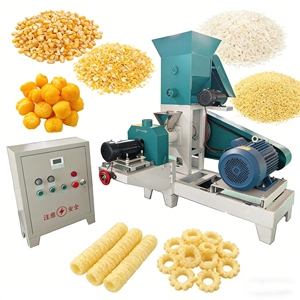
A stock image related to snacks production machines.
Comprehensive Cost and Pricing Analysis for snacks production machines Sourcing
International B2B procurement of snack production machinery demands sophisticated cost modeling that extends far beyond equipment sticker prices. Buyers from emerging markets in Africa, South America, and Southeast Asia, alongside established European manufacturers, must evaluate total cost of ownership (TCO) frameworks accounting for regional logistics, currency fluctuations, and long-term operational efficiency. Understanding these financial layers ensures capital allocation aligns precisely with production scale, local regulatory requirements, and specific market entry strategies without compromising quality standards.
What Factors Determine the True Cost of Ownership for Snack Production Lines?
The capital expenditure spectrum for snack manufacturing equipment spans from $80,000 for semi-automatic entry-level systems to over $600,000 for fully integrated, Industry 4.0-enabled production lines. Critical TCO components include energy consumption profiles—where electric versus gas-fired frying systems create divergent utility cost trajectories—and spare parts availability, which can increase maintenance budgets by 15-25% in regions without localized supplier networks. Buyers should demand detailed breakdowns of PLC control systems, food-grade stainless steel specifications, and hygiene compliance certifications, as these directly impact depreciation schedules, equipment longevity, and potential resale values in secondary markets.
How Do Regional Import Duties and Logistics Impact Final Machine Pricing?
Geographic positioning significantly alters landed costs for snack machinery across target markets. European buyers typically encounter VAT rates of 19-22% plus stringent CE certification requirements, while African and South American importers face customs duties ranging from 5% to 35% depending on Harmonized System (HS) codes for food processing equipment. Shipping configurations matter substantially—consolidating extruders, packaging units, and cooling systems into high-cube containers reduces per-unit freight costs by 30-40% compared to partial shipments. Additionally, prudent buyers should budget for pre-shipment inspection fees, marine insurance, and port handling charges, which collectively add 3-5% to ex-factory pricing.
What Financing Structures Mitigate Capital Risk for International Buyers?
Progressive payment terms using irrevocable Letters of Credit (L/C) remain standard for cross-border transactions, typically structured as 30% deposit, 60% against shipping documents, and 10% upon successful installation and commissioning. Chinese manufacturers increasingly offer equipment leasing arrangements with flexible buyout options, preserving critical working capital for emerging market entrepreneurs. For large-scale European investments, buyers should explore export credit agency (ECA) backing, which can extend repayment periods to 5-7 years at preferential rates. Always negotiate comprehensive operator training packages and initial spare parts kits into the base price rather than treating these essential components as separate add-on expenses.
How Can Modular Configurations Optimize Investment Efficiency?
Scalable production architectures allow buyers to phase capital deployment strategically by starting with core extrusion or forming modules ($40,000-$120,000) and incrementally adding automated packaging, seasoning, or quality control systems. This approach minimizes initial outlay while accommodating 20-30% capacity expansion without requiring complete line replacement. When evaluating competing quotes, compare throughput-per-dollar metrics rather than absolute prices—a $200,000 line producing 500kg/hour delivers superior long-term value to a $150,000 system limited to 200kg/hour, particularly when local labor costs, factory space constraints, and energy efficiency ratings are factored into comprehensive unit economics.
Alternatives Analysis: Comparing snacks production machines With Other Solutions
Before committing to capital-intensive automated infrastructure, B2B buyers must evaluate where their operation sits on the manufacturing maturity spectrum. While integrated snacks production machines offer comprehensive control and economies of scale, alternative operational models—ranging from artisanal manual methods to outsourced contract manufacturing—present viable pathways for market entry, niche positioning, or asset-light expansion. Each approach carries distinct implications for capital allocation, quality assurance, and supply chain autonomy that vary significantly across emerging markets in Africa and Southeast Asia versus established European or Middle Eastern regulatory environments.
Comparative Analysis: Production Methodologies
| Comparison Aspect | Snacks Production Machines | Manual Artisan Production | Contract Manufacturing (Co-Packing) |
|---|---|---|---|
| Initial Capital Investment | High ($500K–$2M+ for complete lines) | Low ($10K–$50K for basic equipment) | Minimal (Service fees/deposits only) |
| Production Throughput | High (500–10,000+ kg/hour) | Limited (50–200 kg/day) | Variable (Dependent on partner capacity) |
| Labor Requirements | Low (2–5 semi-skilled operators) | High (Skilled artisans, 10–20 workers) | None (External management) |
| Product Consistency | Automated precision (±1% variance) | Variable (Handcrafted variation) | Partner-dependent standardization |
| Time-to-Market | 3–6 months (installation/training) | Immediate | 1–3 months (contract negotiation) |
| Customization Flexibility | High (Recipe-programmable) | Maximum (Artisan adaptation) | Limited (Standardized processes) |
| Per-Unit Cost at Scale | Low (Economies of scale) | High (Labor-intensive) | Medium (15–30% markup + logistics) |
| IP Protection & Control | Complete internal control | Complete internal control | Shared/Restricted access |
When does manual artisan production justify the operational trade-offs?
Manual artisan methods remain prevalent across Africa, South America, and Southeast Asia, where traditional snack categories—such as plantain chips, rice crackers, and spiced nuts—command premium prices for “handcrafted” authenticity and cultural heritage. This approach requires minimal upfront capital, typically involving basic cutting, frying, and sealing equipment, but faces severe constraints in output consistency and food safety compliance. For B2B buyers targeting luxury or ethnic markets where provenance drives value, manual production offers authentic differentiation and recipe agility; however, the model struggles to meet modern retail demands for standardized barcoding, nutritional labeling, and HACCP certification. Labor costs, while initially low in emerging economies, escalate linearly with volume, creating a “success ceiling” around 200kg daily output that forces premature technology adoption or market share loss to automated competitors when scaling beyond local distribution.
Is contract manufacturing a sustainable alternative to owning production equipment?
Contract manufacturing appeals to brands prioritizing speed-to-market and capital preservation, particularly in European and Middle Eastern markets with high regulatory barriers and expensive industrial real estate. While eliminating equipment CAPEX and facility overhead, this model introduces dependency risks: limited recipe confidentiality, queue-based production scheduling that reduces agility for seasonal fluctuations, and progressive margin erosion (typically 15–30% markup on production costs). B2B buyers retain liability for quality control and regulatory compliance while surrendering process oversight, requiring robust audit protocols, strict contractual safeguards, and contingency planning for supply chain disruptions. For companies testing market fit or managing highly variable demand, co-packing provides operational flexibility; however, long-term reliance becomes cost-prohibitive when annual volumes exceed 1,000 metric tons, making it a strategic bridge rather than a permanent substitute for owned production infrastructure.
Essential Technical Properties and Trade Terminology for snacks production machines
What Throughput Capacity Specifications Should Guide Your Investment?
When evaluating snack production machinery, manufacturers typically quote throughput in kilograms per hour (kg/h), but savvy B2B buyers must distinguish between nominal capacity and actual output based on product bulk density. For emerging markets in Africa and Southeast Asia, where electricity costs fluctuate, specifying a line with 20-30% excess capacity above current demand prevents bottlenecks while allowing future scaling. Critical sub-specifications include infeed consistency tolerance and the machine’s ability to maintain rated speeds during continuous 24-hour operations common in Middle Eastern production facilities.
How Do Extrusion Parameters Determine Product Texture and Expansion?
For extruded snacks—puffs, curls, and textured vegetable proteins—the Length-to-Diameter (L/D) ratio of the twin-screw barrel fundamentally dictates cooking intensity and expansion volume. A higher L/D ratio (typically 20:1 to 25:1) ensures complete starch gelatinization, crucial for achieving the crispy texture demanded by European markets. Additionally, die configuration specifications determine shape complexity, while specific mechanical energy (SME) measurements indicate how much shear and heat the product receives, directly impacting mouthfeel and digestibility.
Why Is Thermal Efficiency Critical for Long-Term Operational Costs?
Energy consumption represents 15-25% of total production costs in snack manufacturing, making specific energy consumption (SEC)—measured in kilowatt-hours per kilogram of finished product—a decisive procurement metric. Advanced lines incorporate heat recovery systems from fryer exhaust or extruder cooling zones, reducing thermal energy requirements by up to 30%. For buyers in regions with unreliable power grids, verifying voltage fluctuation tolerance (typically ±10%) and the presence of soft-start motors prevents equipment damage and maintains consistent product quality.
What Material Standards and Certifications Ensure Global Market Access?
Food-contact surfaces must comply with FDA, EU 1935/2004, or local health authority standards, requiring 304 or 316L stainless steel construction with surface roughness (Ra) below 0.8 micrometers. Electrical enclosures should carry IP65 ratings minimum to withstand high-pressure washdowns mandatory in modern food safety protocols. For German and broader European markets, CE marking with compliance to Machinery Directive 2006/42/EC is non-negotiable, while GCC (Gulf Cooperation Council) certification facilitates entry into Middle Eastern markets.
What Does “Turnkey Solution” Actually Encompass in Snack Machinery?
In B2B snack equipment procurement, “turnkey” extends beyond machinery delivery to include installation supervision, utility connection diagrams, operator training, and initial recipe development. Reputable suppliers provide factory acceptance testing (FAT) and site acceptance testing (SAT) protocols, ensuring the line meets specified performance criteria before final payment. Clarify whether “turnkey” includes upstream raw material handling and downstream packaging integration, as partial solutions often create interface compatibility issues.
How Is Overall Equipment Effectiveness (OEE) Calculated and Optimized?
OEE represents the gold standard for measuring manufacturing productivity, calculated as Availability × Performance × Quality. World-class snack lines target 85% OEE, though emerging market operations often start at 60-70%. Key differentiators include automatic splicing systems for packaging film (reducing availability losses) and real-time weight feedback controls that minimize giveaway (improving quality scores). Demand detailed OEE case studies from suppliers referencing similar product portfolios in your target region.
What Constitutes True Recipe Flexibility in Automated Production Lines?
Recipe flexibility refers to the system’s ability to switch between different snack formulations—transitioning from corn puffs to potato sticks, for instance—without mechanical changeover. Advanced PLC systems store hundreds of recipes with pre-set parameters for temperature, cutting speed, and seasoning application. For diverse markets like South America where regional taste preferences vary significantly, verify that the HMI (Human-Machine Interface) supports local language programming and that ingredient feeders accommodate varying bulk densities without recalibration.
Why Should You Clarify CIP Protocols and After-Sales Support Scope?
Clean-in-Place (CIP) capabilities allow automated sanitization of product contact zones without disassembly, critical for allergen management when producing nut-based and gluten-free snacks on shared lines. Technical support agreements should specify spare parts inventory locations—ideally regional hubs in Dubai, São Paulo, or Johannesburg for Africa/Middle East/South America coverage—and guaranteed response times for remote diagnostics. Clarify whether software updates and recipe optimization consultations incur additional fees beyond the initial warranty period.
Navigating Market Dynamics and Sourcing Trends in the snacks production machines Sector
The global snacks production machinery sector is navigating a complex convergence of technological acceleration, regional market maturation, and evolving regulatory frameworks. For procurement professionals operating across diverse geographies—from Germany’s precision-engineering markets to Vietnam’s rapidly expanding manufacturing hubs and emerging African food processing sectors—strategic equipment sourcing requires balancing immediate production needs with long-term scalability. Understanding current market dynamics and sustainability imperatives enables buyers to secure machinery partnerships that deliver competitive advantage while mitigating supply chain vulnerabilities.
What Are the Current Market Dynamics Shaping Snacks Production Equipment Procurement?
The snack food processing equipment market is experiencing robust growth across emerging economies, with particular acceleration in Sub-Saharan Africa, Southeast Asia, and Latin America. Buyers in these regions are increasingly prioritizing versatile production lines capable of processing diverse local ingredients—from cassava and plantain variants to rice-based extrusions—while maintaining the flexibility to pivot between fried, baked, and puffed product categories. This demand for multi-functional machinery reflects both market volatility and the strategic imperative to maximize return on capital investment in infrastructure-constrained environments.
Automation and smart manufacturing technologies have transitioned from competitive advantages to baseline expectations. Contemporary snacks production machines integrate IoT-enabled sensors, predictive maintenance algorithms, and real-time quality control systems that minimize waste and unplanned downtime. For European buyers, these technologies ensure compliance with stringent traceability requirements, while operations in the Middle East and Vietnam leverage automation to address skilled labor shortages and ensure consistent output during rapid scaling phases. The integration of data analytics platforms allows manufacturers to optimize energy consumption patterns and production scheduling with unprecedented precision.
Supply chain resilience has emerged as a critical procurement consideration following recent global disruptions. Strategic buyers are adopting hybrid sourcing models that combine cost-effective equipment manufacturers—particularly those based in China and India—with regional technical service providers capable of rapid spare parts deployment and localized maintenance support. In Africa and South America specifically, infrastructure variability necessitates equipment with robust voltage fluctuation tolerance and simplified mechanical systems that local technicians can service without specialized proprietary tools. This practical consideration often outweighs the allure of highly sophisticated but fragile automation systems, creating a distinct market segment for durable, low-maintenance machinery that prioritizes operational continuity.
How Can B2B Buyers Integrate Sustainability and Ethical Sourcing Into Their Equipment Supply Chain?
Sustainability has evolved from peripheral concern to central procurement criterion, driven by both regulatory pressures in European markets and corporate responsibility mandates across the Middle East and South America. Energy-efficient snacks production machines now feature variable frequency drives, heat recovery systems for frying operations, and optimized water circulation technologies that significantly reduce utility consumption per production unit. Forward-thinking procurement teams evaluate total cost of ownership through the lens of carbon footprint reduction, recognizing that machinery with higher initial capital costs often delivers superior long-term ROI through reduced operational resource consumption.
Ethical sourcing extends beyond environmental performance to encompass transparency within the equipment manufacturing supply chain itself. B2B buyers should conduct rigorous due diligence on suppliers’ labor practices, material sourcing ethics, and compliance with international safety standards such as ISO 22000 and CE marking. This vetting process is particularly crucial when sourcing from high-volume manufacturing regions, ensuring that production lines meet not only technical specifications but also align with corporate sustainability commitments regarding fair labor practices and conflict-free material sourcing.
Waste minimization technologies represent another critical sustainability vector, encompassing precision extrusion systems that reduce raw material loss and advanced packaging solutions that optimize film usage. Additionally, the circular economy principle is increasingly influencing machinery design preferences, with buyers favoring modular equipment architectures that support component upgradability rather than complete replacement. This approach extends machinery lifecycle, reduces electronic waste, and allows production facilities to adapt to evolving snack formats—such as alternative protein-based products or reduced-sodium formulations—without requiring entirely new capital investments. By prioritizing suppliers who offer comprehensive lifecycle support and refurbishment programs, buyers align procurement strategies with both environmental stewardship and fiscal prudence.
Frequently Asked Questions (FAQs) for B2B Buyers of snacks production machines
What Machines Are Needed for a Complete Snack Production Line?
What machines are needed for a complete snack production line?
A complete snack production line typically comprises six integrated stages: raw material preparation, forming, thermal processing, seasoning, cooling, and packaging. You will require a high-shear mixer or dough conditioner for uniform hydration, followed by either an extruder (for puffed snacks) or sheeting/cutting systems (for fried or baked products). Thermal processing equipment varies by snack type—continuous fryers for potato chips, baking ovens for crackers, or high-pressure extruders for direct-expanded snacks. Post-cooking, products pass through drum flavoring systems with precise oil and seasoning application, then cooling conveyors to stabilize texture before automated weighing and vertical form-fill-seal (VFFS) packaging machines handle final bagging.
How Much Does a Commercial Snack Production Machine Cost?
How much does a commercial snack production machine cost?
Investment ranges vary significantly based on automation level and capacity, with entry-level semi-automatic lines starting at approximately $50,000–$80,000, while fully automated industrial systems can exceed $500,000. Key cost drivers include the grade of stainless steel (304 vs. 316L for high-salinity environments), the sophistication of PLC control systems, and specialized components like vacuum fryers or nitrogen flushing packaging units. When evaluating quotes from Chinese or European manufacturers, factor in Total Cost of Ownership (TCO) elements such as shipping logistics to Vietnam or Nigeria, import duties, installation supervision, and energy consumption ratings rather than focusing solely on initial capital expenditure.
Which Snack Production Machines Are Best for Small Scale Manufacturing?
Which snack production machines are best for small scale manufacturing?
For emerging market entrepreneurs in Africa or South America, modular semi-automatic lines offer the optimal balance of affordability and scalability, typically processing 50–150 kg/hour with 2–3 operators. Look for versatile twin-screw extruders capable of handling multiple grain bases (corn, rice, cassava) with quick-change die systems to switch between shapes like rings, balls, and sticks without extensive downtime. Compact tabletop fryers with oil filtration systems and manual seasoning tumblers provide cost-effective entry points, while maintaining upgrade paths to automated feeding and packaging as your distribution network expands into retail chains.
What Is the Output Capacity of Industrial Snack Making Machines?
What is the output capacity of industrial snack making machines?
Industrial snack production lines range from mid-scale systems producing 200–500 kg/hour suitable for regional distribution, to high-capacity automated lines exceeding 2,000 kg/hour for multinational brands serving pan-European or Middle Eastern markets. Actual throughput depends on product density—lightweight extruded puffs achieve higher volumetric output than dense pellet snacks—and the bottleneck efficiency of your packaging section, which must match extrusion speeds to prevent product accumulation. When planning capacity for markets like Germany or Brazil, calculate based on net sellable weight rather than raw throughput, accounting for seasoning adherence rates and quality control rejections typical in continuous production.
How Do I Ensure Compliance with International Food Safety Standards?
How do I ensure my snack production line meets EU, Middle Eastern, and international food safety standards?
Verify that equipment construction utilizes food-grade 304 or 316 stainless steel with FDA-compliant seals and gaskets, particularly for lines exporting to European Union markets requiring CE marking and compliance with EC 1935/2004 for food contact materials. For Middle Eastern markets, ensure machinery design accommodates Halal production protocols, including dedicated cleaning systems and ingredient handling segregation capabilities. Implement Clean-in-Place (CIP) systems with automated chemical dosing and validation documentation, while specifying equipment with IP65-rated electrical enclosures to withstand high-pressure washdowns mandatory in GMP-certified facilities across Africa and Southeast Asia.
What Automation Features Should I Look for in Modern Snack Production Equipment?
What automation features should I look for in modern snack production equipment?
Prioritize Industry 4.0-ready systems featuring PLC controls with 10-inch HMI touchscreens capable of storing 100+ product recipes with automatic parameter adjustment for temperature, screw speed, and cutter frequency. Advanced lines should offer SCADA integration for real-time monitoring of OEE (Overall Equipment Effectiveness), automated weight feedback systems that adjust extrusion rates to maintain ±2% weight consistency, and IoT connectivity enabling remote diagnostics from European or Chinese technical support teams. Energy optimization features like variable frequency drives (VFDs) on motors and heat recovery systems for fryers significantly reduce operational costs in high-energy-price regions.
How Do I Handle Recipe Changeovers and Product Diversification?
How do I handle recipe changeovers and product diversification in snack manufacturing?
Select equipment with quick-release tooling and tool-less changeover capabilities, allowing operators to switch between product formats—such as transitioning from corn puffs to multigrain chips—in under 30 minutes. Modular seasoning systems with separate powder and liquid injection nozzles enable rapid switching between savory, sweet, and coated applications without cross-contamination. Ensure your extruder features segmented screw designs and interchangeable die heads with precision alignment pins, while maintaining standardized cleaning protocols (wet vs. dry cleaning) validated for allergen management when alternating between gluten-containing and gluten-free recipes.
What After-Sales Support and Spare Parts Availability Should I Expect?
What after-sales support and spare parts availability should I expect when sourcing snack machines internationally?
Reputable manufacturers should provide regional service depots or certified partners in key markets like Nigeria, Vietnam, and Mexico, offering response times under 48 hours for critical mechanical failures. Demand a two-year spare parts inventory plan including vulnerable components like extruder screws, cutter blades, and heating elements, with local warehousing options to avoid customs delays. Comprehensive support packages should include on-site commissioning supervision, operator training in local languages (Portuguese, Arabic, or Vietnamese), and remote diagnostic capabilities via VPN-connected PLCs, ensuring minimal downtime when technical issues arise in facilities lacking specialized maintenance teams.
Important Disclaimer & Terms of Use
⚠️ Important Disclaimer
The information provided in this guide, including content regarding manufacturers, technical specifications, and market analysis, is for informational and educational purposes only. It does not constitute professional procurement advice, financial advice, or legal advice.
B2B buyers must conduct their own independent and thorough due diligence before making any purchasing decisions. The risk of relying on any information in this guide is borne solely by the reader.
Strategic Sourcing Conclusion and Outlook for snacks production machines
As global snack consumption patterns shift toward premiumization and health-conscious alternatives, strategic equipment sourcing has become a cornerstone of sustainable competitive advantage. Buyers operating across diverse regulatory environments—from Germany’s precision-engineering standards to Vietnam’s rapidly scaling manufacturing hubs—must navigate a procurement landscape where flexibility and digital integration determine long-term viability.
What critical evaluation criteria should B2B buyers prioritize beyond initial capital expenditure?
Discerning procurement teams increasingly adopt Total Cost of Ownership (TCO) frameworks that encompass energy efficiency, spare parts availability, and localized technical support. For operations in Africa, South America, and the Middle East, supplier proximity and regional service infrastructure often outweigh marginal equipment savings, minimizing costly production interruptions. Additionally, modular line architectures that accommodate rapid format transitions—from traditional fried snacks to baked or extruded alternatives—provide essential agility to capitalize on shifting consumer preferences without complete line overhauls.
How will emerging technologies reshape snack production investments through 2030?
The convergence of Industry 4.0 capabilities with sustainable manufacturing practices is redefining equipment specifications. IoT-enabled predictive maintenance systems and automated quality control mechanisms are transitioning from premium add-ons to baseline requirements. Furthermore, water-recirculation systems and energy-efficient thermal processing technologies address both operational cost pressures and stringent environmental regulations in European and Middle Eastern markets, future-proofing capital investments against evolving compliance standards.
By anchoring procurement strategies in these technological and logistical imperatives, international buyers can secure production ecosystems that balance immediate operational efficiency with long-term market adaptability.