
Introduction: Navigating the Global Market for corn flakes production line
Sourcing industrial corn flakes production lines for profitable market entry requires navigating a fragmented global supply chain where technical specifications, compliance standards, and after-sales support capabilities vary dramatically between regions. For procurement teams in Nigeria, Brazil, and across emerging European and Middle Eastern markets, the challenge extends beyond initial capital expenditure to ensuring long-term equipment compatibility with local raw material profiles, energy infrastructures, and shifting consumer health preferences. Without systematic vetting frameworks and technical benchmarking, buyers risk costly production inefficiencies, regulatory non-compliance, and extended downtime that rapidly erode competitive advantages in these high-growth breakfast cereal markets.
What Technical and Logistical Hurdles Complicate Cross-Border Equipment Procurement?
This comprehensive guide dismantles these procurement barriers by examining the critical decision factors often overlooked in international equipment transactions. We analyze the operational distinctions between twin-screw and single-screw extrusion technologies, evaluate automation gradients suitable for different production scales, and detail region-specific regulatory compliance requirements—from Middle Eastern halal certification standards to African energy efficiency mandates. Beyond raw machinery specifications, we explore total cost of ownership calculations, supplier verification protocols for both established European and cost-competitive Asian manufacturers, and logistics strategies that minimize customs delays and installation bottlenecks.
How Can Strategic Sourcing Transform Your Breakfast Cereal Manufacturing ROI?
Whether you are establishing greenfield operations in Lagos, upgrading legacy systems in São Paulo, or expanding distribution networks in Dubai, this resource equips you with actionable intelligence to evaluate vendor technical capabilities, negotiate comprehensive warranty terms, and forecast long-term maintenance requirements. By aligning equipment specifications with regional market demands—from packaging flexibility for diverse retail environments to yield optimization for varying local corn grit qualities—you will transform complex procurement decisions into strategic growth investments that deliver sustainable returns across diverse economic landscapes.
Understanding corn flakes production line Types and Variations
| Type Name | Key Distinguishing Features | Primary B2B Applications | Brief Pros & Cons for Buyers |
|---|---|---|---|
| Twin-Screw High-Shear Extrusion Line | Dual co-rotating screws, high-pressure cooking, precise temperature control, 300-1000kg/h capacity | Large-scale breakfast cereal manufacturers, co-manufacturing facilities, export-oriented plants | Pros: Superior texture control, high throughput, handles diverse grain formulations. Cons: Higher CAPEX, requires skilled technicians, significant energy consumption. |
| Single-Screw Standard Extrusion Line | Single rotating screw, direct expansion cooking, 100-300kg/h capacity, simpler mechanics | Regional distributors, emerging market entrants, private label producers | Pros: Lower initial investment, easier maintenance, compact footprint. Cons: Limited recipe flexibility, lower output consistency, shorter screw lifespan under heavy use. |
| Traditional Steam-Cooking & Flaking Line | Batch steam cookers, flaking rolls, drying ovens, atmospheric cooking process | Premium artisanal brands, heritage cereal producers, specialty organic manufacturers | Pros: Authentic flake texture, better digestibility perception, traditional brand appeal. Cons: Longer processing time, higher labor costs, larger facility requirements, complex cleaning protocols. |
| Compact |
Key Industrial Applications of corn flakes production line
| Industry/Sector | Specific Application of corn flakes production line | Value/Benefit for the Business | Key Sourcing Considerations for this Application |
|---|---|---|---|
| Commercial Breakfast Cereal Manufacturing | Automated production of fortified corn flakes, multigrain cereals, and muesli bases using twin-screw extrusion systems | Enables import substitution in emerging markets; high throughput (200-1000kg/h) reduces unit costs; consistent flake size and texture for brand standardization | Prioritize extruders with PLC-controlled temperature zones for tropical climates; energy-efficient drying ovens to manage electricity costs; suppliers with regional service centers in Africa/Middle East |
| Infant Nutrition & Baby Food Processing | Gentle processing of pre-gelatinized cereal flakes and puffs for toddler nutrition, utilizing low-shear extrusion to preserve heat-sensitive vitamins | Creates easily digestible textures for weaning children; supports micronutrient fortification (iron, zinc, vitamin A) critical for addressing malnutrition in developing regions | 304/316 stainless steel construction for hygiene; CIP (Clean-in-Place) systems essential; compliance with CODEX Alimentarius and local baby food regulations |
| Hospitality & Institutional Catering Supply | Bulk production of private-label breakfast cereals for hotel chains, airline catering, and government school feeding programs | Reduces dependency on imported branded cereals by 40-60%; customizable recipes (local flavors like honey, coconut, or chocolate); extended shelf-life suitable for large-scale distribution networks | Modular configurations allowing quick changeovers between flake types; integrated packaging lines with nitrogen flushing; robust construction for continuous operation |
| Snack Food & Confectionery Manufacturing | Production of cereal-based snack clusters, granola bars, and coated breakfast biscuits using the extrusion and coating capabilities | Diversification into high-margin snack categories; ability to process local grains (sorghum, millet, cassava) alongside corn for unique regional products | Additional coating drums and cooling conveyors; recipe flexibility for varying moisture content; suppliers experienced in tropical ingredient processing |
| Emergency Food & Humanitarian Aid Programs | Manufacturing of fortified blended foods (FBF) and ready-to-eat cereals for disaster relief and supplementary feeding programs | Cost-effective mass production of nutrient-dense foods; long shelf stability without refrigeration; supports local procurement strategies preferred by UN agencies | Simple mechanical operation requiring minimal technical expertise; durability for harsh environments; compliance with WHO/UNICEF nutritional guidelines for emergency foods |
How Can Commercial Breakfast Cereal Manufacturers Achieve Import Substitution in Emerging Markets?
For manufacturers in Nigeria, Brazil, and the Middle East, modern corn flakes production lines enable the replacement of expensive European cereal imports with locally produced alternatives. Twin-screw extrusion technology processes indigenous maize and sorghum varieties into standardized flakes, reducing raw material costs by 30-40%. Automated PLC systems ensure consistent quality despite tropical humidity fluctuations, while high-capacity drying ovens accommodate continuous production schedules essential for serving rapidly growing urban populations. This localization strategy strengthens food security while capturing premium market segments previously dominated by foreign brands.
What Makes Extrusion Technology Ideal for Infant Nutrition and Baby Food Production?
Corn flakes production lines equipped with low-shear extrusion screws are increasingly adopted by African and Middle Eastern processors to produce fortified complementary foods for children aged 6-24 months. The gentle cooking process gelatinizes starches without destroying heat-sensitive micronutrients like vitamin A and iron—critical for combating regional malnutrition rates. Food-grade stainless steel construction with CIP (Clean-in-Place) capabilities ensures compliance with stringent international hygiene standards, while the ability to incorporate soy, millet, or rice alongside corn creates affordable, culturally appropriate weaning foods for price-sensitive markets.
Why Are Hospitality Chains and Institutional Caterers Investing In-House Cereal Production?
Hotels, airlines, and school feeding programs across South America and Africa are deploying mid-scale corn flakes lines to manufacture private-label breakfast cereals at 50-60% below import costs. These systems allow customization of flake thickness and flavor profiles—such as tropical fruit infusions or honey coatings—that resonate with local palates. Modular designs facilitate rapid changeovers between different cereal types, enabling caterers to offer variety without excessive inventory. The extended shelf-life of extruded cereals (12-18 months) suits the logistics of remote institutional distribution networks common in these regions.
How Can Snack Food Producers Diversify Into High-Margin Cereal Categories?
Forward-thinking snack manufacturers in Brazil and Nigeria utilize corn flakes production lines to enter the premium granola and cereal-cluster markets. By adding coating drums and cooling conveyors to the standard extrusion setup, businesses transform basic flakes into value-added products like yogurt-coated clusters or chocolate-dipped breakfast biscuits. The equipment’s ability to process diverse local ingredients—including cassava, plantain, and indigenous grains—supports unique product differentiation. This vertical integration allows snack companies to leverage existing distribution channels while achieving margins 3-4 times higher than conventional extruded snacks.
What Should NGOs and Government Programs Evaluate When Sourcing Emergency Food Production Equipment?
For humanitarian organizations establishing local production of fortified blended foods (FBF) in crisis-affected regions, corn flakes lines offer advantages over complex milling operations. The extrusion process creates pre-cooked, ready-to-eat cereals requiring no additional preparation—crucial for refugee camps with limited cooking fuel. Sourcing priorities should emphasize mechanical simplicity for operation by local staff with basic training, robust construction that withstands dusty environments, and compliance with WHO/UNICEF nutritional specifications. Suppliers providing Arabic, Portuguese, and French technical documentation ensure effective knowledge transfer in target regions.
A stock image related to corn flakes production line.
3 Common User Pain Points for ‘corn flakes production line’ & Their Solutions
Investing in a corn flakes production line represents a significant strategic decision for manufacturers entering the breakfast cereal market. For international buyers operating across diverse economic landscapes—from Nigeria to Brazil—understanding how to navigate common operational barriers ensures faster ROI and sustainable production. Below are three critical challenges frequently encountered by B2B purchasers and actionable strategies to address them.
Scenario 1: Balancing High Capital Investment with Market Uncertainty
The Problem:
Many emerging market buyers face the dilemma of securing sufficient processing capacity without overextending capital reserves. A complete industrial corn flakes line typically ranges from $150,000 to $800,000 depending on automation levels, creating significant financial exposure when local demand remains unproven. Additionally, currency fluctuations and import duties in regions like West Africa or South America can inflate initial projections by 15-25%, straining cash flow before production begins.
The Solution:
Opt for modular production architectures that allow phased implementation. Start with core components—specifically the twin-screw extruder and drying system—capable of producing 200-500 kg/hour, then integrate high-speed packaging and coating systems as market penetration grows. Reputable manufacturers now offer scalable “grow-as-you-go” configurations where additional ovens or flavoring drums can be retrofitted without line shutdowns. Furthermore, negotiate supplier financing or Letters of Credit structures that align payment milestones with equipment commissioning and initial production runs, reducing upfront capital pressure.
Scenario 2: Navigating Space Constraints and Power Infrastructure Limitations
The Problem:
Standard corn flakes lines require 300-800 square meters of factory space and stable three-phase electrical supply (typically 100-250 kW), specifications that exceed many existing facilities in urban centers like Lagos or São Paulo. Unreliable grid power in certain regions risks product inconsistency during critical extrusion and toasting phases, while limited ceiling height prevents vertical integration of cooling conveyors and packaging towers.
The Solution:
Specify compact, vertical-layout designs that reduce footprint by 30-40% through stacked drying and cooling configurations. Insist on energy-efficient extruders equipped with Variable Frequency Drives (VFDs) that reduce power consumption by 20-30% and can tolerate voltage fluctuations common in developing markets. Additionally, integrate Uninterruptible Power Supply (UPS) systems specifically for the extruder control panels and automated weighing systems to prevent batch loss during brief outages. Some advanced lines now offer 220V/380V dual-voltage compatibility, eliminating the need for expensive transformer installations in regions with non-standard industrial power.
Scenario 3: Bridging Technical Expertise Gaps and Remote Support Challenges
The Problem:
Corn flakes production involves precise control of extrusion parameters, moisture content (typically 9-12%), and toasting temperatures—technical competencies that may be scarce in local workforces distant from manufacturing hubs. When equipment malfunctions occur, language barriers and time zone differences with Chinese or European suppliers can extend downtime from hours to days, particularly for complex issues like screw configuration adjustments or die plate calibration.
The Solution:
Prioritize lines featuring PLC-controlled automation with pre-programmed recipe management systems that minimize operator intervention. Demand comprehensive training packages including on-site commissioning support and virtual reality (VR) troubleshooting modules for maintenance staff. Crucially, select suppliers with established regional service networks—authorized technicians based in Africa, the Middle East, or South America—or partnerships with local industrial engineering firms capable of preventive maintenance and spare parts logistics. Digital twin technology enabling remote diagnostics via secure cloud connections can resolve 70% of operational issues without waiting for international travel.
Strategic Material Selection Guide for corn flakes production line
Material specification directly determines equipment lifespan, maintenance schedules, and food safety compliance in corn flakes manufacturing. For operations in high-humidity regions like West Africa or coastal South America, selecting appropriate alloys and composites prevents corrosion-related contamination risks while optimizing capital expenditure. Understanding the trade-offs between stainless steel grades, structural carbon steel, aluminum alloys, and polymer composites enables procurement teams to balance initial investment against long-term operational reliability in demanding processing environments.
Which Stainless Steel Grade Ensures Compliance in Tropical Humidity Conditions?
Austenitic stainless steel remains the industry standard for product-contact surfaces in extruder barrels, drying drums, and mixing chambers. Grade 304 offers sufficient corrosion resistance for standard climates and represents the baseline for FDA and EU 1935/2004 compliance. However, Grade 316 contains molybdenum additives that provide superior resistance to chloride corrosion, making it essential for facilities in coastal Brazil or humid Nigerian environments where salt-laden air accelerates metal degradation. While 316 commands
A stock image related to corn flakes production line.
In-depth Look: Manufacturing Processes and Quality Assurance for corn flakes production line
Investing in a corn flakes production line requires understanding the intricate balance between processing efficiency and product integrity. For B2B buyers operating in diverse markets—from Nigeria to Brazil—grasping these technical nuances ensures equipment selection aligns with both local raw material availability and export-quality standards. Below is a comprehensive examination of the manufacturing workflow and quality frameworks that define high-performance breakfast cereal operations.
How Does the Corn Grits Preparation Stage Impact Final Product Quality?
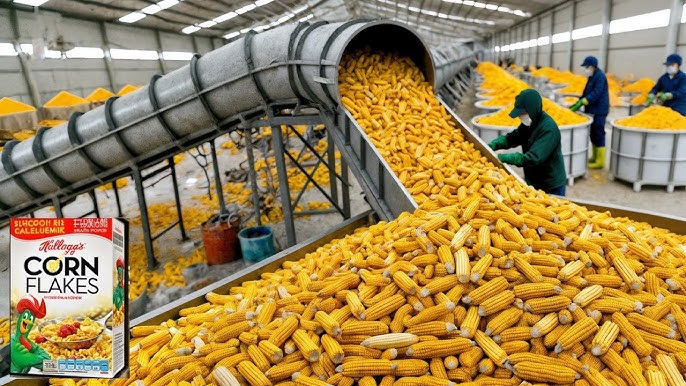
The manufacturing sequence begins with precision cleaning and conditioning of corn grits, a stage that fundamentally determines flake texture and taste consistency. Advanced production lines incorporate multi-stage destoning and magnetic separation systems to eliminate contaminants that could compromise extruder screw integrity or final product safety. For operations in humid climates common across African and South American regions, integrated moisture control systems within the storage silos prevent mycotoxin development—a critical consideration when sourcing local maize varieties with varying moisture content profiles. Proper grits sizing, typically between 3-6mm granulation, ensures uniform gelatinization during subsequent cooking phases, directly influencing the expansion ratio and crunch characteristics of the finished cereal.
What Are the Critical Parameters in the Extrusion and Cooking Process?
Twin-screw extrusion technology represents the industry standard for continuous cooking, where precise thermal and mechanical energy inputs transform raw grits into digestible, expanded dough. B2B buyers should evaluate extruder configurations that offer variable screw profiles and segmented barrel heating zones, enabling processing flexibility for different corn varieties—from hard endosperm hybrids preferred in European markets to softer dent corn prevalent in tropical regions. Temperature control between 120-180°C with 20-25% moisture content achieves optimal starch gelatinization without excessive nutrient degradation. Pressure differentials at the die exit (typically 20-40 bar) determine the degree of pre-expansion, which subsequently affects flaking efficiency and final product density. Real-time torque monitoring systems prevent costly downtime by detecting viscosity changes that signal potential screw wear or feed inconsistency.
How Is Flaking Technology Optimized for Different Market Requirements?
Post-extrusion, the cooked dough enters hydraulic or pneumatic flaking mills where gap precision between counter-rotating rollers determines flake thickness—typically 0.3-0.8mm for standard corn flakes. Buyers targeting premium European markets may require adjustable roller systems capable of producing ultra-thin flakes (0.2mm) for enhanced crispiness, while Middle Eastern markets often prefer thicker cuts that maintain integrity when served with hot milk. Roller surface temperature control (maintained at 40-60°C) prevents dough adhesion and ensures clean separation. Advanced lines feature quick-release roller mechanisms facilitating rapid changeovers between product specifications, essential for facilities producing multiple cereal variants or seasonal formulations with added bran or malt extracts.
What Quality Assurance Protocols Ensure Consistent Corn Flakes Production?
In-line quality control begins with near-infrared (NIR) spectroscopy at the extruder exit, monitoring moisture content and protein levels to adjust processing parameters automatically. Vision systems equipped with high-speed cameras detect color deviations and shape irregularities post-flaking, diverting substandard products before they reach packaging. For B2B operations supplying institutional buyers or retail chains, implementing Hazard Analysis Critical Control Points (HACCP) protocols at the extrusion (CCP1) and metal detection (CCP2) stages satisfies international audit requirements. Regular sampling for water activity (aw) testing—maintaining levels below 0.60—prevents microbial proliferation during storage in tropical climates, while texture analysis using Kramer shear cells validates crunch retention throughout the stated shelf life.
How Do Drying and Toasting Systems Affect Shelf Stability?
The transition from flaking to packaging involves multi-zone drying ovens that reduce moisture from 20% to 2-3%, followed by high-temperature toasting (150-200°C) that develops Maillard reaction flavors and golden coloration. For buyers in high-humidity regions, selecting equipment with precise humidity extraction capabilities prevents case hardening—where surface moisture traps interior water, leading to premature spoilage. Fluidized bed dryers offer superior heat transfer efficiency compared to conventional belt systems, reducing energy consumption by 15-25%—a significant operational cost consideration given rising energy prices across European and Middle Eastern markets. Post-toasting cooling tunnels must achieve rapid temperature reduction to ambient levels before coating application to prevent sugar crystallization and ensure uniform vitamin dispersion when fortifying for nutritional compliance.
What Automation and Traceability Systems Should B2B Buyers Prioritize?
Modern production lines integrate SCADA (Supervisory Control and Data Acquisition) systems providing real-time visibility into throughput rates, energy consumption, and yield percentages across all processing stages. For export-oriented manufacturers, lot traceability software tracking raw material batches from intake through packaging enables rapid response to quality recalls—a non-negotiable requirement for EU and North American market access. Automated clean-in-place (CIP) systems with programmable chemical cycles reduce sanitation downtime between production runs while ensuring allergen control when switching between plain and flavored variants. Remote diagnostic capabilities allow Chinese equipment manufacturers to provide technical support across time zones, minimizing production interruptions for facilities in Brazil or Nigeria where local specialized technicians may be scarce.
How Can Manufacturers Ensure Compliance with International Food Safety Standards?
Equipment specification must address FDA, EU 1935/2004, and GFSI-benchmarked standards through food-grade stainless steel construction (304 or 316L) and sanitary welding practices eliminating crevices where bacterial biofilms develop. Validation documentation including DQ (Design Qualification), IQ (Installation Qualification), and OQ (Operational Qualification) facilitates regulatory approval processes in target markets. For Middle Eastern operations, ensuring machinery accommodates Halal certification requirements—particularly regarding lubricant specifications and cleaning protocols—expands market accessibility. Regular calibration schedules for temperature sensors and pressure transducers, documented within a preventive maintenance software framework, demonstrate due diligence during third-party audits and protect brand reputation in competitive retail environments.
Understanding these manufacturing intricacies enables B2B buyers to evaluate equipment proposals beyond initial capital expenditure, focusing instead on total cost of ownership, scalability, and compliance capabilities essential for sustainable breakfast cereal production across diverse international markets.
Practical Sourcing Guide: A Step-by-Step Checklist for ‘corn flakes production line’
Procuring a corn flakes production line represents a significant capital investment for food manufacturers entering the breakfast cereal market. For buyers in emerging markets like Nigeria, Brazil, and the Middle East, navigating international machinery procurement requires careful due diligence to avoid costly mismatches in specifications, power compatibility, or support infrastructure. This checklist provides a systematic framework to evaluate suppliers, verify technical requirements, and secure favorable commercial terms before committing to a purchase.
How Do You Define Your Production Capacity and Space Requirements?
Begin by calculating your target daily output in kilograms or tons, distinguishing between pilot-scale operations (100–300 kg/h) and industrial-scale facilities (500–2000 kg/h). Assess your facility’s ceiling height, as extrusion lines require vertical space for mixing, extrusion, drying, and cooling towers. Verify floor load capacity for heavy twin-screw extruders and drying ovens. Request dimensional layouts from suppliers showing optimal workflow from raw material intake to packaging to ensure efficient material handling.
What Technical Specifications Should You Verify for Extrusion and Drying Systems?
Examine the extruder screw configuration—twin-screw systems offer superior mixing and cooking control for corn grits compared to single-screw alternatives. Confirm the drying section uses multi-layer belt dryers with precise temperature zoning (typically 120°C–200°C) to achieve the characteristic crispness without burning. Inquire about material contact surfaces; food-grade stainless steel 304 or 316 is mandatory for compliance. Verify that the flaking rollers maintain consistent gap adjustment to produce uniform flake thickness, typically between 0.3mm and 0.8mm.
How Can You Ensure Compliance with Regional Food Safety and Electrical Standards?
Validate that the equipment meets your country’s food safety certifications, such as ISO 22000, CE marking for European markets, or specific FDA requirements if exporting to the United States. Electrical compatibility is critical—confirm whether the machinery supports your local voltage (220V/380V) and frequency (50Hz/60Hz), particularly for buyers in Brazil (typically 220V/380V, 60Hz) or Nigeria (230V, 50Hz). Request documentation proving compliance with local hygiene and safety regulations to prevent customs delays or retrofitting costs.
What After-Sales Support and Spare Parts Logistics Should You Negotiate?
Secure comprehensive technical documentation including operation manuals, electrical diagrams, and maintenance schedules in your preferred language—Portuguese for Brazilian buyers or English/French for African markets. Negotiate installation supervision and operator training as part of the contract, ideally with on-site support for 15–30 days post-installation. Establish spare parts availability through regional distributors or bonded warehouses to minimize downtime, particularly for wear parts like extruder screws, cutting blades, and heating elements.
How Do You Evaluate Supplier Credentials and Request for Quotation (RFQ) Terms?
Verify the manufacturer’s export experience to your specific region, checking references from existing clients in similar climates and operational conditions. Your RFQ should request detailed breakdowns of FOB, CIF, and DDP pricing options, payment terms (typically 30% T/T deposit, 70% before shipment or L/C), and warranty periods (minimum 12 months for mechanical parts). Insist on video factory acceptance testing (FAT) before final payment to confirm the line produces flakes meeting your specified moisture content (3–5%) and bulk density targets.
Comprehensive Cost and Pricing Analysis for corn flakes production line Sourcing
Sourcing a corn flakes production line represents a significant capital investment that varies dramatically based on automation levels, output capacity, and regional manufacturing origins. For procurement teams in Nigeria, Brazil, and similar emerging markets, understanding the complete cost architecture—from initial equipment procurement to long-term operational expenses—is critical for accurate ROI projections and budget allocation.
What Factors Determine the Total Investment Cost for Corn Flakes Production Lines?
The primary cost drivers include extruder specifications (twin-screw versus single-screw configurations), drying system efficiency ratings, and degree of automation integration. Stainless steel construction grades (304 versus 316) significantly impact pricing, particularly for humidity-prone regions where corrosion resistance extends equipment lifespan. Additionally, machinery compliance certifications—whether CE-marked for European markets or meeting specific Middle Eastern food safety standards—affect baseline pricing but reduce downstream regulatory compliance expenses.
How Do Production Capacity Requirements Affect Equipment Pricing Tiers?
Entry-level lines producing 100–150 kg/hour typically range between $50,000–$80,000 USD, suitable for pilot operations or regional distribution networks. Industrial-scale systems exceeding 500 kg/hour with continuous operation capabilities generally command $200,000–$350,000, depending on auxiliary equipment like flavoring drums and packaging integration. Semi-automatic configurations offer 30–40% cost savings compared to fully automated PLC-controlled systems, though buyers must weigh these savings against local labor costs and production consistency requirements.
What Hidden Costs Should International Buyers Budget Beyond FOB Pricing?
Beyond equipment costs, procurement teams must account for sea freight (typically 5–8% of equipment value for containerized shipping from Asian manufacturing hubs), customs duties varying by destination country (often 15–25% in African and South American markets), and installation supervision fees. Essential but frequently excluded expenses include spare parts packages for critical wear components, comprehensive operator training programs, and electrical voltage conversion requirements (220V/60Hz versus 380V/50Hz standards).
How Can Emerging Market Buyers Optimize Payment Terms and Total Cost of Ownership?
Negotiating staggered payment structures—typically 30% deposit, 60% pre-shipment, and 10% post-installation acceptance—mitigates procurement risk while maintaining supplier accountability. Establishing regional service partnerships or training local maintenance teams reduces long-term operational expenditures and downtime risks. Buyers should prioritize energy consumption specifications during vendor evaluation, as high-efficiency motor systems and heat recovery mechanisms may justify higher initial investments through reduced utility expenditures over the equipment’s ten to fifteen-year lifecycle.
Alternatives Analysis: Comparing corn flakes production line With Other Solutions
When evaluating entry into the breakfast cereal market, procurement teams often face a critical decision: invest in a dedicated, fully automated corn flakes production line, or explore alternative operational models that may better align with limited initial capital or uncertain market demand. For B2B buyers in emerging economies such as Nigeria, Brazil, and the Middle East, where infrastructure constraints and currency volatility impact large-scale capital expenditures, understanding viable alternatives is essential for risk mitigation. This analysis examines two primary alternatives to dedicated line ownership: contract manufacturing partnerships and retrofitted multi-purpose extrusion systems, comparing their strategic value against full automation.
Comparative Analysis: Production Methods at a Glance
| Comparison Aspect | Dedicated Corn Flakes Production Line | Contract Manufacturing Partnerships | Retrofitted Multi-Purpose Extrusion Systems |
|---|---|---|---|
| Initial Capital Investment | High ($500K–$2M+ depending on capacity) | Low to Minimal (Service fees only) | Moderate ($150K–$800K, leveraging existing equipment) |
| Production Capacity & Scalability | High (500–2000+ kg/hour), easily scalable | Limited by partner capacity; scalability requires contract renegotiation | Moderate (200–800 kg/hour); limited by equipment versatility |
| Product Consistency & Quality Control | Excellent (automated moisture, flaking, toasting control) | Variable (dependent on partner’s QA protocols) | Moderate (requires frequent calibration when switching products) |
| Ease of Implementation | Complex (6–12 months installation, training, certification) | Immediate to 3 months (contract negotiation and product development) | Moderate (3–6 months for retrofitting and commissioning) |
| Long-term Cost per Unit | Low (economies of scale after break-even) | High (per-unit fees include partner margin) | Moderate (higher labor costs due to changeover procedures) |
| Operational Flexibility | Low (dedicated to cereal production) | High (no fixed assets, easy pivot to other products) | High (can produce snacks, pet food, cereals with die changes) |
| Regulatory Compliance Management | Direct control and full accountability | Shared liability; requires rigorous partner auditing | Direct control, but compliance complexity increases with product variety |
Is Contract Manufacturing a Viable Strategy for Emerging Markets?
Contract manufacturing partnerships represent the lowest barrier to entry for brands testing market receptivity in regions like West Africa or South America without committing to heavy industrial infrastructure. Under this model,
Essential Technical Properties and Trade Terminology for corn flakes production line
When sourcing industrial corn flakes production lines, procurement teams must decipher technical datasheets and supplier proposals that reference specialized parameters and industry jargon. Mastery of these specifications ensures accurate equipment sizing, regulatory compliance, and optimal product quality for diverse market requirements from Lagos to São Paulo. Understanding both the mechanical capabilities and the operational terminology prevents costly mismatches between equipment promises and actual factory floor performance.
What Extruder Specifications Determine Processing Efficiency and Texture Quality?
The extruder represents the heart of the production line, with twin-screw configuration and Length-to-Diameter (L/D) ratio (typically 20:1 to 24:1) dictating shear intensity and starch gelatinization. Buyers should verify Specific Mechanical Energy (SME) ratings, measured in kWh/kg, which indicate energy transfer efficiency and directly impact flake expansion and crunchiness. Throughput capacity, expressed in kg/hour, must align with projected demand while allowing 15-20% overhead for maintenance cycles. Additionally, screw speed variability (up to 600 RPM) enables processing flexibility for different corn varieties and recipe formulations.
How Do Thermal Processing and Material Standards Impact Food Safety and Operating Costs?
Precision temperature control zones (±1°C accuracy) across the extruder barrel and drying sections ensure consistent cooking and moisture reduction. Equipment must utilize food-grade stainless steel 304 or 316L construction with surface roughness (Ra) below 0.8μm to prevent bacterial adhesion and facilitate cleaning. Energy consumption metrics, ideally 0.15-0.25 kWh per kg of finished product, determine long-term operational costs in regions with volatile electricity pricing. Advanced lines feature vibration fluidized bed dryers that optimize heat transfer while preserving flake integrity.
What Is Pre-Conditioning and Tempering in Corn Flake Manufacturing?
Pre-conditioning refers to the hydrothermal treatment of corn grits before extrusion, where moisture content is elevated to 18-24% through steam injection to facilitate starch modification. Subsequent tempering involves a 20-40 minute holding period in insulated chambers that allows uniform moisture penetration throughout the kernel structure. This process is critical for preventing brittle flakes, reducing flaking mill wear, and ensuring consistent thickness across high-speed production runs.
How Does Flaking Mill Calibration and the Maillard Reaction Affect Final Product Quality?
Flaking mill gap calibration involves precise adjustment of hydraulic or pneumatic roller pressure (10-20 MPa) to achieve target thickness (0.3-0.8mm) without fragmentation. The Maillard reaction, a non-enzymatic browning process occurring during toasting at 140-180°C, develops characteristic flavor and golden coloration while requiring careful control to prevent acrylamide formation. Operators monitor bulk density (measured in g/cm³) as a key quality indicator, with typical values ranging from 0.08 to 0.12 for standard corn flakes.
Why Are CIP Systems and OEE Metrics Essential for Commercial Viability?
Clean-in-Place (CIP) systems automate sanitation using caustic and acid cycles without disassembly, reducing downtime by 60% compared to manual cleaning while ensuring HACCP compliance. Overall Equipment Effectiveness (OEE) combines availability, performance, and quality rates to measure true productivity; leading lines target 85% OEE through predictive maintenance and automated splicing. Understanding yield rate—the ratio of finished product to raw material input—helps buyers calculate true ingredient costs, with efficient lines achieving 92-95% conversion rates.
Navigating Market Dynamics and Sourcing Trends in the corn flakes production line Sector
The breakfast cereal manufacturing landscape is undergoing significant transformation as emerging markets accelerate local production capabilities. For B2B procurement teams evaluating capital-intensive extrusion equipment, understanding regional demand fluctuations, technological evolution, and evolving sustainability mandates has become critical for securing long-term operational success and competitive positioning in increasingly crowded retail environments.
How Is the Global Corn Flakes Production Equipment Market Evolving in 2024?
The market is decisively shifting from standard import-dependent models to localized manufacturing ecosystems capable of serving regional distribution networks. Twin-screw extrusion technology now dominates new installations, offering superior versatility to produce diverse cereal shapes—from traditional corn flakes to honey-coated and chocolate-infused variants—without requiring complete line reconfiguration between batches. Automation integration, particularly IoT-enabled monitoring systems and predictive maintenance algorithms, represents a key procurement differentiator as manufacturers seek to minimize unplanned downtime across high-volume continuous production cycles. Furthermore, equipment suppliers from major manufacturing hubs are increasingly competing on comprehensive after-sales service networks and spare parts availability rather than competing solely on initial capital expenditure metrics, reflecting sophisticated buyers’ focus on total cost of ownership over five-to-ten-year operational horizons.
What Are the Key Regional Demand Patterns for Breakfast Cereal Manufacturing Lines?
Regional specifications vary significantly across target markets, necessitating tailored procurement strategies. In Nigeria and broader West African economies, demand centers on mid-scale lines (200-500kg/hour capacity) that balance import substitution goals with manageable energy requirements suited to grid instability challenges and 230V/50Hz electrical standards. Brazilian buyers, leveraging abundant local corn supplies from the Cerrado and Southern regions, prioritize high-capacity systems (1,000kg/hour+) with enhanced moisture control mechanisms adaptable to tropical humidity conditions and 220V/60Hz or 380V three-phase power configurations. Middle Eastern investors focus on turnkey solutions supporting economic diversification initiatives, often requiring halal certification compatibility, dust-controlled environments, and compatibility with fortified grain formulations. Meanwhile, European retrofit markets emphasize modular upgrades to existing extrusion infrastructure, focusing on CE compliance, allergen segregation capabilities, and compact footprints suitable for existing industrial facilities.
Why Does Sustainability Matter When Sourcing Extrusion-Based Cereal Production Systems?
Energy consumption typically represents 40-60% of operational costs in thermal processing stages, making dryer efficiency and heat recovery capabilities primary sustainability evaluation metrics for CFOs and operations managers. Advanced production lines now incorporate closed-loop water systems for steam preconditioning and cooling circuits, addressing critical resource concerns in water-stressed regions such as the Middle East and North Africa. B2B buyers should evaluate suppliers’ adherence to ISO 14001 environmental management standards and their demonstrated capacity to optimize thermal profiles for reduced energy intensity and CO₂ emissions without compromising product expansion rates or shelf stability. Additionally, sustainable sourcing extends to packaging integration—modern lines must accommodate biodegradable film materials and reduced packaging waste configurations to align with emerging extended producer responsibility regulations and ESG reporting requirements increasingly prevalent in European and South American markets.
How Can B2B Buyers Ensure Ethical Sourcing and Supply Chain Transparency?
Due diligence extends beyond equipment specifications to encompass supplier labor practices, component traceability, and long-term partnership viability. Verify that stainless steel sourcing complies with conflict mineral regulations and that electrical components meet relevant international safety certifications (UL, CE, CCC) for your specific jurisdiction. For African and South American markets, prioritize manufacturers establishing regional service hubs or local assembly partnerships to ensure spare parts availability, mitigate currency fluctuation risks, and satisfy local content requirements that increasingly influence import duty structures and investment incentives. Ethical sourcing also involves assessing suppliers’ commitment to technology transfer and local workforce development through comprehensive training programs and documentation in local languages, ensuring your production line investment supports sustainable industrial capacity building rather than creating long-term dependency on foreign technical expertise for routine maintenance and troubleshooting.
Frequently Asked Questions (FAQs) for B2B Buyers of corn flakes production line
What Is the Typical Investment Range for a Complete Corn Flakes Production Line?
1. How much does a complete corn flakes production line cost?
For emerging markets like Nigeria and Brazil, entry-level semi-automatic lines typically range from $50,000 to $120,000, while fully automated industrial systems can exceed $300,000. Pricing varies significantly based on extruder configuration (single vs. twin-screw), drying technology efficiency, and the degree of automation in packaging and quality control. Factor in additional costs for shipping, customs clearance, installation supervision, and initial raw material testing when budgeting for your facility.
Which Essential Machines Constitute a Full-Scale Corn Flakes Manufacturing System?
2. What machines are included in an industrial corn flakes production line?
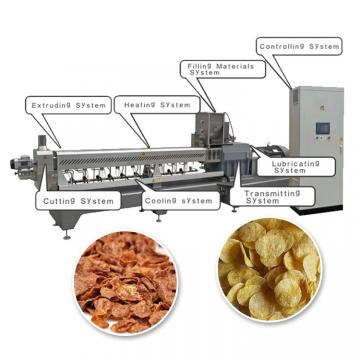
A complete system comprises raw material preprocessing equipment (cleaning and milling), a high-shear twin-screw extruder for cooking and forming, flaking rollers calibrated to 0.3-0.8mm thickness, a high-efficiency rotary dryer or oven with precise temperature zones, toasting equipment for flavor development, and automated packaging with nitrogen flushing. Advanced configurations integrate sugar coating drums, cooling conveyors, and metal detection systems to ensure shelf-stable, market-ready products. Each component requires synchronization through a centralized PLC control system to maintain consistent product density and moisture content.
What Daily Production Volumes Can Industrial Corn Flakes Equipment Achieve?
3. What is the daily output capacity of a standard corn flakes manufacturing line?
Standard industrial lines typically deliver between 100kg to 500kg per hour, translating to 2-12 tons per day under 24-hour operation schedules common in African and South American processing plants. High-capacity twin-screw extruder configurations can reach 800kg-1000kg hourly output for large-scale distribution networks. When evaluating capacity claims, verify whether specifications refer to raw material input or finished product output, as moisture loss during drying affects final yield calculations significantly.
What Are the Facility Requirements for Installing Corn Flakes Processing Equipment?
4. What are the space and power requirements for installing a corn flakes production line?
A complete medium-scale installation requires approximately 300-500 square meters of floor space, including raw material storage, processing areas, and finished goods warehousing, with ceiling heights of 4-5 meters to accommodate drying towers and ventilation systems. Power requirements typically range from 150kW to 300kW depending on extruder size and dryer configuration, requiring 380V/50Hz three-phase industrial supply with proper voltage stabilization. Ensure your facility includes adequate steam generation (for preconditioning) and compressed air systems (0.6-0.8 MPa) for pneumatic conveyors and packaging machinery.
Can Corn Flakes Production Lines Process Alternative Grains and Formulations?
5. How versatile are corn flakes production lines for manufacturing other breakfast cereals?
Modern twin-screw extrusion systems offer remarkable flexibility, allowing processors to utilize wheat, rice, oats, or multigrain blends beyond standard corn grits or maize flour. By adjusting screw configurations, die plates, and process parameters, the same line can produce honey loops, cocoa puffs, or savory extruded snacks, maximizing equipment ROI for emerging market producers. Verify that your supplier provides recipe development support and interchangeable die sets to facilitate rapid product changeovers without extensive downtime.
How Long Does Commissioning and Training Take for New Corn Flakes Equipment?
6. What is the typical timeline for installing and commissioning a corn flakes production line?
From factory acceptance testing to full production readiness, expect 45-60 days including shipping, installation supervision, and operator training. Chinese manufacturers typically dispatch engineers for 2-4 weeks of on-site commissioning, covering mechanical assembly, electrical integration, and process optimization for your specific raw material characteristics. Ensure your contract includes comprehensive training for maintenance staff on extruder barrel wear patterns and dryer belt tensioning to prevent costly operational delays.
What Maintenance Protocols Ensure Long-Term Operational Efficiency?
7. How do I maintain a corn flakes production line for optimal performance and longevity?
Implement daily cleaning protocols for extruder barrels and die plates to prevent starch buildup, weekly inspection of flaking roller alignment and dryer belt tracking, and monthly replacement of high-wear components like cutting blades and pneumatic seals. Establish relationships with suppliers who maintain regional spare parts depots in Africa, the Middle East, or South America to minimize downtime from component failures. Preventive maintenance schedules should align with production volumes—typically every 2,000 operating hours for major screw and barrel inspections.
Which Certifications Should Corn Flakes Equipment Meet for International Market Access?
8. What certifications and standards are required for corn flakes production lines in export markets?
Equipment destined for Nigeria, Brazil, or EU markets must comply with CE marking, ISO 22000 food safety standards, and local electrical certifications (e.g., INMETRO for Brazil or SONCAP for Nigeria). Verify that stainless steel contact surfaces meet 304 or 316L food-grade specifications and that control systems support HACCP documentation requirements. Reputable manufacturers provide material traceability certificates and sanitary design documentation essential for passing import inspections and retailer audits in your target distribution markets.
Important Disclaimer & Terms of Use
⚠️ Important Disclaimer
The information provided in this guide, including content regarding manufacturers, technical specifications, and market analysis, is for informational and educational purposes only. It does not constitute professional procurement advice, financial advice, or legal advice.
B2B buyers must conduct their own independent and thorough due diligence before making any purchasing decisions. The risk of relying on any information in this guide is borne solely by the reader.
Top 4 Corn Flakes Production Line Manufacturers & Suppliers List
1. Shandong Loyal – Corn Flakes Production Line

Domain: foodmachineryint.com
Registered: 2021 (5 years)
Introduction: Manufacturer: Shandong Loyal Industrial Co.,Ltd. Product: Corn Flakes Production Line (Breakfast Cereal Processing Equipment). Raw Materials: Corn, rice, wheat, oat, barley powder; Basic recipe includes grist powder, sugar, coco, cheese, water. Process Flow: Raw material screening → wetting → peeling/degerming → crushing (approx. 60 mesh) → extrusion ripening → cooling → pressing (water-cooled con…
2. Usetorg – Cornflakes

Domain: usetorg.com
Registered: 2022 (4 years)
Introduction: Product varieties include plain, honey-coated, and sugar-coated cornflakes. Quality standards: ISO, HACCP, and FDA compliance. Order types: wholesale, bulk orders, and contract manufacturing. Services offered: private label solutions and customizable formulations. Target industries: retail, hospitality, and food service. Additional products mentioned include protein cereals, instant vegetable gran…
3. IndustryStock – Corn Flakes

Domain: industrystock.com
Registered: 2003 (23 years)
Introduction: Corn Flakes are classified under Food/Snacks within Food Engineering. The B2B directory lists 17 manufacturers, traders, and suppliers from 5 countries including Germany, Poland, Belarus, Russia, and Romania. Notable manufacturers include Kellogg Deutschland GmbH, Nestlé Deutschland AG, Allos GmbH, and ROMMAC TRADE SRL (described as Romania’s leading producer). Related product categories frequentl…
4. CornProcess – Processing Equipment

Strategic Sourcing Conclusion and Outlook for corn flakes production line
The global breakfast cereal market continues to evolve rapidly, making the selection of a corn flakes production line a strategic long-term investment rather than a mere procurement decision. For operations in emerging markets from Lagos to São Paulo, sustainable success hinges on balancing initial capital expenditure with operational resilience, energy efficiency, and scalable automation capabilities.
How Can You Future-Proof Your Corn Flakes Manufacturing Investment?
Modern twin-screw extrusion technology offers the versatility required to expand beyond standard corn flakes into fortified cereals, co-extruded snacks, and alternative grain formulations. Prioritize modular systems that accommodate quick changeover capabilities and IoT-enabled process monitoring, ensuring your facility adapts efficiently to shifting consumer preferences toward functional foods and sustainable production methods.
What Defines a Strategic Equipment Partnership in Global Food Processing?
Beyond technical specifications, rigorous evaluation of suppliers must include their regional service infrastructure and spare parts logistics networks. Manufacturers with localized technical support across Africa, the Middle East, and South America significantly minimize costly downtime risks. Demand comprehensive training protocols, remote diagnostic capabilities, and multi-language documentation to empower your local engineering teams for autonomous operation.
As regional markets mature and competition intensifies, the competitive advantage will belong to processors who view equipment sourcing as a collaborative ecosystem rather than a transactional purchase. Invest today in technology partners who demonstrate verifiable commitment to your specific operational geography and shared product innovation roadmap.