
Introduction: Navigating the Global Market for maize flake machinery
Sourcing high-capacity maize flake machinery for emerging markets presents unique operational complexities that extend far beyond equipment specifications. As global demand for fortified breakfast cereals and snack foods accelerates—projected to reach $15 billion by 2025—manufacturers across Africa, South America, the Middle East, and Southeast Asia face critical decisions regarding production line investments. The challenge lies not merely in acquiring equipment, but in securing scalable solutions that balance energy efficiency, local regulatory compliance, and long-term technical support across international supply chains.
What Are the Critical Challenges When Importing Maize Flake Production Equipment?
Navigating the global marketplace for corn flakes manufacturing technology requires strategic evaluation of multiple variables. Buyers must assess flaking mill capabilities against raw material variability, evaluate extrusion versus traditional flaking methodologies, and verify supplier credentials across different manufacturing standards. Energy consumption patterns—often representing 30% of operational costs—demand particular scrutiny, as do maintenance protocols and spare parts availability in regions like Vietnam, Saudi Arabia, and Brazil.
How Can This Guide Optimize Your Machinery Procurement Strategy?
This comprehensive resource addresses the complete procurement ecosystem, from distinguishing between semi-automatic and fully automated production lines to conducting rigorous supplier vetting in international markets. We examine capacity optimization strategies, total cost of ownership calculations, and region-specific installation requirements. Whether establishing new facilities in African markets or upgrading existing operations in European plants, this guide provides actionable frameworks for evaluating technical specifications, negotiating warranty terms, and ensuring seamless after-sales support.
By synthesizing technical expertise with market-specific insights, we empower procurement teams to make capital-intensive decisions with confidence, transforming machinery acquisition from a transactional gamble into a strategic competitive advantage.
Understanding maize flake machinery Types and Variations
| Type Name | Key Distinguishing Features | Primary B2B Applications | Indicative Price Range (e.g., $, $$, $$$) | Brief Pros & Cons for Buyers |
|---|---|---|---|---|
| Twin-Screw Extrusion Lines | Continuous extrusion cooking, automated temperature control, high throughput (300-1000kg/h), energy recovery systems | Large-scale cereal manufacturers, export-oriented facilities, supermarket private label producers | $$$ | Pros: High efficiency, consistent quality, reduced labor costs. Cons: High capital investment, requires skilled technicians for maintenance. |
| Traditional Cooker-Flaker Systems | Batch steam cooking vessels, hydraulic/pneumatic flaking mills, recipe flexibility, manual/automatic hybrid operation | Regional heritage brands, specialty cereal producers, markets preferring traditional texture (Africa, Middle East) | $$ | Pros: Authentic flake texture, flexible batch sizes, lower technical complexity. Cons: Higher labor |
Key Industrial Applications of maize flake machinery
| Industry/Sector | Specific Application of maize flake machinery | Value/Benefit for the Business | Key Sourcing Considerations for this Application |
|---|---|---|---|
| Breakfast Cereal & Convenience Food Manufacturing | High-volume extrusion and flaking of pre-cooked maize grits into uniform breakfast flakes with precise thickness and moisture control | Consistent product density reduces raw material waste by 15-20% while enabling premium brand positioning and compliance with strict export quality standards in competitive retail markets | Twin-screw extrusion technology with automated thermal profiling; FDA/EFSA food-grade stainless steel construction; modular design facilitating rapid changeovers between honey-coated, frosted, and plain variants |
| Animal Feed & Nutrition Industry | Steam-flaking of maize for high-energy ruminant feed to gelatinize starch and improve digestibility for dairy and beef operations | Enhanced feed conversion ratios (FCR) reduce total ration costs by 8-12% while maximizing livestock weight gain and milk production yields in cost-sensitive emerging markets | Heavy-duty flaking mills with hydraulic roll gap control; corrosion-resistant alloys for high-humidity climates; seamless integration with existing feed mill automation and bulk handling systems |
| Brewing & Distilling Industry | Production of brewer’s flakes as fermentation adjuncts to increase fermentable sugars, lighten beer body, and improve mash efficiency | Superior enzymatic conversion efficiency boosts alcohol yields per batch while reducing processing time and raw material waste for craft and industrial brewers managing volatile commodity costs | Sanitary stainless steel construction meeting EHEDG standards; explosion-proof electrical components for alcohol vapor environments; precise steam conditioning units handling variable moisture content (12-16%) |
| Snack Food Processing | Extrusion and flaking of masa-based chips, coated cereals, and savory snack products at industrial throughput rates | High-capacity production (500+ kg/hour) with 30% lower energy consumption supports just-in-time manufacturing for seasonal demand spikes and private-label contract fulfillment | Quick-change die systems for rapid product variety shifts; energy-efficient drying tunnels; robust after-sales support networks across Africa, Middle East, and Southeast Asia; integrated cooling conveyors for tropical climates |
| Instant Food & Food Ingredients | Manufacturing of pre-cooked, dehydrated maize flakes for RTE porridges, instant cereals, and emergency food aid programs | Extended shelf life and stable product quality under tropical storage conditions reduce supply chain losses while meeting stringent nutritional specifications for institutional procurement | HACCP-compliant sanitary designs; compact footprints suitable for urban manufacturing facilities; energy-efficient drying systems to offset high operational costs; compatibility with food aid packaging standards |
How Does Automated Maize Flaking Optimize Breakfast Cereal Manufacturing for Export Markets?
In large-scale breakfast cereal operations, maize flake machinery utilizes twin-screw extrusion and precision flaking mills to transform pre-cooked maize grits into uniform, toasted flakes. For international buyers in Vietnam and Saudi Arabia, automated systems solve critical consistency challenges by maintaining exact moisture content and thickness tolerances, eliminating batch-to-batch variation that plagues manual processing. These machines require stainless steel food-grade construction, energy-efficient thermal profiling to manage high electricity costs in emerging markets, and modular designs facilitating rapid changeovers between honey-coated, frosted, and plain variants to meet diverse regional taste preferences.
What Are the Critical Requirements for Maize Flaking Systems in Animal Feed Production?
Steam-flaking systems in animal feed production gelatinize maize starch to enhance digestibility for dairy and beef cattle, directly improving feed conversion ratios by 8-12%. For buyers across Africa and South America, where livestock operations face volatile feed costs, this technology reduces total ration expenses while maximizing weight gain. Critical sourcing requirements include heavy-duty flaking mills with hydraulic roll gap adjustment to handle high-moisture processing, corrosion-resistant alloys suitable for humid climates, and seamless integration with existing feed mill automation to prevent operational bottlenecks during peak demand seasons.
Why Are Brewing Operations Adopting Specialized Maize Flake Processing Technology?
Breweries utilize specialized maize flake machinery to produce adjuncts that improve fermentation efficiency and lighten beer body without compromising flavor stability. The flaking process increases surface area for enzymatic conversion, enabling higher extract yields per batch—crucial for craft and industrial brewers in Europe and the Middle East managing raw material costs. Buyers must prioritize sanitary stainless steel construction meeting EHEDG standards, explosion-proof electrical components for alcohol vapor environments, and precise steam conditioning units capable of handling variable maize moisture levels between 12-16% to ensure consistent sugar extraction rates.
How Can Snack Food Manufacturers Leverage High-Capacity Flaking Equipment for Market Expansion?
In snack manufacturing, extrusion-based flaking equipment produces masa chips and coated cereal snacks at throughputs exceeding 500 kg/hour, supporting just-in-time production for seasonal demand spikes. For B2B buyers in Brazil and Nigeria, these systems solve labor inefficiency problems through automated feeding and cutting mechanisms while reducing energy consumption by up to 30% compared to traditional frying methods. Essential considerations include quick-change die systems enabling rapid product variety shifts, integrated cooling conveyors preventing clumping in high-humidity environments, and localized technical support networks ensuring minimal downtime during critical production periods.
What Sourcing Considerations Matter Most for Instant Food Producers Using Maize Flake Machinery?
Ready-to-eat (RTE) instant food manufacturers deploy maize flake machinery to produce pre-cooked, dehydrated flakes for quick-cooking porridges and emergency food aid programs prevalent in African and Middle Eastern markets. These systems solve supply chain volatility by extending shelf life through precise moisture reduction and uniform toasting, creating stable products that withstand tropical storage conditions. Buyers should evaluate machines with HACCP-compliant sanitary designs, energy-efficient drying tunnels to offset high operational costs, and compact footprints suitable for urban manufacturing facilities where space constraints limit expansion possibilities.
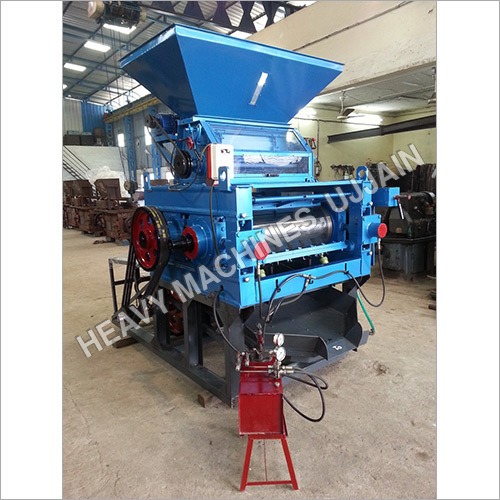
A stock image related to maize flake machinery.
3 Common User Pain Points for ‘maize flake machinery’ & Their Solutions
Scenario 1: Why Does High-Capacity Output Often Result in Inconsistent Flake Quality?
The Problem: Many buyers invest in high-capacity systems promising 500kg/hour output, only to discover that increased throughput generates excessive broken flakes and inconsistent thickness. This quality degradation is particularly devastating for exporters targeting European supermarkets or Middle Eastern distributors with strict size-grading requirements. The mechanical stress from aggressive flaking rolls often creates fines that reduce yield and clog downstream packaging equipment, while uneven moisture distribution leads to burnt edges during toasting that render entire batches unsuitable for premium retail positioning.
The Solution: Prioritize machinery featuring precision hydraulic roll gap adjustment systems and variable-speed drives that decouple throughput from flaking intensity. Look for twin-screw extrusion configurations that precondition maize grits uniformly before flaking, reducing mechanical stress. Implement inline optical sorting technology to remove broken pieces immediately after flaking, ensuring only intact flakes proceed to toasting. Additionally, specify drum dryers with zoned temperature control rather than single-chamber designs, allowing precise moisture evaporation without thermal shock. This integrated approach maintains 98%+ whole flake ratios even at maximum rated capacity while reducing waste by up to 15%.
Scenario 2: How Can Manufacturers Avoid Critical Downtime When Spare Parts Are Not Locally Available?
The Problem: Operations in Vietnam, Nigeria, or Saudi Arabia frequently face weeks-long production halts when proprietary electrical components or specialized flaking rolls fail. Unlike domestic Chinese or European manufacturers, international buyers often lack immediate access to technical support, turning minor mechanical issues into costly downtime events that breach supply contracts with retail chains. Currency fluctuation risks compound these challenges when emergency parts must be imported with expedited shipping costs exceeding the component value, particularly for specialized food-grade alloys not stocked locally.
The Solution: Partner with suppliers offering modular component architecture using standardized, locally sourceable parts wherever possible. Insist on comprehensive spare parts packages included in initial procurement—specifically stocking critical wear items like scraper blades, bearings, and heating elements for 24-month operations. Verify the manufacturer maintains regional service hubs or certified third-party technicians within your continent, ideally with Arabic, Portuguese, or Vietnamese language support. Demand remote diagnostic capabilities via IoT-enabled control systems that allow offshore engineers to troubleshoot PLC parameters and extruder screw configurations without waiting for visas or flights, reducing resolution time from weeks to hours.
Scenario 3: Which Automation Level Delivers the Best ROI for Emerging Market Operations?
The Problem: Buyers frequently default to either fully manual systems to minimize CAPEX or fully automated lines mimicking European plants, without analyzing local economic conditions. Semi-automatic lines in high-wage markets bleed money through labor inefficiencies, while fully automated systems in regions with limited technical expertise suffer from chronic programming errors and underutilized capacity. This misalignment often stems from generic vendor recommendations that ignore the specific cost structures of African or South American operations, where skilled technician salaries differ dramatically from German or American benchmarks.
The Solution: Conduct a location-specific Total Cost of Ownership (TCO) analysis weighing local labor rates against energy costs and technical skill availability. For emerging markets with moderate wages but growing demand, specify “scalable automation”—machines with manual override capabilities and gradual upgrade paths from semi-automatic to fully automatic as volumes justify the investment. Select equipment with HMI interfaces available in local languages and intuitive iconography to reduce training barriers. Hybrid configurations automating only the high-temperature, dangerous processes (extrusion, drying) while keeping packaging semi-automatic often optimize the capital-efficiency balance, typically delivering ROI 18-24 months faster than fully automated alternatives in developing economies.
Strategic Material Selection Guide for maize flake machinery
Material selection directly impacts equipment longevity, food safety compliance, and total cost of ownership in maize flake production. For operations in high-humidity regions like Southeast Asia or coastal Middle Eastern facilities, corrosion resistance and hygiene standards are non-negotiable. Understanding the metallurgical properties of construction materials enables procurement teams to balance initial capital expenditure against maintenance costs and regulatory requirements.
Why is Food-Grade Stainless Steel Critical for Maize Flake Processing Equipment?
Austenitic stainless steel grades 304 and 316 remain the gold standard for product contact surfaces in maize flake machinery. Grade 304 offers excellent corrosion resistance and ease of cleaning for standard processing environments, while 316 provides superior protection against chlorides and acidic conditions prevalent in coastal African or Middle Eastern operations. These materials prevent metallic contamination, resist starch adhesion, and withstand aggressive cleaning protocols required by BRC and ISO 22000 standards. The smooth surface finish achievable through electropolishing eliminates microscopic crevices where bacteria or mold could proliferate during high-moisture conditioning phases. Although the initial investment exceeds carbon steel alternatives by 60-80%, the elimination of rust-related downtime and reduced bacterial harboring points deliver measurable ROI within 18-24 months for high-volume producers operating in humid climates.
When Should Manufacturers Choose Carbon Steel with Protective Coatings for Structural Components?
Carbon steel with food-safe epoxy or powder coatings presents a cost-effective solution for non-contact structural frames, supports, and housing units in maize flake production lines. This material offers high tensile strength at approximately 40% lower material costs than stainless alternatives, making it attractive for budget-conscious startups in South America and Southeast Asia. Hot-dip galvanization provides additional protection for outdoor storage or unconditioned factory environments common in emerging markets. However, procurement teams must evaluate coating integrity protocols, as scratches from routine maintenance or chemical degradation from cleaning agents expose the substrate to rapid oxidation. Regular inspection schedules and touch-up procedures are essential to prevent structural compromise that could misalign precision flaking mechanisms and cause product inconsistency.
What Makes High-Strength Alloy Steel Essential for Flaking Mill Rollers?
The flaking process demands materials capable of withstanding extreme pressure and abrasive wear from dried maize grits. Chrome-plated alloy steel or chilled cast iron rollers provide the Rockwell hardness exceeding 60 HRC required to compress kernels into uniform flakes without deformation. These materials maintain dimensional stability across thousands of operating hours, ensuring consistent flake thickness critical for toasting efficiency and final product texture. Induction-hardened surfaces resist galling and pitting from silica particles naturally present in maize, extending service intervals significantly. While significantly heavier and more expensive than standard steels, alloy components reduce frequency of roller resurfacing—a major maintenance expense that can halt production for 48-72 hours in continuous operations, justifying the premium for 24/7 manufacturing facilities.
Is Food-Grade Aluminum Suitable for Auxiliary Maize Flake Machinery Components?
Anodized aluminum alloys find application in lightweight conveyor housings, inspection doors, and pneumatic transfer piping where weight reduction facilitates easier maintenance access. The material’s natural oxide layer provides moderate corrosion resistance without additional coatings, though it lacks the durability required for high-impact areas like mixing chambers or flaking drums. Aluminum’s excellent thermal conductivity offers energy efficiency benefits in heat-exchange applications within conditioning cylinders. These components provide particular value in facilities requiring frequent equipment repositioning or where ceiling-mounted infrastructure demands load-bearing considerations. However, aluminum commands premium pricing compared to coated carbon steel and requires specialized welding expertise for repairs, potentially complicating maintenance in remote production locations.
| Material | Typical Use Case for maize flake machinery | Key Advantage | Key Disadvantage/Limitation | Relative Cost |
|---|---|---|---|---|
| Food-Grade Stainless Steel (304/316) | Product contact surfaces, hoppers, conveyors, mixing chambers | Superior corrosion resistance, hygienic, easy sanitation | High initial capital investment | High |
| Coated Carbon Steel | Structural frames, supports, non-contact housings | Cost-effective, high tensile strength | Vulnerable to corrosion if coating compromised, requires maintenance | Low |
| Chrome-Plated Alloy Steel | Flaking mill rollers, compression drums | Extreme hardness, wear resistance, dimensional stability | Heavy, expensive, requires specialized machining | Very High |
| Anodized Aluminum | Conveyor housings, inspection panels, piping | Lightweight, moderate corrosion resistance, easy handling | Lower impact resistance, limited structural load capacity | Medium |
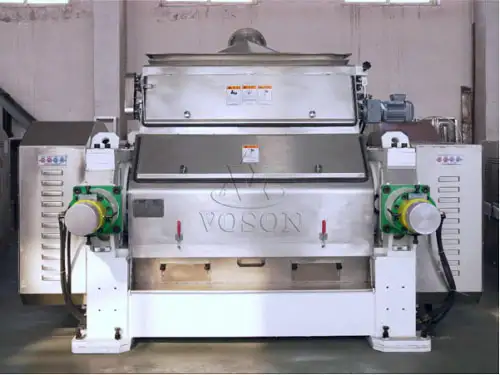
A stock image related to maize flake machinery.
In-depth Look: Manufacturing Processes and Quality Assurance for maize flake machinery
When investing in capital-intensive maize flake production lines, understanding the manufacturing pedigree of your equipment supplier directly impacts operational longevity and food safety compliance. Premium maize flake machinery requires precision-engineered components capable of withstanding continuous thermal stress, abrasive grain processing, and stringent hygiene protocols. B2B procurement teams must evaluate not only the technical specifications but also the fabrication methodologies, material traceability, and quality assurance frameworks employed during production.
What Precision Engineering Standards Define High-Quality Maize Flake Machinery Manufacturing?
Superior maize flake machinery begins with CNC-machined components fabricated from food-grade stainless steel 304 or 316L, ensuring corrosion resistance against acidic grain treatments and aggressive cleaning chemicals. Critical contact surfaces must achieve surface roughness values below Ra 0.8 μm to prevent microbial adhesion and facilitate sanitation protocols required by FDA and EU regulations. Flaking mill rolls demand micron-level tolerance grinding—typically within ±0.02mm—to maintain uniform flake thickness across production batches. Structural frameworks undergo stress-relieving heat treatment after welding to prevent distortion during thermal cycling, while non-contact components receive epoxy powder coating with salt-spray resistance exceeding 1000 hours for durability in high-humidity environments common in African and Southeast Asian processing facilities.
How Are Critical Components Like Flaking Mills and Extrusion Systems Manufactured and Tested?
The manufacture of twin-screw extrusion barrels and intermeshing screw elements requires bimetallic liners with tungsten carbide or nitrided steel coatings to resist abrasive wear from maize grits operating at 20-40% moisture content. Precision grinding ensures screw-to-barrel clearances of 0.1-0.3mm, optimizing shear rates for gelatinization without mechanical binding. Flaking mill rolls undergo induction hardening to 58-62 HRC surface hardness, followed by dynamic balancing to ISO G2.5 standards for vibration-free operation at 300-600 RPM. Steam-heated jacketed components receive hydrostatic pressure testing at 1.5 times working pressure to validate weld integrity. Pre-conditioning cylinders and drying ovens are fabricated with laser-cut stainless steel panels featuring thermal insulation density of 128kg/m³ to minimize heat loss and reduce energy consumption by up to 30% in continuous operation.
What Quality Assurance Protocols Ensure Equipment Reliability in High-Humidity Climates?
For operations in tropical regions like Vietnam, Brazil, or Nigeria, manufacturers must implement tropicalization protocols including IP65-rated electrical enclosures, tropicalized motor insulation (Class F or H), and desiccant-breather systems on gearboxes to prevent moisture ingress during monsoon seasons. Quality assurance teams conduct salt-spray testing per ASTM B117 for 500+ hours on all painted surfaces and hardware. Electrical panels undergo humidity cycling tests (40°C, 95% RH) to validate circuit protection integrity. Vibration analysis on rotating assemblies ensures bearing housings withstand seismic conditions prevalent in certain Middle Eastern and South American regions. Additionally, explosion-proof components meeting ATEX Directive 2014/34/EU standards are essential for dust-handling sections, protecting against ignition risks from maize starch particulates.
Which Certifications and Compliance Standards Should B2B Buyers Verify During Factory Acceptance?
Reputable manufacturers maintain ISO 9001:2015 certification for quality management systems, with specific welding procedures qualified to ISO 9606-1 for stainless steel fabrication. European market equipment requires CE marking compliance with Machinery Directive 2006/42/EC and Low Voltage Directive 2014/35/EU. Food contact materials must satisfy FDA 21 CFR standards or EU Regulation 1935/2004, supported by mill test reports (MTRs) verifying alloy composition. Factory Acceptance Testing (FAT) protocols should include dimensional verification against ASME or DIN standards, no-load run testing for 8+ hours monitoring bearing temperatures, and safety system validation including emergency stops and interlock guards. Buyers should request weld inspection reports (radiographic or dye penetrant) for pressure vessels and steam lines.
How Does Pre-Shipment Inspection and Commissioning Support Validate Manufacturing Quality?
Pre-shipment inspection (PSI) involves verifying paint thickness (80-120 microns), torque settings on critical fasteners, and component serialization against packing lists. Suppliers should conduct trial production runs using specified maize varieties to demonstrate flake thickness consistency (±0.1mm) and breakage rates below 5%. Instrumentation—including thermocouples, pressure transmitters, and variable frequency drives—must ship with calibration certificates traceable to national standards. Documentation packages should include operation and maintenance manuals in English and local languages (Arabic, Spanish, Vietnamese), spare parts lists with 3D exploded views, and material certificates for all food-contact surfaces. Commissioning support should verify line integration between extrusion, flaking, and drying sections, ensuring thermal profiles align with recipe specifications for optimal Maillard reaction control during toasting.
Manufacturing excellence in maize flake machinery extends beyond assembly line efficiency to encompass metallurgical integrity, geometric precision, and adaptive engineering for regional operational conditions. By scrutinizing fabrication protocols, insisting on comprehensive factory acceptance testing, and verifying compliance with international food safety standards, procurement teams mitigate long-term operational risks. This due diligence ensures that your production infrastructure delivers consistent flake quality while minimizing unplanned downtime across diverse climatic environments from the humid tropics of Southeast Asia to the arid regions of the Middle East.
Practical Sourcing Guide: A Step-by-Step Checklist for ‘maize flake machinery’
Procuring maize flake machinery for international operations requires balancing technical precision with logistical pragmatism. This checklist guides B2B buyers through critical evaluation criteria—from initial capacity planning to long-term service architecture—ensuring your investment aligns with both immediate production targets and sustainable growth across diverse regulatory environments like Vietnam, Saudi Arabia, and emerging African markets.
1. How Should You Define Production Capacity and Scalability Requirements?
Begin by calculating your target output in kg/hour against current and projected five-year demand curves. Assess whether the machinery offers modular expansion capabilities to accommodate seasonal fluctuations or market growth without complete line replacement. Request detailed throughput specifications that account for raw material variability, as maize moisture content and kernel hardness significantly impact actual production rates in tropical versus temperate storage conditions.
2. How Do You Evaluate Automation Levels and Operational Complexity?
Analyze the balance between automation benefits and your local technical workforce capabilities. Twin-screw extrusion systems offer superior consistency but require specialized operators; verify if the supplier provides comprehensive training documentation and on-site commissioning support. Ensure the Human-Machine Interface (HMI) supports multiple languages relevant to your operational regions, minimizing error rates during shift changes and reducing dependency on specialized technical staff.
3. What Energy Efficiency Certifications Should You Prioritize?
Given that energy constitutes approximately 30% of production costs in cereal processing, demand specific consumption metrics per kilogram of finished product. Verify compliance with IEC standards or regional equivalents (e.g., CE marking for Europe, SASO for Saudi Arabia) to ensure compatibility with local electrical infrastructure. Inquire about heat recovery systems and variable frequency drives that reduce operational expenditure in high-volume environments subject to fluctuating utility pricing.
4. How Can You Secure Comprehensive After-Sales Support Internationally?
Map the supplier’s service network against your geographic location, prioritizing manufacturers with regional spare parts depots or authorized service centers in Africa, South America, or Southeast Asia. Establish guaranteed response time clauses for critical component failures and confirm the availability of video diagnostic support to minimize downtime during technical troubleshooting across time zones. Verify that electrical components utilize internationally recognized brands to ensure local availability of replacements.
5. Which Regulatory and Food Safety Standards Must the Equipment Meet?
Validate that machinery construction adheres to FDA, EU 1935/2004, or local food contact material regulations specific to your export markets. Request material traceability certificates for all food-contact surfaces, particularly regarding nickel-free alloys if targeting allergen-sensitive European markets. Ensure the design facilitates sanitary cleaning protocols compliant with HACCP and BRC certification requirements, including CIP (Clean-in-Place) compatibility for high-care production zones.
6. How Should You Validate Supplier Credibility and Project References?
Conduct virtual or physical factory audits focusing on welding quality, CNC machining precision, and assembly protocols. Request contact information for at least three operational references in regions with similar logistical challenges—particularly regarding humidity control and dust management in tropical climates. Verify the supplier’s experience with turnkey project delivery, including recipe formulation support and process documentation transfer, ensuring they possess technology patents relevant to your specific product texture requirements.
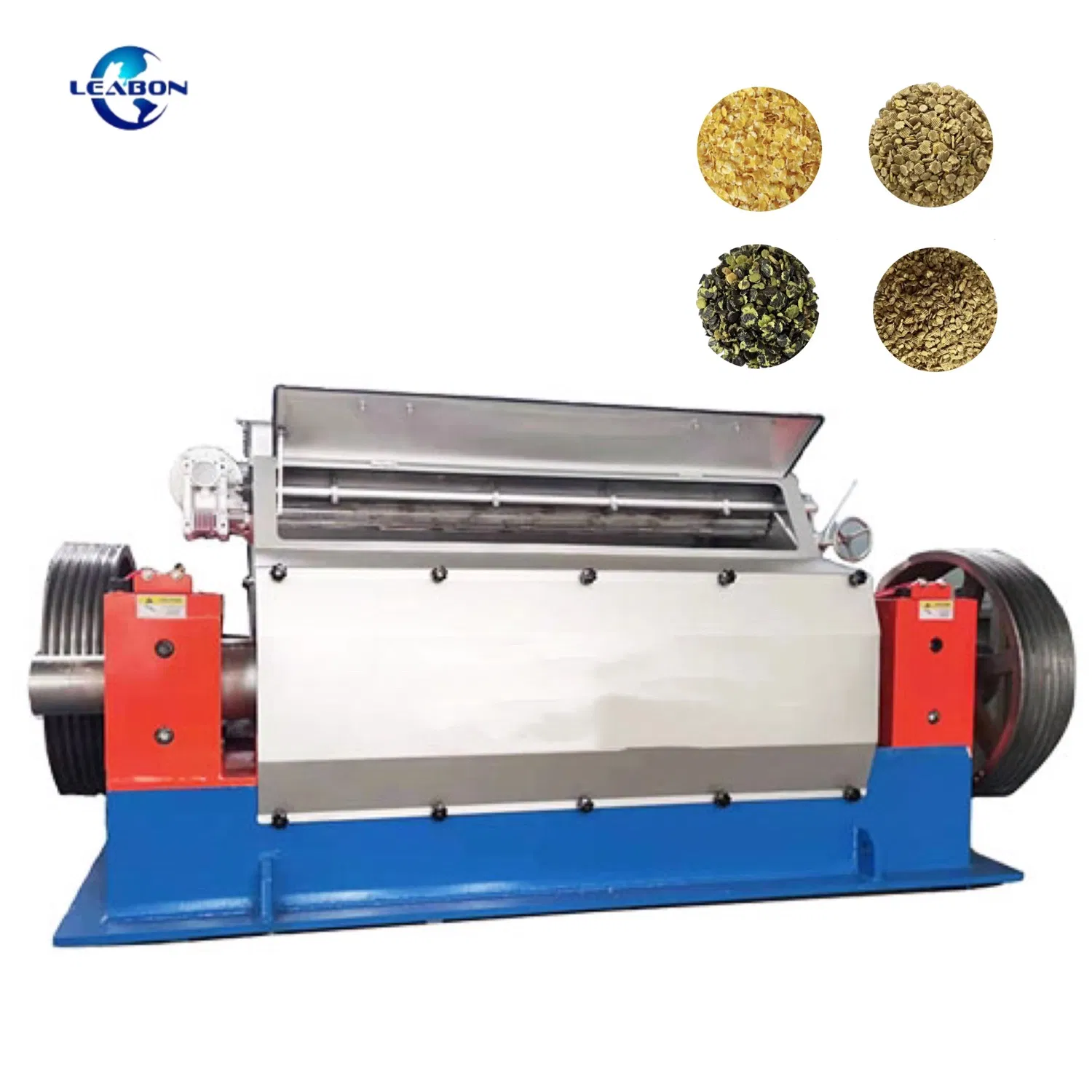
A stock image related to maize flake machinery.
Comprehensive Cost and Pricing Analysis for maize flake machinery Sourcing
When sourcing maize flake machinery for international operations, understanding the complete cost architecture extends far beyond the initial equipment quotation. Procurement teams must evaluate capital expenditure against operational efficiency metrics, particularly when deploying production lines across diverse regulatory environments in Africa, South America, the Middle East, and Southeast Asia. A comprehensive analysis reveals that while entry-level extrusion systems may appear cost-effective initially, the total cost of ownership (TCO) often favors automated solutions with higher upfront investment but superior energy efficiency and throughput capabilities.
What Factors Determine the Total Cost of Ownership for Maize Flake Machinery?
The TCO framework for maize flake production lines encompasses acquisition costs, installation logistics, commissioning, and ongoing operational expenditures. High-capacity industrial units capable of processing 500 kg per hour command premium pricing—typically 40-60% higher than small-scale batch systems—but deliver significant economies of scale for commercial operations. Buyers should scrutinize automation levels; semi-automated configurations reduce initial outlay but may increase labor costs by 15-25% annually compared to fully integrated lines with programmable logic controllers (PLCs) and self-cleaning twin-screw extrusion systems.
How Do Production Capacity Requirements Impact Equipment Pricing?
Equipment pricing scales non-linearly with capacity, creating distinct investment tiers for different market segments. Small corn flakes making machines suitable for emerging markets in Vietnam or Myanmar typically range between $15,000-$45,000, while industrial-grade production lines designed for Saudi Arabian or European standards can exceed $200,000 depending on customization for specific recipes and throughput demands. Modular designs that allow capacity expansion through additional flaking mills or auxiliary cooling systems offer strategic advantages, enabling businesses to align capital deployment with market penetration rates without complete line replacement.
What Are the Hidden Operational Costs Beyond the Initial Purchase Price?
Energy consumption represents approximately 30% of total production expenses in maize flake manufacturing, making efficiency ratings critical to long-term profitability. Equipment with variable frequency drives and optimized thermal profiles can reduce utility costs by 20-30% compared to conventional systems. Additionally, factor in spare parts availability—particularly for specialized components like flaking rollers and extrusion dies—where shipping delays to remote African or South American facilities can incur weeks of downtime. Technical training costs, often overlooked in initial budgeting, ensure operators can maximize equipment longevity and maintain consistent product quality across varying ambient humidity conditions prevalent in tropical climates.
How Can Buyers Optimize ROI When Sourcing Maize Flaking Equipment?
Strategic sourcing involves negotiating comprehensive after-sales packages that include installation supervision, recipe formulation support, and multi-year warranty coverage. Suppliers with established service networks in target regions—evidenced by successful deployments in Brazil, Pakistan, or Australia—minimize maintenance response times and reduce reliance on expensive international technicians. Financing structures such as equipment leasing or phased payment terms aligned with production ramp-up can preserve working capital while securing advanced machinery with lower per-unit production costs, ultimately achieving break-even within 18-24 months for mid-scale operations.
Alternatives Analysis: Comparing maize flake machinery With Other Solutions
When evaluating pathways to enter the breakfast cereal sector, B2B buyers must weigh the substantial capital requirements of dedicated maize flake machinery against alternative operational models that may better align with initial risk tolerance or market testing objectives. While automated flaking lines represent the gold standard for volume production, traditional processing methods and contract manufacturing partnerships present viable strategic alternatives, each carrying distinct implications for quality control, capital allocation, and long-term scalability. This analysis examines how these alternatives compare to purpose-built equipment, providing decision-makers in emerging markets—from West Africa to Southeast Asia—with actionable frameworks for selecting the appropriate production methodology based on current capacity needs and growth trajectories.
How Does Dedicated Maize Flake Machinery Compare to Alternative Production Methods?
| Comparison Aspect | Dedicated Maize Flake Machinery | Traditional Batch Processing | Contract Manufacturing (Toll Production) |
|---|---|---|---|
| Production Capacity | High (100-500+ kg/hour); continuous operation | Low (10-50 kg/hour); batch limitations | Variable; dependent on partner’s spare capacity |
| Product Consistency | Automated thickness/moisture control; uniform quality | High variability; manual dependent | Professional grade; consistent with partner’s standards |
| Capital Investment | High ($100,000-$500,000+); infrastructure included | Minimal ($5,000-$25,000); basic equipment only | Negligible; pay-per-use model |
| Operating Costs | Low per-unit at scale; energy efficient | High labor intensity; inefficiency waste | Premium per-unit pricing; logistics added |
| Implementation Complexity | High; requires installation, training, compliance | Low; immediate operational capability | Medium; requires partner vetting and agreements |
| Regulatory Compliance | Built-in food safety standards; export-ready | Limited; difficult to certify |
Essential Technical Properties and Trade Terminology for maize flake machinery
When evaluating capital equipment for maize flake production, technical specifications determine operational economics, while industry terminology facilitates precise contract negotiation. Understanding these parameters enables buyers to compare offerings across different manufacturing standards and regional specifications, ensuring alignment with local utility constraints and food safety regulations.
What Are the Critical Technical Specifications for High-Volume Maize Processing?
Throughput Capacity and Scalability Metrics
Production volume, expressed in kilograms per hour or metric tons per day, defines your operational ceiling. Industrial-grade maize flake machinery typically ranges from 200 kg/hour for entry-level lines to 1,000+ kg/hour for high-volume installations. Critically, distinguish between nominal capacity (theoretical maximum) and sustainable throughput (continuous operation under standard conditions). Modular architectures allowing downstream equipment upgrades without extruder replacement offer superior long-term value for growing markets.
Extrusion System Configuration
The distinction between twin-screw and single-screw extrusion significantly impacts product quality and energy efficiency. Twin-screw systems provide self-wiping screw geometry that ensures complete starch gelatinization—a critical chemical transformation for digestibility and shelf stability. Evaluate the L/D ratio (length-to-diameter) and compression ratios; higher ratios (12:1 to 20:1) indicate thorough cooking capability but require precise torque management.
Specific Energy Consumption (SEC)
Operational costs hinge on thermal efficiency, with energy representing 25–30% of total production expenses. SEC, measured in kilowatt-hours per kilogram of finished product (kWh/kg), provides standardized efficiency comparison. Advanced maize flake lines achieve 0.15–0.25 kWh/kg through insulated barrel designs and heat recovery systems. Request third-party energy audit certifications rather than accepting nominal motor power ratings alone.
Flaking Mill Specifications
The flaking station determines final product texture and breakage rates. Critical parameters include roller material hardness (Rockwell C scale above HRC 50 for abrasion resistance) and gap adjustment precision (±0.01 mm tolerance). Hydraulic or pneumatic gap control systems enable real-time adjustments during production runs, compensating for thermal expansion and roller wear without manual intervention.
Automation and Control Architecture
Modern lines utilize PLC (Programmable Logic Controller) systems with HMI (Human-Machine Interface) touchscreens for recipe management and process monitoring. Assess whether the control system supports remote diagnostics via IoT connectivity and integration with existing Manufacturing Execution Systems (MES). This capability proves essential for multi-site operations requiring centralized quality control and predictive maintenance scheduling.
Which Trade Terms Define Commercial Agreements and Operational Standards?
Extrusion Cooking and Gelatinization
This thermomechanical process subjects maize grits to high pressure, temperature, and shear, causing starch granules to swell irreversibly. Complete gelatinization (85–95% starch conversion) distinguishes premium equipment from basic extruders, directly affecting product digestibility and bowl-life stability in milk.
Tempering and Moisture Conditioning
Pre-processing steps where maize grits are hydrated to specific moisture content (typically 18–22%) and thermally equilibrated before flaking. Proper conditioning prevents roller slippage and ensures uniform flake formation without excessive fines generation, which reduces yield and creates waste handling challenges.
Turnkey Project Integration
Navigating Market Dynamics and Sourcing Trends in the maize flake machinery Sector
The global maize flake machinery sector is undergoing rapid transformation as consumer demand for convenient, fortified breakfast cereals accelerates across emerging economies. For B2B buyers operating in diverse regulatory environments—from West African processing hubs to Southeast Asian manufacturing corridors and Middle Eastern industrial zones—understanding current market dynamics is essential for capital-intensive equipment decisions. Strategic sourcing now extends beyond technical specifications to encompass supply chain resilience, energy economics, and long-term vendor partnerships that determine operational viability in markets characterized by infrastructure variability and evolving food safety standards.
What Are the Emerging Market Trends Shaping Maize Flake Machinery Investments?
The breakfast cereal market continues its upward trajectory, with industry projections indicating significant valuation increases by 2025, driven by urbanization and dietary westernization in regions like Africa, South America, and the Middle East. This expansion necessitates machinery capable of scaling from small-batch artisanal production to industrial outputs exceeding 500 kg per hour, while maintaining flake consistency and nutritional fortification integrity across diverse operational contexts.
Regional diversification is fundamentally reshaping procurement strategies. Buyers in Vietnam and Saudi Arabia are increasingly seeking modular production lines that accommodate local raw material variations—particularly differing maize moisture content, starch profiles, and grain hardness—while adhering to international quality certifications. Twin-screw extrusion technology has emerged as a preferred solution in these markets, offering superior gelatinization control, enhanced energy efficiency, and reduced water consumption compared to conventional flaking mills or traditional cooking methods.
Automation and Industry 4.0 integration represent critical competitive differentiators. Modern systems now incorporate IoT-enabled monitoring capabilities that reduce labor costs by up to 30% and minimize human error rates, directly addressing the 20-30% efficiency gains documented by food processing organizations. However, infrastructure limitations in key markets are driving demand for robust machinery designs capable of operating under variable power conditions and extreme heat indices common in Middle Eastern and African processing facilities. Additionally, shifting trade dynamics have increased emphasis on equipment suppliers offering localized assembly options or regional manufacturing partnerships that reduce import duties and currency exposure while ensuring compliance with local content requirements increasingly mandated in Saudi Arabia and Vietnam.
How Can B2B Buyers Integrate Sustainability and Ethical Sourcing in Equipment Procurement?
Sustainability in maize flake machinery procurement extends far beyond baseline energy consumption metrics—though power costs remain significant, representing approximately 30% of total production expenses in many operations. Forward-thinking buyers are now evaluating comprehensive equipment lifecycle impacts, including water usage in steam preconditioning systems, heat recovery capabilities, and waste reduction mechanisms during the flaking and drying processes that minimize raw material loss. Water scarcity concerns in arid regions are accelerating adoption of closed-loop processing systems that recycle water through multiple production stages, reducing consumption by up to 40% compared to open-system designs.
Ethical sourcing necessitates rigorous vendor assessment protocols that examine manufacturing transparency and local support infrastructure. Leading equipment manufacturers now provide value-added documentation including process technology patents, proprietary recipe formulations, and comprehensive technical training programs—resources particularly critical for operations in Brazil, Pakistan, or Myanmar where developing technical expertise requires substantial knowledge transfer. The geographic availability of spare parts and localized after-sales support has evolved from a convenience factor to a sustainability imperative; extended equipment downtime in remote locations can negate environmental gains through emergency air freight of components and production inefficiencies.
Furthermore, ethical procurement now encompasses raw material traceability, with machinery specifications increasingly requiring compatibility with non-GMO or locally sourced maize varieties that support regional agricultural economies and reduce carbon footprints associated with transcontinental grain shipping. Strategic partnerships should prioritize suppliers demonstrating transparent supply chains, ethical labor practices, and energy-efficient designs that align with evolving ESG reporting requirements. Machines featuring self-cleaning mechanisms, automated calibration systems, and modular upgrade paths reduce chemical usage, product waste, and premature obsolescence. For buyers in Europe and the Middle East particularly, sustainable procurement balances upfront capital expenditure against long-term operational costs, ensuring that energy-efficient automation and water recycling systems deliver both environmental credentials and measurable ROI within 24-36 months while supporting local content regulations and community development initiatives.
Frequently Asked Questions (FAQs) for B2B Buyers of maize flake machinery
1. What is the typical investment range for industrial maize flake production lines, and how should I budget for total cost of ownership?
Industrial maize flake production lines typically range from $50,000 for entry-level semi-automatic systems to over $500,000 for high-capacity, fully automated installations with integrated packaging solutions. However, focusing solely on upfront capital expenditure can be misleading; energy consumption represents approximately 30% of total production expenses, making energy-efficient models with higher initial price tags significantly more economical over a five-year operational period. When budgeting, factor in shipping logistics, import duties specific to your region (particularly relevant for African and Middle Eastern markets), installation costs, and a contingency fund for spare parts inventory to minimize future downtime.
2. How do I determine the optimal production capacity for automated maize flake processing equipment to handle hourly output requirements?
Automated maize flake processing equipment varies widely in throughput, with standard industrial models producing between 100 kg to 500 kg per hour, while enterprise-scale continuous systems can exceed 1,000 kg hourly. Rather than selecting maximum capacity immediately, analyze your current market penetration and projected 3-year growth trajectory to avoid over-capitalization; a modular system that allows capacity expansion through additional extrusion lines or flaking mills offers superior flexibility for emerging markets. Remember that rated capacity often assumes optimal raw material conditions and continuous operation, so verify whether manufacturer specifications reflect real-world operating conditions or ideal laboratory settings.
3. What preventive maintenance protocols are required to ensure continuous operation of commercial maize flake manufacturing lines?
Commercial maize flake manufacturing lines require daily cleaning of extrusion barrels and flaking rolls to prevent starch buildup that degrades product quality, weekly inspection of pneumatic systems and electrical connections, and quarterly replacement of high-wear components like die inserts and scraper blades. Establishing a localized spare parts inventory is critical for international operations, particularly in regions with complex import procedures, as waiting for overseas shipments can halt production for weeks; negotiate comprehensive spare parts kits as part of your initial purchase agreement. Additionally, insist on manufacturer-provided maintenance training for your technical team, as operator error accounts for approximately 40% of machinery downtime in food processing facilities.
4. How do I choose between semi-automatic and fully automatic maize flake machinery for my production facility?
Semi-automatic systems suit emerging businesses with limited capital, lower labor costs, and flexible production schedules, requiring manual intervention for material feeding, temperature monitoring, and packaging changeovers, which typically results in 15-20% higher product variability. Fully automatic lines justify their premium through consistent product quality, reduced labor dependency (critical in regions with rising wage costs), and integration with ERP systems for real-time production monitoring, though they demand higher technical expertise for troubleshooting. For markets in Vietnam or Saudi Arabia experiencing rapid urbanization and quality-conscious consumers, fully automated systems often prove essential for meeting supermarket retail standards and export certifications.
5. How can I minimize energy consumption and operational costs when running maize flake production equipment?
Prioritize machinery featuring variable frequency drives (VFDs) on extruder motors and heat recovery systems that recycle thermal energy from the cooling process to pre-heat incoming materials, potentially reducing energy expenditure by 25-35%. Conduct a utility audit comparing electric versus gas-powered drying systems based on local energy pricing; in regions with subsidized natural gas, thermal flaking may outperform electric extrusion economically despite higher maintenance requirements. Implement automated shutdown sequences for idle periods and invest in insulation for steam lines, as energy inefficiencies often accumulate through heat loss rather than primary processing functions.
6. What quality control mechanisms should I prioritize when selecting maize flake machinery to ensure consistent product thickness and texture?
Look for systems incorporating inline thickness gauges with automatic roller gap adjustment, which maintain flake uniformity within ±0.1mm tolerance despite variations in maize moisture content or ambient humidity common in tropical climates. Pneumatic or hydraulic roller pressure systems outperform manual adjustment mechanisms, providing consistent compression force that prevents the brittle, over-cooked flakes or under-processed raw spots that destroy brand reputation in competitive breakfast cereal markets. Ensure the control system offers recipe memory functions for different product specifications (coarse vs. fine flakes, fortified variants), allowing rapid changeovers without extensive manual recalibration.
7. How do I evaluate manufacturer reliability and after-sales support capabilities when sourcing maize flake machinery internationally?
Verify the manufacturer maintains regional service centers or authorized technical partners within your continent, as flying technicians from China or Europe for every mechanical issue creates prohibitive downtime costs and visa complications. Request references from existing clients operating in similar climatic conditions—particularly regarding performance in high-humidity environments like Southeast Asia or dusty conditions common in African processing facilities. Examine warranty terms carefully; reputable suppliers offer minimum 12-month comprehensive warranties on mechanical components and 24-month coverage on electrical systems, alongside remote diagnostic capabilities that enable real-time troubleshooting without waiting for physical service visits.
8. What is the realistic timeline and commissioning process for installing maize flake production lines in international markets?
From contract signing to full operation, expect 90-120 days for manufacturing and shipping, followed by 2-4 weeks for customs clearance and inland transportation to your facility, depending on local infrastructure quality. Commissioning requires an additional 2-3 weeks for installation, electrical connection, and dry-run testing, plus 1-2 weeks of supervised production trials using your specific maize varieties to calibrate moisture content and temperature parameters. Schedule operator training during the final commissioning phase, ensuring your team understands both routine operations and emergency shutdown procedures before the manufacturer’s technicians depart, particularly critical for complex twin-screw extrusion systems requiring precise parameter management.
Important Disclaimer & Terms of Use
⚠️ Important Disclaimer
The information provided in this guide, including content regarding manufacturers, technical specifications, and market analysis, is for informational and educational purposes only. It does not constitute professional procurement advice, financial advice, or legal advice.
B2B buyers must conduct their own independent and thorough due diligence before making any purchasing decisions. The risk of relying on any information in this guide is borne solely by the reader.
Top 2 Maize Flake Machinery Manufacturers & Suppliers List
1. IndiaMART – Corn Flakes Machinery

Domain: dir.indiamart.com
Registered: 1996 (30 years)
Introduction: IndiaMART lists 100+ corn flakes machinery products including production lines (₹2,00,000-₹1,05,00,000, capacities 100-2000 kg/hr), continuous frying lines (₹6,00,000, 1000 kg/hr), breakfast cereals processing lines (₹50,00,000, 500-2500 kg/hr), sorting machines (₹5,80,000, 1000 kg/hr, 40 kW), flaker machines (₹3,50,000, 300 kg/hr, 20 kW), crumb production lines (₹95,00,000, 200 kg/hr), and packin…
2. CornProcess – Corn Processing Equipment
Strategic Sourcing Conclusion and Outlook for maize flake machinery
How Can Buyers Future-Proof Their Maize Flake Machinery Investments?
Smart sourcing extends beyond immediate production needs to long-term operational resilience. Prioritize equipment featuring modular automation and energy-efficient designs, which can reduce operational expenditures by up to 30% while accommodating future capacity scaling. Evaluate suppliers based on spare parts availability and technical documentation quality, ensuring minimal downtime across complex international supply chains. The most successful implementations balance high-throughput capabilities with consistent product quality, avoiding the false economy of speed over precision.
What Regional Market Trends Should Inform Your Sourcing Strategy?
Emerging markets across Africa, South America, and the Middle East present significant growth trajectories for breakfast cereal manufacturing. Successful installations in Vietnam and Saudi Arabia demonstrate that localized recipe adaptation capabilities and humidity-resistant engineering are critical for tropical climates. Select partners offering comprehensive training programs and formulation support to accelerate market entry in these high-potential regions, where consumer preferences increasingly favor nutritious, convenient breakfast options.
Why Does After-Sales Partnership Matter More Than Initial Pricing?
Total Cost of Ownership calculations reveal that maintenance accessibility and technical support often outweigh upfront capital expenditure over a machine’s lifecycle. Establish relationships with manufacturers providing end-to-end service ecosystems—from installation supervision to operator certification and recipe documentation—to safeguard production continuity. This strategic approach transforms machinery procurement from a transactional purchase into a sustainable competitive advantage, ensuring your facility remains agile amid evolving market demands.