
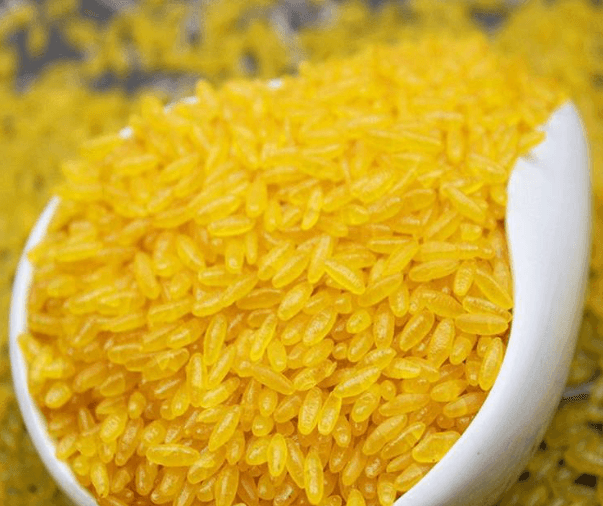
Unveiling the Process: How Rice is Fortified to Fight Hidden Hunger
Rice is a staple food for over half of the world’s population, providing a crucial source of calories and energy. However, while it fills stomachs, regular milled white rice is often deficient in essential vitamins and minerals. This shortfall can lead to “hidden hunger” – micronutrient deficiencies that cause severe health issues like anemia, blindness, and impaired cognitive development, especially in vulnerable populations.
To combat this, scientists developed a ingenious solution: fortified rice. This isn’t genetically modified rice; it’s ordinary rice enhanced with vital nutrients through a sophisticated manufacturing process. Let’s pull back the curtain on how it’s made.
The Core Concept: Rice Kernels and “Ultra Rice”
The most common method doesn’t involve soaking or spraying ordinary rice grains, as that would result in uneven nutrient distribution and losses during washing or cooking. Instead, the magic lies in creating fortified rice kernels, often nicknamed “simulated rice” or “Ultra Rice.”
These kernels are not rice at all in the beginning. They are imitations made from a mixture of:
- Rice flour: Ground from broken rice grains, ensuring the base material is still rice.
- Nutrient Premix: A precise blend of micronutrients in powder form. This typically includes:
- Vitamins: A, B1 (Thiamine), B3 (Niacin), B6, B9 (Folic Acid), B12, D, E.
- Minerals: Iron (often as ferric pyrophosphate for better absorption and to avoid taste changes), Zinc.
- A Binding Agent: A food-grade ingredient like wax or stearic acid is added to the mix. This is crucial for shaping the kernels and protecting the nutrients, ensuring they don’t leach out when the rice is washed.
The Step-by-Step Production Process
Step 1: Creating the Dough
The rice flour, nutrient premix, and binder are combined with water to form a thick, nutrient-rich dough. The formulation is exact, calculated to ensure that when mixed with normal rice, the final product meets specific nutritional standards.
Step 2: Extrusion and Shaping
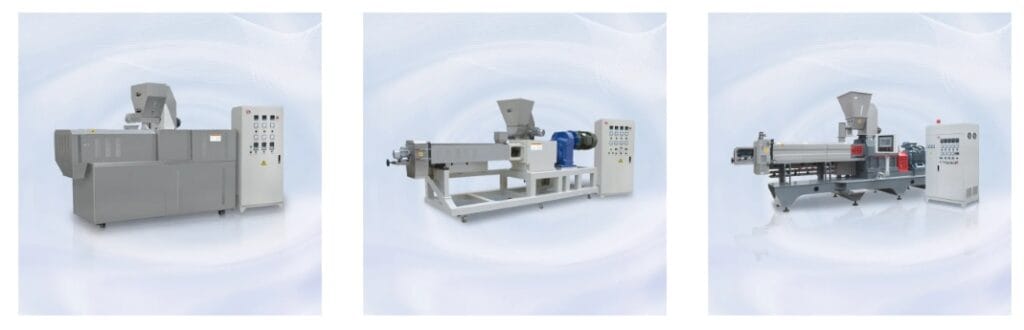
The dough is fed into an extruder machine. This machine forces the dough through a die—a mold with tiny holes shaped like rice grains. As the dough is pushed through under high pressure, it’s cut into tiny, rice-shaped pellets. This gives the fortified kernels their familiar shape and size.
Step 3: Protecting the Nutrients
The newly formed kernels are still soft and vulnerable. They undergo a process to coat and seal the nutrients inside. This often involves steaming and cooling, or coating them with a thin, invisible layer of a food-safe substance (like the binder mentioned earlier). This step is critical—it prevents the water-soluble vitamins from washing off and protects the iron from reacting with other compounds, which could change the color or taste of the rice.
Step 4: Blending with Regular Rice
The finished fortified kernels are now hard and resemble translucent rice grains. They are blended with regular, milled white rice at a very specific ratio, typically 1:100 (that’s 1 kernel of fortified rice for every 99 kernels of regular rice). This low ratio ensures the taste, texture, and appearance of the final product are indistinguishable from traditional rice.
Step 5: Packaging and Distribution
The blended rice is then packaged and distributed to consumers, government welfare programs, schools, and aid organizations, just like regular rice.
Why It Works: The Consumer Experience
The true genius of this technology is its seamless integration into existing diets and cooking habits.
- Looks the Same: The two types of grains are visually identical.
- Cooks the Same: The fortified kernels have been designed to have a similar cooking time and texture as regular rice. They don’t turn mushy or remain hard.
- Tastes the Same: The sealing process ensures there is no metallic aftertaste from the iron or other off-flavors.
When you cook a pot of fortified rice, the nutrients from the kernels diffuse evenly throughout the pot, ensuring that every serving consumed delivers a dose of essential vitamins and minerals.
Conclusion: A Powerful Tool for Public Health
The production of fortified rice is a remarkable feat of food engineering. It’s a cost-effective, scalable, and “invisible” solution to one of the world’s most persistent public health challenges. By understanding this process, we can appreciate how a simple innovation, hidden in a bowl of rice, is making a profound impact in the global fight against hidden hunger.
Leave A Comment