
The Versatile World of Textured Vegetable Protein: Applications, Innovations, and Future Prospects
Textured Vegetable Protein (TVP), a highly versatile and nutritious meat analogue, has evolved from a niche health food ingredient to a mainstream culinary and industrial staple. soya chunks making machine This comprehensive review delves into the multifaceted world of TVP, exploring its production methodologies, intrinsic nutritional profile, and its vast and growing applications across diverse sectors. We examine its pivotal role in the global food industry, from retail consumer products and food service to humanitarian aid and sustainable food systems. The article analyzes the technological advancements in flavoring, texturization, and formulation that have enhanced TVP’s palatability and functionality, making it a credible alternative to animal protein. Furthermore, it discusses the economic, environmental, and health drivers fueling its market growth, the challenges it faces, and the future trajectory of this indispensable ingredient in the quest for a more sustainable and secure global food supply. By synthesizing information from food science, market analysis, and sustainability studies, soya chunks making machine this article positions TVP not merely as a substitute, but as a transformative food ingredient with the potential to reshape dietary patterns and industrial practices.
1. Introduction: Defining Textured Vegetable Protein
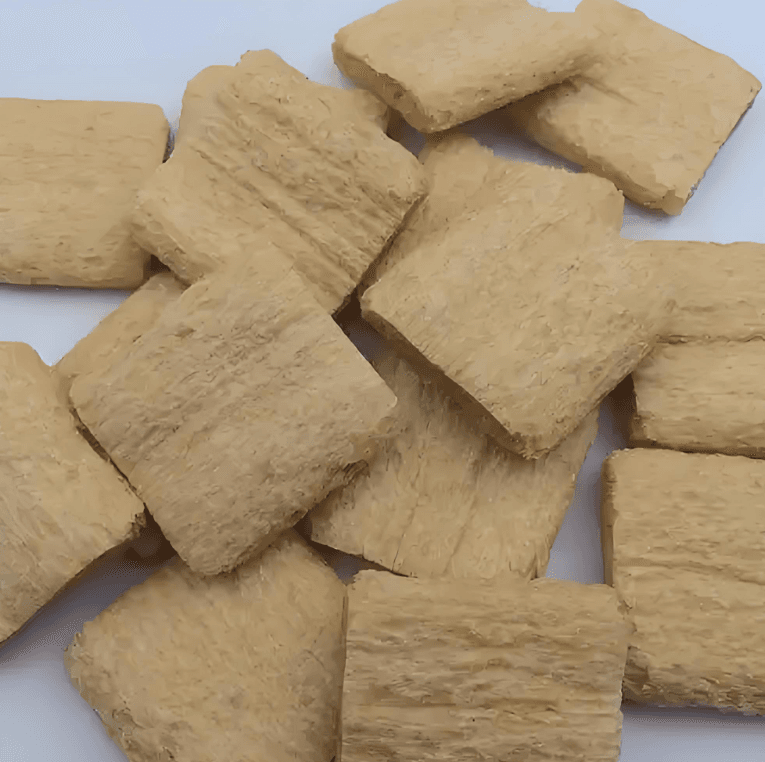
Textured Vegetable Protein, commonly referred to as TVP (a trademarked term by Archer Daniels Midland Company that has become generic), is a defatted soy flour product, a by-product of extracting soybean oil. It is manufactured through a process known as thermomechanical texturization, soya chunks making machine which involves the use of heat and mechanical shear in an extruder to create a fibrous, spongy matrix that remarkably mimics the texture of meat. While soy is the most common base, TVP can also be produced from wheat gluten (seitan), peas, lentils, and other pulses, broadening its definition to include a wider category of “Textured Plant Protein.”
The genesis of TVP dates back to the 1960s, developed initially as a low-cost, shelf-stable protein source. Its early iterations were often criticized for their bland flavor, beige color, and uniform, sometimes rubbery, texture. However, soya chunks making machine decades of research and development in food science and technology have transformed TVP into a sophisticated ingredient capable of replicating a wide spectrum of meat textures, from ground beef and chicken chunks to shrimp and bacon bits.
The resurgence and massive growth in TVP’s popularity are inextricably linked to several converging global megatrends:
- The Rise of Flexitarianism: A growing number of consumers are actively reducing their meat consumption for health, ethical, or environmental reasons without fully committing to vegetarianism or veganism.
- Environmental Consciousness: The significant environmental footprint of animal agriculture—in terms of greenhouse gas emissions, land use, and water consumption—has driven consumers and policymakers towards more sustainable alternatives.
- Health and Wellness: Increased awareness of the health risks associated with high consumption of red and processed meats has led consumers to seek plant-based protein sources that are typically lower in saturated fat and cholesterol-free.
- Food Security: As the global population projects towards 10 billion, the inefficiency of feeding crops to animals for protein conversion makes direct plant-based proteins like TVP a crucial component in ensuring future food security.
This article will provide a detailed exposition of TVP’s journey from a simple soy product to a culinary and industrial chameleon, analyzing its applications across a vast landscape.
2. Production and Technological Foundations of TVP
Understanding the applications of TVP requires a fundamental grasp of how it is made, as the production process directly dictates its functional properties.
2.1 Raw Material Preparation
The primary raw material for conventional TVP is soybeans. The process begins with the cleaning and dehulling of the beans. The beans are then cracked into small pieces and conditioned through heating. The oil is extracted using hexane or through mechanical pressing, resulting in defatted soy flakes. These flakes are then ground into a fine flour, known as defatted soy flour, which contains about 50% protein. For higher-grade products, the soy flour can be further processed to create soy protein concentrate (SPC, ~70% protein) or soy protein isolate (SPI, ~90% protein), which offer cleaner flavors and superior functional properties.
2.2 The Extrusion Process: The Heart of Texturization
Extrusion cooking is the most critical step in TVP production. The defatted soy flour (or other protein base) is mixed with water, and sometimes additives like flavorings, colorants, or binding agents, soya chunks making machine to form a dough. This mixture is fed into an extruder—a barrel containing a single or twin screw that rotates at high speed.
The process inside the extruder can be broken down into several zones:
- Feeding and Conveying Zone: The raw material mixture is introduced and conveyed forward.
- Compression and Kneading Zone: The screws compact and knead the mixture under high pressure and shear force. The mechanical energy, combined with the heat from barrel heaters, cooks the dough, denaturing the proteins.
- Melting and Plasticizing Zone: The temperature and pressure rise significantly (often above 150°C). The protein-starch matrix melts into a viscous, plasticized fluid.
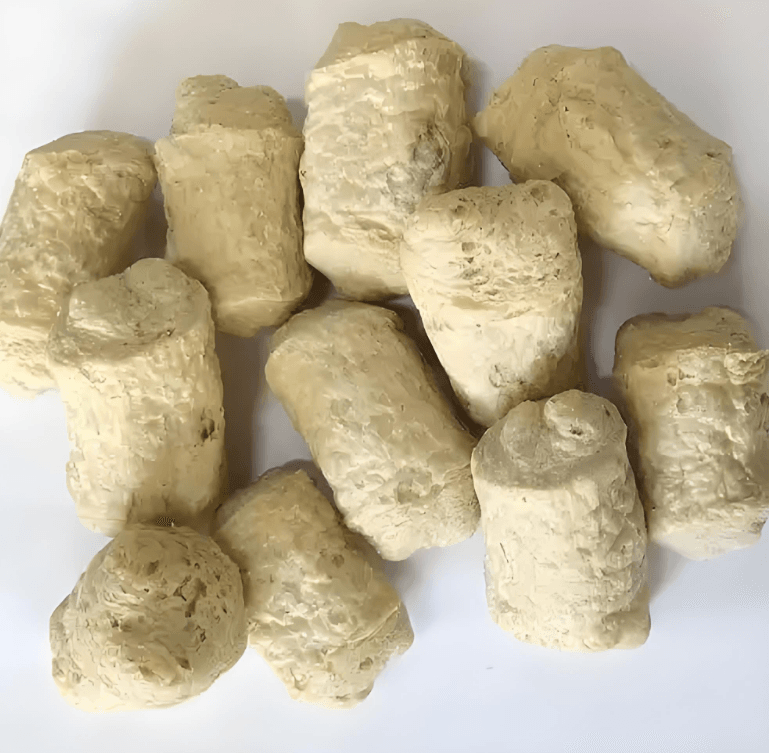
- Die Zone: This is where the magic happens. The hot, plasticized mass is forced through a die—a metal plate with a specific-shaped opening. The sudden drop in pressure as the product exits the die causes instantaneous vaporization of the superheated water, creating a puffed, porous, and fibrous structure. The shape of the die determines the final form of the TVP—be it chunks, flakes, granules, or strips.
2.3 Post-Processing: Drying and Flavoring
The extruded product has a high moisture content and is perishable. It is immediately dried in ovens or dryers to reduce the moisture to around 8-10%,soya chunks making machine making it shelf-stable for long periods. This dried, unflavored TVP is the blank canvas that is sold to food manufacturers and consumers.
Secondary processing often involves:
- Rehydration: Before use, TVP is typically rehydrated with water, broth, or a flavored liquid, during which it can absorb 2-3 times its weight in liquid.
- Flavor Infusion: Industrial manufacturers often use vacuum infusion or tumbling to force flavors and colors deep into the TVP’s porous structure.
- Frying or Baking: For products like bacon bits or ready-to-eat chunks, the rehydrated TVP may be fried or baked to develop a firmer, crispier texture and Maillard reaction flavors.
3. Nutritional Profile and Health Implications
TVP’s value proposition is deeply rooted in its nutritional composition, which offers distinct advantages and some considerations.
3.1 Macronutrient Composition
- High-Quality Protein: TVP is an excellent source of protein, with defatted soy flour-based TVP containing approximately 50-55% protein. It is a “complete protein,” meaning it contains all nine essential amino acids necessary for human health, with lysine being particularly abundant, which is often limiting in cereal grains.
- Low Fat: As a defatted product, TVP is naturally very low in fat, typically containing less than 1%. This makes it an attractive ingredient for creating low-fat versions of traditionally high-fat meat products like sausages and burgers.
- Complex Carbohydrates and Fiber: TVP is a good source of dietary fiber, primarily insoluble fiber, which aids in digestive health. It is low in digestible carbohydrates, making it suitable for low-glycemic diets.
- No Cholesterol: Being plant-based, TVP contains no cholesterol.
3.2 Micronutrients and Bioactive Compounds
TVP is a source of several important minerals, including iron, magnesium, phosphorus, and zinc. However, the presence of phytic acid in soy can inhibit the absorption of these minerals to some degree. It also contains isoflavones, a type of phytoestrogen, which have been studied for their potential role in reducing the risk of certain cancers, improving bone health, and alleviating menopausal symptoms, though their effects are a subject of ongoing research and some debate.
3.3 Health Considerations and Comparison to Meat
When compared to an equivalent portion of 80/20 ground beef (80% lean, 20% fat), TVP stands out favorably:
- Calories: TVP has significantly fewer calories per gram of protein.
- Saturated Fat: TVP is virtually free of saturated fat, while ground beef is high in it, a contributor to heart disease.
- Sodium: This is a key consideration. Unflavored TVP is low in sodium, but many pre-flavored or commercial products can be high in sodium to enhance taste and preservation. Consumers must be mindful of this.
- Iron: The iron in TVP is non-heme iron, which is not as readily absorbed as the heme iron in meat. However, consuming it with a source of Vitamin C (e.g., tomatoes, bell peppers) can significantly enhance absorption.
For individuals with soy allergies, TVP is not suitable. Fortunately, the rise of pea protein and lentil-based textured proteins provides excellent alternatives with similar nutritional benefits.
4. Extensive Applications of Textured Vegetable Protein
The true testament to TVP’s utility lies in its staggering range of applications, which span from the home kitchen to large-scale industrial production.
4.1 Retail and Consumer-Level Applications
For the home cook, TVP is a pantry powerhouse. Its dry, shelf-stable nature makes it an ideal staple.
- Ground Meat Substitute: This is the most common use. Rehydrated TVP granules can be used in a 1:1 ratio to replace ground beef in countless dishes, including:
- Tacos, Burritos, and Nachos: Seasoned with chili powder, cumin, and paprika, it becomes a convincing and lean taco “filling.”
- Spaghetti Bolognese and Lasagna: It absorbs the flavor of the tomato sauce and herbs, providing a meaty texture without the fat.
- Chili: TVP bulks up chili, adding protein and texture that blends seamlessly with beans and vegetables.
- Sloppy Joes, Stuffed Peppers, and Cabbage Rolls: Its ability to absorb flavors makes it perfect for these savory, saucy dishes.
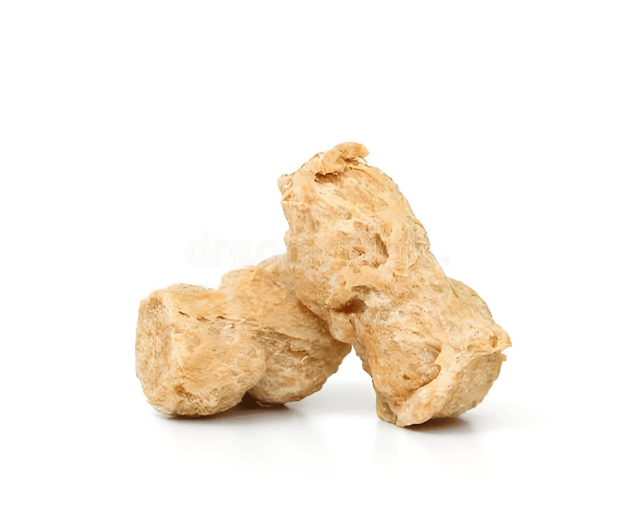
- Chunk and Strip Forms: Larger TVP chunks or strips are ideal for:
- Stir-fries and Curries: They mimic the texture of chicken or beef chunks, soaking up the sauce beautifully.
- Stews and Soups: TVP chunks add heartiness and protein to vegetable stews and broths.
- Fajitas: Marinated and sautéed TVP strips are a classic vegan fajita filling.
- Specialty Forms:
- Bacon Bits: Flavored and colored TVP bits are a ubiquitous salad topping and a key ingredient in a vegan BLT sandwich.
- Pre-mixed Packages: Many companies sell pre-flavored TVP mixes for dishes like “Sloppy Joe” or “Taco Filling,” simplifying the cooking process for consumers.
4.2 Food Service and Catering Applications
The economic and logistical benefits of TVP make it a favorite in food service.
- Cost Control and Consistency: TVP is significantly cheaper than most meats, allowing restaurants, schools, and hospitals to create protein-rich meals at a lower cost. Its dry form ensures a long shelf life, reducing food waste. It provides a consistent texture and quality, batch after batch.
- Menu Diversification: TVP allows non-vegetarian establishments to easily add vegan and vegetarian options to their menu without the need for separate, perishable ingredient inventories. soya chunks making machine A chili, for example, can be made with a base of TVP and beans, to which cooked ground beef can be added for a separate, meat-inclusive version.
- “Blending” Strategy: A growing trend, particularly in institutional catering like school cafeterias, is “blending.” This involves mixing rehydrated TVP with ground meat (e.g., 70% beef, 30% TVP) in dishes like meatballs, burgers, and meatloaf. This strategy successfully reduces the meal’s cost, saturated fat, and environmental footprint while maintaining a familiar taste and texture that is readily accepted by consumers, including children.
4.3 Large-Scale Industrial Food Manufacturing
This is where TVP’s functionality is pushed to its limits, forming the backbone of the modern plant-based meat category.
- Plant-Based Meat Analogues:
- Burgers (e.g., Beyond Meat, Impossible Burger early iterations): While newer-generation burgers often use pea protein isolate as a base, the principle of texturization is key. TVP, or more precisely, textured pea protein, provides the foundational meaty bite. It is combined with fats (like coconut oil, cocoa butter), flavor systems, and binding agents to create a product that cooks and bleeds like beef.
- Sausages and Hot Dogs: TVP is extruded into specific shapes and combined with spices, fats, and binders to create convincing plant-based sausages, bratwursts, and hot dogs.
- Pulled “Pork” and “Chicken” Products: Through specialized extrusion techniques, manufacturers can create long, fibrous strands that perfectly mimic the texture of pulled pork or shredded chicken, used in sandwiches, pizzas, and ready-meals.
- Ready-Meals and Frozen Foods: TVP is a common ingredient in frozen vegetarian lasagnas, pot pies, burritos, and Asian-inspired meals. Its ability to withstand freezing and reheating without significant textural degradation is a major advantage.
- Canned Goods: It is used in canned vegetarian chili, soups, and stews, where its stable structure holds up well during the canning process.
- Snack Foods: TVP can be included in protein bars, savory snacks, and even as a nutritious extender in certain types of crackers.
4.4 Global and Humanitarian Applications
The role of TVP extends beyond commercial markets into areas of critical need.
- Military Rations: The long shelf life, light weight, and high protein content of dry TVP make it an ideal component of Meals, Ready-to-Eat (MREs) for armed forces around the world.
- Emergency Relief and Humanitarian Aid: In disaster zones and refugee camps, providing adequate nutrition is a monumental challenge. TVP is a vital tool for aid organizations. It is lightweight and cheap to transport, requires minimal water for preparation (often a scarce resource), and provides a high-quality protein boost to staple foods like rice or wheat porridge. It can be fortified with additional vitamins and minerals to combat malnutrition.
- Development Programs: In developing countries, TVP can be promoted as a low-cost, locally producible protein source to improve public health, especially where animal protein is expensive or scarce.
5. Economic and Environmental Impact
The adoption of TVP and other plant proteins is not just a dietary choice but an economic and environmental imperative.
5.1 Economic Drivers
- Cost Stability: The price of soybeans is generally more stable than that of meat, which is susceptible to volatility due to feed costs, disease outbreaks (like avian flu or swine fever), and weather events. This provides cost predictability for food manufacturers and consumers.
- Supply Chain Efficiency: The production of TVP is inherently more efficient than animal agriculture. It requires fewer steps—growing and processing the crop versus growing the crop, feeding it to an animal, raising the animal, and then processing the animal. This streamlined chain reduces complexity and cost.
- Market Growth: The global plant-based protein market is experiencing explosive growth, with projections reaching tens of billions of dollars within the next decade. TVP, as a foundational ingredient, is a direct beneficiary of this trend, driving investment and innovation in the sector.
5.2 The Sustainability Quotient
The environmental argument for TVP is compelling and is a primary motivator for many consumers and policymakers.
- Land Use: Producing 1 kilogram of TVP requires a fraction of the land needed to produce 1 kilogram of beef. A massive 77% of global agricultural land is used for livestock grazing or growing animal feed, yet livestock provides only 18% of the world’s calories.soya chunks making machine Shifting even a small percentage of protein production from meat to plants like soy could free up vast tracts of land for reforestation, carbon sequestration, or other forms of agriculture.
- Greenhouse Gas Emissions: The livestock sector is a major contributor to greenhouse gases (GHG), responsible for approximately 14.5% of all anthropogenic GHG emissions. Beef production is the largest culprit. In contrast, the production of legumes like soy fixes nitrogen in the soil and has a GHG footprint that is 10 to 50 times lower per kilogram of protein.
- Water Footprint: The water required to produce plant protein is drastically lower. The water footprint of TVP is a small fraction of that for beef. It takes approximately 1,800 gallons of water to produce one pound of beef, compared to around 250 gallons for a pound of soybeans.
- Efficiency of Conversion: The feed conversion ratio measures how much feed is needed to produce a unit of meat. For cattle, it can be as high as 25:1 (25 kg of feed for 1 kg of meat). For soy, the protein is consumed directly, making the process vastly more efficient in terms of resource use.
6. Challenges, Limitations, and Ongoing Innovations
Despite its many advantages, TVP is not without its challenges, which are the focus of intense research and development.
- Sensory Perception: The “Gold Standard” of Meat: The biggest hurdle has been replicating the complete sensory experience of meat—the mouthfeel, the juiciness from fat, and the complex flavor profile created by the Maillard reaction and animal fats. Early TVP products often fell short, being described as dry, spongy, or having an off-flavor (“beany” or “cardboard-like”).
- Innovation: Solutions include:
- Advanced Flavor Masking and Creation: Using yeast extracts, mushroom powder, and reaction flavors to create savory, umami-rich, and meaty notes.
- Fat Integration: Developing plant-based fat systems (e.g., using coconut oil, shea butter, or novel microbial fats) that mimic the melting point and mouthfeel of animal fat. Technologies like emulsion gels and encapsulated fats are being used to create marbling within meat analogues.
- High-Moisture Extrusion (HME): This advanced extrusion process operates at higher moisture levels (up to 80%), producing a product with a fibrous, anisotropic structure that is much closer to whole-muscle meat straight from the extruder, without the need for drying and rehydration.
- Innovation: Solutions include:
- The “Clean Label” Movement: Many consumers are wary of ingredients they perceive as artificial or overly processed. Traditional TVP production and the ingredient lists of many plant-based meats can be long and contain chemical-sounding names (e.g., methylcellulose as a binder).
- Innovation: The industry is responding with “clean-label” TVP, using simpler ingredients, avoiding hexane in the oil extraction process (using expeller-pressed methods), and using natural colors and flavors. Research into using other whole-food ingredients like mushrooms, walnuts, and beans to create texture is also gaining traction.
- Allergenicity: Soy is one of the “big eight” allergens. This has driven the rapid development of TVP from other sources, most notably pea protein, which is non-GMO, hypoallergenic, and has a strong sustainability profile. Lentil, fava bean, and chickpea proteins are also emerging as viable bases for textured proteins.
- Nutritional “Health Halo” vs. Reality: While TVP itself is nutritious, some final products can be ultra-processed foods high in sodium, saturated fat (from coconut oil), and additives. Educating consumers to read labels and choose products wisely is crucial.
7. The Future of Textured Vegetable Protein
The trajectory of TVP points towards continued growth, sophistication, and integration into the global food system.
- Next-Generation Texturization: Technologies like shear cell technology are emerging as more energy-efficient alternatives to extrusion, capable of creating even more sophisticated, larger-scale meat-like structures.
- Precision Fermentation: This technology does not replace TVP but complements it. It involves programming microorganisms to produce specific proteins (like whey or casein) or fats. These ingredients can be combined with TVP to create hybrid products with unparalleled taste and functionality, such as plant-based steak with real “animal” flavor.
- Whole-Muscle Analogues: The holy grail of the industry is a convincing, affordable plant-based steak or chicken breast. Advances in HME, 3D printing (to deposit protein, fat, and blood analogs in precise layers), and scaffolding technologies will make this a commercial reality in the coming years.
- Regional and Cultural Customization: As the market globalizes, we will see TVP products tailored to local cuisines, such as textured proteins designed specifically for Chinese dumplings, Indian kebabs, or Nigerian soups.
- Integration into Hybrid Products: The “blending” model will likely expand, with TVP becoming a standard ingredient in conventional meat products to improve their sustainability and health profile without requiring consumers to make a full switch.
Textured Vegetable Protein has undergone a remarkable transformation. From its humble beginnings as a simple, economical soy product, soya chunks making machine it has matured into a technologically advanced, versatile, and indispensable ingredient at the forefront of a dietary revolution. Its applications are virtually limitless, spanning home kitchens, global food brands, and humanitarian efforts, driven by its compelling nutritional, economic, and environmental benefits.
While challenges in sensory perfection and consumer perception remain, the pace of innovation is unprecedented. TVP is no longer just a “substitute”; it is a distinct category of food with its own merits and potential. As the world grapples with the interconnected challenges of population growth, climate change, and public health, Textured Vegetable Protein stands as a powerful and pragmatic solution, poised to play a central role in building a more sustainable, healthy, and equitable food system for generations to come. Its story is a testament to human ingenuity, demonstrating how science and technology can reshape something as fundamental as what we eat, for the betterment of both people and the planet.
Leave A Comment