
The Versatile Workhorse: A Comprehensive Look at Twin-Screw Extruder Functionality
The twin-screw extruder stands as a cornerstone of modern industrial processing, revolutionizing the production of everything from breakfast cereals and pet food to biodegradable plastics and pharmaceutical products. Its design and operational principles offer unparalleled versatility, control, and efficiency compared to single-screw alternatives. At its core, a twin-screw extruder functions as a continuous, high-intensity reactor that transforms raw materials—often powders, flours, or granular mixes—into structured, value-added products through the application of mechanical shear, heat, and pressure.
Core Functional Principles
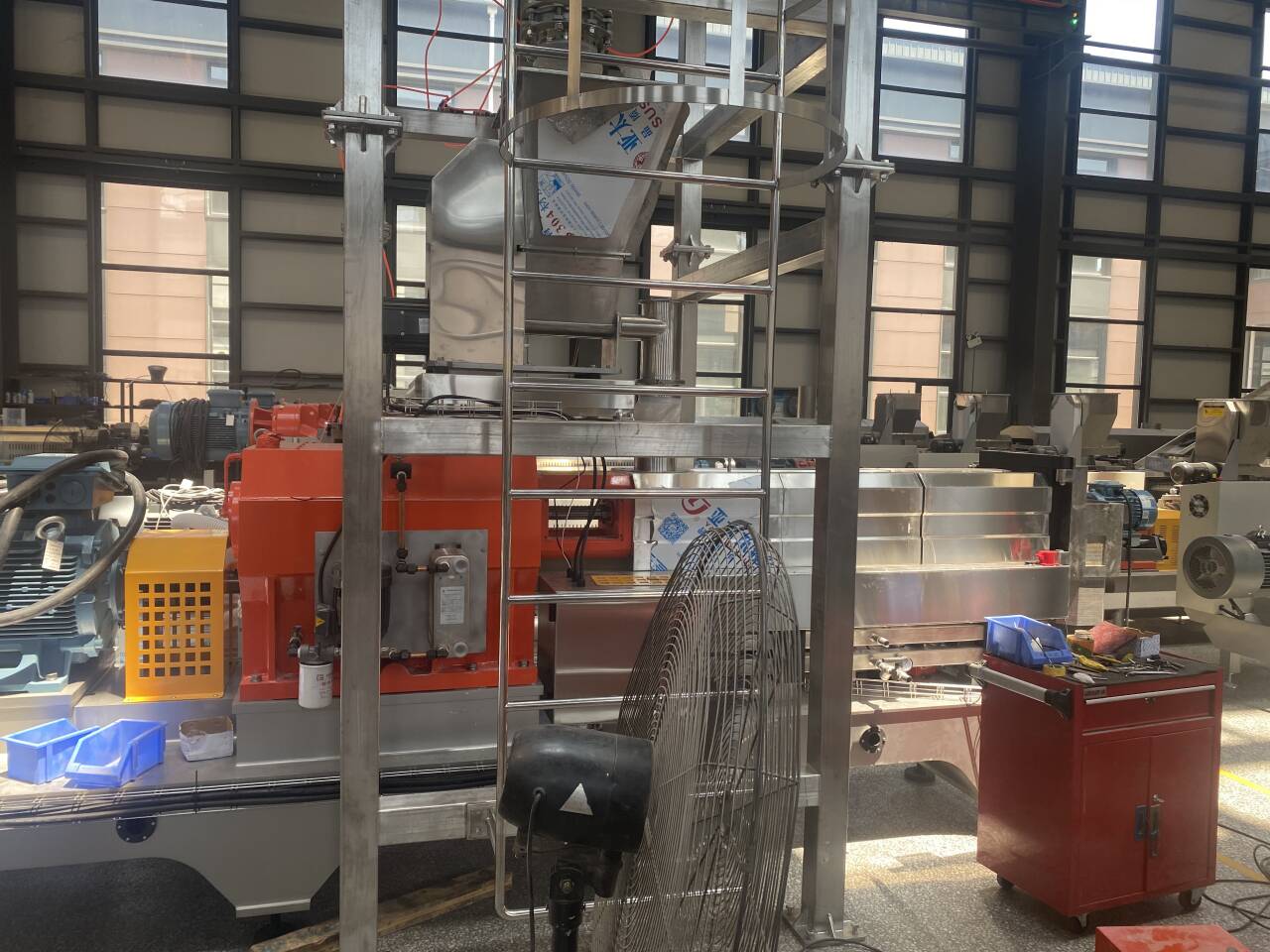
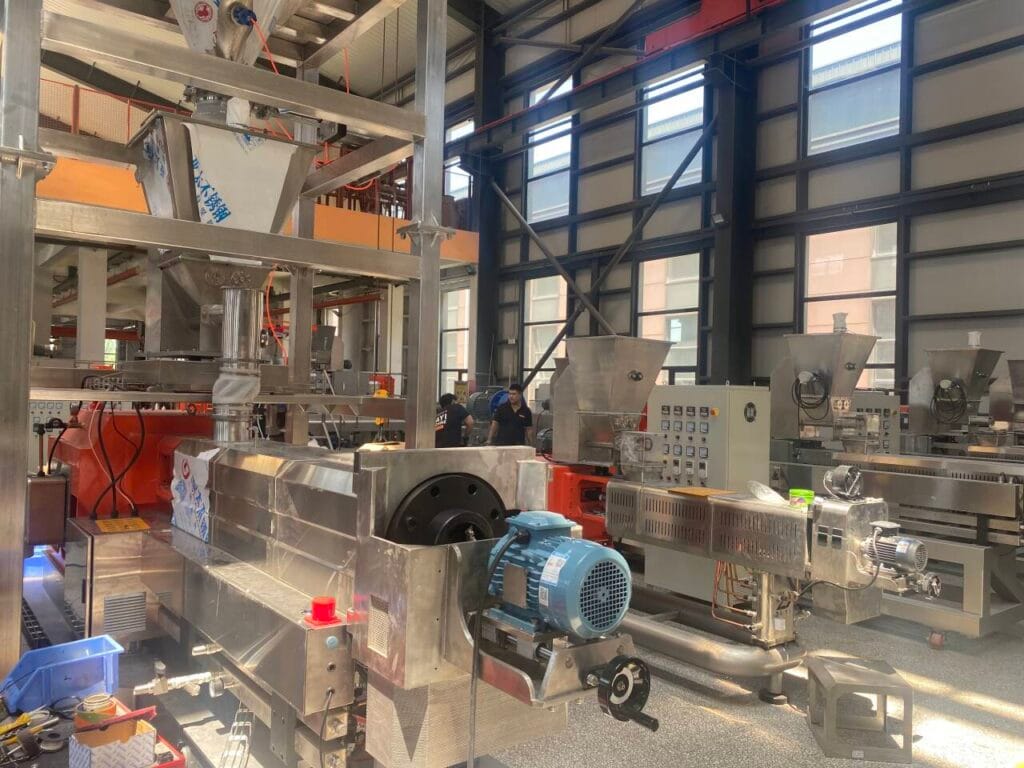
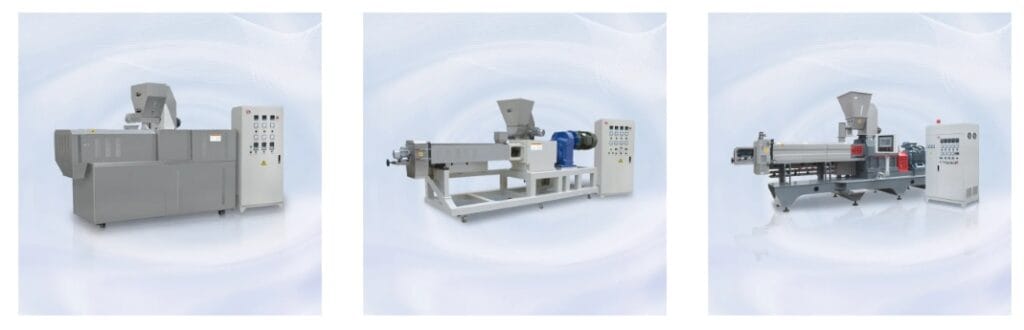
The machine’s functionality revolves around the coordinated operation of two intermeshing screws rotating inside a sealed barrel. double screw extruder machine This configuration is key to its capabilities. The screws can be co-rotating (both rotating in the same direction) or counter-rotating, with co-rotating being most common for mixing and reactive extrusion. The screws are not single shafts but are assembled from individual elements—conveying paddles, kneading blocks, reverse-flow elements—threaded onto shafts. This modularity allows the screw profile to be precisely configured for each process, creating a customized “functional path” for the material.
The primary functions can be broken down into a sequential, yet often overlapping, series of unit operations within a single machine:
- Feeding and Conveying: Dry and liquid ingredients are precisely metered into the feed port. The intermeshing screws efficiently grip the material and convey it forward into the barrel, ensuring a consistent feed rate—the first critical step for product uniformity.
- Mixing and Kneading: This is where the twin-screw excels. The arrangement of specialized kneading blocks and other mixing elements creates intense, double screw extruder machine uniform shear and dispersive mixing. Ingredients—including starches, proteins, fats, fibers, and micronutrients—are blended into a homogeneous mass. Liquid ingredients (water, oils, dyes) can be injected downstream for precise plasticization.
- Compression and Heating: As the material is conveyed, the screw profile and barrel restrictions create compression. Mechanical energy from the rotating screws (shear) is converted into heat, while external barrel heaters provide precise thermal control. This combined input plasticizes the material, typically by gelatinizing starches or denaturing proteins, transforming it into a viscous, dough-like melt.
- Reactive Extrusion & Cooking: The extruder barrel acts as a high-pressure, high-temperature reactor. Chemical and physical reactions—such as starch gelatinization, protein texturization, Maillard browning, and enzymatic or chemical modifications—are driven to completion under tightly controlled conditions (residence time, temperature, shear).
- Venting and Devolatilization: Midway or downstream, venting ports can be opened to the atmosphere or connected to a vacuum. This critical function removes moisture, steam, or volatile compounds (like unwanted flavors), allowing for precise final moisture control and product purification.
- Pressurization and Shaping: The fully processed melt is then forced under high pressure through a die plate at the end of the barrel. The die’s shape—whether a simple round hole for pellets, a complex shape for snacks, or a slit for sheets—imparts the final form to the product.
- Expansion and Drying/Cooling: Upon exiting the die, the sudden drop from high pressure to atmospheric pressure causes instant vaporization of internal moisture, leading to expansion or “puffing.” The final texture—from dense and chewy to light and crispy—is determined here. Subsequent drying, toasting, or cooling stations stabilize the product.
Key Functional Advantages
- Exceptional Mixing and Flexibility: The modular screw and barrel design allows for an infinite number of processing configurations, accommodating a vast range of recipes and raw materials with varying properties.
- Superior Process Control: Operators have precise, independent control over parameters like screw speed, temperature in multiple barrel zones, feed rates, and vacuum levels, ensuring consistent, repeatable product quality.
- High Productivity and Efficiency: It is a continuous process with short residence times (often 30 seconds to 2 minutes), enabling high throughput with relatively low energy consumption per unit of product.
- Versatility in Product Outcomes: By adjusting parameters, one machine can produce an array of textures (expanded, dense, layered, fibrous) and perform multiple functions: cooking, shaping, texturizing, and chemical modifying.
In conclusion, the twin-screw extruder is far more than just a shaping tool. It is an integrated, multifunctional processing platform that combines feeding, mixing, cooking, reacting, venting, and forming into one efficient, double screw extruder machine continuous operation. Its ability to precisely engineer the microstructure and macro-properties of materials makes it an indispensable asset across food, feed, polymer, and chemical industries, driving innovation in product development and sustainable manufacturing.
Leave A Comment