
Puffed breadcrumbs, often marketed as an “ultra-light,” “extra-crispy,” or “gourmet” coating, have become a common sight on supermarket shelves and foodservice supply lists. bread crumb machine for sale Unlike traditional oven-dried breadcrumbs or flaky panko, they promise a dramatically airy texture and superior adhesion. But what exactly goes into creating this specific type of crumb? The process is less about simple baking and more about controlled food science and mechanical engineering.
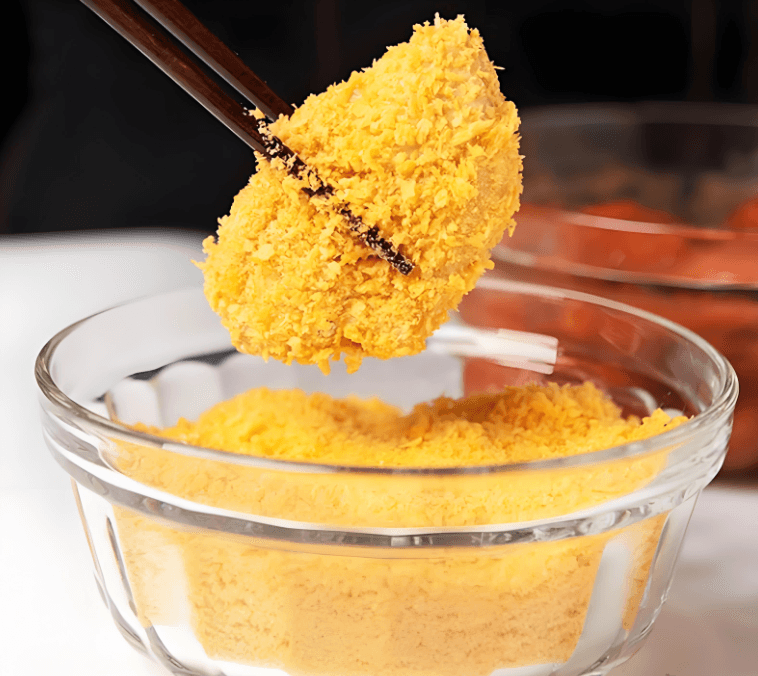
Here is a breakdown of the standard industrial processing that transforms simple ingredients into puffed breadcrumbs.
Core Concept: From Dough to “Puff”
The fundamental difference lies in the starting material and the primary processing step. While regular breadcrumbs are made from already-baked bread, bread crumb machine for sale and panko from electrically-baked bread, puffed breadcrumbs are created by extruding and “puffing” a raw dough mixture, similar to the technology used for cheese puffs or certain breakfast cereals.
Stage 1: The Slurry Formulation
The process begins not with dough kneading, but with blending a precise slurry.
- Base Ingredients: A mixture of wheat flour (often lower-protein), starches (corn, potato, or tapioca), water, salt, and minor amounts of sugar and oil is combined. The high starch content is critical for the puffing reaction.
- Leavening Agents: Chemical leavening agents like baking powder or baking soda are frequently added. These will release gas (carbon dioxide) during the heating process, initiating the expansion.
- Binders & Additives: To ensure the final crumbs hold together as a coating, food-grade binders such as methylcellulose or specific gums may be included. bread crumb machine for sale These help the crumbs adhere to food during frying or baking, reducing “crumb fall-off.”
This creates a wet, pumpable batter rather than a firm dough.
Stage 2: High-Temperature, High-Pressure Extrusion
This is the transformative stage that defines the product.
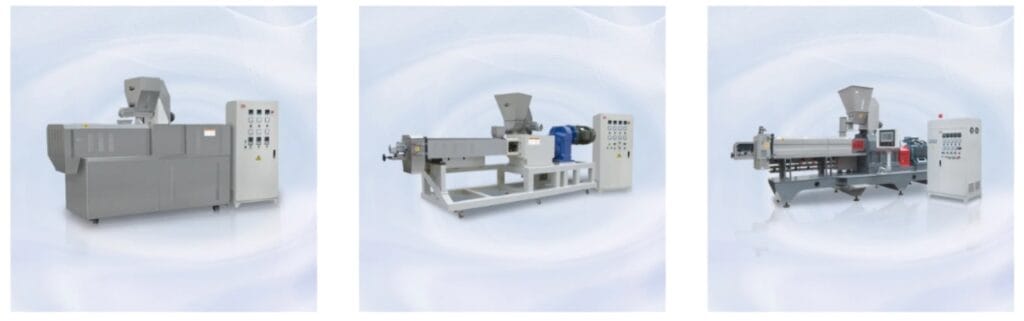
- Cooking Extrusion: The slurry is fed into a twin-screw extruder cooker. As it moves through the barrel, it is subjected to intense heat, high pressure, and mechanical shear.
- Gelatinization: The heat and moisture cause the starches in the mixture to fully gelatinize—their structures break down, absorb water, and form a viscous, molten mass.
- Pressurized Expansion: The superheated, gelatinized mixture is forced through a die plate at the end of the extruder. The die plates have multiple small holes that shape the output into tiny rods, pellets, or irregular shapes.
- The “Puff”: The moment this hot, pressurized material exits the die into ambient room temperature and pressure, the sudden pressure drop causes the trapped moisture to flash into steam. Simultaneously, the chemical leavening agents activate. This rapid expansion “puffs” the starch matrix, creating a porous, airy, and rigid structure. It is essentially an instant “bread” puff, but one that is uniform and has never gone through a traditional proofing or baking cycle.
Stage 3: Drying, Sizing, and Coating
- Drying: The extruded puffs have a high initial moisture content. bread crumb machine for sale They are conveyed through a multi-zone dryer (often a conveyor belt dryer) where warm, dry air circulates to reduce the moisture to a shelf-stable level (typically below 10%). This hardens the structure.
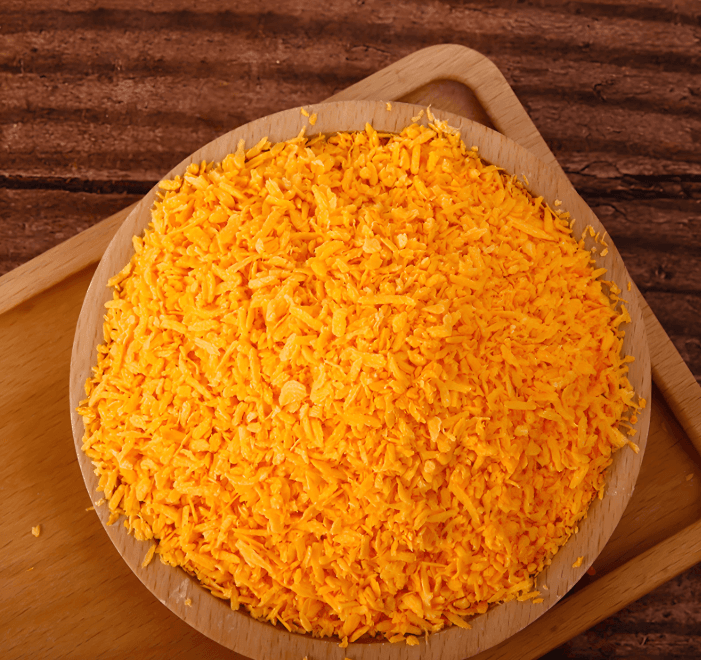
- Crumbing/Sizing: The dried puffs are now brittle. They are passed through rollers or mills to be broken down into the desired crumb size—from fine powder to small granules. This creates the final “puffed breadcrumb.”
- Flavor & Color Coating (Optional): The neutral-tasting crumbs may be tumbled in a drum to evenly coat them with oil, flavorings (yeast extract, cheese powder, spices), and color (paprika extract, caramel color) to achieve a golden-brown appearance or specific flavor profile like “Southern style” or “tangy.”
Key Advantages & Reasons for Use:
- Consistency & Control: The extruded base product is perfectly uniform in size, density, and composition, allowing for strict quality control.
- Functional Performance: Engineered binders and the porous structure often lead to exceptional adhesion to food products, creating a cohesive coating that doesn’t slough off easily.
- Texture & Yield: The airy structure absorbs significantly less oil during frying than denser traditional crumbs, which is a cost and calorie-saving benefit for manufacturers. It also provides a very light, crunchy mouthfeel that is distinctly different from panko’s flaky shatter or regular crumbs’ sandy crunch.
- Cost-Effectiveness: The process is highly automated, fast, and uses relatively inexpensive base ingredients (starches), making it economical for large-scale production.
Puffed breadcrumbs are less a “bread” product and more a specific engineered starch-based coating system. While their ingredients are generally recognized as safe, bread crumb machine for sale the process is a world away from drying and grinding leftover bread. The extrusion-puffing technology allows manufacturers to design a functional ingredient with specific performance traits: low oil pickup, high adhesion, and a consistent, ultra-crispy bite. For consumers, understanding this process clarifies why the texture and behavior of these crumbs can differ markedly from other types, offering a different kind of crunch optimized for modern food manufacturing and specific culinary applications.
Leave A Comment