
The Six Pillars of Kurkure Production: Mastering the Art of Extruded Snack Manufacturing
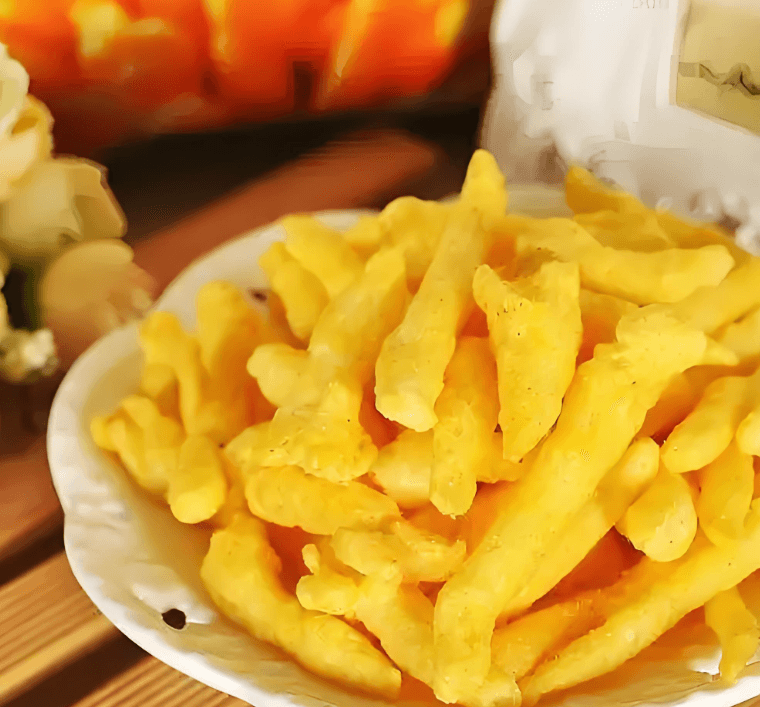
Kurkure, with its signature crunchy, irregular shape and bold flavors, is a dominant force in the global snack food market.kurkure making machine Its seemingly simple appearance belies a highly complex and precise manufacturing process. Unlike standard potato chips or baked goods, Kurkure belongs to the category of “half-product” or “third-generation” snacks, produced through a technology known as hot extrusion. This process transforms a simple blend of raw materials into a light, airy, and textured snack through a combination of heat, pressure, and mechanical shear. Achieving the perfect Kurkure—consistent in texture, shape, flavor, and shelf-life—requires meticulous attention to a multitude of factors. This article deconstructs the production process into six fundamental, interlinked pillars: Raw Material Selection and Formulation, The Extrusion Cooking Process, kurkure making machineDie Design and Texturization, The Frying and Oil Management System, Seasoning Application and Adhesion, and Packaging and Quality Assurance.
Pillar One: Raw Material Selection and Formulation – The Foundation of Flavor and Texture
The journey of a Kurkure snack begins long before the extrusion machine is started. The specific selection and proportion of raw materials form the unchangeable blueprint for the final product’s density, expansion, mouthfeel, and structural integrity.
1.1 The Core Composition: A Delicate Balance of Grains and Starches
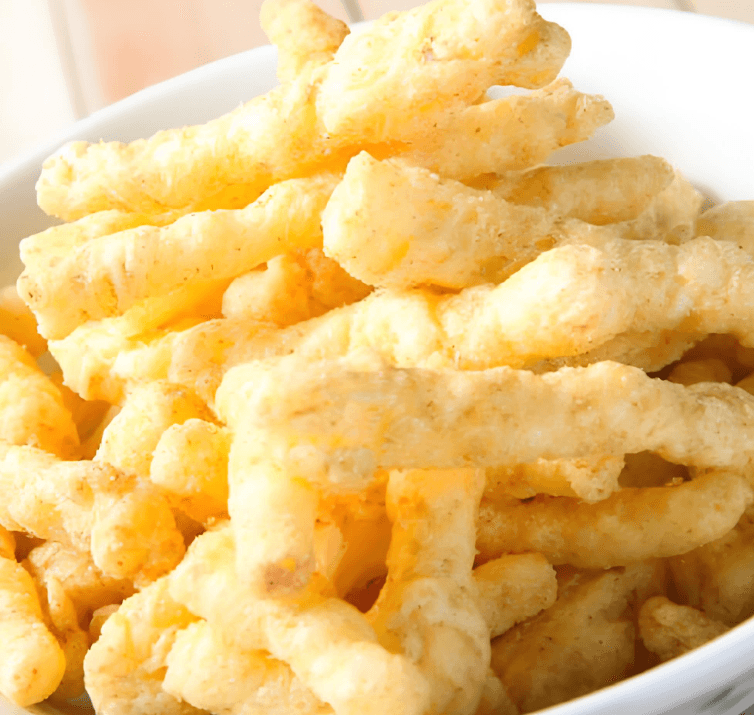
Kurkure’s unique texture is derived from a precise blend of ingredients, primarily consisting of rice, corn, and/or chickpea (besan) flour. Each component plays a distinct role:
- Corn Grits/Meal: This is often the primary ingredient, providing the characteristic corn flavor base and a robust, crunchy structure. The particle size of the corn grits is critical. Too coarse, and the dough will be inconsistent, leading to uneven expansion and potential blockages in the extruder. Too fine, and the product may become overly dense and hard, losing the desired light crunch.
- Rice Flour: Rice flour is a key functional ingredient. Due to its high amylopectin content (especially in waxy rice varieties), it expands readily under heat and pressure. It contributes to a lighter, more airy, and melt-in-the-mouth texture compared to corn. The ratio of rice to corn is a closely guarded secret that defines the product’s fundamental crispness.
- Chickpea Flour (Besan): The inclusion of besan is a defining characteristic of Kurkure. It imparts a distinctive, slightly nutty flavor and, more importantly, contributes to the protein matrix of the dough. This protein network helps create a more cohesive yet flexible structure, allowing for the formation of the signature irregular, twisted shapes without the product being too brittle. It also influences the product’s color, giving it a warmer, golden hue.
1.2 The Role of Water: The Catalyst for Transformation
Water is not just a passive ingredient; it is the catalyst for the entire extrusion process. The moisture content of the pre-mix and the precise amount of water injected into the extruder barrel are among the most critical control parameters.
- Hydration and Gelatinization: Water hydrates the starch granules in the flour blend. Under the heat and pressure inside the extruder, this water plasticizes the starch, causing it to gelatinize. This transformation from an ordered, granular structure to a disordered, gelatinized one is essential for creating the plastic-like dough that can be puffed and shaped.
- Optimal Moisture Range: The typical moisture content for such a snack dough entering the die head is between 12% and 18%. An incorrect moisture level has immediate and severe consequences:
- Too Little Water: The starch does not fully gelatinize, resulting in poor expansion, a dense, hard product, and excessive wear on the extruder screws and barrel due to high friction.
- Too Much Water: The dough becomes too fluid and sticky. It loses its ability to build up the necessary pressure for expansion, resulting in a soggy, collapsed product that may stick to the die face and create “die bleed,” leading to a misshapen and inconsistent output.
1.3 Minor but Critical Additives
- Emulsifiers: Ingredients like lecithin are often added in small quantities (0.1%-0.5%). They act as lubricants within the dough, reducing viscosity and stickiness, kurkure making machine which facilitates a smoother flow through the extruder die and improves expansion.
- Seasonings in the Base: While most flavor is applied post-frying, small amounts of salt or sugar may be incorporated into the dry mix to provide a foundational taste layer.
The precise formulation is a delicate science. A variation of just a few percentage points in the ratio of corn to rice to besan, or a 1% shift in moisture content, can completely alter the product’s texture from perfectly crisp to unacceptably hard or soft.
Pillar Two: The Extrusion Cooking Process – The Heart of Transformation
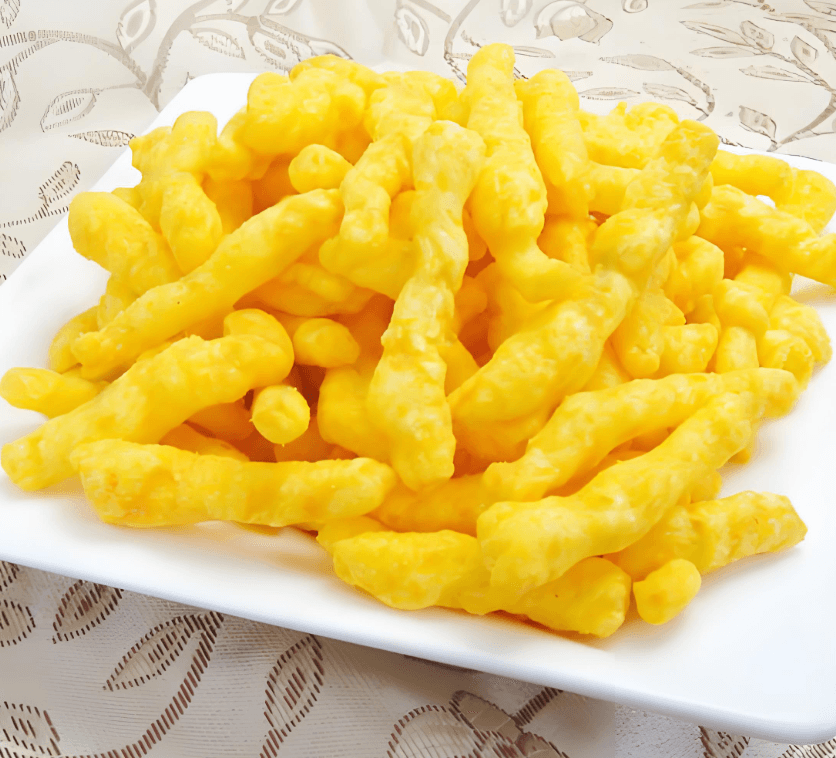
This is the core technological stage where the raw material blend is transformed into the puffed snack base. Extrusion cooking is a continuous process that combines several unit operations—mixing, cooking, kneading, and shaping—into a single machine.
2.1 Anatomy of an Extruder
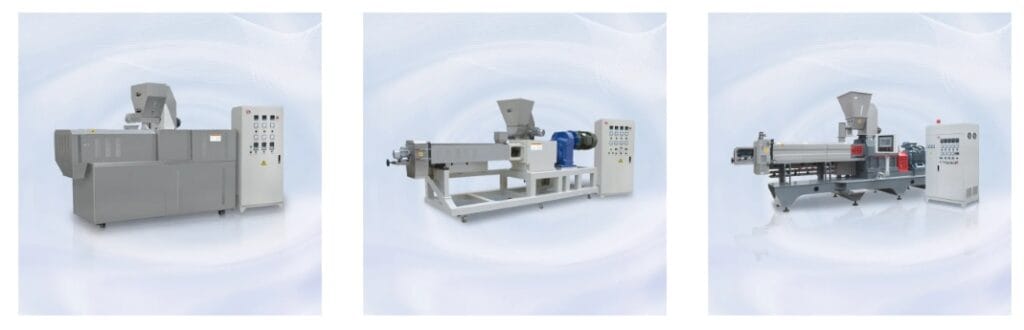
A typical snack extruder consists of a long barrel containing one or two intermeshing, co-rotating screws. The screws are designed with different flight configurations to perform specific functions along the barrel’s length:
- Feed Zone: The dry ingredient blend is introduced here. The screw flights are deep-cut to convey the powder forward.
- Compression and Cooking Zone: The screw flights become progressively shallower, compressing the material. Simultaneously, external heaters and the immense mechanical shear from the screws generate intense heat and pressure (often exceeding 150°C and 50 bar). It is in this zone that starch gelatinization occurs, and the mixture is transformed into a hot, plasticized dough.
- Metering Zone: The final section before the die has shallow flights that generate high pressure, forcing the molten dough towards the die assembly.
2.2 The Critical Parameters: SME, Temperature, and Pressure
The quality of the extrudate is governed by three interdependent parameters:
- Specific Mechanical Energy (SME): This is the amount of mechanical energy (from the motor driving the screws) input per unit mass of product. SME is a calculated value and is a direct indicator of the degree of cooking and shear. A high SME results in a more thoroughly cooked, less viscous dough, which typically expands more upon exit. However, kurkure making machine excessive SME can degrade the starch, leading to a weak, fragile structure. Controlling SME involves adjusting screw speed, configuration, and feed rate.
- Barrel Temperature Profile: The temperature is not uniform throughout the barrel. A carefully controlled profile is used, often starting lower in the feed zone and peaking in the cooking zone. The final temperature just before the die is critical for controlling expansion.
- Die Head Pressure: The pressure built up in the metering zone and at the die head is what keeps the water in the dough in a superheated liquid state. When the dough exits the die, the sudden pressure drop to atmospheric pressure causes this superheated water to flash into steam, instantaneously puffing the product. The pressure is influenced by screw speed, moisture content, and the design of the die itself.
The operator’s skill lies in balancing these three parameters to achieve a dough with the right viscosity and temperature to expand perfectly into the characteristic Kurkure shape.
Pillar Three: Die Design and Texturization – Creating the Iconic Shape
The die is the final and most defining part of the extruder. It is not merely a hole but a precision-engineered tool that shapes the product and initiates its textural formation.
3.1 The Science of Shape Formation
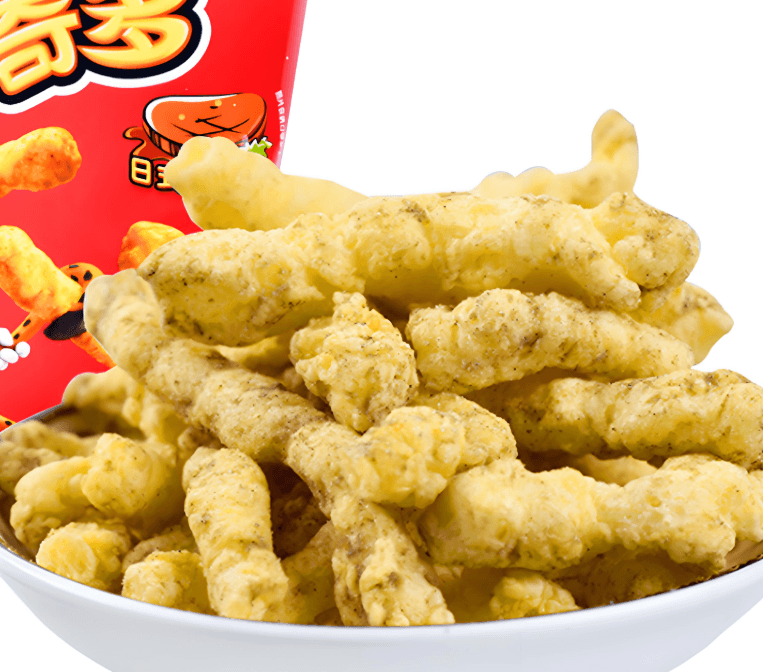
The irregular, twisted shape of Kurkure is not random; it is a direct result of specific die design and process conditions.
- Flow Restriction and Texturization: The die channel is designed to create resistance, building up the necessary pressure for puffing. More importantly, the internal geometry of the die can be designed to “texturize” the dough flow. By introducing pins, restrictions, or multiple flow paths that merge just before the exit, the dough is forced to split and recombine under pressure. This creates internal laminations and stresses.
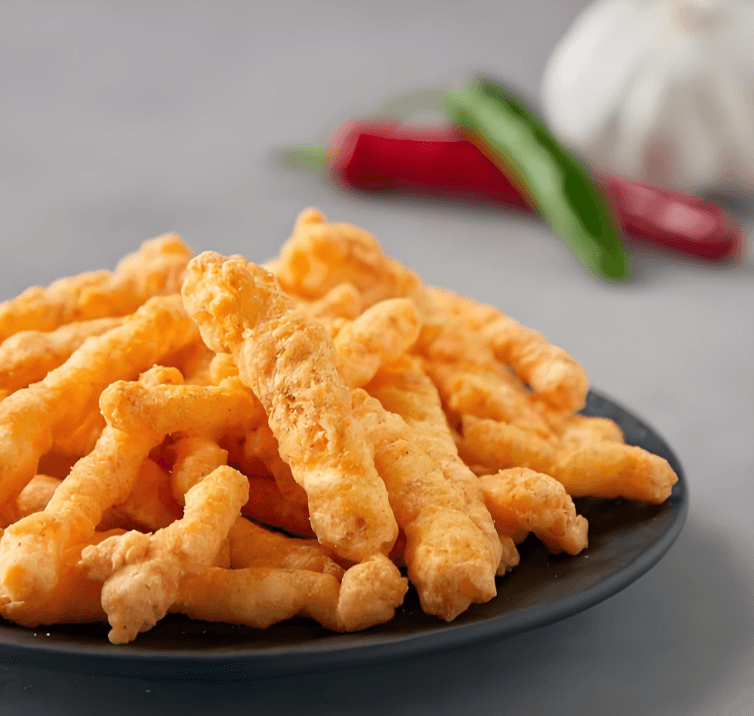
- The “Crackling” Effect: As this texturized, stressed dough exits the die and puffs, it does not expand uniformly. The different layers and stress points expand at slightly different rates, causing the product to twist, curl, and form the bubbly, irregular “crackling” appearance. This is a deliberate contrast to the smooth, uniform expansion of a product like cheese puffs.
- Die Materials and Maintenance: The dies are typically made from hardened stainless steel to withstand abrasion from the flour particles. Even minor wear or damage to the die surface can alter the product’s shape and surface texture. Therefore, regular cleaning, inspection, and maintenance of the dies are essential for consistency.
The design of the die is as much an art as it is a science, requiring deep expertise in fluid dynamics and dough rheology to create the perfect “organized chaos” of the Kurkure shape.
Pillar Four: The Frying and Oil Management System – Delivering Crispness and Mouthfeel
After extrusion, the product has a foamed structure but is still moist and soft. The frying stage serves to dehydrate the product, set its structure, and impart the rich mouthfeel and base flavor associated with fried snacks.
4.1 The Multi-Phase Process of Frying
The extruded pellets are conveyed directly into a continuous fryer containing hot oil.
- Dehydration and Structure Setting: The oil, typically at 160-180°C, rapidly transfers heat to the product. The residual moisture (around 8-10%) inside the puffed structure flashes into steam and escapes, further drying the product and lowering its final moisture content to 1-2%. This process sets the starch-protein matrix into a rigid, glassy state, creating the final, stable crunch.
- Oil Uptake: While water leaves, a small amount of oil is absorbed. This oil resides primarily on the surface and in the voids left by the escaping steam. It carries fat-soluble flavors and contributes significantly to the rich mouthfeel and palatability of the snack.
4.2 Oil Selection and Management: A Cornerstone of Quality
The choice of frying medium and its management is paramount for product quality and shelf-life.
- Oil Selection: Oils with a high smoke point and good oxidative stability are used, such as palm olein, high-oleic sunflower oil, or rice bran oil. The oil must be neutral-flavored to not interfere with the applied seasonings.
- Continuous Filtration and Turnover: As thousands of kilograms of product are fried daily, the oil is under constant attack. It undergoes thermal degradation and oxidation, and it accumulates fine product particles (fines) that can burn and impart off-flavors. A continuous, external filtration system is essential to remove these fines. Furthermore, a policy of high “oil turnover” is maintained, where fresh oil is continuously added to the fryer to dilute the degraded oil and maintain its quality. Regular analysis of Free Fatty Acids (FFA), peroxide value, and polar compounds is standard practice to ensure the oil remains within specification.
Pillar Five: Seasoning Application and Adhesion – The Flavor Identity
The plain, fried Kurkure base is a blank canvas. The application of seasoning is what defines its final flavor profile, whether it’s Masala Munch, Tomato Tantaliser, or another variant.
5.1 The Seasoning Drum: Achieving Uniform Coating
The hot, freshly fried chips are transported to a rotating, inclined cylinder called a seasoning drum or tumbler.
- The Tumbling Action: The rotation creates a cascading bed of product, ensuring each piece is evenly exposed.
- Adhesion Mechanism: The key to getting the dry seasoning powder to stick is the residual surface oil from the frying process. This oil acts as a natural, sticky adhesive. The seasoning particles embed themselves in this thin oil layer as the chips tumble.
5.2 The Complexity of Seasoning Blends and Adhesion Aids
- Seasoning Composition: A typical savory seasoning is a complex, proprietary blend containing salt, sugar, flavor enhancers (e.g., MSG, yeast extract), acidulants (e.g., citric acid for tang), spices (e.g., chili, cumin), herb powders, and cheese powders. The particle size of the seasoning is controlled to ensure some particles dissolve instantly on the tongue while others provide a textural crunch.
- Liquid Adhesion Agents: In some cases, to ensure maximum adhesion and minimize “seasoning fallout” (the powder at the bottom of the bag), a liquid adhesive is co-applied. This is often a fine mist of oil or a water-oil emulsion sprayed into the drum. This mist acts as a glue, catching the dry seasoning and locking it onto the chip. The amount must be precisely controlled; too little and the seasoning falls off, too much and the chips become greasy and clump together.
The perfectly seasoned Kurkure now possesses its full sensory identity but is highly vulnerable to its environment.
Pillar Six: Packaging and Quality Assurance – The Final Guardian
The final, and crucial, step is to protect the delicate and hygroscopic product from its enemies: moisture, oxygen, light, and physical damage until it reaches the consumer.
6.1 The High-Barrier Packaging Film
The bag is a multi-layered laminate, each layer serving a specific function:
- Outer Layer (e.g., Biaxially Oriented Polypropylene – BOPP): Provides tensile strength, puncture resistance, and a high-quality printing surface.
- Barrier Layer (e.g., Metallized Polyethylene Terephthalate – MET PET): A microscopic layer of aluminum is vapor-deposited onto the film. This creates an excellent barrier against moisture vapor and oxygen, the two primary agents of staling and rancidity. It also blocks all light.
- Inner Sealant Layer (e.g., Cast Polypropylene – CPP): A food-safe polymer that heat-seals to itself, creating a hermetic closure for the bag.
6.2 The Packaging Process: Form-Fill-Seal and Gas Flushing
Vertical Form-Fill-Seal (VFFS) machines are the industry standard.
- Weighing and Filling: Multi-head weighers portion the chips with extreme accuracy to ensure compliance with net weight regulations.
- Gas Flushing (Nitrogen Purging): Just before the final seal, the air inside the bag is evacuated and replaced with pure nitrogen (N₂). Since nitrogen is inert, kurkure making machine it prevents oxidative rancidity of the oils. It also acts as a cushioning agent, protecting the fragile chips from being crushed during transport and handling—this is the source of the “pillow” in the bag.
6.3 Total Quality Management: An End-to-End Philosophy
Quality Assurance is integrated into every single step of the process.
- Incoming Raw Materials: Inspection of grains, oil, and seasonings for moisture, microbiological quality, and specification compliance.
- In-Process Controls (IPCs): Constant monitoring of:
- Dough moisture and temperature in the extruder.
- Fryer oil temperature and quality (FFA, etc.).
- Product moisture, color, and texture post-frying.
- Seasoning application rate.
- Package seal integrity and oxygen headspace analysis.
- Finished Product Testing: Regular sampling for sensory evaluation (taste, texture, aroma), analytical testing (fat, moisture, salt content), and shelf-life studies to verify the product remains stable throughout its intended life.
The production of Kurkure is a symphony of food science, mechanical engineering, and process control. Each of the six pillars—Raw Material Formulation, Extrusion, Die Design, Frying, Seasoning, and Packaging/QA—is a deep and intricate discipline. They are not sequential steps but a highly integrated system where a minor fluctuation in one area can destabilize the entire process. The consistent delivery of the perfect Kurkure—with its iconic shape, satisfying crunch, and bold flavor—is a testament to the mastery of these six essential elements, operating in perfect harmony on a massive industrial scale.

Leave A Comment