
The Six Essential Pillars for Producing High-Quality Textured Vegetable Protein: A Comprehensive Guide to Science, Process, and Product Excellence
Introduction: The Rise and Imperative of Textured Vegetable Protein
In the contemporary landscape of global food systems, Textured Vegetable Protein (TVP) has emerged as a critical and dynamic ingredient. Driven by the powerful confluence of environmental sustainability, ethical concerns regarding animal welfare, and a growing consumer focus on health and wellness, the demand for plant-based protein alternatives is experiencing unprecedented growth. TVP, a versatile meat analogue, stands at the forefront of this revolution. It is designed to mimic the sensory properties—specifically the texture, mouthfeel, and appearance—of animal meat, making it a central component in products ranging from vegetarian burgers and sausages to taco fillings, Bolognese sauce, and Asian-inspired stir-fry strips.soya chunks making machine
However, producing high-quality TVP is a complex feat of food engineering that transcends simple substitution. The challenge lies in transforming often bland and structurally simple plant protein flours or concentrates into a product with the fibrous, chewable, and juicy characteristics of muscle meat. A failure in this process results in a product that is mushy, gritty, pasty, or possesses undesirable “off-flavors”—all of which can alienate consumers and undermine the entire plant-based movement.soya chunks making machine
Achieving excellence in TVP production is not accidental; it is a deliberate process built upon a foundation of precise science and controlled engineering. This article delineates and elaborates on the six essential pillars required to produce superior textured vegetable protein. These pillars are: 1) The Strategic Selection of Raw Materials; 2) The Precision of Protein Thermomechanical Cooking (Extrusion); 3) The Critical Role of the Cooling Die in Texturization; 4) The Art and Science of Flavoring and Hydration; 5) The Implementation of Stringent Quality Control and Analytical Techniques; and 6) The Integration of Sustainability and Scalability from Inception. Mastery of these interconnected domains is the key to unlocking the full potential of TVP and delivering products that not only mimic meat but also delight the senses and meet the highest standards of nutrition and production ethics.
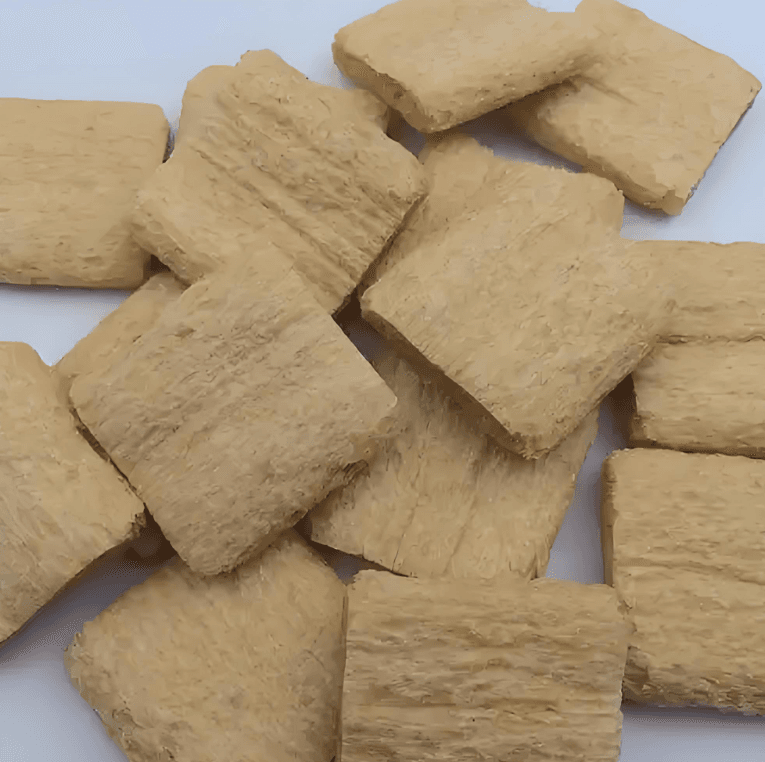
Pillar 1: The Strategic Selection and Preparation of Raw Materials
The axiom “garbage in, garbage out” is profoundly applicable to TVP production. The quality, functionality, and composition of the raw protein sources dictate the entire process’s potential and limitations. The selection is a strategic decision that balances functionality, cost, nutrition, and flavor.
1.1. Primary Protein Sources and Their Functional Properties:
The most common base for TVP is defatted soy flour, a legacy of its historical development and widespread availability. However, the modern TVP landscape has expanded to include a diverse portfolio of plant proteins, each with unique characteristics.soya chunks making machine
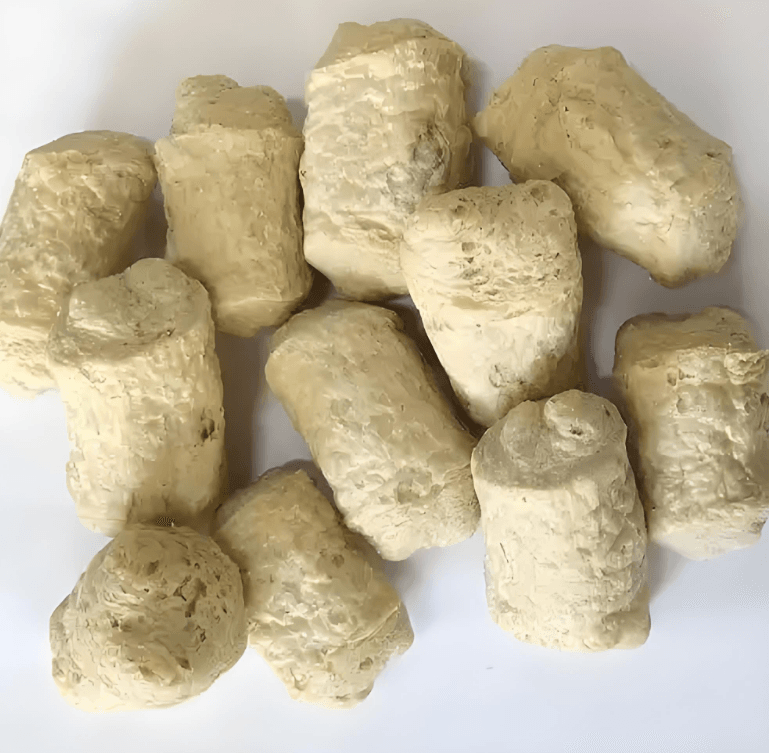
- Soy Protein:
- Concentrates (SPC, ~70% protein): The workhorse of the industry. SPC offers a good balance of protein content, functionality, and cost. It contains much of the fiber and carbohydrates from the original bean, which can influence texture and flavor. It generally provides a neutral flavor and good water- and fat-binding capacity.
- Isolates (SPI, ~90% protein): A more refined and expensive option. SPI delivers a higher protein content and a cleaner, more neutral flavor profile because most of the carbohydrates (which can carry “beany” or “green” off-flavors) have been removed. It often produces a firmer, less porous texture than SPC and has superior gelling and emulsifying properties, which can be advantageous in certain applications.
- Wheat Gluten: Vital wheat gluten is a protein complex (~75-80% protein) renowned for its exceptional viscoelastic properties. It is the protein that gives wheat dough its strength and ability to form a cohesive network. In TVP, it is often used as a secondary ingredient (e.g., 10-30%) blended with other proteins to enhance chewiness, toughness, and fibrous structure. Its unique ability to form long, aligned protein fibers is crucial for creating meat-like textures, especially in high-moisture extrusion.
- Pea Protein:
- Concentrates and Isolates: Pea protein has gained immense popularity due to its non-allergenic (non-GMO) status and sustainability profile. It is a strong gelling protein but can impart distinct earthy, leguminous, and sometimes bitter notes that require effective flavor-masking techniques. Its functionality in extrusion is excellent, and it is a key component in many modern, clean-label products.
- Other Emerging Proteins:
- Fava Bean Protein: Similar to pea protein but often with a milder flavor profile.
- Lentil Protein, Chickpea Protein: Gaining traction for their nutritional benefits and compatibility with consumer-friendly labels.
- Rice Protein, Potato Protein: Often used in hypoallergenic formulations but can present challenges in texture formation due to their different protein structures.
- Rapeseed/Canola Protein: A promising, highly sustainable protein source with a balanced amino acid profile.
1.2. The Critical Role of Starch and Carbohydrates:
While protein is the star, carbohydrates play a vital supporting role. A small percentage of native starch (e.g., from potato, corn, or tapioca) is often added to the formulation. During extrusion, starch gelatinizes, absorbing water and contributing to the viscosity of the melt. It acts as a binder, helping to create a cohesive structure and can influence the expansion and final density of the product. However, excessive starch can lead to a soft, sticky, or gummy texture rather than the desired chewy, meat-like bite.
1.3. Ingredient Preparation: Particle Size and Pre-Mixing:
Consistency begins with the raw materials. The particle size distribution of the protein powder must be controlled. Too coarse, and hydration will be uneven, leading to inconsistent cooking and texturization. Too fine, and the powder may become compacted, causing feeding problems and potentially creating dusty environments. Pre-blending all dry ingredients (protein, starch, any dry flavors or colors) in a high-speed mixer is essential to ensure a homogeneous mixture enters the extruder. Any inconsistency in the feed will be amplified through the process, resulting in an uneven final product.
Pillar 2: The Precision of Protein Thermomechanical Cooking (Extrusion)
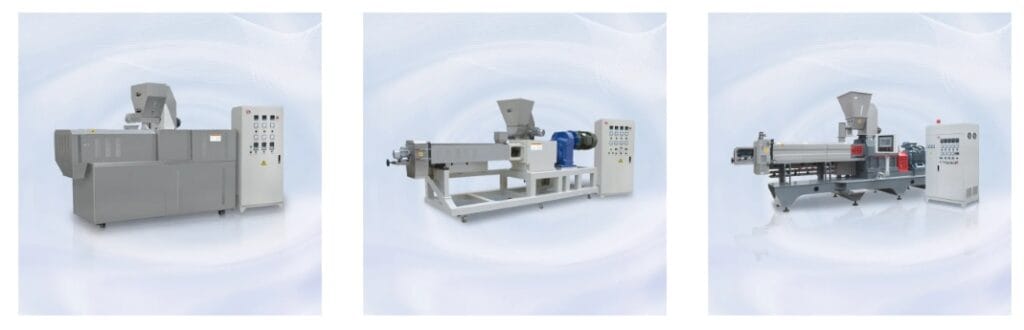
Extrusion is the transformative heart of TVP production. It is a continuous process where the dry mix is subjected to a combination of intense mechanical shear (from the screws) and thermal energy (from barrel heating and friction), plasticizing the protein into a viscous dough, or “melt.” The control of parameters within the extruder is what dictates the fundamental texture of the TVP.
2.1. Low-Moisture vs. High-Moisture Extrusion Cooking (LMEC vs. HMEC):
This is the most significant distinction in TVP production, leading to two fundamentally different product categories.soya chunks making machine
- Low-Moisture Extrusion Cooking (LMEC): This is the traditional method. The dry mix is hydrated with water to a total moisture content typically between 30% and 50%. The material is cooked under high pressure and temperature (120-180°C) inside the extruder. As the molten mass exits the die, the sudden pressure drop causes the superheated water to flash into steam, violently expanding the product. This creates a dry, spongy, and porous structure that is then dried to a shelf-stable moisture content of ~8-10%. This product is what is commonly sold as dry TVP chunks or granules, which require rehydration before use. The texture is isotropic (the same in all directions) and can be chewy but lacks the layered, fibrous quality of whole-muscle meat.
- High-Moisture Extrusion Cooking (HMEC): This advanced technology is the key to creating the most meat-like, fibrous textures. The process uses a much higher moisture content, typically between 50% and 80%. The combination of high moisture, specific thermal inputs, and intense shear causes the plant proteins to denature and align in the direction of flow. The critical differentiator is the addition of a long, water-cooled “cooling die” attached to the end of the extruder barrel (detailed in Pillar 3). In HMEC, the expansion at the die is minimal to none. Instead, the protein melt is cooled under pressure inside the die, causing the proteins to solidify into a layered, fibrous, anisotropic structure that closely resembles the grain of cooked chicken breast or pork. The final product, known as High-Moisture Meat Analog (HMMA), has a moisture content similar to meat (~60-70%) and is typically sold refrigerated or frozen. HMEC represents the current state-of-the-art for premium meat analogues.
2.2. Key Extrusion Process Parameters:
Whether using LMEC or HMEC, precise control over these variables is non-negotiable.
- Specific Mechanical Energy (SME): This is a calculated value (kWh/kg) representing the mechanical energy input from the screw rotation. It is a crucial indicator of the degree of protein transformation. Insufficient SME results in under-cooked, weak proteins and a poor texture. Excessive SME can degrade the proteins, leading to a sticky, over-worked mass. SME is controlled by screw speed, screw configuration, and moisture content.
- Barrel Temperature Profile: The temperature is carefully staged along the extruder barrel. Initial zones are set lower to facilitate feeding and initial hydration. Subsequent zones are heated to specific temperatures to control protein denaturation and cross-linking.
- Residence Time Distribution (RTD): The time the material spends inside the extruder. A narrow RTD is desired for uniform treatment of all particles. This is influenced by screw design, screw speed, and feed rate.
2.3. Screw Configuration and Design:
The screws are not simple conveyor belts; they are sophisticated tools assembled from various elements. A typical configuration for TVP might include:
- Feed Section: Large-pitch conveying elements to gently move the dry mix forward.
- Kneading Section: A combination of kneading blocks and reverse elements to create a melt seal, increase pressure, and impart the high shear necessary for protein alignment and fiber formation.
- Pumping Section: Smaller-pitch conveying elements to build pressure and pump the protein melt steadily toward the die.
The exact design and sequence of these elements are proprietary and are the result of extensive experimentation and expertise.
Pillar 3: The Critical Role of the Cooling Die in Texturization (for HMEC)
The cooling die is the component that elevates HMEC from a simple cooking process to a texturization art form. It is a long, jacketed tube attached directly to the end of the extruder barrel, replacing a traditional die plate.
- Function and Principle: As the hot, fluid, and aligned protein melt (at, for example, 140-160°C) enters the cooling die, chilled water (e.g., 10-20°C) is circulated through the die’s jacket. This causes a rapid temperature gradient across the diameter of the melt.
- Laminar Flow and Solidification: The protein melt flows through the die in a laminar (layered) manner. The layers of melt in contact with the cool die wall solidify first, forming a viscous plug. The continuing flow of the central, still-hot melt creates shear stress between the solidified outer layer and the fluid core. This combination of cooling under pressure and laminar flow is what forces the denatured protein molecules to align and cross-link into the highly sought-after, meat-like fibrous structure.
- Die Geometry and Control: The length, diameter, and internal geometry of the cooling die are critical design parameters that directly influence the thickness, density, and fiber strength of the final product. The temperature of the cooling water and the flow rate must be precisely controlled. An imbalance can lead to incomplete texturization, a rough surface, or even clogging.
Pillar 4: The Art and Science of Flavoring, Coloring, and Hydration
A perfectly textured TVP is useless if it tastes unpleasant or looks unappetizing. This stage is where the base material is transformed into a compelling food product.
4.1. Hydration:
For LMEC products, rehydration is the first step. The dry, porous TVP chunks or granules are soaked in water or, more effectively, a flavored broth. The liquid is absorbed into the pores, reconstituting the product and preparing it for cooking. The temperature and time of hydration must be controlled to achieve the desired moisture content without making the TVP mushy.soya chunks making machine
4.2. Flavor Application:
The challenge is twofold: adding desirable meat-like flavors and masking inherent off-flavors from the raw protein (e.g., beany, grassy, bitter notes).
- Flavor Carriers: The hydration liquid is an excellent carrier for flavors. Savory broths, yeast extracts, hydrolyzed vegetable proteins, mushroom powder, and spices can be infused directly into the TVP.
- Surface Coating: After hydration or in the case of HMMA, flavors, oils, and colors can be applied via tumble marination or vacuum infusion. This helps to create a “cooked” surface appearance and delivers taste in every bite.
- Umami and Masking Agents: Ingredients high in umami (soy sauce, tamari, tomato powder, MSG) are essential for creating a savory, meaty profile. Additionally, specialized flavor masking agents are often used to suppress the perception of off-flavors at a sensory level.
4.3. Colorization:
Consumers eat with their eyes. TVP must have a realistic color.
- Internal Color: Often achieved by adding heat-stable colors to the dry mix before extrusion. Beet juice powder (red), paprika extract (orange-red), and caramel color (brown) are common natural options.
- Surface Browning: To mimic the Maillard reaction that occurs when meat is seared, a color solution can be applied post-extrusion. This often contains reducing sugars and amino acids that will brown during subsequent cooking by the consumer.
4.4. Lipid Addition:
Meat’s juiciness and mouthfeel come partly from fat. Incorporating plant-based fats (e.g., coconut oil, sunflower oil, cocoa butter) during the flavoring stage is crucial for replicating this sensory attribute. Emulsifiers like lecithin are often used to stabilize the fat within the protein matrix.
Pillar 5: The Implementation of Stringent Quality Control and Analytical Techniques
Consistency is the hallmark of a professional food product. Rigorous QC must be applied at every stage, from incoming raw materials to the final product.
5.1. Analytical Testing:
- Proximate Analysis: Regular testing for protein content (Kjeldahl or Dumas method), fat, moisture, and ash to ensure compliance with specifications.
- Functionality Tests:
- Water and Fat Binding Capacity (WBC/FBC): Measured to predict the TVP’s performance in final applications (e.g., will it hold up in a sauce? Will it release fat during cooking?).
- Hydration Ratio: For LMEC TVP, the weight of water absorbed per unit weight of dry TVP is a key functional metric.
- Texture Profile Analysis (TPA): Using an instrument like a texture analyzer to quantitatively measure hardness, chewiness, springiness, and cohesiveness. This provides objective data to complement sensory evaluation.
- Microbiological Safety: Regular testing for standard plate count, yeast, mold, and pathogens like Salmonella and Listeria to ensure product safety.
5.2. Sensory Evaluation:
While machines provide data, the human palate is the final judge. Trained sensory panels should regularly evaluate products for attributes like:
- Texture: Fibrousness, chewiness, tenderness, hardness.
- Flavor: Meatiness, umami, saltiness, presence of off-flavors.
- Appearance: Color, shape, surface texture.
This feedback loop is essential for continuous product improvement.
Pillar 6: The Integration of Sustainability and Scalability from Inception
In today’s market, a TVP product cannot be successful on taste and texture alone. Its environmental and ethical credentials are increasingly important to consumers.
- Life Cycle Assessment (LCA): Conducting an LCA to understand and communicate the product’s full environmental footprint, from agricultural practices for the raw materials to manufacturing energy use and packaging waste. Sourcing proteins from crops with a lower water and land footprint (like peas and fava beans) is a significant advantage.
- Supply Chain Transparency: Ensuring raw materials are sourced responsibly and ethically. This includes considerations for non-GMO status, organic certification, and fair labor practices.
- Process Efficiency: Designing the manufacturing process for minimal energy and water consumption. Extrusion is generally an efficient continuous process, but optimizing heat recovery and reducing water waste are ongoing priorities.
- Scalability and Formulation Flexibility: Developing products and processes that can be scaled up from pilot plants to full industrial production without compromising quality. Furthermore, creating base TVP formulations that are flexible enough to adapt to different regional tastes and culinary applications is key to global success.
Conclusion: The Synergy of Six Pillars for Market Leadership
Producing exceptional textured vegetable protein is a multidisciplinary endeavor that sits at the intersection of food science, chemical engineering, and culinary arts. There is no single “magic bullet.” Success is achieved through the meticulous and synergistic application of all six pillars outlined above.
Neglecting the strategic selection of raw materials (Pillar 1) dooms the process from the start. Mastering the complex physics of extrusion and cooling (Pillars 2 & 3) creates the fundamental meat-like architecture. Perfecting the art of flavoring and hydration (Pillar 4) breathes life and crave-ability into that structure. Ensuring relentless consistency through quality control (Pillar 5) builds consumer trust and brand reputation. Finally, embedding sustainability and scalability (Pillar 6) future-proofs the business in a conscious and competitive marketplace.soya chunks making machine
As technology advances, with developments in areas like shear cell technology and 3D printing for even more complex meat structures, these fundamental pillars will remain the bedrock of quality. By adhering to these principles, producers can move beyond simple imitation and create truly delicious, nutritious, and sustainable plant-based protein products that have the power to reshape our global diet for the better.
Leave A Comment