
The Science of Snapping: How Puffed Corn Cereals Are Made
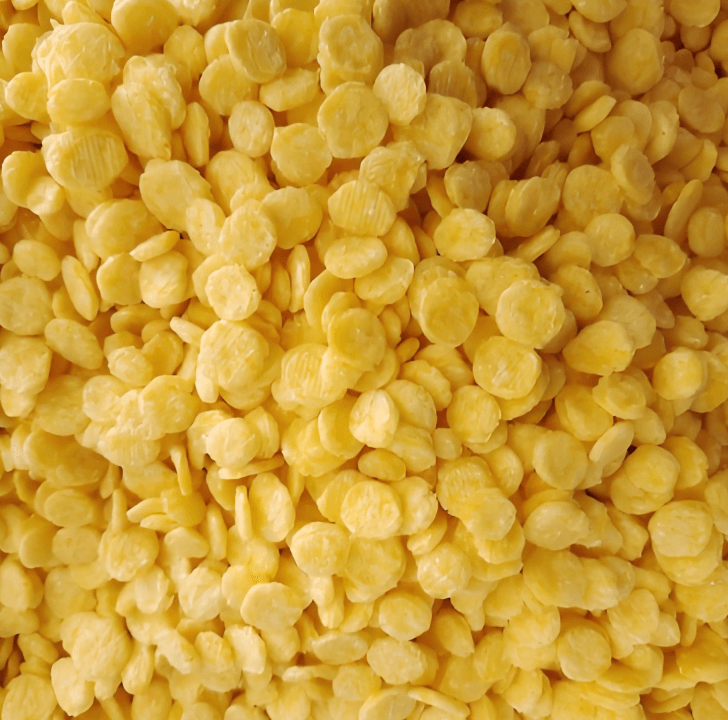
Puffed corn cereals, the light, airy, and often whimsically shaped snacks found in breakfast bowls and snack aisles, are a marvel of food extrusion technology. what are corn flakes made of Unlike traditional flat cornflakes, their creation relies on the explosive power of superheated steam within a precision-engineered machine. Here is a step-by-step breakdown of the modern extrusion process for making puffed corn cereals.
1. Raw Material Preparation
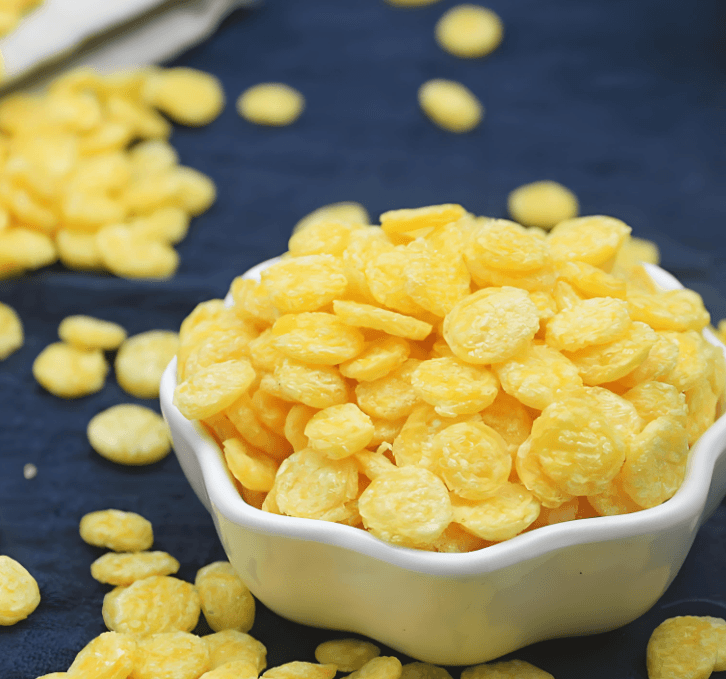
The base ingredient is typically degerminated cornmeal or grits, similar to the start of cornflakes but ground to a finer consistency. what are corn flakes made of This ensures a uniform texture and removes the fat-rich germ that could interfere with the puffing process. This dry mix is often fortified with vitamins, minerals, and other grains (like rice or wheat) for nutrition and flavor.
2. The Heart of the Process: Cooking Extrusion
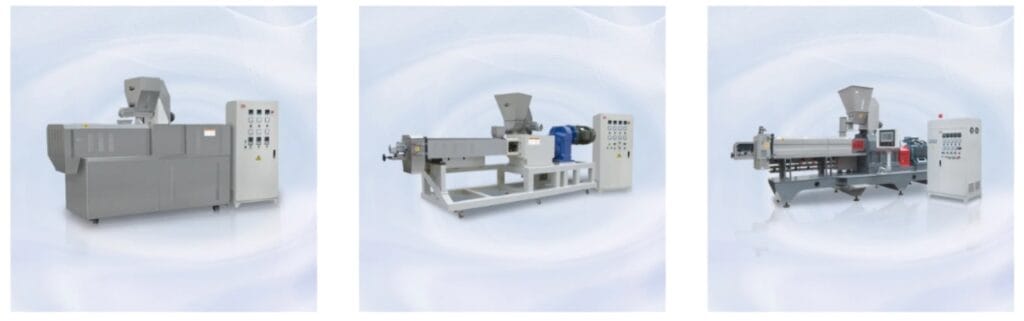
This is the transformative stage. The dry blend is fed into a twin-screw extruder—a long, barrel-shaped machine with intermeshing screws.
- Mixing and Hydration: Inside the initial zone of the barrel, the meal is mixed with a precise amount of water, steam, and sometimes oil to form a moist dough.
- High-Pressure Cooking: The screws convey this dough forward through the barrel, which is heated by external electrical bands or steam jackets. what are corn flakes made of As it moves, the dough is subjected to intense shear, pressure, and high temperatures (120-175°C / 250-350°F). This completely cooks and gelatinizes the starches, transforming the mixture into a molten, plasticized mass.
3. Puffing and Shaping
At the end of the extruder barrel is a specially designed die plate with small, shaped holes (stars, balls, loops, etc.).
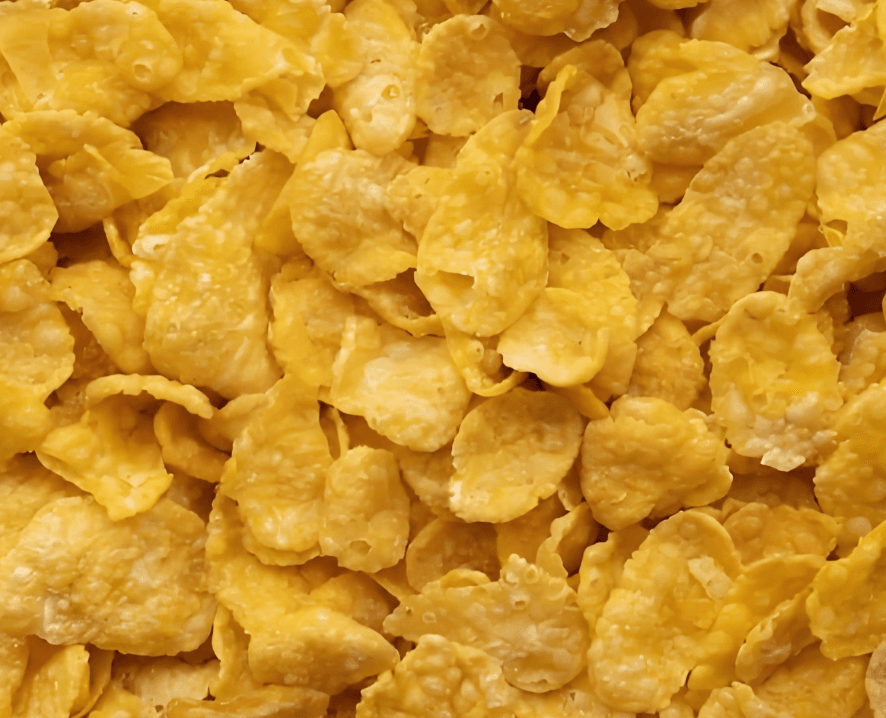
- As the superheated, pressurized dough is forced through these dies into the open atmosphere at room pressure, a dramatic physical change occurs.
- The sudden pressure drop causes the superheated water within the dough to instantaneously vaporize (flash off). This explosive expansion “puffs” the dough, creating a solid, airy, foam-like structure that sets almost instantly into the desired shape. what are corn flakes made of The size and texture are controlled by the die design, screw speed, temperature, and pressure.
4. Drying
The freshly puffed pieces have a moist interior. They are conveyed through a multi-pass dryer, where controlled hot air circulates to evenly reduce the moisture content to a low level (typically 1-3%). This crucial step ensures the final product is crispy, shelf-stable, and achieves the right “snap.”
5. Coating and Flavoring (The Seasoning Stage)
Plain puffed cereal is fairly neutral in taste. Flavor is added in a rotating drum, often called a tumbling coating drum.

- For sweet cereals, a fine mist of sugar syrup, honey, or a vitamin-enriched solution is sprayed onto the warm, tumbling puffs. The heat helps the coating crystallize or dry into a glaze.
- For savory snacks (like cheese puffs), warm oil or a butter slurry is applied first to help powdered seasonings (cheese powder, salt, spices) adhere to the porous surface.
6. Cooling and Packaging
The coated puffs are cooled to ambient temperature to set the coating and prevent condensation in the package. They are then fed to high-speed scales and packaging lines. what are corn flakes made of To protect their delicate crispness from humidity and physical damage, they are often packaged in protective foil-lined bags or cartons, sometimes with nitrogen flushing to displace oxygen and prevent rancidity.
Key Technological Insight: The entire process, from raw meal to finished puff, can take less than five minutes, showcasing the efficiency of modern food extrusion. It is this precise control over heat, pressure, and shear that allows for the endless variety of shapes, sizes, and textures in the world of puffed corn snacks.
Leave A Comment