
- Introduction
Fortified rice is a enhanced food product designed to address micronutrient deficiencies in populations that rely on rice as a staple food. The process involves enriching regular rice grains with essential vitamins and minerals, such as iron, folic acid, vitamin A, vitamin B1 (thiamine), vitamin B3 (niacin), and zinc, without significantly altering its taste, texture, or cooking properties. This article outlines the primary industrial methods used in the production of fortified rice. - Raw Materials
Rice: Medium or long-grain white rice is typically used as the base material.
Nutrient Premix: A powdered blend of vitamins and minerals.
Binding Agents: Food-grade ingredients such as gums (e.g., guar gum) or starch-based solutions that help nutrients adhere to the rice grains.
Water and Steam: Used in various stages of coating and stabilization.
- Production Methods
There are two main industrial approaches to rice fortification:
3.1. Coating Method
This method involves coating the surface of rice grains with a nutrient layer.
Mixing: Regular rice grains are placed in a mixer, and a nutrient solution—containing the vitamin/mineral premix and a binding agent—is sprayed onto the rice under controlled conditions.
Drying: The coated rice is dried using warm air to stabilize the coating and prevent microbial growth.
Packaging: The dried fortified rice is packaged for distribution.
This method is simple but may result in some nutrient loss during washing or cooking.
3.2. Extrusion Method
This is the most common and effective technique, producing fortified kernels that are blended with regular rice.
Preparation of Fortified Kernels:
Rice flour is mixed with a nutrient premix and water to form a dough.
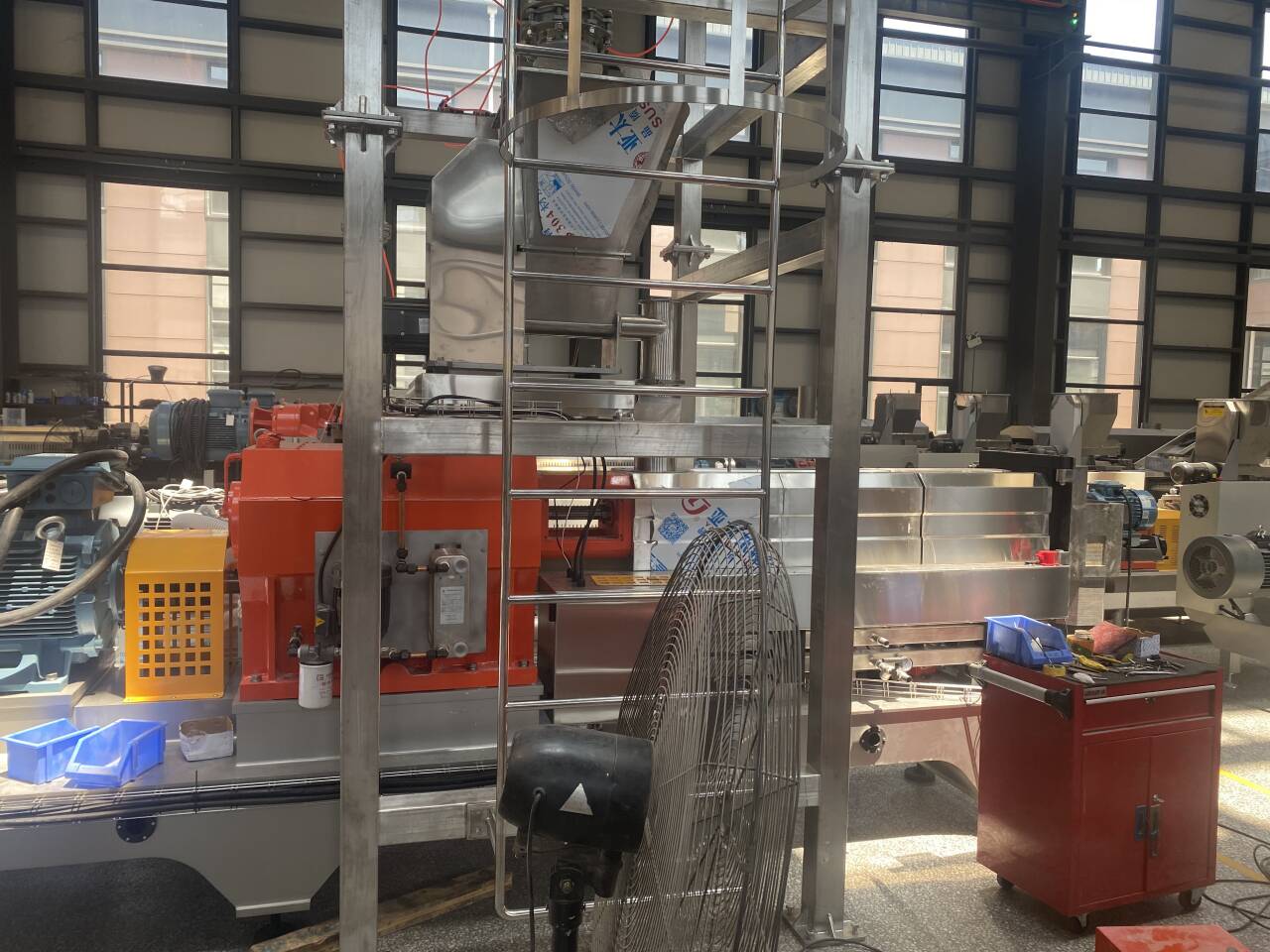
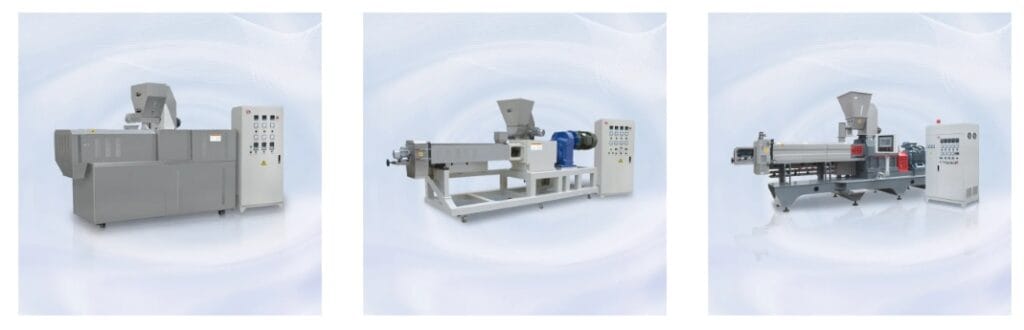
The dough is passed through an extruder, which shapes it into rice-like kernels using a die.
The extruded kernels are dried, cooled, and cut to resemble natural rice grains.
Blending:
The fortified kernels (typically at a ratio of 0.5% to 2% by weight) are blended with regular rice.
This ensures uniform distribution of nutrients in the final product.
The extrusion method better retains nutrients during washing and cooking due to their integration into the kernel matrix.
- Quality Control
Strict quality checks are essential throughout the process:
Raw Material Inspection: Ensuring the quality of rice and nutrient premix.
Nutrient Uniformity: Testing to verify even distribution of micronutrients.
Stability Testing: Assessing nutrient retention during storage, washing, and cooking.
Sensory Evaluation: Confirming that the fortified rice matches regular rice in taste, texture, and appearance.
- Advantages of Fortified Rice
Addresses Malnutrition: Provides essential nutrients to populations with dietary deficiencies.
Cost-Effective: An affordable strategy for large-scale public health nutrition programs.
Preserves Familiarity: Looks, tastes, and cooks like conventional rice, ensuring consumer acceptance.
- Challenges
Nutrient Loss: Some vitamins may degrade during storage or cooking.
Blending Accuracy: Ensuring uniform mixing of fortified kernels with regular rice.
Consumer Awareness: Educating the public on the benefits of fortified rice is crucial for adoption.
Leave A Comment