
The Nine Pillars of Premium Feline Nutrition: A Comprehensive Guide to High-Quality Cat Food Production
The pet food industry has undergone a profound transformation over the past few decades, evolving from a market for simple by-product disposal to a sophisticated, multi-billion dollar sector driven by science, ethics, and a deepening human-animal bond. Nowhere is this more evident than in the realm of cat food. Cats, as obligate carnivores, present a unique set of nutritional challenges and opportunities. Producing a truly high-quality cat food is not merely a manufacturing process; it is a commitment to biological appropriateness, safety, and nutritional excellence. cat food making machine It requires a meticulous, multi-faceted approach that spans from the initial selection of raw materials to the final moments when the food is served in a pet owner’s home.
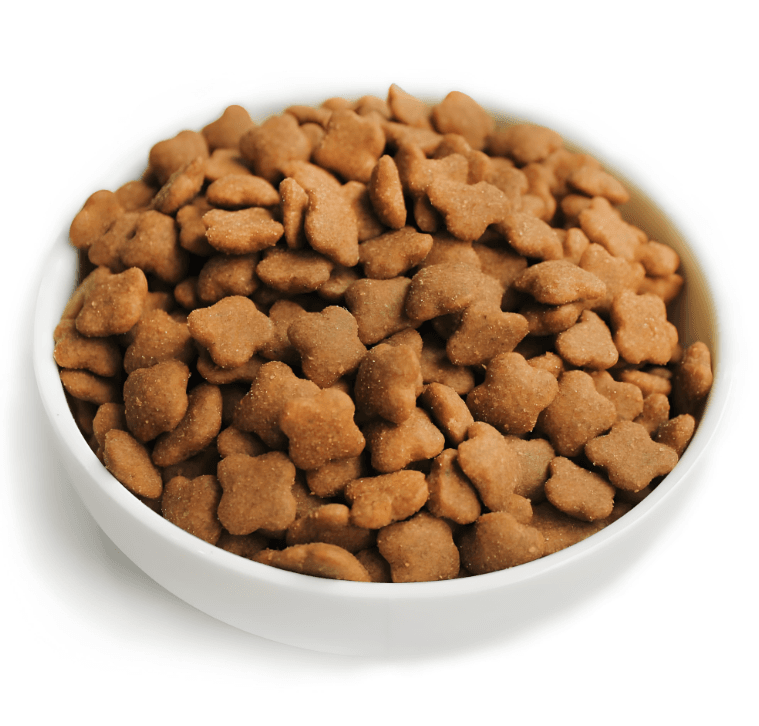
This guide delves into the nine critical pillars that define and distinguish superior cat food production. Each element represents a non-negotiable standard of quality, cat food making machine a checkpoint where cutting-edge science meets an unwavering ethical commitment to feline health and well-being.
Pillar 1: Ingredient Integrity & Sourcing: The Foundation of Excellence
The axiom “you are what you eat” is as true for felines as it is for humans. The journey to a premium cat food begins not in a factory, cat food making machine but at the farms, fisheries, and ranches that supply its ingredients. Ingredient integrity is the absolute bedrock of quality, encompassing the sourcing, verification, and handling of every component that enters the production facility.
1.1. The Primacy of Animal-Sourced Proteins:
Cats are obligate carnivores. Their physiology is designed to derive essential nutrients—most critically, taurine, arachidonic acid, vitamin A, and certain B vitamins—directly from animal tissue. Therefore, the first and most crucial indicator of quality is the prominence and quality of animal-based proteins.
- Named Protein Sources: High-quality foods will always feature named protein sources as the first, and often second and third, ingredients. “Deboned Chicken,” “Salmon Meal,” or “Turkey” are specific and desirable. Vague terms like “meat by-products” or “poultry meal” from unspecified sources are less transparent and can be indicative of lower and more variable quality.
- Meal vs. Whole Meat: Understanding this distinction is vital. “Chicken” listed as an ingredient refers to the clean, whole meat with its inherent moisture (approximately 70-80%). When it is processed, this moisture is removed, effectively reducing its weight and protein contribution in the final formula. “Chicken Meal,” on the other hand, is chicken that has been rendered—cooked to remove water and fat—resulting in a concentrated protein powder. A high-quality chicken meal can be a superior source of dense, highly bioavailable protein. The key is the quality of the source material for the meal; it should be made from clean, named animal parts, not feathers, hooves, or intestinal contents.
- By-Products: A Nuanced View: The term “by-product” often carries a negative connotation, but it requires context. In premium production, by-products from human-grade animals—such as liver, heart, kidneys, and lungs—are not fillers; they are nutrient-dense superfoods for cats. Liver is packed with vitamin A and iron; heart is an excellent source of taurine. The problem arises with low-quality by-products that may include non-nutritive parts. Transparency is key: “Chicken By-Products” is ambiguous, whereas “Chicken Liver” is a specific, high-quality ingredient.
1.2. Responsible and Sustainable Sourcing:
Quality extends beyond nutritional composition to encompass ethics and sustainability.
- Traceability: Premium manufacturers establish direct relationships with their suppliers. They know the origin of their ingredients, often auditing farms and fisheries to verify animal welfare standards, feeding practices, and the absence of unwanted chemicals or hormones.
- Sustainable Fisheries: For fish-based formulas, commitment to certifications like the Marine Stewardship Council (MSC) ensures that the seafood is sourced from well-managed, sustainable stocks, minimizing environmental impact.
- Human-Grade and Free-Range/Pastured: The highest echelon of cat food may utilize ingredients that are officially classified as “human-grade,” meaning they are handled, processed, and transported according to the same strict regulations as food for human consumption. Similarly, sourcing from free-range or pastured animals can contribute to a more favorable fatty acid profile in the meat.
1.3. Carbohydrate Selection and Quality:
While cats have no biological requirement for carbohydrates, cat food making machine they are often used in dry food production for their functional properties in extrusion. However, the type and quantity matter greatly.
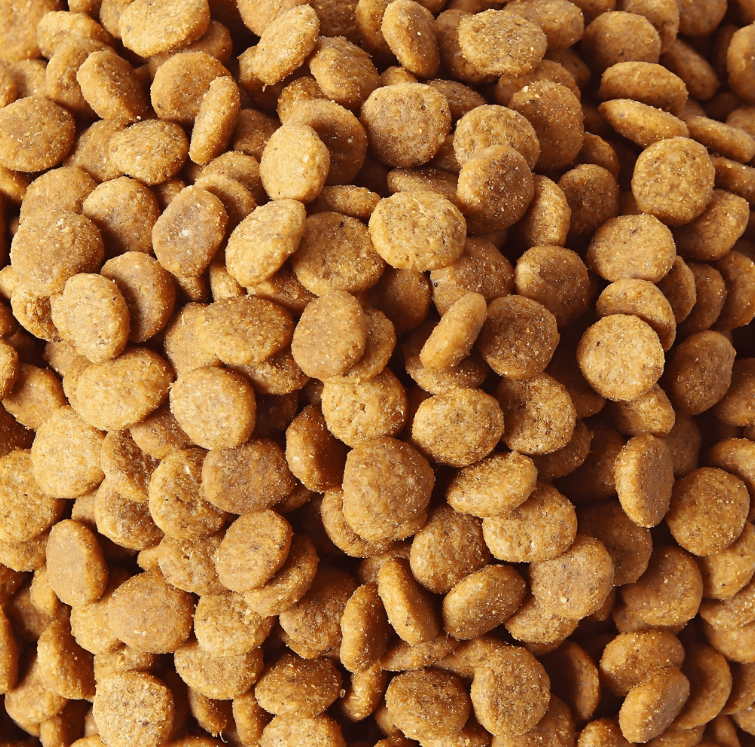
- Low Glycemic Impact: High-quality foods avoid high-glycemic, highly refined grains like corn, wheat, and soy, which can cause rapid spikes in blood sugar and contribute to obesity and diabetes. Instead, they may utilize more digestible, nutrient-rich options like oats, barley, quinoa, or sweet potatoes. These provide energy, fiber, and essential vitamins with a gentler metabolic impact.
- The “Grain-Free” Debate: The grain-free trend was initially driven by concerns over allergies and carbohydrates. However, it is crucial to note that many grain-free formulas simply replace grains with other high-starch ingredients like potatoes, tapioca, or lentils. The focus should be on the total carbohydrate content and the quality of the ingredients, not merely the absence of grains. Recent studies linking some grain-free diets (particularly those high in legumes) to Dilated Cardiomyopathy (DCM) in dogs have highlighted the importance of a balanced, scientifically formulated approach, underscoring that “free-from” does not automatically equate to “high-quality.”
1.4. Ingredient Verification and Rejection:
A robust Quality Assurance (QA) program begins at the receiving dock. cat food making machine Every shipment of raw materials must be subjected to rigorous inspection and testing before it is approved for use. This includes:
- Visual and Olfactory Inspection: Checking for signs of spoilage, mold, or foreign material.
- Certificate of Analysis (COA) Review: Verifying supplier-provided data on protein, fat, moisture, and other key nutrients.
- In-House Laboratory Testing: Conducting tests for critical safety parameters such as Aflatoxins (mycotoxins from mold), heavy metals (lead, mercury, cadmium), and microbiological contaminants (Salmonella, E. coli).
In essence, Pillar 1 establishes that a premium cat food is built on a foundation of specific, traceable, and nutrient-dense ingredients, with a unwavering emphasis on high-quality, animal-sourced proteins that respect the cat’s evolutionary dietary needs.
Pillar 2: Scientifically-Backed Formulation: The Blueprint for Health
Having high-quality ingredients is meaningless if they are not combined in the correct proportions to meet a cat’s complex nutritional needs. Formulation is the precise science of creating this blueprint. It moves beyond marketing-driven recipes to diets grounded in feline physiology and the latest nutritional research.
2.1. The Gold Standard: AAFCO Nutrient Profiles:
In the United States, the Association of American Feed Control Officials (AAFCO) establishes the minimum and, in some cases, maximum levels for essential nutrients for cats at different life stages (e.g., growth, adult maintenance, all life stages). cat food making machine A high-quality food will not only meet but often optimally exceed these minimums, creating a nutrient “buffer” for variability and bioavailability.
- Life Stage Appropriateness: A premium manufacturer formulates specifically for a cat’s life stage. A kitten food, for instance, will be significantly higher in protein, fat, calcium, and phosphorus to support rapid growth and development. A senior cat food may be adjusted for lower calories, higher fiber, and targeted supplements for joint and kidney health.
- The AAFCO Feeding Trial vs. Formulation Method: The most rigorous way to substantiate a claim of “complete and balanced” is through an AAFCO-approved animal feeding trial. In these trials, cats are fed the diet exclusively and monitored for key health parameters over a set period. This is superior to the alternative method, which is simply formulating to meet the AAFCO nutrient profiles on paper, as it proves the diet’s palatability, digestibility, and ability to support health in a real-world scenario.
2.2. Bioavailability: The Key to Nutrient Utilization
A formulation can list impressive amounts of nutrients on paper, cat food making machine but if the cat’s body cannot absorb and utilize them, they are worthless. Bioavailability is the measure of this utilization.
- Protein Digestibility: High-quality animal proteins have a much higher biological value and digestibility (often exceeding 90%) than plant-based proteins. A formulation skewed towards plant proteins may have a high “crude protein” percentage on the label, but a cat will derive far less usable protein from it.
- Mineral Chelation: Minerals like zinc, copper, and manganese are often “chelated,” meaning they are bound to amino acids (e.g., zinc methionine). This organic form is more easily recognized and absorbed by the digestive system than inorganic mineral salts (e.g., zinc oxide), making it a mark of a more advanced and bioavailable formulation.
2.3. The Science of Functional Additives:
Beyond basic nutrition, premium formulations incorporate functional ingredients aimed at promoting specific health outcomes.
- Gut Health: Prebiotics (e.g., Fructo-Oligosaccharides or FOS, Mannan-Oligosaccharides or MOS) are non-digestible fibers that act as food for beneficial gut bacteria. Probiotics (direct-fed microorganisms) are the beneficial bacteria themselves. A combination of both, often termed “synbiotics,” helps maintain a healthy and resilient gut microbiome, which is crucial for immune function and overall health.
- Skin and Coat Health: Optimal levels of Omega-3 (especially EPA and DHA from fish oil) and Omega-6 (from sources like chicken fat) fatty acids in a balanced ratio are essential for reducing inflammation, maintaining a lustrous coat, and supporting cognitive function.
- Joint Support: For all cats, but especially seniors and large breeds, the inclusion of Glucosamine and Chondroitin Sulfate can help support cartilage health and joint mobility.
- Urinary Health: Formulations are carefully balanced for minerals like magnesium, phosphorus, and calcium, and are often designed to promote a slightly acidic urinary pH to help prevent the formation of struvite crystals, a common feline issue.
2.4. The Taurine Imperative:
No discussion of feline formulation is complete without emphasizing taurine. cat food making machine This sulfur-containing amino acid is absolutely critical for cats, as they cannot synthesize sufficient amounts on their own. A deficiency leads to irreversible conditions like central retinal degeneration (blindness) and Dilated Cardiomyopathy (DCM). High-quality manufacturers not only add supplemental taurine to meet AAFCO standards but often add a significant safety margin, understanding that processing losses can occur and that the requirement can vary individually. The source of protein also matters; taurine is naturally abundant in muscle and organ meat, further underscoring the importance of high-quality animal ingredients.
In summary, a scientifically-backed formulation is a holistic, dynamic blueprint. It ensures that the diet is not just a collection of good ingredients, but a synergistic, bioavailable, and functionally-enhanced nutritional system designed to support a long, healthy, and vibrant life for a cat.
Pillar 3: Advanced Processing Techniques: Preserving Nutrients and Ensuring Safety
The method of transforming raw ingredients into a safe, stable, and palatable final product is a critical determinant of quality. The goal of advanced processing is to achieve microbial safety and desired physical structure while maximizing the retention of heat-sensitive nutrients.
3.1. Dry Food (Kibble) Production: The Art of Extrusion
- Precision Conditioning: Before extrusion, the ground ingredient mix is blended with steam and water in a “pre-conditioner.” This initial heating and hydrating step begins the starch gelatinization process, making it more digestible. Premium manufacturers carefully control the time and temperature in this phase to begin cooking without excessive nutrient degradation.
- Twin-Screw Extrusion: While single-screw extruders are common, twin-screw extruders represent a more advanced and controllable technology. The twin screws intermesh, providing superior mixing, shear control, and cooking efficiency. This allows for a more consistent product and the ability to create more complex shapes and textures, including kibbles with different densities or hollow centers for improved palatability.
- Gentle Drying: After extrusion, kibble is dried in multi-stage ovens. High-quality processes use precise, lower-temperature drying profiles over a longer period to remove moisture without “baking” the exterior and creating nutrient-damaging hotspots.
- Vacuum Coating (Enrobing): After drying and cooling, the final, crucial step is fat and flavor coating. Instead of simple surface spraying, premium producers may use vacuum-coating technology. The kibble is placed in a drum, a vacuum is drawn, and the liquid palatant (a mix of fats, digests, and nutrients) is introduced. The vacuum is then released, forcing the liquid deep into the kibble’s porous structure. This results in a vastly more flavorful and nutrient-rich product, as the protective fat coating is distributed throughout, not just on the surface.
3.2. Wet Food Production: The Science of Retorting
The primary challenge for wet food (cans, pouches) is achieving commercial sterility without overcooking the ingredients, which can lead to a “canned” flavor and nutrient loss.
- The Challenge of Heat-Labile Nutrients: Vitamins and amino acids like taurine are sensitive to high heat. Traditional retorting, where filled and sealed containers are cooked under pressure, can be harsh.
- Advanced Thermal Processes:
- Shorter Time, Higher Temperature (HTST): Some advanced systems use Higher Temperature/Shorter Time cycles, which can achieve sterility with less overall thermal damage to the product.
- Aseptic Processing: This is the pinnacle of wet food processing technology. The food and the packaging are sterilized separately. The ingredients are cooked in a continuous-flow system (like an HTST pasteurizer) and then cooled before being filled into pre-sterilized pouches or trays in a completely sterile (aseptic) environment. This method preserves the taste, texture, and nutritional value of the ingredients far better than traditional retorting, resulting in a product that often tastes closer to freshly cooked meat.
3.3. Cold-Pressure Processing (HPP):
For raw or minimally processed refrigerated foods, High-Pressure Processing (HPP) is a groundbreaking non-thermal technology. cat food making machine The packaged food is subjected to extremely high water pressure (up to 87,000 psi), which inactivates pathogens like Salmonella, E. coli, and Listeria without the use of heat. This allows for a safe product that retains all its natural enzymes, vitamins, and fresh taste. HPP is a hallmark of high-quality raw and gently cooked cat food formats.
3.4. Fresh and Gently Cooked Formats:
The most premium segment of the market often bypasses traditional shelf-stable processing altogether. These diets are made in smaller batches, cooked at lower temperatures to mimic home cooking, and then frozen or refrigerated. This approach offers the highest possible nutrient retention and palatability, though it comes with a higher cost and shorter shelf life.
In essence, advanced processing is the careful application of technology to serve biology. It seeks to strike the perfect balance between the non-negotiable requirement for safety and the paramount goal of preserving the innate nutritional integrity and palatability of the raw ingredients.
Pillar 4: Stringent Quality Control and Hazard Analysis: The Unwavering Guardian
Quality cannot be inspected into a product; it must be built into every step of the process. A world-class Quality Control (QC) and Food Safety system is a proactive, preventative, and all-encompassing framework that acts as the final guardian of product integrity.
4.1. Hazard Analysis and Critical Control Points (HACCP):
HACCP is a systematic, preventive international standard for food safety. Rather than relying on end-product testing, a HACCP plan identifies specific biological, chemical, and physical hazards at every stage of production and establishes strict controls to prevent them.
- Critical Control Points (CCPs): These are the points in the process where a potential hazard can be prevented, eliminated, or reduced to an acceptable level. For example, the extruder cooker and the retort are CCPs for biological hazards (pathogens). The fat-coating stage is a CCP for chemical hazards (ensuring antioxidants are properly added to prevent rancidity). At each CCP, critical limits (e.g., minimum temperature, time) are defined, monitored, and documented in real-time. Any deviation triggers immediate corrective action.
4.2. Comprehensive Laboratory Testing Regimen:
A premium manufacturer operates a “trust but verify” model, with a rigorous schedule of in-house and third-party laboratory testing.
- Incoming Raw Materials: As mentioned in Pillar 1, every batch is tested for key nutrients and contaminants.
- In-Process Testing: Samples are taken at various stages (e.g., after mixing, after extrusion) to verify consistency, moisture content, and mix uniformity.
- Finished Product Analysis: Every production run of finished food is tested to ensure it meets its nutritional guarantee (crude protein, crude fat, crude fiber, moisture) and is free from microbial contamination.
- Shelf-Life and Stability Testing: Batches are stored under controlled conditions and tested periodically to validate the “best by” date and ensure the product remains safe and nutritionally stable over time.
4.3. Microbiological Vigilance:
The production facility itself is a controlled environment. Regular swab testing of equipment, conveyor belts, and environmental surfaces is conducted to monitor for the presence of pathogens like Salmonella and Listeria. This environmental monitoring program is crucial for preventing cross-contamination.

4.4. Metal Detection and Foreign Material Control:
At the end of the packaging line, every container of food passes through a sophisticated metal detector and, often, an X-ray machine. These devices are calibrated to detect and automatically reject any product containing even minute pieces of metal, glass, plastic, or other physical contaminants that may have inadvertently entered the process.
This pillar represents a culture of relentless vigilance. It is the behind-the-scenes, data-driven discipline that transforms a good recipe into a reliably safe and consistent product, batch after batch, year after year.
Pillar 5: Palatability Enhancement: The Art of Feline Gastronomy
A nutritionally perfect food is a failure if a cat refuses to eat it. Palatability—the combination of taste, aroma, and texture that makes food appealing—is a science in itself, especially given that cats have only about 500 taste buds compared to a human’s 9,000. They are driven primarily by their keen sense of smell and their innate preference for umami flavors found in meat.
5.1. The Role of Fats and Digests:
Fats are the primary carrier of flavor and aroma. High-quality animal fats (e.g., chicken fat, salmon oil) are incredibly palatable. Even more potent are “digests,” which are proteins (like liver or poultry) that have been enzymatically broken down (pre-digested) into their component amino acids and peptides. This process creates a powerful, savory, umami-rich flavor profile that is virtually irresistible to cats. The use of high-quality digests in the vacuum-coating process (Pillar 3) is a hallmark of a highly palatable premium food.
5.2. Texture and Size Optimization:
Cats have preferences for kibble size, shape, and hardness. Some prefer small, crunchy kibble, while others may like larger, softer pieces. Premium manufacturers often offer a range of textures. For wet food, the variety in forms—pâtée, chunks in gravy, flaked, or morsels in a gel—caters to different feline textural preferences.
5.3. The Avoidance of Artificial Enhancers:
High-quality foods achieve palatability through the use of natural, ingredient-driven flavors. They avoid the use of artificial flavors, colors, and palatability enhancers like “animal digest” from unspecified sources. The goal is to enhance the natural appeal of the core ingredients, not to mask low-quality components with artificial attractants.
By mastering the art and science of palatability, manufacturers ensure that their nutritionally superior food is also a highly anticipated and enjoyable meal for the cat, cat food making machine supporting consistent intake and preventing finicky eating behavior.
Pillar 6: Packaging Innovation: The Shield of Freshness
The most carefully crafted and nutritious cat food can be ruined by poor packaging. The primary enemies of shelf stability are oxygen, light, and moisture. Premium packaging is designed to be an active barrier against these elements.
6.1. Oxygen Barrier and Nitrogen Flushing:
For dry food, the most critical technology is nitrogen flushing. As the bag is filled, the air inside is displaced with inert nitrogen gas before it is sealed. Since nitrogen does not support oxidation, this process prevents the fat in the food from becoming rancid, preserving both its nutritional value and its flavor. The bags themselves are constructed from multiple layers of polymer and foil, providing an excellent oxygen barrier.
6.2. Light Protection:
Light, especially UV light, can also accelerate the degradation of fats and vitamins. High-quality packaging uses materials and inks that are opaque, protecting the contents from light exposure during storage and on the retail shelf.
6.3. Resealability and Portion Control:
For dry food, a robust, airtight resealable mechanism is not a luxury; it is a necessity. It maintains the nitrogen-flushed environment after opening, preventing the remaining food from being exposed to air and humidity. Furthermore, clear portioning information and feeding guides on the packaging help owners manage their cat’s weight and health.
6.4. Integrity of Wet Food Containals:
For cans, the double-seamed lid must be perfect to maintain the sterile environment. For pouches, the strength of the material and the integrity of the seal are critical to prevent punctures and spoilage. cat food making machine Advanced pouches often have high-barrier layers to protect against oxygen and light, far superior to traditional cans in this regard.
In short, innovative packaging is the final, crucial shield that locks in the freshness, safety, and nutritional integrity that was so carefully built into the product, ensuring it reaches the consumer in pristine condition.
Pillar 7: Sustainability and Ethical Production: A Commitment to the Future
The modern consumer is increasingly concerned with the environmental and ethical footprint of the products they buy, including pet food. A truly premium brand recognizes its responsibility beyond the bowl.
7.1. Environmental Stewardship:
This encompasses a wide range of initiatives:
- Carbon Footprint Reduction: Sourcing ingredients locally where possible, optimizing logistics, and using renewable energy in manufacturing facilities.
- Water and Waste Management: Implementing water recycling systems and finding ways to valorize or responsibly dispose of production waste.
- Sustainable Packaging: Actively researching and implementing the use of recyclable, compostable, or reduced-plastic packaging solutions.
7.2. Ethical Sourcing and Animal Welfare:
This extends the concept of quality to the very beginning of the supply chain. It involves partnering with suppliers who adhere to high animal welfare standards, such as those certified by Global Animal Partnership (GAP) or providing pasture-raised animals. It also means a commitment to sustainable fishing practices to protect marine ecosystems.
7.3. Corporate Social Responsibility (CSR):
Many premium brands build giving back into their business model, supporting animal shelters, rescue organizations, and spay/neuter programs. cat food making machine This ethical commitment resonates deeply with consumers and reflects a holistic corporate philosophy.
Pillar 8: Transparency and Traceability: Building Trust Through Openness
In an era of skepticism, transparency is the currency of trust. Premium brands have nothing to hide and everything to share about how their food is made.
8.1. Full Ingredient Disclosure:
Going beyond the minimum AAFCO requirements, they provide clear, specific information about their ingredients and their sources. Some even list the specific percentage of each primary ingredient.
8.2. “Open Door” Policies and Lot Tracing:
Confident manufacturers may offer virtual or physical tours of their facilities. They also have robust lot-tracing systems that allow them to track any bag or can of food back to the specific batches of ingredients used to make it, and forward to its point of sale. This is crucial for rapid and precise response in the highly unlikely event of a product recall.
8.3. Access to Nutritionists and Customer Service:
They provide easy access to qualified pet nutritionists who can answer detailed questions from veterinarians and consumers, demystifying the formulation and providing evidence-based rationale for their choices.
Pillar 9: Continuous Research and Development: The Pursuit of Tomorrow’s Nutrition
The science of feline nutrition is constantly evolving. A commitment to high quality is a commitment to never standing still. Leading manufacturers invest heavily in Research and Development (R&D).
9.1. Internal and Collaborative Research:
This includes internal studies on palatability, digestibility, and stool quality, as well as long-term partnerships with leading veterinary schools and research institutions to conduct clinical trials on the health impacts of their diets.
9.2. Investing in Emerging Science:
R&D explores new frontiers, such as the role of the gut microbiome in health and disease, the impact of novel proteins and functional botanicals, and the development of personalized nutrition based on a cat’s age, breed, and activity level.
9.3. Formula Iteration and Improvement:
A premium food’s formula is not static. As new research emerges, the formulation is refined and improved to incorporate the latest scientific understanding, ensuring that the product remains at the cutting edge of feline nutritional science.
Conclusion: The Symphony of Quality
Producing a truly high-quality cat food is not a single action but a symphony, where each of these nine pillars must perform in perfect harmony. From the ethical pastures where the ingredients are born, through the exacting science of formulation and the advanced technology of processing, under the watchful eye of relentless quality control, and into the innovative packaging that protects it, this journey is a testament to a profound commitment to feline health. It is a process built on a foundation of respect for the cat’s biological nature, driven by scientific inquiry, and guided by an unwavering ethical compass. For the discerning pet owner, understanding these pillars provides the knowledge to see beyond the marketing and choose a food that truly nourishes, from the inside out.
Leave A Comment