
In the ever-evolving pet care industry, the pet food extruder stands out as a cornerstone technology, transforming raw ingredients into the nutritious, shelf-stable, and palatable kibble that millions of pets enjoy daily. This sophisticated machinery is far more than a simple shaping tool; it is an integrated processing system that ensures optimal nutrition, safety, and convenience. pet food maker machine Here’s a comprehensive look at the multifaceted functions of a modern pet food extruder.
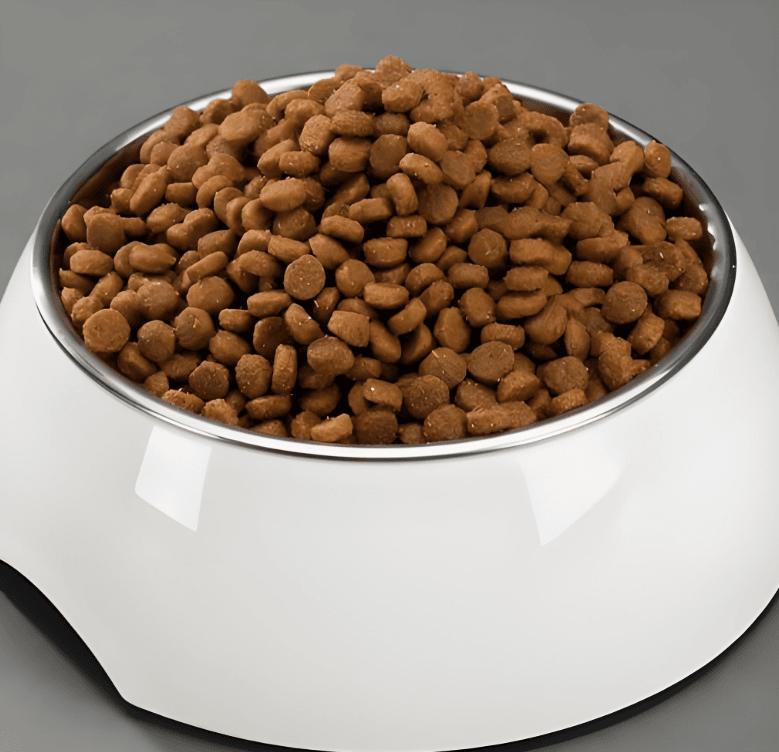
1. Precision Cooking and Gelatinization
At the heart of the extrusion process is thermal cooking. The extruder utilizes a combination of high temperature, pressure, and mechanical shear within its barrel. pet food maker machine This controlled environment effectively cooks the mixture of proteins (like meat meals or plant-based proteins), carbohydrates (grains, starches), fats, vitamins, and minerals. A critical function here is the gelatinization of starches. This process breaks down starch molecules, making them highly digestible for pets and serving as a natural binder for the final kibble structure.
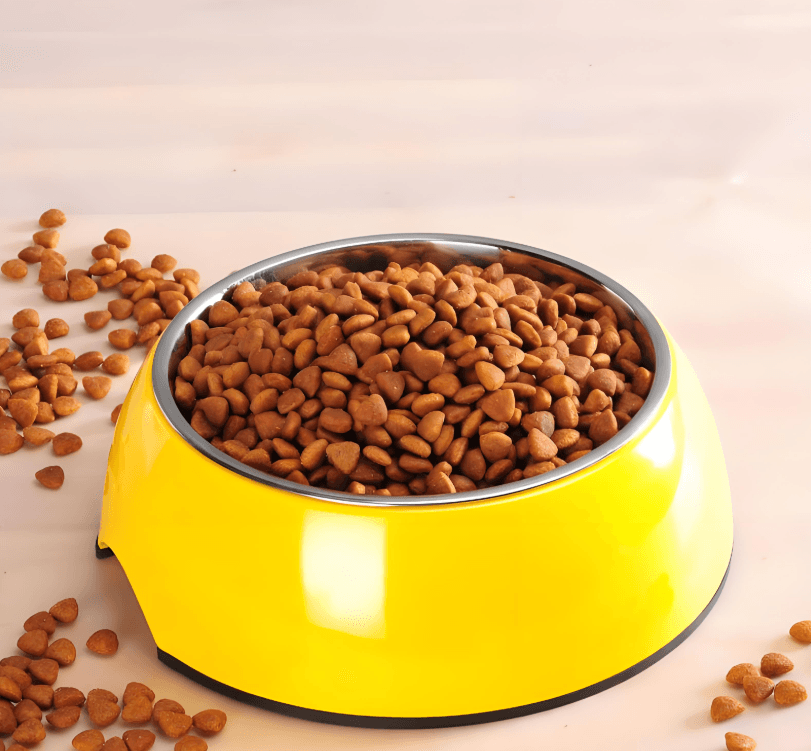
2. Nutrient Enhancement and Safety
The high-temperature process serves a vital safety function: pasteurization. It eliminates harmful bacteria, molds, and other potential pathogens, ensuring the final product is safe for consumption. Furthermore, the heat helps denature proteins, improving their digestibility and bioavailability for pets. It also inactivates natural anti-nutritional factors present in some raw ingredients, such as trypsin inhibitors in soybeans.
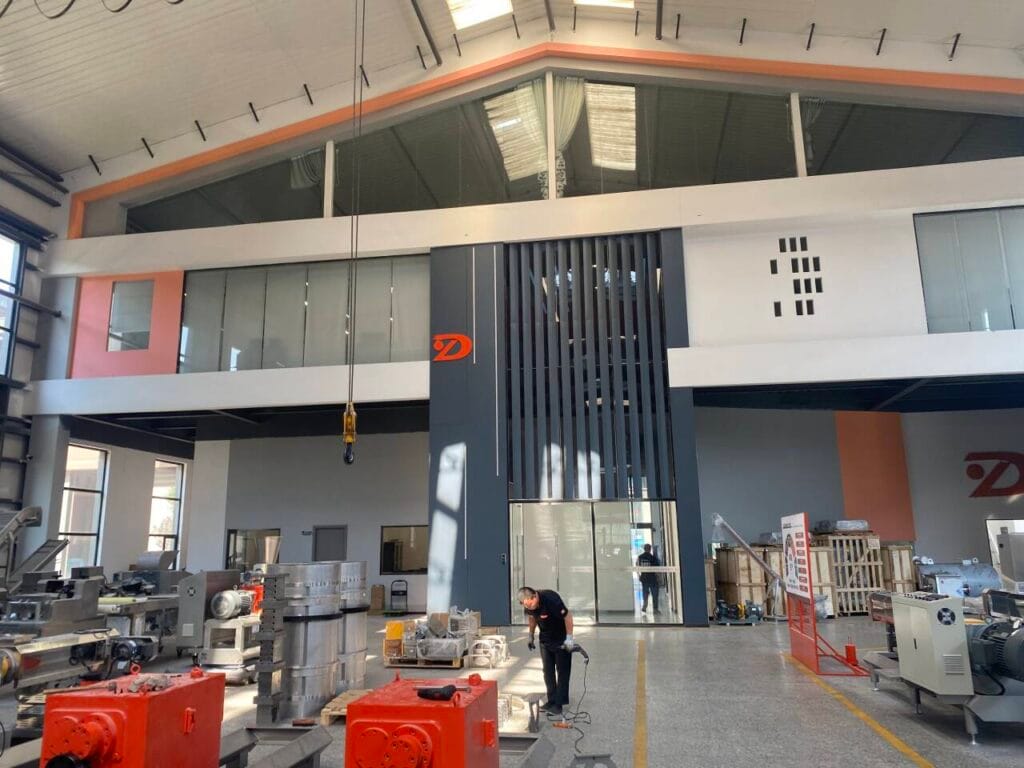
3. Shaping and Structuring
One of the most visible functions of the extruder is shaping. As the cooked, molten dough is forced through a specially designed die at the end of the barrel, pet food maker machine it is cut into specific shapes and sizes by a rotating knife. This allows for incredible versatility—producing kibble in forms ranging from tiny balls for kittens and puppies to intricate shapes for adult dogs, cats, or even specific breeds. The expansion of the dough as it exits the high-pressure environment into atmospheric pressure creates the characteristic porous, airy texture of dry kibble.
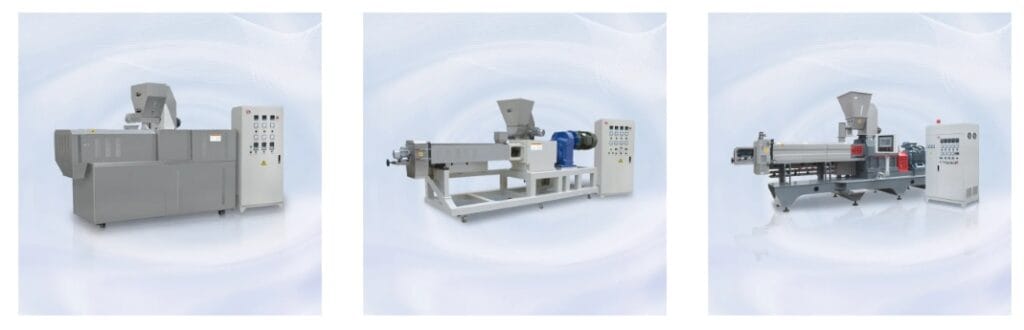
4. Density and Texture Control
Operators have precise control over the kibble’s final density and texture by adjusting parameters like ingredient formulation, moisture content, screw speed, and temperature. For instance, a denser, less-expanded kibble can be created for dental health claims, providing a scraping action on teeth. Conversely, a lighter, crispier texture might be preferred for palatability.
5. Oil and Flavor Integration
After extrusion and cutting, the hot, porous kibble is ideal for coating and flavor enhancement. In a subsequent drying and cooling process, liquid digest, flavor enhancers, and protective oils (like omega-rich fish oil or chicken fat) are uniformly applied. The kibble’s porous structure readily absorbs these coatings, significantly boosting palatability and ensuring even distribution of essential fatty acids and flavors.
6. Production of Functional and Specialized Diets
Modern extruders are capable of producing a wide array of specialized pet foods. By precisely adjusting the recipe and processing conditions, manufacturers can create:
- High-meat formulas: Managing higher fat and protein levels.
- Grain-free diets: Utilizing alternative starches like potatoes or peas.
- Veterinary or therapeutic diets: Formulated for specific health conditions like renal care, weight management, or urinary health.
- Treats and snacks: With different textures like crunchy or semi-moist.
7. Efficiency and Scale
Extruders are designed for high-volume, continuous production. pet food maker machine They efficiently process tonnes of raw material per day with consistent quality, making commercial pet food production economically viable. This efficiency also contributes to stable shelf life, reducing waste.
The pet food extruder is a marvel of food engineering, seamlessly integrating cooking, shaping, texturizing, and sterilizing into one continuous, automated process. Its core functions go far beyond mere formation; they are fundamental to delivering safe, digestible, nutritious, and appealing foo that meets the diverse needs of our companion animals. As pet nutrition science advances, extrusion technology continues to adapt, solidifying its role as an indispensable tool in promoting pet health and well-being.
Leave A Comment