
The Great Divide: A Comprehensive Analysis of Fortified Rice Versus Ordinary Rice
Abstract
Rice (Oryza sativa) is the staple food for over half of the world’s population, providing a significant portion of daily caloric intake for billions, particularly across Asia, Africa, and Latin America. However, while abundant in energy, ordinary milled white rice is notoriously deficient in essential micronutrients, contributing to the hidden hunger of widespread vitamin and mineral deficiencies. Fortified rice emerges as a strategic, cost-effective public health intervention designed to bridge this nutritional gap. This article provides a exhaustive examination of the fundamental differences between fortified and ordinary rice, exploring the historical context, nutritional science, technological processes, sensory attributes, health impacts, economic considerations, global adoption policies, consumer perceptions, and future prospects. This analysis aims to present a holistic understanding of why fortified rice is not merely a food product but a critical tool in the global effort to eradicate malnutrition.Fortified rice making machine .

Table of Contents
- Introduction: The Paradox of Rice – Abundance and Deficiency
- Historical Context and Evolution
- Nutritional Composition: A Microscopic Divide
- The Technology of Transformation: How Ordinary Rice Becomes Fortified
- Sensory Properties: Taste, Appearance, and Texture Under Scrutiny
- Health and Nutritional Impact: From Laboratory to Human Body
- Economic and Cost-Benefit Analysis: Weighing the Investment
- Global Policies, Programs, and Stakeholders
- Consumer Acceptance and Market Dynamics
- Challenges, Limitations, and Criticisms
- The Future of Fortified Rice: Innovation and Integration
- Conclusion: Beyond a Grain – A Lifeline for Millions
1. Introduction: The Paradox of Rice – Abundance and Deficiency
For centuries, rice has been synonymous with life, sustenance, and culture. It is the cornerstone of food security for a massive segment of the global population. Its cultivation shapes landscapes, its trade influences economies, and its consumption is deeply woven into the social and cultural fabric of countless societies. An estimated 3.5 billion people depend on rice for more than 20% of their daily calories. In countries like Bangladesh, Cambodia, and Vietnam, this figure can soar to over 50%.Fortified rice making machine .
Yet, this very abundance masks a profound public health crisis: hidden hunger. Ordinary white rice, in its most commonly consumed form, is a nutritional paradox. The process of milling and polishing, which removes the husk, bran, and germ to create white rice that is shelf-stable and preferred for its taste and cooking qualities, also strips away the vast majority of its intrinsic nutrients. What remains is primarily carbohydrates—a superb source of energy but a poor source of essential vitamins and minerals.
The consequences are dire. Deficiencies in iron, zinc, vitamin A, folate, and B vitamins are rampant in rice-consuming populations. The World Health Organization (WHO) estimates that over two billion people are anemic, many due to iron deficiency. Zinc deficiency impairs immune function and child growth, contributing to nearly half a million deaths annually among children under five. Vitamin A deficiency is a leading cause of preventable childhood blindness. Folate deficiency in pregnant women can lead to severe neural tube defects in newborns.Fortified rice making machine .
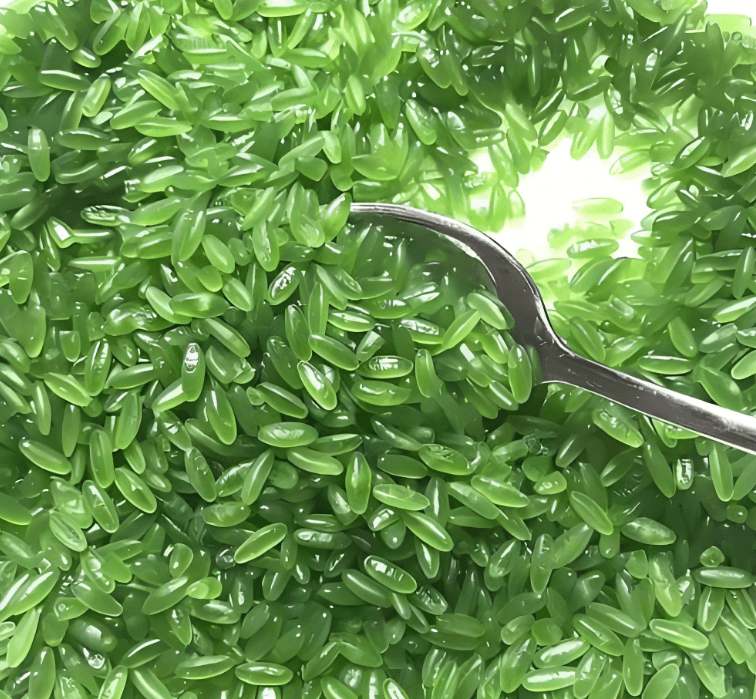
Fortified rice is a direct, strategic response to this crisis. It is not a different species of rice but rather ordinary rice that has been enhanced through technological means to contain vital micronutrients. The core difference is not visible to the naked eye but is biochemical and profoundly significant for human health. It represents the application of food science and public health policy to a ubiquitous food vehicle to solve a ubiquitous problem. This intervention does not require changes in dietary habits—a notoriously difficult public health challenge—but works within the existing culinary framework, making it one of the most practical and scalable solutions available.
2. Historical Context and Evolution
The concept of food fortification is not new. Iodization of salt began in Switzerland and the United States in the early 1920s to prevent goiter and cretinism, representing one of the most successful public health initiatives in history. The fortification of flour with B vitamins and iron became widespread in many Western countries following the Second World War.
The specific idea of rice fortification gained traction in the 1950s and 1960s. Early attempts were rudimentary and faced significant technological hurdles. The challenge was unique: unlike flour, which is a powder that can be easily blended with nutrient premixes, rice is a discrete, solid grain that is washed and cooked in water, creating high potential for nutrient loss.
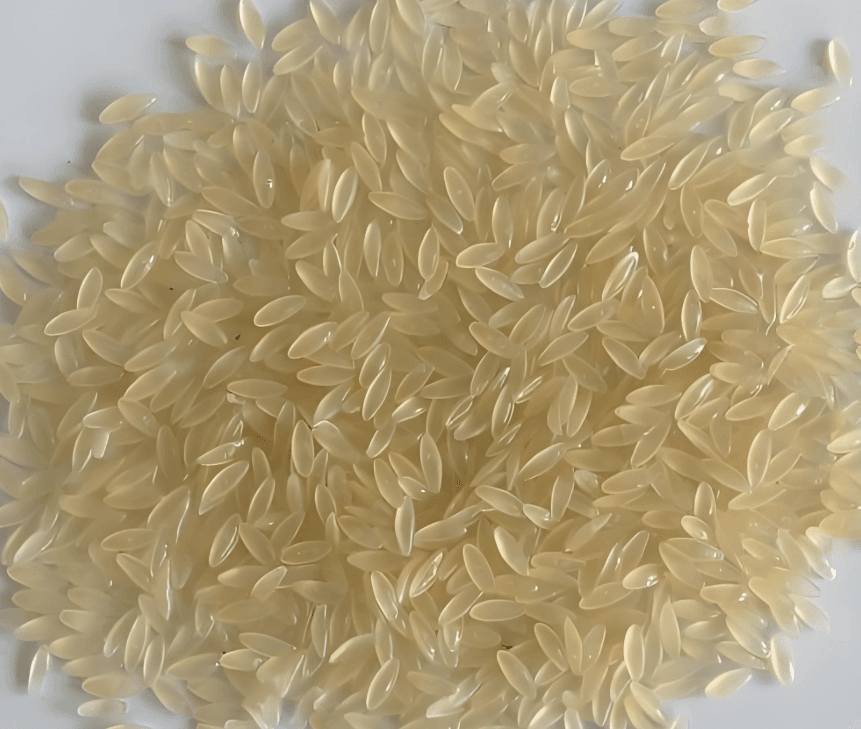
The first major breakthrough came with the development of hot extrusion technology. This involved creating simulated rice grains, or “kernels,” from a mixture of rice flour, nutrients, and a binder. These kernels were designed to resemble ordinary rice grains and to be blended with them at a low ratio (typically 0.5% to 2%). This technology was pioneered in the 1990s and provided a viable method to add nutrients that could withstand storage, washing, and cooking.
Parallel efforts explored coating methods, where a nutrient powder and an edible coating (often a wax or gum) were applied to the surface of ordinary rice grains. While simpler, this method often proved less resistant to nutrient loss during washing and cooking.Fortified rice making machine .
The turn of the 21st century saw a surge in interest driven by a greater global focus on achieving the Millennium Development Goals and subsequently the Sustainable Development Goals (SDGs), particularly SDG 2 (Zero Hunger) and SDG 3 (Good Health and Well-being). Organizations like the World Food Programme (WFP), UNICEF, and the Global Alliance for Improved Nutrition (GAIN) began to champion rice fortification and invest in its deployment, particularly in school feeding programs and for refugee populations. National governments, especially in Southeast Asia and Latin America, started to launch large-scale mandatory and voluntary fortification programs.
Today, the evolution continues with research into biofortification—a complementary but distinct approach. Biofortification uses conventional plant breeding or genetic engineering to develop new rice varieties that naturally contain higher levels of specific nutrients. The most famous example is “Golden Rice,” engineered to produce beta-carotene (a precursor to vitamin A). While biofortification holds great promise for rural, subsistence farmers, it faces its own set of regulatory, adoption, and distribution challenges. Fortification through extrusion or coating remains the most immediately scalable and deployable solution for mass markets.
3. Nutritional Composition: A Microscopic Divide
This is the heart of the difference. The nutritional gap between ordinary and fortified rice is vast and deliberate.
Ordinary White Rice (Milled):
- Macronutrients: Predominantly carbohydrates (approx. 80% of dry weight), with small amounts of protein (7%) and almost negligible fat.
- Micronutrients: The milling process removes the aleurone layer and germ, which contain:
- Approximately 80% of vitamin B1 (thiamine)
- Approximately 70% of vitamin B3 (niacin)
- Approximately 90% of vitamin B6 (pyridoxine)
- Nearly all vitamin E
- The majority of dietary fiber, essential fatty acids, and minerals like magnesium and phosphorus.
- What remains: The endosperm, which is primarily starch. It contains minimal amounts of iron, zinc, and B vitamins unless it is parboiled rice, which undergoes a steam process that drives some nutrients from the bran into the endosperm.Fortified rice making machine .
Fortified Rice:
Fortified rice is designed to restore and often exceed the native nutrient content of unmilled brown rice. The specific nutrient mix, or “premix,” is tailored to address the deficiencies most common in the target population. A typical fortification blend includes:
- Iron: Crucial for oxygen transport in blood and preventing anemia. Often added as ferric pyrophosphate or sodium iron EDTA because these compounds are bioavailable (absorbable by the body) and do not cause significant organoleptic changes (e.g., off-color or taste).
- Zinc: Vital for immune function, cell growth, and division. Commonly added as zinc oxide.
- Folic Acid (Vitamin B9): Essential for cell division and growth. Critical for preventing neural tube defects in developing fetuses.
- Vitamin A: Important for vision, immune function, and reproduction. Added as retinyl palmitate.
- Thiamine (Vitamin B1), Riboflavin (B2), Niacin (B3), and Vitamin B12: The full suite of B vitamins, essential for energy metabolism and neurological function.
The potency of the nutrient premix is calculated based on expected per capita rice consumption to provide a significant portion (e.g., 30-50%) of the Recommended Dietary Allowance (RDA) or Estimated Average Requirement (EAR) when consuming typical daily portions.
The Table Below Illustrates a Typical Nutritional Comparison (per 100g dry weight):
| Nutrient | Ordinary White Rice | Fortified Rice (Example) | % Difference | Health Significance |
|---|---|---|---|---|
| Energy (kcal) | ~365 | ~365 | 0% | Same energy source |
| Carbohydrates (g) | ~80 | ~80 | 0% | Same energy source |
| Protein (g) | ~7 | ~7 | 0% | No significant change |
| Iron (mg) | 0.2 – 0.8 | 5.0 – 14.0 | +625% to +1650% | Prevents anemia, improves cognition |
| Zinc (mg) | 0.8 – 1.2 | 3.0 – 8.0 | +275% to +567% | Boosts immunity, supports growth |
| Folic Acid (μg) | 4 – 8 | 150 – 300 | +3650% to +3750% | Prevents birth defects, supports cell health |
| Vitamin A (μg RE) | 0 | 150 – 300 | Infinite | Prevents blindness, supports immunity |
| Thiamine (B1) (mg) | 0.05 – 0.07 | 0.7 – 1.2 | +1300% to +1714% | Prevents beriberi, aids metabolism |
| Niacin (B3) (mg) | 1.5 – 1.8 | 8.0 – 12.0 | +433% to +567% | Prevents pellagra, aids metabolism |
This table starkly highlights that the difference is not in macronutrients but in the life-changing micronutrients that are added back in a targeted and potent manner.
4. The Technology of Transformation: How Ordinary Rice Becomes Fortified
The transformation from ordinary to fortified rice is an engineering feat. The primary challenge is to ensure the added nutrients survive storage, transportation, washing, and various cooking methods (boiling, steaming, frying). There are three dominant technological approaches:
1. Coating (Dusting):
This is the simplest and oldest method. Ordinary rice grains are coated with a fine powder of micronutrients mixed with an ingredient like wax or gum (e.g., food-grade talc) to help the powder adhere. The mixture is tumbled in a drum to achieve an even coating.Fortified rice making machine .
- Advantages: Low cost, relatively simple technology.
- Disadvantages: The nutrients are on the surface, making them highly susceptible to loss (leaching) during washing and cooking. A significant portion (can be up to 50% or more) can be lost in the wash water, rendering the intervention less effective. This method is therefore considered less efficient and is being phased out in favor of more robust solutions.
2. Hot Extrusion (Kernel-Based Method):
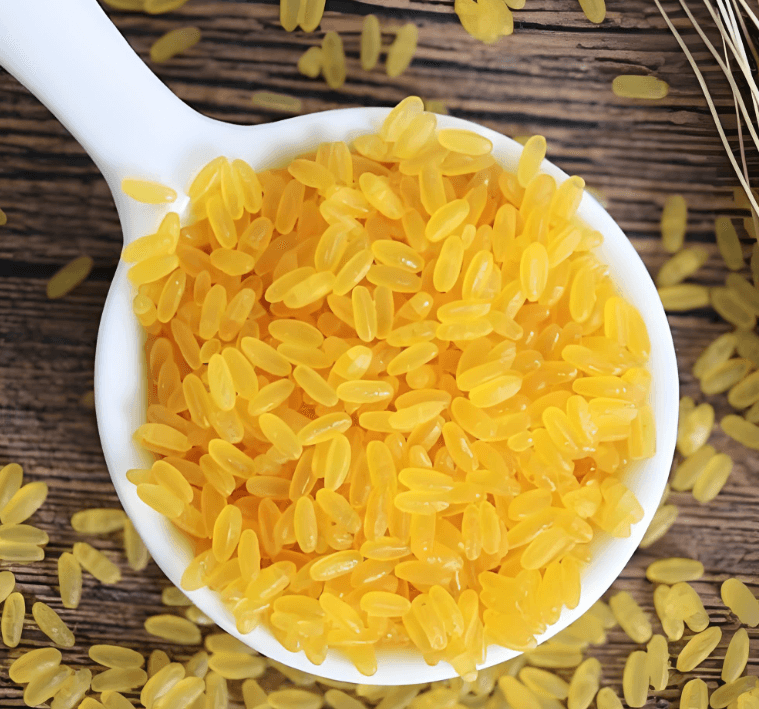
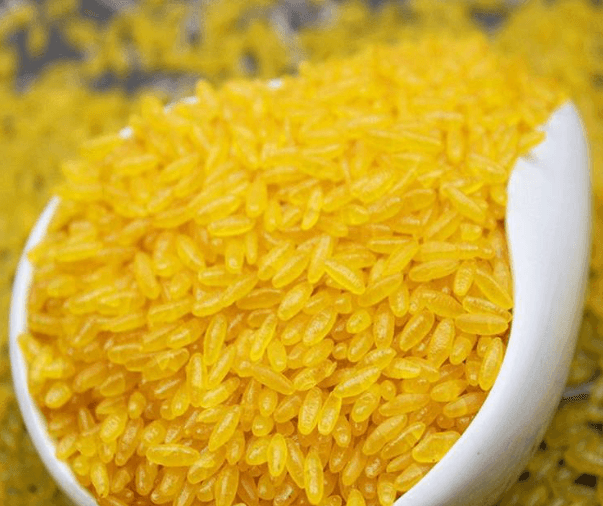
This is the most common and effective industrial method today. It involves creating artificial “fortified rice kernels” that mimic the look, feel, and cooking behavior of natural rice.
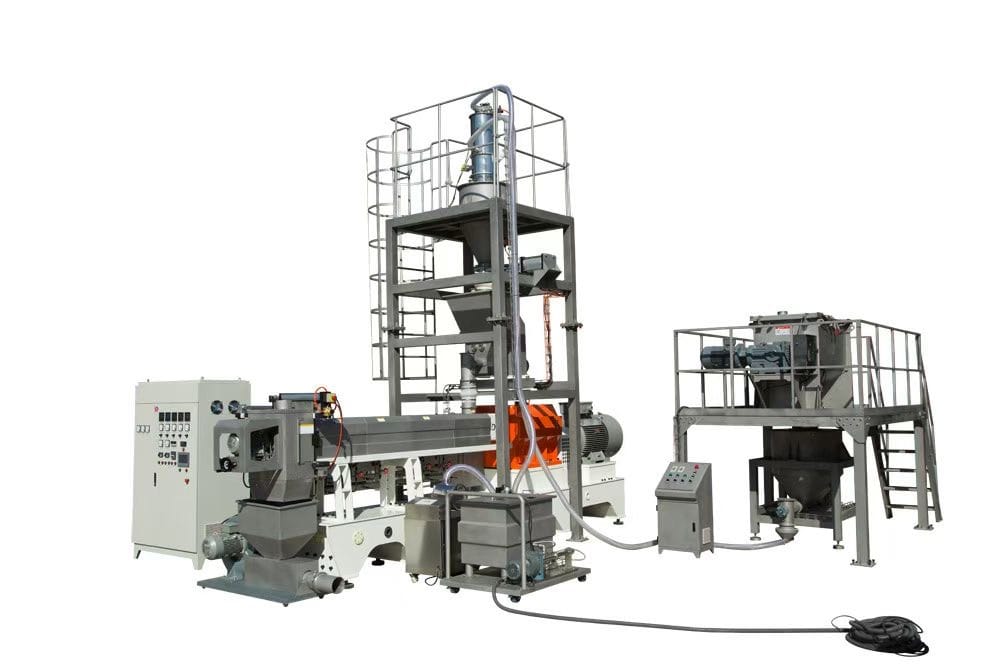
- Process: Rice flour is pulverized and mixed with a precise blend of vitamins and minerals (the premix) along with water and a binder to form a dough. This dough is then passed through an extruder—a machine that uses heat and pressure to force the material through a die. The die is shaped to create grains that look like rice. These grains are then dried and cooled.
- The Final Product: These fortified kernels are extremely dense and hard. They are not meant to be consumed alone. Instead, they are blended with regular, natural rice at a very low ratio, typically 1:100 to 1:200 (i.e., 1 kg of kernels for every 100-200 kg of ordinary rice). This careful blending ensures a homogenous distribution of nutrients in the final bag of rice.
- Advantages: Excellent nutrient retention. The nutrients are inside the kernel matrix, protected from washing and cooking. Losses are typically less than 5% for most nutrients, even after washing and cooking. The kernels are designed to have similar cooking times and texture as the surrounding rice.
- Disadvantages: Higher initial capital investment for the extrusion equipment. Requires sophisticated quality control to ensure consistent blending ratios.Fortified rice making machine .
3. Cold Extrusion:
Similar to hot extrusion but conducted at lower temperatures. It can sometimes offer advantages for heat-sensitive nutrients but may require different binding agents.
4. Biofortification:
As mentioned earlier, this is a breeding strategy, not a post-harvest process. It produces a intrinsically nutritious rice variety where every grain contains higher levels of a target nutrient. The difference is genetic rather than industrial.
- Example – Golden Rice: Genes from maize and a soil bacterium are inserted into the rice genome to enable the production of beta-carotene in the endosperm.
- Example – High-Zinc Rice (e.g., DRR Dhan 45): Developed through conventional breeding to accumulate more zinc in the grain.
- Advantages: Once developed, the seeds can be replanted by farmers (depending on the type), potentially reaching remote populations without complex supply chains. No industrial processing is needed.
- Disadvantages: Long development and regulatory approval timelines. Public acceptance issues, particularly for GMO varieties. Nutrient levels can be influenced by soil and growing conditions.
The extrusion-based method is the technological cornerstone of most current large-scale fortified rice programs, representing the most significant practical difference in the production chain compared to ordinary rice.
5. Sensory Properties: Taste, Appearance, and Texture Under Scrutiny
For any fortified food to be successful, it must be acceptable to consumers. Any noticeable difference in taste, smell, color, or texture can lead to rejection, nullifying the public health benefit.
Ordinary Rice: The sensory standard. Consumers, especially in cultures where rice is a daily staple, have highly specific expectations. They expect a certain shade of white, a particular aroma during cooking, a specific stickiness or fluffiness when cooked, and a neutral, starchy taste.
Fortified Rice (Extrusion Method):
- Color: High-quality fortified kernels are designed to match the color of the local variety of white rice. Iron compounds can sometimes impart a slight grey or yellowish hue, but at the very low blending ratios used (1:200), this is almost always imperceptible once mixed. Any potential discoloration is a key focus of research and development for premix manufacturers.
- Taste and Odor: The nutrients themselves, particularly certain iron compounds and B vitamins, can have metallic or bitter off-tastes. Advanced encapsulation techniques and the use of high-quality, organoleptically neutral compounds (like ferric pyrophosphate) are employed to eliminate this. In a well-produced fortified rice, the taste and smell after cooking are indistinguishable from ordinary rice. Numerous blind taste tests with consumers have confirmed this.
- Texture: This is a critical parameter. The fortified kernels must reconstitute during cooking to have a texture identical to the natural rice grains. If they remain too hard or become too mushy, consumers will notice. Extrusion technology is finely tuned to achieve the perfect texture profile for the target market (e.g., softer for Asian markets, firmer for Middle Eastern markets). The goal is zero discernible difference.
The success of fortified rice hinges on this “invisible” integration. The best compliment for a producer is when a consumer cannot tell the difference between fortified and ordinary rice. Extensive sensory evaluation is a non-negotiable part of the product development and quality assurance process.
6. Health and Nutritional Impact: From Laboratory to Human Body
The ultimate test of the difference between ordinary and fortified rice is its physiological impact. Does consuming fortified rice actually improve nutritional status and health outcomes? Overwhelming evidence from numerous studies says yes.

The Problem with Ordinary Rice: A diet overly reliant on ordinary white rice can lead to what is known as “hidden hunger.” Individuals may feel full and have sufficient energy but are chronically deficient in vitamins and minerals. This has severe consequences:
- Iron Deficiency Anemia: Causes chronic fatigue, reduced work capacity, impaired cognitive development in children, and increased risk of maternal and child mortality.
- Zinc Deficiency: Leads to stunted growth, weakened immune response, increased susceptibility to diarrheal diseases and pneumonia.
- Vitamin A Deficiency: Causes xerophthalmia (which can lead to blindness), and significantly increases mortality from infections like measles.
- B Vitamin Deficiencies: Thiamine deficiency causes beriberi (affecting the cardiovascular and nervous systems). Niacin deficiency causes pellagra (characterized by dermatitis, diarrhea, and dementia). Folate deficiency causes megaloblastic anemia and severe birth defects.Fortified rice making machine .
The Evidence for Fortified Rice:
Multiple controlled trials and large-scale implementation studies have demonstrated the efficacy of fortified rice:
- Anemia Reduction: A landmark study in India involving schoolchildren found that consuming iron-fortified rice for two years significantly increased hemoglobin levels and reduced the prevalence of anemia by over 10%. Similar results have been observed in Thailand, the Philippines, and Brazil.
- Improved Micronutrient Status: Studies show that fortified rice effectively increases serum ferritin (indicating improved iron stores), serum zinc, and plasma vitamin A levels in deficient populations.
- Functional Benefits: Beyond biochemical markers, research points to functional improvements. For example, improved iron status is linked to better cognitive performance and test scores in schoolchildren. Improved zinc status is linked to reduced incidence and duration of diarrheal disease.
- Cost-Effectiveness: The Copenhagen Consensus, a group of leading economists, has repeatedly ranked micronutrient fortification, including rice fortification, as one of the most cost-effective development investments. The cost of fortifying rice is estimated to be only a few dollars per ton, translating to a minuscule cost per person per year, while the benefits in terms of averted healthcare costs, improved productivity, and enhanced economic potential are enormous.
The difference, therefore, is not just chemical but biological and societal. Fortified rice moves beyond mere sustenance towards enabling full human potential and economic development.Fortified rice making machine .
7. Economic and Cost-Benefit Analysis: Weighing the Investment
The economic differences between ordinary and fortified rice are multifaceted, involving production costs, consumer prices, and broader societal economics.
Production Cost:
- Ordinary Rice: Cost is determined by agriculture (seeds, water, fertilizer, labor), milling, storage, and distribution.
- Fortified Rice: Incurs all the same costs, plus the additional costs of:
- The vitamin and mineral premix.
- The capital investment in extrusion and blending equipment.
- The operational cost of running the extrusion line (energy, labor).
- Quality control and testing to ensure nutrient levels are maintained.
The additional cost of fortification is surprisingly low, typically estimated at 2% to 5% of the retail price of the rice. For a consumer, this might mean paying an extra $0.50 to $1.00 for a 20kg bag of rice.
Consumer Price:
The slightly higher cost can be a barrier for the poorest consumers, which is why government or donor subsidies are often crucial for initial rollout and targeting vulnerable groups. However, as scale increases and technology becomes more widespread, these costs continue to decrease.
Societal Cost-Benefit:
This is where the economic argument for fortified rice becomes overwhelming. The cost of not fortifying is immense:
- Healthcare Costs: Treating illnesses caused by micronutrient deficiencies strains public health systems.
- Lost Productivity: Anemic adults are too tired to work at full capacity, reducing economic output. The World Bank estimates that countries lose 2-3% of their GDP to vitamin and mineral deficiencies.
- Impaired Cognitive Potential: Children who are deficient in iodine, iron, and zinc do not develop to their full cognitive potential, leading to lower educational attainment and lower future earnings.
Studies show that every dollar invested in micronutrient fortification can yield $8 to $30 in economic returns from averted healthcare, improved earnings, and increased productivity. Therefore, while the upfront price difference is small, the long-term economic difference for a nation is profound. Fortified rice is an investment in human capital.Fortified rice making machine .
8. Global Policies, Programs, and Stakeholders
The journey of fortified rice from a factory to a family’s plate is often guided by policy. This is a key difference: ordinary rice is a commodity, while fortified rice is often a public health tool.
Mandatory vs. Voluntary Fortification:
- Mandatory Fortification: The government mandates that all rice sold for human consumption must be fortified. This is the most effective way to achieve population-wide impact, as seen with iodized salt. Countries like Costa Rica, Panama, Papua New Guinea, and the Philippines have implemented mandatory rice fortification schemes.
- Voluntary Fortification: The government sets standards for fortification but does not mandate it. Manufacturers can choose to fortify their products and often use it as a value-added marketing point. This is common in many countries, including the United States.Fortified rice making machine .
Key Stakeholders and Programs:
- Governments: Set standards, regulations, and policies. Ministries of Health drive the public health agenda, while Ministries of Agriculture and Trade oversee implementation.
- World Food Programme (WFP): A major global driver. The WFP has committed to procuring only fortified rice for its food assistance programs, providing a huge market pull and benefiting millions of refugees and schoolchildren.
- UNICEF & GAIN: Provide technical assistance, evidence generation, and support to governments in designing and scaling up programs.
- Private Sector: Rice millers and food technology companies invest in the equipment and expertise to produce fortified rice. They are essential partners.
- Civil Society: Plays a role in advocacy and monitoring.
The landscape of adoption is a patchwork. In the Americas, programs are advanced. In Asia, countries are moving rapidly from pilot projects to national scale. In Africa, awareness is growing. This policy-driven ecosystem is a fundamental difference in how fortified rice is positioned in the market compared to ordinary rice.
9. Consumer Acceptance and Market Dynamics
Understanding the consumer is critical. The market for ordinary rice is mature and driven by price, variety (e.g., Basmati, Jasmine), and quality. The market for fortified rice adds a new dimension: health.
Drivers of Acceptance:
- Health Awareness: As consumers become more educated about nutrition, they seek out healthier options.
- Trust in Authorities: If recommended by government health agencies or trusted international organizations, consumers are more likely to accept it.
- No Sensory Change: As established, if it looks, cooks, and tastes the same, acceptance is high.
- Effective Marketing: Messaging that focuses on the benefits for children’s growth and development or for women’s health is particularly powerful.
Barriers to Acceptance:
- Price Sensitivity: Even a small price increase can deter the poorest households.
- Misinformation and Fear: Concerns that it is “unnatural,” “genetically modified,” or “full of chemicals” can spread quickly and must be proactively countered with clear communication.
- Lack of Awareness: If consumers don’t understand the benefit, they see no reason to pay extra.
Market dynamics are evolving. Fortified rice is increasingly found not just in government programs but also on commercial supermarket shelves, competing directly with ordinary rice by offering added value.
10. Challenges, Limitations, and Criticisms
No intervention is perfect, and fortified rice faces its own set of challenges:
- Technological Hurdles: Maintaining nutrient stability over long storage periods in hot and humid climates remains a challenge for some vitamins.
- Equity and Access: Ensuring the most vulnerable populations, who often buy rice in small quantities from informal markets, can access fortified rice is difficult.
- Over-reliance: A critical criticism is that fortification should not be a substitute for promoting diverse, healthy diets. It is a complementary strategy to address urgent deficiencies while long-term solutions (like dietary diversification) are pursued.
- Monitoring and Enforcement: Ensuring that all brands comply with fortification standards requires a robust regulatory system for sampling and testing, which can be weak in some countries.
11. The Future of Fortified Rice: Innovation and Integration
The future of fortified rice is bright and innovative:
- Improved Premixes: Research into more stable, bioavailable, and organoleptically neutral nutrient compounds continues.
- Multi-Micronutrient Platforms: Combining rice fortification with other fortified staples (oil, salt, flour) for a cumulative impact.
- Digital Integration: Using QR codes on bags to provide consumers with information and verification of fortification, building trust.
- Synergy with Biofortification: A future where farmers grow biofortified high-zinc rice, which is then further fortified with iron and vitamins industrially, creating a “double-fortified” super food.
12. Conclusion: Beyond a Grain – A Lifeline for Millions
The difference between fortified and ordinary rice is a testament to human ingenuity in the face of a persistent global challenge. It is a difference measured not in calories, but in cognitive potential, immune strength, and maternal and child survival. It is the difference between a population merely being fed and a population truly nourished.Fortified rice making machine .
Ordinary rice remains a cultural icon and a vital source of energy. But fortified rice represents the evolution of this staple into a powerful vehicle for health and development. It is a practical, cost-effective, and scalable solution that works within existing food systems. By seamlessly delivering essential nutrients to the billions who depend on rice, it closes the nutritional gap that ordinary rice leaves open. The choice between ordinary and fortified rice is, therefore, more than a consumer preference; it is a choice between accepting widespread hidden hunger or taking a definitive, evidence-based step towards eliminating it. The tiny, engineered kernels blended into a bag of fortified rice carry within them the promise of a healthier, more productive, and more equitable future.Fortified rice making machine .
Leave A Comment