
The Golden Standard: A Guide to Producing High-Quality Breadcrumbs
Breadcrumbs are a ubiquitous ingredient, found in kitchens worldwide for creating crispy coatings, adding texture to stuffings, and binding recipes together. However, not all breadcrumbs are created equal. Breadcrumbs making machine The difference between a mediocre and a high-quality product is profound and lies in a meticulous production process that prioritizes the raw materials, processing techniques, and final handling.
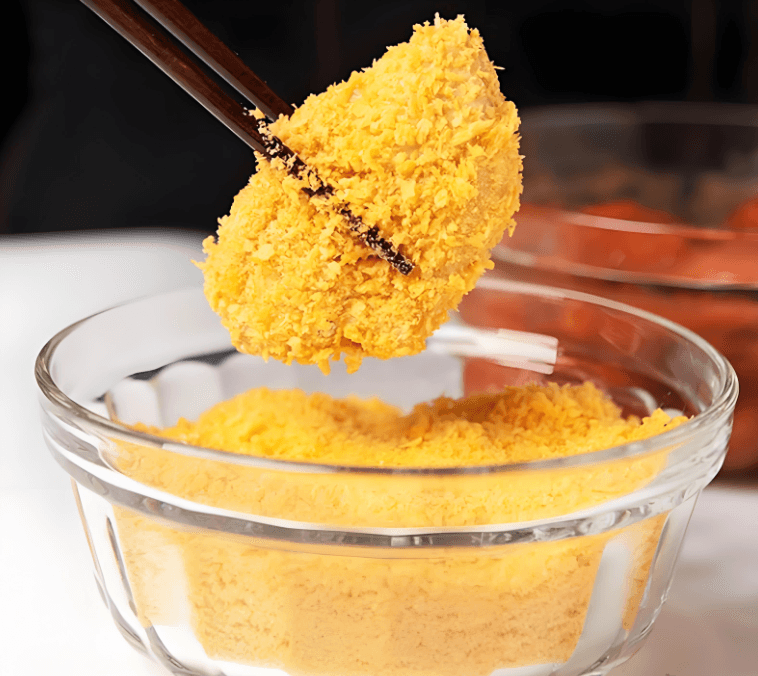
Producing superior breadcrumbs requires a focus on several critical details, from the very beginning to the final packaging.
1. The Foundation: Selecting the Right Bread
The quality of the final breadcrumb is intrinsically linked to the quality of the bread used.
- Detail: Bread Formulation. High-quality breadcrumbs start with a specific bread recipe. The ideal bread has a firm, tight crumb structure, a neutral or slightly savory flavor profile, and a low sugar and fat content. High sugar content can cause excessive browning and burning during the drying and frying stages when the breadcrumbs are used. Artisan-style loaves or specially formulated “crumb bread” are excellent choices.
- Detail: Staling (Aging). Fresh bread is difficult to crumb effectively as it gums up machinery. Quality producers allow bread to “stale” naturally for 12-24 hours. This process,Breadcrumbs making machine known as retrogradation, allows the starch molecules to recrystallize, resulting in a drier, firmer loaf that grates into perfect, separate crumbs rather than a paste. Rushing this step with excessive heat compromises texture.
2. The Processing: Grinding and Sizing
This stage is where the signature texture of the breadcrumb is defined.
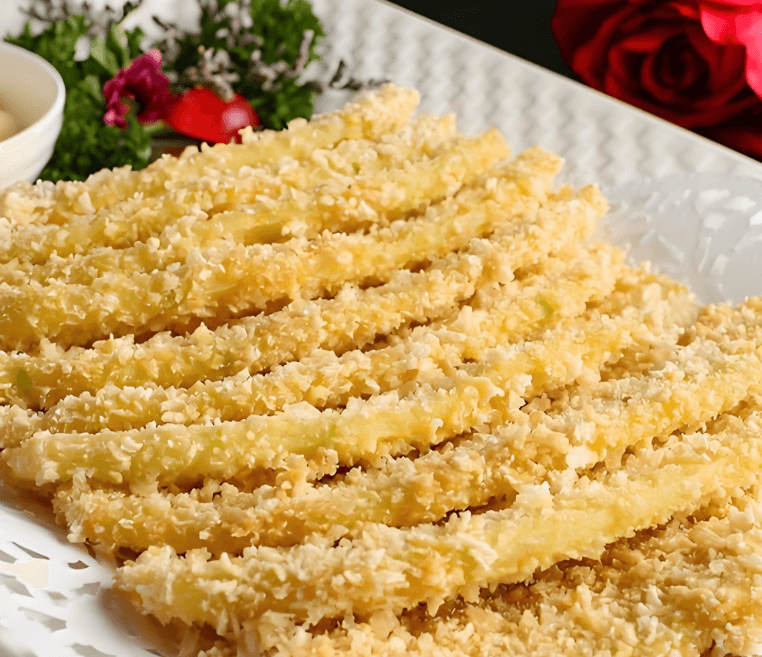
- Detail: Primary Grinding. The stale bread is first broken down through a coarse grinder or a shredder. The goal is to create uniform pieces that can be further processed consistently.
- Detail: Drying. The moist, coarse crumbs must be dried to a low moisture content (typically below 10%) to ensure shelf stability and a crisp texture. The drying method is crucial:
- Gentle Air Drying: Using dehumidified, warm air is the best method for premium breadcrumbs. It gently removes moisture without toasting the crumbs, preserving their pale, golden color and neutral flavor.
- Oven Drying: Must be carefully controlled at low temperatures.Breadcrumbs making machine High heat can toast or even bake the crumbs, altering their color and flavor, which makes them prone to burning during later use.
- Detail: Secondary Milling and Sifting. After drying, the crumbs are milled to their final consistency—whether coarse, medium, fine, or panko-style. They are then passed through a series of sieves or sifters. This is a critical step for quality control. Sifting ensures a perfectly uniform particle size, which is essential for even adhesion and consistent browning when used as a coating. Fines (very small particles) are removed, as they can create a pasty, rather than crispy, coating.
3. The Hallmark of Quality: Panko-Style Breadcrumbs
Producing authentic, high-quality Panko requires a specific process.
- Detail: The Bread. Panko is made from bread baked with an electrical current, which creates a unique, airy, crustless loaf with a very uniform cell structure.
- Detail: The Grind. Instead of grinding, the dried bread is processed through special rollers that “flake” it apart along its natural cell boundaries. This creates the signature light, shard-like, elongated flakes that result in an exceptionally crispy and airy texture, absorbing less oil than traditional crumbs.
4. Final Steps: Fortification, Flavoring, and Packaging
For the highest quality, the process does not end with milling.
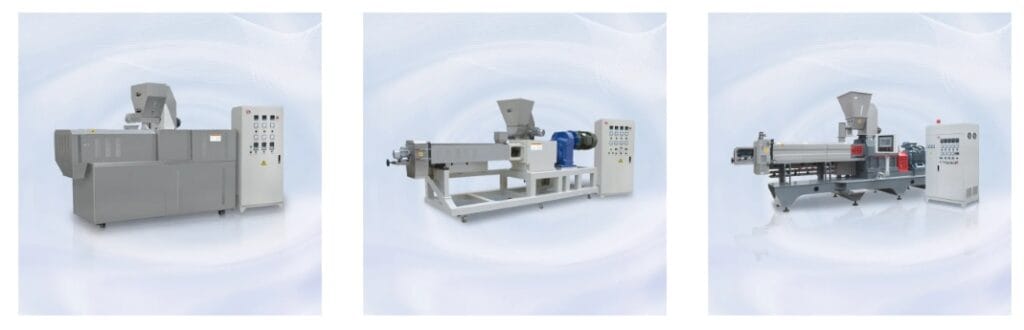
- Detail: Flavoring and Seasoning (if applicable). For seasoned varieties, high-quality producers use dry herbs, spices, and seasonings. The blend must be evenly distributed using ribbon mixers to ensure every batch is consistent. Low-quality producers may use oil-based flavorings, which can lead to clumping and reduced shelf life.
- Detail: Fortification (Optional). Some high-quality breadcrumbs are fortified with added fiber or protein to enhance their nutritional profile, appealing to health-conscious consumers.
- Detail: Packaging. Immediate packaging is essential to protect the breadcrumbs from its two biggest enemies: moisture and air. High-barrier, sealed packaging (often with nitrogen flushing to displace oxygen) is used to lock in freshness, prevent staleness, and protect against rancidity.
Producing high-quality breadcrumbs is a deliberate process where every detail matters. Breadcrumbs making machineIt begins with selecting the right bread and allowing it to age properly, continues with controlled drying and precise milling and sifting, and ends with protective packaging. The result is a product with a uniform, appealing color, a consistent particle size, a neutral base flavor, and a dry, crisp texture that performs reliably in the kitchen. Whether used for a perfect schnitzel or a flavorful gratin, these breadcrumbs provide the flawless crunch and texture that define a professionally prepared dish.
Leave A Comment