
The Engine of Aquaculture: A Comprehensive Guide to Modern Fish Feed Production Lines
Introduction: The Silent Revolution in Aquatic Nutrition
The global aquaculture industry, now the fastest-growing food production sector in the world, stands as a critical answer to the escalating demand for animal protein. At the heart of this silent blue revolution lies a technological marvel often overlooked: the industrial fish feed production line. More than a simple mixer and grinder, this is a complex, integrated system of mechanical, extruder machine for fish feed thermal, and hydraulic engineering, governed by precise nutritional science. The quality of feed directly dictates the economic viability and environmental sustainability of any aquaculture operation. Superior feed maximizes growth, optimizes the Feed Conversion Ratio (FCR), bolsters fish health, and minimizes waste, thereby protecting water quality. Conversely, poor-quality feed leads to economic loss, disease outbreaks, and ecological damage.
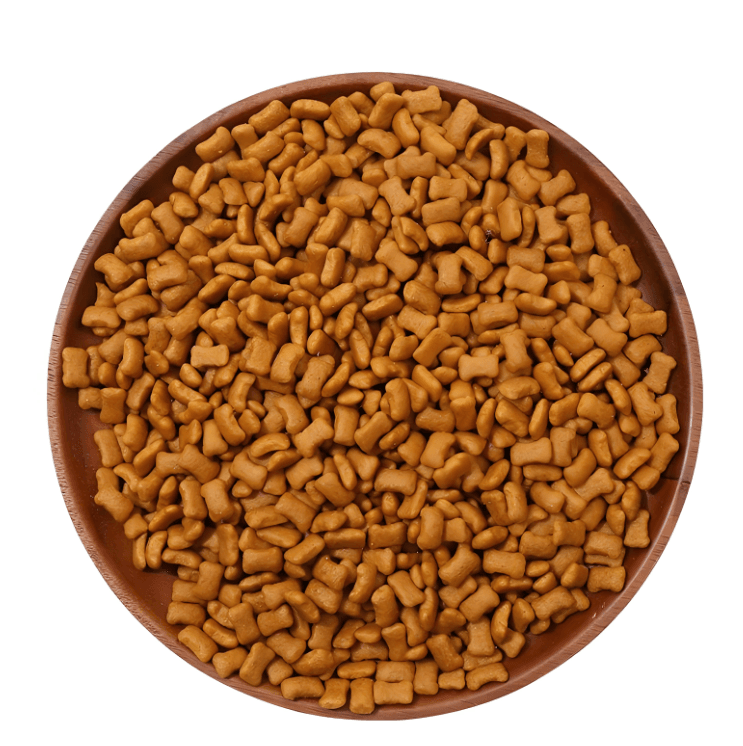
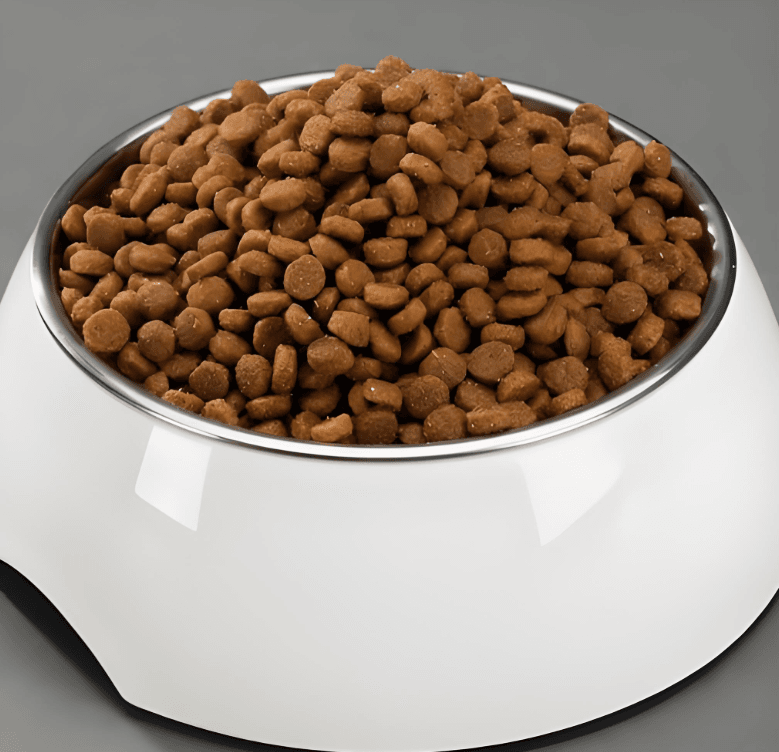
The evolution from simple, moist feeds to today’s sophisticated, floating or sinking extruded pellets represents a journey of innovation. This article provides a detailed examination of a modern fish feed production line, dissecting its components, processes, and the underlying scientific principles. We will explore the journey of raw materials—from grains and fishmeal to micronutrients—as they are transformed into a stable, durable, and highly digestible pellet, extruder machine for fish feedready to fuel the growth of everything from freshwater tilapia to marine Atlantic salmon.
Section 1: The Foundation – Raw Material Reception and Storage
The axiom “garbage in, garbage out” is profoundly true in feed manufacturing. The entire production process is constrained by the quality of its raw materials. Therefore, the first stage of the line is dedicated to the careful handling, testing, and storage of ingredients.
1.1. Ingredient Categories and Their Handling
Raw materials are broadly categorized as:
- Macro-Ingredients: These form the bulk of the formula. They include:
- Protein Meals: Fishmeal (the traditional gold standard), soybean meal, rapeseed meal, corn gluten meal, and alternative proteins like insect meal or single-cell proteins. These are typically delivered in bulk by truck or ship and are powdery or granular in nature.
- Energy Sources: Grains like wheat, corn, and barley; and their by-products. These provide carbohydrates for energy and binding.
- Lipids (Oils): Fish oil, vegetable oils (soybean, rapeseed, palm), and phospholipids. These are delivered in liquid tankers and stored in heated, insulated tanks to maintain viscosity.
- Micro-Ingredients: These are added in small quantities but have an outsized impact. They include:
- Vitamin and Mineral Premixes: Pre-blended mixtures to ensure uniform distribution.
- Amino Acids: Synthetic methionine and lysine to balance the amino acid profile.
- Binders: Specialized polymers like guar gum or lignin sulfonate to enhance pellet stability.
- Attractants and Pigments: Compounds like betaine to stimulate feeding, and carotenoids (astaxanthin, canthaxanthin) to impart flesh color in salmonids.
1.2. Reception and Preliminary Cleaning
Upon delivery, macro-ingredients are unloaded, often via pneumatic systems for powders or bucket elevators for grains. The first step is always a cleaning process, typically involving magnetic separators to remove ferrous metals (screws, bolts) and sieves/sifters to remove oversized impurities like stones, strings, or other foreign materials. extruder machine for fish feed This is crucial for protecting downstream machinery, especially the grinders and extruders, from severe damage.
1.3. Storage Silos and Condition Monitoring
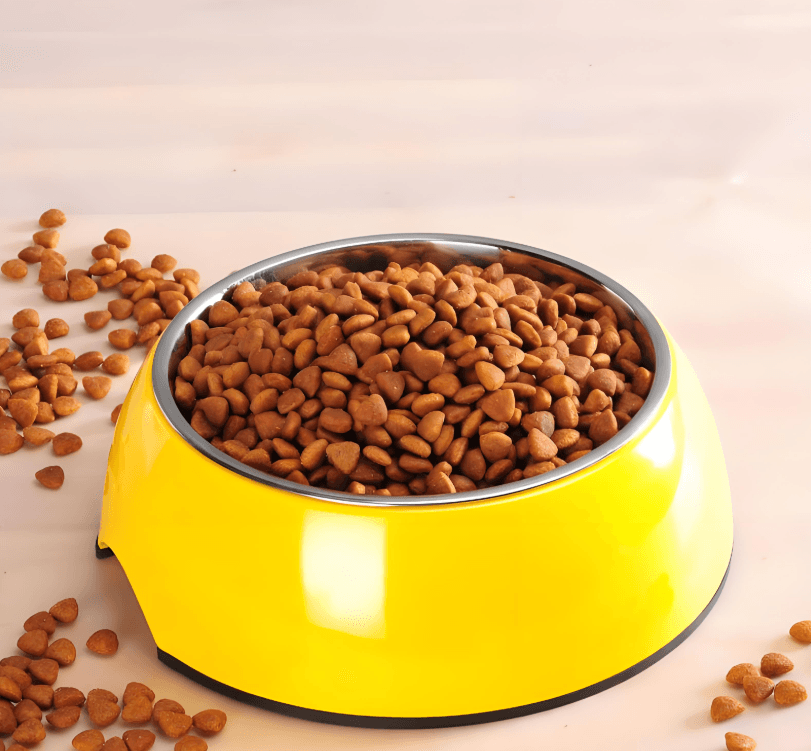
Cleaned macro-ingredients are conveyed to large, dedicated storage silos. The design and management of these silos are critical. They must be constructed from appropriate materials (e.g., stainless steel for corrosive ingredients like salt) and equipped with aeration systems to prevent caking and spoilage. Modern silos are fitted with level sensors and temperature cables to monitor for “hot spots,” which can indicate microbial activity and the onset of spoilage.
For liquid ingredients, storage tanks are equipped with heating coils and agitators to prevent solidification and separation.
1.4. Quality Assurance at Reception
A robust Quality Control (QC) protocol is implemented at this stage. Before an incoming load is accepted, QC personnel take representative samples for a battery of tests. These may include:
- Proximate Analysis: Rapid tests for moisture, protein, fat, and ash.
- Specific Tests: For fishmeal, tests for protein quality, salt, and histamine (an indicator of spoilage) are conducted. For grains, mycotoxin screening is essential.
- Physical Inspection: For color, odor, and presence of contaminants.
Only after passing these checks is the raw material approved for use in production.
Section 2: The First Transformation – Grinding and Powder Handling
The goal of the grinding process is to standardize the particle size of all raw materials, creating a uniform powder or “mash.” This is a fundamental step that influences nearly all subsequent processes.
2.1. The Critical Importance of Particle Size Reduction
Reducing particle size serves three primary purposes:
- Increased Surface Area: A smaller particle size dramatically increases the total surface area of the ingredients. This is vital for efficient digestion, as digestive enzymes have more area to act upon, leading to higher nutrient availability and better FCR.
- Homogeneous Mixing: Achieving a uniform distribution of micro-ingredients (which may constitute less than 1% of the diet) is impossible if they are mixed with large, coarse particles. A consistent, fine particle size is the foundation of a homogenous mix, ensuring every pellet contains the exact intended nutritional profile.
- Enhanced Pellet Quality: The particle size distribution directly affects the pellet’s structural integrity during and after extrusion. A fine, consistent grind allows for better starch gelatinization and protein cross-linking, resulting in a stable, water-durable pellet that minimizes nutrient leaching.
2.2. Grinding Equipment: Hammer Mills and Beyond
The workhorse of most feed mills is the hammer mill. It consists of a high-speed rotor fitted with swinging hammers inside a hardened steel chamber. extruder machine for fish feed The material is fed into the chamber and is shattered by the impact of the hammers until it is small enough to pass through a surrounding screen. The size of the screen’s perforations dictates the maximum particle size of the ground product.
- Advantages: Versatility, high capacity, ability to handle a wide range of ingredients.
- Disadvantages: High energy consumption, generation of heat (which can damage heat-sensitive nutrients), and the production of a wide range of particle sizes (a broad “particle size distribution”).
An alternative is the roller mill, which crushes the material between two counter-rotating rollers. This method is more energy-efficient, generates less heat, and produces a more uniform particle size with fewer “fines” (dust particles). However, it is less effective for oily or fibrous materials.
2.3. Targeting the Optimal Particle Size
For most aquafeeds, the target is a mean particle size between 200 and 400 microns (µm). For smaller fish or larval feeds, which require micro-pellets, the particle size must be even finer (e.g., < 150 µm). This is monitored using laser diffraction particle size analyzers. The ground material is then transported via mechanical (screw conveyors, bucket elevators) or pneumatic systems to the batching and mixing section.
Section 3: The Intellectual Core – Weighing, Batching, and Mixing
This is where the formulated recipe is physically realized. Precision and accuracy at this stage are non-negotiable; a small error here can render an entire batch nutritionally imbalanced.
3.1. The Batching System
The production line is controlled by a central Programmable Logic Controller (PLC) that manages the batching process. The formulation, extruder machine for fish feed stored in the system’s computer, dictates the exact weight of each ingredient required for a batch (which can range from 500 kg to 5,000 kg depending on the plant’s scale).
- Macro-Ingredients: These are discharged from their storage silos via screw feeders or slide gates onto high-capacity scales. The system typically uses a “dribble” feed mechanism—a fast feed for the bulk of the material and a slow, precise feed for the final amount—to achieve high weighing accuracy.
- Micro-Ingredients: These are handled in a separate, often dust-controlled, room. They are weighed using high-precision analytical balances to the nearest gram. To ensure their uniform distribution in the large batch, they are first pre-mixed with a “carrier” substance (like rice bran or corn gluten) to create a larger, more manageable “premix.” This premix might constitute 0.5-1% of the final batch.
3.2. The Mixing Process: Achieving Homogeneity
The weighed ingredients are then conveyed to the mixer. The industry standard for achieving a homogenous blend is the horizontal ribbon mixer. This machine consists of a horizontal, U-shaped trough with a central shaft running its length. On this shaft are attached inner and outer helical ribbons. As the shaft rotates, the ribbons move the material in opposite directions, creating a highly efficient folding and shearing action that thoroughly intermingles the particles within minutes.
The mixing time is a critical parameter determined through validation studies. Under-mixing results in a non-uniform product, while over-mixing can cause “de-mixing” or segregation, where particles separate based on size and density. The optimal time is found by adding a tracer (e.g., salt or a colored dye) to the batch and measuring its concentration in multiple samples at different time intervals until the variation between samples is minimized.
3.3. Liquid Addition during Mixing
Some liquid ingredients, such as small amounts of oil or molasses, can be sprayed into the mixer to coat the solid particles. However, adding too much liquid at this stage can cause the powder to become sticky and form balls, compromising mix uniformity. The primary liquid addition point is usually after extrusion, in a dedicated coating step.
The resulting homogeneous blend, now called “mash,” is the final product of this stage and is ready for the transformative process of conditioning and extrusion.
Section 4: The Heart of the Matter – Conditioning and Extrusion
This is the most complex and critical stage in the production of modern aquafeed. Extrusion cooking is a high-temperature, short-time (HTST) process that uses a combination of moisture, heat, pressure, and mechanical shear to cook the mash and form it into pellets with specific physical properties.
4.1. Pre-Conditioning: The Prelude to Cooking
Before the mash enters the extruder, it is often passed through a pre-conditioner. This is a vertical or horizontal chamber where the dry mash is mixed with live steam and sometimes hot water. The purposes of pre-conditioning are:
- Pre-Hydration: To add moisture uniformly, beginning the starch gelatinization process.
- Pre-Heating: To raise the temperature of the mash, reducing the mechanical energy required in the extruder barrel and improving overall efficiency.
- Partial Cooking: To begin deactivating anti-nutritional factors present in some plant proteins.
Residence time in the pre-conditioner is typically 2-4 minutes. A well-conditioned mash is crucial for stable extrusion and final pellet quality.
4.2. The Extruder: A Biochemical Reactor
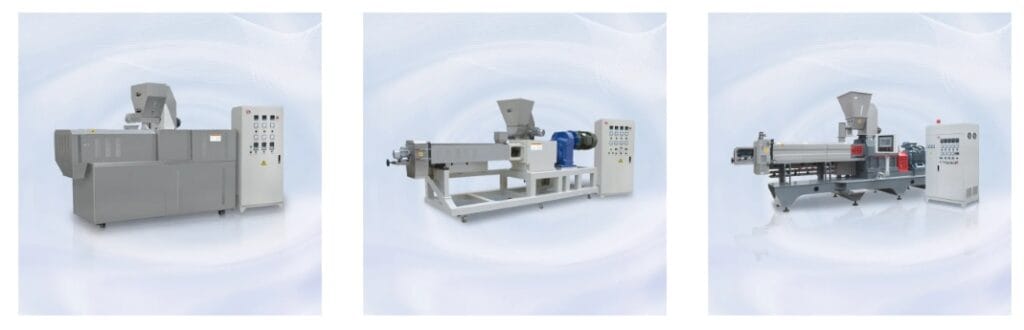
For high-quality aquafeed, the twin-screw extruder is the machine of choice. It offers superior flexibility, control, and ability to handle high-fat and high-moisture recipes compared to single-screw extruders. It consists of two intermeshing, co-rotating screws housed inside a segmented barrel. The barrel sections can be heated or cooled, and the screw configuration (the arrangement of conveying, kneading, and reverse elements) can be customized for specific recipes.
The extrusion process inside the barrel can be divided into several zones:
- Feed and Conveying Zone: The conditioned mash is introduced and conveyed forward.
- Kneading and Compression Zone: Here, the screws, fitted with kneading blocks, work the dough intensely. The combination of mechanical shear and external heating from the barrel generates tremendous friction and heat. This energy input, extruder machine for fish feed along with the added moisture, causes profound physicochemical changes:
- Starch Gelatinization: Starch granules swell, lose their crystalline structure, and burst, releasing amylose and amylopectin chains. This gelatinized starch acts as a powerful natural binder, giving the pellet its water stability and texture.
- Protein Denaturation: Protein molecules unfold (denature), exposing their functional groups. This improves their digestibility and allows them to form a protein matrix that contributes to pellet binding.
- Destruction of Anti-Nutritional Factors: Heat-labile compounds like trypsin inhibitors in soybeans are effectively destroyed.
- Cooking and Melting Zone: The material becomes a plasticized, viscous dough under high pressure (up to 40-50 bar).
- Die Zone: The cooked dough is forced through a die plate at the end of the barrel. The die has holes of specific shape, size, and length that give the pellet its final diameter and shape. The moment the material exits the die, it experiences a sudden pressure drop to atmospheric pressure. This causes any superheated water in the dough to flash into steam, expanding the pellet.
4.3. Controlling Pellet Density: Sinking vs. Floating
The density of the pellet is a key functional property, determined right at the die.
- Floating Feed: Achieved by maximizing expansion. This is done by using recipes high in starch, applying high shear and temperature, and keeping dough moisture relatively low.
- Sinking Feed: Required for shrimp and bottom-feeding fish. Expansion is minimized by using low-starch/high-protein recipes, increasing dough moisture, reducing shear, and sometimes using a vacuum chamber attached to the die to remove entrapped air and steam before extrusion.
The extruded pellets, now cut to length by a rotating knife facing the die, are soft, moist (20-30% moisture), and fragile. They must be dried immediately.
Section 5: Finishing and Stabilization – Drying, Cooling, and Coating
This phase removes excess moisture, cools the pellets, and adds sensitive nutrients and lipids that would have been damaged by the high heat of extrusion.
5.1. Drying: The Art of Gentle Dehydration
The wet, extruded pellets are transferred to a continuous dryer, typically a multi-pass conveyor dryer. Pellets are spread evenly on a series of stacked belts, moving slowly through the dryer while hot air is forced through the pellet bed.
The drying process must be carefully controlled. Applying too much heat too quickly can cause “case hardening,” where the outer surface of the pellet forms a hard crust, trapping moisture inside. This trapped moisture leads to mold growth and spoilage during storage. Modern dryers have multiple zones with independent control of temperature, air flow, extruder machine for fish feed and humidity, allowing for a gentle drying profile that gradually reduces the moisture content to a stable 8-10%.
5.2. Cooling: Preparing for Coating and Storage
After drying, the pellets are hot and must be cooled to near ambient temperature. This is done in a cooler, which operates similarly to a dryer but uses ambient or slightly cooled air. Cooling prevents condensation from forming in storage bins and bags, which would otherwise lead to caking and spoilage.
5.3. Liquid Coating: The Vacuum Infusion Technology
This is a defining step in the production of high-energy, premium aquafeeds. Simply spraying oil onto the surface of dry pellets results in poor adhesion, leakage, and a dusty, greasy product. Vacuum coating is the sophisticated solution.
The process occurs in a horizontal, cylindrical drum that can be sealed and evacuated:
- Loading and Vacuum: The cooled, dry pellets are placed in the coater, and the air is pumped out, creating a strong vacuum.
- Air Removal: This vacuum pulls the air out of the porous structure of the pellets.
- Liquid Application: The liquid coating—a blend of fish oil, phospholipids, and fat-soluble vitamins (A, D, E, K)—is introduced into the drum.
- Pressure Release: When the vacuum is released, the atmospheric pressure forces the liquid deep into the pores of the pellets, much like a sponge soaking up water.
Advantages of this method include:
- High Fat Inclusion: Allows for fat levels exceeding 30% in high-energy salmon feeds without surface oil leakage.
- Uniform Distribution and Protection: Nutrients are distributed throughout the pellet, protected from oxidation.
- Dust Control: Effectively binds fines and dust.
- Enhanced Palatability: Improves flavor and attractiveness.
5.4. Post-Coating Stabilization
The added oils, rich in unsaturated fats, are highly susceptible to oxidative rancidity. To prevent this, antioxidants (either synthetic like ethoxyquin, though its use is declining, or natural like tocopherols or rosemary extract) are added to the oil blend before coating. This preserves the nutritional quality and shelf-life of the feed.
Section 6: The Final Stage – Packaging, Storage, and Quality Assurance
The final steps ensure the finished product is protected, traceable, and meets all specified quality parameters before it leaves the factory.
6.1. Screening and Pellet Integrity
Before packaging, the pellets are passed over a vibrating screen or sifter. This removes any fines or broken pellets generated during handling, ensuring that only whole, high-quality pellets are bagged. The durability of the pellets is often tested using a Pellet Durability Index (PDI) tester, which simulates the tumbling and abrasion of transport. A high PDI (>95%) is a mark of a well-made feed.
6.2. Weighing and Bagging
The finished pellets are fed to automated packing lines. They are weighed by precision scales and filled into bags. For aquafeed, the packaging is a critical barrier. Multi-layer plastic bags, often with an aluminum foil layer, are used. This provides an excellent barrier against moisture, oxygen, and light—the three main agents of nutrient degradation and rancidity. extruder machine for fish feed Bags are then sealed, coded with batch and date information, and palletized for storage and shipment.
6.3. Storage and Logistics
The warehouse must be cool, dry, and well-ventilated. Pallets should be stored off the floor and away from walls to allow for air circulation. Traceability is paramount; the entire production chain, from raw material lots to the finished product bags, must be documented. This allows for rapid response in the event of a quality issue or recall.
6.4. The Pervasive Role of Quality Control
Quality Control is not a single step but a philosophy integrated throughout the entire production line. It includes:
- In-Process Checks: Monitoring particle size after grinding, mixer homogeneity, extrusion parameters (temperature, pressure, moisture), and final pellet moisture.
- Finished Product Analysis: Comprehensive laboratory testing to verify the product matches the formulation. Tests include proximate analysis, amino acid profile, vitamin assays, and checks for oxidation (Peroxide Value, Anisidine Value).
- Microbiological Safety: Testing for total plate count, molds, yeasts, and pathogens like Salmonella.
A modern fish feed production line is a symphony of engineering, chemistry, and biology. It is a tightly integrated system where the performance of each unit operation—from the initial grind to the final vacuum coating—directly influences the final product’s nutritional value, physical integrity, and economic impact.
The industry continues to evolve, driven by the needs for greater sustainability, efficiency, and animal welfare. This includes the integration of novel ingredients like insect meal and microalgae, the adoption of Industry 4.0 principles with IoT sensors and AI for predictive maintenance and process optimization, and the development of specialized feeds for new species and life stages, such as hatchery feeds for fragile fish larvae.
The humble fish pellet, therefore, is not a simple commodity. It is the culmination of decades of research and technological refinement, a precision-engineered product that sits at the very core of a sustainable global food system. By understanding the complexity and sophistication of its production, we gain a deeper appreciation for the science and effort required to cultivate the healthy, nutritious seafood that feeds the world.
Leave A Comment