
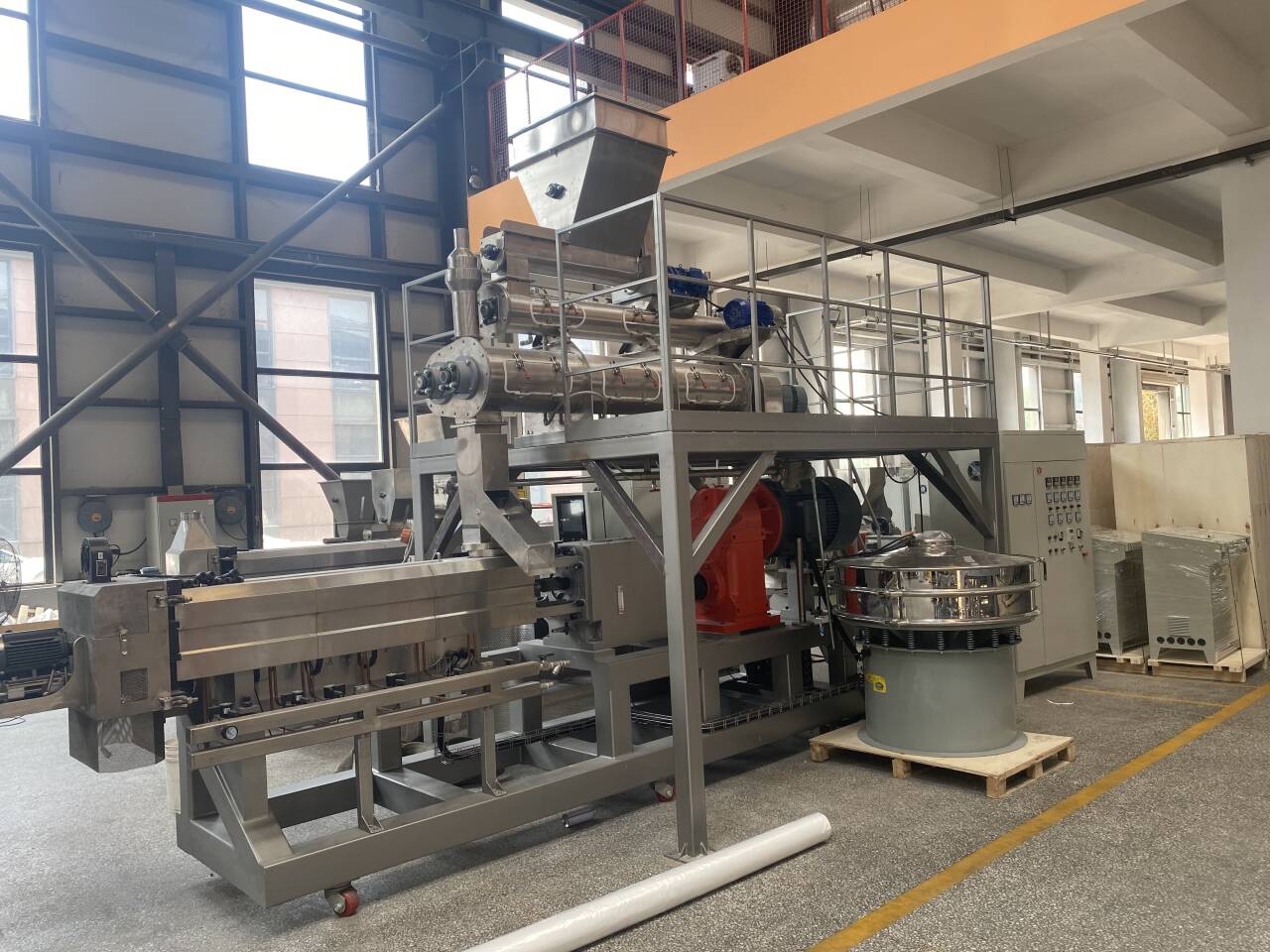
For anyone who has worked on a production floor, the shift changeover is a familiar rhythm. Machines whir to a halt, and the cleaning ritual begins. For twin-screw extruders—the workhorses of food, plastic, and pharmaceutical manufacturing—this cleaning is critical. It ensures product purity, prevents cross-contamination, and maintains machine health. But behind the standard operating procedures and maintenance logs lies a reality that is often messy, hazardous, and startlingly inefficient. This is the unvarnished truth about twin-screw extruder cleaning.
The Promise vs. The Practice
Manufacturers promote twin-screw extruders as marvels of efficiency. Brochures highlight their self-wiping screw designs, implying cleanliness is built-in. The official cleaning protocols sound thorough: “Purge with cleaning compound, disassemble, manually clean all components, inspect, and reassemble.”
The practice, however, tells a different story.
1. The Purge Illusion: The first step is often a “purge” using a sacrificial material—rice hulls, sugar, or specialized chemical pellets. The idea is to push out the previous product. But in complex extruders with multiple heating zones, vents, and die plates, this is rarely complete. Residual material, especially heat-sensitive or sticky substances, lingers in dead zones, seals, and the tiny gaps between the screw and barrel. This isn’t just a residue; it’s a contamination risk for the next batch and a potential site for degradation, leading to black specks or off-flavors in future runs.
2. The Manual Labor Gauntlet: After purging, the real work begins. The machine must be disassembled. This means breaking heavy, often hot, barrel clamps and hoisting out the long, intermeshing screws—each section can weigh hundreds of pounds. Workers, sometimes with inadequate training or protective gear, are tasked with scraping, brushing, and blasting away hardened polymer or food material.
- Chemical Hazards: Solvents like methylene chloride or caustic solutions are frequently used to dissolve stubborn deposits. Ventilation is not always perfect, exposing workers to toxic fumes. The safety data sheets (SDS) for these chemicals list risks ranging from respiratory irritation to cancer.
- Physical Dangers: The tools of the trade are often sharp scrapers and wire brushes. Slippery residues and awkward angles lead to cuts and musculoskeletal injuries. The screws themselves are heavy and awkward to handle, posing crush and drop hazards.
- Time is Money: A full teardown and manual clean can take a skilled crew 4 to 12 hours or more. This is 4 to 12 hours of non-productive downtime, lost revenue, and delayed orders. The pressure to finish quickly often conflicts with the need to be thorough.
3. The Hidden Contaminants: Even a diligent crew can miss material. Microscopic particles can hide in screw flights, under wear plates, or in the micro-cracks of a slightly damaged screw. This becomes a breeding ground for bacteria in food applications or a source of catalyst poisoning in chemical processes. The “clean” machine is often not as clean as the quality assurance sheet claims.
4. The Water Problem: Wet Cleaning’s Downside. In food and pharma, high-pressure hot water or steam cleaning (Clean-in-Place or CIP) is common. But forcing water into an extruder not designed for it is risky. Water can seep into gearbox seals, causing catastrophic lubrication failure and rust on internal components. If not thoroughly dried—a difficult task in complex internals—the next hot run can create steam explosions or cause microbial growth.
The Cost of Complacency
The consequences of this archaic cleaning reality are severe:
- Product Quality Failures: Contamination leads to costly rejections, recalls, and brand damage.
- Worker Safety Incidents: Chemical exposure and physical injuries are an unacceptable human cost.
- Unplanned Downtime: A cleaning job that uncovers a worn screw or a corroded barrel can extend downtime from hours to days.
- Environmental Impact: The purge material and chemical solvents become waste, requiring proper disposal, which is often overlooked.
A Call for Transparency and Innovation
This process doesn’t have to be this way. The industry’s dirty secret persists due to a “this is how it’s always been done” mentality and a reluctance to invest in better solutions.
It’s time for a change. We must demand:
- Honest Acknowledgment from equipment manufacturers and plant managers about the true risks and inefficiencies.
- Investment in Safer Technology: This includes extruders designed for true CIP with better seals and access, automated cleaning systems, and the use of effective but less hazardous cleaning media (e.g., specialized foams, dry ice blasting).
- Radical Transparency in Protocols: Workers must be fully trained on chemical hazards and physical risks. Cleaning procedures should be developed with operator input, not just by engineers in an office.
- A Shift in Culture: Downtime for a proper, safe clean should be scheduled and valued, not rushed. Worker safety must be prioritized over shaving an hour off the changeover.
The next time you see a perfectly uniform snack, a pristine plastic component, or a consistent pharmaceutical pellet, remember the hidden process behind it. The twin-screw extruder is a masterpiece of engineering, but its cleaning ritual remains a relic of an older, dirtier, and more dangerous industrial age. It’s a secret that needs to be exposed, not just cleaned up.
Leave A Comment