
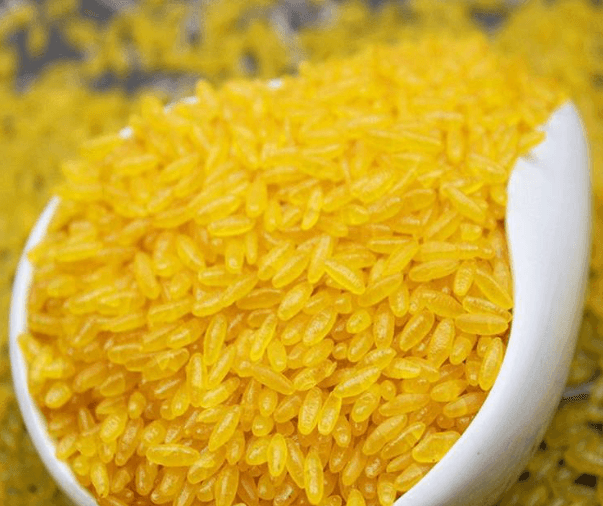
The Art and Science of Quality Fortified Rice: A Focus on Critical Details
Fortified rice is a powerful tool in the global fight against “hidden hunger” – micronutrient deficiencies. While the concept of adding essential vitamins and minerals to rice is straightforward, producing high-quality fortified rice that actually delivers these nutrients to consumers requires meticulous attention to detail. The process is a delicate balance of science,fortified rice making machine engineering, and quality control.
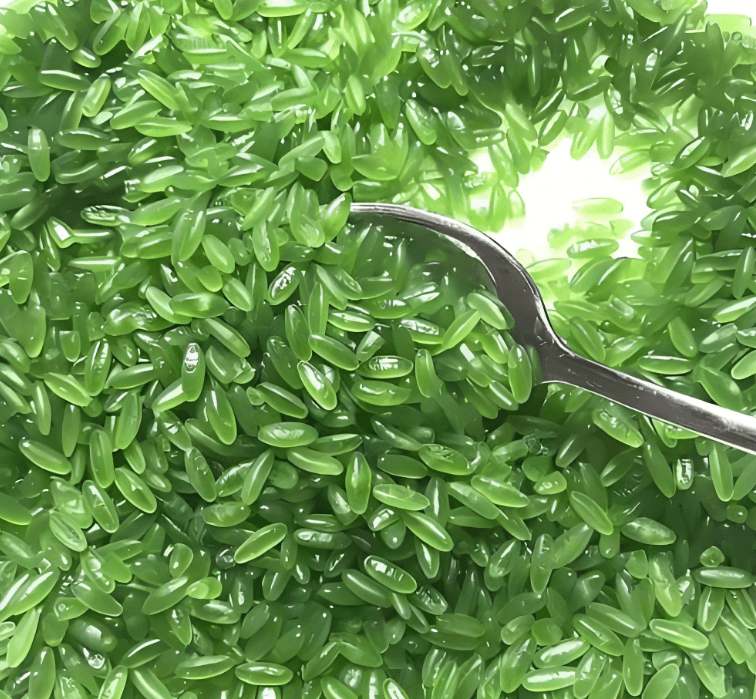
Here are the critical details that must be mastered to produce excellent fortified rice.
1. The Foundation: Selecting the Right Premix and Raw Materials
The journey begins long before the rice is coated.
- Detail: Nutrient Selection and Stability. It’s not just about what nutrients to add, but in what form. Key vitamins like Vitamin A and some B vitamins are heat-labile and sensitive to light and moisture. The choice of a premix with stabilized, encapsulated, or chelated forms of these nutrients is paramount to ensure they survive the cooking process. The mineral forms (e.g., ferric pyrophosphate for iron) must be chosen for bioavailability and to avoid discoloration or off-tastes.
- Detail: Rice Kernel Matching. The base rice (the normal rice) and the fortified kernels must be near-identical twins. fortified rice making machine This means matching the size, shape, density, and aesthetic appearance (color and sheen). If the fortified kernels are even slightly different, they will separate during transportation, storage, washing, or cooking—a phenomenon known as “demixing”—leading to an uneven distribution of nutrients in the final cooked product.
2. The Production Core: The Fortification Process
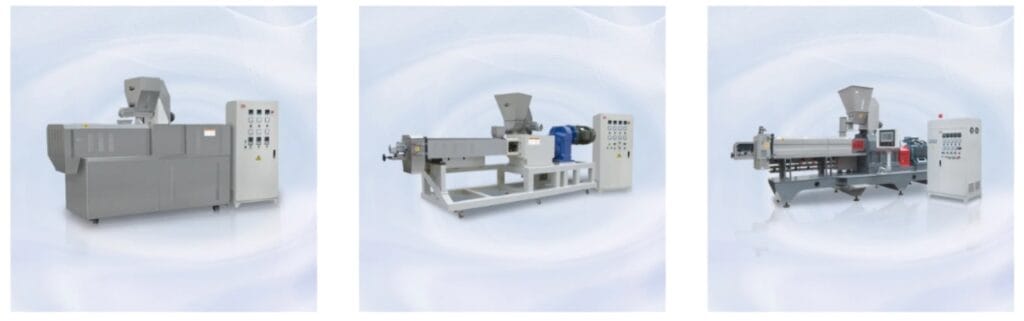
This is where precision engineering meets food science. The most common method is the “Hot Extrusion” process.
- Detail: Consistent Kernel Production. The mixture of rice flour, premix, and water must be extruded under tightly controlled temperature and pressure. Inconsistent parameters can create kernels that are too hard, too soft, or have a different density, instantly increasing the risk of demixing.
- Detail: The Blending Ratio. Typically, fortified kernels are blended with normal rice at a ratio of 1:100 or 1:200. The blending process must be absolutely precise and uniform. A high-shear, double-cone blender is often essential to achieve a homogenous mix. Even a short mixing time or an inadequate blender can create pockets of rice that are either over- or under-fortified.
3. The Critical Shield: Post-Production Protection
The nutrients are now in the rice, but they are vulnerable.
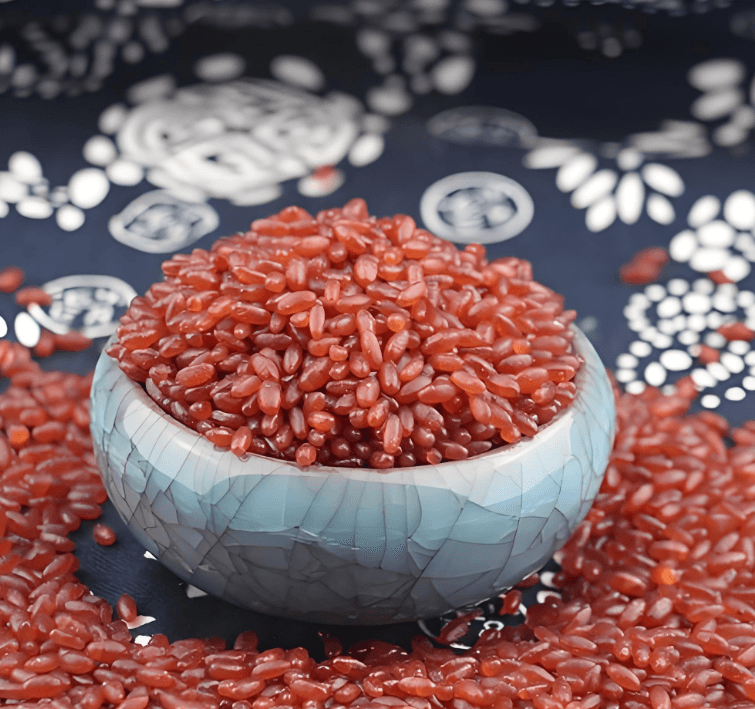
- Detail: Coating with a Water-Repellent Layer. This is a non-negotiable step for quality. A thin, food-grade coating (often a lipid or polymer-based film) is applied to the fortified kernels. This layer acts as a barrier, preventing the water-soluble vitamins from leaching out when the rice is washed by the consumer before cooking. Skipping or poorly executing this step renders the fortification useless for many nutrients.
- Detail: Packaging and Storage. The finished product must be protected from its enemies: light, moisture, and oxygen. Packaging in strong, opaque, and moisture-proof bags is crucial. Storage should be in a cool, dry, and dark environment to slow the degradation of sensitive vitamins.
4. The Unwavering Guardian: Rigorous Quality Control (QC)
QC is not a single step; it’s a culture that permeates the entire operation.
- Detail: Monitoring for Demixing. QC checks must simulate real-world conditions. A simple but effective test is the “Singapore Can Test” or “Segregation Test,” where a sample is dropped through a chute multiple times to see if the kernels separate.
- Detail: Nutrient Analysis. Regular sampling and laboratory analysis are essential to verify that the final product contains the promised levels of micronutrients. fortified rice making machine This is the ultimate proof of a successful process.
- Detail: Cooking and Sensory Tests. The fortified rice must be cooked and evaluated. Does it have the same taste, aroma, and texture as unfortified rice? Any detectable difference can lead to consumer rejection, defeating the entire purpose.
Producing high-quality fortified rice is not a single-action process but a chain of meticulously managed details. From selecting a stable premix and engineering perfect kernels, to ensuring a uniform blend, protecting the nutrients with a coating, and enforcing relentless quality control, fortified rice making machine every link in this chain must be strong.
When these details are executed correctly, fortified rice becomes a seamless, effective, and invisible health intervention, delivering vital nutrients to millions without changing their dietary habits. It is a testament to the fact that in the fight against malnutrition, precision and attention to detail are just as important as the nutrients themselves.
Leave A Comment