
The Art and Science of Modern Aquafeed Production
Modern aquaculture, the world’s fastest-growing food production sector, relies on high-quality, nutritionally complete, and environmentally sustainable feeds. fish food machine The production of these aquafeeds is a sophisticated technological process that transforms raw ingredients into pellets optimized for the health, growth, and feeding behavior of diverse aquatic species. Here is an overview of the key stages in the aquafeed manufacturing process.
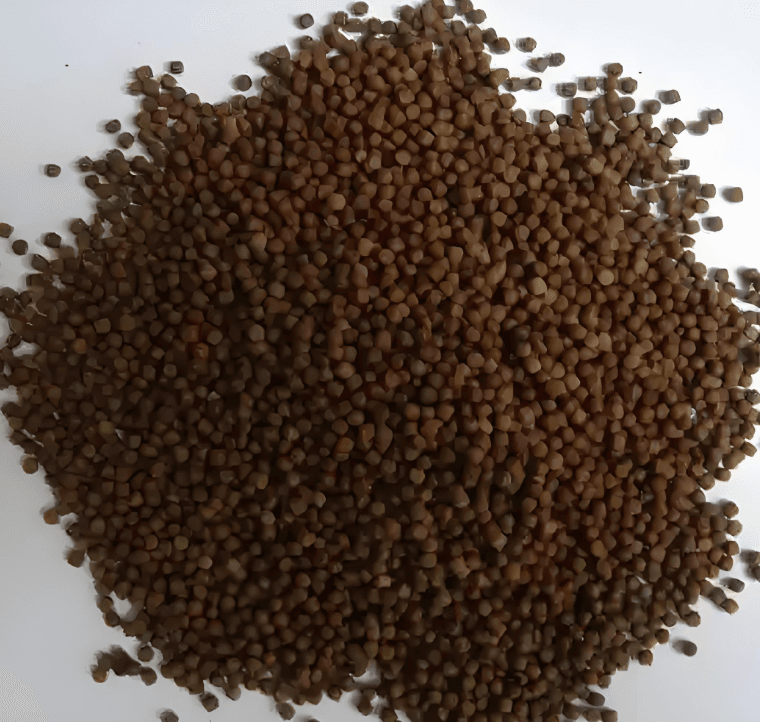
1. Raw Material Reception and Storage
The process begins with the procurement and quality control of raw materials. These include:
- Protein Sources: Fishmeal, poultry by-product meal, soybean meal, corn gluten meal, and emerging proteins like insect or algal meal.
- Energy Sources: Grains (wheat, corn), grains by-products, and lipids (fish oil, vegetable oils).
- Binders & Additives: Wheat gluten, gums, vitamins, minerals, amino acids (like methionine, lysine), antioxidants, and probiotics.
Ingredients are stored in silos or warehouses under controlled conditions to prevent spoilage and contamination.
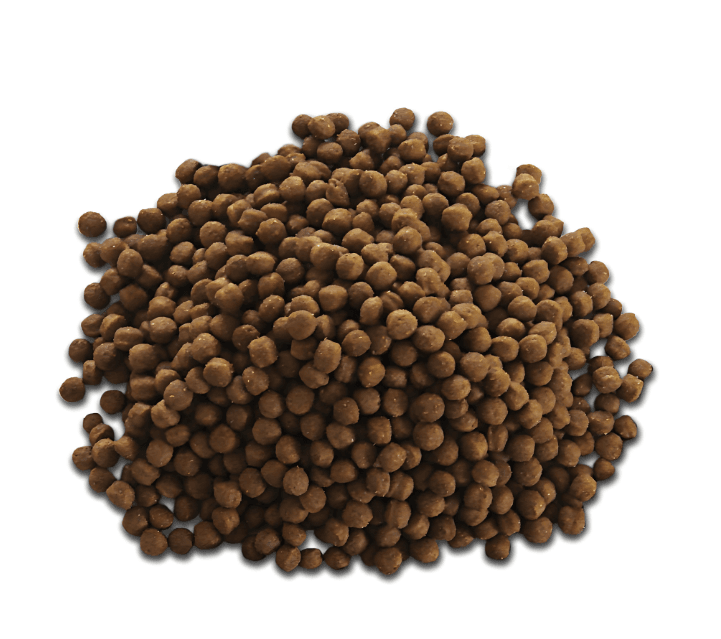
2. Grinding and Micro-Ingredient Premixing
To ensure uniformity and digestibility, raw materials are first ground to a fine, fish food machine consistent particle size using hammer mills or pulverizers. This increases the surface area for mixing and subsequent gelatinization.
Simultaneously, a precise premix of micro-ingredients (vitamins, minerals, additives) is prepared using a high-precision batch mixer. This “masterbatch” ensures even distribution of these critical components throughout the final feed mass.
3. Weighing and Mixing
Ground macro-ingredients are accurately weighed according to a computer-formulated recipe. They are then transferred to a large batch mixer (often horizontal ribbon or paddle mixers) where the micro-ingredient premix and liquid additives (oils) are added. This stage is critical for achieving a homogenous blend, guaranteeing every pellet contains the specified nutrition.
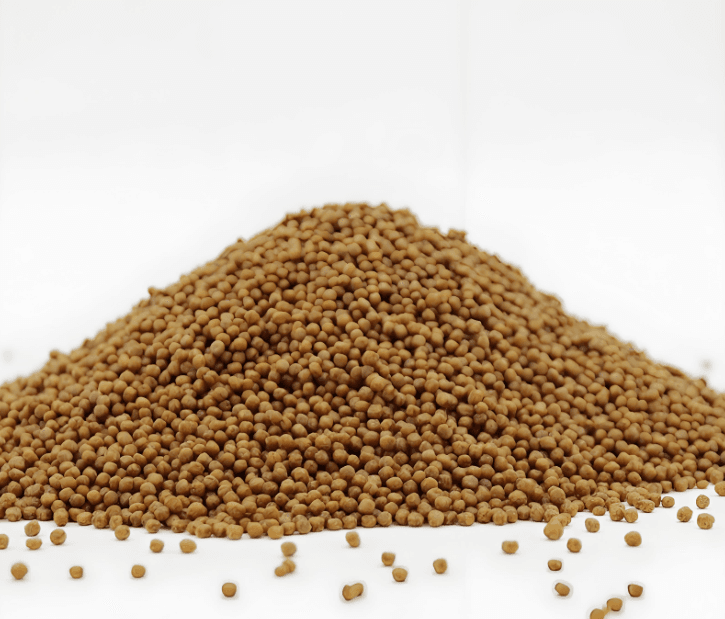
4. Conditioning and Pelleting (The Core Transformation)
This is the heart of the production line, fish food machine where the mixed powder (mash) is transformed into pellets.
- Conditioning: The mash is fed into a conditioner, typically a steam-heated chamber with paddles. Here, it is exposed to live steam (and sometimes added water). This cooking process raises moisture and temperature (to ~80-95°C), partially gelatinizing starches, denaturing proteins, and plasticizing the mixture. Proper conditioning is vital for pellet durability, starch digestibility, and binding.
- Pelleting: The hot, conditioned mash is then forced through a ring die pellet mill. A rotating set of rollers presses the material through the small holes in a stationary steel die. The friction and pressure further cook the feed. As strands emerge from the die, knives on the outside cut them to the desired pellet length. This process produces dense, sinking pellets.
5. Post-Pelleting Processing: Drying, Cooling, and Coating
- Drying & Cooling: The hot, moist pellets (moisture ~15-18%) are too soft and must be stabilized. They are first passed through a steam dryer to reduce moisture, then through a counter-flow cooler using ambient air to bring them to room temperature and a safe storage moisture level (<12%). This hardens the pellets and prevents mold growth.
- Coating (Post-Pelleting Liquid Application – PPL): After cooling, pellets often enter a vacuum or atmospheric coater. Here, a fine mist of heat-sensitive liquids—primarily fish or vegetable oils for energy, but also pigments (like astaxanthin for salmon), vitamins, or attractants—is applied. The vacuum helps pull the coating into the pellet’s pores. This step is essential for achieving high fat content (>20% in marine diets) without compromising pellet stability.
6. Screening, Packing, and Storage
Finally, pellets are screened by a vibrating sieve to remove fines (broken particles), which are recycled back to the conditioner. The finished pellets are then weighed and packed into bags or bulk containers. They are stored in a cool, dry warehouse before shipment to fish or shrimp farms.
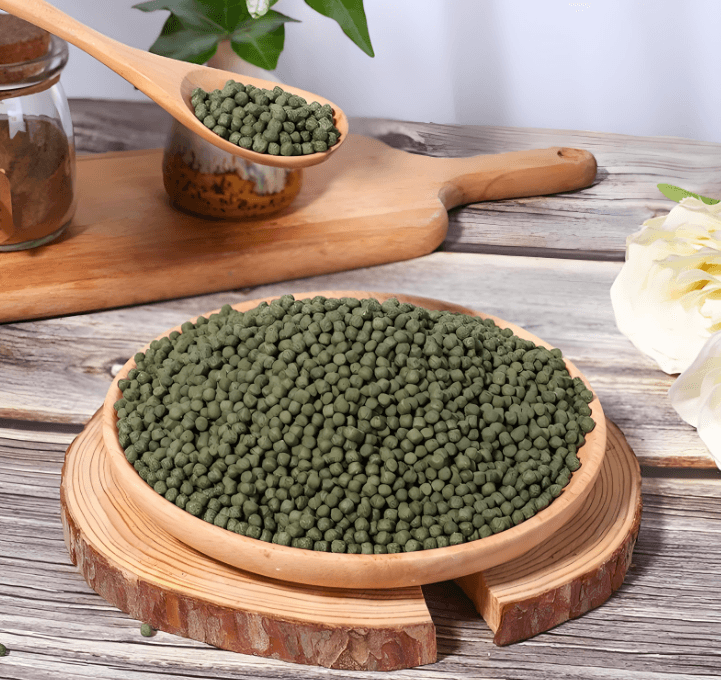
Specialized Processes: Extrusion
For floating feeds (e.g., for tilapia, catfish) or high-fat, slow-sinking feeds (e.g., for salmon, seabass), the twin-screw extruder replaces the conditioner and pellet mill. Here, fish food machine the mash is subjected to higher temperature, pressure, and shear in a precisely controlled barrel. Upon exiting the die, the sudden pressure drop causes the pellets to expand and become porous, allowing them to float or sink slowly. Extruded pellets also have superior starch gelatinization, can incorporate more fat (through vacuum coating), and offer more textural variety.
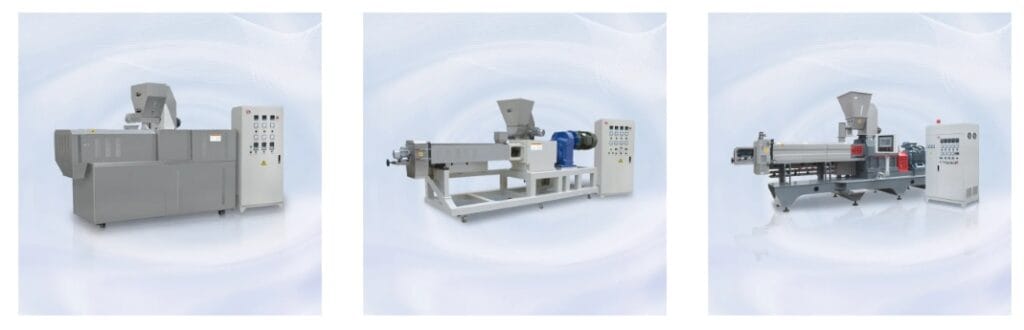
Aquafeed production is a precise, multi-stage engineering process that balances nutritional science, thermal processing, and mechanical engineering. fish food machine From precise formulation and homogenization to the critical thermal processes of conditioning, pelleting, or extrusion, each step is designed to produce a durable, water-stable, and highly digestible feed that maximizes growth, maintains health, and minimizes waste in the aquatic environment. The continuous innovation in this field is fundamental to supporting sustainable global aquaculture.
Leave A Comment