
The Alchemy of Starch: A Comprehensive Unveiling of the Production and Science of Modified Food Starches
Introduction: The Unseen Architect of Modern Food
In the pantheon of food ingredients, few are as ubiquitous yet as anonymously functional as starch. Derived from the seeds and roots of plants, it is the primary energy reserve for the botanical world and a fundamental calorie source for humanity. However, modified starch making machine the native starch found in a corn kernel, a potato, or a tapioca root is often ill-suited for the demands of modern food processing. It can be unstable under heat, acid, or shear; it can create undesirable textures; and it can lose its vitality upon storage. This is where the fascinating science of starch modification intervenes.
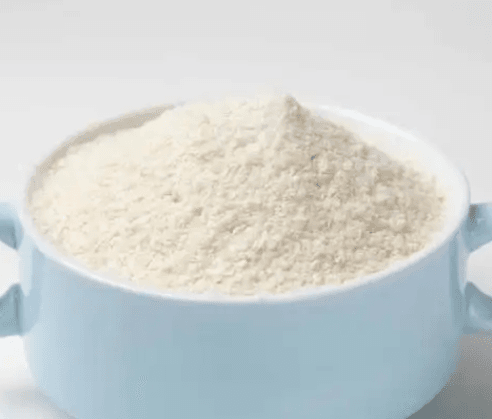
Modified starch is not a single ingredient but a vast family of engineered polymers, each tailored for a specific purpose. It is the silent workhorse that ensures your pudding has a creamy consistency, your sauce remains glossy after freezing and reheating, your candy has a perfect chew, and your instant soup thickens instantly with just hot water. It is the unseen architect that builds the texture, stability, and sensory appeal of thousands of food products lining supermarket shelves.
The process of modifying starch is a form of molecular alchemy. It involves physically, chemically, or enzymatically altering the granule’s structure to enhance its positive attributes and suppress its undesirable ones. This is not a crude process but a highly controlled, sophisticated application of food science and chemical engineering. This article will embark on a detailed journey into the world of modified starch production. We will explore the raw materials, modified starch making machine delve into the myriad modification techniques—from simple pre-gelatinization to complex chemical cross-linking—and examine the rigorous quality control that ensures safety and functionality. We will also investigate the critical role these ingredients play in various industries and address the regulatory and consumer perceptions surrounding them.
Chapter 1: The Foundation – Understanding the Native Starch Granule
To appreciate the transformation, one must first understand the starting material. The native starch granule is a masterpiece of natural packaging.
1.1 The Molecular Architecture: Amylose and Amylopectin
Starch is a polysaccharide, a long chain of glucose molecules. It is composed of two primary polymers:
- Amylose: A primarily linear molecule composed of glucose units linked by α-1,4 glycosidic bonds. It typically comprises 20-30% of most common starches (though waxy varieties can have 0% amylose). Amylose chains tend to form helices and can reassociate (retrograde) easily, which is responsible for the gelling and syneresis (weeping of water) in starchy foods.
- Amylopectin: A highly branched molecule with α-1,4-linked chains connected by α-1,6 glycosidic bonds at the branch points. This massive, tree-like structure constitutes 70-80% of normal starches. Its branching prevents tight reassociation, contributing to stability and viscosity.
The ratio of amylose to amylopectin is the primary determinant of a starch’s inherent functional properties.modified starch making machine
1.2 The Granular Structure: A Semi-Crystalline Domain
These polymers are not floating freely; they are densely packed into semi-crystalline granules. The amylopectin clusters form the crystalline regions, while the branch points and amylose chains constitute the amorphous regions. This structure gives the granule its unique properties:
- Birefringence: Under polarized light, native starch granules show a distinctive “Maltese cross” pattern, indicating their crystalline order.
- Insolubility in Cold Water: The polymers are too tightly bound and hydrogen-bonded to dissolve.
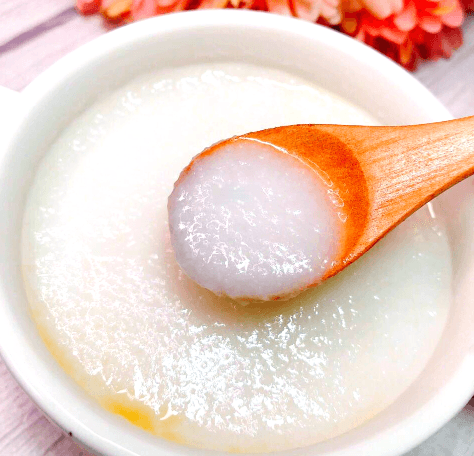
- Gelatinization: When heated in water, the granules absorb water, swell, and lose their crystallinity and birefringence. This is the process of thickening a sauce or gravy.
- Pasting and Viscosity: As more granules swell, they leach amylose and create a viscous paste.
- Retrogradation: Upon cooling and storage, the dispersed polymers, particularly amylose, reassociate and recrystallize, leading to gel formation and eventual syneresis.
It is the limitations of this native system—the instability of the paste, modified starch making machinethe sensitivity to shear, acid, and freezing—that drive the need for modification.
1.3 Common Sources of Commercial Starch
The choice of raw material imparts different inherent properties to the starch.
- Corn Starch: The most common source globally. It has a relatively high amylose content (~25%), leading to strong gels and a tendency to retrograde.
- Waxy Maize Starch: A corn variant with virtually 0% amylose (almost 100% amylopectin). It produces clear, stable pastes that resist gelling and syneresis.
- Tapioca Starch: Derived from the cassava root. It has a very clean, neutral flavor and provides high clarity and a stringy, cohesive texture in its native form.
- Potato Starch: Has very large granules that swell rapidly and produce high viscosity and clarity. It has a naturally mild flavor but is very sensitive to shear.
- Wheat Starch: Often a by-product of gluten production. It has a distinctive flavor and contains a small amount of protein, which can affect clarity and flavor.
These native starches are extracted from their raw materials through a series of milling, modified starch making machinewashing, and separation processes (e.g., the corn wet-milling process) to produce a high-purity starch slurry or powder before any modification begins.
Chapter 2: The “Why” – The Functional Imperatives for Modification
The food industry operates under a unique set of challenges that native starch cannot consistently overcome.
2.1 Process Tolerance
- Heat: Prolonged cooking can break down native starch pastes.
- Acid: Many foods like fruit pie fillings and dressings are acidic. Low pH can hydrolyze the glycosidic bonds in starch, drastically reducing viscosity.
- Shear: Mechanical agitation from pumping, mixing, or homogenization can physically rupture swollen granules, destroying viscosity.
2.2 Storage and Shelf-Life Stability
- Freeze-Thaw Stability: Native starch gels undergo severe syneresis upon freezing and thawing, creating an unappetizing puddle of water.
- Refrigeration Stability: Similarly, retrogradation can cause gels to become rubbery and exude water even under refrigeration.
- Clarity: Some native starches, like corn starch, produce opaque pastes, which are undesirable in clear fruit glazes or glossy sauces.
2.3 Textural and Sensory Enhancement
- Gelling Control: Modifying the gelling properties can create anything from a soft, spoonable pudding to a firm gum candy.
- Mouthfeel: Native starch can impart a pasty, starchy, or coarse mouthfeel. Modification can create smooth, creamy, or short (non-stringy) textures.
- Flavor Release: A properly modified starch can entrap and release flavors in a controlled manner, enhancing the overall taste experience.
2.4 Enabling Convenience Foods
- Instant Starches: Pre-gelatinized starches allow for cold-water swelling, which is essential for instant puddings, dessert mixes, and shake-and-pour sauces.
- Low-Viscosity Starches: For high-solids applications like bakery fillings, a high solids content is needed without an unmanageable thickness during processing.
Chapter 3: The Toolbox of Transformation – Methods of Starch Modification
The modification of starch is categorized by the mechanism of action. Most commercial modified starches undergo a combination of these treatments to achieve a bespoke functional profile.
3.1 Physical Modification
These methods alter the starch using only physical means, such as heat and moisture, and are often considered “clean-label” as they do not involve chemical reagents.
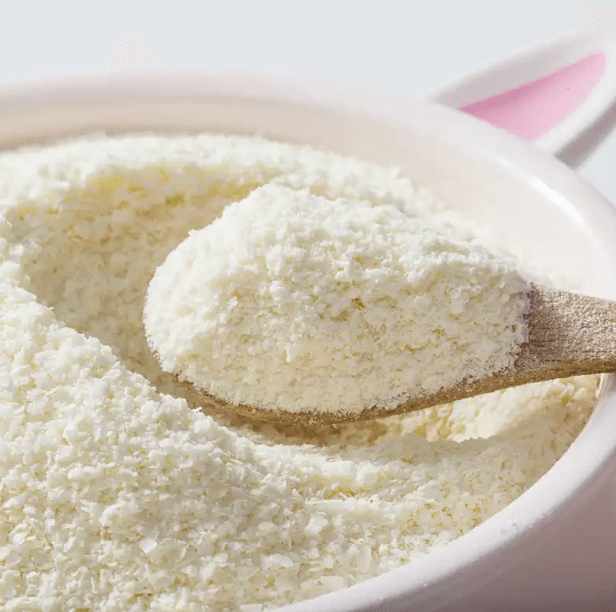
- Pre-gelatinization (Instant Starches): This is the simplest form of modification. Native starch is cooked in water and then dried on hot drums or via spray drying. This process pre-swells the granules, so they thicken instantly upon rehydration in cold water. The granular structure is largely destroyed, and the resulting powder is often porous and soluble.
- Heat-Moisture Treatment (HMT): Starch is treated with a limited amount of water (18-27%) and heated to temperatures above the glass transition but below the gelatinization temperature (90-120°C) for periods ranging from 15 minutes to 16 hours. This process rearranges the internal crystalline structure without destroying the granule. It increases the gelatinization temperature, reduces swelling, and improves stability, making it useful for products requiring high-temperature processing.
- Annealing: Similar to HMT but performed with excess water. The starch is held in a large excess of water at a temperature between the glass transition and the gelatinization onset for an extended period. This “heat-steps” the granules, allowing them to achieve a more ordered and stable state, leading to a narrower gelatinization range and increased paste stability.
3.2 Chemical Modification
This is the most diverse and widely used category, involving the introduction of new functional groups onto the starch polymer chains through chemical reactions. These reactions are typically carried out in an aqueous starch slurry under controlled conditions of temperature, modified starch making machinepH, and reagent concentration.
- Cross-Linking: This is arguably the most important chemical modification for process tolerance. It involves introducing small, multifunctional reagents that form covalent bridges between adjacent starch molecules, primarily within the granule. Common cross-linking agents include:
- Sodium Trimetaphosphate (STMP) and Phosphorus Oxychloride (POCl3): These introduce distarch phosphate bonds.
- Epichlorohydrin: Forms distarch glycerol bonds.
- Mechanism and Impact: Cross-linking reinforces the hydrogen-bonding network within the granule. It acts like adding stitches to a fabric. The more cross-links, the stronger the granule becomes. This results in:
- Enhanced Shear Resistance: The granules resist rupturing during pumping and mixing.
- Enhanced Acid Resistance: The strengthened granule is less prone to hydrolysis in low-pH environments.
- Enhanced Heat Stability: The paste maintains viscosity during prolonged cooking.
- Control of Swelling: Excessive swelling is inhibited, preventing a “stringy” texture and providing a shorter, more palatable mouthfeel.
The degree of cross-linking is carefully controlled; too little has no effect, while too much can prevent the granule from swelling at all, rendering it useless as a thickener.
- Stabilization (Substitution): This process involves adding monofunctional reagents that attach to the starch hydroxyl groups, effectively “bulking” the molecule and preventing the polymer chains from reassociating. Common stabilizing agents include:
- Acetic Anhydride: Produces Acetylated Starch. The acetyl groups are bulky and disrupt the orderly realignment of amylose and amylopectin chains.
- Propylene Oxide: Produces Hydroxypropylated Starch. The hydroxypropyl group is also bulky and introduces steric hindrance.
- Octenyl Succinic Anhydride (OSA): Produces OSA-Starch, a uniquely versatile modifier. The OSA molecule has a hydrophobic (water-fearing) tail and a part that reacts with starch to form a hydrophilic (water-loving) head. This creates an emulsifying agent within the starch granule.
- Mechanism and Impact: Stabilization primarily prevents retrogradation. This leads to:
- Improved Freeze-Thaw Stability: The starch gel does not synerese after multiple freeze-thaw cycles.
- Improved Clarity: The paste remains clear and glossy.
- Reduced Gel Formation: The paste remains fluid and spoonable upon cooling.
- Enhanced Textural Properties: Creates a smoother, creamier mouthfeel.
- Emulsification (OSA-starch): Allows the starch to stabilize oil-in-water emulsions, making it invaluable in beverage clouds and flavor encapsulation.
- Conversion (Depolymerization): This process breaks down the starch molecules into smaller fragments to reduce viscosity and increase solubility.
- Acid-Thinning: Starch slurry is treated with a mineral acid like hydrochloric or sulfuric acid at a temperature below its gelatinization point. The acid preferentially attacks the amorphous regions of the granule, cutting the long chains. This creates a starch that, when cooked, produces a hot paste with much lower viscosity but which can form a very strong gel upon cooling. It is essential for gum candies (gummi bears, jelly beans) and film formation.
- Oxidation: Treatment with oxidants like sodium hypochlorite. This not only cleaves the chains but also introduces carboxyl and carbonyl groups, which reduce retrogradation, improve clarity, and whiten the starch. Oxidized starches are used in batters and breading for improved adhesion and crispness.
3.3 Enzymatic Modification
This uses highly specific biological catalysts (enzymes) to modify the starch.
- Alpha-Amylases: These endo-enzymes randomly cleave α-1,4 linkages within the starch chain, rapidly reducing viscosity. They are used in the production of maltodextrins and glucose syrups, which are lower-viscosity sweeteners and carriers.
- Pullulanase and Isoamylase: These debranching enzymes specifically cleave the α-1,6 linkages in amylopectin. This is used to produce high-amylose content syrups or to create starches with a high level of linear fragments that can form strong, resistant films.
3.4 Dual and Multiple Modifications
To achieve a specific, complex functional profile, starches are often subjected to multiple modifications. The most common combination is cross-linking and stabilization.
- A waxy maize starch might be lightly cross-linked to provide shear and acid stability, and then hydroxypropylated to provide freeze-thaw stability and clarity. This creates a starch perfect for a creamy, stable, frozen fruit pie filling that can be pumped, cooked, frozen, and reheated without breaking down.
Chapter 4: The Production Process – A Step-by-Step Walkthrough
The industrial production of chemically modified starch is a continuous or batch process of remarkable precision.
Step 1: Slurry Preparation
The native starch, received as a powder or a wet cake, is mixed with water in large, stirred tanks to create a slurry typically containing 30-40% dry solids. The slurry is constantly agitated to prevent settling.
Step 2: Reaction
The slurry is pumped into a reaction vessel. The conditions for modification are meticulously controlled:
- pH Adjustment: The slurry’s pH is adjusted using food-grade sodium hydroxide or hydrochloric acid to the optimal level for the specific reaction. For cross-linking with POCl3, a pH of 9-11 is typical, while for acetylation, a pH of 7-9 is used.
- Reagent Dosing: The chemical reagent is precisely dosed into the slurry. The amount is minuscule—often less than 1% of the starch’s weight—but it has a profound effect. The reaction is allowed to proceed for a predetermined time under controlled temperature.
- Quenching: Once the desired degree of substitution (DS) or cross-linking is achieved, the reaction is “quenched” by adjusting the pH to neutral. This rapidly deactivates the reagent and stops the reaction.
Step 3: Purification
The modified starch slurry now contains the modified starch along with by-products like salts (e.g., sodium chloride, sodium sulfate) and unreacted reagents. This slurry is purified through a multi-stage washing process using filter presses, hydrocyclones, or vacuum filters. The goal is to remove impurities until the product meets regulatory standards for residual chemicals.
Step 4: De-watering and Drying
The purified starch slurry is de-watered, often using a centrifuge or a filter press, to form a wet cake with about 40% moisture. This cake is then dried in a flash dryer, where it is exposed to a stream of hot air for a few seconds, reducing the moisture content to 10-12%.
Step 5: Milling and Sifting
The dried starch, which may have formed small aggregates, is passed through a fine-impact mill and sifted to achieve the desired particle size and a free-flowing powder.
Step 6: Packaging and Shipping
The final modified starch powder is packaged in multi-walled paper bags or bulk sacks and shipped to food manufacturers worldwide.

Chapter 5: The Laboratory – Quality Assurance and Control
Given that chemicals are involved, the QA/QC process for modified starch is exceptionally rigorous.
5.1 Functional Testing
- Rapid Visco Analyzer (RVA) / Viscoamylograph: This is the most critical instrument. It simulates a cooking cycle (heating, holding, cooling) while measuring viscosity in real-time. The resulting pasting curve is a fingerprint of the starch’s performance, modified starch making machineshowing peak viscosity, breakdown, setback, and final viscosity.
- Brabender Viscoamylograph: An older but still used instrument for similar purposes.
- Gel Texture Analysis: Measures the firmness and elasticity of gels formed by the starch.
- Freeze-Thaw Stability Test: The starch paste is subjected to multiple freeze-thaw cycles, and syneresis is measured after each cycle.
5.2 Chemical and Regulatory Compliance
- Degree of Substitution (DS): Measured to ensure the level of modification is within specifications and regulatory limits. For acetylated starches, this might involve saponification and titration.
- Residual Reagents: Using techniques like Gas Chromatography (GC) and High-Performance Liquid Chromatography (HPLC) to ensure levels of reagents like propylene oxide or epichlorohydrin are far below the limits set by the FDA, EFSA, and Codex Alimentarius.
- Microbiological Testing: Standard tests for total plate count, yeast, and mold to ensure safety.
Chapter 6: The Application Universe – Where Modified Starches Are Used
Modified starches are the silent heroes in nearly every aisle of the supermarket.
- Dairy and Desserts: Provide creamy, non-grainy texture and shelf-stability in puddings, yogurts, ice cream (to prevent iciness), and cream cheeses.
- Soups, Sauces, and Gravies: Provide viscosity, gloss, and stability under retort (canned), frozen, or refrigerated conditions. They prevent water separation and maintain mouthfeel.
- Confectionery: Acid-thinned starches form strong gels for gummi candies. Maltodextrins are used as bodying agents and to control crystallization in hard candies.
- Bakery: Used as moisture retainers, anti-staling agents, and to improve volume and texture in cakes and breads. They are also key in fruit fillings for pies and danishes.
- Beverages: OSA-starches are used to stabilize cloud emulsions in citrus drinks and to encapsulate oil-soluble flavors.
- Meat Products: Act as binders and moisture retainers in products like sausages and deli meats, improving yield and sliceability.
- Instant and Convenience Foods: Pre-gelatinized starches are the backbone of instant pudding mixes, dessert powders, and instant soups.
Chapter 7: The Regulatory and Consumer Landscape
7.1 The “Clean Label” Challenge
In recent years, consumer demand for “clean label” ingredients—those perceived as natural and simple—has posed a challenge for chemically modified starches. Their E-numbers (e.g., E1412 for cross-linked starch, E1442 for hydroxypropylated distarch phosphate) are viewed with suspicion by some consumers. In response, the industry has pivoted in two ways:
- Promoting Physically Modified Starches: These can be labeled as “modified starch” without an E-number in some jurisdictions or as “thermally treated starch,” which is more acceptable.
- Ingredient Replacement: Replacing modified starches with native starches from specific sources (e.g., waxy rice, tapioca) or using hydrocolloids like guar gum or locust bean gum, though this often involves trade-offs in functionality.
7.2 Safety and Regulation
Chemically modified starches have been used safely for decades. Regulatory bodies like the U.S. FDA and the European Food Safety Authority (EFSA) have strict specifications for the types of modifications allowed, the raw materials, and the maximum levels of residual chemicals. They are considered safe for consumption within these prescribed limits.
The production of modified starch is a powerful demonstration of how food science elevates a basic agricultural commodity into a versatile, high-performance ingredient. It is a field that blends deep knowledge of polymer chemistry with the practical demands of large-scale food manufacturing. By strategically altering the molecular architecture of the starch granule, scientists and engineers can design ingredients with bespoke functionalities that enable the convenience, quality, and stability that modern consumers expect.
While the tide of clean label may shift the specific technologies used, the fundamental need to control texture and stability in processed foods will not disappear. The alchemy of starch modification, whether through physical, chemical, or enzymatic means, will therefore remain an indispensable,modified starch making machine if unseen, pillar of our global food supply, quietly ensuring that our sauces are smooth, our desserts are creamy, and our convenient meals remain palatable from the factory to our forks.
Leave A Comment