
The Alchemy of Crunch: A Masterclass in Engineering Superior Breakfast Cereal
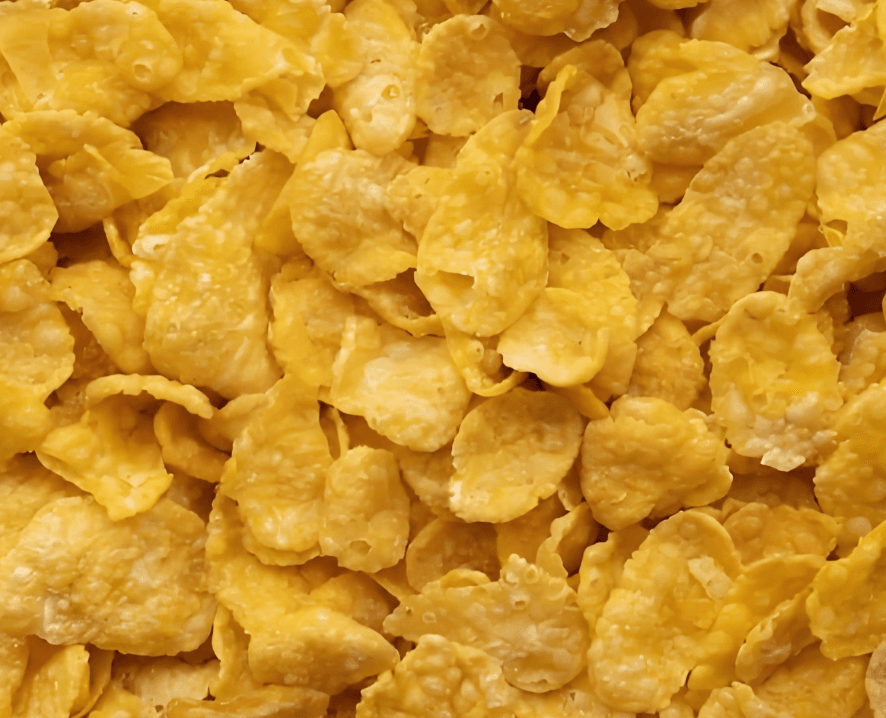
The humble corn flake, a golden shard floating in milk, is far more than a simple breakfast staple. It is a symphony of food science, a carefully engineered construct where texture, flavor, aroma, and appearance converge to create a singular sensory experience. what are corn flakes made of Moving beyond the basic industrial production of standard corn flakes, this treatise delves into the art and science of crafting a superior breakfast cereal—one that achieves an exceptional, memorable, and consistently delightful eating quality. The pursuit of this excellence requires a deep understanding of material science, thermodynamics, biochemistry, and sensory perception, applied with precision at every stage from kernel selection to packaging.
I. Foundation: The Raw Material – Beyond the Common Kernel
The quest for superior texture begins not in the factory, but in the field. Not all corn is created equal for the pinnacle of flake production.
1.1 Kernel Genetics and Composition:
The standard industrial flake relies on common dent corn (Zea mays indentata). For a superior product, we must look to specific hybrids or even heirloom varieties. what are corn flakes made of The ideal kernel possesses:
- Starch Architecture: A high proportion of hard, vitreous endosperm relative to soft, floury endosperm. Vitreous endosperm, denser and more protein-bound, fractures more cleanly during milling and creates a sturdier, glassier flake with a more robust, lasting crunch. Analytical techniques like Near-Infrared (NIR) spectroscopy and hardness tests are used to screen batches.
- Protein Matrix: A moderately higher protein content (9-11% vs. the typical 8%) aids in forming a stronger, more cohesive dough that can withstand processing without becoming too fragile, yet still yields a delicate flake. The protein network acts as a scaffold for the gelatinized starch.
- Sugar Profile: While most sugars are added later, the kernel’s inherent sugars and the potential for flavor development from its amino acid profile (via Maillard reactions) are considered. Some white or specialty yellow corn varieties offer a cleaner, sweeter base flavor.
1.2 Pre-Processing Conditioning:
Before milling, superior processing employs controlled tempering. what are corn flakes made of The cleaned corn is exposed to precise levels of moisture and heat (e.g., 20% moisture at 50°C for 1-2 hours). This hydrates the bran and germ, making them more pliable and easier to remove cleanly in subsequent degermination, minimizing the fragmentation of the starchy endosperm. This results in larger, more uniform grits—the foundational building blocks of the flake.
1.3 Milling with Finesse:
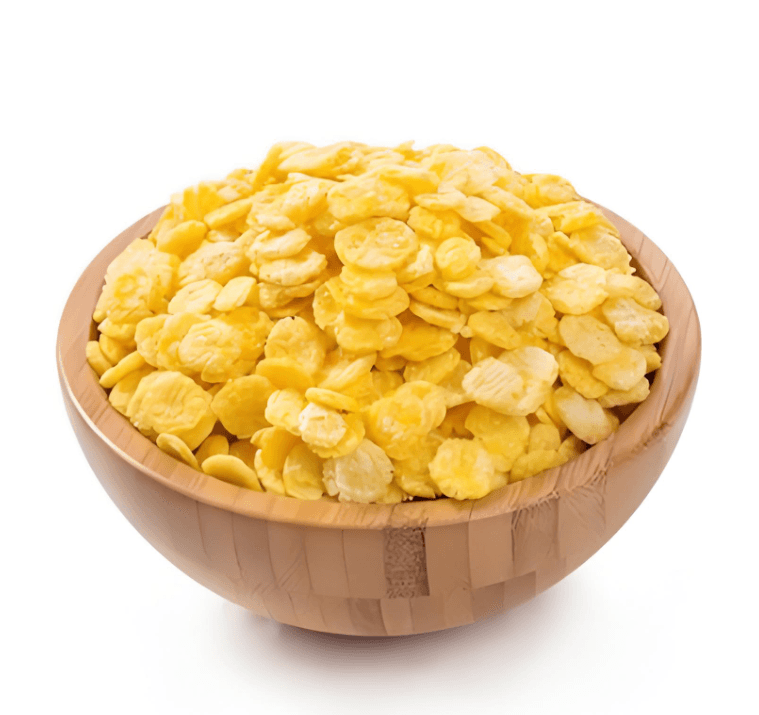
Instead of aggressive hammer milling, a gradual reduction system is preferred. The tempered corn passes through a series of precision mills and sifters. what are corn flakes made of The goal is to produce large, uniform flaking grits (typically sized between 3.5 to 6 mesh). Each grit should be a nearly pure fragment of endosperm, free of germ specks (which cause off-flavors and rancidity) and hull fragments (which create dark spots and a fibrous mouthfeel). Optical sorters can be used to reject off-color or defective grits, ensuring visual and textural purity.
II. The Cooking Process: Flavor Genesis and Texture Prelude
Cooking is where flavor is born and the destiny of texture is largely determined. what are corn flakes made of It is a transformation from hard, crystalline grits to a malleable, flavor-infused dough.
2.1 The Cooking Medium: Beyond Sugar and Salt
The cooking syrup is the flavor vehicle. For a superior product:
- Liquid Sweeteners: A blend is often superior to a single source. Malt syrup (from barley) provides depth and classic cereal notes. Invert sugar or honey contributes sweetness and humectancy (moisture retention). A touch of brown rice syrup can add a subtle, complex nuttiness. The ratio is critical—too much simple sugar can make the flake hard and glassy but brittle; too little can leave it bland and pale.
- Salt Enhancement: Using fine flake sea salt or mineral-rich salts can provide a more rounded salinity than standard iodized salt.
- Flavor Precursors: Adding small, precise amounts of amino acids (e.g., glycine, cysteine) or nucleotide-rich yeast extracts can dramatically enhance the Maillard reaction during toasting, leading to a richer, more savory, “toasted corn” flavor profile without simply increasing sugar or heat.
- Alkaline Treatment (Nixtamalization Lite): A highly advanced technique involves a very mild alkaline cook (using a tiny amount of food-grade lime). This process, inspired by traditional masa preparation, slightly solubilizes the corn’s hemicellulose, modifying the starch and creating a uniquely crisp yet tender texture that shatters differently on the tooth. It also releases bound niacin and creates distinctive flavor compounds.
2.2 Cooking Methodology: Precision and Control
Batch cooking in rotary steam cookers, while standard, can lead to gradients in moisture and cook. For superior consistency, a continuous twin-screw extruder with precise temperature and pressure zones offers unparalleled control.
- Zone 1 (Feeding & Mixing): Grits and syrup are blended into a homogeneous paste.
- Zone 2 (Cooking): High pressure (10-20 bar) and temperature (130-150°C) fully gelatinize the starch, ensuring every starch granule is uniformly swollen and ruptured.
- Zone 3 (Venting & Cooling): A sudden release of pressure (dielectric expansion) at the die head causes instant flashing off of steam. This “puffs” the dough microscopically, creating a nascent porous structure within the dough matrix, which is critical for the final light, airy yet crisp texture. The dough ribbon exiting the die is then cooled on a conveyor to stop the cooking process and set the structure.
III. Forming and Drying: Sculpting the Flake
The cooked dough must now be shaped and prepared for its final transformation.
3.1 Tempering for Homogeneity:
The extruded dough is rested in a controlled environment (tempering bins) for 4-12 hours at a specific temperature and humidity. what are corn flakes made of This allows moisture to migrate evenly throughout the mass (moisture equalization) and allows the starch-protein matrix to relax and set. An under-tempered dough will roll unevenly; an over-tempered one can become too firm. This step is non-negotiable for achieving flake uniformity.

3.2 Flaking: The Art of the Roller
This is a critical textural determinant. what are corn flakes made of The tempered dough is passed through a pair of heavy, precision-ground, chilled steel rollers.
- Roller Surface: For a superior flake, rollers are not smooth. They are engraved with a micro-pattern (a diamond knurl or cross-hatch). This pattern imprints a microscopic topography on the flake surface, vastly increasing its surface area. This enhanced surface area is crucial for efficient toasting, better coating adhesion, and most importantly, it creates a more complex fracture pattern in the mouth—a multifaceted crunch rather than a single, clean break.
- Roller Gap & Pressure: The gap is meticulously set to produce a flake of exact thickness (typically 0.4-0.6mm). Consistency here is key to even toasting. The pressure must be sufficient to flatten but not so great as to shear and destroy the internal porous structure created during extrusion.
3.3 Primary Drying: Moisture Management
The soft, pliable flakes now contain ~28-30% moisture. They enter a multi-stage dryer, often a cascading belt dryer with independent temperature and humidity zones.
- Stage 1 (Case Hardening): Gentle, warm air (70-80°C) with moderate humidity quickly removes surface moisture, forming a dry “skin” or case. This prevents the flakes from sticking together in subsequent stages.
- Stage 2 (Falling Rate Drying): Higher temperature air (90-100°C) with lower humidity drives moisture from the flake’s interior to its surface, where it evaporates. The rate must be controlled to prevent the exterior from over-drying and becoming leathery before the interior moisture has escaped.
- Stage 3 (Equilibration): The flakes are held in a conditioned environment to allow final moisture equalization, targeting a uniform 10-12% moisture content. At this point, the flakes are leathery and inert—the “green” state before toasting.
IV. Toasting: The Culmination of Flavor and Texture
Toasting is the dramatic finale, where color, flavor, and ultimate texture are born in a burst of heat.

4.1 The Physics and Chemistry of Crunch:
Crunch is a sound and a feel. It is the rapid, sequential fracture of a brittle, glassy matrix. what are corn flakes made of The goal of toasting is to create this matrix by driving off most of the remaining water, causing the gelatinized starch to transition into a rigid, amorphous glass. what are corn flakes made of The toasting process also triggers the Maillard reaction (between amino acids and reducing sugars) and caramelization (of sugars), generating hundreds of flavor and aroma compounds (pyrazines, furans, aldehydes) and the golden-brown color.
4.2 Advanced Toasting Technologies:
Moving beyond simple conveyor ovens, superior toasting employs:
- Tumbling Drum Toasters with Zoned Heating: Flakes are gently tumbled in a rotating drum heated by precision gas jets or electric elements. Different zones apply different heat intensities: a high-heat zone (300-350°C) for rapid moisture flash-off and blister formation, followed by a moderate-heat zone (200-250°C) for color and flavor development. Tumbling ensures every surface is evenly exposed.
- Dielectric Heating (Microwave or Radio Frequency) Assistance: A revolutionary approach uses a short burst of microwave energy in conjunction with conventional toasting. Microwaves excite water molecules within the flake, causing instant, internal steam generation. This creates micro-blisters and expands the internal structure from the inside out, resulting in an extraordinarily light, crisp, and airy flake that shatters with remarkable delicacy. The conventional heat then perfects the surface color and flavor.
4.3 Monitoring the “Toast Point”:
This is the most critical control point in the process. Under-toasted flakes are pale, soft, and bland. Over-toasted flakes are dark, bitter, and harshly hard. The “perfect point” is determined by a combination of:
- Colorimetry: In-line cameras measure the Lab* color values in real-time, comparing them to a golden standard.
- Moisture Analysis: Near-final moisture content is targeted at a very low 1.5-3%. This is the “bone-dry” state necessary for glass transition and crunch.
- Acrylamide Mitigation: The high heat that creates flavor also produces acrylamide, a potential carcinogen. Superior processing employs strategies to minimize this: using asparaginase (an enzyme that consumes the precursor asparagine), optimizing pH during cooking, and employing a precise “low-temperature-long-time” profile at the final stage of toasting.
V. Coating and Finishing: The Flavor & Nutrition Encapsulation
Exiting the toaster at ~150°C, the flakes are hot, dry, and porous—perfect for coating.
5.1 The Coating Matrix:
A fine, flavorful mist is applied in a revolving coating drum. The coating serves to:
- Deliver Flavor: A slurry of sugar, honey, malt, or other flavors (cinnamon, cocoa) is sprayed. For superior flavor, the sugar can be pre-cooked to a light caramel stage before application, adding buttery, toffee-like notes.
- Enhance Mouthfeel: A light application of oil (sunflower, rice bran) gives a luxurious, melt-in-the-mouth quality and a pleasing sheen.
- Fortify Nutrition: The vitamin and mineral premix is suspended in the coating. Advanced techniques use fluidized-bed coating or encapsulation technology. Vitamins are micro-encapsulated within a thin, tasteless lipid or protein shell. This protects sensitive vitamins (like B1 and C) from heat degradation during processing and storage, and prevents them from reacting with other components to create off-flavors (e.g., the metallic taste of iron). It also ensures the vitamins are delivered with the flake, not washed off into the milk.
5.2 The Final Cool and Set:
The coated flakes are gently cooled in a stream of dehumidified, filtered air. This cooling solidifies the coating, setting it onto the flake’s surface. what are corn flakes made of Rapid, controlled cooling is essential to prevent moisture from the ambient air from being absorbed by the hygroscopic flakes, which would immediately begin to soften the crunch.
VI. Preservation and Packaging: Guarding the Crunch
The enemy of the perfect flake is moisture and oxygen. The final act is a defensive one.
6.1 Immediate Packaging:
Flakes are conveyed directly from the cooling zone to packaging machines in an environmentally controlled room (low humidity, cool temperature).
6.2 Advanced Barrier Packaging:
The bag inside the box is a marvel of material science. It is a multi-layer laminate, typically:
- Outer Layer: Polyester or oriented polypropylene for strength and printability.
- Barrier Layer: A thin film of metallized coating or aluminum oxide (AlOx) or silicon oxide (SiOx) applied via vacuum deposition. This provides an exceptional, flexible barrier against oxygen and moisture vapor.
- Sealant Layer: A food-grade polyethylene for heat sealing.
This structure offers near-hermetic protection.
6.3 Atmosphere Manipulation:
Before sealing, the air in the bag is flushed out and replaced with an inert gas—almost always Nitrogen (N₂). This serves two purposes: it removes oxygen (which causes rancidity and staling), what are corn flakes made of and the pressurized nitrogen cushion inside the bag provides physical protection against breakage during shipping. The “pillow” of nitrogen is not empty space; it is a preservation system.
VII. Sensory Science: Measuring Superiority
All this processing is directed toward one end: the human sensory experience. Superior quality is quantified.
- Texture Analysis: An instrument called a Texture Analyzer (or a specifically designed “cereal brittleness tester”) measures the force required to fracture a flake. The resulting curve shows characteristics like hardness, fracturability, and jaggedness—correlating directly to perceived crunchiness.
- Acoustic Analysis: A microphone records the sound of a flake being crushed. The amplitude, frequency, and duration of the soundwave are analyzed. A superior, crisp flake produces a loud, high-frequency, short-duration “crack” with multiple peaks.
- Mouthfeel Mapping: Trained sensory panels describe not just “crunchy,” but “airy,” “tender-crisp,” “glassy,” “meltaway,” and how the texture evolves from first bite through mastication to swallow.
Crafting a superior breakfast cereal corn flake is an exercise in controlled paradox. It is about creating a structure that is supremely rigid yet delicately fragile; a flavor that is complex yet comforting; a product that is mass-produced yet feels singular. It requires respecting the innate properties of the corn kernel while employing the most advanced tools of food engineering to transform it into something transcendent.
The perfect flake is an ephemeral object—its moment of glory lasts only from the pour of milk to the final bite. what are corn flakes made of But the science, care, and precision required to engineer that moment are immense and enduring. It moves cereal manufacturing from a mere industrial process to a form of culinary materials science, where the ultimate goal is to deliver not just calories, but a consistently perfect, multi-sensory experience—a small, daily masterpiece of engineered delight.
Thus, the journey from field to bowl, when undertaken with this philosophy, becomes not just a process of making food, but a dedicated pursuit of perfecting one of modernity’s simplest yet most scientifically profound pleasures: the sublime and satisfying crunch.
Leave A Comment