
Instant rice, also known as pre-cooked or quick-cooking rice, is a staple of modern pantries, offering the fundamental nutrition of a primary grain with the unparalleled convenience of minimal preparation time. Its apparent simplicity, however, belies a highly complex and meticulously controlled industrial process. Transforming raw, hard rice kernels into a product that can rehydrate in minutes with just hot water requires a profound understanding of food chemistry, engineering, and microbiology. This document delves into the multifaceted production landscape of instant rice, outlining the critical considerations at every stage to ensure a product that is safe, nutritious, palatable, and stable. We will explore the journey from paddy fields to the consumer’s table, focusing on the six pivotal pillars of production: Raw Material Selection, Precise Cleaning and Milling, The Core Hydration and Gelatinization Process, The Art and Science of Drying, Stringent Quality Assurance and Fortification, and Finally, Protective Packaging and Storage.
I. The Foundation: Strategic Sourcing and Raw Material Selection
The production of superior instant rice begins long before the rice reaches the processing plant. It starts at the agronomic level, with the selection of the appropriate raw material. The axiom “you cannot make a silk purse from a sow’s ear” is profoundly applicable here; the quality of the final product is intrinsically linked to the quality of the raw paddy rice.
1.1. Rice Variety and Functional Properties:
Not all rice is created equal, especially for instant rice production. The choice of variety is the first and perhaps most critical decision.
- Long-Grain vs. Medium/Short-Grain: Long-grain varieties (e.g., Basmati, Jasmine, American long-grain) are typically preferred for instant rice. They have a higher amylose content (a type of starch molecule), which results in grains that are firmer, fluffier, and less sticky after cooking and rehydration. Medium and short-grain varieties (e.g., Calrose, Arborio) have higher amylopectin content, leading to a softer, stickier texture. While this can be desirable for certain applications like risotto, it is generally problematic for instant rice as the grains tend to clump together and become mushy.
- Amylose Content as a Key Indicator: Amylose content is a crucial biochemical marker. Rice with 20-25% amylose is ideal. Too low, and the rice becomes overly soft and pasty; too high, and the grains may remain overly hard and rehydrate poorly, resulting in a coarse, gritty texture. Breeders often develop specific cultivars optimized for the rigors of instant rice production, focusing on consistent amylose levels and kernel integrity.
1.2. Quality Specifications of Raw Paddy:
Upon arrival at the facility, raw paddy rice must undergo rigorous inspection against a set of strict specifications.
- Moisture Content: The moisture level of the incoming paddy is critical. Ideally, it should be between 12-14%. Higher moisture promotes microbial growth, fungal contamination (and potential mycotoxin production), and enzymatic activity during storage, all of which can degrade quality. Lower moisture can lead to increased breakage during milling.
- Purity and Defect Tolerance: The lot must be analyzed for the percentage of defective kernels (broken, discolored, immature), foreign materials (stones, stalks, weed seeds, metal fragments), and other varieties (commingling). High levels of broken rice will lead to a final product with excessive fines and a poor appearance. The presence of off-type varieties can cause inconsistent cooking times and textures.
- Age of Rice: Interestingly, newly harvested rice (“new crop”) behaves differently from rice that has been stored for several months (“aged” rice). Aged rice typically has a firmer texture and fewer fissures due to natural biochemical changes, including the loss of some internal moisture and changes in the starch structure. Many manufacturers prefer aged rice for its superior milling yield and kernel integrity post-processing.
1.3. The Persistent Challenge of Contaminants:
- Heavy Metals: As a bio-accumulator, rice can absorb heavy metals like inorganic Arsenic, Cadmium, and Lead from soil and water. Sourcing rice from regions with known low background levels of these contaminants is a primary mitigation strategy. Incoming batches must be routinely tested to ensure they fall below regulatory and internal safety thresholds.
- Pesticide Residues: While farmers contracted for industrial production follow Good Agricultural Practices (GAP), verification is essential. Residual levels of pesticides must be non-detectable or well below the Maximum Residue Levels (MRLs) set by food safety authorities like the Codex Alimentarius or the FDA.
- Mycotoxins: Under improper storage conditions, fungi like Aspergillus and Fusarium can produce mycotoxins (e.g., Aflatoxin, Ochratoxin A), which are potent carcinogens. Inspection for mold and mandatory testing for key mycotoxins are non-negotiable components of the raw material acceptance protocol.
In essence, the sourcing and selection phase is about risk mitigation. By establishing and adhering to stringent raw material specifications, manufacturers build a foundation of quality and safety, preventing problems that are difficult or impossible to rectify later in the process.
II. The Purification: Precision Cleaning, Hulling, and Milling
Once a lot of paddy rice has been accepted, it undergoes a series of mechanical processes to transform it from a rough, inedible grain into a polished, white rice kernel ready for cooking. Each step must be carefully controlled to maximize yield and preserve kernel integrity.
2.1. Pre-Cleaning and Destoning:
The paddy rice is first passed through a series of pre-cleaners. These machines utilize a combination of oscillating screens with precisely sized perforations and air aspiration systems. The screens remove larger and smaller impurities, while the air currents lift and remove lighter materials like dust, husk fragments, and empty grains. A critical component at this stage is the destoner, which uses vibrating decks and upward air currents to fluidize the product bed. The heavier rice kernels settle and are conveyed forward, while denser contaminants like stones, glass, and metal pieces sink and are separated. This step is vital for protecting downstream equipment from damage and ensuring the final product is free from physical hazards.
2.2. Hulling (Dehulling):
The cleaned paddy rice then moves to the hulling station, typically utilizing rubber roll shellers. Two rubber rollers, spinning at slightly different speeds, create a shearing action that cracks and removes the tough, silica-based outer husk without applying excessive pressure that could break the underlying brown rice kernel. The efficiency of this process is measured by the “hulling efficiency” – the percentage of paddy successfully dehulled. The output is a mixture of brown rice, unhulled paddy, and broken kernels. This mixture is separated using paddy tables or indented cylinder separators, which exploit the differences in size, weight, and shape between brown rice and paddy to recycle the unhulled grains back to the sheller.
2.3. Whitening and Polishing (Milling):
The brown rice, now edible but with the bran layer intact, proceeds to the milling stage. The objective is to remove the bran and germ to produce white rice. This is achieved using abrasive or friction whitening machines.
- Abrasive Whitening: Here, the brown rice passes through a rotating cylinder lined with an abrasive stone or carbonundum surface. The friction scrapes away the bran layers.
- Friction Whitening: This method uses a ribbed, rotating steel screen cylinder. The rice is subjected to intense pressure and friction between the grains themselves, squeezing out the bran layer through the screen openings.
Following whitening, the rice is often “polished” by passing it through a brush machine. This removes any remaining bran particles and gives the kernels a characteristic shiny, polished appearance by coating them with a fine layer of glucose and talc (food-grade), which is permitted in some jurisdictions.
2.4. Critical Control: The Head Rice Yield.
The single most important operational metric during milling is the Head Rice Yield (HRY). This is the percentage of whole, unbroken kernels recovered after milling. A high HRY is paramount for instant rice, as broken kernels:
- Rehydrate too quickly and become mushy.
- Create a cloudy, starchy appearance in the final product.
- Are generally perceived as lower quality by consumers.
Factors affecting HRY include the rice variety, its moisture content, the age of the rice, and the precise adjustment of the milling machinery. Excessive pressure or friction will create fissures and break the kernels, drastically reducing the value and quality of the batch. The goal is to achieve the desired degree of whiteness with the absolute minimum of brokens.
2.5. Grading and Separation:
After milling, the rice is graded using oscillating sifters with slotted screens to separate the whole kernels from the broken pieces. The whole kernels (head rice) proceed to the instant rice production line, while the broken are diverted for other uses (e.g., rice flour, animal feed). An optical sorter may also be used as a final purification step, using high-resolution cameras and sophisticated software to identify and eject discolored kernels or residual foreign material with puffs of compressed air.
This entire stage is a mechanical ballet, a balance between achieving the desired purity and appearance while preserving the structural integrity of every single grain. A failure here directly translates into an inferior final product.
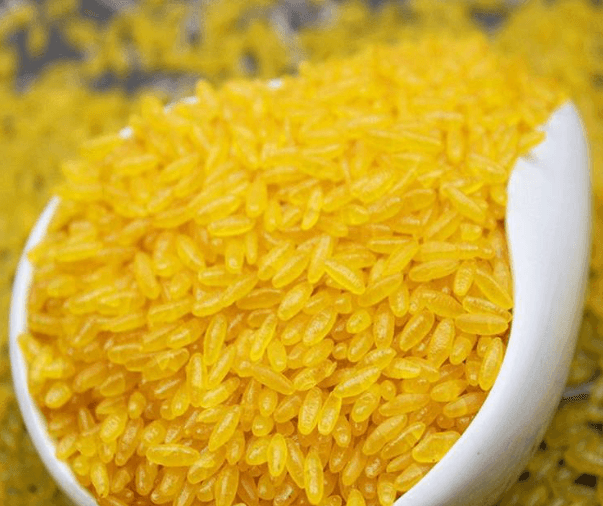
III. The Transformation: Hydration, Cooking, and Gelatinization
This is the heart of the instant rice process, where the raw, glassy, and insoluble starch granules within the rice kernel are transformed into a digestible, readily rehydratable form. This transformation is governed by the process of gelatinization.
3.1. The Science of Starch Gelatinization:
Starch granules are semi-crystalline structures composed of two glucose polymers: amylose and amylopectin. In their native state, they are tightly packed and inaccessible to water. Gelatinization is an irreversible process that occurs when starch is heated in the presence of water. The heat energy breaks the hydrogen bonds within the granule, allowing water to penetrate. The granules swell to many times their original size, the crystalline structure melts, and the amylose leaches out into the surrounding water. This process results in the characteristic soft, edible texture of cooked rice and dramatically increases its water-holding capacity.
3.2. Pre-Steeping/Hydration:
Many processes begin with a steeping or soaking step. The milled rice is immersed in water, often at a controlled temperature (e.g., 50-60°C), for a predetermined time. This allows the kernels to absorb water uniformly before the application of heat. Pre-hydration ensures more uniform cooking, as the heat can then penetrate the kernel more effectively. It also reduces the overall cooking time and energy input required in the subsequent step. The temperature and time must be carefully controlled; insufficient steeping leads to hard, uncooked centers, while excessive steeping can initiate fermentation and microbial spoilage.
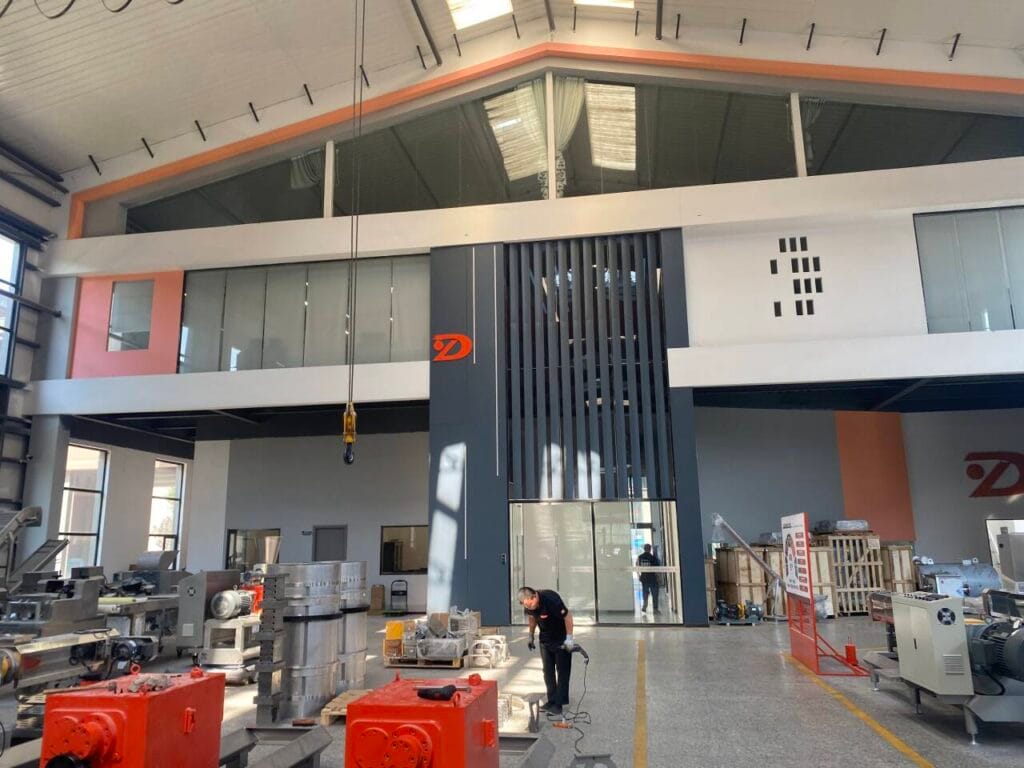
3.3. Cooking Methods:
The hydrated rice is then fully cooked. Industrial-scale cooking must be consistent, efficient, and controllable. Common methods include:
- Continuous Steam Cookers: The rice is conveyed on a perforated belt through a steam-filled tunnel. The time and temperature are precisely controlled by the belt speed and the steam pressure. This is a very efficient and continuous method.
- Rotary Cookers: These are large, rotating drums where the rice is tumbled and exposed to direct steam injection. The tumbling action helps prevent clumping and ensures even cooking.
- High-Temperature/High-Pressure Cooking: Some systems cook the rice under pressure, which raises the boiling point of water and allows for faster, more thorough gelatinization. This is particularly effective for ensuring that every kernel is fully and uniformly cooked.
3.4. The Criticality of Time-Temperature Control:
This step is a Critical Control Point (CCP) in the HACCP plan for microbial safety. The combination of time and temperature must be sufficient to achieve not only full gelatinization but also the pasteurization of the product. The process must destroy pathogenic microorganisms (e.g., Bacillus cereus spores, which are common in rice and can cause food poisoning) and reduce the overall microbial load to a safe level. Data loggers and precise process control systems are used to validate that every particle of rice achieves the target temperature for the required time.
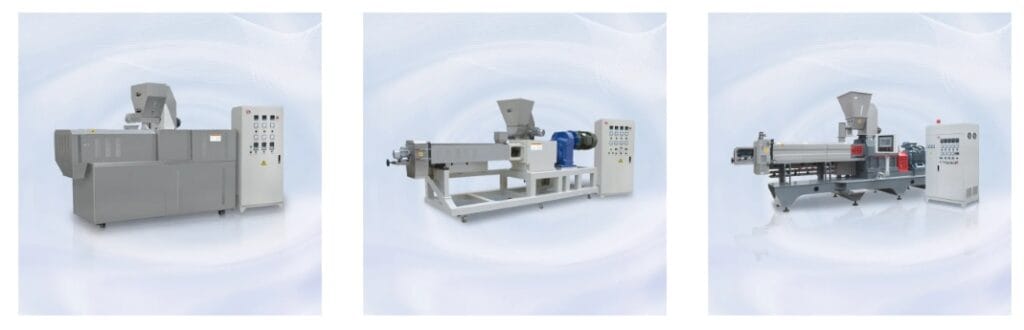
3.5. Preventing Clumping and Additives:
During cooking, the leached amylose can create a sticky matrix that causes the rice grains to clump together into a solid mass. To prevent this, small amounts of food-grade additives may be introduced.
- Emulsifiers: Compounds like mono- and diglycerides or lecithin can be added to the cooking water. They interact with the amylose and starch granules, reducing stickiness and promoting grain separation.
- Acids and Gums: Minor adjustments to pH or the use of hydrocolloids can also help control texture and prevent clumping.
The output of this stage is fully cooked, gelatinized rice. It is soft, moist, and highly perishable. Its shelf life at this point is measured in hours, not months. The next stage is therefore dedicated to preserving this state by removing the water that enables microbial growth.
IV. The Preservation: The Art and Science of Drying
Drying is the most delicate and technically challenging phase of instant rice production. The objective is to remove the majority of the water from the cooked rice without causing the starch to undergo a process called “retrogradation,” which would make the rice hard, horny, and incapable of proper rehydration. The goal is to create a porous, sponge-like structure within the grain that can rapidly re-absorb water.
4.1. The Phenomenon of Starch Retrogradation:
After gelatinization, as the cooked rice cools and loses water, the starch molecules begin to re-associate. Amylose molecules realign quickly, forming a rigid gel network. Over a longer period, the branched amylopectin molecules also slowly recrystallize. This process, retrogradation, is what causes staling in bread and the hard, unacceptable texture of poorly dried instant rice. The challenge is to dry the rice so quickly that the starch molecules are “locked” in their gelatinized, amorphous state, with no time to realign.
4.2. Drying Technologies:
The choice of drying technology is paramount to the product’s quality.
- Conveyor Dryers: The cooked rice is spread on a moving belt and passed through several zones with controlled temperature and humidity. The conditions are typically harsh at the beginning to form a crust on the kernel, preventing sticking, and then milder to gently remove the internal moisture without case-hardening (where a hard outer shell traps moisture inside).
- Fluidized Bed Dryers: Hot air is blown upward through a perforated plate at a velocity sufficient to suspend the rice kernels, causing them to behave like a fluid. This creates intense contact between the hot air and each individual grain, resulting in very rapid and uniform drying. This method is highly effective for preventing clumping and achieving a consistent product.
- Multi-Stage Drying: Often, a combination of methods is used. For example, a flash dryer might be used for initial rapid moisture removal, followed by a conveyor dryer for final, gentle drying to the target moisture content.
4.3. Creating Porosity: The Puffing Step.
Many high-quality instant rice processes include a deliberate “puffing” step to enhance rehydration. After the initial drying to a specific intermediate moisture level (e.g., 15-20%), the rice is subjected to a sudden, intense application of heat.
- Gun Puffing: The rice is placed in a sealed chamber (“gun”) and superheated steam is introduced, raising the pressure. The pressure is then instantly released, causing the superheated water inside the rice kernels to flash into steam, expanding the kernels and creating a porous, honeycomb-like internal structure.
- Hot Air Puffing: Similar in principle, but using very high-temperature air instead of pressure.
This porous structure dramatically reduces the rehydration time from 10-15 minutes to as little as 3-5 minutes, as water can now rapidly permeate the entire kernel through the internal cavities.
4.4. Final Drying and Cooling:
After puffing (if applied), the rice undergoes final drying to reduce the moisture content to a level safe for storage, typically between 8-12%. This low water activity (aW) inhibits the growth of microorganisms and enzymes, ensuring shelf stability. The hot, dried rice must then be cooled rapidly in a cooling conveyor or cooler to ambient temperature before packaging. Slow cooling can promote moisture migration and condensation within the package, leading to spoilage.
The success of the entire instant rice product hinges on this drying stage. It is a precise interplay of heat, mass transfer, and time, designed to preserve the ephemeral state of perfectly cooked rice in a stable, dry form.
V. The Sentinel: Quality Assurance, Fortification, and Enrichment
From the moment the dried instant rice exits the cooler, it is subjected to a battery of tests and potential enhancements designed to guarantee its safety, quality, and nutritional value. Quality Assurance (QA) is not a single step but a pervasive system of checks and balances.
5.1. In-Process and Finished Product Testing:
- Moisture Content and Water Activity (aW): This is tested continuously. The target is a moisture content that provides both stability and good rehydration. The water activity, a measure of free water available for microbial growth, must be below 0.65 to prevent the growth of all pathogens and most spoilage organisms.
- Rehydration Test: The most critical functional test. A sample of the instant rice is rehydrated with a measured volume of boiling water for the specified time. The resulting product is evaluated for:
- Texture: It should be tender but not mushy, with distinct grains.
- Flavor: Neutral, clean rice flavor with no off-notes.
- Color: White and appealing, not gray or yellow.
- Water Uptake: The ratio of absorbed water to dry rice should be consistent.
- Microbiological Testing: Samples are regularly taken and tested for standard plate count, yeast and mold, and specific pathogens like Bacillus cereus and Salmonella. A “hold and test” protocol, where the finished product is quarantined until microbiological results are cleared, is a standard industry practice.
- Physical Tests: The product is sieved to measure the percentage of broken kernels and fines. Bulk density is measured to ensure consistent fill weights in packaging.
5.2. Enrichment and Fortification:
The milling process, while creating a visually appealing and stable product, removes a significant portion of the natural vitamins and minerals found in the bran and germ. To address this public health concern, many countries mandate the enrichment of white rice.
- The Enrichment Blend: A fine powder, or “premix,” containing Thiamine (B1), Niacin (B3), Pyridoxine (B6), Folic Acid, and Iron is applied to the rice kernels.
- Application Method: The most common method is coating. The rice kernels are tumbled in a drum, and the enrichment powder, suspended in a food-grade coating agent (like a syrup or a gum solution), is sprayed onto them. The coating acts as a glue, ensuring the powder adheres to the kernels. This step must be highly controlled to ensure uniform distribution and that the final product meets the mandated levels of each nutrient.
- Technical Challenges: The form of iron used is critical. Soluble forms like ferrous sulfate are bioavailable but can cause off-colors and rancidity. Less reactive forms like ferric pyrophosphate are often used but are less bioavailable. Ensuring the enrichment survives the cooking and drying process without significant degradation is also a key consideration.
5.3. Traceability and HACCP:
Every batch of instant rice must be fully traceable back to its source paddy lot. The HACCP (Hazard Analysis and Critical Control Points) plan, a systematic preventive approach, is implemented throughout the factory. It identifies potential biological, chemical, and physical hazards and establishes control measures, critical limits, monitoring procedures, and corrective actions for each CCP (e.g., the cooking and drying steps). Meticulous documentation provides proof that the product was manufactured under a state of control.
VI. The Final Barrier: Protective Packaging and Storage
The meticulously produced, dry, and stable instant rice is still vulnerable to its environment. The final critical consideration is to encase it in a protective barrier that will maintain its quality from the factory to the consumer’s pantry.
6.1. The Threat: Environmental Degradation.
The primary enemies of instant rice are:
- Moisture: Re-absorption of water will lead to clumping, texture loss, and eventually, microbial spoilage.
- Oxygen: Exposure to oxygen can lead to oxidative rancidity of the small amount of residual lipids in the rice, resulting in off-flavors and stale odors.
- Light: Can cause photo-oxidation, leading to nutrient loss (especially of fortified vitamins) and discoloration.
- Pests and Physical Damage: The package must be robust enough to resist infestation, tearing, and crushing.
6.2. Packaging Materials and Technologies:
- Multi-Layer Flexible Pouches: The most common packaging format. These pouches are laminates of different materials, each serving a function:
- Polyester (PET): Outer layer, provides strength, durability, and a printable surface.
- Aluminum Foil: The critical middle layer, providing an absolute barrier to moisture, oxygen, and light.
- Polyethylene (PE) or Polypropylene (PP): The inner layer, which is heat-sealable and food-safe.
- Modified Atmosphere Packaging (MAP): For premium products, the air inside the pouch is replaced with an inert gas, typically Nitrogen (N2), just before sealing. This removes oxygen, further protecting against oxidative rancidity and preserving the fresh flavor and color of the product for an extended period.
- Rigid Containers: Some instant rice is packaged in plastic tubs or cardboard boxes with an inner liner. The principles remain the same: creating a hermetic seal against the environment.
6.3. Packaging Integrity and Storage:
The packaging machines must be meticulously maintained to ensure a consistent, hermetic seal. Seal integrity is routinely tested using methods like vacuum decay or burst testing. The filled packages are then cartoned and palletized for warehouse storage. The warehouse should be cool, dry, and well-ventilated to prevent any external stress on the packaging materials, even though the primary protection comes from the package itself.
The production of instant rice is a symphony of food science and engineering, where each movement—from selection to packaging—must be performed with precision and foresight. The “convenience” it offers is not a simplification but a complex achievement. It requires a deep respect for the raw material, a mastery of thermal and mechanical processes, an unwavering commitment to food safety, and a sophisticated approach to preservation. By understanding and meticulously controlling the critical considerations outlined in this document—the foundation of raw materials, the purification of milling, the transformation of cooking, the preservation of drying, the vigilance of quality assurance, and the final barrier of packaging—manufacturers can deliver on the promise of instant rice: a safe, nutritious, and consistently high-quality product that stands as a testament to modern food technology.
Leave A Comment