
In a world perpetually racing against the clock, convenience has become a paramount currency. Few food items epitomize this modern demand more than instant rice making machine. It promises a fundamental staple—a grain that has sustained civilizations for millennia—in a fraction of the time, with minimal effort. A product that can sit on a shelf for years, yet transforms into a fluffy, edible side dish with just the addition of boiling water, seems to border on magic.
But what is the true cost of this convenience? What industrial alchemy transforms a humble grain of rice into this quick-cooking marvel? The process is shrouded in the opaque language of food science and manufacturing, leading to public skepticism and a cloud of health-related misconceptions. Is instant rice a nutritious, practical innovation, or a nutritionally bankrupt imposter?
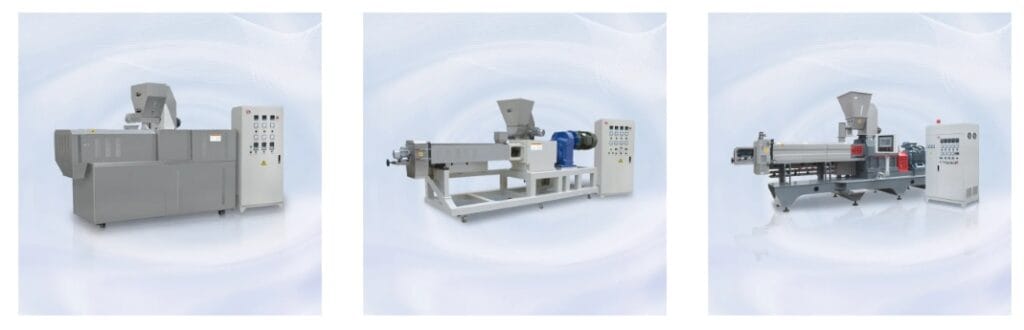
This article is a deep dive into the world of instant rice processing. We will pull back the curtain on the factory floor, exploring the intricate, multi-stage journey that raw paddy rice undertakes. We will dissect the science of pre-cooking, drying, and milling, and analyze the nutritional, textural, and culinary implications of each intervention. This is not merely a description of machinery, but a critical exploration of a global food system that prioritizes shelf-life and speed, instant rice making machineexamining the trade-offs we make every time we reach for that box of instant grains.
Chapter 1: The Raw Material – More Than Just a Grain
Before a single grain can be “instantized,” it must be selected and prepared. Not all rice is created equal, and the choice of base material is the first critical decision in the manufacturing process.
1.1. The Rice Spectrum: Choosing the Right Variety
The species Oryza sativa encompasses thousands of varieties, but they broadly fall into three categories relevant to instant rice production:
- Long-Grain Rice: Varieties like Basmati and Jasmine, known for their long, slender kernels that remain separate and fluffy after cooking. This is the most common base for instant rice in Western markets because its firm, less-sticky texture is better suited to withstand the rigorous processing without turning into mush.
- Medium-Grain Rice: Slightly shorter and wider, with a softer, more tender texture that tends to be stickier. It is sometimes used for specific instant products.
- Short-Grain Rice: Round and stubby, with a very high starch content that makes it exceptionally sticky when cooked (e.g., sushi rice). It is rarely used for traditional instant rice due to its tendency to clump excessively, but it is the primary ingredient for mochi and other instant sticky rice cakes, which undergo a different processing pathway.
The primary criterion for selection is the rice’s amylose content. Amylose is a type of starch molecule that forms a more rigid, organized structure. Rice high in amylose (like most long-grain varieties) cooks up firmer and drier, making it more resilient. Rice low in amylose,instant rice making machine high in amylopectin (like short-grain), becomes soft and sticky. For instant rice, a high-amylose content is preferred to maintain kernel integrity.
1.2. The Paddy to Pearl Journey: Initial Milling
Rice, as harvested, is known as “paddy rice.” It is encased in an inedible, fibrous hull. The first step in any rice production, instant or otherwise, is milling. This process occurs in stages:
- Cleaning and Hulling: The paddy rice is cleaned to remove stones, stalks, and other field debris. It then passes through sheller machines, instant rice making machine which rub the grains together under pressure to crack and remove the hard outer hull. What remains is brown rice—a whole grain containing the bran layer, the germ, and the endosperm.
- The Nutritional Crossroads: Brown vs. White. This is the most significant nutritional decision in the entire process. Brown rice is rich in fiber, vitamins, minerals, and healthy fats. However, this very goodness is its downfall in terms of shelf life. The oil-rich germ is highly susceptible to rancidity, giving brown rice a much shorter shelf life than its white counterpart. For a product designed for long-term storage like instant rice, this is a major liability.
- Polishing and Whitening: To create white rice, the brown rice is sent through abrasive polishers that strip away the bran and germ. What emerges is a polished, white endosperm—primarily composed of starch and protein, but devoid of the fiber, vitamins, and minerals lost with the bran and germ. This stable, long-lasting grain is the almost universal starting point for commercial instant rice. Some manufacturers will later attempt to add back a fraction of the lost nutrients through a process called “enrichment,” but the original, complex nutritional matrix is irrevocably lost.
1.3. Sorting and Grading: The Pursuit of Uniformity
The milled white rice is then sorted by size, shape, and color using sophisticated optical sorters. Any broken, discolored, or immature kernels are removed. Uniformity is paramount in industrial processing; inconsistent grain size would lead to uneven cooking and drying, resulting in a final product that is simultaneously mushy and crunchy. This sorted, pristine white rice is now ready for its transformation.
Chapter 2: The Core Alchemy – The Pre-Cooking and Drying Processes
This is the heart of the instant rice miracle. The fundamental principle is simple: cook the rice first, then remove the water in a way that creates a porous structure that can rehydrate instantly. The execution, however, is complex.
2.1. The Pre-Cooking Phase: Gelatinization Unlocked
Raw rice starch is stored in semi-crystalline granules that are indigestible to humans. Cooking is the process of gelatinization—using heat and water to break down the crystalline structure, instant rice making machine causing the granules to swell, absorb water, and leach amylose, resulting in a soft, digestible grain.
In instant rice production, this cooking is done on an industrial scale. The clean, raw rice is fed into large continuous cookers, which can be giant steamers or hot-water baths. The rice is hydrated and heated to a temperature typically between 70°C and 100°C (158°F – 212°F). The precise time, temperature, and water ratio are closely guarded secrets that define a brand’s final texture. During this stage, the rice absorbs most of the water it can hold, doubling or tripling in weight and volume.
2.2. The Critical “Fixation” Step: Preventing Clumping
As the rice cooks, the starch on the surface of each grain leaches out, creating a sticky gel. If the rice were simply dried at this stage, the grains would fuse into an inseparable, brick-like mass. To prevent this, manufacturers employ a crucial step often called “fixation” or “enzyme deactivation.”
The cooked, hydrated rice is treated to rapidly cool and surface-dry the grains. This can be achieved by:
- Rinsing with Cold Water: This quickly halts the cooking process and washes away surface starch.
- Air Blowing: Forcing cool, dry air through the bed of rice to create a slight crust on each grain.
This step is delicate; too little, and the rice will clump; too much, and it will create a hard, impermeable shell that impedes later rehydration.
2.3. The Art of Drying: Creating the Porous Structure
This is the most technologically sophisticated part of the process. The goal is to remove the water while creating a highly porous, sponge-like microstructure within the grain. instant rice making machine The two primary methods are Air-Drying and Drum-Drying, with a third, more advanced method gaining traction.
- A. Air Drying (Dehydration): The fixed, cooked rice is conveyed through a multi-stage dryer, often a long, tunnel-like structure. Controlled streams of hot, dry air are blown over and through the rice bed. The key is to dry the rice slowly and evenly. If dried too quickly, the outside shrinks and hardens, trapping moisture inside—a phenomenon known as “case hardening.” This results in a grain with a hard, glassy core that refuses to soften upon reconstitution. The slow air-drying process aims to create a uniform, honeycombed internal structure full of microscopic voids where the water once was.
- B. Drum Drying (The Flake Method): This is a more aggressive and older technique, often used for lower-cost products or rice that will be used as an ingredient in other foods (like baby food or meal kits). The cooked rice slurry is spread in a thin layer onto the outside of one or two large, internally heated metal drums that rotate. The rice is cooked and dried almost instantly upon contact with the hot metal surface. It is then scraped off in thin, flaky sheets, which are later broken up into small, irregular pieces that resemble rice. This method produces a product that rehydrates extremely quickly but has a completely different—and often less desirable—mushy texture and a more pronounced “processed” flavor due to the high-heat caramelization of sugars.
- C. Freeze-Drying (Lyophilization): The pinnacle of instant rice technology, though more commonly associated with camping meals and astronaut food due to its high cost. The cooked rice is frozen solid. Then, it is placed in a vacuum chamber where the pressure is dropped so low that the frozen water sublimates—turning directly from ice into vapor without passing through a liquid phase. This process perfectly preserves the rice’s physical structure, leaving behind a rigid, incredibly porous matrix. Freeze-dried rice rehydrates the fastest and retains the best flavor, color, and nutritional profile of the pre-cooked state, as it is not exposed to high heat during drying. However, its fragile structure requires robust packaging and its cost is prohibitive for mainstream everyday instant rice.
After drying, the moisture content of the rice is typically reduced from about 70% to around 8-12%, making it shelf-stable.
Chapter 3: Finishing Touches – The Final Steps to the Shelf
The dried rice is not yet the product we find in the store. It undergoes several more crucial steps to ensure quality, consistency, and compliance with food standards.
3.1. The “Enrichment” Controversy: A Partial Restoration
Having stripped the rice of its natural vitamins and minerals during the polishing stage, most manufacturers (particularly in the US and other countries with regulations) are required to “enrich” it. This involves coating the dried, porous rice grains with a nutrient powder—a synthetic blend of vitamins and minerals designed to replace some of what was lost.
The standard enrichment mix typically includes:
- Iron (Ferric Phosphate or Ferrous Sulfate)
- Thiamine (Vitamin B1)
- Niacin (Vitamin B3)
- Folic Acid (Vitamin B9)
This process is often criticized. While it prevents deficiencies in populations reliant on white rice as a staple, critics argue it represents a reductionist approach to nutrition. The complex phytochemicals, antioxidants, and fiber lost with the bran are not replaced. The body may not absorb these synthetic vitamins as effectively as their natural counterparts. The enrichment powder is often applied with a talc or glucose coating to make it adhere, which can be a point of concern for some consumers.
3.2. Conditioning and Tempering
The rice, now enriched and dried, may be held in large bins for a period known as “tempering.” This allows for the residual moisture within the grains to equilibrate, ensuring no single grain is wetter than another. This step is crucial for achieving a consistent texture in the final product.
3.3. Precision Milling and Sorting (Again)
The processing journey is rough. Some grains break. The dried rice may be passed through very gentle rollers to buff away any remaining loose starch or uneven edges, and then through optical sorters one final time to remove any discolored grains or specks that may have appeared during the cooking and drying stages. This is the last quality control check to ensure visual perfection.
3.4. The Fortification Frontier
Beyond basic enrichment, some manufacturers are now engaging in fortification—adding nutrients that were not originally present in the grain in significant amounts. This can include adding nutrients like Vitamin D, Calcium, or additional fiber. This trend is a direct response to consumer demand for healthier processed foods.
Chapter 4: The Unseen Impacts – Nutrition, Health, and the Glycemic Index
The industrial processing of instant rice has profound effects that extend far beyond the factory, directly impacting our health and metabolism.
4.1. The Glycemic Index (GI) Dilemma
The Glycemic Index is a measure of how quickly a carbohydrate-containing food raises blood glucose levels. High-GI foods cause rapid spikes, instant rice making machine which can be problematic for diabetics and are linked to an increased risk of type 2 diabetes and heart disease.
Instant rice typically has a very high Glycemic Index. The reason is twofold:
- The Loss of the Bran: The fiber in the bran layer of brown rice physically encapsulates the starch granules, slowing down their digestion and the subsequent release of glucose.
- The Gelatinization and Porous Structure: The pre-cooking and drying process creates a starch that is already fully gelatinized and riddled with pores. When hot water is added, the starch rehydrates almost instantly, making it immediately accessible to digestive enzymes. It is, in essence, pre-digested.
A bowl of instant white rice can cause a faster and higher spike in blood sugar than table sugar. This is arguably the most significant health drawback of the product.
4.2. The Nutrient Profile: A Shadow of Its Former Self
Even with enrichment, instant white rice is a nutritionally minimalist food.
- Fiber: It contains almost no dietary fiber, which is crucial for gut health, satiety, and blood sugar regulation.
- Protein: While rice is not a complete protein, the processing does not significantly diminish its protein content. However, the lack of fiber can make it less satiating, leading to potential overconsumption.
- Micronutrients: The enrichment process replaces only a handful of the dozens of beneficial compounds lost in milling. Magnesium, potassium, Vitamin B6, and antioxidants like gamma-oryzanol are absent.
4.3. The Additive Question: Flavorings and Preservatives
Plain instant rice is often just that—rice. However, the flavored varieties that come in single-serving packets are a different story. These can contain a litany of additives:
- Monosodium Glutamate (MSG): For flavor enhancement.
- Hydrolyzed Vegetable Protein: Another umami flavor source.
- Autolyzed Yeast Extract: Yet another flavor enhancer, often used in “MSG-free” products despite having a similar chemical composition.
- Disodium Inosinate and Guanylate: Potent flavor enhancers used in synergy with MSG.
- Maltodextrin: A quickly digested carbohydrate used as a thickener and filler.
- Artificial Colors and Preservatives: Such as TBHQ (Tertiary Butylhydroquinone) to prevent rancidity in any added fats.
While these ingredients are generally recognized as safe by regulatory bodies, their prevalence moves the product further from a whole food and deeper into the realm of ultra-processed food.
Chapter 5: The Global Context – Economics, Environment, and the Future
The production of instant rice is not just a culinary or nutritional story; it is an economic and environmental one.
5.1. The Driver of Convenience in a Fast-Paced World
The global instant rice market is massive and growing, fueled by urbanization, rising disposable incomes, and the decreasing time available for home cooking. It is a staple in disaster relief efforts, military rations, and the food service industry, where speed and consistency are paramount. Its long shelf life reduces food waste at the consumer level, though this must be balanced against the energy inputs of processing.
5.2. The Environmental Footprint of Processing
The instant rice production chain is energy-intensive. The continuous cooking, drying, and multiple milling and sorting stages consume significant amounts of electricity and natural gas. Furthermore, the focus on specific long-grain varieties can contribute to agricultural monocultures,instant rice making machine reducing biodiversity. The water used in the initial cooking stages is often treated and recycled in modern facilities, but it remains a resource-intensive product compared to its raw counterpart.
5.3. The Future of Instant Rice: Innovation and Alternatives
The industry is not static. Innovation is driven by consumer demand for healthier, more sustainable options.
- Whole Grain Instant Rice: The holy grail. Creating a shelf-stable, quick-cooking brown rice has been a major technical challenge due to the rancidity issue. Solutions include:
- Stabilizing the Bran: Using specialized heat treatments or infrared radiation to deactivate the lipid-degrading enzymes in the germ and bran without fully cooking the rice, thereby extending its shelf life.
- Improved Packaging: Using high-barrier, nitrogen-flushed packaging to prevent oxidation.
- Parboiled Brown Rice: Applying the parboiling technique (soaking, steaming, and drying) to brown rice, which drives some of the bran’s nutrients into the endoserm and stabilizes the grain, making it more suitable for instant production.
- Ancient Grains and Blends: Introducing instant quinoa, farro, or blends with rice to improve the overall nutritional profile.
- Sustainable Sourcing: A growing emphasis on sustainably farmed rice, water conservation, and carbon-neutral processing technologies.
The journey of instant rice is a testament to human ingenuity in the face of a persistent modern problem: the scarcity of time. It is a product born of sophisticated food science and engineering, a carefully orchestrated sequence of cooking, fixing, and drying that creates a shelf-stable, instantly rehydratable food.

However, this convenience comes with clear trade-offs. The nutritional degradation, the high glycemic impact, and the energy-intensive processing are the hidden costs of those five minutes saved at the dinner table. Understanding this process empowers us as consumers. Iinstant rice making machine tallows us to see instant rice for what it is: a useful, practical tool for specific situations, but not a nutritional cornerstone of a healthy diet.
The true “secret” of instant rice is not a single chemical or a mysterious machine, but a system of compromises. It compromises the grain’s natural integrity for stability, its nutritional complexity for convenience, and its slow-digesting nature for speed. As with all tools, its value depends on how and when we use it. Armed with the knowledge of its journey from paddy to packet, we can make that choice not out of mystery, but out of understanding.
Leave A Comment