
The Alchemy of Appetite: An In-Depth Exploration of Extruded Snack Foods and Their Evolving Market Landscape
Introduction: The Ubiquitous Crunch
In the pantheon of modern food, few items are as universally recognized yet technologically sophisticated as the extruded snack. From the humble cheese puff to the artisanal veggie straw, from the classic potato-like curl to the protein-packed bar, extruded snacks are a testament to human ingenuity in transforming simple ingredients into complex sensory experiences. The satisfying crunch, the lightweight melt-in-your-mouth texture, the bold and adhering flavors—these are not accidental attributes but the direct result of a precise manufacturing process known as extrusion cooking.
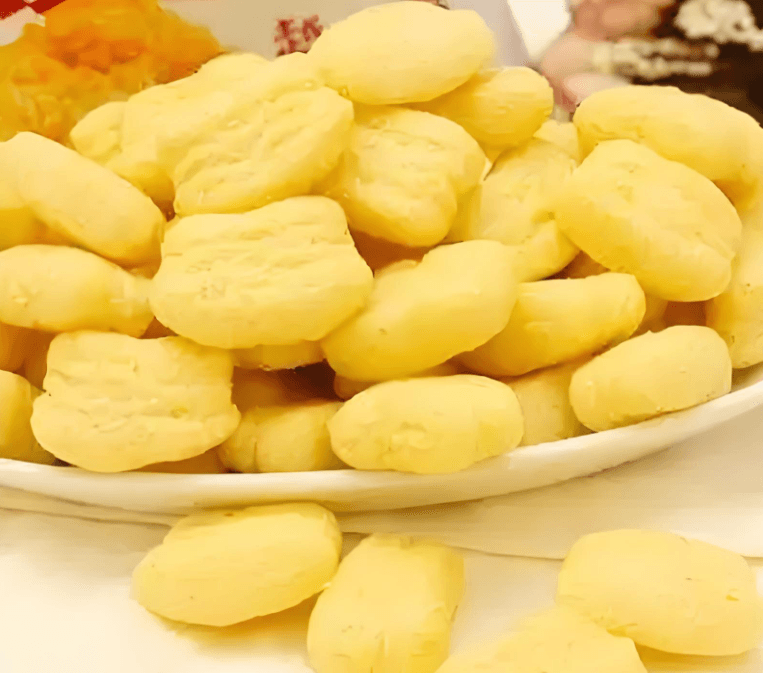
This article delves deep into the world of extruded snack foods, unraveling the science behind their creation, exploring the vast and diverse product categories they encompass, and conducting a thorough analysis of their current market dynamics and future prospects. We will examine how a slurry of raw materials is transformed into a palette of puffed and shaped delights, and how this versatile technology continues to adapt to the most pressing consumer demands of the 21st century: health, wellness, sustainability, and convenience. The extruded snack market is not static; it is a dynamic, multi-billion-dollar global industry in a constant state of innovation, facing both significant challenges and unprecedented opportunities.
Part 1: The Science and Technology of Snack Extrusion
At its core, extrusion is a process of engineering. It is a continuous system that combines multiple unit operations—mixing, cooking, kneading, shearing, and shaping—into one efficient, streamlined machine. Understanding this process is key to appreciating the product’s final form.
1.1. The Basic Principles of Extrusion Cooking
Extrusion cooking is a thermomechanical process where a set of raw ingredients, extruder snacks typically in a powdered or granular form, are forced through a barrel under a combination of high temperature, high pressure, and intense mechanical shear. The machine that accomplishes extruder snacks this is an extruder, which functions somewhat like a sophisticated, high-pressure meat grinder or pasta maker, but with precise control over thermal and mechanical energy inputs.
The process can be broken down into several key stages within the extruder barrel:
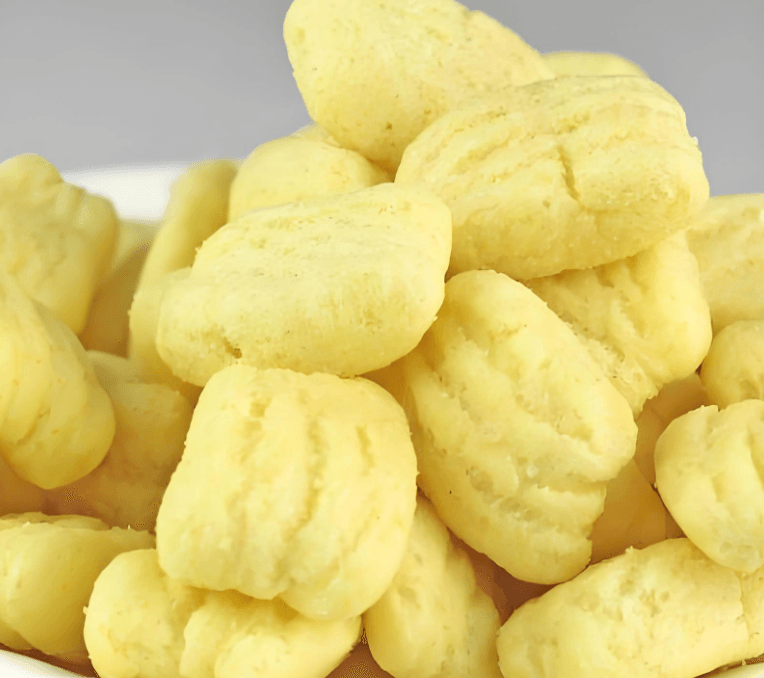
- Feeding and Mixing: The raw material blend, or “recipe,” is fed into the extruder’s inlet. This blend often consists of a base cereal (e.g., corn meal, rice flour, wheat flour), water, and other minor ingredients. The initial screw sections gently convey and mix these components into a homogeneous dough.
- Compression and Cooking: As the material moves along the barrel, the screw configuration changes, becoming more restrictive. This compresses the dough, increasing the internal pressure and temperature. Simultaneously, steam is often injected directly into the barrel (“direct steam injection”), and the barrel itself is heated. The mechanical energy from the rotating screws is converted into thermal energy through friction and shear, further cooking the mixture. At this stage, the starch granules within the cereal base swell and rupture in a process called gelatinization. This is critical, as gelatinized starch is what allows the product to expand and gives it its digestible, crisp texture.
- Melting and Plasticizing: Under the intense heat (which can range from 120°C to 180°C) and pressure (which can exceed 50 bar), the dough transitions from a particulate mass into a viscous, plasticized melt. It behaves less like a solid and more like a thick, superheated fluid.
- Shaping and Expansion: The plasticized melt is then forced through a specially designed die plate located at the end of the extruder barrel. The die shapes the product—creating rings, stars, tubes, or simple circles. The moment the material exits the die, it is subjected to a sudden, dramatic drop in pressure to the ambient atmosphere. This causes the superheated water within the dough to instantly flash into steam, “puffing” the product into a low-density, porous foam. The structure sets almost immediately as the steam escapes, locking in the expanded shape and creating the characteristic airy, crispy texture.
1.2. Types of Extruders: Single-Screw vs. Twin-Screw
The choice of extruder type is a fundamental decision that dictates the flexibility and capability of a snack production line.
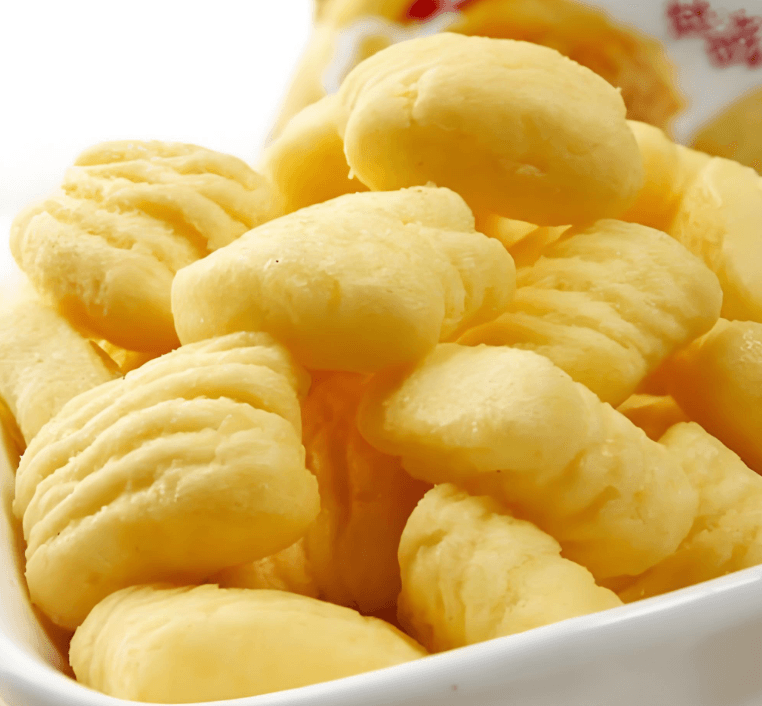
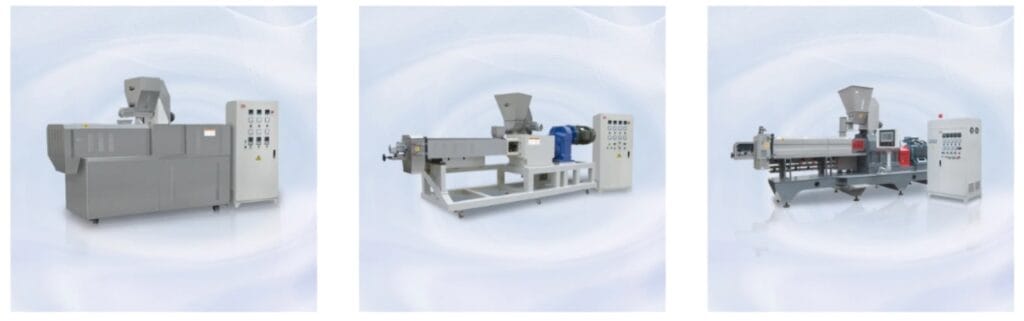
- Single-Screw Extruders: These are the workhorses of the industry, particularly for high-volume, simple products like direct-expanded corn puffs. They have one rotating screw inside a stationary barrel. Their operation is relatively straightforward, and they are generally less expensive and easier to maintain. However, they offer limited flexibility. They are less efficient at handling recipes with high fat, fiber, or moisture content, which can cause slippage and unstable operation. The mixing action is also less vigorous, which can lead to inconsistencies in complex formulations.
- Twin-Screw Extruders: This is the technology of choice for innovation and complex product development. As the name suggests, they feature two intermeshing, co-rotating screws inside an “8”-shaped barrel. They offer superior control and versatility for several reasons:
- Excellent Mixing: The intermeshing screws provide a positive conveying action and intensive mixing, ensuring a perfectly homogeneous dough even with challenging ingredients.
- Recipe Flexibility: Twin-screw extruders can robustly process a much wider range of raw materials, including those high in oil, protein, or bran, which would stall a single-screw machine. This is crucial for developing healthier snacks with added functional ingredients.
- Precise Process Control: The independent control of screw speed, barrel temperature, and feed rate allows operators to fine-tune the texture, density, and expansion of the final product with great precision.
- Self-Cleaning: The wiping action of the co-rotating screws makes them largely self-cleaning, which reduces downtime during product changeovers and improves hygiene.
The industry trend, especially for value-added and functional snacks, is decisively moving towards the adoption of twin-screw technology.
1.3. The Role of Raw Materials
The final product’s character is a direct reflection of its ingredient composition.
- The Base: Corn (in the form of corn meal or grits) is the king of snack extrusion due to its excellent expansion properties and neutral flavor. Rice flour produces a very white, clean-tasting, and crisp product, often used in more premium applications. Wheat, oats, potatoes, and tapioca are also common bases, each contributing unique flavors, colors, and functional properties.
- Proteins: The incorporation of proteins from sources like soy, whey, peas, and lentils is a major growth area. However, proteins can interfere with starch expansion, often resulting in a harder, less puffy texture. Formulators must carefully balance protein levels and use process adjustments to achieve the desired lightness.
- Fibers: Adding dietary fiber (e.g., from oat bran, inulin, or psyllium) is another response to health trends. Like protein, fiber can disrupt the starch matrix and limit expansion, requiring technical expertise to mitigate.
- Fats and Oils: While often added post-extrusion as a flavor carrier, small amounts of internal fat can lubricate the extruder but can also hinder expansion if not carefully managed.
- Water: Water acts as a plasticizer during extrusion. Its level is one of the most critical process parameters, directly influencing viscosity, shear, and the final degree of expansion.
Part 2: A Taxonomy of Extruded Snack Foods
The versatility of extrusion technology gives rise to a stunning array of product categories.
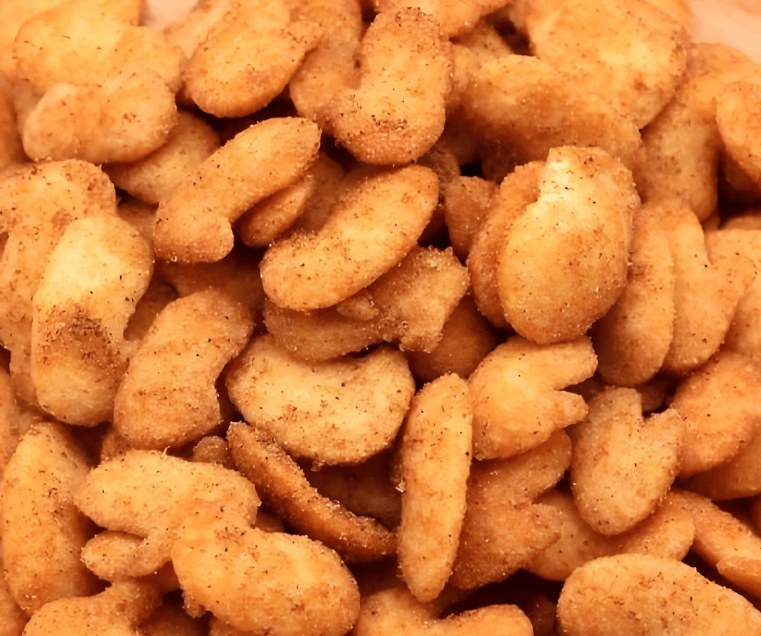
2.1. Direct-Expanded (DX) Snacks
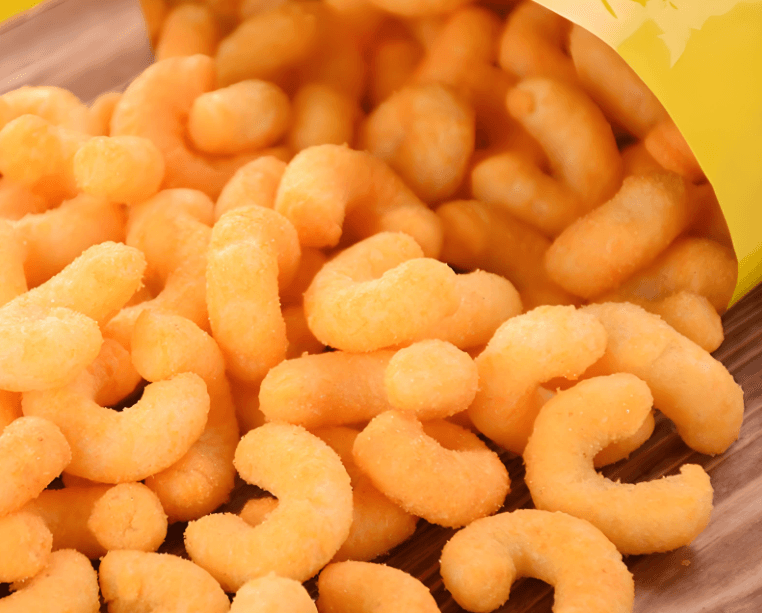
These are the classic “puffed” snacks. The product is fully cooked and expanded as it exits the extruder die. Examples include cheese puffs, ball-shaped puffs, and certain breakfast cereals. They are very light, highly porous, and have a melt-in-the-mouth quality. They are almost always coated with oil and flavor powders after drying to achieve their signature taste.
2.2. Half-Products or Third-Generation Snacks
Also known as pellets or intermediates, these are not meant for direct consumption. They are produced via a process designed to prevent expansion at the die. This creates a dense, glassy, and shelf-stable pellet. The final snack is created in a second, separate step where the consumer or snack manufacturer fries, toasts, or microwaves the pellets, causing them to puff and crisp. This technology, popularized by brands like “Harvest Snaps,” allows for a wider variety of raw materials (including those that don’t expand well in direct extrusion) and delivers a different, often nuttier and harder crunch. It is ideal for creating lentil, chickpea, and black bean-based snacks.
2.3. Co-Extruded Snacks
This is a more complex process where two or more extruders work in tandem, typically to create a dual-textured product with a filled center. One extruder produces an outer shell (e.g., a corn-based crisp), while a second pump injects a filling (e.g., cheese, peanut butter, fruit paste) into the center of the shell just before the die. The product is then cut and sealed. Examples include certain nutrition bars and filled snack bites.
2.4. Cereals and Breakfast Bars
The technology for producing many ready-to-eat (RTE) breakfast cereals (flakes, puffs, shreds) is fundamentally based on extrusion. Similarly, the crispy cereal clusters and bases of many granola and nutrition bars are created using extrusion to bind ingredients like oats, rice, and syrups into a light, crunchy matrix.
Part 3: The Global Market Landscape: Current Dynamics and Drivers
The global extruded snack food market is a behemoth, valued in the hundreds of billions of dollars and exhibiting steady growth. This growth is fueled by a confluence of demographic, economic, and social factors.
3.1. Market Size and Growth Trajectory
According to various market research firms (e.g., Grand View Research, Mordor Intelligence), the global extruded snacks market is projected to grow at a Compound Annual Growth Rate (CAGR) of approximately 4-5% over the next five to ten years. This may seem modest, but it represents significant absolute growth given the market’s already massive size. Growth is most robust in the Asia-Pacific region, driven by rising disposable incomes, urbanization, and the westernization of diets in countries like China, India, and Indonesia. North America and Europe remain mature, high-volume markets where growth is driven more by premiumization and health-oriented innovation than by volume consumption.
3.2. Key Market Drivers
- Urbanization and Busy Lifestyles: The global trend towards urban living has created a massive population of time-poor consumers. The convenience of packaged, ready-to-eat, non-perishable snacks is irreplaceable for this demographic.
- Rising Disposable Incomes: As purchasing power increases, particularly in emerging economies, consumers allocate a larger portion of their food budget to discretionary items like savory snacks.
- The “Snackification” of Meals: The traditional model of three square meals a day is eroding. It is being replaced by a grazing culture, where several smaller snacks and mini-meals are consumed throughout the day. Extruded snacks fit perfectly into this pattern as a quick source of energy and satisfaction.
- The Power of Marketing and Branding: Major players like PepsiCo (Frito-Lay), Kellogg’s, and General Mills wield immense marketing power. Their aggressive advertising, brand-building, and extensive distribution networks ensure that products like Cheetos and Pringles (which utilizes a specialized form of extrusion) maintain top-of-mind awareness and global availability.
3.3. The Competitive Environment
The market is characterized by a mix of global giants and nimble, innovative small-to-medium enterprises (SMEs).

- The Multinational Conglomerates: Companies like PepsiCo and Kellogg’s dominate through economies of scale, vast distribution networks, and strong brand loyalty. Their strategy often involves brand extensions (e.g., new flavors, limited editions) and acquisitions of promising smaller brands.
- Private Label Brands: Supermarket and hypermarket chains have developed their own lines of extruded snacks, which compete directly with national brands on price. The quality of these private-label products has improved significantly, increasing their market share.
- Specialty and Craft Snack Producers: This is a vibrant and fast-growing segment. These smaller companies often compete not on price but on quality, uniqueness, and a clear brand story. They are typically the first movers in trends like organic, non-GMO, gluten-free, and exotic flavor profiles.
Part 4: Consumer Trends Reshaping the Industry
The market is not immune to the powerful shifts in consumer consciousness. The “better-for-you” movement is the single most influential force driving R&D in the snack aisle today.
4.1. The Health and Wellness Imperative
The demand for healthier options is no longer a niche trend but a mainstream expectation. This manifests in several ways:
- Clean Label: Consumers are scrutinizing ingredient lists, seeking recognizable, simple, and minimal ingredients. They are avoiding artificial flavors, colors, and preservatives. This has pushed manufacturers to invest in natural color sources (e.g., beet juice, turmeric) and flavor systems (e.g., yeast extracts, spice blends).
- Free-From Formulations: Gluten-free, which started as a medical necessity for celiac sufferers, is now a widespread lifestyle choice. Extruded snacks based on rice, corn, and lentils naturally cater to this trend. Similarly, there is growing demand for dairy-free and vegan options.
- Positive Nutrition: Beyond just removing negatives, consumers now seek “functional” snacks that provide a positive health benefit. This includes:
- High Protein: Snacks fortified with plant-based proteins (pea, fava bean, brown rice) are booming, targeting fitness enthusiasts and those seeking sustained energy.
- High Fiber: Products promoting gut health through added prebiotic fibers like inulin or chicory root are gaining traction.
- Reduced Fat and Sodium: While flavor is paramount, there is a consistent push for reducing saturated fat and sodium content through improved formulations and seasoning technologies.
4.2. The Plant-Based Revolution
The surge in flexitarian, vegetarian, and vegan diets has created a massive opportunity. Extrusion is the key technology for creating the textures of plant-based foods. While most associated with meat analogues, this expertise is directly applicable to snacks. We are seeing a proliferation of snacks whose primary base is not corn or potato, but lentils, chickpeas, black beans, and edamame, often marketed for their inherent protein and fiber content.
4.3. Sustainability and Ethical Production
A growing segment of consumers, particularly younger generations, make purchasing decisions based on a company’s environmental and ethical practices. Key concerns include:
- Sustainable Sourcing: Using certified sustainable palm oil (or removing it entirely), sourcing non-GMO project verified grains, and ensuring traceability in the supply chain.
- Packaging Reduction: The extruded snack industry is grappling with its reliance on plastic packaging. There is intense pressure and innovation towards using recyclable, compostable, or reduced-material packaging.
- Carbon Footprint: Companies are beginning to assess and market the environmental footprint of their products, appealing to climate-conscious consumers.
4.4. Adventure and Experiential Flavors
While health is crucial, the primary function of a snack is indulgence and enjoyment. There is a constant demand for novel and bold flavor experiences. This trend is often driven by global cuisine, with flavors like sriracha, kimchi, gochujang, harissa, and tikka masala moving from restaurant menus to the snack aisle. Limited-edition flavors create buzz and drive repeat purchases.
Part 5: Challenges and Constraints in the Industry
Despite its strengths, the extruded snack industry faces significant headwinds.
5.1. The Health Perception Challenge
The core of the industry was built on products that are often high in carbohydrates, sodium, and fat. Overcoming the perception of being “junk food” is an ongoing battle. Reformulating products to meet health standards without compromising on the taste and texture that consumers love is a major technical and financial challenge.
5.2. Volatile Raw Material Costs
The industry is highly dependent on agricultural commodities. Droughts, floods, trade disputes, and geopolitical events can cause significant fluctuations in the price of corn, wheat, and potatoes, squeezing profit margins and forcing difficult decisions on pricing and pack sizes.
5.3. Intense Competition and Price Pressure
The market is fiercely competitive. Retailers wield significant power, and the battle for shelf space is relentless. This creates constant pressure on pricing, making it difficult for smaller players to compete with the economies of scale of the giants and the low prices of private labels.
5.4. Regulatory Scrutiny
Governments worldwide are implementing stricter regulations on food labeling, health claims, and marketing, especially to children. Policies like front-of-pack warning labels (e.g., in Chile and Mexico) and taxes on sugary or high-fat foods can directly impact sales and force costly reformulations.
Part 6: The Future of Extruded Snacks: Innovation and Prospects
The future of extruded snacks is bright, but it will look different from the past. Innovation will be the key to growth.
6.1. Ingredient Innovation
The search for the next super-ingredient is ongoing. We can expect to see more snacks based on ancient grains (sorghum, teff, amaranth), novel legumes (fava beans, mung beans), and even ingredients derived from algae and insects as sustainable protein and nutrient sources.
6.2. Technological Advancements
Extrusion technology itself will continue to evolve. Artificial Intelligence (AI) and Machine Learning (ML) will be integrated into control systems to self-optimize the process in real-time, ensuring perfect consistency, reducing waste, and allowing for even more complex formulations. 3D Food Printing, often using an extrusion-based mechanism, could enable the creation of hyper-personalized snacks with customized shapes, textures, and nutritional profiles.
6.3. Personalization and Nutrition-on-Demand
The future points towards hyper-personalization. Imagine subscription services that deliver snacks tailored to an individual’s DNA, gut microbiome, or specific athletic goals. Extrusion is a perfect platform for creating the base for such tailored nutritional products.
6.4. Sustainability as a Core Value
Sustainability will transition from a marketing claim to a fundamental business practice. This will include a circular economy approach, using upcycled ingredients (e.g., spent grain from breweries, pulp from juicing) in snack formulations, and a full-scale transition to renewable energy in manufacturing and truly sustainable packaging solutions.
The extruded snack is a marvel of food science, a product that has seamlessly integrated itself into the global culinary landscape. From its origins as a simple, indulgent puff, it has evolved into a sophisticated delivery system for nutrition, flavor, and texture. The market it occupies is vast, complex, and dynamic, driven by the immutable human desire for convenient pleasure, yet constantly being reshaped by the growing demand for health, transparency, and sustainability.
The companies that will thrive in the coming decades will be those that view extrusion not just as a manufacturing tool, but as a platform for innovation. They will be the ones who can successfully bridge the gap between indulgence and wellness, who can tell a compelling and authentic brand story, and who can leverage advanced technology to meet the nuanced and evolving needs of the 21st-century consumer. The humble extruded snack, therefore, stands as a powerful symbol of the entire food industry’s journey: a journey from simple sustenance to complex, conscious consumption.
Leave A Comment