
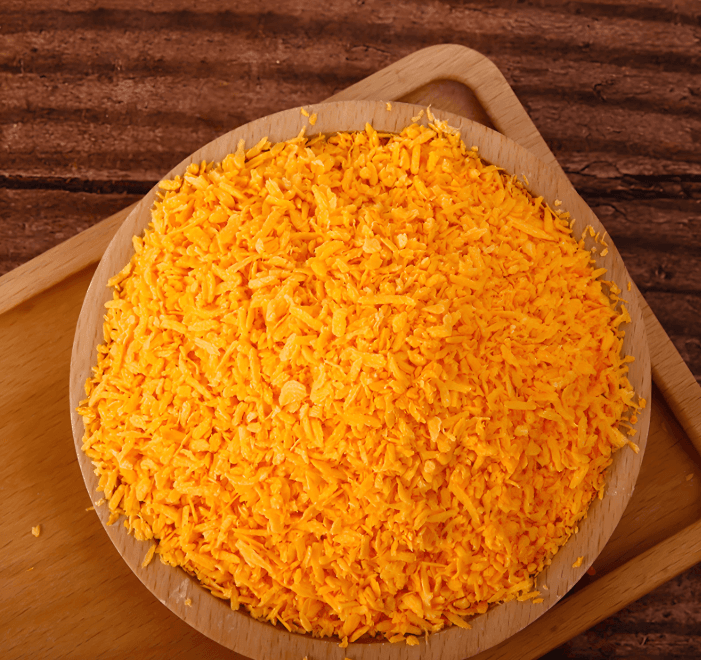
Panko, the quintessential Japanese breadcrumb, has revolutionized the culinary world with its signature light, airy, and extraordinarily crispy texture. Unlike the dense, sandy consistency of traditional Western breadcrumbs, panko boasts large, bread crumb machine for sale shard-like flakes that deliver a delicate yet shatteringly crisp finish. This unique texture is not a happy accident but the direct result of a specialized and precise manufacturing process. This article details the key stages of panko production, explaining the science behind its iconic form.
Stage 1: Ingredient Selection and Dough Preparation
The process begins with a simple, lean formula designed for structure, not flavor.
- Flour: High-protein wheat flour (often harder wheat varieties) is used to create a strong gluten network, which is crucial for forming the right internal structure during baking.
- Water & Yeast: The dough is hydrated and leavened with yeast, but the proofing time is relatively short. The goal is not to develop complex flavors but to create a uniform, aerated structure.
- Salt & Sugar: Added in minimal amounts for slight flavor and to control yeast activity.
The mixed dough is then sheeted and shaped into a specific, large rectangular loaf. The consistency and shaping are critical for the next stage.
Stage 2: The Revolutionary Baking Process: Electrical Current
This is the most defining and unique step in panko production. bread crumb machine for sale The shaped loaves are not baked in a conventional gas or deck oven.
- Electrodes: The loaves are placed in an industrial oven where metal electrodes are inserted at each end.
- Application of Current: A controlled electrical current is passed directly through the dough.
- The Science: This method causes rapid and uniform heating from the inside out. The water within the dough instantly turns to steam, creating tremendous internal pressure. The strong gluten matrix stretches to its limit, forming a multitude of large, irregular air pockets. Simultaneously, the crust formation is minimized because the exterior is not subjected to direct, scorching radiant heat as in a conventional oven. The result is a loaf with a very pale, thin, and soft crust and a highly aerated, uniform interior with a fine, pillowy texture—completely devoid of the dense, browned crumb of regular bread.
Stage 3: Coarse Grinding and Sifting
After cooling, the loaves undergo a specific size reduction process.
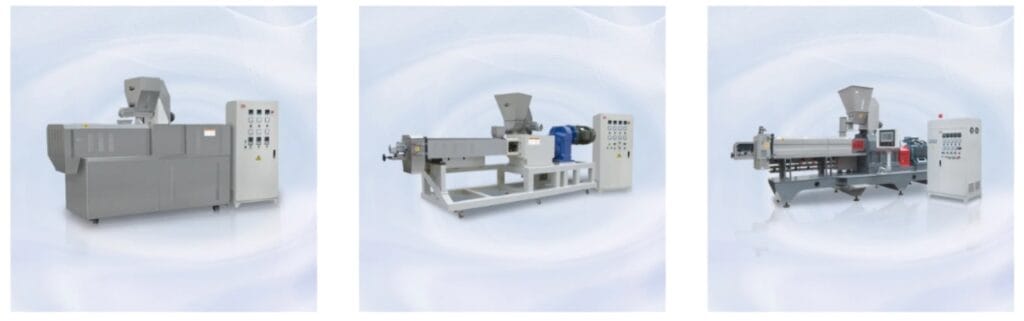
- Coarse Grating/Shredding: Instead of being pulverized or finely ground, the bread is passed through large, coarse graters or shredders. This action tears the soft, aerated crumb along its natural cell structures, creating those signature elongated, flaky slivers and flakes.
- Crust Removal: In most premium panko production, the thin, pale crust is typically trimmed away before shredding to ensure color uniformity and a purely flaky texture.
- Sifting: The shredded flakes are sifted to separate them into consistent sizes (e.g., coarse vs. fine panko) and to remove any fine powder.
Stage 4: Drying and Stabilization
The freshly shredded crumbs still contain moisture and are perishable.
- Gentle Drying: The flakes are quickly dried using a method like forced-air drying or baking at a low temperature. bread crumb machine for sale The goal is to reduce the moisture content to a shelf-stable level (typically below 10%) without toasting or browning the flakes, which would alter their delicate texture and pale golden-white color.
- Packaging: Once cooled, the panko is immediately packaged in airtight bags or boxes to prevent moisture absorption and maintain crispness.
Key Distinctions from Traditional Breadcrumb Processing:

- Bread Type: Panko uses a specially formulated, crustless white bread. Traditional crumbs often use various leftover breads, including crusts.
- Baking Method: The use of electrical current baking is the core patentable difference, creating the unique air-pocket structure.
- Size Reduction: Coarse shredding vs. fine grinding or milling. This preserves the flaky architecture.
- Final Product: The result is a dry, flake with sharp edges that absorbs minimal oil and fries up crisper and lighter than the dense, granular powder of traditional breadcrumbs.
Panko is a masterpiece of applied food science. bread crumb machine for sale Its production is a deliberate engineering process aimed at maximizing surface area and creating a brittle, airy structure. From the specific dough formula and the revolutionary electrical baking to the coarse shredding, every step is optimized to produce a coating ingredient that delivers an unparalleled crunchy texture—one that is crisp yet delicate, substantial yet not greasy. This meticulous process is why panko has secured its place as the premium choice for chefs and home cooks seeking the ultimate crispy finish.
Leave A Comment