
How Is Fortified Rice Made?
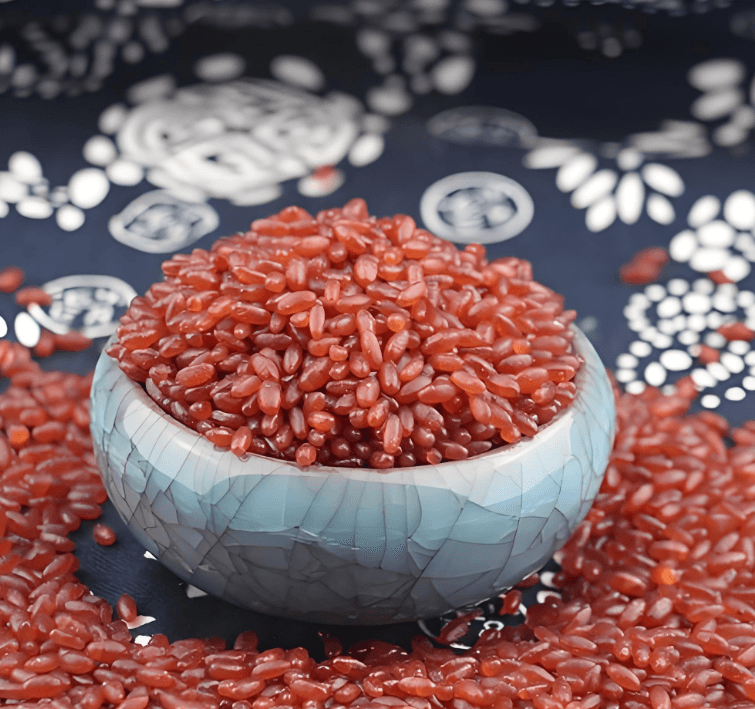
Fortified Rice is a vital public health food product designed to combat micronutrient deficiencies. It starts as ordinary milled white rice, which has had its nutrient-rich bran and germ layers removed during polishing, stripping away essential vitamins and minerals. fortified rice machine market The enrichment process deliberately adds key nutrients back into the rice, creating a food that looks, cooks, and tastes like regular rice but provides significant nutritional benefits.fortified rice machine market Here’s a detailed look at the primary industrial methods used to make it.
1. Core Principle: The Nutrient Mix (Premix)
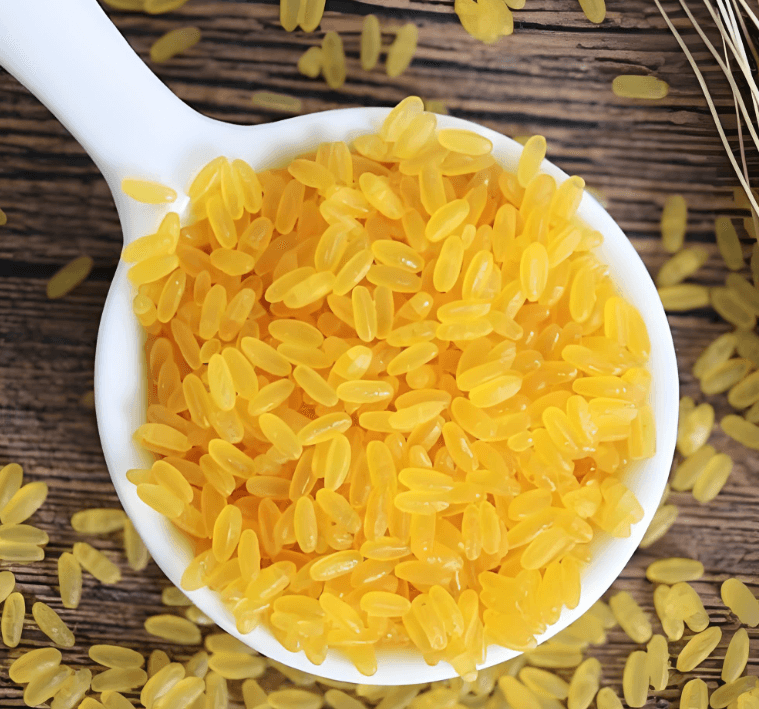
The foundation of enrichment is a specially formulated nutrient premix. The most common nutrients added are:
- B Vitamins: Thiamine (B1), Niacin (B3), and often Vitamin B6 and Folate (B9).
- Minerals: Iron and Zinc.
- Optional: Vitamin A and other minerals.
The major technical challenge is that these nutrients in powder form would simply wash off during rinsing or cooking. Therefore, the premix and the application process are engineered for stability.
2. Primary Production Methods
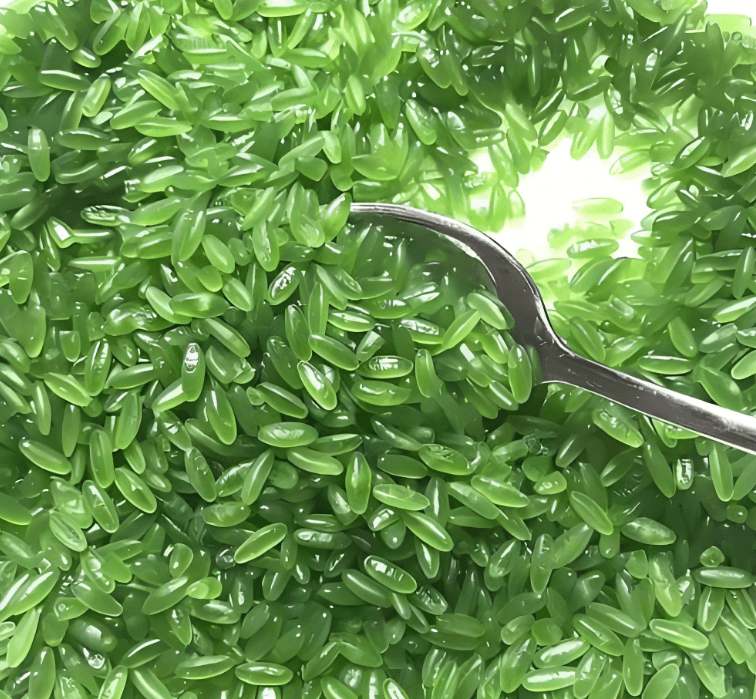
Two main industrial techniques are used to bind the nutrients to the rice kernel effectively.fortified rice machine market
a) Coating Method (Dusting or Spraying)
This is a common and cost-effective approach.
- Step 1 – Polished Rice: Ordinary, milled white rice grains are used as the base.
- Step 2 – Nutrient Slurry Preparation: The vitamin and mineral powders are mixed with a food-grade coating material—often a gum (like edible shellac or hydroxypropyl methylcellulose) or a starch-based solution—to create a fine slurry or syrup.
- Step 3 – Application & Coating: The rice grains are tumbled in a large drum or fluidized bed coater. The nutrient slurry is sprayed onto the tumbling grains in a fine mist.
- Step 4 – Drying & Sealing: A stream of warm air dries the coating, forming a thin, protective seal around each rice kernel. This seal is designed to be water-insoluble during rinsing but to break down during cooking, releasing the nutrients into the rice.
- Result: The rice gains a slightly glossy appearance. A small amount of talc or calcium carbonate may be added as a final polishing agent to prevent clumping and improve the visual resemblance to uncoated rice.
b) Hot Extrusion or “Artificial Grain” Method
This more advanced method creates rice kernels that are uniformly enriched throughout.
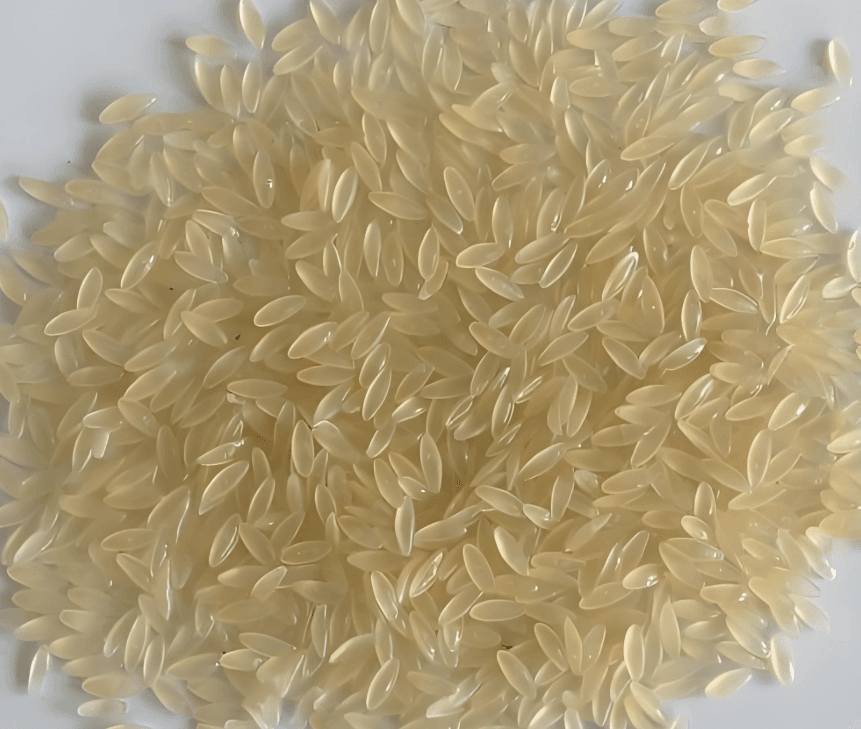
- Step 1 – Nutrient Flour Mixture: Rice flour is combined with the precise vitamin and mineral premix and water to form a dough.
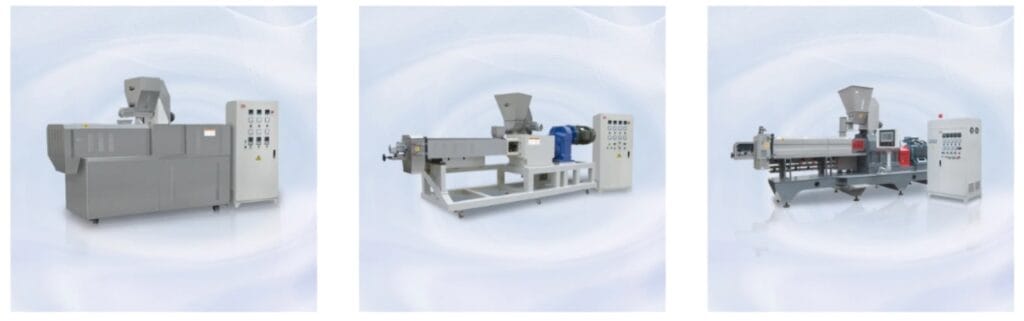
- Step 2 – Extrusion: The dough is forced through an extruder—a machine that uses heat and pressure to cook the mixture. The die at the end is shaped like a rice kernel.
- Step 3 – Cutting & Shaping: The extruded strands are cut into small, rice-shaped pellets or “artificial grains.”
- Step 4 – Drying & Blending: These dense, nutrient-dense pellets are dried. They are then blended with regular polished rice at a low ratio (typically 0.5% to 2%). This means that in a bag of enriched rice, only a tiny fraction of the grains (the extruded ones) carry the full dose of nutrients. During cooking and serving, the nutrients disperse throughout the entire portion.
- Advantage: This method offers superior protection against nutrient loss during washing, as the nutrients are encapsulated inside the grain-like structure.
3. Quality Control & Fortification Standards
The process is tightly controlled:
- Precise Dosage: Adding the correct amount of premix is critical and governed by national food fortification standards.
- Uniformity Testing: Batches are tested to ensure an even distribution of nutrients so that every serving provides the intended benefit.
- Stability Testing: The rice is tested to ensure the nutrients remain stable during storage and survive the cooking process to be bioavailable upon consumption.
Final Product & Purpose
The resulting enriched rice is nearly indistinguishable from regular rice in a bag. fortified rice machine marketIts public health purpose is profound: it is a passive, effective vehicle for delivering essential nutrients to large populations, helping to prevent deficiencies like beriberi (B1), pellagra (B3), and anemia (Iron) without requiring changes to people’s dietary habits.
In summary, enriched rice is made through precise coating or extrusion-blending technologies that bind essential vitamins and minerals to the rice grain in a stable form, fortified rice machine market ensuring the nutrients survive storage, rinsing, and cooking to reach the consumer’s plate.
Leave A Comment