
1. Introduction: The Evolution of Corn Flakes Technology
2.1 Primary Raw Material: Dent Corn
- Variety Selection: Primarily yellow dent corn (Zea mays indentata) with specific endosperm characteristics
- Quality Parameters:
- Moisture content: 12-14% (storage moisture)
- Test weight: ≥ 54 lb/bushel
- Broken kernels: ≤ 3%
- Foreign material: ≤ 2%
- Mycotoxin levels: Below regulatory limits (aflatoxin < 20 ppb, fumonisin < 2 ppm)
- Protein content: 7-9%
- Starch content: 70-75% (preferably high amylopectin)
2.2 Additives and Fortification Components
- Sweeteners: Malt extract, sugar syrup (sucrose, fructose), honey
- Salts: Sodium chloride, potassium chloride (for reduced sodium variants)
- Fortification Premix: Vitamins (A, C, D, E, B complex), minerals (iron, zinc)
- Flavorings: Natural and artificial flavors, spice extracts
- Preservatives: Mixed tocopherols, BHT (limited use in modern formulations)
- Nutritional Additives: Protein isolates, dietary fiber
3. Comprehensive Processing Flowchart
Raw Corn Receiving → Cleaning → Tempering → Milling/Gristing
    ↓
Blending (with additives) → Cooking/Steaming → Flaking
    ↓
Toasting/Drying → Flake Stabilization → Sugar Coating (Optional)
    ↓
Fortification → Cooling → Packaging → Storage/Distribution
4. Detailed Processing Stages
4.1 Cleaning and Conditioning
- Magnetic Separation: Removal of ferrous metals using permanent magnets
- Aspiration: Air stream separation of lighter impurities (dust, husk particles)
- De-Stoning: Gravity separation using specific gravity tables
- Scouring: Abrasion cleaning to remove surface contaminants
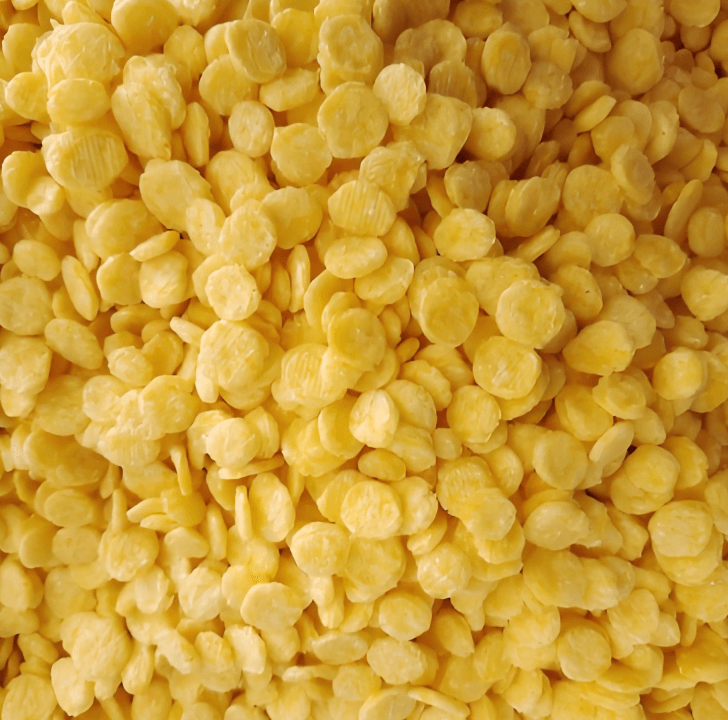
- Tempering: Controlled moisture addition (to 18-22%) with 6-24 hour rest period for uniform moisture distribution
4.2 Milling and Gristing
- Degermination: Removal of germ and bran using specialized degerminating mills
- Particle Size Control: Production of corn grits with specific granulation:
- Grits size: Typically 1/2 to 1/4 of kernel size
- Granulation distribution: 85-90% through US #6 sieve, 10-15% through US #8 sieve
- End product: Pure endosperm grits with <1% fat content
4.3 Cooking and Steaming Process
4.3.1 Batch Cooking Technology (Traditional Method)
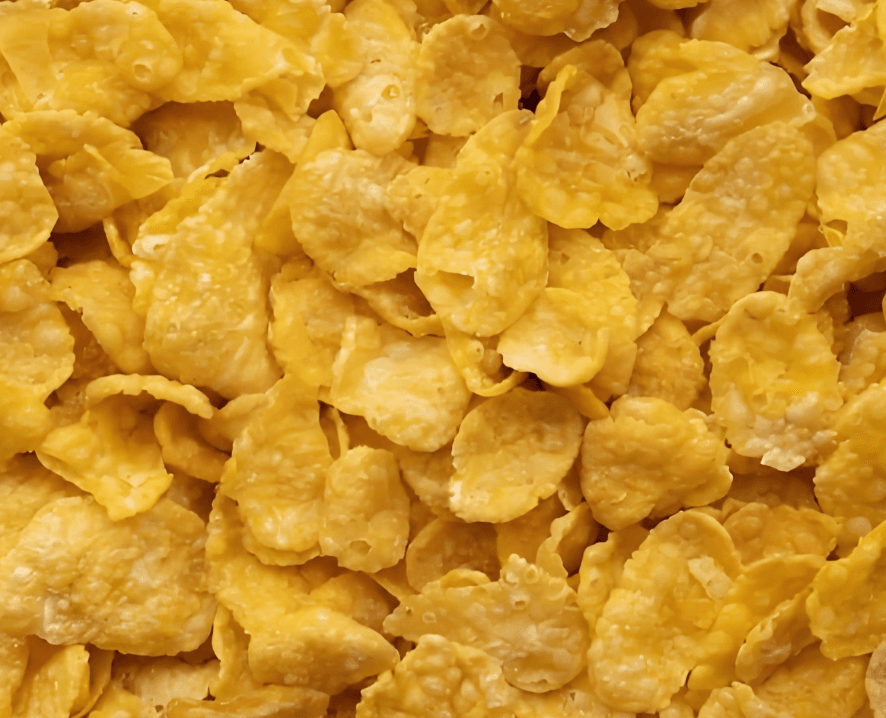
- Pressure Vessels: Rotary batch cookers with indirect steam injection
- Cooking Parameters:
- Pressure: 15-25 psi (103-172 kPa)
- Temperature: 110-130°C (230-265°F)
- Time: 1.5-3 hours
- Moisture content after cooking: 28-32%
- Ingredient Addition: Malt-salt-sugar syrup added during cooking
- Gelatinization: Complete starch gelatinization (>95%) achieved
4.3.2 Continuous Cooking Systems (Modern Approach)
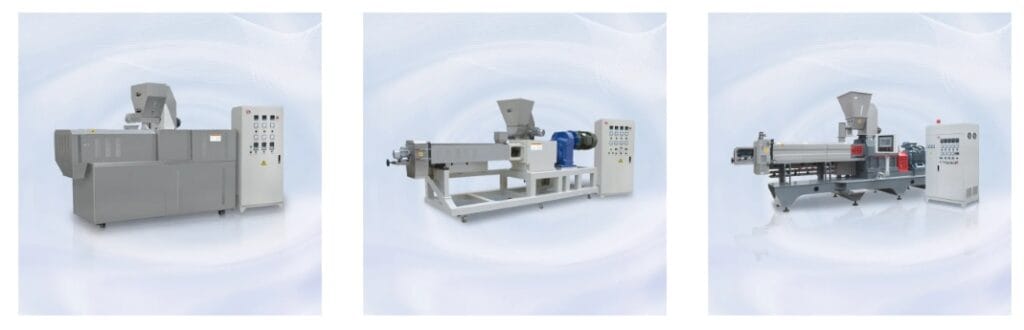
- Extrusion Cooking: High-temperature short-time (HTST) processing
- Twin-Screw Extruder Parameters:
- Temperature profile: 120-150°C in cooking zone
- Residence time: 45-120 seconds
- Specific mechanical energy (SME): 80-150 Wh/kg
- Die pressure: 300-800 psi
- Advantages: Better nutrient retention, energy efficiency, continuous operation
4.4 Flaking Process
4.4.1 Equipment Specifications
- Flaking Rolls: Paired counter-rotating steel rolls
- Roll Specifications:
- Diameter: 400-600 mm
- Surface: Smooth or slightly engraved
- Roll speed: 150-300 rpm
- Roll temperature: 40-60°C (heated internally with steam or water)
- Roll Gap: Precisely controlled at 0.2-0.5 mm
- Feed Control: Uniform distribution across roll width
4.4.2 Process Control Parameters
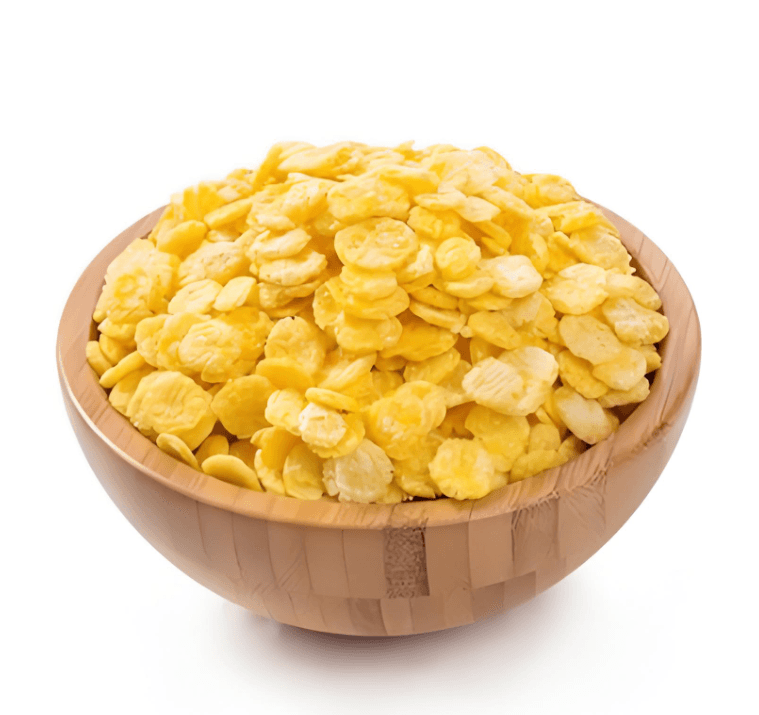
- Moisture Content: 18-22% optimal for flaking
- Flake Thickness: 0.3-0.6 mm (standard corn flakes)
- Throughput Capacity: 500-2000 kg/hour per flaking unit
- Flake Integrity: Minimum broken flakes (<15%) target
4.5 Toasting/Drying Process
4.5.1 Toasting Oven Technology
- Oven Types: Direct gas-fired, electric, or infrared ovens
- Configuration: Multi-pass conveyor toasters with 2-4 heating zones
- Temperature Profile:
- Zone 1: 275-300°C (527-572°F) for rapid moisture removal
- Zone 2: 250-275°C (482-527°F) for color development
- Zone 3: 200-225°C (392-437°F) for finishing
- Residence Time: 90-180 seconds total
- Final Moisture Content: 1.5-3.0%
4.5.2 Quality Attributes Developed During Toasting
- Color Formation: Maillard reaction and caramelization
- Flavor Development: Pyrazines, furans, and other volatile compounds
- Texture Creation: Crispness through glass transition of starch
- Structure Setting: Final stabilization of flake structure
4.6 Sugar Coating Process (For Frosted Varieties)
4.6.1 Coating Systems
- Rotary Coating Drums: Tumbling action for even distribution
- Spray Application: Fine mist of sugar syrup (60-70° Brix)
- Coating Composition:
- Sugar (sucrose, fructose, dextrose)
- Maltodextrin for adhesion
- Flavorings and colors
- Vegetable oil for shine (0.5-1.0%)
- Coating Weight: 25-40% of finished product weight
4.6.2 Drying and Crystallization
- Drying Temperature: 60-80°C (140-176°F)
- Air Velocity: 2-4 m/s for uniform drying
- Crystallization Control: Controlled cooling for proper sugar crystal formation
- Final Moisture: <3% for sugar-coated flakes
4.7 Fortification and Flavor Application
4.7.1 Vitamin and Mineral Application
- Spray System: Fine mist application of vitamin/mineral slurry
- Fortification Levels: Typically provide 25-100% of RDA per serving
- Nutrient Protection: Antioxidants added to preserve vitamin potency
- Application Method: Post-toasting to minimize nutrient degradation
4.7.2 Flavor Enhancement
- Spray-on Flavors: Alcohol-based flavor systems applied in coating drums
- Flavor Types: Natural and artificial flavor combinations
- Application Rate: 0.1-0.5% of product weight
- Carrier Systems: Vegetable oil or alcohol bases How are corn flakes made ?
4.8 Cooling and Stabilization
4.8.1 Cooling Conveyors
- Length: 10-20 meter cooling tunnels
- Cooling Medium: Ambient or refrigerated air
- Temperature Reduction: 80°C to 30°C (176°F to 86°F)
- Residence Time: 5-10 minutes
- Moisture Equilibration: Allow internal moisture redistribution
4.8.2 Quality Stabilization
- Glass Transition: Ensuring flakes below glass transition temperature
- Structural Relaxation: Stress relief in flake structure
- Sensory Development: Final flavor integration
5. Quality Control and Testing Protocols
5.1 Physical Quality Parameters
- Size and Shape: Image analysis for flake dimensions
- Bulk Density: 0.25-0.35 g/cm³
- Color Measurement: Hunter L,a,b or CIE Lab values
- Crispness: Acoustic emission testing or texture analyzer
- Breakage Rate: Percentage of broken flakes (<15% acceptable)
- Sogginess Test: Milk penetration resistance (≥2 minutes target)
5.2 Chemical Quality Parameters
- Moisture Content: 1.5-3.0% (Karl Fischer or oven method)
- Water Activity (aw): <0.5 for microbial stability
- Sugar Content: 6-10% (uncoated), 30-40% (frosted)
- Fat Content: <1% (uncoated), 2-3% (frosted)
- Salt Content: 1.0-1.5%
- Vitamin Assay: HPLC analysis for vitamin levels
5.3 Microbiological Standards
- Total Plate Count: <10,000 CFU/g
- Yeast and Mold: <100 CFU/g
- Coliforms: <10 CFU/g
- Salmonella: Absent in 25g
- Staphylococcus aureus: <100 CFU/g
6. Packaging Technology
6.1 Primary Packaging Materials
- Waxed Paper: Traditional material, still used for some products
- Polypropylene (BOPP): Most common for moisture barrier
- Polyethylene: Heat sealable layers
- Metallized Films: Enhanced barrier properties
- Multi-layer Structures: PP/PE/EVOH/PE for optimal protection
6.2 Packaging Atmosphere
- Modified Atmosphere Packaging (MAP): Nitrogen flushing (99-100% N₂)
- Oxygen Levels: <2% residual oxygen
- Headspace Control: Optimized for product protection
- Seal Integrity: Hot bar sealing with leak detection
6.3 Shelf Life Considerations
- Primary Deterioration Mechanisms: Moisture uptake, lipid oxidation, flavor loss
- Shelf Life Target: 12-18 months under proper storage
- Accelerated Testing: 38°C/90% RH for shelf life prediction
7. Energy and Environmental Considerations
7.1 Energy Consumption Profile
- Cooking/Steaming: 35-40% of total energy
- Toasting/Drying: 40-45% of total energy
- Ancillary Processes: 15-20% of total energy
- Total Energy: 2.5-4.0 MJ per kg of finished product
7.2 Water Usage and Management
- Process Water: 2-4 liters per kg of finished product
- Wastewater Treatment: Biological treatment of cooking and cleaning effluents
- Water Recycling: Condensate recovery and reuse systems
7.3 Byproduct Utilization
- Corn Germ: Oil extraction for cooking oil or biodiesel
- Corn Bran: Animal feed or dietary fiber extraction
- Broken Flakes: Repurposed for other cereal products or ingredients
- Dust and Fines: Pelletized for animal feed
8. Recent Technological Advancements
8.1 Process Innovations
- High-Pressure Processing: Improved texture and nutrient retention
- Infrared Toasting: More uniform heating and energy efficiency
- Microwave Drying: Reduced processing time and better quality
- Superheated Steam: Oxygen-free toasting for improved shelf life
8.2 Nutritional Enhancement Technologies
- Encapsulation: Microencapsulation of sensitive nutrients
- Biofortification: Use of nutritionally enhanced corn varieties
- Prebiotic/Probiotic Addition: For digestive health benefits
- Protein Fortification: Addition of plant-based proteins
8.3 Automation and Control Systems
- Industry 4.0 Integration: IoT sensors and predictive maintenance
- Machine Vision: Real-time quality monitoring and sorting
- AI Process Optimization: Adaptive control based on raw material variations
- Digital Twin Technology: Process simulation and optimization
9. Regulatory Compliance and Standards
9.1 Food Safety Regulations
- HACCP Implementation: Critical control point monitoring
- GMP Compliance: Good Manufacturing Practices
- Allergen Control: Dedicated lines or validated cleaning procedures
- Traceability Systems: Batch tracking from raw materials to finished goods
9.2 Nutritional Labeling
- Nutrient Content Claims: Compliance with FDA/EFSA regulations
- Health Claims: Scientifically validated claims according to regulations
- Serving Size Standardization: According to regulatory guidelines
- Allergen Declaration: Clear labeling of major allergens
10. Future Trends and Developments
10.1 Consumer-Driven Innovations
- Clean Label Products: Minimal additives and natural ingredients
- Gluten-Free Variants: Using alternative grains or specialized processing
- Reduced Sugar Options: Alternative sweeteners and flavor systems
- Functional Cereals: Added health benefits beyond basic nutrition
10.2 Sustainability Initiatives
- Carbon Footprint Reduction: Renewable energy and efficiency improvements
- Water Stewardship: Closed-loop water systems
- Circular Economy: Zero-waste processing approaches
- Sustainable Packaging: Biodegradable or recyclable materials
10.3 Personalization Technologies
- 3D Printing: Customized shapes and nutritional profiles
- On-Demand Fortification: Custom vitamin/mineral blends
- Smart Packaging: Interactive packaging with nutritional information
Corn flakes manufacturing has evolved from a simple kitchen experiment to a sophisticated food processing technology that balances nutritional science, engineering excellence, How are corn flakes made ?and consumer preferences. Modern corn flakes processing combines traditional principles with advanced technologies to create products that meet diverse market demands while maintaining quality, safety, and nutritional value. As consumer expectations continue to evolve and new technologies emerge, the corn flakes processing industry will undoubtedly continue to innovate, developing new processes and products that maintain its position as a breakfast staple while addressing contemporary health, environmental, and convenience requirements.

The future of corn flakes processing lies in the intelligent integration of new technologies with time-tested principles, creating products that are not only delicious and convenient but also nutritionally optimized and environmentally responsible. How are corn flakes made ?Through continued innovation and adherence to quality standards, the breakfast cereal industry will maintain its important role in global nutrition and food culture.
Leave A Comment