Fully Automated Fish Feed Production Line
Introduction
Modern aquaculture demands efficient, consistent, and high-quality feed production. fish food machine automatic Our fully automated fish feed production line represents the pinnacle of industrial engineering, integrating advanced robotics, process control, and data analytics to deliver superior nutrition with operational excellence. This system ensures precision, hygiene, scalability, and minimal human intervention from raw material intake to packaged final product.
Core Process & Automated Components
- Automated Raw Material Handling & Storage
- Intake & Unloading: Bulk raw materials (fishmeal, soybean meal, cereals, vitamins, etc.) are pneumatically unloaded from trucks or containers into designated silos. fish food machine automatic The system uses load cells and level sensors for real-time inventory management.
- Pre-mixing & Conveying: Ingredients are automatically dispensed from silos via precision weigh hoppers and screw feeders onto a conveyor system, which transports them to the grinding section. The entire dispensing process is controlled by a central PLC (Programmable Logic Controller) based on pre-set formulations.
- Grinding & Micro-ingredient Dosing
- Grinding: Raw materials are conveyed to a hammer mill or ultra-fine grinder for particle size reduction, which is crucial for digestibility and pellet stability. The grinding fineness is automatically monitored and adjusted.
- Micro-Dosing Station: A fully enclosed, automated micro-ingredient station precisely weighs and adds vitamins, minerals, amino acids, and other additives. This eliminates human error and cross-contamination.
- Automated Mixing & Conditioning
- High-Speed Mixing: Ground materials and micro-ingredients are pneumatically transferred to a high-capacity, double-shaft paddle mixer. The mixing time and speed are automatically controlled for a perfectly homogeneous blend.
- Conditioning: The mix is transferred to a conditioning chamber where steam is injected to raise moisture and temperature. This softens the material, improves starch gelatinization, and prepares it for extrusion. Moisture, temperature, and retention time are continuously monitored and adjusted by the PLC.
- Extrusion & Drying
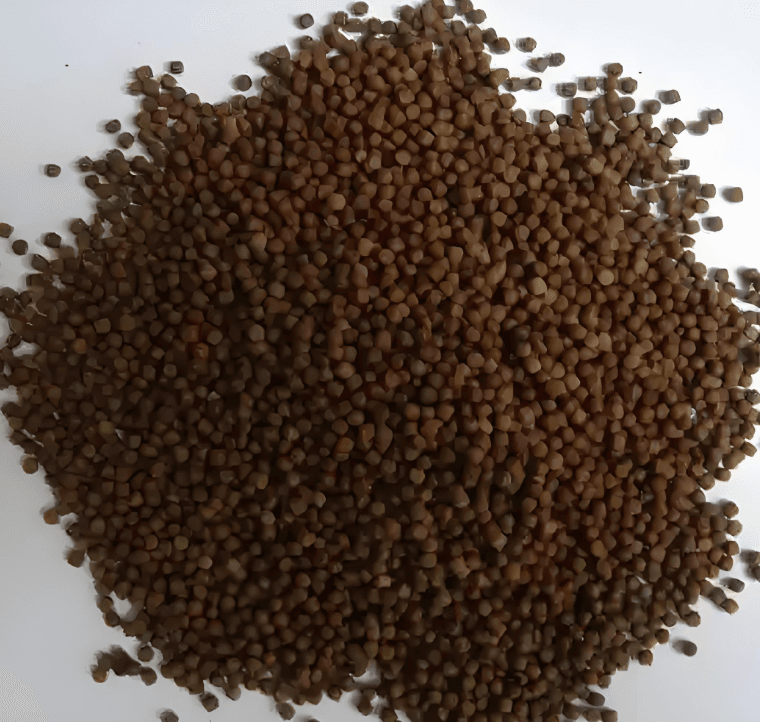
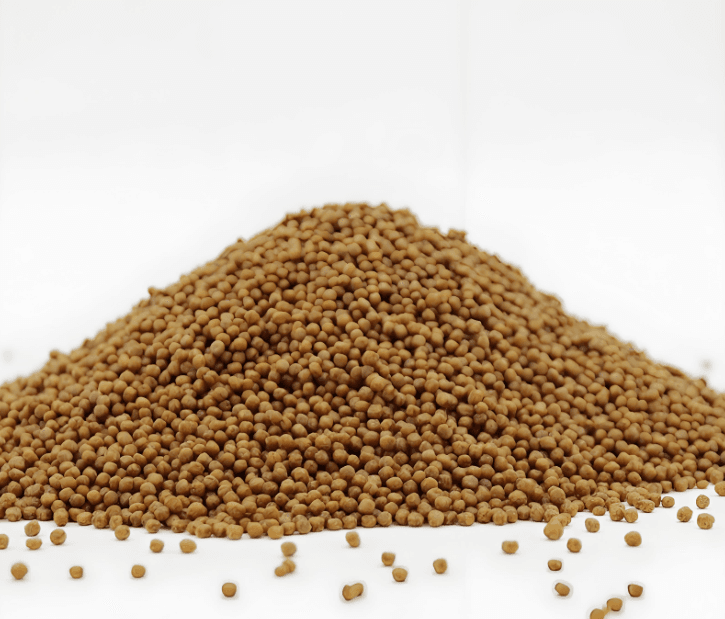
- Twin-Screw Extruder: The heart of the line. The conditioned mash is fed into a computer-controlled twin-screw extruder. Here, under precise pressure, temperature, and shear force, the feed is cooked, shaped into pellets (sinking or floating based on density control), and cut to exact length by a variable-speed rotary cutter. The system can produce a wide range of pellet diameters (0.5mm to 12mm+).
- Multi-Stage Drying & Cooling: Hot, moist pellets enter a multi-pass belt dryer where temperature, airflow, and residence time are precisely controlled to achieve the target moisture content. They then move to a counter-flow cooler to reach ambient temperature,fish food machine automatic ensuring stability and preventing mold growth.
- Post-Processing (Coating & Liquid Application)
- Vacuum Coating: For high-fat or heat-sensitive additives (e.g., oils, probiotics, pigments), a vacuum coater is used. Pellets enter a vacuum chamber where liquid is infused under negative pressure, ensuring maximum uptake and retention without damaging nutrients.
- Fat/Flavor Application: An automated, precision spray system applies a final coating of oils or attractants in a rotating drum, ensuring uniform coverage.
- Automated Sorting, Screening & Packaging
- Vibrating Screens/Sorters: Pellets pass through vibrating screens to remove fines and oversized pellets, which are automatically recycled to the grinder. Optional optical sorters can remove discolored or defective pellets.
- Automated Weighing & Bagging: Accepted pellets are conveyed to large-bag (e.g., 25kg) or small-bag filling stations. Robotic bag placers, automated weigh-fillers, and sewing or heat-sealing machines complete the packaging process with precise weight control.
- Palletizing & Warehousing: Finished bags are automatically stacked onto pallets by robotic palletizers. AGVs (Automated Guided Vehicles) or conveyors can then transport pallets to the warehouse for storage or dispatch.
Central Control & Key Features
- Integrated Control System (ICS): A central SCADA (Supervisory Control and Data Acquisition) system provides a complete overview. fish food machine automatic Operators can monitor, control, and adjust every parameter (speed, temperature, weight, formula) from a central HMI (Human-Machine Interface).
- Recipe Management: The system stores hundreds of feed formulas. Switching between recipes for different fish species or life stages (fry, grow-out, broodstock) is executed with a single command.
- Data Tracking & Traceability: Every production batch is logged with complete data (ingredient lot numbers, processing parameters, quality checks), ensuring full traceability from raw material to final bag.
- Predictive Maintenance: Sensors monitor equipment vibration, temperature, and motor loads, predicting potential failures before they cause downtime.
- Energy & Resource Efficiency: The line is designed to minimize waste (recycling of fines), optimize steam and electrical energy use, and reduce labor costs significantly.
Benefits
- Unmatched Consistency & Quality: Eliminates human variability, producing nutritionally uniform and physically stable pellets batch after batch.
- Enhanced Safety & Hygiene: Closed system minimizes dust, contamination, and physical risks to workers.
- High Productivity & Scalability: Operates 24/7 with minimal downtime, capable of producing tons of feed per hour.
- Operational Excellence: Reduces labor costs, minimizes waste, fish food machine automatic optimizes energy consumption, and provides complete data for continuous improvement.
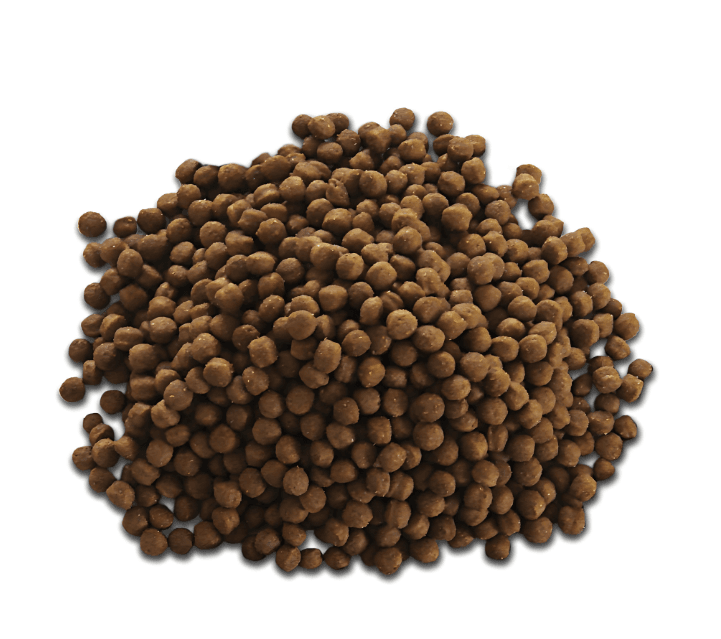
This fully automated fish feed production line is a transformative solution for modern feed mills and integrated aquaculture enterprises. It guarantees the production of premium, species-specific feed with unparalleled efficiency, control, and reliability, supporting the sustainable growth of the global aquaculture industry.
Leave A Comment