
From Raw Ingredients to Bowl: How Pet Food is Processed
The journey of pet food from raw materials to the perfectly shaped kibble or savory canned meal in your pet’s bowl is a fascinating blend of nutrition science, food technology, and stringent safety protocols. Modern pet food processing is designed to create safe, nutritious, palatable, and shelf-stable products. The process varies significantly between dry food (kibble), wet food (canned/pouched), and semi-moist food.
1. Dry Pet Food (Kibble) Processing
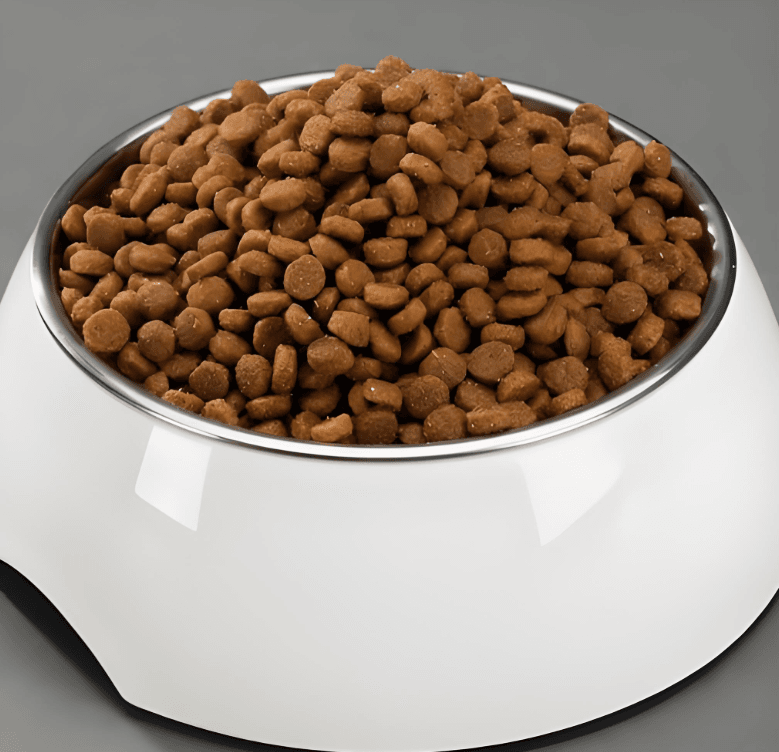
The most common method for producing dry kibble is extrusion. Here are the key stages:
- Ingredient Selection & Grinding: The process begins with quality control of raw ingredients—meats, poultry, grains, vitamins, and minerals. pet food extruder machine,These materials are ground into a fine meal or slurry to create a uniform mixture.
- Mixing & Pre-conditioning: The ground ingredients are blended in large batches to ensure a consistent nutritional profile. This mixture is then transferred to a pre-conditioner, where steam and hot water are added. This hydrates the mix, begins to cook the starches and proteins, and forms a dough.
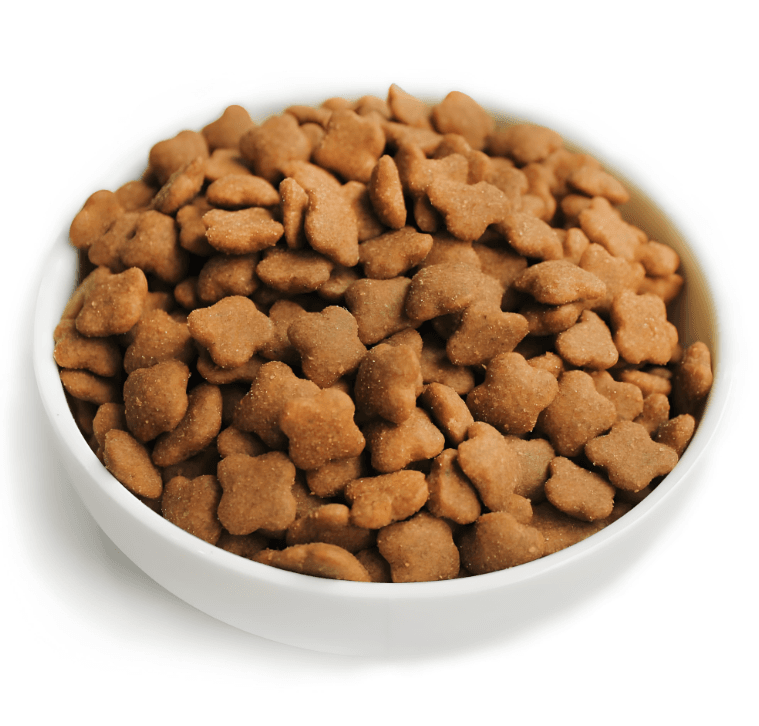
- Extrusion – The Heart of the Process: The dough is fed into an extruder—a large, screw-driven machine with a barrel and die. As the dough is forced through the barrel under high pressure and temperature (typically 120-150°C/250-300°F), pet food extruder machine it becomes fully cooked. When the superheated dough exits through small die holes at the end, the sudden drop in pressure causes it to expand rapidly, creating the familiar porous kibble structure. The shape of the die determines the kibble’s final form (stars, circles, etc.).
- Drying & Cooling: The expanded, moist kibble is then transferred to a large oven dryer to remove most of the moisture (reducing it to about 10%), which ensures shelf stability and prevents mold. After drying, the kibble is cooled.
- Coating (Enrobing): After cooling, a crucial step called “enrobing” or “coating” takes place. Kibble is often sprayed with a palatability enhancer—typically digest or fat-based—to make it highly appealing to pets. pet food extruder machine Essential oils, vitamins, and minerals that may have been degraded by the high heat of extrusion are also often added at this stage.
- Packaging: The finished kibble is transferred to bags, which are flushed with inert gases (like nitrogen) to displace oxygen, preserving freshness and preventing fat oxidation.
2. Wet Pet Food Processing
Wet food, found in cans, trays, or pouches, undergoes a different process focused on sterilization and moisture retention.
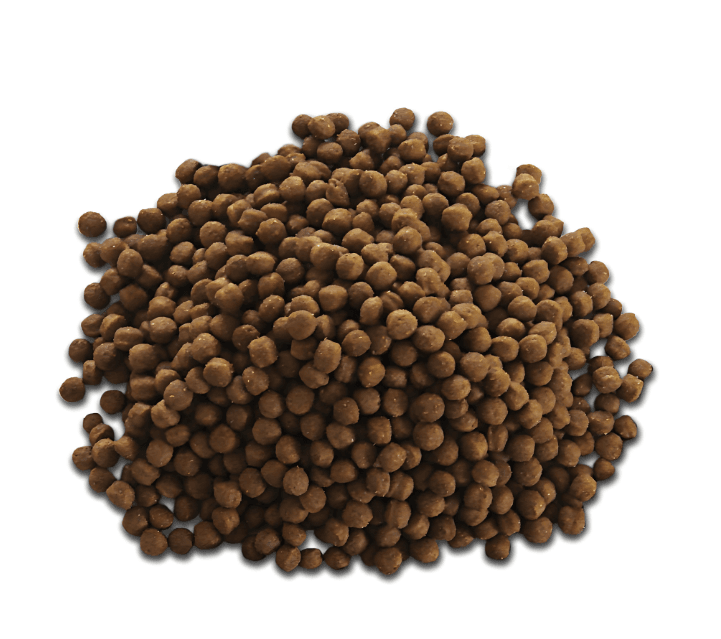
- Ingredient Preparation & Mixing: Meat and animal by-products are ground or chopped. Broths, gravies, vitamins, minerals, and gelling agents (like carrageenan) are prepared separately. These are then meticulously blended in giant mixers to create a uniform “slurry” or a chunky mixture with defined meat pieces.
- Filling & Sealing: The mixture is pumped into cans, trays, or pouches. For cans, the filling is precise to ensure the correct headspace. pet food extruder machine The container is then hermetically sealed. This sealing before cooking is critical for the next step.
- Sterilization (Retorting): The sealed containers are placed in a large, industrial pressure cooker called a retort. They are heated to very high temperatures (often above 121°C/250°F) under pressure for a set time. This process commercially sterilizes the food, destroying all harmful bacteria, viruses, and spoilage organisms, and making the product shelf-stable for years without refrigeration.
- Cooling & Labeling: After retorting, the containers are cooled. Once safe to handle, they are labeled, coded, and packed into boxes.
3. Semi-Moist Food Processing
Less common today, semi-moist foods (like some burger-shaped treats) have a moisture content around 25-35%. They are often made using an extrusion process at lower temperatures than dry kibble. Their shelf stability is maintained not by drying, but by adding humectants like sugar, salt, or propylene glycol, which inhibit bacterial growth by binding water molecules.
Quality & Safety Throughout
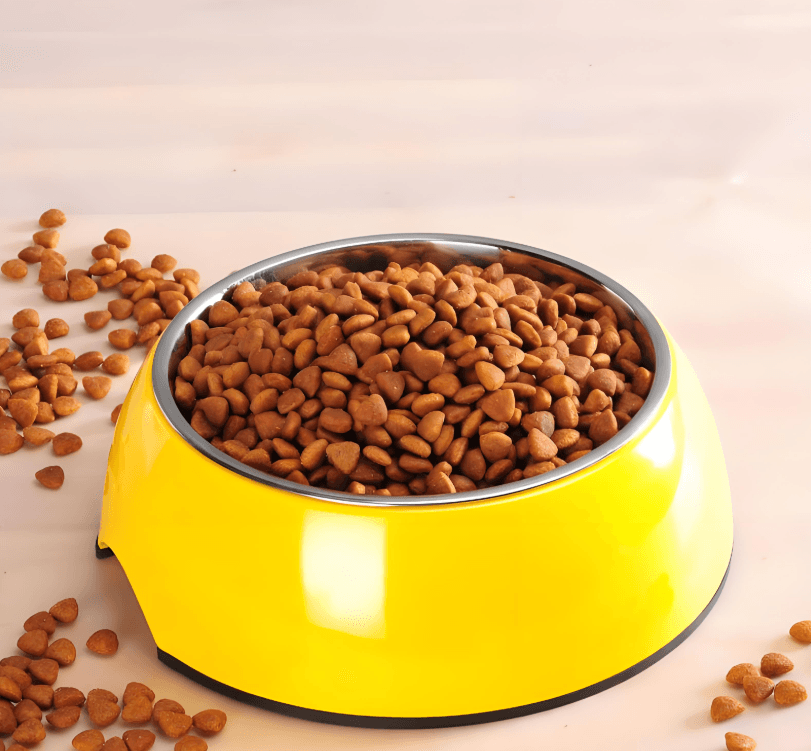
At every stage, rigorous Quality Assurance (QA) checks are performed. This includes testing raw ingredients for contaminants, monitoring critical control points during processing (like temperature and time), and conducting final product analyses for nutritional compliance, microbiological safety, and palatability.
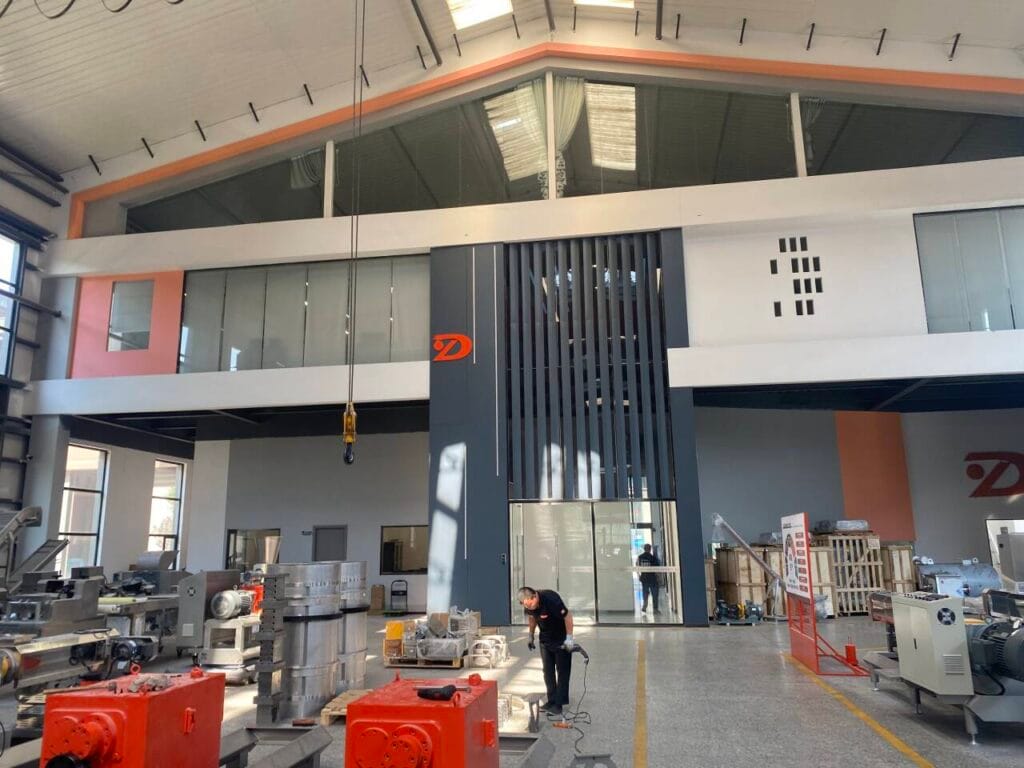
In essence, pet food processing is a highly controlled transformation.pet food extruder machine It balances the need to destroy pathogens, enhance digestibility, create appealing textures and shapes, lock in nutrition, and ensure the product remains fresh from the factory to the family pantry. This sophisticated engineering allows us to provide convenient, complete, and balanced nutrition for our canine and feline companions.
Leave A Comment