
From Kernel to Crunch: The Hidden World of Corn Flake Production
The morning sun slants through a kitchen window, illuminating a bowl of golden, crisp flakes floating in milk. The familiar, comforting crunch of corn flakes is a sensory anchor for millions, a symbol of simplicity and wholesome beginnings. how are corn flakes made Yet, this ubiquitous breakfast icon, often marketed with images of sun-drenched fields and natural goodness, is the endpoint of a manufacturing odyssey that is anything but simple. The journey of a corn flake—from a humble kernel to a perfectly formed, shelf-stable, and addictively crunchy cog in the global food machine—is a profound study in modern industrial alchemy. how are corn flakes made It is a process that fundamentally transforms a raw agricultural product through a series of intense physical and chemical manipulations, all in the name of consistency, convenience, and craving. To peel back the idyllic packaging and peer into the factory is to uncover a narrative of extreme processing, one that raises critical questions about nutrition, environmental impact, and the very nature of what we consider “food.”
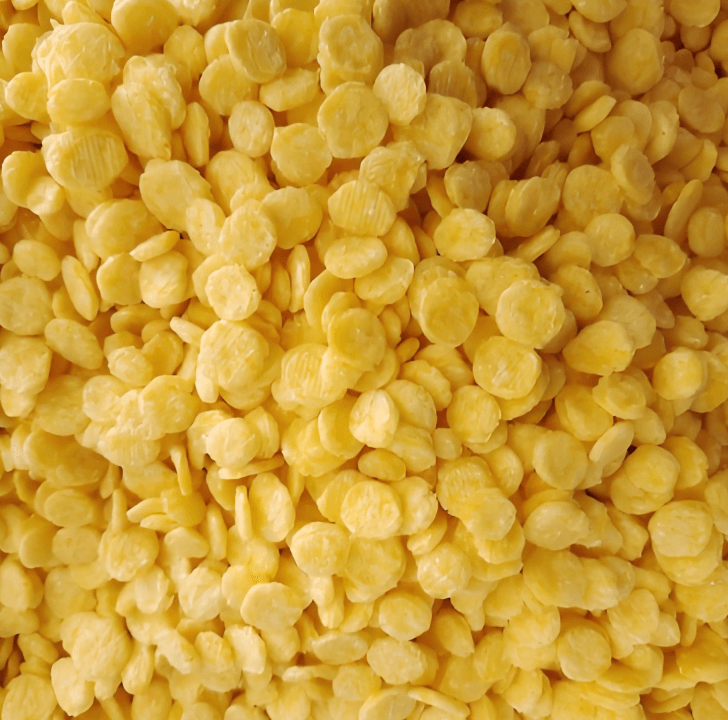
Our story does not begin on the family farm, but in vast, monochromatic seas of industrial agriculture. The protagonist is not sweet corn, but field corn (Zea mays indentata), specifically cultivated for its hard, starchy kernels. Varieties like dent corn, named for the characteristic dimple that forms as it dries, dominate. This corn is an industrial raw material, bred not for flavor but for yield, pest resistance, and, most importantly, a high, predictable starch content. how are corn flakes made The cultivation of this crop is a testament to modern agribusiness: genetically modified seeds, heavy applications of synthetic fertilizers and pesticides, and large-scale irrigation systems. The environmental footprint is substantial, contributing to soil degradation, waterway pollution from agricultural runoff, and a system heavily reliant on fossil fuels. This is the foundational truth of the corn flake: its primary ingredient is born from a system optimized for efficiency and volume, not ecological harmony or nutritional density.
Once harvested, the corn embarks on its metamorphosis. The first major step is milling, a process that dismantles the kernel’s architecture. In a dry milling facility, the corn is cleaned and then sent through degerminating machines. These forcefully remove the oily germ (the embryo of the seed, rich in vitamins, minerals, and healthy fats) and the fibrous bran (the outer hull, packed with fiber). What remains is the endosperm—a starchy, protein-poor heart. This endosperm is then ground into a fine powder: cornmeal, or more specifically, corn grits. how are corn flakes made The separation is crucial; the germ’s oils would turn rancid during storage and processing, shortening shelf life. Thus, in the pursuit of stability, the most nutritionally valuable parts of the kernel—the germ and bran—are systematically removed, often sold off as separate commodities for animal feed or lower-value products. The flake is born from a nutritionally diminished starting material.
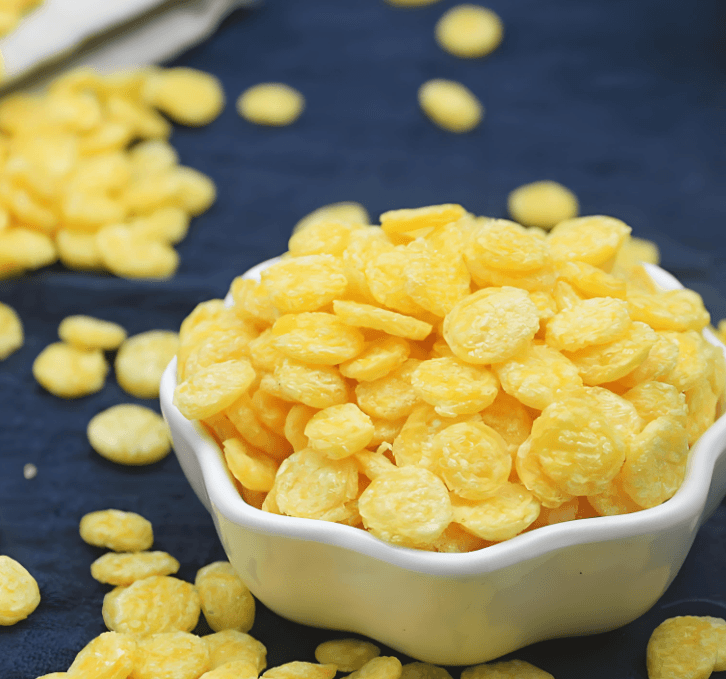
The grits now enter the core transformation phase: cooking and flavoring. They are mixed with water, salt, sugar (or high-fructose corn syrup), and malt flavoring (often derived from barley, which contributes the characteristic slightly sweet, toasted note). This slurry is not gently simmered; it is pressure-cooked in massive batch cookers or continuous extruders. The high heat and pressure achieve several goals: they gelatinize the starch, making it digestible; they pasteurize the mix; and they initiate the Maillard reaction, the complex interplay of amino acids and sugars that creates the beginnings of a toasted flavor and brownish color. The resulting mass is a thick, gelatinous dough. Critics point to this stage as where “pure corn” is left behind. The addition of sugar, often in significant amounts (sometimes masked under multiple names like malt syrup, fructose, or brown sugar syrup), turns a savory grain into a sweetened cereal. The salt content is calibrated for palatability, not nutritional need. The mixture is now a engineered food precursor, its flavor profile carefully designed in a laboratory.
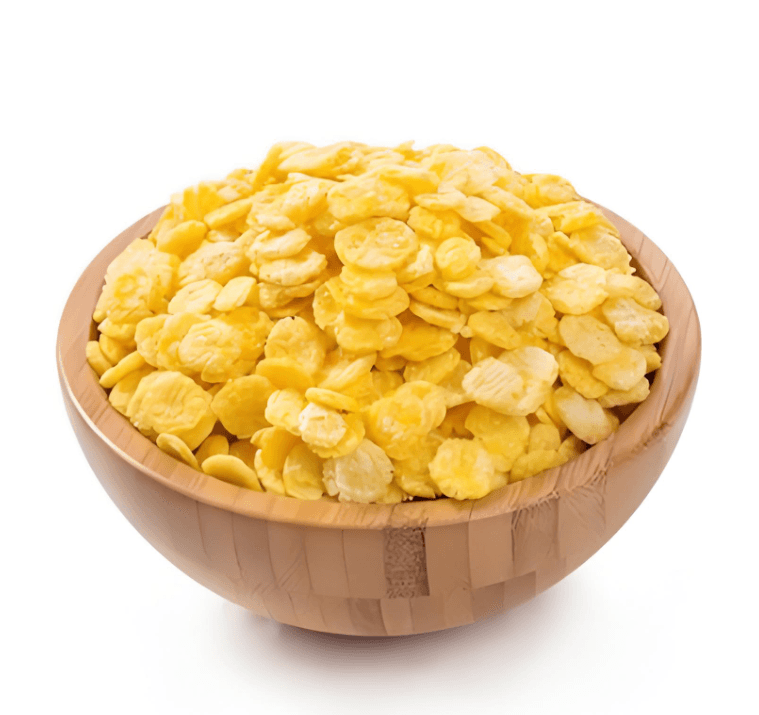
The cooked dough, or “mash,” is then processed to form the iconic flake shape. It may be cooled and held for hours to allow moisture to equalize—a step called “tempering.” It is then passed through heavy metal rollers, often fluted or engraved, which press the dough into thin, precise sheets. These sheets are then cut or broken into the familiar flake forms. However, the flakes at this stage are soft, damp, and pale. They are far from the crispy, golden shards in the box.
To achieve that essential crunch, the flakes must be dried and toasted. This is typically a two-stage process. First, they pass through a drying oven, where most of the residual moisture is driven off at relatively low temperatures. Then, they move into a high-temperature toasting oven, often a rotating drum or a conveyor belt through a heated tunnel. This stage is where the final magic—and chemistry—happens. The intense, dry heat completes the Maillard reaction, developing the golden-brown color and the complex, roasted, nutty flavors that consumers associate with a “fresh” taste. It also creates the rigid, glassy structure of the starch that provides the satisfying crunch. Crucially, this toasting process can also generate acrylamide, a potentially harmful chemical compound that forms naturally in starchy foods when cooked at high temperatures (above 120°C/248°F). While regulatory bodies monitor levels, its presence is an unavoidable byproduct of this high-heat processing step, a fact rarely advertised on the front of the box.
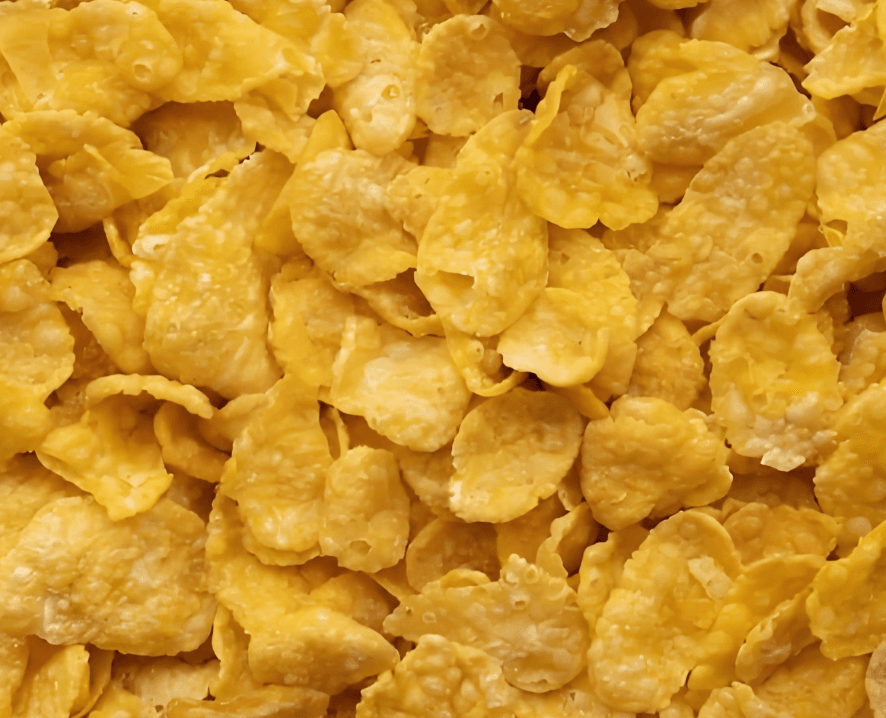
Upon exiting the toaster, the hot flakes are immediately sprayed with a coating. This is a critical step for both flavor reinforcement and nutritional “restoration.” A fine mist of vitamins and minerals—such as niacinamide (B3), pyridoxine hydrochloride (B6), riboflavin (B2), thiamin mononitrate (B1), folic acid, and iron—is applied. This process, known as fortification, is how the cereal achieves its impressive nutritional panel. Without it, the flakes would be little more than crunchy, sugary starch. This spray also often includes more sugar or honey for a flavor glaze, and sometimes oil to enhance mouthfeel and prevent clumping. how are corn flakes made The fortification is a direct response to the nutritional stripping that occurred during milling and the lack of inherent nutrients in the refined grits. It is a pharmacological approach to nutrition: remove the natural complexity, then add back a discrete set of synthesized compounds.
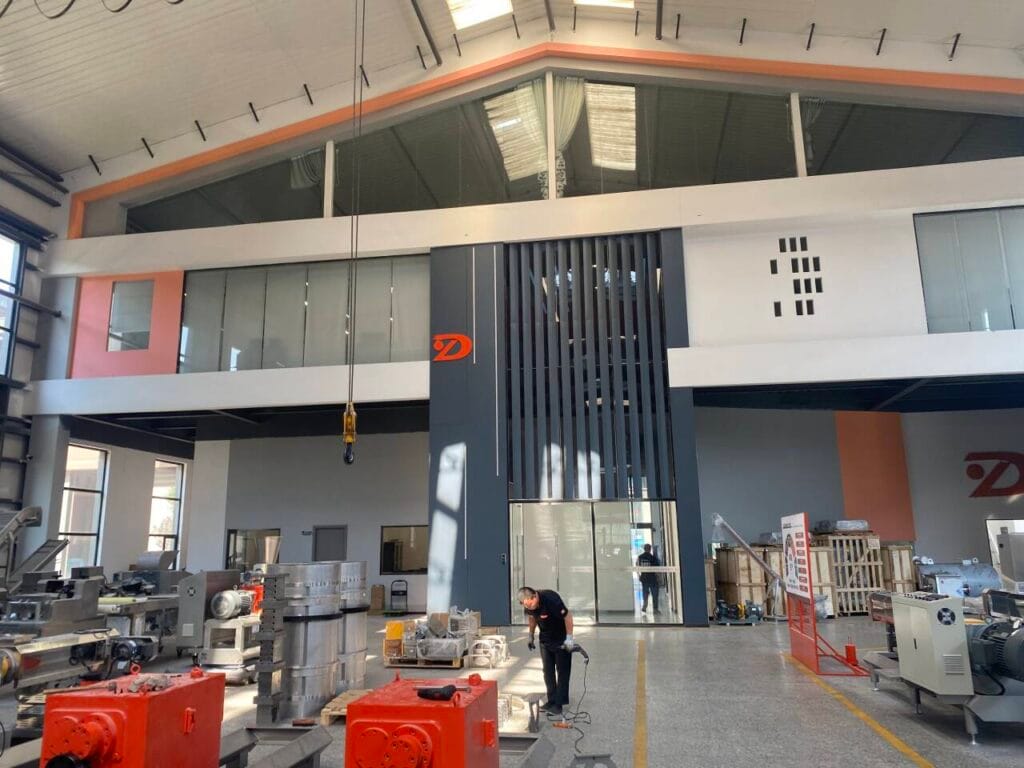
Finally, the flakes are cooled and pneumatically conveyed to packaging lines. Here, they are filled into the iconic wax-lined cardboard boxes or plastic bags inside boxes. The packaging is engineered with multiple barriers to lock out moisture and oxygen—the twin enemies of crispness. Nitrogen flushing is commonly used to displace oxygen inside the bag, drastically slowing oxidation and staleness. This high-tech preservation system allows the product to sit on a shelf for months, even years, without discernible change, fulfilling the ultimate industrial mandate of long shelf-life and distributional resilience.

The cumulative impact of this multi-stage process on the food matrix is dramatic. What began as a whole grain—containing a synergistic package of fiber, healthy fats, vitamins, minerals, and phytonutrients—has been deconstructed and reassembled. The final product is a highly refined, pre-cooked, and reconstituted starch-based object. Its glycemic index is high, meaning it breaks down into blood sugar very rapidly. The dietary fiber is negligible unless specifically added back (“made with whole grain” versions often include some bran, but the germ is usually still absent). The protein is of low quality and incomplete. The sensory experience—the crunch, the sweetness, the consistent flavor—is entirely engineered.

The implications extend beyond the bowl. The environmental cost of this processed food chain is immense. It includes the upstream impacts of monoculture corn farming, the significant energy inputs for cooking, drying, and toasting, and the waste generated from packaging. The health implications are contested but concerning. Regular consumption of highly refined, sugar-coated, rapidly digestible carbohydrates is linked in numerous studies to blood sugar dysregulation, increased risk of type 2 diabetes, and weight gain. While fortification addresses specific deficiency diseases (like pellagra, which niacin fortification famously helped eradicate), it does not replicate the holistic health benefits of consuming whole, minimally processed foods. The body’s metabolic response to a bowl of corn flakes is fundamentally different from its response to a bowl of stone-ground corn porridge.
Furthermore, the very nature of the processing creates a food that is hyper-palatable. The combination of rapid starch digestibility, added sweetness, and satisfying crunch can override natural satiety signals, encouraging overconsumption. This is not an accident; it is the result of meticulous food science aimed at maximizing consumer appeal and, consequently, consumption volume.
In conclusion, the corn flake stands as a potent symbol of 20th-century food industrialization. Its processing journey—from degermination and decortication to high-pressure cooking, high-heat toasting, and nutrient spraying—represents a triumph of engineering over ingredient, of stability over vitality. It is a food created for the logistical and economic demands of a globalized marketplace: durable, uniform, and endlessly replicable. how are corn flakes made To understand this process is to move beyond the pastoral marketing and recognize the corn flake for what it is: a highly refined, fortified, and aggressively processed food product. how are corn flakes made This revelation is not necessarily a call to abandon it entirely, but rather an invitation to conscious consumption. It asks us to see that comforting morning crunch for what it represents: not the simplicity of nature, but the profound and complex fingerprint of human industry. In a world increasingly grappling with the health and environmental consequences of our food choices, such understanding is the first, and most essential, step toward a more nourishing and sustainable future. The true story of the corn flake is a reminder that in our modern food landscape, what appears simple on the surface is often the product of a deeply intricate, and sometimes precarious, industrial ballet.
Leave A Comment