
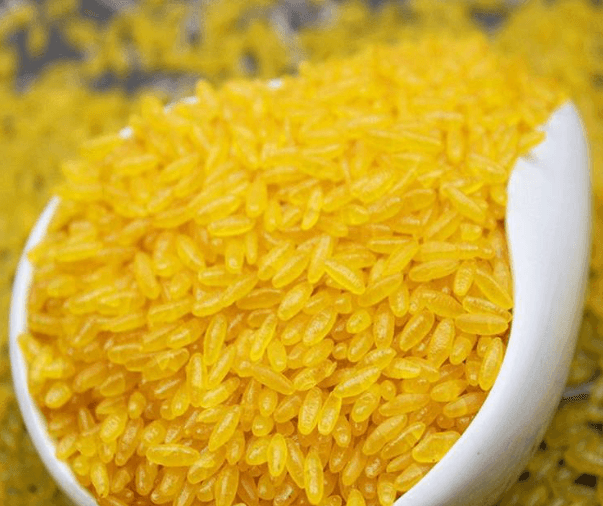
Fortified Rice vs. Regular Rice: Understanding the Key Differences
Rice is a staple food for over half of the world’s population, providing a primary source of calories and energy. However, while regular white rice is excellent for sustenance, it often lacks essential micronutrients. This is where fortified rice comes in as a powerful solution to address “hidden hunger” – micronutrient deficiencies. Understanding the differences between these two types of rice is crucial for making informed dietary choices.
- Nutritional Content: The Core Distinction
The most significant difference lies in their nutritional profile.
Regular White Rice: During the milling and polishing process, the husk, bran, and germ are removed to extend shelf life and create a preferred texture. Unfortunately, this process also strips away a substantial amount of vital nutrients, including iron, zinc, B vitamins (like folic acid), and fiber. The end product is primarily a source of carbohydrates and protein, with minimal micronutrients.
Fortified Rice: This is regular rice that has been enhanced with key vitamins and minerals. The fortification process involves coating or dusting rice grains with a nutrient-rich powder or creating artificial “rice kernels” made from a flour and nutrient mix. These kernels are then blended with regular rice at a specific ratio (typically 1:100). Common nutrients added include:
Iron: Crucial for preventing anemia and carrying oxygen in the blood.
Folic Acid (Vitamin B9): Essential for cell growth and preventing neural tube defects in newborns.
Vitamin B12: Important for nerve function and the production of red blood cells.
Vitamin A: Supports vision, immunity, and growth.
Zinc: Boosts immune function and metabolism.
- Production Process
Regular Rice: Its production involves harvesting, milling, polishing, and packaging. The focus is on achieving the desired grain size, texture, and appearance.
Fortified Rice: It undergoes an additional industrial step. After milling, the rice is taken to a facility where the fortification process occurs. This is done using various techniques like dusting, coating, or extrusion (to create the fortified kernels), followed by thorough blending to ensure an even distribution of nutrients.
- Appearance, Taste, and Cooking
Appearance: To the naked eye, a batch of fortified rice is nearly indistinguishable from regular rice. The fortified kernels are designed to match the look, size, and texture of local rice varieties. Upon very close inspection, one might notice slight differences in the shape of a small fraction of the grains (the fortified kernels).
Taste and Texture: A primary goal of fortification is to ensure there is no noticeable change in taste, aroma, or cooking properties. When prepared, fortified rice cooks, feels, and tastes just like the regular rice it is blended with, making it easily acceptable to consumers.
- Purpose and Health Impact
Regular Rice: Its main purpose is to provide dietary energy (calories) and serve as a base for meals. While it satisfies hunger, relying on it as a sole staple without a diverse diet can lead to nutrient deficiencies.
Fortified Rice: Its purpose is public health and nutrition. It is a cost-effective strategy implemented by governments and health organizations to combat widespread micronutrient deficiencies in populations that consume rice as a dietary mainstay. It provides the same energy as regular rice but with the added benefit of essential vitamins and minerals, improving overall health outcomes without requiring a change in eating habits.
the choice between fortified and regular rice isn’t about one being inherently “better” but about understanding their different roles. Regular rice is a fundamental source of energy. Fortified rice is that same source of energy, but supercharged with critical vitamins and minerals. It represents a simple, effective, and seamless way to improve public health and ensure that the world’s most popular staple food can also be a vehicle for vital nutrition.
Leave A Comment