
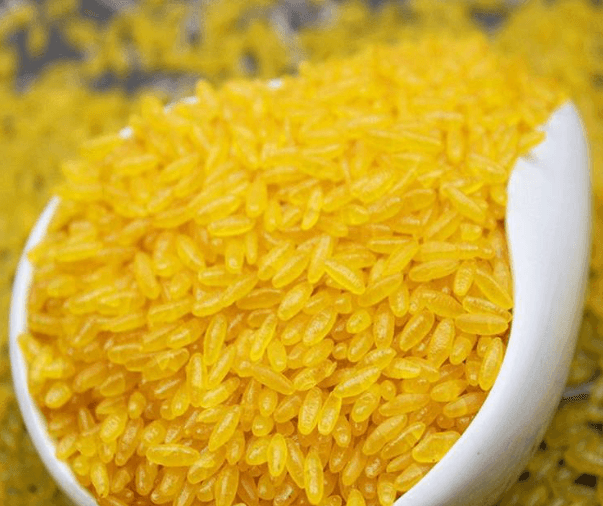
Fortified Rice: A Comprehensive Scientific Analysis of Its Safety and Profound Health Benefits for Global Populations
Abstract
Micronutrient malnutrition, or “hidden hunger,” afflicts over two billion people worldwide, with severe consequences for health, cognitive development, and economic productivity. As a staple food for half the global population, rice is a powerful vehicle for addressing these deficiencies. Fortified rice, wherein essential vitamins and minerals are added to ordinary milled rice, represents a proven, scalable, and cost-effective public health intervention. This article provides an exhaustive examination of the safety profile and the multifaceted health benefits of fortified rice. We delve into the rigorous scientific processes that ensure its safety, including toxicological risk assessments, quality control protocols, and regulatory frameworks. Furthermore, we present a detailed analysis of its efficacy in combating iron-deficiency anemia, improving zinc and vitamin A status, preventing neural tube defects, and enhancing overall functional health outcomes across diverse demographics. By synthesizing evidence from clinical trials, large-scale implementation studies, and economic models, this paper establishes fortified rice not only as a safe food product but as an indispensable tool for achieving global nutrition security and sustainable development.fortified rice machinery
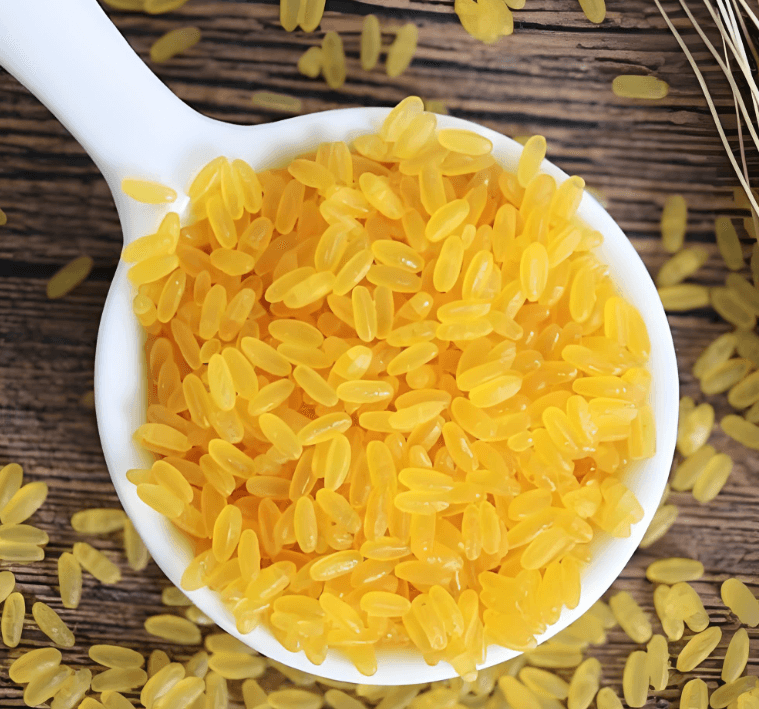
Table of Contents
- Introduction: The Global Burden of Hidden Hunger and the Rice-Based Solution
- Demystifying Safety: The Rigorous Science Behind Fortified Rice
- 2.1. Toxicological Foundations: Risk Assessment and Tolerable Upper Limits
- 2.2. The Principle of Restoration: Aligning Addition Levels with Physiological Need
- 2.3. The Technology of Stability: Ensuring Safety from Factory to Fork
- 2.4. Global Regulatory Oversight and Quality Assurance Systems
- 2.5. Addressing Specific Safety Concerns: Allergens, Bioavailability, and Overconsumption
- The Spectrum of Health Benefits: From Biochemical Correction to Functional Improvement
- 3.1. Combating Iron Deficiency Anemia: Reversing a Global Epidemic
- 3.2. The Zinc Advantage: Bolstering Immunity and Promoting Growth
- 3.3. Vitamin A: Safeguarding Vision and Enhancing Immune Defenses
- 3.4. The B-Vitamin Complex: Fueling Metabolism and Protecting Neurological Health
- 3.5. Folic Acid: A Cornerstone for Prenatal Health and Beyond
- 3.6. Synergistic Effects and Holistic Health Impact
- Evidence in Action: Clinical Trials and Large-Scale Program Efficacy
- Economic and Societal Benefits: The Ripple Effect of Improved Nutrition
- Conclusion: Fortified Rice as a Safe, Effective, and Ethical Imperative for Public Health
1. Introduction: The Global Burden of Hidden Hunger and the Rice-Based Solution
The paradox of modern nutrition is that calorie sufficiency does not equate to nutritional adequacy. Micronutrient deficiencies—the lack of essential vitamins and minerals—afflict over two billion individuals, transcending geography and economic status. This “hidden hunger” has devastating, often irreversible consequences: impaired cognitive development in children, reduced immune competence, increased morbidity and mortality, and diminished work capacity in adults. The economic toll on national economies is staggering, estimated to cost billions of dollars in lost productivity and healthcare expenses.
Rice is the primary dietary energy source for more than 3.5 billion people, particularly across Asia, Africa, and Latin America. However, the milled white rice that is most widely consumed is a poor source of critical micronutrients. The polishing process, which improves shelf life and palatability, strips away the nutrient-rich bran and germ, leaving a core of carbohydrates and a small amount of protein. fortified rice machinery Consequently, populations with high rice consumption are disproportionately vulnerable to deficiencies in iron, zinc, vitamin A, and B vitamins.

Food fortification—the practice of deliberately increasing the content of essential micronutrients in foods—is widely recognized as one of the most cost-effective and sustainable strategies to combat hidden hunger. Among fortification strategies, rice fortification holds unique promise due to the grain’s ubiquitous consumption. Fortified rice is designed to rectify the nutritional shortcomings of ordinary rice by adding a precise blend of vitamins and minerals. This paper aims to comprehensively address two fundamental questions surrounding this intervention: Is it unequivocally safe for mass consumption? And what is the definitive evidence for its health benefits?fortified rice machinery
2. Demystifying Safety: The Rigorous Science Behind Fortified Rice
The safety of any food additive, including micronutrients added through fortification, is paramount. The development and production of fortified rice are governed by a multi-layered framework of scientific principles and regulatory standards designed to ensure absolute safety for all consumers.
2.1. Toxicological Foundations: Risk Assessment and Tolerable Upper Limits
A core principle in nutrition is that while vitamins and minerals are essential for life, excessive intake can be harmful. International health bodies, notably the World Health Organization (WHO) and the Food and Agriculture Organization (FAO), along with national agencies like the U.S. Institute of Medicine (IOM), have established Tolerable Upper Intake Levels (ULs) for most micronutrients. The UL is the maximum daily intake unlikely to cause adverse health effects.fortified rice machinery
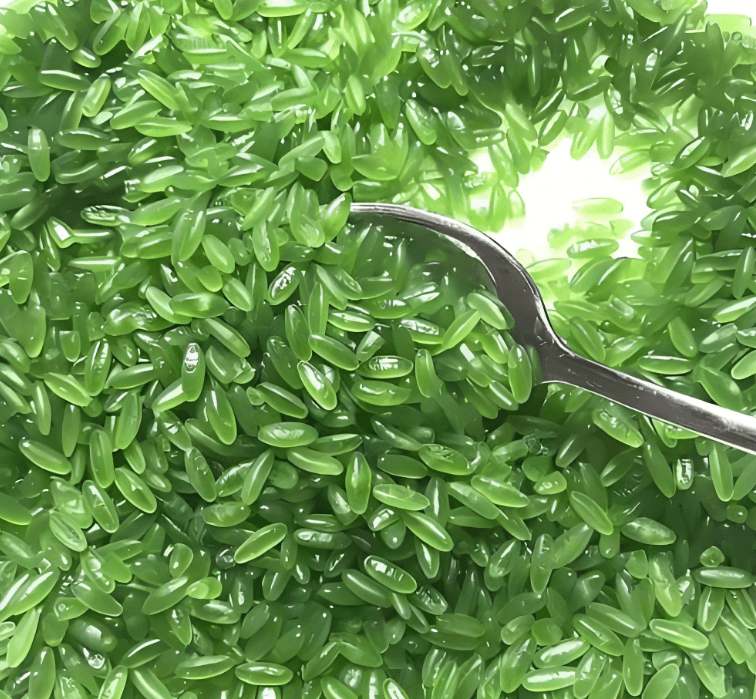
The formulation of fortified rice premixes is meticulously designed to ensure that even the highest consumers remain safely below the UL. Calculations are based on:
- Baseline Dietary Intake: Data on the existing intake of nutrients from other foods in the target population’s diet.
- Per Capita Rice Consumption: The average daily amount of rice consumed (e.g., 200-400g per day in high-consumption countries).
- Fortification Level: The amount of each nutrient added per unit of rice.
For example, the UL for iron for an adult is 45 mg/day. A typical iron-fortified rice might contribute 5-9 mg of iron per 100g of rice. An individual would need to consume over 500g of dry rice daily to approach the UL, an amount far exceeding typical consumption patterns. This built-in margin of safety is a fundamental tenet of fortification program design.fortified rice machinery
2.2. The Principle of Restoration: Aligning Addition Levels with Physiological Need
Fortification is not about super-dosing; it is about restoration and sufficiency. The added levels are calculated to fill the gap between what is provided by the typical diet and what is required for optimal health. The goal is to provide a significant portion (e.g., 30-50%) of the Estimated Average Requirement (EAR) or Recommended Dietary Allowance (RDA) through a normal daily portion of rice.
This “right-to-level” approach ensures efficacy for those who are deficient while posing no risk of excess for those who are not. It is a population-based strategy designed to shift the entire nutrient intake distribution of a community into a safer, healthier range.
2.3. The Technology of Stability: Ensuring Safety from Factory to Fork
The technological process of fortification itself incorporates safety features. The dominant method, hot extrusion, creates fortified kernels where the micronutrients are embedded within a rice flour matrix. This encapsulation:
- Prevents Nutrient Interaction: Shields reactive nutrients from interacting with each other or with other components in the food matrix, which could potentially create undesirable compounds.
- Ensures Controlled Release: The nutrients are released during digestion in a controlled manner, mimicking the natural absorption process and avoiding sudden spikes in bioavailability.
- Minimizes Organoleptic Changes: By protecting nutrients from exposure, it prevents the development of off-flavors (e.g., metallic tastes from iron) or discoloration, which are themselves indicators of potential chemical instability.fortified rice machinery
2.4. Global Regulatory Oversight and Quality Assurance Systems
The production of fortified rice is not an informal process; it is subject to stringent national and international standards. Organizations like the Codex Alimentarius Commission provide global guidelines for food fortification. Countries then develop their own mandatory standards specifying:
- Which nutrients must be added.
- The minimum and maximum levels for each nutrient.
- The permitted chemical forms of each nutrient (e.g., ferric pyrophosphate, zinc oxide).
- Quality control and monitoring protocols for producers.
Regular monitoring at production facilities and periodic market surveillance ensure compliance with these standards, creating a robust system of checks and balances that guarantees product safety and quality.
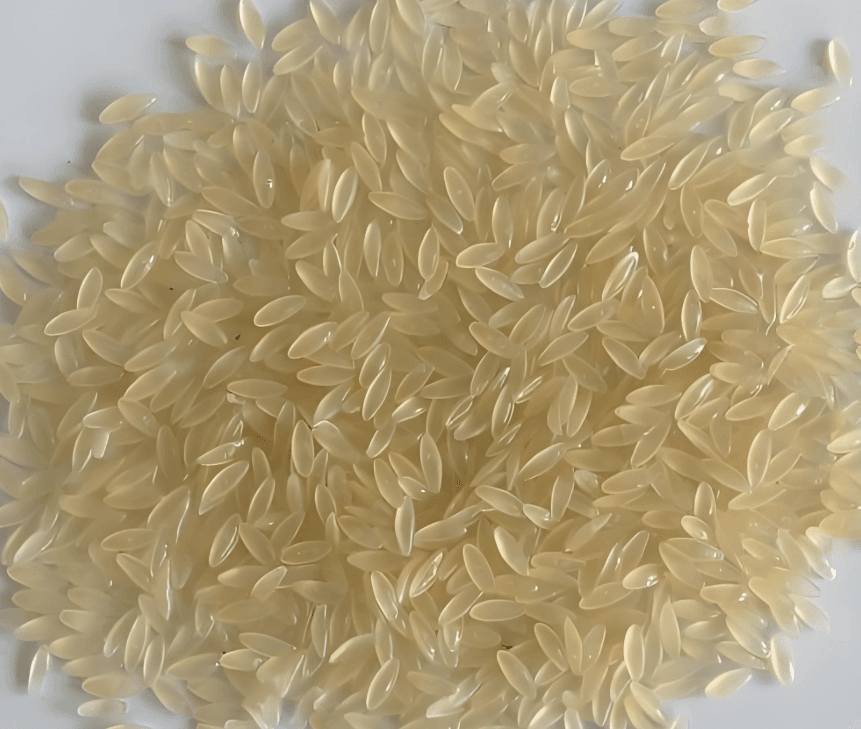
2.5. Addressing Specific Safety Concerns
- Allergens: Fortified rice premixes contain only vitamins and minerals. They do not contain gluten, dairy, soy, or any other common allergens. The rice itself is naturally gluten-free.
- Bioavailability and Interactions: The chemical forms of nutrients used are carefully selected for their bioavailability and low interaction potential. For instance, the use of Sodium Iron EDTA not only enhances iron absorption but also mitigates the inhibitory effects of dietary phytates on zinc absorption.
- Overconsumption by Specific Groups: Concerns about individuals with conditions like hemochromatosis (iron overload) are addressed by the population-level approach. The additional iron from fortified rice is minimal compared to the amounts that would significantly impact such conditions, which require medical management regardless of diet. The benefits for the vast majority of the population who are at risk of deficiency far outweigh the negligible risk to a tiny minority with rare disorders.
3. The Spectrum of Health Benefits: From Biochemical Correction to Functional Improvement
The health benefits of fortified rice are vast, well-documented, and impact individuals across their entire lifespan.
3.1. Combating Iron Deficiency Anemia: Reversing a Global Epidemic
Iron deficiency is the world’s most common nutritional disorder, and anemia—its most visible manifestation—affects nearly 40% of pregnant women and 42% of children under five globally.
- Mechanism: Fortified rice provides highly bioavailable iron, which is incorporated into hemoglobin, the oxygen-carrying molecule in red blood cells.
- Benefits:
- Increased Hemoglobin Levels: Corrects anemia, reducing fatigue and weakness.
- Improved Cognitive Function: Adequate iron is crucial for neurodevelopment. Studies show improved learning, memory, and concentration in children consuming iron-fortified foods.
- Enhanced Work Capacity: Reversing anemia increases aerobic capacity and physical productivity, with significant economic implications.
- Reduced Maternal and Child Mortality: Anemia in pregnancy increases the risk of hemorrhage, preterm birth, and low birth weight. Iron fortification is a key maternal health intervention.
3.2. The Zinc Advantage: Bolstering Immunity and Promoting Growth
Zinc is a cofactor for over 300 enzymes involved in virtually all aspects of cellular metabolism.
- Mechanism: Fortified rice provides absorbable zinc to compensate for dietary deficits and the inhibitory effects of phytates.
- Benefits:
- Strengthened Immune System: Zinc is critical for the normal development and function of immune cells. Adequate zinc status reduces the incidence, severity, and duration of infectious diseases like diarrhea, pneumonia, and malaria, particularly in children.
- Reduced Child Stunting: Zinc is essential for linear growth and bone metabolism. Meta-analyses confirm that zinc supplementation reduces stunting and wasting in children.
- Healthy Pregnancy Outcomes: Zinc supports fetal growth and development and reduces the risk of preterm birth.
3.3. Vitamin A: Safeguarding Vision and Enhancing Immune Defenses
Vitamin A deficiency (VAD) is a leading cause of preventable childhood blindness and increases the risk of severe infection.fortified rice machinery
- Mechanism: Fortified rice provides pre-formed Vitamin A (retinyl palmitate), which is stored in the liver and used as needed.
- Benefits:
- Prevention of Blindness: Essential for the production of rhodopsin, a pigment in the retina necessary for vision in low light.
- Enhanced Barrier Immunity: Maintains the integrity of skin and mucosal linings in the respiratory and gastrointestinal tracts, forming a first line of defense against pathogens.
- Regulation of Cellular Immunity: Critical for the function of T-cells and B-cells, the orchestrators of the adaptive immune response.
3.4. The B-Vitamin Complex: Fueling Metabolism and Protecting Neurological Health
The B-vitamins lost during milling are precisely restored.
- Thiamine (B1): Prevents beriberi, a disease characterized by cardiac and neurological complications.
- Riboflavin (B2): Supports energy production and antioxidant defense.
- Niacin (B3): Prevents pellagra, manifested as dermatitis, diarrhea, and dementia.
- Vitamin B12: Prevents megaloblastic anemia and irreversible nerve damage.
3.5. Folic Acid: A Cornerstone for Prenatal Health and Beyond
Perhaps the most dramatic benefit of fortification is the prevention of neural tube defects (NTDs).
- Mechanism: Folic acid is crucial for the rapid cell division and tissue formation that occurs in early pregnancy, specifically the closure of the neural tube, which forms the baby’s brain and spine.
- Benefits:
- Primary Prevention of NTDs: Countries with mandatory folic acid fortification of staple foods (like wheat flour in the U.S. and now rice in others) have seen a dramatic reduction (30-50%) in the incidence of spina bifida and anencephaly.
- Reduction of Homocysteine: Folic acid, with B12 and B6, helps lower blood homocysteine levels, a risk factor for cardiovascular disease.
3.6. Synergistic Effects and Holistic Health Impact
The benefits are not merely additive; they are synergistic. For example:
- Vitamin A and zinc work together to support immune function.
- Iron and vitamin A interact to improve hematological status.
- B-vitamins collectively act as coenzymes in energy metabolism.
This synergistic effect means that fortified rice contributes to a holistic improvement in health, vitality, and resilience.

4. Evidence in Action: Clinical Trials and Large-Scale Program Efficacy
The theoretical benefits are robustly supported by empirical evidence:
- A study in India showed that schoolchildren receiving iron-fortified rice for two years had significantly higher hemoglobin levels and a 10% greater reduction in anemia prevalence compared to the control group.
- Research in Thailand demonstrated that fortified rice consumption improved serum zinc and vitamin A levels in women and children.
- The World Food Programme (WFP) has implemented fortified rice in its food assistance programs for millions of refugees and schoolchildren, documenting improvements in nutritional status and reduced anemia rates.
- The success of folic acid fortification in over 80 countries stands as one of public health’s greatest achievements, preventing an estimated 170,000 neural tube defects globally since 1998.
5. Economic and Societal Benefits: The Ripple Effect of Improved Nutrition
The benefits extend far beyond the individual. The Copenhagen Consensus consistently ranks micronutrient fortification as one of the best investments for development, with a return of up to $30 for every $1 spent. This return comes from:
- Reduced healthcare costs for treating anemia, infections, and birth defects.
- Increased productivity from a healthier, more energetic workforce.
- Improved educational outcomes and future earning potential from better-nourished, cognitively enhanced children.
- Breaking the intergenerational cycle of malnutrition.
6. Conclusion: Fortified Rice as a Safe, Effective, and Ethical Imperative for Public Health
The evidence is clear and overwhelming. Fortified rice is a meticulously designed, rigorously regulated, and demonstrably safe public health intervention. Its production is grounded in sound toxicological principles, ensuring that even the highest consumers face no risk of adverse effects. Simultaneously, its health benefits are profound, addressing the most pervasive micronutrient deficiencies with remarkable efficacy. It improves individual lives by combating anemia, preventing blindness, bolstering immunity, and ensuring healthy births. It strengthens societies by enhancing economic productivity and educational attainment.fortified rice machinery

In a world grappling with the double burden of malnutrition, fortified rice represents a pragmatic, scalable, and ethical solution. It leverages a existing food habit to deliver critical nutrients exactly where they are needed most. Choosing fortified rice is not merely a dietary choice; it is an investment in a healthier, more productive, and more equitable future for all. The scientific community, public health authorities, and policymakers must therefore continue to champion its widespread adoption as a cornerstone of global nutrition strategy.
Leave A Comment