
Equipment Requirements for the Production of Enriched Rice
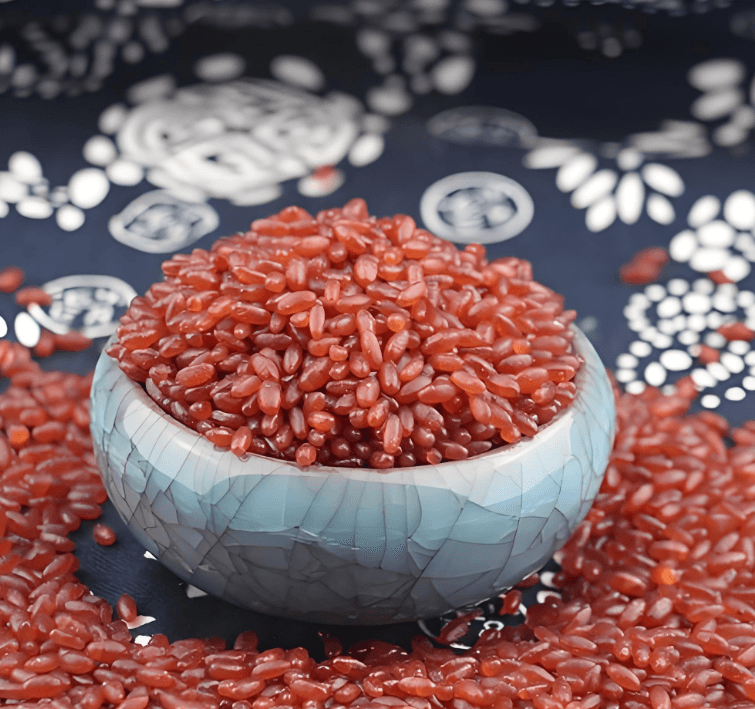
The production of enriched rice, also known as fortified rice, involves a sophisticated process designed to coat or impregnate rice kernels with essential vitamins and minerals without altering their natural appearance, taste, or cooking properties. This process requires specialized equipment to ensure precise, efficient, and scalable fortification. fortified rice machine market The core technology is typically based on dusting or coating methods, with the most common industrial approach being the Hot Extrusion process. The following outlines the key equipment required for a standard enriched rice production line using this method.
1. Premix Preparation and Handling System
- Precision Scales and Micro-dosing Feeders: Accurate weighing of the rice flour base and the proprietary vitamin-mineral premix (containing nutrients like Iron, Folic Acid, Vitamin B12, Vitamin A, Zinc) is critical. High-precision, automated feeders ensure the correct ratio for nutritional compliance.
- Premix Blender/Mixer: A ribbon blender or similar industrial mixer is used to homogeneously blend the powdered premix with the rice flour base material, creating a uniform fortificant mixture.
2. Extrusion System (The Core Unit)
This system transforms the blended powder into rice-shaped kernels that mimic natural rice grains.
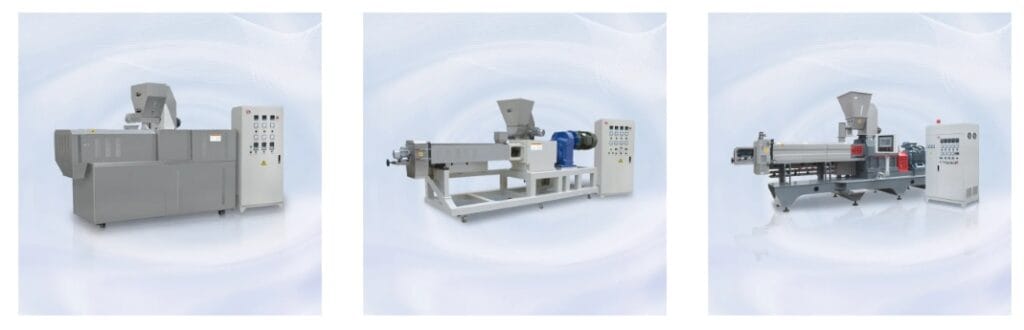
- Twin-Screw Extruder: The heart of the hot extrusion process. It cooks the flour-premix blend under controlled heat, pressure, and shear force. fortified rice machine market The twin-screw design allows for precise control over temperature and mixing, ensuring complete gelatinization of the starch, which encapsulates the micronutrients and improves stability.
- Conditioning Hopper/Pre-conditioner: Often used to pre-mix and moisten the ingredients with steam before they enter the extruder, improving cooking efficiency.
- Steam Boiler: Supplies consistent, dry steam for the conditioning and extrusion cooking process.
- Water Injection System: Precisely meters water into the extruder to achieve the optimal dough moisture content.
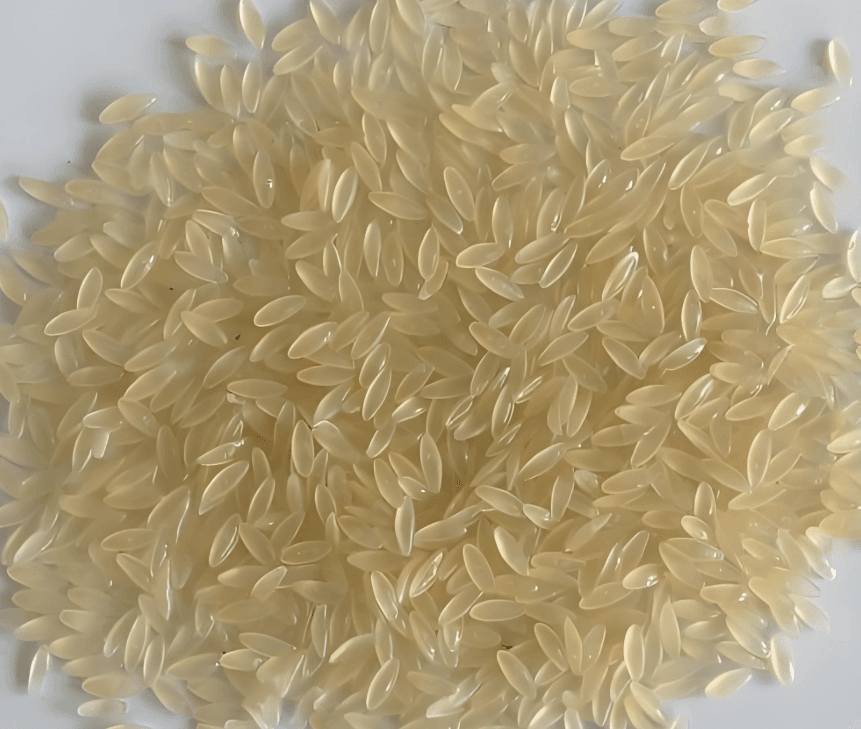
- Forming Die and Cutter: At the end of the extruder barrel, the cooked dough is forced through a die with rice grain-shaped holes. A rotating knife cuts the extruded strands into precise, grain-sized pellets (called “premixes” or “simulated rice kernels”).
3. Drying and Cooling System
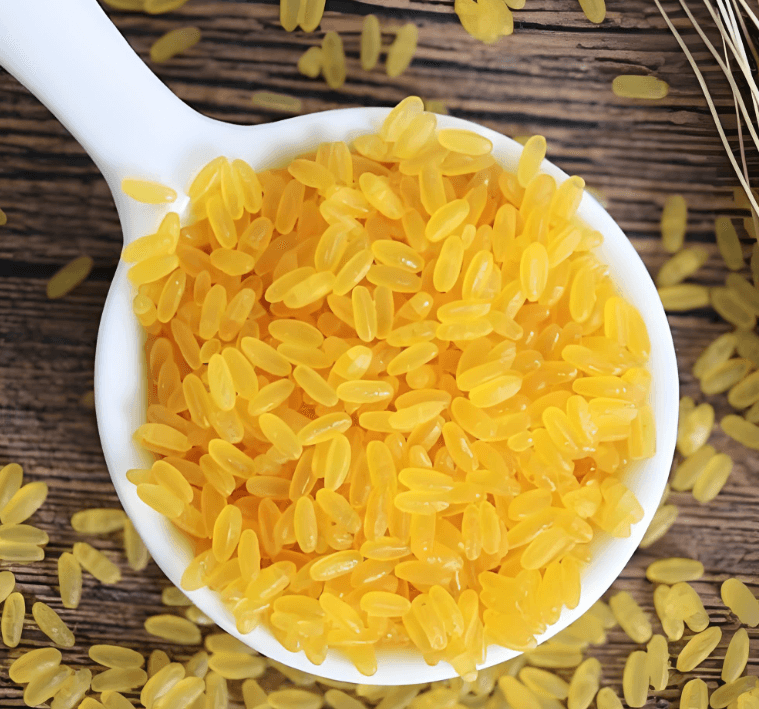
- Multi-pass Dryer: The soft, moist extruded kernels must be dried to a hard, glassy state with a moisture content similar to natural rice (typically ~10-12%). A multi-stage,fortified rice machine market belt dryer with controlled temperature and airflow is used to prevent cracking and ensure proper texture.
- Cooling Conveyor/Cooler: After drying, the hot kernels are cooled to ambient temperature using a cooling conveyor or a vertical cooler, stabilizing them for blending and packaging.
4. Blending System
- Batch or Continuous Blender: This is a crucial piece of equipment for ensuring uniform distribution of the fortified kernels within natural rice. The enriched kernels (typically at a ratio of 0.5% to 2% by weight) are blended with natural rice. Twin-shaft paddle blenders or ribbon blenders with high mixing efficiency are standard to achieve a homogenous mix (often requiring a Coefficient of Variation of < 5-10% as per WHO/FAO guidelines).
5. Quality Control Laboratory Equipment
While not part of the production line, an in-line or adjacent lab is essential for process control.
- Near-Infrared (NIR) Spectrometer: For rapid, non-destructive checking of blend uniformity and nutrient levels.
- Atomic Absorption Spectrophotometer (AAS) or ICP-MS: For precise laboratory analysis of mineral content (e.g., Iron, Zinc).
- High-Performance Liquid Chromatography (HPLC): For accurate analysis of heat-sensitive vitamins (e.g., Folic Acid, Vitamin B12).
- Color Sorters: Optional but highly recommended. Optical sorters can remove off-color kernels or foreign material from both the natural rice and the final blended product to ensure visual quality.
6. Packaging and Auxiliary Equipment
- Bucket Elevators & Pneumatic Conveyors: For gentle handling and transport of materials between different stages.
- Storage Silos and Hoppers: For holding raw rice, rice flour, premix, and the final blended product.
- Weighing and Bagging Machines: For packaging the final enriched rice into retail or bulk bags.
Key Technical Considerations for Equipment Selection:
- Hygiene & Cleanability: Equipment should comply with food-grade standards (e.g., stainless steel contact parts, easy to disassemble and clean).
- Precision & Automation: Automated control systems (PLCs) for parameters like feed rate, temperature, moisture, and blending time are vital for consistency and reducing human error.
- Scalability: Equipment should be selected based on the target production capacity (e.g., tons per hour).
- Nutrient Stability: The process must be designed to minimize nutrient loss,fortified rice machine market especially for heat-labile vitamins. The extrusion and drying temperatures are critical control points.
stablishing an enriched rice production line requires an integrated system of specialized equipment, fortified rice machine marketfrom precision feeding and high-shear extrusion to uniform blending and rigorous quality control. The investment in appropriate technology is fundamental to producing a fortified product that effectively delivers vital nutrients to consumers while seamlessly integrating into their staple diet.
Leave A Comment